Museo Galileo Visitor Guide: 6 Things to Know Before You Go
Plan your visit to the Museo Galileo in Florence with our comprehensive guide, covering must-see highlights like Galileo's telescopes and booking tips.
On this page
Museo Galileo Visitor Guide: 6 Things to Know Before You Go
Florence is famous for its art, but the Museo Galileo offers a fascinating look at the city's scientific history. This museum sits right along the River Arno and houses one of the most important collections of scientific instruments in the world. Visitors can explore the genius of Galileo Galilei – Wikipedia and other pioneers through beautifully preserved tools.
It provides a unique perspective on how the Renaissance shaped our understanding of the universe. Whether you are a science enthusiast or a curious traveler, this guide will help you navigate the exhibits effectively in 2026. Discover why this site is a must-see addition to any Florence itinerary.
The Legacy of Galileo: Why This Museum Matters
The museum is located within the historic Palazzo Castellani, one of the oldest buildings in the city center. This structure has stood since the 11th century and now serves as a compact record of human discovery. Walking through the halls feels like stepping back into the laboratories, map rooms, and court collections of the Medici and Lorraine families.
Those dynasties were passionate patrons of science, and the layout works best when you read it as two related collections. The Medici rooms lean toward Renaissance astronomy, navigation, measurement, and early physics. The Lorraine galleries move the story forward into electricity, chemistry, and experimental science.
That context makes every telescope and globe on display much more meaningful. The museum shows how the city of Florence led the way in both art and empirical research, not just painting and sculpture. It also explains why many instruments look beautiful enough to be palace objects while still being working scientific tools.
The building itself offers a quiet atmosphere that contrasts with the busy streets outside. Each room tells a story of curiosity, precision, and the drive to test old ideas against observation. This legacy continues to inspire scientists, families, and history-focused travelers from around the globe today.
Must-See Highlights: Telescopes, Globes, and the Famous Finger
The most famous items in the museum are the original telescopes used by Galileo to study the night sky and discover Jupiter's moons. These humble wooden tubes represent the moment humanity first saw the cosmos in a new way. You will also find Galileo's famous middle finger preserved in a glass reliquary.
This unusual artifact is easy to treat as a novelty, but it points to Galileo's posthumous reputation as a symbol of scientific defiance. Finding this relic is a highlight for many visitors who appreciate the human side of history. It is located in the Medici collection rooms on the first floor, so do not leave after only seeing the telescopes.
The collection is divided into the Medici and Lorraine sections to show different eras of progress. Medici rooms focus on navigation, astronomy, and early physics, while the Lorraine galleries feature electricity, chemistry, and later experimental demonstrations. Massive celestial globes and intricate maps fill the larger halls with vibrant colors and gold leaf.
These objects were as much works of art as they were functional tools for exploration. Take time to admire the craftsmanship of the Santucci Armillary Sphere in Room VI. This giant model of the universe is one of the most complex items on display and one of the easiest pieces for non-specialists to understand visually.
- The Original Telescopes of Galileo
- Type: Scientific instrument
- Best for: History fans
- Where: Inside Room IV
- Significance: First celestial views
- The Famous Middle Finger
- Type: Human relic
- Best for: Curiosity seekers
- Where: Inside Room VII
- Significance: Symbol of defiance
- Santucci's Large Armillary Sphere
- Type: Cosmographic model
- Best for: Visual learners
- Where: Inside Room VI
- Significance: Intricate gold design
Maximizing Your Visit with the Museo Galileo App
The Museo Galileo app provides a deep dive into the collection without relying only on the short labels beside the display cases. It covers the full collection, highlights about 80 especially important instruments, and includes video and audio explanations that show how complex devices actually worked. Downloading it before you arrive saves time, especially if your phone is slow on public Wi-Fi.
You can use the museum's free Wi-Fi to access the content once you are inside the building. Bring your own earbuds if you want to listen without stopping in the ticket area first. Interactive screens are also placed throughout the galleries to help explain experiments that are now centuries old.
The app is most useful in rooms with instruments that look static at first glance, such as calculating devices, optical tools, and experimental machines. It lets you move at your own pace, skip objects that do not interest you, and return to the telescopes or globes without being locked into a fixed audio route.
If you prefer a quick orientation, download the museum's printable mini-guide before your visit. It gives a short introduction to the 18 halls and is easier to scan than a phone screen when traveling with children or a group. Using both the mini-guide and the app is the best balance for first-time visitors.
Essential Museo Galileo Visitor Guide: Tickets, Hours, and Location
The museum is located at Piazza dei Giudici 1, on the north bank of the Arno just behind the Uffizi Gallery. Opening hours are Monday: 09:30–18:00; Tuesday: 09:30–13:00 (short day); Wednesday: 09:30–18:00; Thursday: 09:30–18:00; Friday: 09:30–18:00; Saturday: 09:30–18:00; Sunday: 09:30–18:00. Ticket sales end 30 minutes before closing, and the museum is closed on 1 January and 25 December.
Tickets can be purchased at the door, and booking is not required for individual visitors. Check the Official Museo Galileo Tickets site before you go if you are visiting with a group, joining a guided visit, or traveling during a peak holiday period. Reservations are mandatory for groups and school groups of 15 or more.
Standard admission is €14.00 full price and €10.00 reduced. Children aged 6–18 pay €7.00, and a family ticket is €32.00. Children under 6, visitors with disabilities plus one companion, and licensed tour guides enter free. Online or phone bookings add a €1.00 service fee per ticket.
From Firenze Santa Maria Novella station, allow about 20 to 25 minutes on foot through the historic center. If you are already near the Uffizi or Ponte Vecchio, the walk is only a few minutes. Taxis can get you close to the Lungarno, but the final approach may still involve a short walk through pedestrian streets.
The museum is accessible for visitors with limited mobility, including elevator access to the galleries. Because Palazzo Castellani is a historic building, ask staff at the ticket desk for the easiest route before you begin. Allow 1 to 2 hours for the main collection, or closer to two hours if you plan to use the app carefully.
The museum closes early at 13:00 on Tuesdays. Plan your visit accordingly, as ticket sales end 30 minutes before closing.
Expert Planning Tips: Timing and Crowds
Plan to spend at least two hours exploring the galleries if you want to see the major highlights without rushing. The museum is often much quieter than the nearby Uffizi, making it a useful break from Florence's heaviest crowds. The best windows are usually right at opening or later in the afternoon, after school groups and guided tours have moved through.
Families should prioritize the rooms with interactive screens and demonstrations before attention starts to fade. The collection is dense, so younger visitors often respond better to a short route built around telescopes, globes, the famous finger, and hands-on explanations rather than a room-by-room march.
Be sure to look out the windows in the upper galleries for views of the River Arno. These vantage points offer a unique perspective of the city that many tourists miss. The natural light in these rooms also makes for excellent photos of the historic instruments, but avoid flash around delicate displays.
The most common mistake is treating Museo Galileo as a quick filler between bigger museums. It works better as a focused 90-minute to two-hour visit. Also avoid arriving late on Tuesday, skipping the app, or assuming every object will be self-explanatory from the label alone.
The museum is often much quieter than the nearby Uffizi. Visit right at opening or later in the afternoon for a more peaceful experience, after school groups and guided tours have moved through.
Exploring the Neighborhood: What’s Near Piazza dei Giudici
After your visit, take a moment to explore the area around Piazza dei Giudici. You are only steps away from the Ponte Vecchio, the Uffizi side streets, and the riverside walk along the Arno. If you want to continue your cultural journey, consider visiting the nearby Museo di San Marco for beautiful frescoes.
The city is full of small treasures that are often overlooked by the main crowds. For those who enjoy unique collections, the Stibbert Museum offers a massive array of armor and art. It is farther from the historic center, so save it for a separate half-day rather than trying to squeeze it in immediately after Museo Galileo.
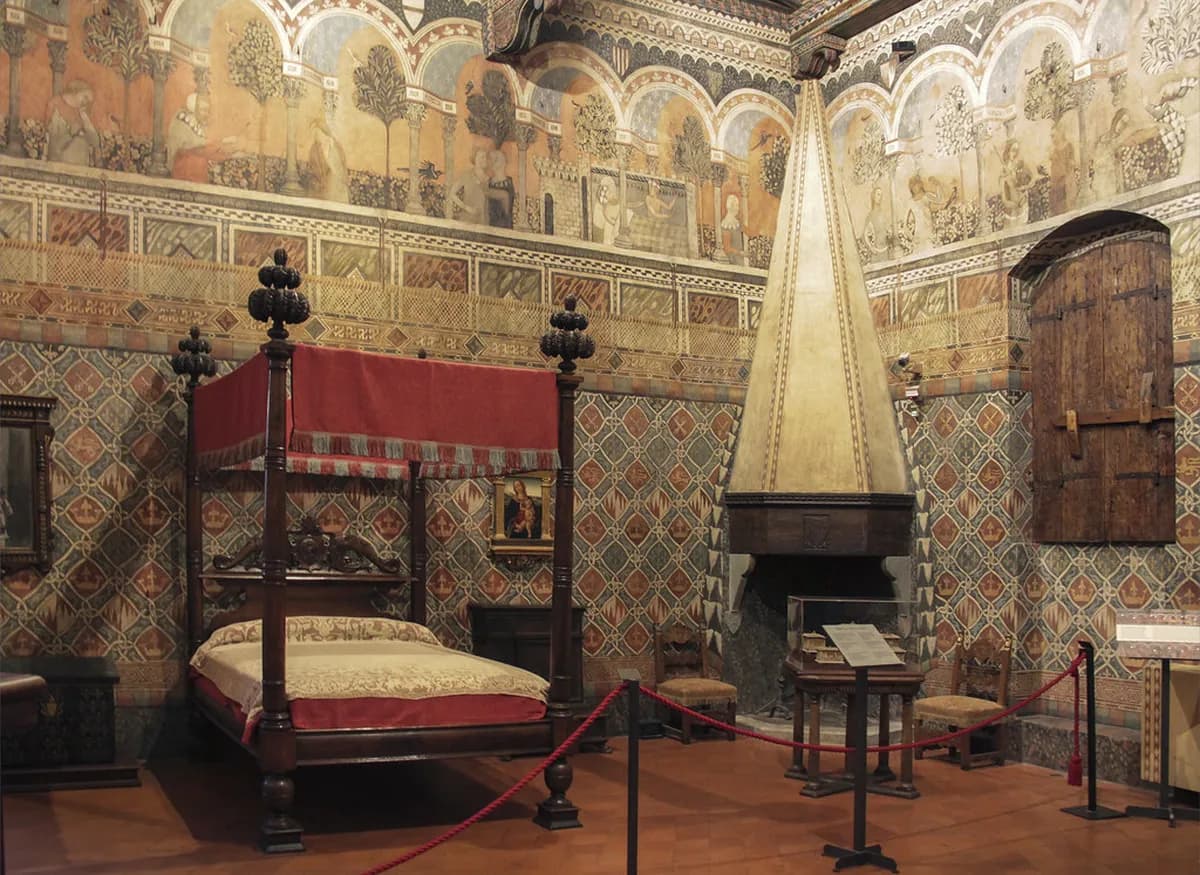
Alternatively, the Bardini Garden provides a quiet place to walk and enjoy panoramic views of the skyline. It is a good follow-up if you want fresh air after the galleries, but remember that its paths involve slopes and stairs. You can also visit Palazzo Davanzati to see how a wealthy Renaissance family lived.
Many cafes are located within a five-minute walk for a quick lunch or espresso. The proximity to the Uffizi makes it easy to combine both sites in one day, but do the Uffizi first if you have a timed entry there. Ending with the riverside walk back toward the city center is the easiest way to reset after a dense museum visit.
Frequently Asked Questions
Which Museo Galileo highlights are best for first-time visitors?
First-time visitors should prioritize Galileo's original telescopes and the large celestial globes in the Medici collection. The "Famous Finger" relic is also a top priority for most guests. These items offer the strongest connection to the museum's core mission of scientific history.
How much time should you plan for a visit to the Galileo Museum?
Most visitors find that two hours is sufficient to see the main exhibits comfortably. If you are a science buff or plan to use the interactive app extensively, you might want three hours. The museum is compact but very dense with information.
What should travelers avoid when planning a visit to Museo Galileo?
Avoid visiting on Tuesday afternoons, as the museum closes early at 13:00. Also, try not to skip the interactive digital displays located throughout the rooms. These screens provide essential context for how the ancient instruments actually functioned in their time.
Is the Museo Galileo worth it for non-science fans?
Yes, the instruments are beautiful works of art and the building itself is historic. The connection to the Medici family adds great cultural value for any history lover. If you prefer art, consider visiting Casa Buonarroti nearby to see Michelangelo's early works.
The Museo Galileo is a unique gem in the heart of Florence that offers more than just scientific tools. It provides a deep look into the human curiosity that drove the Renaissance forward. From the telescopes of Galileo to the massive globes of the Medici, every exhibit tells a story of discovery.
Using this guide will ensure you make the most of your time in this historic building. Plan your visit today to see how science and art intertwined to shape our modern world. This museum remains a vital stop for anyone looking to understand the full legacy of the Tuscan capital.
Continue exploring
More guides you'll find useful