Brancacci Chapel Visitor Guide: Tickets, Frescoes & Tips
Plan your visit to Florence's Brancacci Chapel. Discover Masaccio's masterpieces with our guide to tickets, mandatory reservations, and the best fresco highlights.
On this page
Brancacci Chapel Visitor Guide
The Brancacci Chapel serves as a cornerstone of Early Renaissance art in Italy. Many art historians consider this small space to be the birthplace of modern painting. It is located within the church of Santa Maria del Carmine in the Oltrarno district of Florence.
Visitors often call this chapel the 'Sistine Chapel' of the 15th century due to its influence. The frescoes here showcase a major shift toward realism and human emotion. Our guide will help you navigate the mandatory booking process and highlight the must-see details.
Understanding the narrative of the frescoes makes the experience much more rewarding. The chapel features works by three distinct masters who shaped the course of art history. Prepare for a short but intense encounter with some of the world's most famous wall paintings.
Book a timed slot before you go, arrive 15 minutes early at the cloister entrance, and plan for a maximum 30-minute visit. In 2026, full-price admission is €15.00, online booking adds a €1.00 reservation fee per ticket, and no more than 10 people enter the chapel at one time.
History of the Brancacci Chapel: The Sistine Chapel of the Early Renaissance
The chapel takes its name from Felice Brancacci, a wealthy silk merchant in the 1400s. He commissioned the fresco cycle to honor Saint Peter and his own family legacy. This project began around 1424 and faced several interruptions over the following decades.
The work represents a pivotal moment when artists moved away from flat, gothic styles. Painters began using light and shadow to create a sense of three-dimensional space. These techniques later inspired masters like Michelangelo and Leonardo da Vinci.
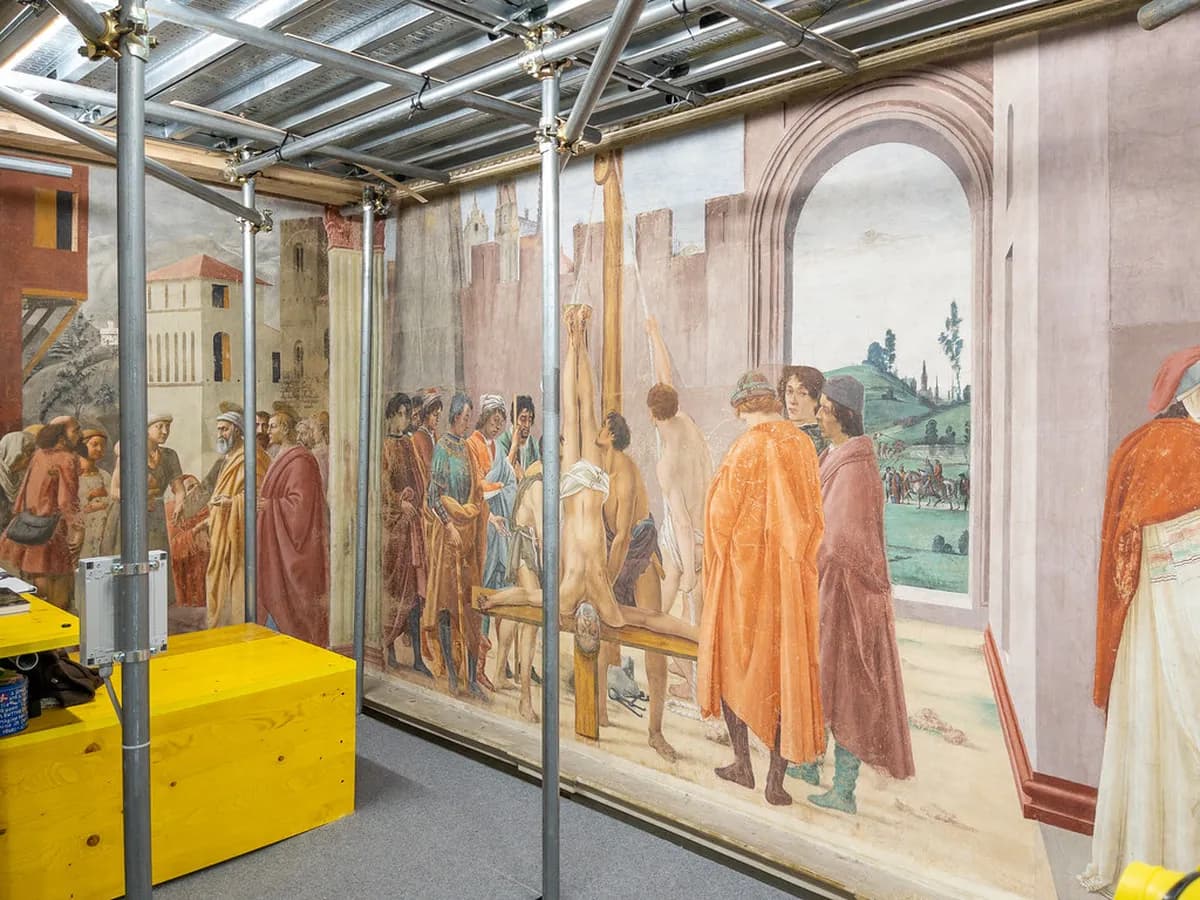
During the late 18th century, a fire nearly destroyed the entire church structure. The chapel luckily survived the flames, though the frescoes suffered some smoke damage. Recent restoration and cleaning work has made the color, facial expression, and architectural detail easier to read in 2026.
Walking into the space feels like stepping back into the height of the Florentine Republic. The atmosphere is quiet and reverent, allowing for deep contemplation of the art. It remains one of the most significant Florence attractions for serious history lovers.
Who Was Masaccio? The Revolutionary Artist
Tommaso di Giovanni di Simone, known as Masaccio, was the primary genius of this chapel. He was only 21 years old when he began working on these massive wall paintings. Despite his short life, his impact on the art world was truly revolutionary.
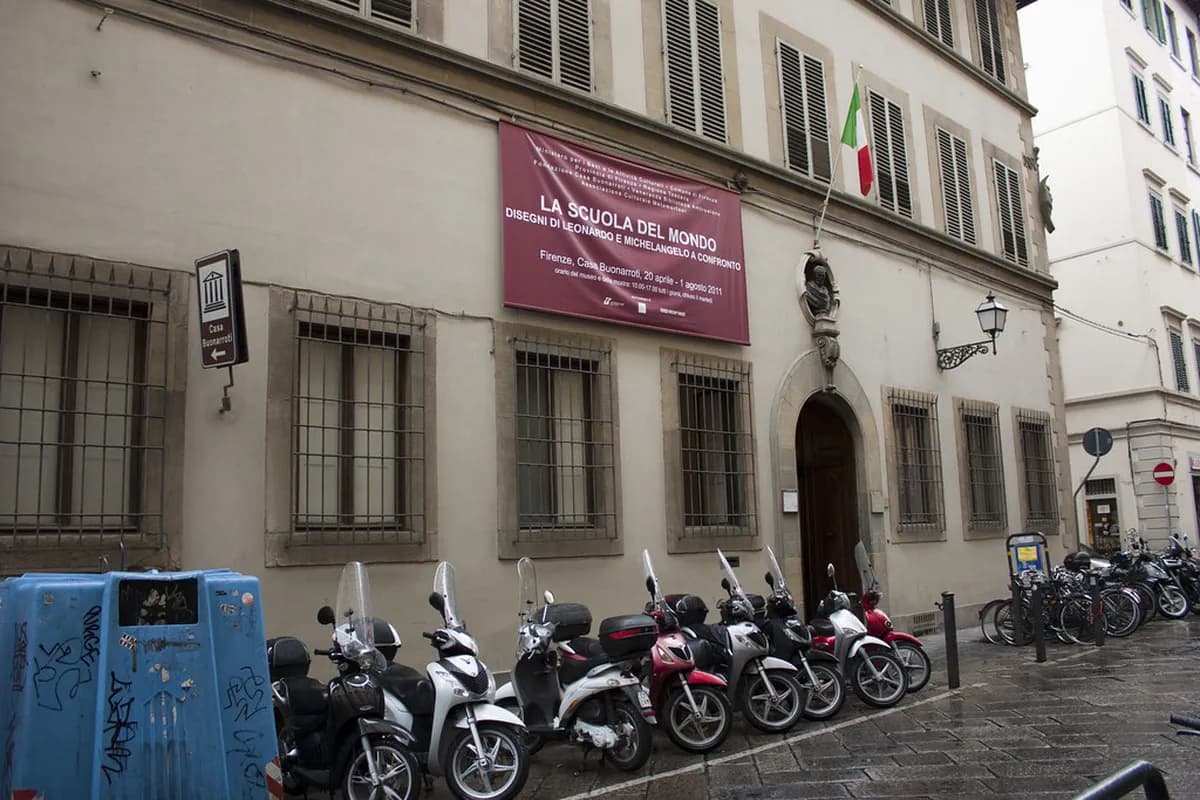
Masaccio worked closely with the architect Filippo Brunelleschi to master the rules of perspective. He applied these mathematical principles to painting to create deep, realistic backgrounds. You can see similar early artistic developments at the nearby Casa Buonarroti museum.
The artist also collaborated with Masolino da Panicale, who had a more traditional style. Comparing their work side-by-side helps visitors understand the rapid evolution of Renaissance art. Later, Filippino Lippi completed the remaining scenes after Masaccio's mysterious and early death.
Masaccio’s figures possess a weight and gravity that was entirely new for the period. He used a single light source to define the shapes of bodies and faces. This approach created a sense of naturalism that had not been seen since antiquity.
Guide to the Brancacci Fresco Cycle: Key Masterpieces
Follow the narrative of Saint Peter's life by starting on the upper left wall. The most famous scene is The Tribute Money, which shows Peter finding a coin. Notice how Masaccio uses continuous narration to show three different moments in one frame.
On the narrow entrance pillar, you will find the Expulsion from the Garden of Eden. The raw grief on the faces of Adam and Eve is incredibly powerful. This specific fresco marked a new era in depicting human psychology through art.
Across from it is Masolino's The Temptation of Adam and Eve, showing a softer style. The contrast between the two artists highlights the shift toward emotional realism. Look for Saint Peter Healing the Sick with His Shadow, where a sacred story is placed in a believable Florentine street.
The lower levels were finished by Filippino Lippi several decades after the initial work. He carefully matched the style of his predecessors while adding more contemporary portraits. Many famous Florentine citizens of the time are hidden within these crowded scenes.
Take your time to observe the architectural details painted into the backgrounds. These buildings often resemble the actual streets of 15th-century Florence. The use of atmospheric perspective makes the distant mountains appear hazy and realistic.
Practical Visitor Information: Tickets, Hours, and Reservations
Securing a visit requires advanced planning because the chapel uses timed entry with no more than 10 people admitted at once. You should book a specific time slot through the Official Museum Site before arriving. Reservations often sell out ahead of busy weekends and summer dates.
The full-price (intero) ticket is €15.00. Booking online through the official Florentine Civic Museums ticket office adds a €1.00 reservation fee per ticket. Admission is free for visitors under 18, school groups and their teachers, licensed tour guides, persons with disabilities and a companion, and Firenze Card holders.
As of 2026 the chapel is open Monday 10:00–17:00, closed Tuesday, Wednesday to Saturday 10:00–17:00, and Sunday 13:00–17:00. It is closed on Easter Sunday, July 16, August 15, December 25, and January 1. Always verify the current schedule before you finalize your Florence Itinerary for the week.
Entry is located through the side cloister of the Santa Maria del Carmine church, not through the main church doors. Arrive at least 15 minutes before your scheduled time, keep your digital or printed booking confirmation ready, and do not plan another timed museum immediately afterward in case check-in runs slowly.
From the Duomo, expect a 20- to 25-minute walk across the Arno into the Oltrarno. From the Uffizi or Ponte Vecchio area, the walk is closer to 12 to 15 minutes. If you prefer public transit, use a bus toward Piazza del Carmine or Piazza Tasso and leave extra time for the final short walk through the neighborhood streets.
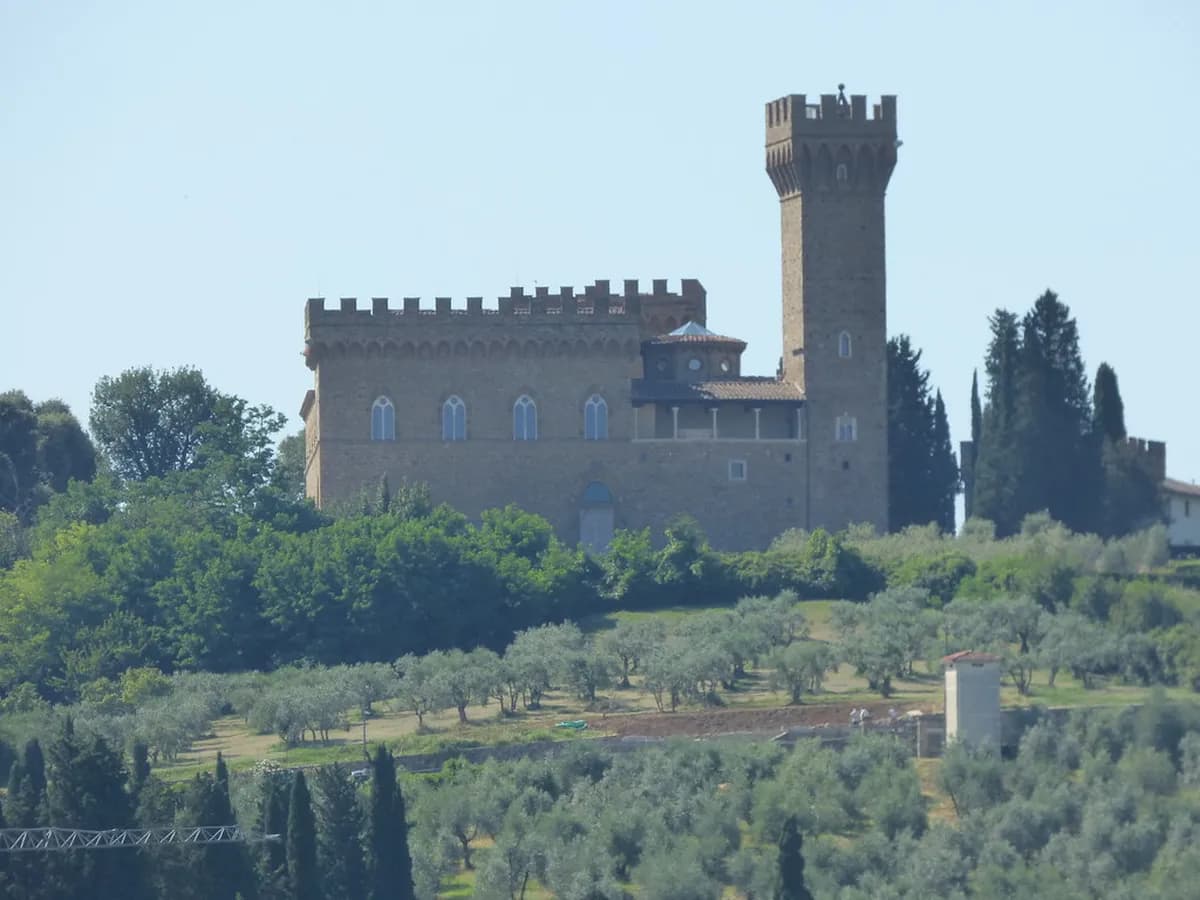
If you enjoy organized logistics, consider booking a ticket for the Stibbert Museum as well. Both sites offer a more tranquil experience compared to the crowded Uffizi Gallery, though they sit in different parts of Florence and should not be rushed back-to-back.
| Visit Type | Cost | Duration | Best For |
|---|---|---|---|
| Self-guided timed entry | €15.00 + €1.00 online reservation fee | Maximum 30 minutes | Independent visitors who know the main frescoes |
| Guided visit or art-history tour | Varies by provider | Usually 45 minutes or more with context outside the chapel | First-time visitors who want help reading the fresco cycle |
What’s Not Allowed and Accessibility Tips
Security staff strictly enforce a ban on large bags and backpacks inside. Use the small lockers provided near the ticket office for storage, and avoid bringing umbrellas or bulky items that could accidentally touch the delicate walls.
Photography is allowed but you must turn off your flash completely. Tripods, selfie sticks, and professional video equipment are prohibited without a special permit. Respect the quiet environment by keeping your voice low during the viewing.
The chapel is accessible to wheelchair users via the cloister route and a dedicated lift system. Notify the staff upon arrival so they can assist with elevator access. Accessible toilets are on the ground floor of the cloister, so it is worth asking staff before you go upstairs.
The most common mistake is arriving at Santa Maria del Carmine and waiting at the wrong door. Follow signs for the Cappella Brancacci or the convent cloister, and do not assume the free church entrance gives access to the paid chapel route.
Brancacci Chapel Reviews and Visitor Experience
Most visitors praise the incredible clarity of the frescoes after recent cleaning. The colors appear much brighter than they did in previous decades, and the restored surfaces make Masaccio's modeling of faces, hands, and drapery easier to appreciate.
A common complaint involves the strict 30-minute time limit for each group. Staff will signal when your time is up to allow the next group entry. Plan your viewing strategy beforehand to ensure you see every important panel.
The best time to visit is the first available morning slot on weekdays, when the Oltrarno is quieter and you have more mental energy for the dense visual narrative. Late Sunday can work well too, but remember that Sunday hours begin at 13:00 rather than in the morning.
Travelers often compare this experience to visiting the Museo Galileo for its precision. Both sites offer a deep dive into a specific niche of Florentine history. The small group size makes the visit feel more personal and less rushed.
Exploring the Oltrarno: Nearby Attractions in Florence
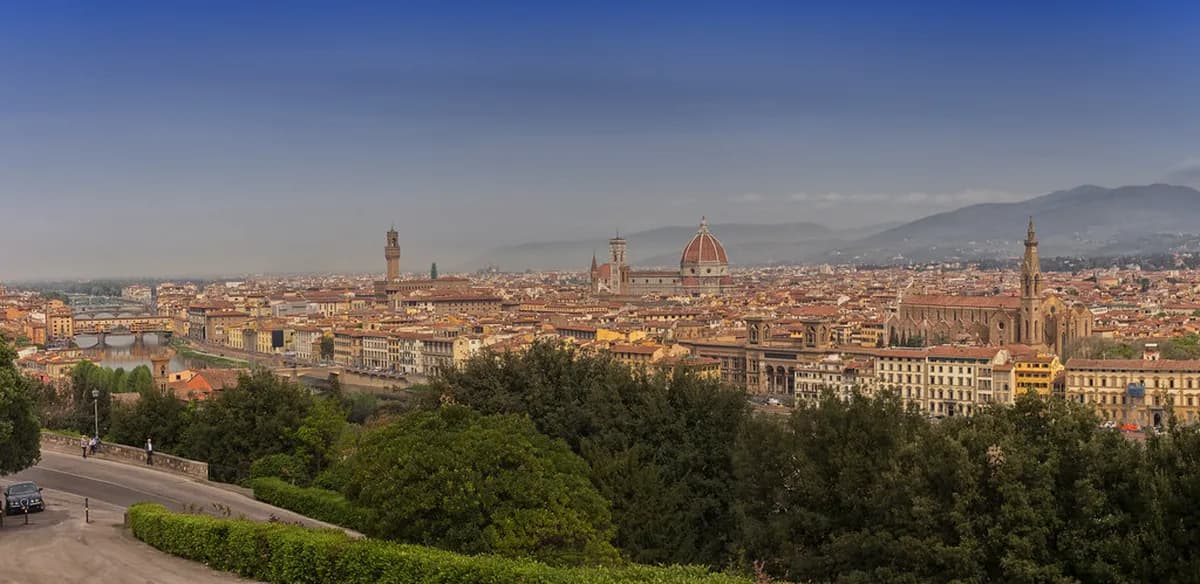
The Oltrarno district is famous for its traditional artisan workshops and local charm. After your visit, follow a self-guided Oltrarno walk toward Piazza Santo Spirito for a coffee or continue toward Palazzo Pitti for a broader Renaissance itinerary. This area feels much more lived-in than the tourist-heavy center near the Duomo, making it a great base for things to do in Florence off the beaten path.
Nature lovers should take a short walk to the beautiful Bardini Garden for city views. It offers a peaceful escape with terrace gardens overlooking the Arno River. You can find many of the best hidden gems in Florence tucked into these narrow medieval side streets.
Consider visiting the local leather shops where masters still work by hand. The neighborhood is also home to some of the best trattorias in the city. Spending a full afternoon in the Oltrarno is the best way to end your art tour.
Frequently Asked Questions
Who Was Masaccio and why is he important?
Masaccio was a pioneering artist who introduced linear perspective and realistic human emotion to painting. His work in the Brancacci Chapel influenced generations of Renaissance masters, including Michelangelo. He is often called the father of modern painting for his revolutionary techniques.
How do I book Brancacci Chapel tickets in advance?
You must book tickets through the official Florentine Civic Museums website. Because entry is timed and capped at no more than 10 people at once, it is best to book at least two weeks before your visit. Reservations are mandatory and you cannot rely on buying tickets at the door during peak season.
Is the Brancacci Chapel worth visiting compared to the Uffizi?
Yes, it offers a much more intimate experience with fewer crowds. While the Uffizi has a larger collection, the chapel allows you to see the birth of the Renaissance in one room. It is a must-see for anyone interested in serious art history.
How long do you have inside the Brancacci Chapel?
Visitors are typically allowed 30 minutes inside the chapel per time slot. This ensures that the small space does not become overcrowded. The staff is very strict about this limit, so focus on the main frescoes first.
What is the visitor limit for the chapel?
The timed-entry limit is designed to protect the delicate frescoes from humidity and carbon dioxide. By restricting the number of people inside, the museum can better preserve the 15th-century paint. This also provides a better viewing experience for every guest.
The Brancacci Chapel remains a vital stop for any art lover visiting Italy. Seeing Masaccio's work in person provides a profound understanding of the Renaissance. Make sure to book your tickets early to ensure you don't miss this masterpiece.
Take time to explore the surrounding Oltrarno neighborhood after your tour ends. The combination of high art and local culture makes for a perfect day. Check our list of other Florence sites to complete your travel plans.
For official details, visit the Brancacci Chapel official site and Brancacci Chapel on Wikipedia.
Continue exploring
More guides you'll find useful