La Specola Visitor Guide: Florence’s Most Unusual Museum
Plan your visit to La Specola in Florence with our expert guide. Explore the famous anatomical waxes, zoological collections, and essential booking tips.
On this page
La Specola Visitor Guide: Florence’s Most Unusual Museum
La Specola is Florence's strangest major museum in the best possible sense: a historic science collection where zoology, anatomical waxes, Enlightenment teaching, and Renaissance visual culture overlap. It sits in the Oltrarno, close to the Pitti Palace, but feels very different from the city's crowded art museums.
This 2026 La Specola visitor guide focuses on what matters before you go: the reopened galleries, the anatomical wax collection, the zoological rooms, booking rules, accessibility limits, and how much time to allow. The museum reopened in 2024 after a major renovation, and advance planning is still useful because some special rooms and wax displays involve guided access.
Florence is famous for churches, palaces, and painting, but La Specola shows another side of the city: its scientific curiosity. Pair it with a wider Florence attraction guide or a roundup of unusual things to do in Florence if you want a day that goes beyond the standard Uffizi-and-Duomo route.
The History of La Specola: Europe’s First Public Science Museum
La Specola opened to the public in 1775 as the Imperial and Royal Museum of Physics and Natural History. Grand Duke Peter Leopold of Lorraine bought Palazzo Torrigiani near the Pitti Palace to bring natural curiosities, scientific instruments, zoology, botany, anthropology, and astronomy into one public institution.
The museum's name comes from the Latin word for observatory. An astronomical tower was built on top of the palace for the study of the sky, and the site quickly became part of Florence's Enlightenment identity. It marked its 250th anniversary in 2025, which is why recent SERP results often emphasize its age and public-science credentials.
Today, the University of Florence manages La Specola as part of its Museum of Natural History network. The museum still preserves the feel of an 18th-century scientific cabinet, with historic cases, dense displays, and rooms that reward slow looking rather than quick photo stops.
The important context for visitors is that La Specola is not a general art museum with a science theme. It is a working historical collection. That means the displays can feel old-fashioned, but that is also the point: you are seeing how Florence collected, classified, and taught the natural world over centuries.
The Famous Anatomical Wax Collection: Art Meets Science
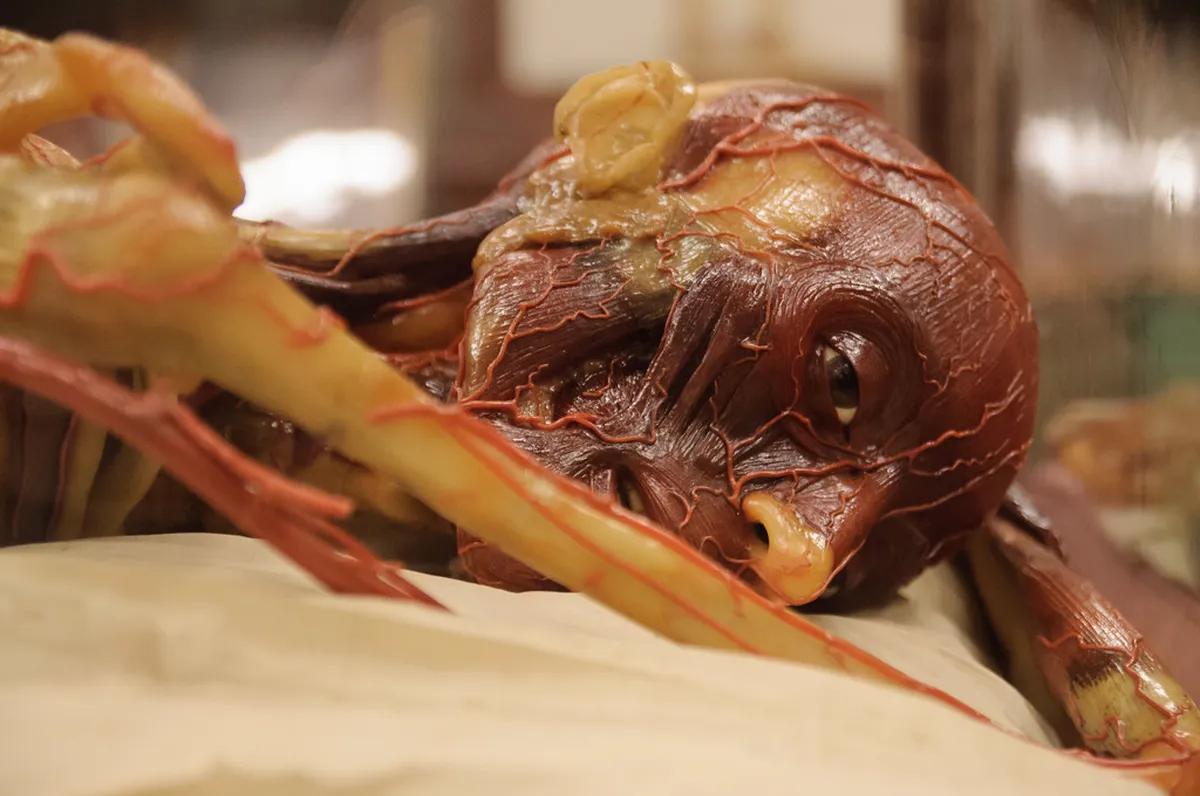
The anatomical wax models are the museum's most famous attraction. Clemente Susini and other Florentine wax modelers created lifelike figures that let medical students study the body without relying only on dissection. Today, the waxes are both scientific documents and unsettling works of art.
Visitors often pause at the "Venerina," or Little Venus, a reclining figure with removable layers that reveal internal organs. The model's calm pose, carefully modeled skin, and anatomical precision make it one of the clearest examples of La Specola's art-meets-science identity.
The collection includes hundreds of wax pieces showing organs, muscles, nerves, veins, and full figures. The main mistake is to expect a neutral clinical display. These rooms are graphic, theatrical, and historically specific, so they are best for visitors who are comfortable with detailed human anatomy.
The anatomical waxes may be disturbing for young or sensitive visitors. Preview the exhibits or focus on the zoological rooms for a less intense experience.
Zoological Highlights: From the Boboli Hippo to Extinct Species
The zoological section is the easiest part of La Specola to enjoy on a first visit. The famous Boboli hippopotamus is the headline exhibit: a preserved animal associated with the grand-ducal menagerie in the Boboli Gardens. It is memorable, odd, and exactly the sort of object that makes this museum feel unlike the rest of Florence.
The display includes birds, mammals, marine life, skeletons, and specimens connected with extinct or endangered species. The visible zoology rooms are only a small portion of the much larger scientific collections preserved by the museum system.
Taxidermy techniques from different eras are part of the appeal. Some older specimens look stylized by modern standards, but they help explain how natural history was studied before photography, film, and digital databases. The collection is not just decorative; it is a record of classification, colonial-era collecting, and scientific education.
Families usually do best by starting here before deciding whether to continue into the anatomical waxes. Younger children can focus on animals and skeletons, while older children and teenagers may be ready for the more intense medical-history rooms.
The Boboli hippopotamus is one of Florence's most unusual museum highlights. Plan at least 45–60 minutes for the zoological rooms if they are your priority.
The Galileo Tribune and the Hall of Skeletons
The Galileo Tribune is a Neoclassical tribute to Galileo Galilei and Tuscany's scientific tradition. Built in 1841, it uses frescoes, sculpture, and architectural drama to present science almost like a civic religion. It is worth seeking out because many short La Specola summaries focus only on animals and waxes.
The Hall of Skeletons offers a different kind of wonder. It lets you compare animal structures side by side, from smaller specimens to large mammals. This section is useful if you want a more direct scientific counterpoint to the theatrical anatomical waxes.
Many visitors connect La Specola with Museo Galileo, which sits across the river and focuses more directly on scientific instruments. Together, the two museums make a strong alternative itinerary for travelers who have already seen Florence's major Renaissance art sites.
Special rooms such as the Torrino, the Tribuna di Galileo, and the Hall of Skeletons may involve guided access or limited accessibility. Treat these as bonus areas rather than guaranteed walk-in rooms, and check the official access notes before building your whole day around them.
Planning Your Visit: Opening Hours and Location
La Specola is located at Via Romana 17 in the Oltrarno neighborhood, a short walk from the Pitti Palace and within an easy museum pairing distance of the Bardini Garden. From Ponte Vecchio, plan roughly 15 to 20 minutes on foot, depending on crowds and how directly you walk.
Opening hours are Tuesday to Sunday, 9 am to 5 pm, with last entry at 4 pm. The museum is closed Mondays, 1 January, Easter, 1 May, 15 August, and 25 December. Check the Official Museum Website (SMA UniFI) before you go, especially around holidays or university events.
The best time to visit is soon after opening if you want the calmest galleries. Mid-morning can bring school groups, while late afternoon gives less buffer before last entry. Most visitors should allow 1.5 to 2 hours; add more time if you join a guided visit for the wax models or special rooms.
For transit, walking is usually simplest from the historic center. If you use local buses, aim for stops around Via Romana or Piazza San Felice and verify current Autolinee Toscane routes on the day, because central Florence routes and detours can change.
Tickets and Booking: How to Secure Your Entry
Online booking is strongly recommended because the official source notes limited ticket-office availability during high turnout. You can start from the University of Florence - Museum of Natural History portal or the museum's booking links, which direct visitors to Vivaticket.
Full price: 10€. Reduced price: 5€ for ages 6 - 14 and over 65; student groups from primary and secondary European schools with a letter from the school. Free entry applies to children 0-6 years old and other eligible categories listed by the museum. Bring ID or documentation for reduced and free tickets.
A guided tour of the anatomical wax models costs 3€ per person in addition to the general admission ticket. The official ticket information says this supplement can only be purchased at the ticket office, so do not assume that buying admission online automatically reserves every special-access area.
The main booking mistakes are arriving after last entry, assuming on-site tickets will always be available, and forgetting documents for reduced or free admission. If the waxes are your priority, check the guided-tour timing before you choose the rest of your Florence schedule.
Is La Specola Family-Friendly? Tips for Visiting with Kids
La Specola can be a strong family stop, especially for children who like animals, skeletons, minerals, or unusual museums. The zoological rooms are the safest first choice because they are more intuitive and less intense than the anatomical wax collection.
Parents should be careful with the waxes. They are highly realistic, show internal anatomy in detail, and can be disturbing for young or sensitive children. A practical approach is to split the visit: do the animal rooms together, then let adults or older teenagers decide whether to continue into the medical-history displays.
Do not assume every area works smoothly with a stroller or wheelchair. The official access notes describe parts of the museum as not wheelchair accessible or only partially accessible, and some collections require guided access. Visitors with mobility needs should contact the museum before buying tickets.
Educational workshops and family programming may appear on the museum calendar, especially around school periods. If you are visiting Florence with kids in 2026, check events before booking because a workshop can turn La Specola from a quick stop into a more memorable half-day activity.
How to Plan a Smooth Visit to the Museum
Combine La Specola with nearby Oltrarno sights rather than crossing the city repeatedly. You can pair it with a slow walk around artisan streets, or continue across the river toward Palazzo Davanzati if you want another compact museum with a very different atmosphere.
Photography rules can vary by room and preservation need, so look for signage before taking pictures of the waxes. Keep flash off wherever photography is allowed. The historic cases, low light, and dense displays are part of the experience, but they also mean the museum rewards patience more than quick snapshots.
Wear comfortable shoes and keep your schedule flexible. La Specola is not huge, but the rooms are information-dense, and visitors who read labels or join a guided section will move more slowly than expected.
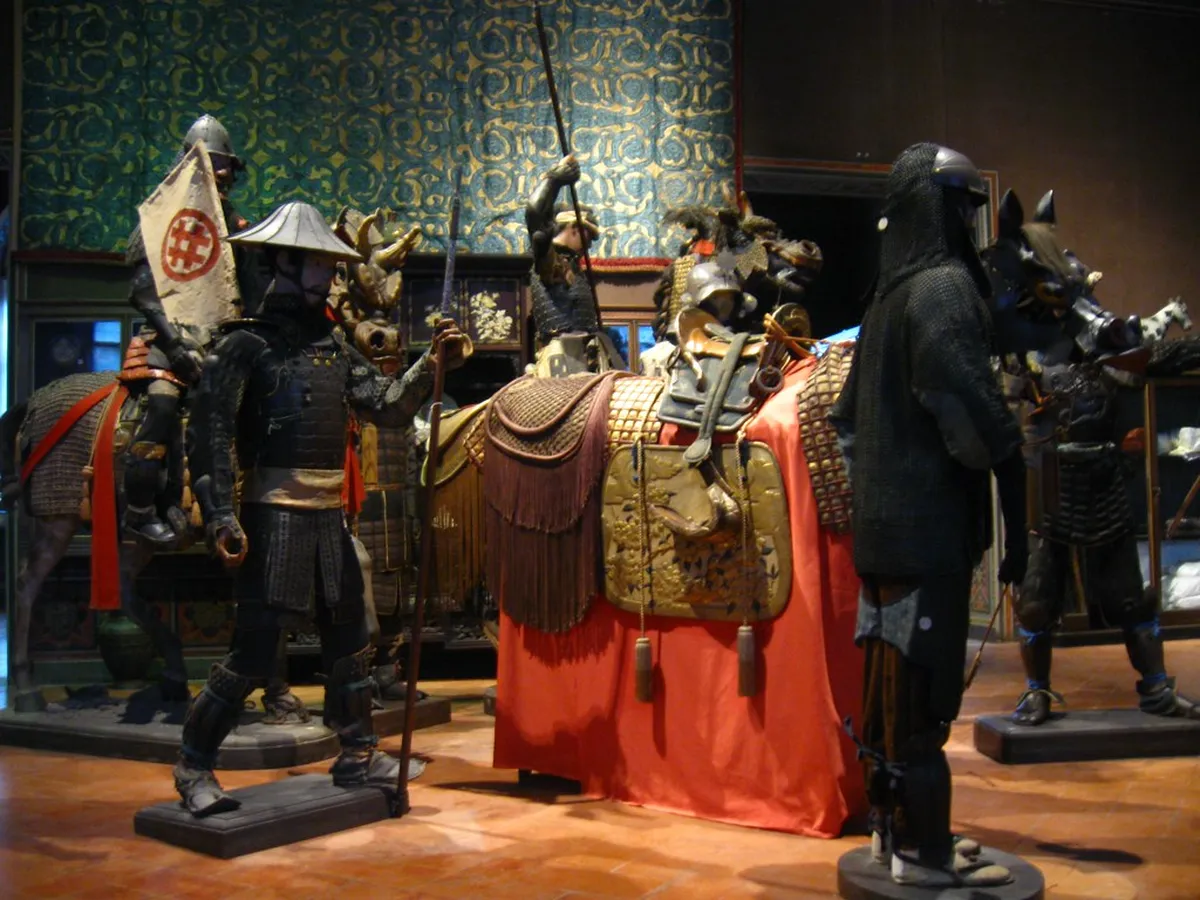
If you have extra time, consider the Stibbert Museum for armor and decorative arts, or Museo Galileo for instruments and astronomy. These smaller Florence museums work well for travelers who want depth without the pressure of the busiest landmark queues, and they sit alongside other hidden gems in Florence worth seeking out.
| Section | Recommended time | Intensity | Access note |
|---|---|---|---|
| Zoology rooms | 45-60 minutes | Low to moderate | Best first stop for families and general visitors. |
| Anatomical waxes | 45-60 minutes | High | Graphic medical displays; guided access and a 3€ supplement may apply. |
| Galileo Tribune and special rooms | 20-40 minutes | Low to moderate | Check guided access and accessibility limits before arrival. |
- Common mistake: treating La Specola as a quick filler museum. Give it at least 1.5 hours.
- Common mistake: booking only general admission and assuming every special room is included as walk-in access.
- Common mistake: bringing young children into the waxes without warning them about realistic anatomy.
- Common mistake: leaving the museum until Monday, when it is closed.
Frequently Asked Questions
Is La Specola currently open to the public?
Yes, La Specola is open to visitors following its extensive renovation and 2024 reopening. The zoology galleries are the simplest to visit, while the anatomical waxes and some special rooms may involve guided access or accessibility limits. Always check the official website for temporary closures or special event schedules before you arrive. You can find more museum options in Florence if you need alternatives.
How much are tickets for the La Specola museum?
Full price: 10€. Reduced price: 5€ for ages 6 - 14 and over 65, plus eligible European school groups with documentation. Children 0-6 and other eligible categories listed by the museum enter free. A guided tour of the anatomical wax models costs 3€ per person in addition to the general admission ticket.
What are the most famous exhibits in La Specola?
The anatomical wax collection is the most famous part of the museum. Specifically, the 'Venerina' and the 'Spellato' models are world-renowned for their detail. The Boboli hippopotamus is another must-see highlight in the zoological section. These exhibits represent the peak of 18th-century scientific and artistic achievement.
Is the anatomical wax collection suitable for children?
The wax collection is highly realistic and depicts internal human anatomy in detail. While educational, it may be too graphic for very young or sensitive children. Parents should preview the exhibits or focus on the zoological rooms for a more traditional experience. Most teenagers find the scientific aspect very engaging.
How long does it take to visit La Specola?
Most visitors spend between 1.5 and two hours exploring the museum. This allows enough time to see the main zoological halls and the anatomical waxes without rushing. If you add a guided tour or special rooms such as the Hall of Skeletons, build in extra time.
Other Anatomical and Natural History Collections
The wax anatomical models were made to teach medicine without a corpse, and they remain the most disquieting room in Florence. London's Hunterian Museum pursued the same aim with real specimens and John Hunter's comparative anatomy. Paris's Musée de la Chasse et de la Nature takes the natural-history cabinet and lets contemporary artists loose inside it.
La Specola remains one of Florence's best alternatives to the standard art-museum circuit. Its combination of anatomical waxes, zoological specimens, Galileo-era scientific memory, and Oltrarno location makes it especially rewarding for travelers who want a stranger, more scholarly side of the city.
For a smooth 2026 visit, book online, arrive before last entry, check guided access for the waxes and special rooms, and be honest about whether realistic anatomy suits everyone in your group. With that preparation, La Specola is one of the most memorable specialized museums in Florence.
For the latest official information, see the La Specola on Wikipedia and La Specola official site.
Continue exploring
More guides you'll find useful