9 Essential Tips for Your Museo Del Novecento Visitor Guide
Plan your visit to Milan's Museo del Novecento with our guide to tickets, the Futurist collection, the best Duomo views, and the 20-cent coin sculpture.
On this page
9 Essential Tips for Your Museo Del Novecento Visitor Guide
Milan is a city that constantly reinvents its own identity through art and design. The Museo del Novecento stands as a bold testament to this creative spirit in the city center. Located in the historic Palazzo dell'Arengario, it showcases Italy’s 20th-century artistic revolution. Visitors can explore a massive collection of works that shaped the narrative of modern Milan today.
This 2026 visitor guide helps you navigate the galleries while uncovering hidden gems along the way. You will find everything from ticket prices to the best spots for photography, plus practical advice on transit, accessibility, timing, and mistakes to avoid. The museum offers a unique bridge between the Gothic cathedral and contemporary life. Plan your journey through time as you step into this world of speed, light, design, and reinvention.
Why Visit Museo del Novecento?
The museum offers an essential perspective on how Italian art evolved during a turbulent century. It houses approximately 400 works that span from 1902 to the early 1980s. Architecture lovers will appreciate the spiral staircase that connects the different levels of the building. The structure itself serves as a stunning example of 20th-century urban planning.
Stepping inside allows you to escape the bustling energy of Piazza Duomo for a moment. The galleries provide a quiet space to reflect on the masterpieces of the Futurist movement. Many visitors come for the art but stay for the incredible views of the cathedral. This destination is a must for anyone wanting to understand the soul of Milan.
Many visitors come for the art but stay for the incredible views of the cathedral.
Essential Visitor Information: Tickets, Hours, and Location
Finding the museum is simple as it sits right next to the Royal Palace. You can follow this link to Take me here: Museo del Novecento (Google Maps) for easy navigation. The entrance is located at Piazza Duomo 8, making it accessible from any part of the city. The easiest public transport route is the Duomo metro stop, served by the M1 and M3 lines, followed by a short walk across the square.
Ticket prices for 2026 generally range from €5 for reduced entry to €10 for full price. Consider purchasing the YesMilano City Pass to save on multiple museum entries. The museum is open Tuesday through Sunday from 10:00 am until 7:30 pm. Thursday evenings offer extended hours until 10:30 pm for a more atmospheric experience.
Always verify the current rates on the official website before your arrival to avoid surprises. Free entry is sometimes offered during specific cultural events throughout the year. Booking your tickets online can help you skip the lines during peak tourist seasons. The ticket office usually closes one hour before the official museum closing time.
| Ticket option | Cost approach | Best for | Practical note |
|---|---|---|---|
| Individual museum ticket | Use the museum admission range noted above | Travelers visiting only Museo del Novecento | Fastest choice if your day is focused on Piazza Duomo |
| YesMilano City Pass | Bundle cost depends on the pass selected | Visitors planning several Milan museums or attractions | Check whether skip-the-line access applies to your chosen pass and time slot |
Must-See Artworks: From Futurism to the 20 Cent Coin
The collection focuses heavily on the Futurist movement and its obsession with speed. One of the most famous pieces is a bronze sculpture that you likely carry in your pocket. Umberto Boccioni’s masterpiece is the same image found on the Italian 20-cent Euro coin. Make it a small treasure hunt: find the sculpture first, then look again at the coin design after you leave the gallery.
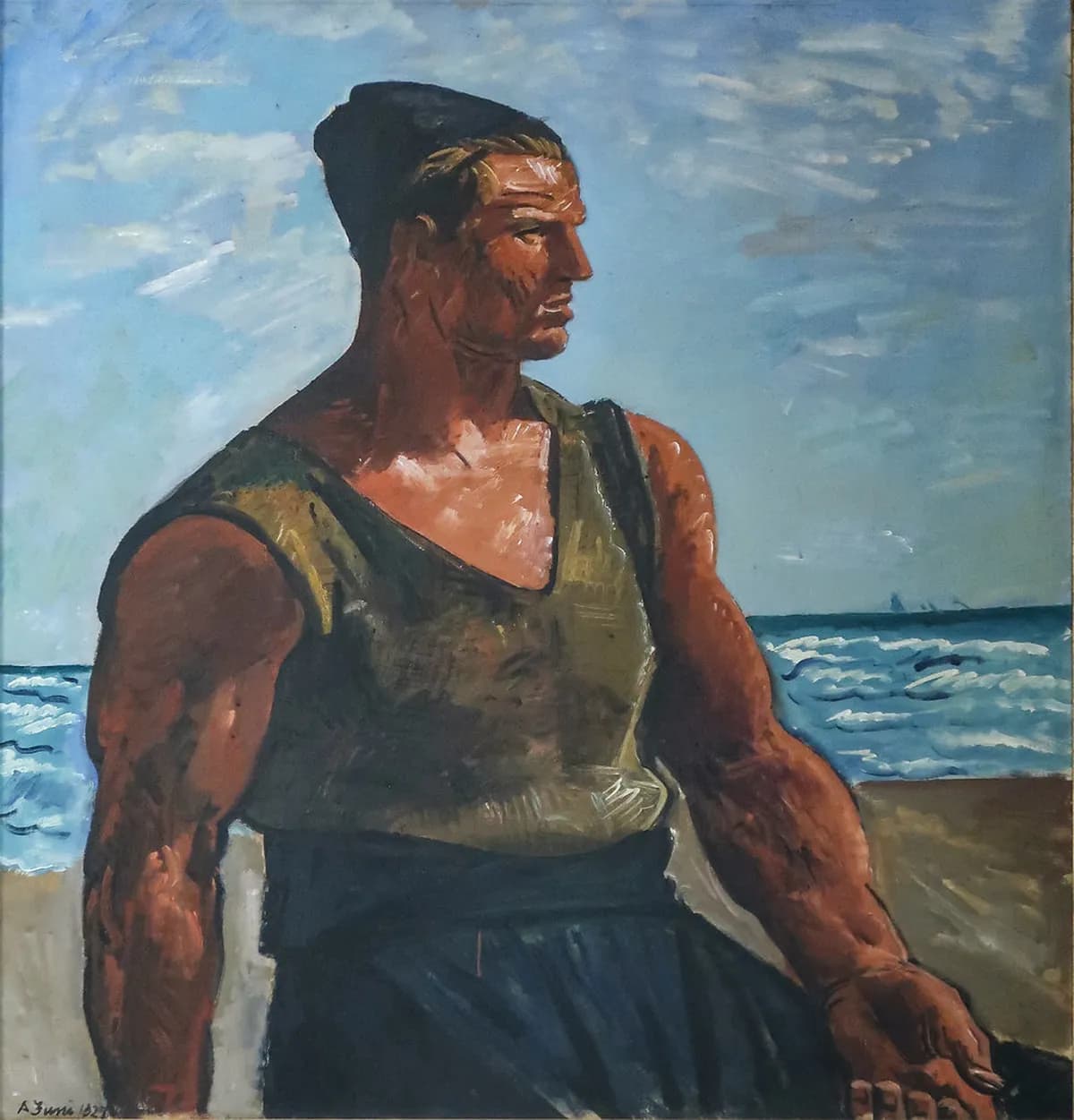
The galleries also feature significant works by Giorgio de Chirico and Modigliani. You can explore the evolution of Italian art through various movements like Spatialism and Arte Povera. Each room is curated to tell a specific story about the artist's vision. Don't forget to look for the early 20th-century paintings by Kandinsky and Picasso, and allow time for temporary exhibitions if one is running during your 2026 visit.
- Unique Forms of Continuity in Space
- Artist: Umberto Boccioni
- Significance: On 20-cent coin
- Movement: Futurism
- Material: Bronze sculpture
- The Metaphysical Paintings
- Artist: Giorgio de Chirico
- Style: Dream-like landscapes
- Focus: Italian squares
- Era: Early 20th century
- Vertical Lucio Fontana Works
- Style: Spatialism
- Technique: Slashed canvases
- Concept: Three-dimensional space
- Gallery: Dedicated top floor
Umberto Boccioni's famous bronze sculpture in the collection appears on the Italian 20-cent Euro coin.
Contemporary Art and a Breath-taking View of the Duomo
The top floor of the museum is home to the spectacular Lucio Fontana gallery. This room features a large neon installation that hangs against a backdrop of glass. The windows offer the most famous view of the Duomo in the entire city. It creates a perfect blend of historic architecture and modern artistic expression.
The space is often quiet, allowing for a peaceful moment of contemplation. Many visitors find this to be the highlight of their entire Milanese itinerary. Take your time to admire how the light changes the colors of the marble outside. The contrast between the neon white and the ancient stone is truly remarkable.
Don't Miss Out on Milan's Ultimate Secret!
The museum contains a hidden sensory experience that many people walk right past. An immersive neon installation acts as a transition between the city and the art. This glowing pathway is designed to reset your senses before you enter the galleries. It reflects the museum's theme of reinvention and modern urban energy.
Walking through this space feels like stepping into a futuristic movie set. The installation uses light and shadow to create a feeling of movement and speed. It is a perfect spot for creative photos that capture the essence of the museum. Make sure to stop and appreciate the design before heading to the main collection.
How to Plan Your Visit: Timing and Duration
A standard first visit to the museum typically takes between 75 and 90 minutes. This duration allows you to see the main highlights without feeling rushed. If you are an art historian, you might want to budget at least two hours. The layout is chronological, so following the path is very straightforward.
Morning visits are usually the quietest, especially right when the doors open at 10:00 am. Avoid the midday crowds by planning your visit for the late afternoon or evening. The Thursday late opening is ideal for those who want to see the city lights. Pairing your visit with a meal at the nearby Giacomo Arengario restaurant is a great idea.
Accessibility is an important advantage here compared with some older Milan sights. The museum route uses lifts, escalators, and ramped circulation between levels, though visitors who need step-free access should still check current lift availability before arrival. Common mistakes include assuming the museum opens on Monday, leaving the Fontana room until you are too rushed, using flash near the windows, and forgetting that last admission usually comes before closing time.
Plan 75 to 90 minutes for your first visit to see the main highlights without feeling rushed.
Museo del Novecento Reviews
Most visitors leave the museum with high praise for the curation and the views. Reviews often highlight the accessibility of the collection for non-experts because the route is compact, chronological, and easier to follow than many larger modern art museums. The price is frequently cited as excellent value compared to other major European museums. Travelers appreciate the clean layout and the helpful information provided in English.
Some reviews suggest that the contemporary sections can be challenging for traditionalists. However, the inclusion of world-famous artists like Picasso ensures broad appeal. The view from the Fontana room is consistently rated as a five-star experience. It remains one of the highest-rated cultural attractions in the Lombardy region for visitors who want a cultural stop that fits neatly into a central Milan day.
Nearby and in or around Milan
After exploring the 20th century, you might want to see other historic homes. The Casa Museo Boschi di Stefano offers another incredible collection of modern art. It features works in a domestic setting that provides a more intimate viewing experience. This site is often less crowded than the main museum in Piazza Duomo.
For a change of pace, visit the elegant Villa Necchi Campiglio nearby. This 1930s villa showcases the lifestyle of Milan's wealthy industrial families. You can also find masterpieces at the Pinacoteca Ambrosiana or the Museo Bagatti Valsecchi. If you are staying around Piazza Duomo, the Galleria Vittorio Emanuele II, Palazzo Reale, and the Duomo Museum make easy same-day additions before or after the gallery.
Supporting and Founding Partners: The Museum’s Legacy
The museum thrives thanks to a unique partnership between the city and private institutions. Founding partners provide the core support that keeps the permanent collection accessible. Supporting and financing partners often help fund rotating temporary exhibitions, education programs, and public-facing cultural projects that bring new life to the halls. This collaboration ensures that the museum remains a central part of Milan's civic life.
Understanding these institutional tiers helps visitors appreciate the museum's history. The collection is a gift to the city that continues to grow through donations, loans, and exhibition partnerships. This support system allows the museum to host international art events every year. It reflects the deep commitment of the Milanese people to their cultural heritage.
Frequently Asked Questions
How long does it take to visit the Museo del Novecento?
Most visitors spend between 75 and 90 minutes exploring the four floors of galleries. This time allows you to see the major highlights like the Boccioni sculpture and the Fontana room. If you enjoy reading every description, you should budget about two hours for your visit.
Is the Museo del Novecento worth visiting?
Yes, it is highly recommended for the art collection and the incredible views of the Duomo. The ticket price is very reasonable for the quality of works on display. It offers a modern contrast to the older historical sites located in the city center.
What is the best time to visit for Duomo views?
The best time to visit for photography is during the late afternoon when the sun hits the cathedral. Thursday evenings are also excellent for seeing the square illuminated at night. Arriving early in the morning helps you avoid the largest crowds in the Fontana gallery.
Can I take photos inside the Museo del Novecento?
Photography is allowed for personal use as long as you do not use a flash. You should avoid using tripods or professional equipment without prior permission from the museum staff. The Fontana room is the most popular spot for capturing images of the cathedral through the windows.
The Museo del Novecento is more than just an art gallery in the city center. It is a vibrant space that captures the energy and innovation of the Italian spirit. From the 20-cent coin sculpture to the glowing neon lights, every corner tells a story. Make sure to include this destination on your next trip to the fashion capital.
Your journey through the 20th century will provide a new perspective on Milanese culture. Take advantage of the late hours and the city pass to maximize your experience. The view of the Duomo alone makes the visit a memorable part of any itinerary. Enjoy the blend of history and modernity that only this museum can offer.
For the latest official information, see the Museo del Novecento official site and Museo del Novecento on Wikipedia.
For more Milan planning, see our Milan Things to See, What to Do in Milan for 3 Days, and Best Museums in Milan guides.
Continue exploring
More guides you'll find useful