Hidden Gems in Copenhagen: Travel Guide
Discover hidden gems in Copenhagen, from quiet cemeteries to underground art spaces, plus neighborhood tips and timing advice to plan your 2026 trip.

On this page
Hidden Gems in Copenhagen You Shouldn't Miss
Hidden gems in Copenhagen reward travelers who wander past Nyhavn's colorful harbor and the crowded Strøget shopping street. Quiet cemeteries, a converted underground reservoir, and mustard-yellow naval row houses sit just a short ride from the center. Locals reach most of these spots on foot or by bike within twenty minutes, since the city stays compact and mostly flat. This guide walks through the neighborhoods, access details, and costs that make each detour worth the extra planning.
Spring and early autumn tend to bring thinner crowds to these lesser-known sites than the busy summer weeks. For a broader list of quiet corners, the off the beaten path in Copenhagen guide covers even more routes. Each section below includes practical details like access, nearby transit, and rough cost, so planning stays simple.
Key Takeaways
- Assistens Cemetery, Kastellet, and Christianshavn cost nothing to visit and sit close together.
- Shoulder-season mornings before ten offer the emptiest paths at top hidden spots.
- Cycling links most hidden gems in under twenty minutes across the compact center.
- Pair Cisternerne or Copenhagen Contemporary with a free park visit to balance costs.
Hidden Gems in Copenhagen's Quiet Corners
Assistens Cemetery in Nørrebro doubles as a public park and a resting place for Hans Christian Andersen. Locals jog, picnic, and read among the headstones on sunny afternoons, and entry costs nothing at all. The full Assistens Cemetery guide covers opening hours and the exact grave locations worth seeking out.
Most hidden gems lie within a twenty-minute bike ride of each other across Copenhagen's compact, mostly flat center. Cycling reaches nearly every spot faster than the Metro.
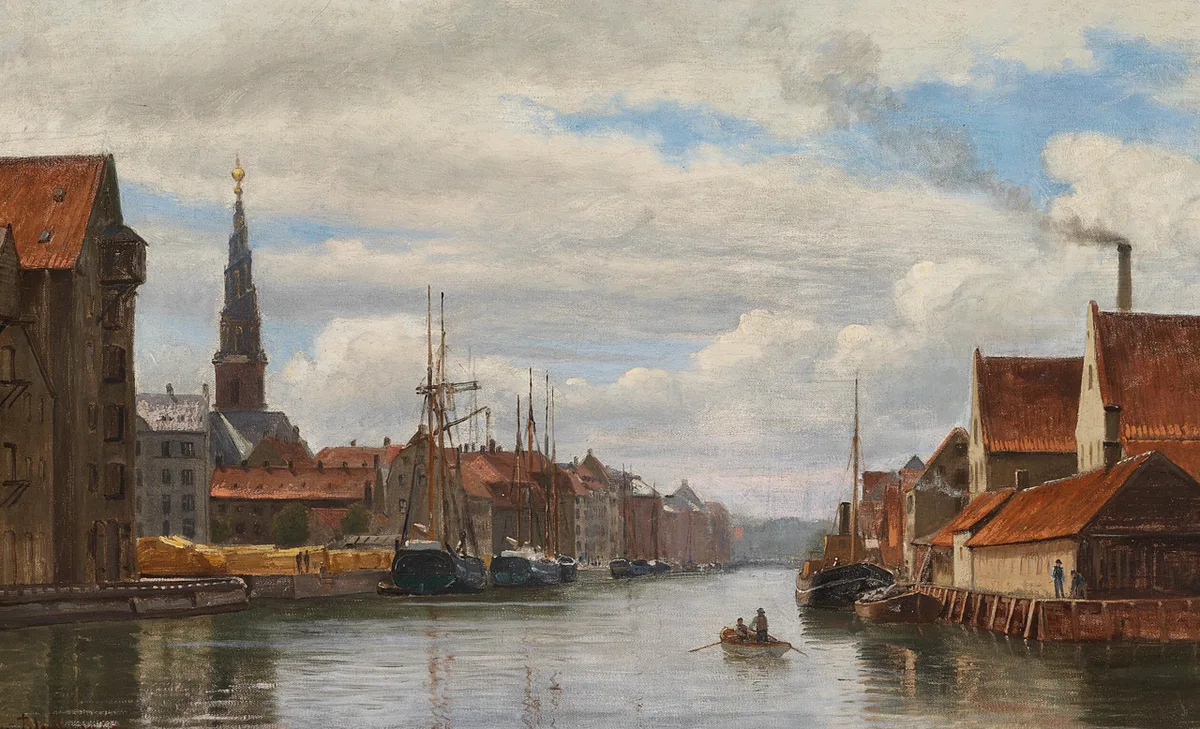
Frederiksholms Kanal runs behind Christiansborg Palace and stays noticeably quieter than the busier Nyhavn waterfront nearby. The Stable Boy's House, a tiny eighteenth-century cottage on the canal bank, makes an easy five-minute detour on foot. Early mornings bring the calmest water and the fewest other visitors, which suits photographers chasing a quiet shot.
Nyboder's mustard-yellow row houses were built for Danish navy families back in the seventeenth century. Narrow lanes near Østerport still house a residential community, so visitors should keep noise levels down. Walking the full stretch takes about fifteen minutes and costs nothing beyond a comfortable pair of shoes.
Locals call the star-shaped fortress park the Citadel, and its ramparts, windmill, and moat stay free to walk. Morning visits mean empty pathways before tour groups arrive from the nearby Little Mermaid statue.
Just past the ramparts, St. Alban's Church stands out as Denmark's only Anglican church, built in English Gothic style. Its red-brick tower and quiet churchyard rarely make standard sightseeing lists, despite sitting minutes from Kastellet.
- Assistens Cemetery in Nørrebro
- Type: park and historic cemetery
- Best for: quiet walks and history
- Where: Kapelvej, Nørrebro
- Cost: free entry
- Frederiksholms Kanal and the Stable Boy's House
- Type: canal lane, 18th-century cottage
- Best for: quiet photos near Christiansborg
- Where: behind Christiansborg Palace
- Cost: free to view
- Nyboder naval row houses
- Type: historic residential lane
- Best for: architecture and quiet streets
- Where: near Østerport station
- Cost: free to walk through
- Kastellet star-shaped fortress park
- Type: fortress park with windmill
- Best for: early morning walks
- Where: near the Little Mermaid
- Cost: free entry
- St. Alban's Church near the ramparts
- Type: English Gothic Anglican church
- Best for: quiet architecture stop
- Where: Churchillparken, central Copenhagen
- Cost: free to view exterior
Museums, Art, and Culture Beyond Tivoli
The Cisternerne guide explains how this former underground reservoir became a dim, dripping gallery for contemporary art. Exhibits rotate through the year, and the constant chill makes a light jacket worth packing even in summer.
Copenhagen Contemporary occupies a former welding hall on Refshaleøen, showing large-scale installations across several industrial rooms. Check https://copenhagencontemporary.org/en/ directly for current exhibits, opening hours, and ticket prices before a visit.
Designmuseum Danmark displays Danish furniture and design history inside a converted eighteenth-century hospital building downtown. For more design-led stops, the unique things to do in Copenhagen guide lists lesser-known creative spaces. The Museum of Copenhagen tells the city's story through old maps, artifacts, and neighborhood models worth an hour.
Grundtvig's Church in Bispebjerg uses millions of yellow bricks to form a soaring organ-pipe facade. Entry stays free, and the cavernous nave feels remarkably calm compared to central Copenhagen's busier churches.
Parks, Canals, and Quiet Outdoor Escapes
Kongens Have, the garden beside Rosenborg Castle, offers free picnic space shaded by centuries-old trees. Locals spread blankets near the rose garden on weekday afternoons, well away from the castle's ticketed queue.
The Lakes, three connected basins ringing the city center, make a flat, three-mile loop for walking or jogging. Benches along the western bank catch soft evening light over the rooftops of Nørrebro.
Christianshavn's narrow canals feel closer to Amsterdam than central Copenhagen, and the Christianshavn neighborhood guide maps the quietest bridges. Houseboats line the water here, and a short walk leads to Freetown Christiania's car-free streets.
A one-hour canal cruise circles both the historic center and the newer harbor district year-round. Arrive at the dock about fifteen minutes before departure, since boats leave promptly and rarely wait for latecomers.
The Havneringen harbor walk connects several of these waterside spots along a marked, mostly flat route. Following it end to end takes roughly three hours, though shorter sections work well for a lighter day.
Family-Friendly and Budget-Friendly Finds
Budget-conscious travelers can pair these hidden spots with the free things to do in Copenhagen guide for a no-cost day. Parks, churches, and cemetery walks above cost nothing beyond transport, making them easy wins for families.
Sydhavnstippen keeps a small flock of grazing sheep on a reclaimed harbor peninsula south of the center. Kids enjoy the wildflower meadows and water views, and the full loop takes under an hour on foot.
Amager Strand gives families a sandy beach and shallow lagoon a short metro ride from downtown. Summer weekends bring paddleboarders and sunbathers, while a boardwalk keeps the shoreline easy to stroll for all ages.
Local Neighborhoods, Food, and What to Skip
Reffen, a former shipyard on Refshaleøen, now hosts dozens of street food stalls around a working harbor. The Reffen guide breaks down the best stalls and how to reach the site by water bus or bike.
Neighborhoods like Nørrebro and Vesterbro hold much of the city's under-the-radar cafes and vintage shops away from downtown prices. The Copenhagen Neighborhoods Guide: Best Areas for 2026 breaks down which district suits each type of traveler.
Street food beyond Reffen also thrives in covered market halls scattered across downtown neighborhoods. Torvehallerne's stalls sell smørrebrød, pastries, and coffee at prices well below sit-down restaurant menus.
Peak-season visitors often regret joining the longest queues at Nyhavn's photo corner or Strøget's chain stores. Skipping those crowded stops frees up half a day for the quieter spots covered throughout this guide. Travelers with only a weekend should prioritize one neighborhood walk over rushing between five separate districts.
How to Plan a Smooth Hidden Gems Day
Cycling remains the fastest way to link these hidden spots, since most sit within twenty minutes of each other by bike. The Metro and harbor buses cover longer distances well, including trips out to Amager Strand or Reffen.
Shoulder-season mornings before ten o'clock offer the emptiest paths at major hidden spots like Kastellet and Assistens Cemetery. Spring and early autumn bring thinner crowds than peak summer weeks.
| Time Slot | Activities | Hours | Cost | Distance |
|---|---|---|---|---|
| Morning | Kastellet and St. Alban's Church | 8–10am | Free entry | Short walk |
| Midday | Assistens Cemetery and lunch nearby | 11am–1pm | Free cemetery entry | Quick bus from Kastellet |
| Afternoon | Cisternerne or Copenhagen Contemporary | 2–4pm | Paid admission varies | Bike or bus ride |
| Evening | Reffen street food by the harbor | 5–8pm | Pay per stall | Short water bus ride |
Visiting outside peak summer weeks lines up with tips in the best time to visit Copenhagen without crowds guide. Shoulder-season mornings, before ten o'clock, tend to offer the emptiest paths at Kastellet and Assistens Cemetery.
A city transit pass can simplify entry to several paid sites, including the Design Museum and Museum of Copenhagen. Check current pricing and included attractions on the official site before buying, since costs shift from year to year.
- Morning: Kastellet and St. Alban's Church
- Time: 8 to 10am
- Cost: free entry both sites
- Distance: short walk apart
- Midday: Assistens Cemetery and lunch nearby
- Time: 11am to 1pm
- Cost: free cemetery entry
- Distance: quick bus from Kastellet
- Afternoon: Cisternerne or Copenhagen Contemporary
- Time: 2 to 4pm
- Cost: paid admission varies
- Distance: bike or bus ride
- Evening: Reffen street food by the harbor
- Time: 5 to 8pm
- Cost: pay per stall
- Distance: short water bus ride
Watch the Changing of the Guard at Amalienborg Palace
Amalienborg Palace, the working royal residence, sits an easy walk from Kastellet and the Nyboder row houses, so it fits neatly into a hidden-gems morning without adding a detour. The Royal Life Guards march daily from their barracks near Rosenborg Castle, starting at 11:27am, then continue down Gothersgade before reaching Amalienborg. The changing of the guard itself happens around noon in the palace's octagonal courtyard, and watching costs nothing. Arriving a little before the parade departs gives a clearer view of the route along Gothersgade, away from the tighter crowd that gathers directly at the palace square. Pairing this stop with the nearby Kastellet ramparts or St. Alban's Church keeps the whole morning within a short walk, and it costs nothing beyond comfortable shoes.
- Parade starts: 11:27am from the barracks near Rosenborg Castle
- Route: down Gothersgade to Amalienborg Palace
- Guard change: around noon daily in the palace courtyard, free to watch
Explore hidden gems in other cities
- Salzburg's hidden gems
- Helsinki's hidden gems
- Reykjavik's hidden gems
- Tallinn's hidden gems
- Ljubljana's hidden gems
- Split's hidden gems
- Lyon's hidden gems
- Nice's hidden gems
- Bruges's hidden gems
- Dubrovnik's hidden gems
- Istanbul's hidden gems
- Stockholm's hidden gems
- Krakow's hidden gems
- Brussels's hidden gems
- Edinburgh's hidden gems
- London's hidden gems
- Athens's hidden gems
- Milan's hidden gems
- Florence's hidden gems
- Venice's hidden gems
Frequently Asked Questions
What are the best hidden gems in Copenhagen for first-time visitors?
Assistens Cemetery, the Cisternerne art space, and Christianshavn's canals stand out as easy first stops. Each sits within a short bike ride or metro trip from the center. All three cost little or nothing to visit, making them simple additions to a first Copenhagen trip.
How much time should travelers plan for exploring hidden gems in Copenhagen?
A focused day covers three or four spots, especially if travelers group them by neighborhood. Pairing Kastellet with St. Alban's Church, for example, takes under two hours total. Travelers with a full weekend can add Reffen, Nyboder, and a canal cruise without feeling rushed.
Is Copenhagen worth visiting beyond the famous landmarks?
Copenhagen rewards travelers who look past Nyhavn and Tivoli toward quieter neighborhoods and converted industrial spaces. Underground art venues, naval row houses, and canal-side cottages show a different side of the city. These spots often draw fewer crowds while still reflecting Copenhagen's design and history.
What should travelers avoid when planning a hidden gems itinerary in Copenhagen?
Avoid cramming too many neighborhoods into one day, since travel between districts adds up quickly. Skip the busiest hours at Nyhavn's photo corner if a quieter pace matters more. Checking opening hours in advance also prevents wasted trips to smaller museums and galleries.
What is Copenhagen best known for besides its hidden gems?
Copenhagen is known for cycling culture, Scandinavian design, and a compact, walkable city center. Landmarks like Nyhavn's harbor and Tivoli Gardens draw most first-time visitors. The hidden spots in this guide simply add quieter, budget-friendly layers to that same city.
Copenhagen's hidden gems reward a slower pace than the standard Nyhavn-to-Tivoli circuit most visitors follow. Quiet cemeteries, a converted reservoir, and mustard-yellow naval lanes sit close enough to combine in one day. Each detour above costs little beyond a bike rental or a transit ticket, keeping the day budget-friendly.
Planning the rest of a Denmark trip gets easier with a few more regional guides nearby. Browse the best day trips from Copenhagen, then compare the local food and neighborhood guides below. Pack comfortable shoes, a light jacket for underground galleries, and a transit card before heading out.
Explore More Hidden Copenhagen
Keep discovering the quieter, greener side of Copenhagen with these local guides.
Neighborhoods
- Nørrebro Copenhagen Guide: Neighborhood Highlights
- Vesterbro Copenhagen Guide: What to Know Before You Go
- Christianshavn Copenhagen Guide: Top Things to Do
- Østerbro Copenhagen Guide: Parks, Food, and Tips
- Frederiksberg Copenhagen Guide: Local Neighborhood Tips
- Copenhagen Neighborhoods Guide: Best Areas for 2026
Secret spots & the outdoors
- Secret Spots in Copenhagen: 2026 Travel Guide
- Assistens Cemetery Copenhagen Travel Guide
- Cisternerne Copenhagen Travel Guide
- Off the Beaten Path in Copenhagen Travel Guide
- 10 Unique Things to Do in Copenhagen
Food, drink & planning
Continue exploring
More guides you'll find useful