Copenhagen Neighborhoods Guide: Best Areas for 2026
This Copenhagen neighborhoods guide compares Nyhavn, Vesterbro, and Nørrebro with transit costs, timing tips, and seasonal advice for 2026 trips.

On this page
Copenhagen Neighborhoods: A Complete Area Guide
Copenhagen packs distinct personalities into a small, walkable footprint. This Copenhagen neighborhoods guide compares the areas locals actually recommend to visitors. Canal-side Nyhavn feels worlds apart from creative Nørrebro or leafy Frederiksberg. Each area offers its own mix of sights, food, and transit access.
Picking the right base shapes how much walking, cycling, or metro time your trip needs. Some travelers want central canals and easy access to classic sights. Others prefer quieter streets, local bakeries, and fewer crowds nearby. This guide also points to off-the-beaten-path spots in Copenhagen worth a detour.
Choosing the Right Copenhagen Neighborhood
Start by ranking what matters most: sights, nightlife, budget, or quiet streets. Central areas near Indre By put major landmarks within easy walking distance. Neighborhoods further from the harbor often trade some convenience for lower prices and local charm.
Copenhagen's compact size means most central neighborhoods stay well connected by metro and bike. A metro ride into Indre By from nearby districts often takes just five to ten minutes. That short commute makes several neighborhoods worth considering, even outside the historic core.
Families often value neighborhoods like Frederiksberg for its parks, wide sidewalks, and easy transit. The Frederiksberg neighborhood guide covers stroller-friendly paths and nearby playgrounds. Couples and food lovers tend to gravitate toward areas packed with restaurants and evening energy. First-time visitors usually do best somewhere central, so trip planning feels simpler.
Frederiksberg's palace gardens draw joggers and picnicking families most of the year. A recent park image credited to Jacob Bøtter from Copenhagen, Denmark captures the tree-lined paths near the palace. That green backdrop is one reason repeat visitors often choose this side of the city.

Best Copenhagen Neighborhoods to Explore
These seven areas cover most of what first-time and repeat visitors look for. Each one differs in price, noise level, and distance from the main sights. Use the breakdown below to match a neighborhood to your travel style.
Nørrebro rewards a slower visit, from multicultural food stalls to peaceful park paths. The Nørrebro neighborhood guide breaks down specific streets and cafes worth seeking out.
| Neighborhood | Best For | Access | Vibe | Trade-off |
|---|---|---|---|---|
| Indre By & Nyhavn | First-time visitors, sightseeing | 5–10 min metro to hub stops | Canals, colorful facades, royal landmarks | Busiest streets, highest prices |
| Vesterbro | Restaurants, evening energy | Steps from Copenhagen Central Station | Converted meatpacking district, galleries, breweries | Weekend nights can run loud |
| Nørrebro | Local cafes, vintage shops | Short bike ride to center | Assistens Cemetery park, street art, markets | Hotel options run more basic |
| Frederiksberg | Quiet mornings, green space | Metro and bus lines to center | Leafy streets, zoo, botanical garden | Fewer late-night dining choices |
| Christianshavn | Scenic walks, canal kayaking | Short walk or harbor bus downtown | Houseboats, Freetown Christiania | Limited late-night transit options |
| Østerbro | Families, longer stays | Metro and S-train connections | Lakeside paths, local bakeries, parks | Fewer tourist sights close by |
| Ørestad | Travelers needing space and transit | About 10 min by train to airport | Contemporary architecture, shopping, canal paths | Less historic charm than the core |
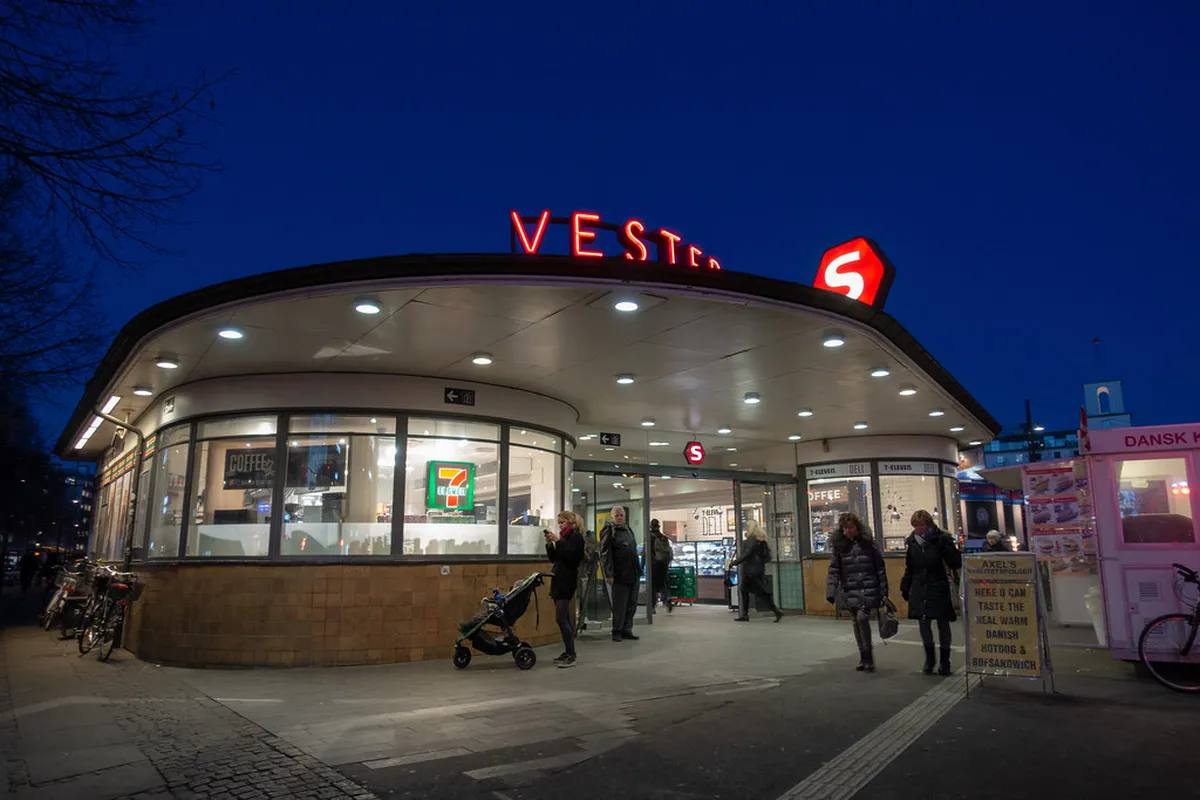
Vesterbro's old meatpacking district now houses galleries, bars, and some of the newest restaurants. A night scene photo from Terragio67 shows the district's lit-up warehouses after dark.
Check the Vesterbro area guide for hotel picks near the action. It also lists the best times to visit its bars without fighting weekend crowds.
- Indre By and Nyhavn: classic city-center base
- Best for: first-time visitors and sightseeing
- Access: 5-10 min metro to hub stops
- Vibe: canals, colorful facades, royal landmarks
- Trade-off: busiest streets and highest prices
- Vesterbro: dining, nightlife, and design hotels
- Best for: restaurants and evening energy
- Access: steps from Copenhagen Central Station
- Vibe: converted meatpacking district, galleries, breweries
- Trade-off: weekend nights can run loud
- Nørrebro: creative, multicultural, budget-friendly streets
- Best for: local cafes and vintage shops
- Access: short bike ride to the center
- Vibe: Assistens Cemetery park, street art, markets
- Trade-off: hotel options run more basic
- Frederiksberg: parks and elegant residential calm
- Best for: quiet mornings and green space
- Access: metro and bus lines to center
- Vibe: leafy streets, zoo, botanical garden
- Trade-off: fewer late-night dining choices
- Christianshavn: canal views and waterfront charm
- Best for: scenic walks and canal kayaking
- Access: short walk or harbor bus downtown
- Vibe: houseboats, Freetown Christiania nearby
- Trade-off: limited late-night transit options
- Østerbro: laid-back, family-friendly residential pocket
- Best for: families and longer stays
- Access: metro and S-train connections
- Vibe: lakeside paths, local bakeries, parks
- Trade-off: fewer tourist sights close by
- Ørestad: modern towers with easy airport transit
- Best for: travelers needing space and transit
- Access: about 10 min by train to airport
- Vibe: contemporary architecture, shopping, canal paths
- Trade-off: less historic charm than the core
Getting Around Copenhagen's Neighborhoods
Most central neighborhoods sit within a 20-minute bike ride of each other. The metro, S-train, and harbor buses connect the rest within minutes. Renting a bike remains one of the fastest ways to move between areas.
Central neighborhoods connect by bike within 20 minutes of each other. Metro, S-train, and harbor buses link distant areas in minutes. Østerbro and Frederiksberg reach downtown by transit in under 20 minutes.
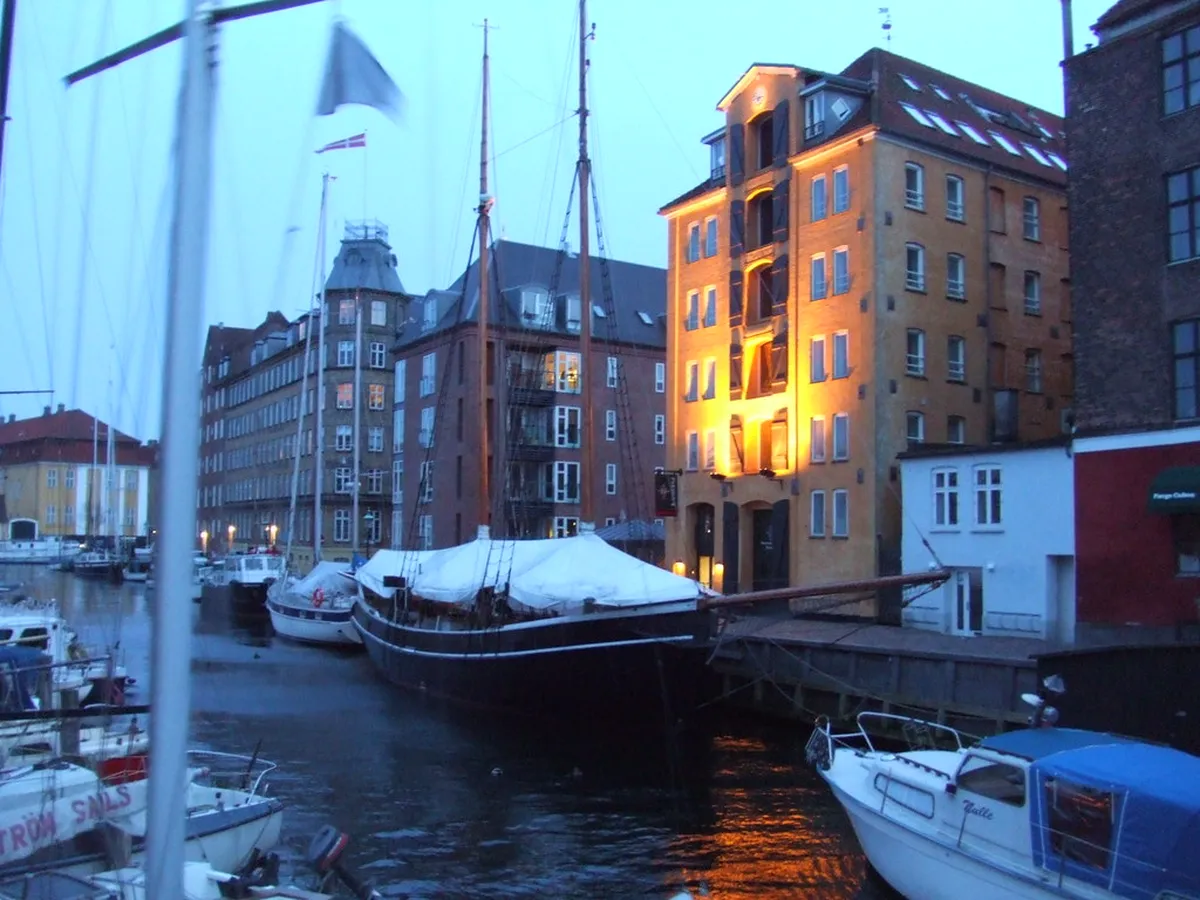
Christianshavn's canals also invite kayaking, easily reached by harbor bus from downtown. A canal kayak scene from Thomas Rousing from Copenhagen, Denmark shows why paddlers return each summer. The Christianshavn guide lists rental spots and the calmest canal stretches.
Østerbro and Frederiksberg both connect to downtown by metro or bus in well under 20 minutes. Ørestad adds a direct rail line, useful for early flights or late arrivals. Walking still works fine for Indre By, Vesterbro, and Nørrebro, since distances stay short.
Best Time to Visit Copenhagen Neighborhoods
Summer brings the longest days, with daylight stretching up to 17 hours in June. That extra light suits neighborhoods like Christianshavn and Vesterbro, where outdoor cafes stay busy late. Warmer months also draw the biggest crowds to Nyhavn and the historic center.
Summer offers up to 17 hours of daylight and lively outdoor cafes, but brings the largest crowds. Shoulder months balance mild weather with shorter sightseeing lines and quieter residential streets.
Shoulder months bring fewer visitors and calmer streets in residential areas like Østerbro. For a fuller breakdown, see this guide to the Best Time to Visit Copenhagen Without Crowds Guide. Spring and early fall often balance mild weather with shorter lines at major sights.
Winter shifts the mood toward cozy cafes, candlelit bars, and indoor markets. The Copenhagen Light Festival lights up canals and building facades across several neighborhoods each winter. Check current 2026 dates and routes on the festival's official site before planning an evening walk.
Where to Stay: Hotel Picks by Neighborhood
Beyond matching a neighborhood to a travel style, most visitors also want specific hotels to book. Here are picks by area, spanning budget to design-forward stays:
- Indre By: 25hours Hotel Indre By, a colorful centrally located property (roughly $300-500/night), and 71 Nyhavn, a boutique hotel overlooking the canal (roughly $300-400/night)
- Indre By budget option: Ibsens Hotel, a mid-range pick in the historic core (roughly $175-300/night)
- Near Carlsberg/Vesterbro: Hotel Ottilia, a design-forward hotel by the old Carlsberg Brewery with round-window rooms, one commuter-train stop from downtown (roughly $250-400/night)
- Nørrebro: Hotel Nora, a basic, comfortable option in the neighborhood's heart (roughly $180/night)
- Ørestad: Four Points Flex by Sheraton Copenhagen Arena, next to Royal Arena with the metro a short walk away and Copenhagen Airport about 10 minutes by train
Rates shift with season and booking window, so treat these as starting points rather than guarantees. Pairing the neighborhood breakdown above with one of these properties locks in both location and budget before comparing current rates.
For the wider city context, see our complete Copenhagen tourism attractions guide.
Frequently Asked Questions
Which Copenhagen neighborhood is best for first-time visitors?
Indre By and Nyhavn work best for first-time visitors, since major landmarks sit within walking distance. The area keeps sightseeing simple, with canals, shops, and restaurants close together. Expect higher prices and busier streets than in residential neighborhoods further out.
What is the most walkable Copenhagen neighborhood?
Indre By, Vesterbro, and Nørrebro all stay walkable, since distances between them run under 30 minutes on foot. Indre By suits sightseeing on foot, while Vesterbro and Nørrebro reward slower walks through local streets. Renting a bike still cuts travel time between neighborhoods further apart.
Which Copenhagen neighborhood suits families with kids?
Frederiksberg and Østerbro suit families best, thanks to parks, wide sidewalks, and quieter residential streets. Ørestad also works well for families needing more space, plus a direct rail line to the airport. All three sit a short metro or bus ride from the main sights.
What makes Nørrebro different from other Copenhagen neighborhoods?
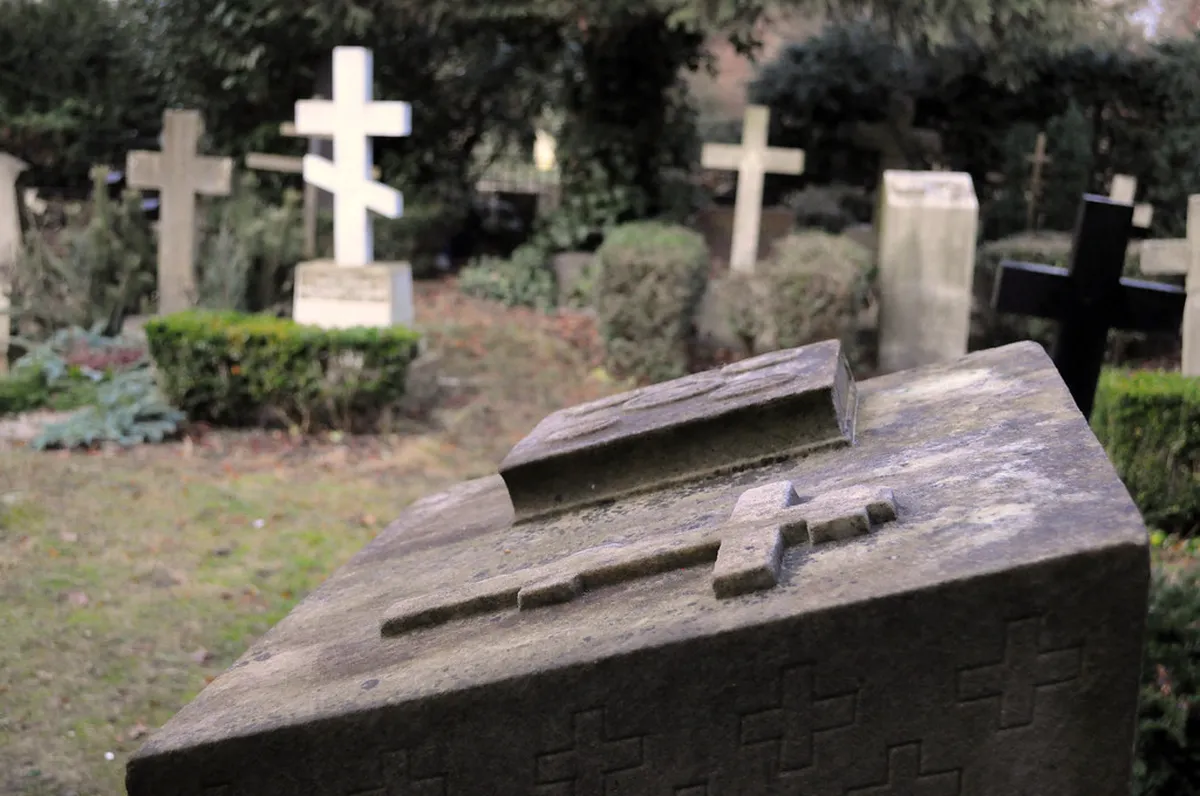
Nørrebro stands out for its multicultural food scene, vintage shops, and creative energy compared with the historic center. Assistens Cemetery doubles as a park where locals picnic near famous graves, detailed in this Assistens Cemetery guide. Hotels here run more budget-friendly than in Indre By.
How long should visitors stay in Copenhagen to see multiple neighborhoods?
Four to five nights let visitors comfortably cover three or four neighborhoods without rushing. A shorter two or three night stay still works if visitors focus on Indre By plus one nearby area. Longer trips allow time for day-tripping into quieter residential pockets like Østerbro.
Copenhagen rewards travelers who match a neighborhood to their actual travel style. Central areas like Indre By and Vesterbro simplify sightseeing and dining. Quieter pockets like Frederiksberg and Østerbro offer a slower, more residential pace.
Whichever base you choose, short metro rides and bike lanes keep the rest of the city close. Compare a few of these areas against your own priorities before booking anything. A little planning now makes the rest of the trip feel effortless.
Continue exploring
More guides you'll find useful