Assistens Cemetery Copenhagen Travel Guide
Plan a visit to Assistens Cemetery Copenhagen with famous graves, free entry, current seasonal hours, and tips for a quieter, low-crowd walk today.
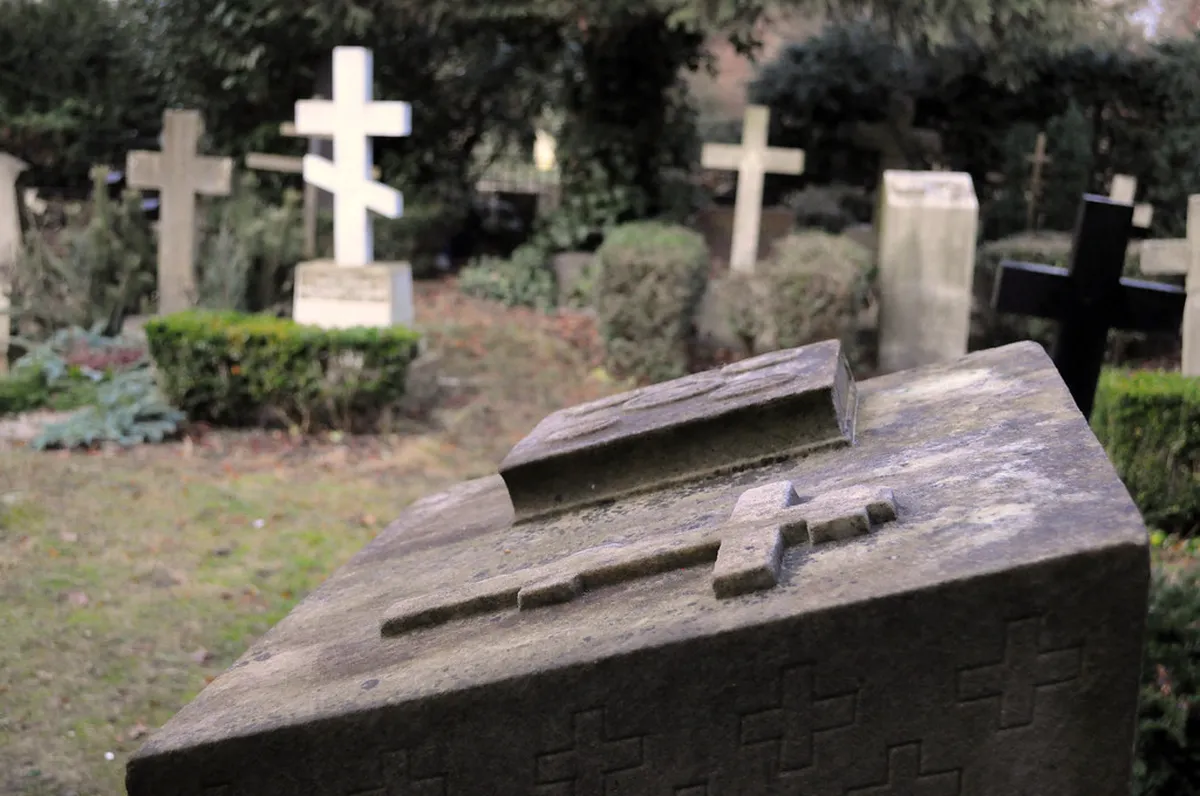
On this page
Assistens Cemetery Copenhagen
Assistens Cemetery in Copenhagen mixes centuries of history with everyday city life. Locals bike through its shaded paths, read on benches, and rest on the grass near old gravestones. Founded in 1760, this Nørrebro burial ground has become a popular green space in the capital.
Expect practical details on opening hours, entry costs, and the etiquette locals expect from visitors. The graves of Hans Christian Andersen, Søren Kierkegaard, and other notable Danes sit within easy walking distance of each other. Assistens Cemetery also fits naturally into a wider look at off the beaten path spots in Copenhagen.
Must-See Graves at Assistens Cemetery
Assistens Cemetery has served as a burial ground since 1760, and its guest list reads like a history of Denmark. Danish tour guides and guidebooks single out the graves of Hans Christian Andersen and Søren Kierkegaard as the top draws. Beyond those two names, several lesser-known plots reward visitors who take time to wander the paths.
Signposts guide visitors to famous graves including Hans Christian Andersen, Søren Kierkegaard, Niels Bohr, and Hans Christian Ørsted. Stay on marked paths near older stones dating back centuries. Photography is welcome, but respect quiet tones near graves with fresh flowers.
| Notable Figure | Known For | Dates |
|---|---|---|
| Hans Christian Andersen | Fairy tale classics (The Little Mermaid) | 1805–1875 |
| Søren Kierkegaard | Existentialist philosophy (Either/Or) | 1813–1855 |
| Niels Bohr | Quantum and nuclear physics; Nobel Prize winner; helped establish CERN | 1885–1962 |
| Hans Christian Ørsted | Discovery of electromagnetism in the 1820s | 1777–1851 |
| Ben Webster | American jazz saxophonist; collaborators include Duke Ellington | 1909–1973 |
| Giertrud Birgitte Bodenhoff | Cemetery's best-known ghost legend; reportedly buried alive | 1779–1798 |
| Jacob Milling | Danish railway engineer; died aboard the Titanic | 1863–1912 |
Signposts throughout the grounds point toward the most-visited graves, so finding them rarely takes guesswork. Some of the lesser-known stories below come from The 500 Hidden Secrets of Copenhagen, a guidebook covering offbeat city spots.
Hans Christian Ørsted's grave draws steady attention from science travelers tracing the discovery of electromagnetism. Visitors are asked to stay on marked paths near older graves, since some stones date back more than two centuries. Photography is generally accepted, but locals appreciate a quiet tone near any grave with fresh flowers.
- Hans Christian Andersen (1805–1875)
- Known for: fairy tale classics
- Notable work: The Little Mermaid
- Grave marker: signposted near main path
- Søren Kierkegaard (1813–1855)
- Known for: existentialist philosophy
- Key work: Either/Or
- Grave marker: signposted near Andersen's plot
- Niels Bohr (1885–1962)
- Field: quantum and nuclear physics
- Legacy: helped establish CERN
- Recognition: Nobel Prize winner
- Hans Christian Ørsted (1777–1851)
- Discovery: electromagnetism in the 1820s
- Legacy: Ørsted's law of physics
- Role: poet and scientist
- Ben Webster (1909–1973)
- Background: American jazz saxophonist
- Collaborators: Duke Ellington, Coleman Hawkins
- Legacy: royalties fund Danish jazz
- Giertrud Birgitte Bodenhoff (1779–1798)
- Story: cemetery's best-known ghost legend
- Age at death: nineteen years old
- Legend: reportedly buried alive
- Jacob Milling (1863–1912)
- Profession: Danish railway engineer
- Died: aboard the Titanic
- Burial: body returned to Copenhagen
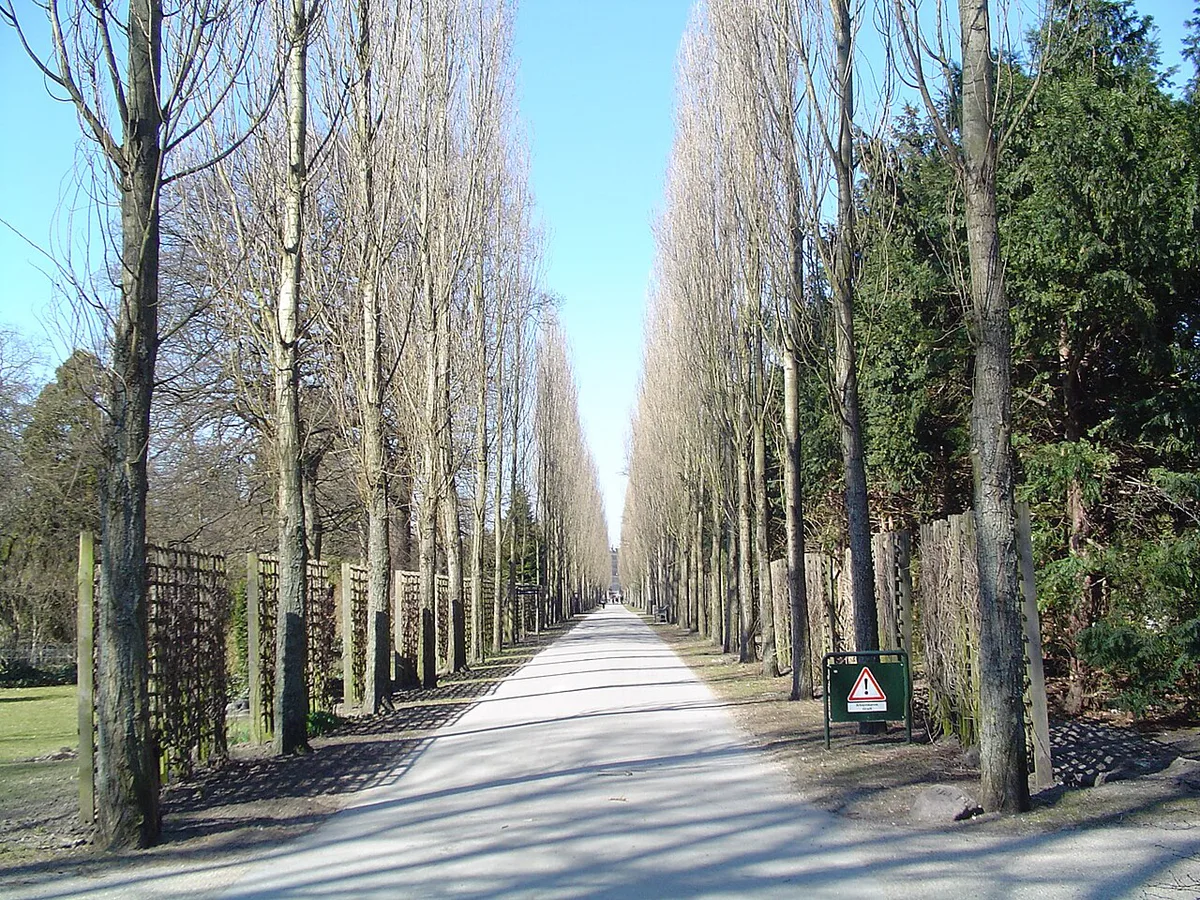
Art, Culture, and Local Life in the Park
Assistens Cemetery functions as more than a graveyard, hosting concerts and outdoor art exhibits through the year. Local schools also use the grounds as an open-air classroom, teaching students about the notable Danes buried there. This layered use reflects a broader idea that cemeteries can double as cultural and recreational spaces.
Religious studies scholars point to similar park-cemeteries in Japan and at Paris's Père Lachaise Cemetery. Père Lachaise holds the graves of Oscar Wilde, Frédéric Chopin, and Jim Morrison, among other well-known figures. Andrew Chesnut explores this blending of life and death across cultures in Devoted to Death: Santa Muerte, the Skeleton Saint.
On any mild afternoon, residents bike through on their commute or sit on blankets near the flower beds. This mix of quiet reflection and everyday life surprises many first-time visitors from countries with stricter cemetery norms. Locals generally treat mourners with space and quiet, while treating the rest of the grounds as shared green space. That balance is part of what makes the site feel different from a typical stop on a sightseeing list.
Family-Friendly and Free Things to Do
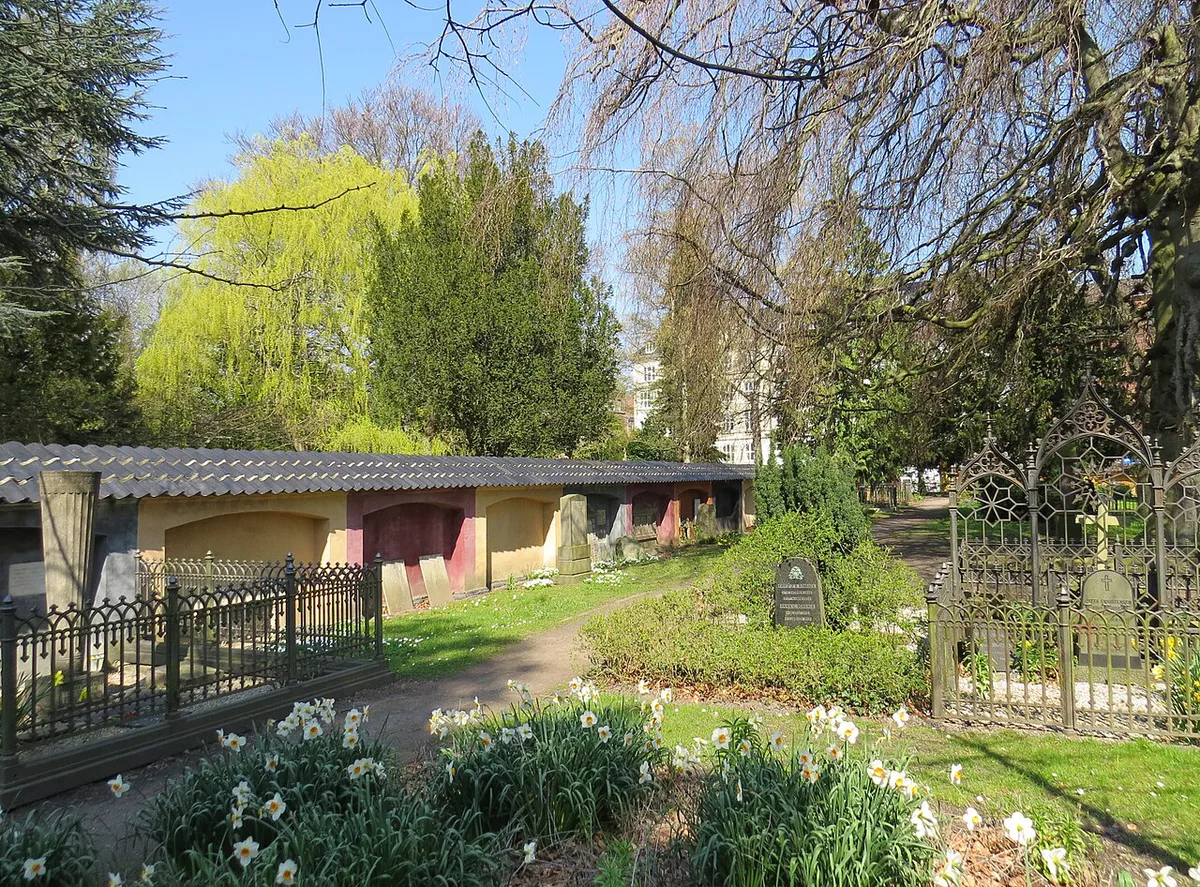
Entry to Assistens Cemetery costs nothing, making it an easy free stop in central Copenhagen. Families can pack a picnic, spread a blanket on the grass, and spend an afternoon without paying for tickets. The wide gravel paths also work well for pushing a stroller or letting kids ride bikes at a slow pace.
Free entry makes Assistens a budget-friendly stop with no admission fee. Wide gravel paths accommodate strollers and slow biking. Create a treasure hunt by giving kids a list of famous Danes to spot, turning the visit into an engaging activity.
School groups often turn a visit into a scavenger hunt, searching for the graves of famous Danes. Families can borrow that idea by giving kids a short list of names to spot, like Andersen or Bohr. The activity turns a walk among headstones into something closer to a low-key treasure hunt.
Travelers weighing a paid museum ticket against a free afternoon outdoors will find the cemetery a solid budget choice. Combine it with other 10 Free Things to Do in Copenhagen (2026 Guide) to stretch a tight travel budget further. Bring water and snacks, since options for buying food inside the gates are limited.
Planning Your Assistens Cemetery Copenhagen Visit
Assistens Cemetery sits at Kapelvej 4 in the Nørrebro district, a short ride from central Copenhagen. Gates generally open early and close by evening, though hours shift with the seasons. Always check current opening times before visiting, since cemetery hours can change without much notice.
Weekday mornings tend to be quieter than weekend afternoons, when locals fill the paths and lawns. Visiting earlier in the day also gives better light for photographing the older, moss-covered headstones. For a broader sense of when the city feels calmer, check this guide to the Best Time to Visit Copenhagen Without Crowds Guide.
Metro and bus connections reach Nørrebro in well under twenty minutes from most central Copenhagen hotels. Cycling is a realistic option too, since Nørrebro sits along several of the city's main bike routes. Keep voices low near active graves, and avoid walking directly across marked plots out of respect for mourners.
Exploring Nørrebro Beyond the Cemetery
Assistens Cemetery works well as one stop on a longer walk through Nørrebro's cafes and side streets. The neighborhood mixes multicultural food stalls, vintage shops, and quiet residential blocks within a few minutes' walk. Pairing the cemetery with a wider neighborhood walk turns a short stop into a half-day outing.
For a fuller sense of the area, this Nørrebro neighborhood guide covers cafes, shops, and local hangouts nearby. It also lists quieter streets worth a short detour after leaving the cemetery gates.
Hungry travelers can check a Copenhagen Local Food Guide: Where Locals Eat for lunch spots within walking distance. Travelers with only half a day should prioritize the graves section and main paths first. Those with a full day can add nearby streets, then finish with an early dinner nearby.
The History and Origins of Assistens Cemetery
Assistens Cemetery was established in 1760 by royal decree, laid out beyond Copenhagen's old ramparts in what was then open countryside in Nørrebro. The move addressed a real public health problem: the city's small inner-city churchyards had grown badly overcrowded, and crowded burial grounds were widely blamed for spreading disease within the walls. The name "Assistens" reflects that original purpose — the cemetery was built to assist, or relieve, the overburdened parish churchyards rather than to serve any single congregation.
In its earliest decades, Assistens was a plain, utilitarian burial ground used for the poor and for victims of epidemics, with little of the prestige it holds today. That changed over the 19th century as Copenhagen expanded and Nørrebro urbanized: the cemetery gradually became a fashionable resting place for the city's cultural and scientific elite, which is why figures like Hans Christian Andersen, Søren Kierkegaard, and Niels Bohr came to be buried there. Assistens remains an active cemetery today, managed by the City of Copenhagen alongside its role as public parkland.
For the wider city context, see our complete Copenhagen tourism attractions guide.
Frequently Asked Questions
Is Assistens Cemetery free to visit?
Yes, Assistens Cemetery is free to enter, since it functions as a public cemetery and city park in Nørrebro. There is no ticket booth or admission fee at the gates. Visitors can walk the grounds any time the gates are open, making it an easy free stop in Copenhagen.
Who is buried at Assistens Cemetery in Copenhagen?
Assistens Cemetery holds the graves of author Hans Christian Andersen, philosopher Søren Kierkegaard, and physicist Niels Bohr. Scientist Hans Christian Ørsted and jazz musician Ben Webster are buried there too. Signs throughout the grounds mark the way to each of these notable graves.
Where is Søren Kierkegaard's grave located?
Kierkegaard's grave sits inside Assistens Cemetery in the Nørrebro district, close to several other well-known graves. Signposts near the main paths point visitors toward his plot, so it rarely takes long to find. Many visitors combine it with a stop at Hans Christian Andersen's nearby grave.
How long can a grave stay at a Danish cemetery like Assistens?
Danish cemetery plots, including those at Assistens, are typically leased for a set period rather than held forever. Families can usually renew the lease once it runs out, or the plot may be reused later. Always confirm current rules directly with cemetery administration for specific grave arrangements.
What is the best way to get to Assistens Cemetery?
Assistens Cemetery sits at Kapelvej 4 in Nørrebro, reachable by bus, metro, or bike from central Copenhagen. Most routes take well under twenty minutes from downtown hotels. This Copenhagen Neighborhoods Guide: Best Areas for 2026 can help plan stops before or after the visit.
Assistens Cemetery in Copenhagen rewards travelers willing to slow down for an hour or two. Famous graves, quiet paths, and everyday local life sit side by side across the same green grounds. Few free attractions in the city pack in this much history and atmosphere at once.
Plan a visit around a quieter weekday morning, then extend the trip into a Nørrebro walk. Bring comfortable shoes, a little curiosity, and respect for the mourners you may pass along the way. The cemetery works equally well as a quick stop or the anchor of a longer Copenhagen afternoon.
Continue exploring
More guides you'll find useful