Athens Hidden Gems: 8 Best Museums & Quiet Ruins Beyond the Acropolis (2026)
Athens hidden gems beyond the Acropolis: the 8 best lesser-known museums and quiet ancient sites, with verified 2026 ticket prices, opening hours, free admission days and a neighborhood-by-neighborhood plan.
On this page
Everyone climbs the Acropolis — and by mid-morning in 2026, so does everyone else. The Athens most first-timers miss is the one a few streets away: world-class museums in neoclassical mansions and quiet ancient sites where you can hear your own footsteps. This is the city's hidden-gem layer, the answer to that nagging question of what to do in Athens besides the Acropolis and the Parthenon. It is also where Athens hides some of its richest collections.
The eight attractions in this guide are deliberately off the headline circuit. Together they cover the world's finest hoard of Cycladic marble figurines, one of the planet's most important collections of Byzantine icons, half a million ancient coins displayed inside Heinrich Schliemann's frescoed palace, and the peaceful ancient cemetery of Kerameikos a short walk from the Monastiraki crowds. Several sit inside grand 19th-century Athenian mansions — the Numismatic Museum's Iliou Melathron and the Byzantine Museum's Villa Ilissia are worth the ticket for the architecture alone.
If you came to Athens for the Acropolis, stay for these. They are the best museums in Athens for travellers who want depth over crowds: shorter lines, air-conditioned galleries when the summer heat peaks, and the kind of focused collection you can actually absorb in an hour. Each entry below links to a full visitor guide with verified 2026 opening hours, current ticket prices, and the practical detail — closed days, free admission windows, nearest Metro — that the official sites bury. Bookmark this page as your starting point for an Athens beyond the Parthenon.
Top 8 attractions in Athens
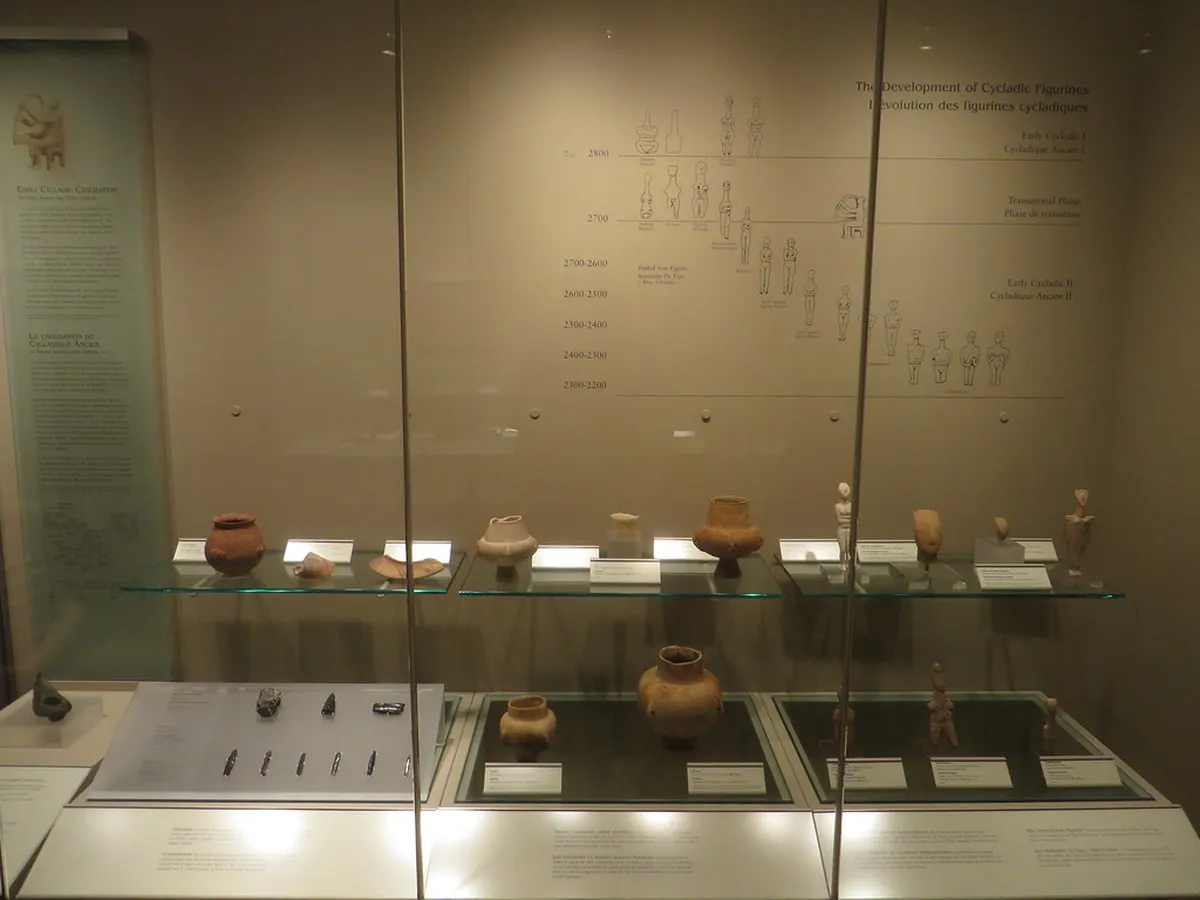
Museum of Cycladic Art
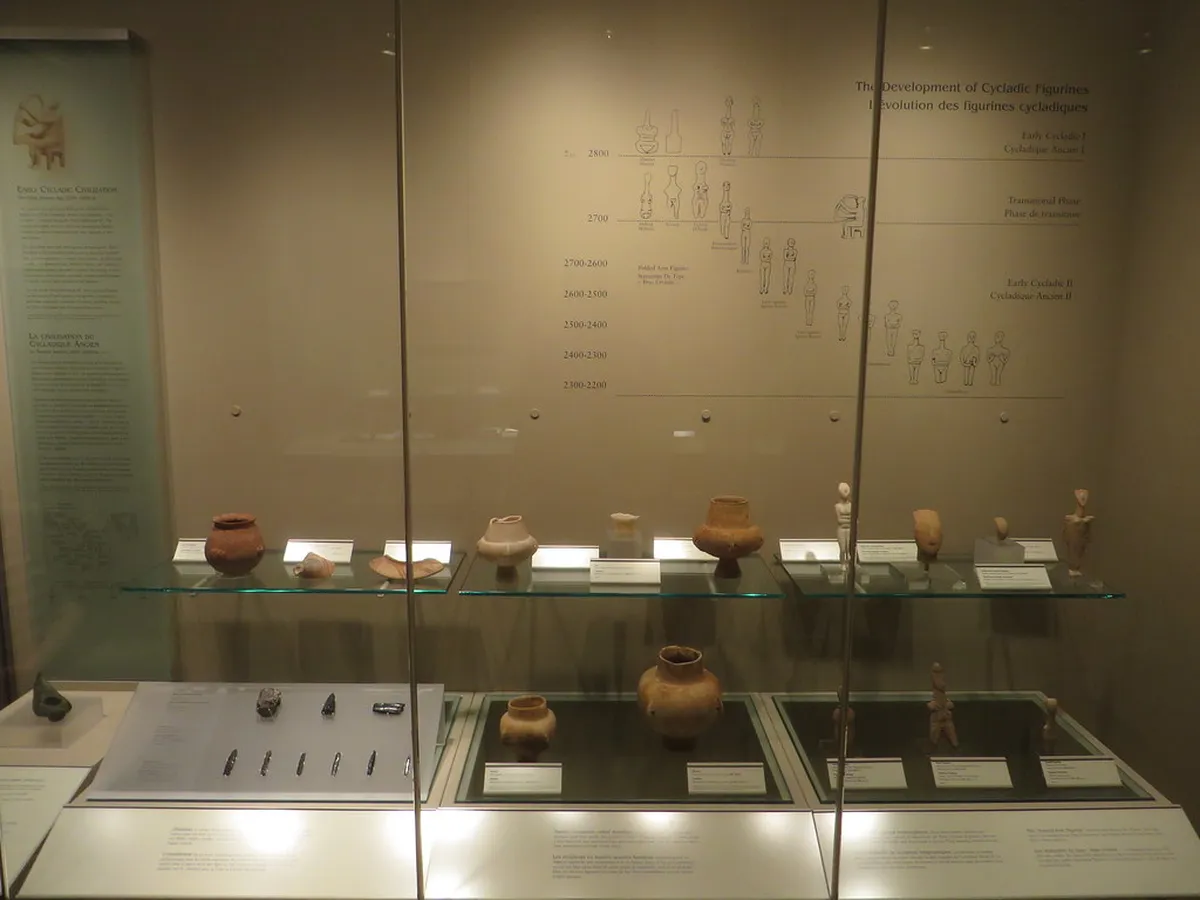
Home to the world's finest collection of Cycladic marble figurines, the Museum of Cycladic Art in Athens' upscale Kolonaki district displays over 3,000 works of Cycladic, Ancient Greek and Cypriot art across its main building and the neoclassical Stathatos Mansion wing.
Visitor guide →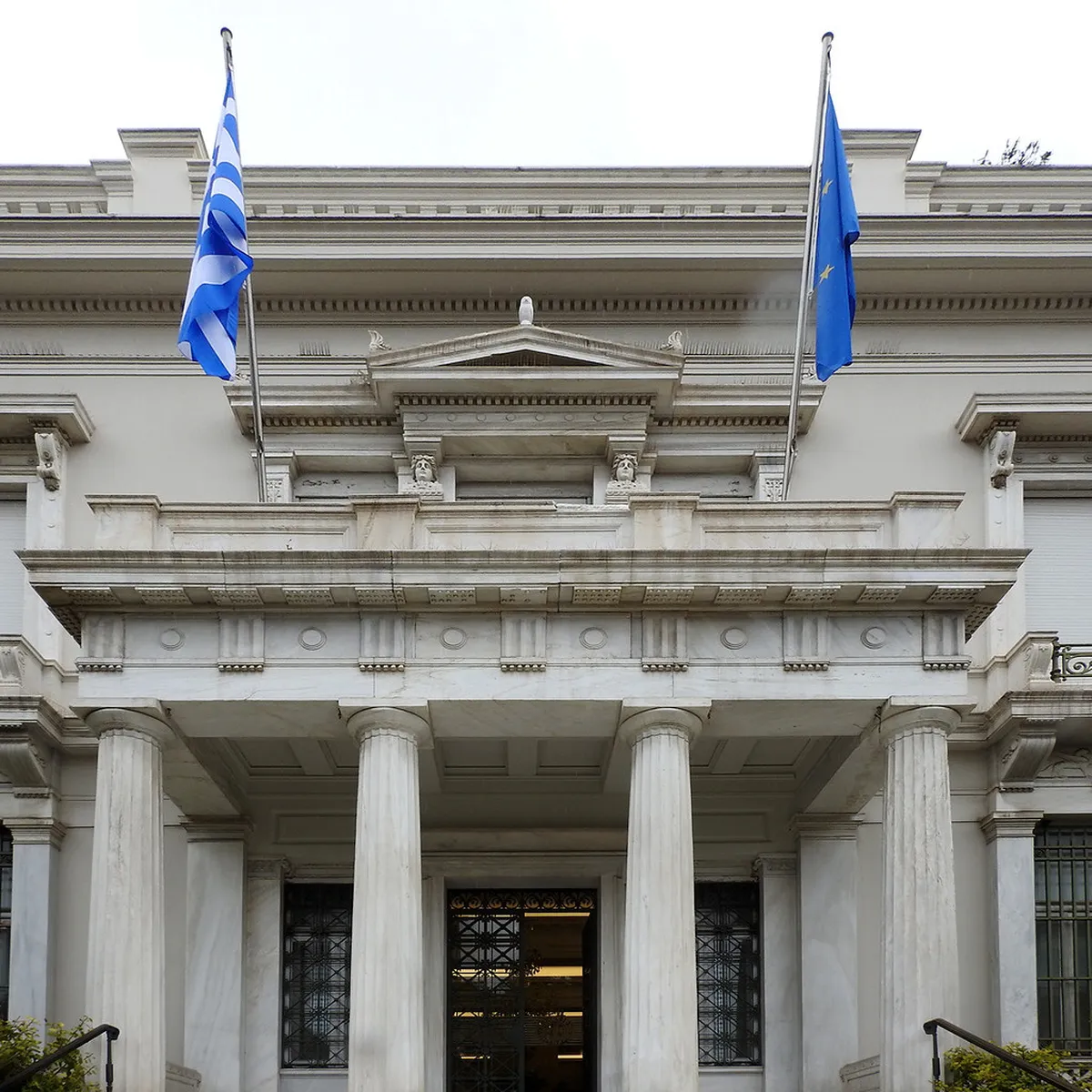
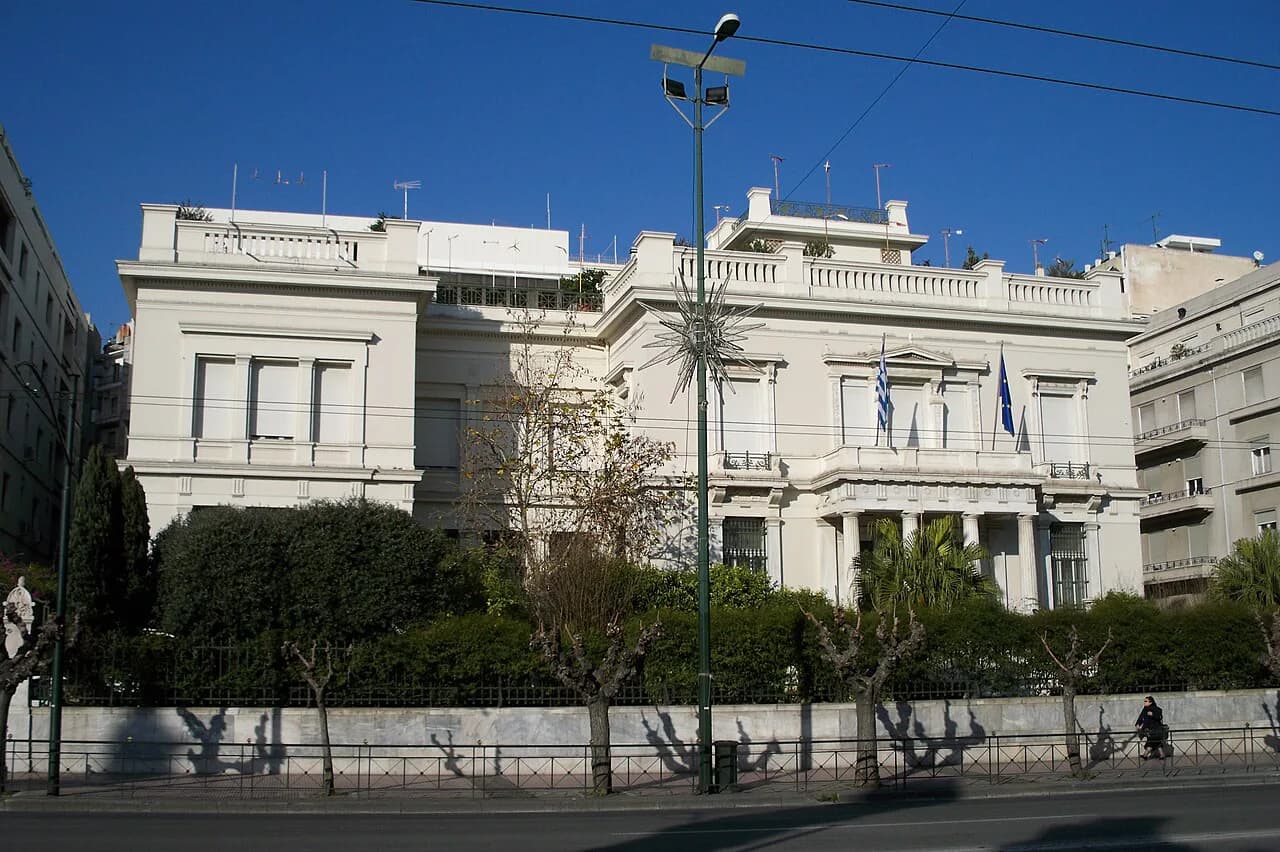
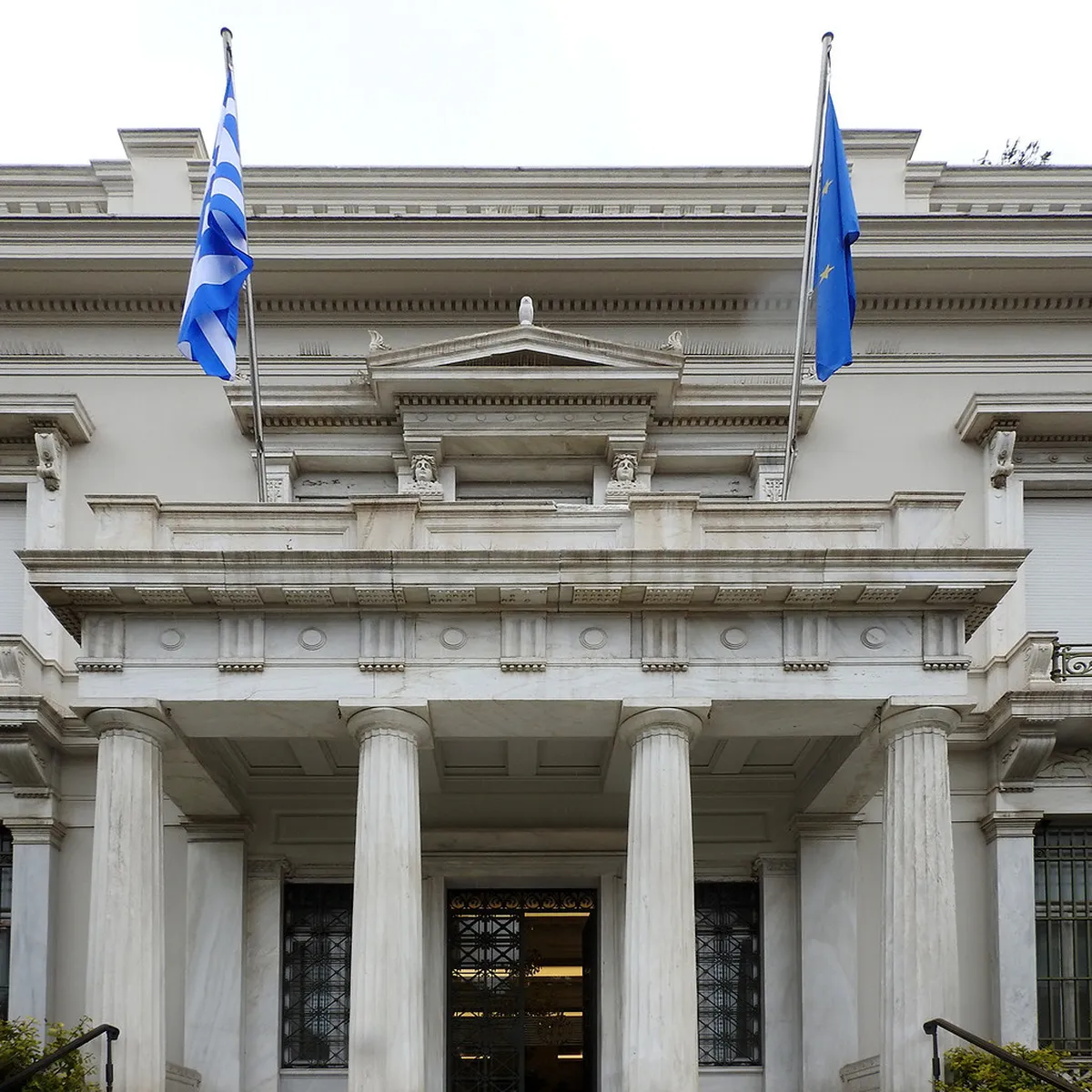
Benaki Museum of Greek Culture
The Benaki Museum of Greek Culture displays collector Antonis Benakis's holdings of Greek art spanning antiquity to the 20th century, presented inside an elegant neoclassical mansion in the Kolonaki district of central Athens.
Visitor guide →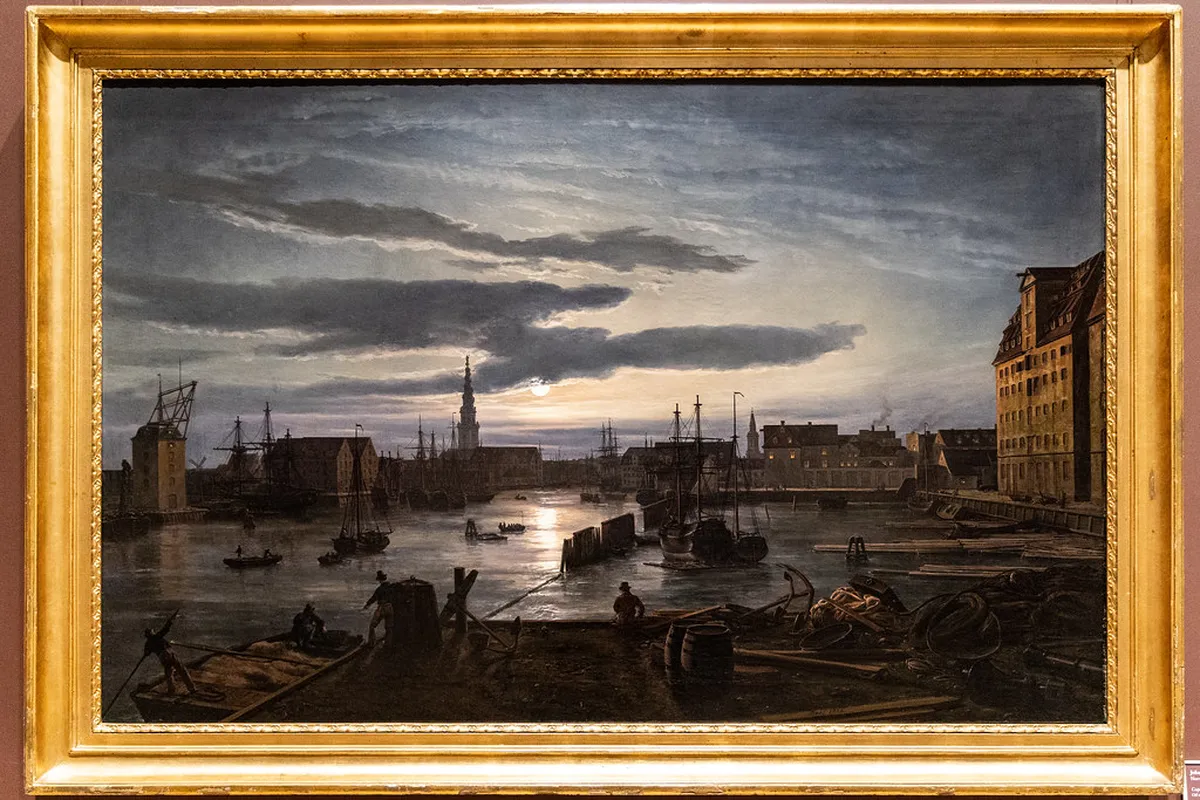
Byzantine and Christian Museum
The Byzantine and Christian Museum in Athens holds one of the world's most important collections of Byzantine and post-Byzantine art — over 25,000 icons, frescoes, mosaics and manuscripts — set in the historic 1848 Villa Ilissia on Vasilissis Sofias Avenue.
Visitor guide →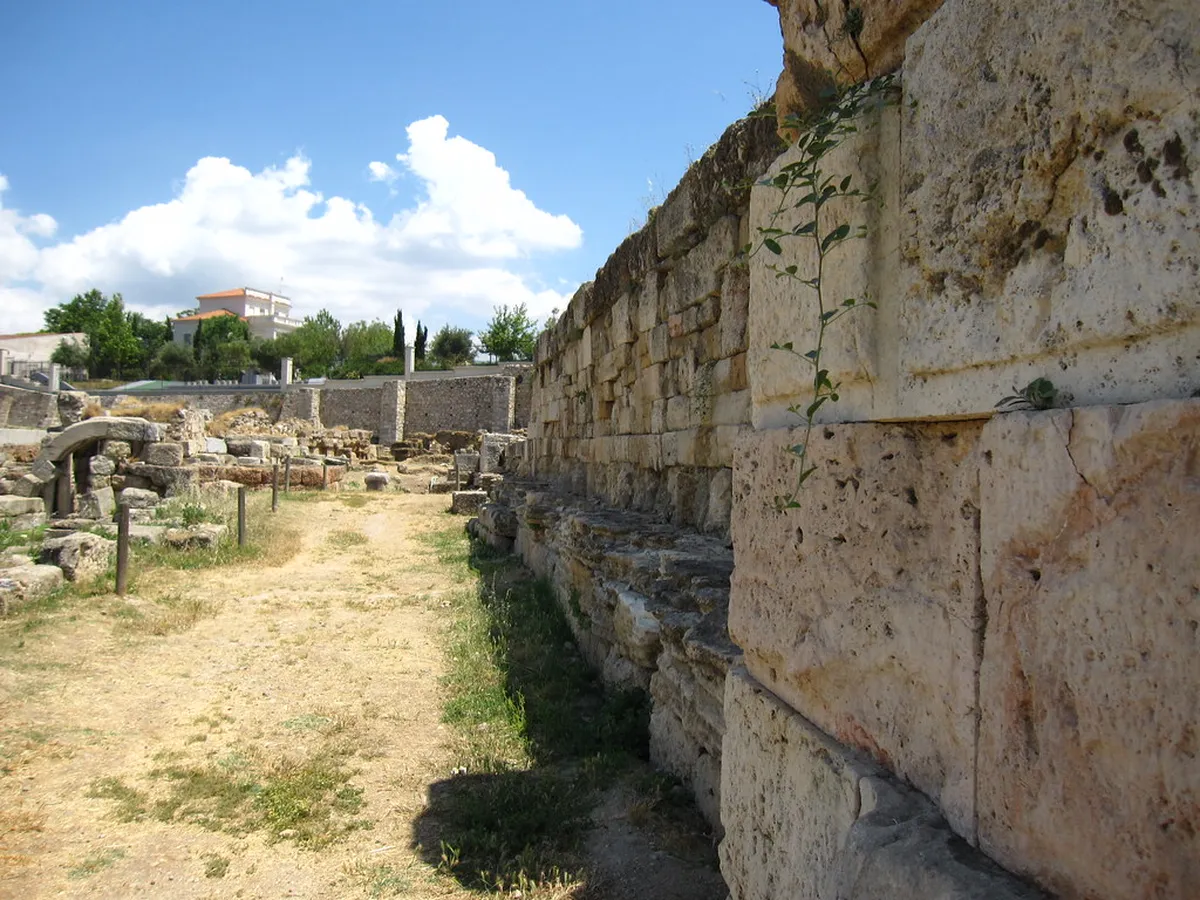
Kerameikos
Kerameikos is the ancient cemetery of Athens and its on-site archaeological museum, set around the Dipylon and Sacred Gate and the funerary monuments of the Street of Tombs. A peaceful, lesser-visited ancient site a short walk west of Monastiraki along Ermou Street.
Visitor guide →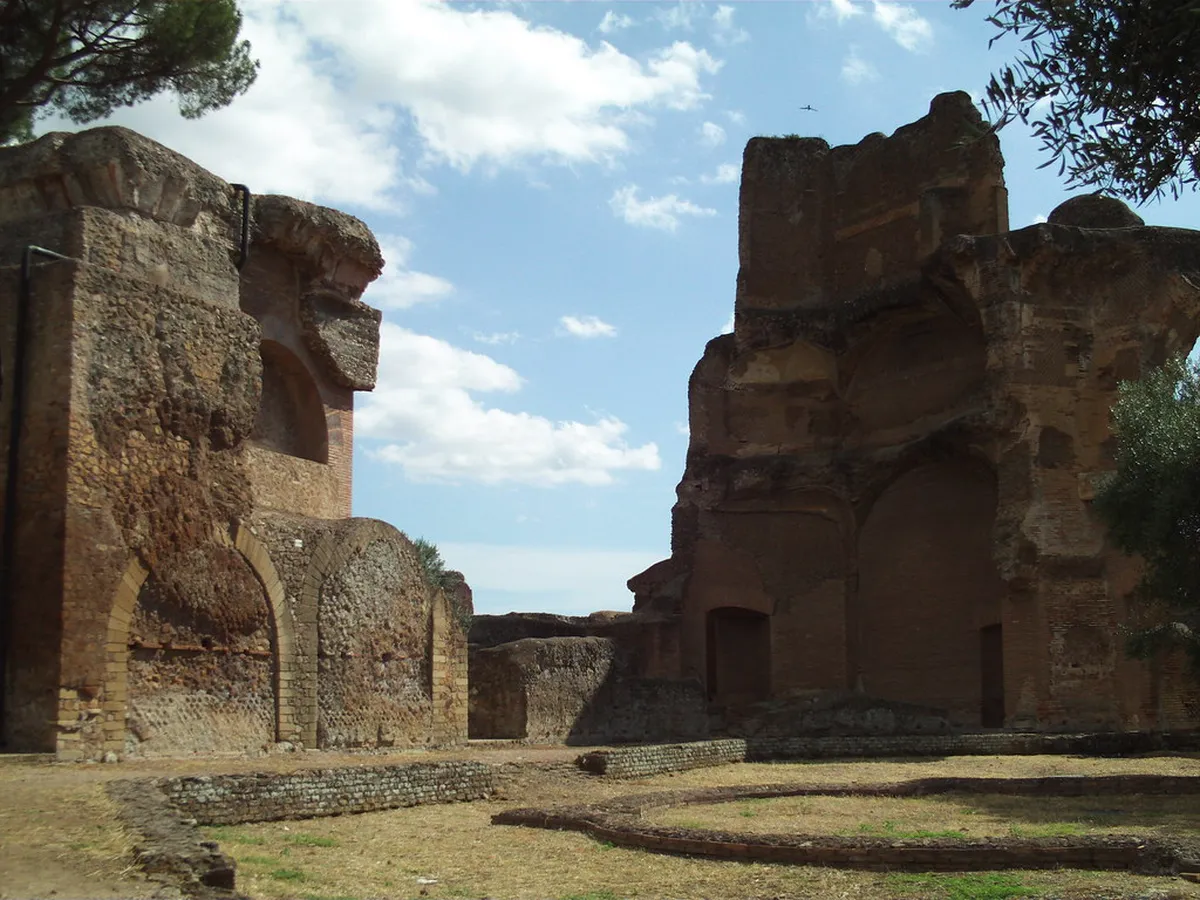
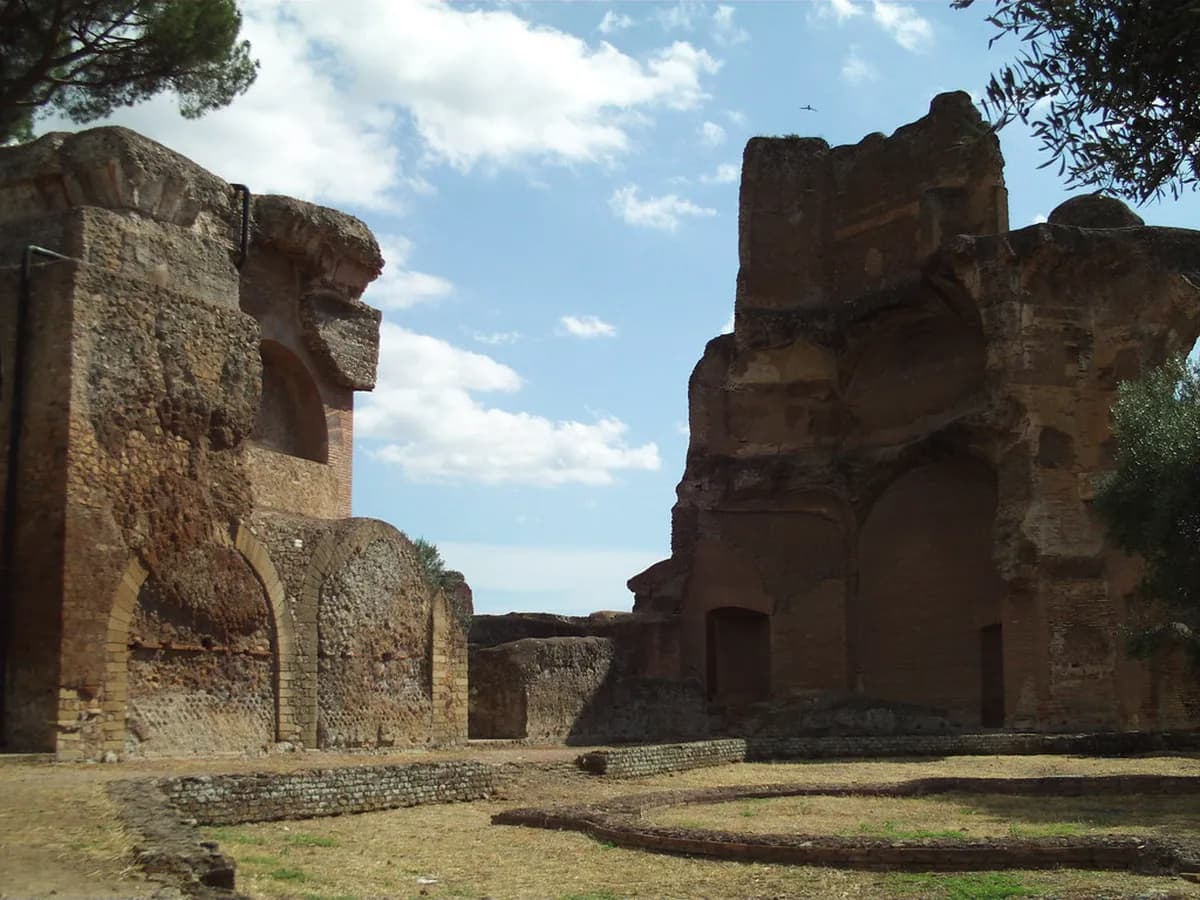
Hadrian's Library
Hadrian's Library is Emperor Hadrian's grand AD 132 library-and-forum complex on the north side of the Acropolis, its colonnaded courtyard still framing the ruined foundations of the 5th-century tetraconch church. Set in central Monastiraki beside the Roman Agora, it was the largest cultural centre of Roman-era Athens.
Visitor guide →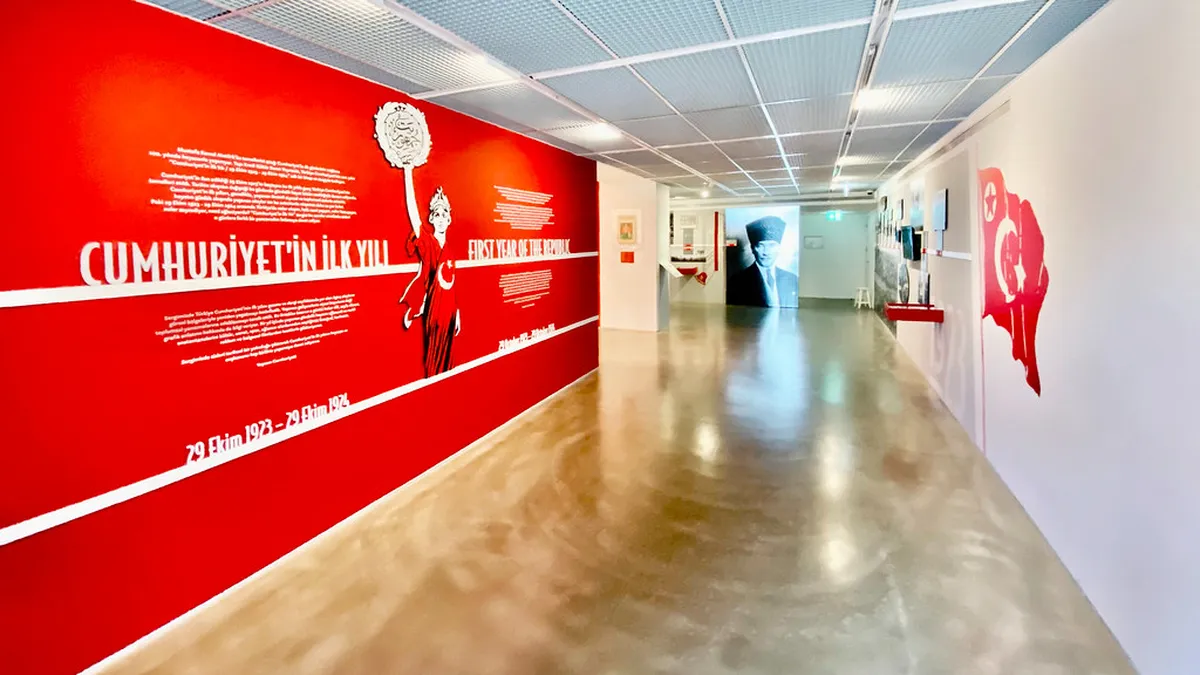
Numismatic Museum of Athens
One of the world's great coin collections — over 500,000 pieces spanning 1400 BC to modern times — displayed inside the Iliou Melathron, archaeologist Heinrich Schliemann's lavishly frescoed neoclassical mansion. A genuine hidden gem on Panepistimiou Street with a quiet garden café.
Visitor guide →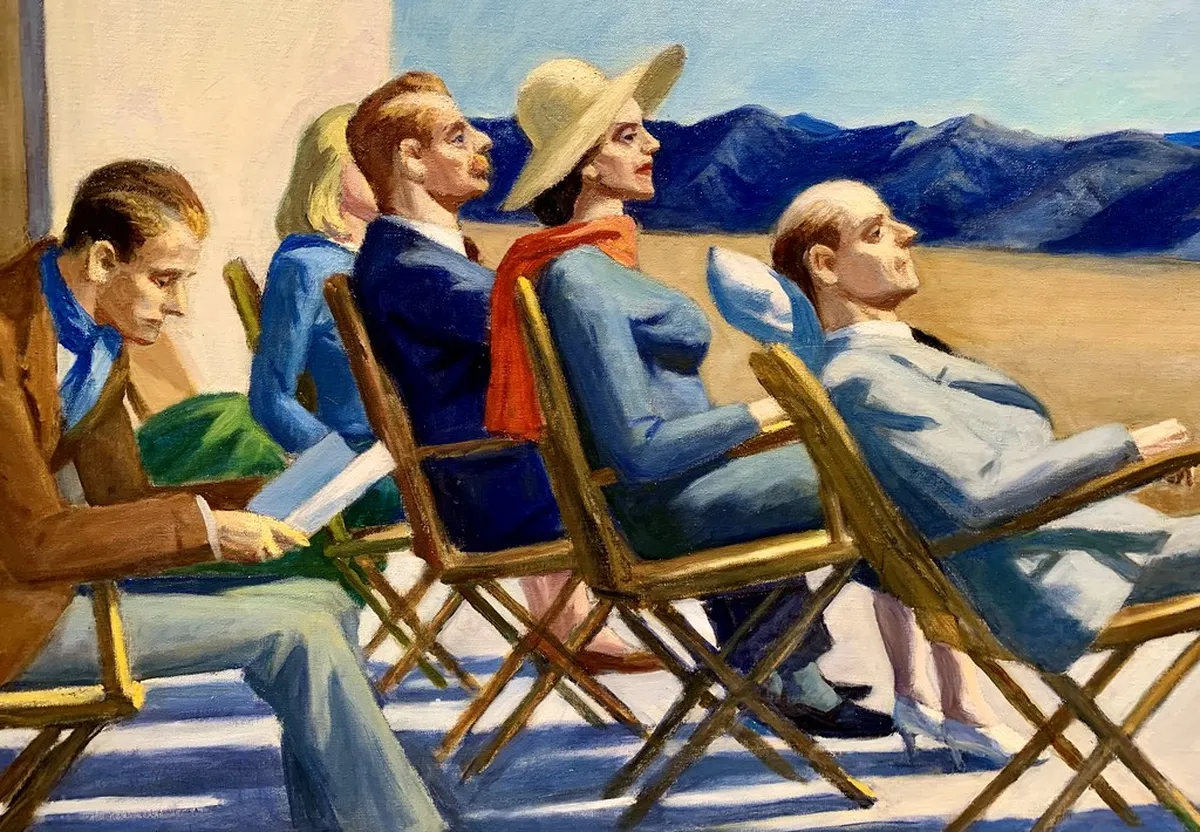
Museum of Greek Folk Art
The Museum of Greek Folk Art — reorganised and reopened as the Museum of Modern Greek Culture (MNEP) — showcases Greek popular and folk art in restored buildings across Plaka and Monastiraki, including embroidery, traditional costumes, Karagiozis shadow puppets and naive paintings by Theophilos Hatzimichail. Its new permanent exhibition on Areos Street presents over 25,000 objects spanning the mid-18th century to the 1970s.
Visitor guide →
Ilias Lalaounis Jewelry Museum
A private museum on the south slope of the Acropolis in Athens displaying the jewelry and decorative-art designs of Greek goldsmith Ilias Lalaounis, with over 3,000 pieces inspired by history, world cultures, nature and science. It stands one block from the Acropolis Museum in the Makrygianni neighbourhood.
Visitor guide →Athens hidden gems by neighborhood
One reason these museums stay quiet is that they cluster slightly off the standard tourist path. Knowing which gem sits in which neighbourhood lets you bundle two or three on foot without doubling back.
Kolonaki & the Vasilissis Sofias "museum mile"
Athens's unofficial museum mile runs along Vasilissis Sofias Avenue and up into upscale Kolonaki, a leafy district of designer boutiques and pavement cafés behind the Hellenic Parliament. Three of our gems sit here within a 15-minute walk of each other: the Museum of Cycladic Art with its marble figurines, the Benaki Museum of Greek Culture in its neoclassical mansion, and the Byzantine and Christian Museum in the garden-set Villa Ilissia. This is the single best stretch of the city for a museum-focused day, and Kolonaki's cafés make easy lunch stops between galleries.
Monastiraki & Plaka
The old town below the Acropolis hides quiet ancient sites among the souvenir shops. Kerameikos, the ancient cemetery of Athens, is a peaceful green archaeological site a short walk west of Monastiraki along Ermou Street. Hadrian's Library, Emperor Hadrian's grand AD 132 complex, sits in central Monastiraki beside the Roman Agora. Tucked into the lanes of Plaka, the Museum of Greek Folk Art — now reopened as the Museum of Modern Greek Culture (MNEP) — showcases shadow puppets, costumes and folk crafts in restored historic buildings.
City centre
On Panepistimiou Street, midway between Syntagma and Omonia, the Numismatic Museum of Athens is the city's most underrated stop — half a million coins inside archaeologist Heinrich Schliemann's lavishly frescoed Iliou Melathron mansion, with a quiet garden café most visitors never find.
Acropolis south slope
Even right beside the crowds, there is a gem most people walk past. The Ilias Lalaounis Jewelry Museum stands one block from the Acropolis Museum in the Makrygianni neighbourhood, displaying over 3,000 pieces of gold jewellery and decorative art — a perfect contrast after the ancient marbles next door.
Athens attractions by type
Prefer to choose by what you love rather than where it sits? Here is how the eight break down by collection.
- Ancient art & antiquities: the Museum of Cycladic Art holds the world's finest collection of Cycladic marble figurines, the abstract Bronze Age sculptures that inspired Picasso and Brancusi.
- Byzantine & religious art: the Byzantine and Christian Museum guards over 25,000 icons, frescoes, mosaics and manuscripts — one of the world's most important Byzantine collections.
- Decorative arts & jewellery: the Ilias Lalaounis Jewelry Museum for goldsmithing, and the Numismatic Museum for coinage spanning 1400 BC to the modern era.
- Folk culture & everyday history: the Museum of Greek Folk Art (MNEP) covers popular crafts, costumes and Karagiozis shadow puppets from the 18th century to the 1970s.
- Quiet archaeological sites: Kerameikos and Hadrian's Library deliver open-air ancient Athens without the Acropolis queues. The wider Benaki collection at the Benaki Museum of Greek Culture spans antiquity to the 20th century, bridging several of these categories under one roof.
Free vs paid Athens attractions
None of these eight gems is free year-round, but several have free-admission windows, and Greek state museums share a set of nationwide free days. Here are the verified 2026 standard adult prices:
- Museum of Cycladic Art — €12
- Benaki Museum of Greek Culture — €12 (free every Thursday 18:00–24:00)
- Byzantine and Christian Museum — €8
- Kerameikos — €8
- Hadrian's Library — €6 in summer, €3 in winter
- Numismatic Museum of Athens — €10
- Museum of Greek Folk Art (MNEP) — €15
- Ilias Lalaounis Jewelry Museum — €10
The state-run archaeological sites — Kerameikos and Hadrian's Library — follow Greece's national free-admission calendar: free entry on the first Sunday of each month from November to March, plus fixed national free days such as 6 March, 18 April (International Monuments Day), 18 May (International Museum Day), the last weekend of September (European Heritage Days) and 28 October. Kerameikos and Hadrian's Library also switch to reduced winter pricing in the low season. Note that the privately run museums (Cycladic, Benaki, Lalaounis, Numismatic, MNEP) set their own pricing and concessions, so the national free days do not always apply — the free Benaki Thursday evening is the most reliable no-cost window of the lot.
Suggested itineraries
Two self-guided routes, each walkable in a single relaxed day, let you sample the gems without rushing.
Day 1 — the Kolonaki museum-mile route
Start at the Museum of Cycladic Art when it opens, before the heat and the cruise crowds. Walk five minutes to the Benaki Museum of Greek Culture for a sweep through Greek history, then break for lunch in Kolonaki. Finish at the Byzantine and Christian Museum, lingering in its courtyard garden. If energy holds, the Numismatic Museum is a short Metro hop or 15-minute walk away toward Syntagma.
Day 2 — the Plaka & Monastiraki old-town route
Begin at Kerameikos in the cool of the morning, then walk east along Ermou to Hadrian's Library beside the Roman Agora. Wander up into Plaka for the Museum of Greek Folk Art (MNEP) and its shadow puppets, then loop south to the Acropolis slope and the Ilias Lalaounis Jewelry Museum — an air-conditioned, crowd-free finish a block from the Acropolis Museum.
Getting around Athens's museums
Athens is compact and its gems are central, so most of this guide is walkable — but the Metro stitches the neighbourhoods together fast and cheaply, and a single ticket covers transfers across all three lines for 90 minutes. The key stations:
- Syntagma (Lines 2 & 3) — the hub for the Numismatic Museum and the western end of the museum mile.
- Evangelismos (Line 3) — the closest stop to the Byzantine and Christian Museum, the Benaki and Kolonaki's upper museums.
- Monastiraki (Lines 1 & 3) — for Hadrian's Library, the Plaka folk-art museum and the walk to Kerameikos.
- Acropoli (Line 2) — the south-slope stop for the Lalaounis Jewelry Museum.
Thiseio (Line 1) is an alternative for Kerameikos. Between any two museums on the same route you will usually walk faster than you could change trains, so save the Metro for crossing between the Kolonaki and Plaka clusters.
Best time to visit
The single most important rule in Athens: most museums and archaeological sites are closed on Tuesdays. Plan your gem-hunting for any other day, and double-check the individual guides, because a handful of the privately run museums keep their own quirky schedules.
Most museums and archaeological sites across Athens are closed on Tuesdays, so plan your visits for any other day of the week.
Seasonally, the open-air sites — Kerameikos and Hadrian's Library — run long summer hours (roughly 08:00 to 20:00) from spring through early autumn, then shorten to around 08:30–15:30 in winter. In July and August, visit ruins early in the morning or late in the afternoon and avoid the brutal midday sun; the indoor, air-conditioned museums are the smart choice for the 13:00–16:00 heat peak. Spring (April–May) and autumn (September–October) are the sweet spot: mild weather, long-ish hours and far thinner crowds than the summer high season.
In July and August, the indoor, air-conditioned museums are the smart choice for the 13:00–16:00 heat peak, while ruins are best visited early morning or late afternoon to avoid the brutal midday sun.
How to save money on Athens attractions
The gems reward a little planning. The biggest levers, in order of value:
- Free Benaki Thursdays: the Benaki Museum of Greek Culture is free every Thursday from 18:00 to midnight — a full evening in one of Athens's best collections for nothing.
- National free days: visit the state archaeological sites (Kerameikos, Hadrian's Library) on the first Sunday from November to March, or on Greece's fixed free days, and skip the entrance fee entirely.
- Winter reduced rates: Hadrian's Library halves to €3 in the low season, and other state sites cut prices too — winter city breaks are cheaper as well as quieter.
- Combined site tickets: if you also plan to see the headline ruins, the Athens combined archaeological ticket bundles the Acropolis and several state sites at a lower total than separate entries — worth it only if you will actually use most of the included sites.
- Reduced concessions: EU students, under-25s and over-65s qualify for reduced or free admission at many of these museums on production of ID, so always ask at the ticket window.
Frequently asked questions about Athens's hidden-gem museums
What are the best things to do in Athens besides the Acropolis?
The richest alternatives are Athens's museums and quiet ancient sites: the Museum of Cycladic Art, the Benaki Museum of Greek Culture, the Byzantine and Christian Museum, the Numismatic Museum, the folk-art museum (MNEP) and the Lalaounis Jewelry Museum, plus the peaceful archaeological sites of Kerameikos and Hadrian's Library. All eight sit within walking distance of the Acropolis but see a fraction of the crowds.
Which is the best hidden-gem museum in Athens?
For sheer surprise, the Numismatic Museum of Athens is hard to beat — half a million coins displayed inside Heinrich Schliemann's frescoed Iliou Melathron mansion, with a quiet garden café most visitors miss. For collection importance, the Museum of Cycladic Art (the world's finest hoard of Cycladic figurines) and the Byzantine and Christian Museum lead the field.
Are Athens museums open on Tuesday?
Most Athens museums and archaeological sites are closed on Tuesdays. Plan museum days for any other day of the week, and check the individual visitor guide for each gem, as a few privately run museums set their own closing days.
Which Athens museums are free or have free days?
The Benaki Museum of Greek Culture is free every Thursday evening from 18:00 to midnight. The state archaeological sites — Kerameikos and Hadrian's Library — are free on the first Sunday of the month from November to March and on Greece's national free days (such as 18 May, International Museum Day, and 28 October). The privately run museums charge year-round but offer reduced concessions for students and seniors.
How much do tickets to Athens's hidden-gem museums cost in 2026?
Standard 2026 adult prices are: Museum of Cycladic Art €12, Benaki Museum of Greek Culture €12, Byzantine and Christian Museum €8, Kerameikos €8, Hadrian's Library €6 in summer (€3 winter), Numismatic Museum €10, Museum of Greek Folk Art (MNEP) €15, and the Ilias Lalaounis Jewelry Museum €10.
How many days do you need to see Athens beyond the Acropolis?
Two unhurried days cover all eight gems comfortably — one for the Kolonaki museum mile and the city-centre Numismatic Museum, and one for the Plaka and Monastiraki old-town sites. With a single day, pair the three Kolonaki museums in the morning and the old-town walk in the afternoon, and accept that you will skip a stop or two.
Are the museums in Athens walkable from each other?
Yes. The three Kolonaki museums cluster within a 15-minute walk along the Vasilissis Sofias museum mile, and the Plaka and Monastiraki sites are all within walking distance of Monastiraki Metro station. The Athens Metro (Syntagma, Evangelismos, Monastiraki and Acropoli stations) links the two main clusters in a few minutes when you do not feel like walking.
When is the best time of year to visit Athens's museums?
Spring (April–May) and autumn (September–October) offer mild weather, decent opening hours and far thinner crowds than summer. In July and August, save the air-conditioned museums for the midday heat and visit the open-air sites of Kerameikos and Hadrian's Library early or late in the day.
Plan your Athens trip
This hub is part of a wider set of Athens guides on Yondli. For more ways to escape the crowds, read our deep dive on hidden gems in Athens and our complete rundown of things to do in Athens besides the Acropolis. Travelling on a budget? Our guide to free things to do in Athens pairs perfectly with the free museum days above.
Continue exploring
More guides you'll find useful