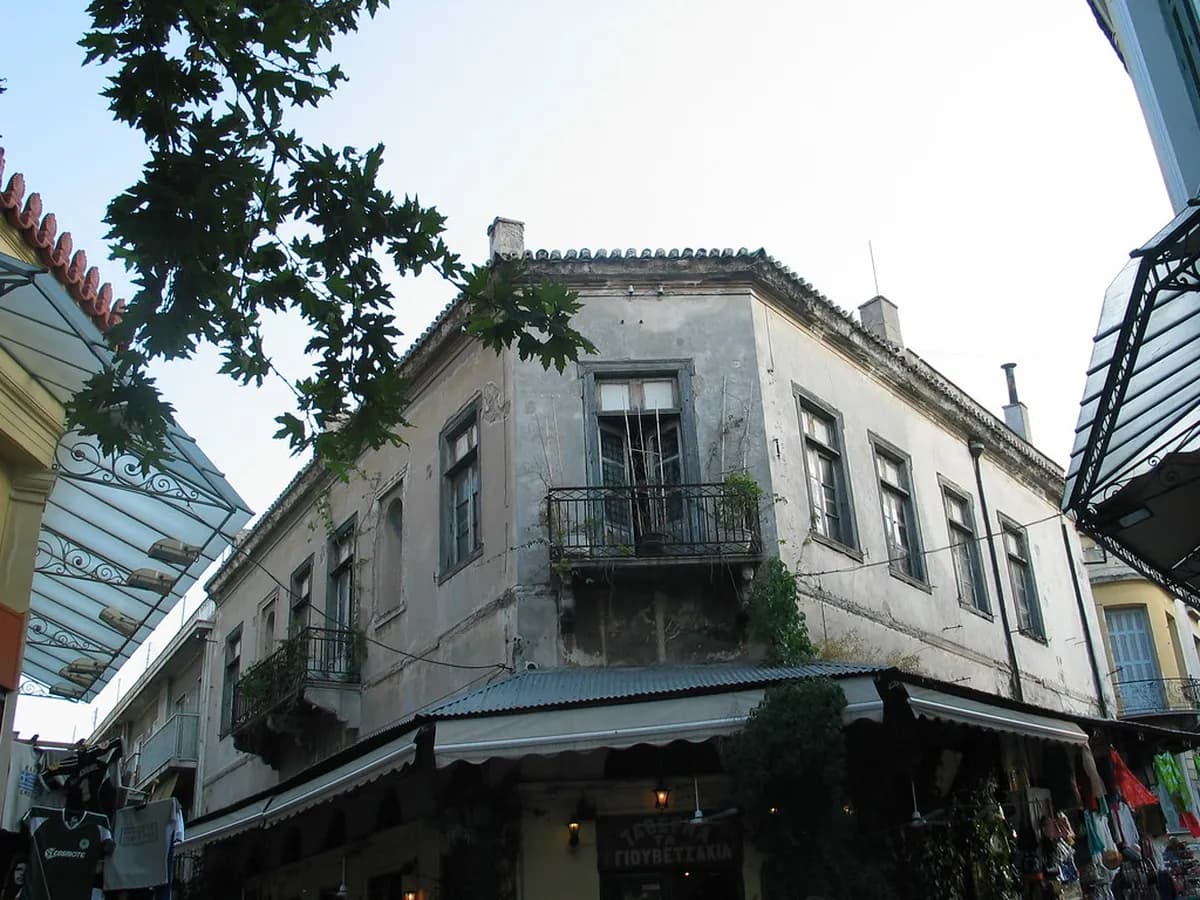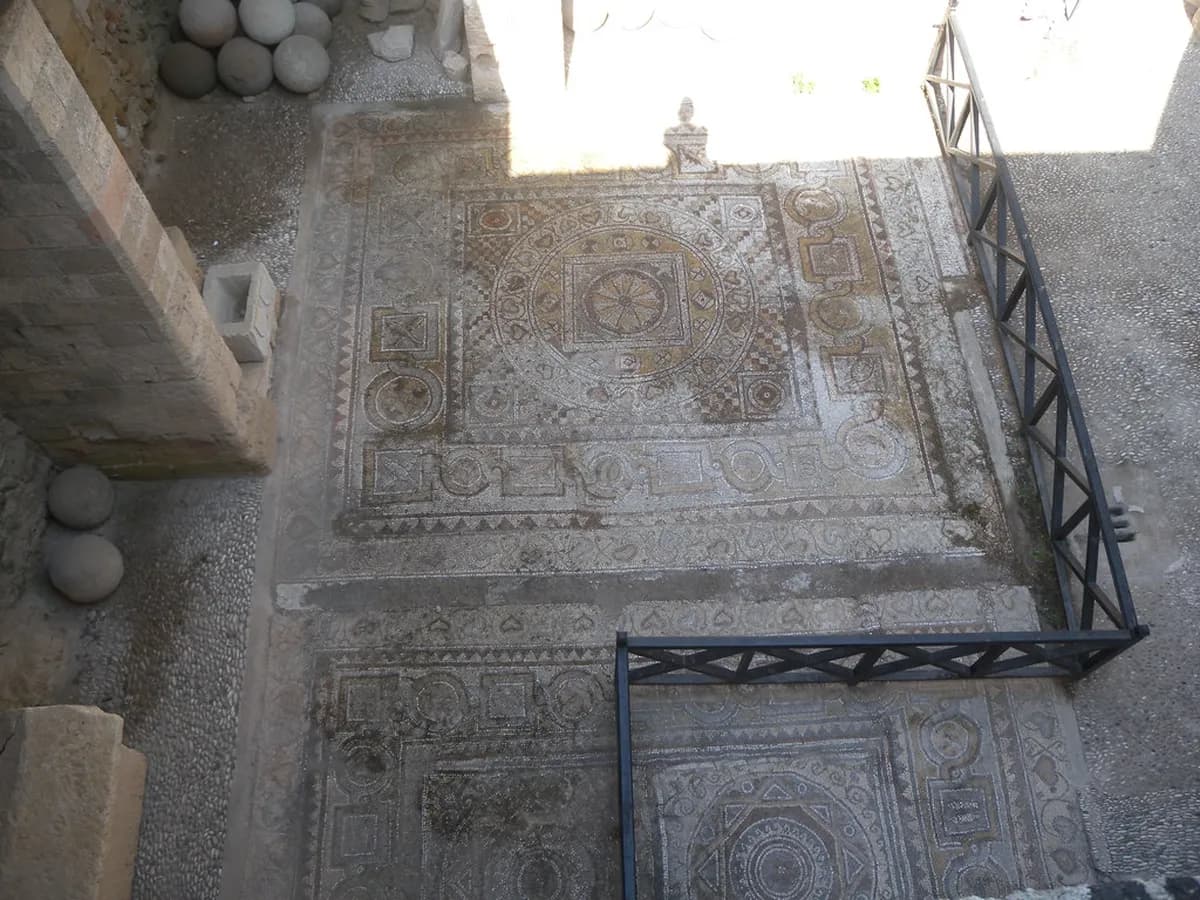
15 Best Things to Do in Athens Besides the Acropolis (2026)
Explore 15 top things to do in Athens besides the Acropolis. From the Athens Riviera to Psiri's food scene, discover local tips, costs, and neighborhood guides.
On this page
15 Best Things to Do in Athens Besides the Acropolis
After five visits to the Greek capital, I have realized that the city's true energy exists far beyond the Parthenon's shadows. While the Acropolis is iconic, the surrounding neighborhoods offer a gritty, vibrant, and deeply historical experience that many tourists overlook. This guide highlights the best alternative sights, with concrete prices, transit details, and honest logistics for 2026.
Athens is currently preparing for a major cultural anniversary in 2026, making it an ideal time to explore secondary sites that see shorter lines and a more authentic connection to modern Greek life. All pricing and entry rules below have been verified for the current season.
Explore Monastiraki's Markets and Cafes
Monastiraki is the beating commercial heart of central Athens and the easiest starting point for a day of exploration. The flea market along Ifestou Street runs daily but peaks on Sunday mornings, when dealers spread vintage furniture, old coins, and genuine antiques onto the pavement. For an official city guide to neighborhoods and attractions, check the tourism board's recommendations. If you go on a weekday, the stalls are calmer and sellers are more willing to negotiate on price.
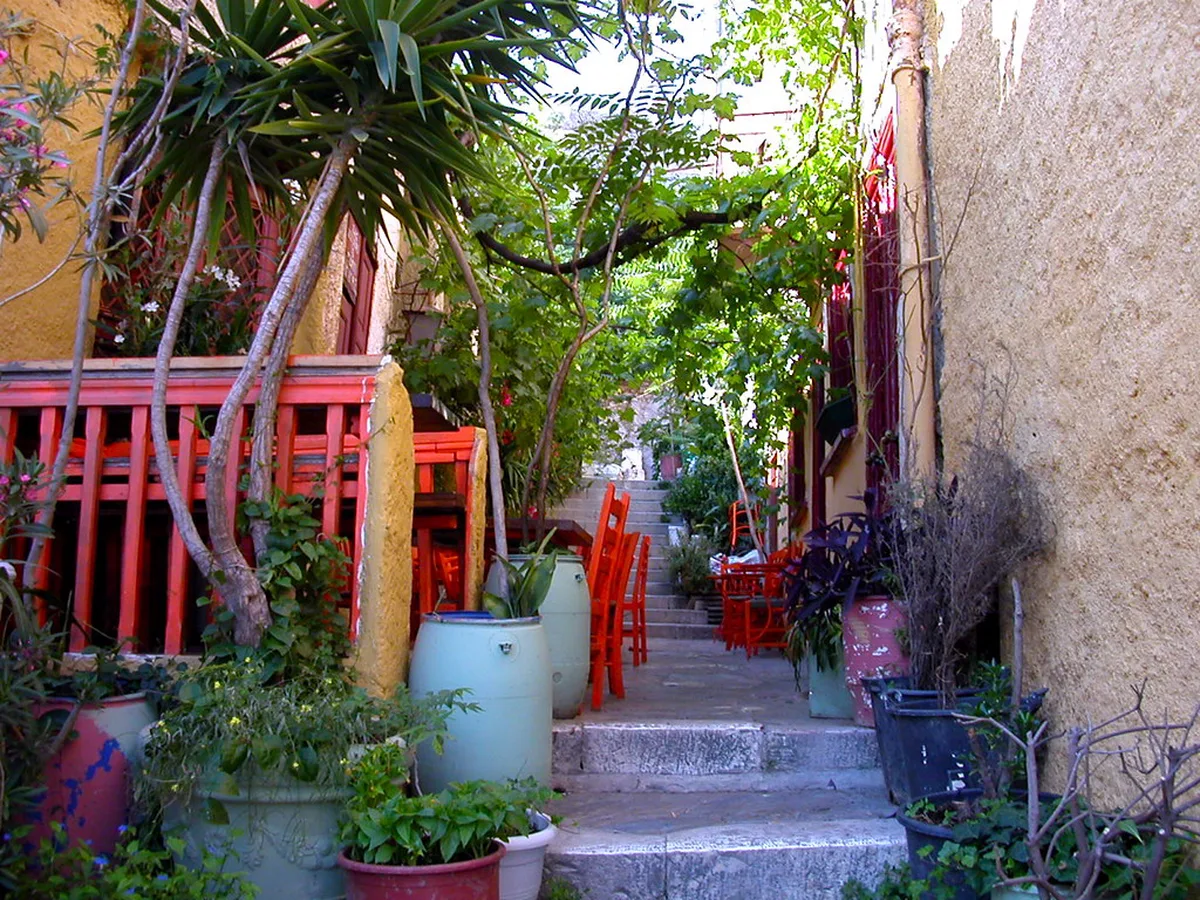
The square itself is ringed by cafes with open-air seating directly facing the ruins of Hadrian's Library and the Roman Agora. Grab a Greek coffee at one of the old-school kafeneions tucked behind the square and watch the foot traffic before heading into the warren of side streets. Hadrian's Library charges €6 entry and is included in the €30 combined archaeological ticket — worth stopping inside for five minutes even if you hold the pass.
Monastiraki's flea market peaks on Sunday mornings. Arrive on a weekday for calmer stalls and better vendor negotiation opportunities. The market runs daily but the best vintage furniture, coins, and antiques appear on Sundays.
From Monastiraki it is a five-minute walk to the Ancient Agora, making the two an easy morning pairing. The metro station here is on both the green (Line 1) and blue (Line 3) lines, so getting in and out is straightforward from anywhere in the city center.
Hike Mount Lycabettus for Sunset Views
At 277 metres above sea level, Lycabettus Hill is the highest point in Athens and offers a 360-degree view of the entire Attica basin, including a direct sightline to the Acropolis and — on clear days — the Aegean Sea. The summit is home to the 19th-century Chapel of St. George and a small cafe where you can nurse a drink while the city turns gold below you.
You have two ways up. The funicular costs €10 for a round trip and departs from a tunnel entrance near the Kolonaki neighbourhood — but note that the tunnel itself has no views, so you arrive at the top suddenly without any of the build-up you get on foot. The zig-zag walking trail from Kolonaki takes about 30 minutes at a steady pace and is free. Most visitors take the funicular up and walk down, which gives you the best of both options.
Arrive at least 45 minutes before sunset to claim a spot on the main viewing terrace near the chapel. The platform fills quickly in summer, and later-arriving visitors end up watching over other people's shoulders. Bring a light layer — the hilltop is noticeably cooler and windier than the streets below, even in July.
The funicular departs from a tunnel near Kolonaki, but you miss all scenic views during the ascent. Most visitors take the funicular up (€10 round trip) and walk down the free trail — this gives you the best of both options while saving time.
Escape to the Athens Riviera Beaches
The Athens Riviera runs south along the coast from Faliro, but the beaches worth visiting do not actually start until Voula and Vouliagmeni, roughly 20 to 25 kilometres from the city centre. The stretch around Glyfada — the first coastal suburb many guides mention — has organised beach clubs but is also heavily built-up and can feel more like a suburban town than a seaside escape. Push further south to Voula or Vouliagmeni for cleaner water and a more relaxed atmosphere.
Getting there requires a decision. Tram Line 6 from Syntagma runs along the coast and takes about 60 minutes to reach Glyfada — it is scenic but slow, and for Voula you need to transfer to Tram Line 5 and add another 15 minutes. A taxi from central Athens to Vouliagmeni costs roughly €25 to €30 in normal traffic, which for two people travelling together is faster and not much more expensive than two tram tickets plus the extra connection. In summer traffic, the taxi advantage disappears, so the tram becomes the more reliable choice.
Entry fees for private beach clubs like Astir Beach in Vouliagmeni run €15 to €30 on weekdays and up to €50 on summer weekends, which typically includes a sun lounger. Public beaches at Voula (Alimos beach) are free. If your budget is tight, the free sections are perfectly swimmable and less crowded than the paid clubs immediately beside them.
Discover the Gritty Charm of Psiri
Psiri sits directly west of Monastiraki and feels like a different city from the polished tourist corridor a block away. The district is covered in large-scale street murals — the walls along Sarri Street and around Iroon Square feature some of the most ambitious public art in Greece. Exploring the murals costs nothing and is best done in the late afternoon when the light is warm and most of the bars are just opening their shutters.
In the evening, Psiri fills with mezedopoleia — small-plate eateries where you share grilled octopus, fried saganaki, and tzatziki over jugs of house wine at communal tables. This is where most locals eat rather than the more expensive tavernas in Plaka. Iroon Square has a cluster of these spots, and you can usually find a table without a reservation if you arrive before 21:00.
Psiri is also the best neighbourhood for hotel value. The Monument Hotel Athens, opened in 2023 inside an 1880s Ernst Ziller building on Miaouli Street, offers rooftop views and a private wellness suite for a price point well below comparable rooms in Kolonaki or Plaka. The area has a slightly rough edge in some corners at night, but it is entirely safe for walking tourists.
Attend a Show at the Odeon of Herodes Atticus
The Odeon of Herodes Atticus is a Roman-era stone theatre built in 161 AD at the base of the Acropolis, and it remains one of the finest open-air performance venues in Europe. The Athens-Epidaurus Festival uses it each summer — typically June through early October — for concerts, opera, ballet, and drama performed against the lit rock of the Acropolis behind the stage. The setting is genuinely spectacular and unlike anything a modern arena can replicate.
Ticket prices range from €25 for upper-tier seats to €100 or more for premium positions near the stage. Book well in advance through the Athens-Epidaurus Festival website; popular shows such as the National Opera's summer performances sell out weeks ahead. Bring a small cushion for the hard marble seating, and note that the venue is only open to the public on performance nights — it is not a daytime attraction. The site is visible from the Acropolis footpath and included in Acropolis-area walkthroughs during festival evenings.
Visit the Ancient Agora and Temple of Hephaestus
The Ancient Agora was the social, political, and commercial centre of ancient Athens — the place where Socrates debated philosophy with citizens and where democratic ideas were tested in public. Today the site covers a large, shaded area with scattered ruins, the reconstructed Stoa of Attalos (now a small museum), and at the far end, the Temple of Hephaestus in near-perfect condition. That temple, built in the 5th century BC, is the best-preserved Doric temple in Greece and worth the walk on its own.
Entry is €10 in summer and €5 in winter, and the site opens daily at 08:00. Both the Ancient Agora and the adjacent Roman Agora — which contains the octagonal Tower of the Winds — are included in the €30 combined ticket. If you are visiting at least three other combined-ticket sites, the pass saves money even without setting foot on the Acropolis (see the ticket breakdown section below).
The best approach is from the Monastiraki end, entering from Adrianou Street. This route puts the Temple of Hephaestus directly ahead of you after a short uphill walk. The site can be explored comfortably in 90 minutes, and there is reliable shade under the trees near the Stoa.
Watch the Changing of the Guard at Syntagma
The Evzones — an elite presidential guard unit — stand motionless in front of the Tomb of the Unknown Soldier at Syntagma Square and perform a formal relief ceremony every hour, on the hour. The standard hourly change involves two guards executing a precise sequence of slow, deliberate movements in full ceremonial kit. It is free to watch and takes about five minutes.
The Sunday 11:00 ceremony is categorically different. This is the only ceremony of the week that includes the full honour guard, a military band, and the complete dress uniform. The fustanella — the pleated white kilt worn by the Evzones — has 400 folds, one for each year of Ottoman occupation, and the distinctive red shoes with black pom-poms weigh three kilograms each. The Sunday ceremony draws large crowds, so position yourself on the shaded, parliament-facing side of the square by 10:30 at the latest.
Walk Through the National Garden of Athens
The National Garden covers 15.5 hectares directly behind the Greek Parliament building and offers the best free shade in central Athens. Queen Amalia established it in 1838 as a private royal garden stocked with exotic plants from across the Mediterranean. It has been open to the public since the early 20th century and remains one of the quietest green spaces in the city centre.
The park is free to enter and open from sunrise to sunset every day. Inside you will find a turtle pond near the central path, a small botanical museum, and a children's playground. It connects directly to the Zappeion exhibition hall at the south end, which is itself worth a short detour for its neoclassical courtyard. The garden is an ideal midday refuge between morning archaeological sites and an afternoon visit to the Panathenaic Stadium, which sits on the garden's eastern edge.
Find the Hidden Anafiotika Neighborhood
Anafiotika is a cluster of whitewashed houses built directly into the northern slope of the Acropolis rock, designed to replicate the island architecture of Anafi. Construction workers from Anafi built the neighbourhood in the 1860s while working on the royal palace, and it has changed remarkably little since. The lanes are barely wide enough for two people to pass, bougainvillea spills over every wall, and the sound of the city drops away almost completely once you are inside.
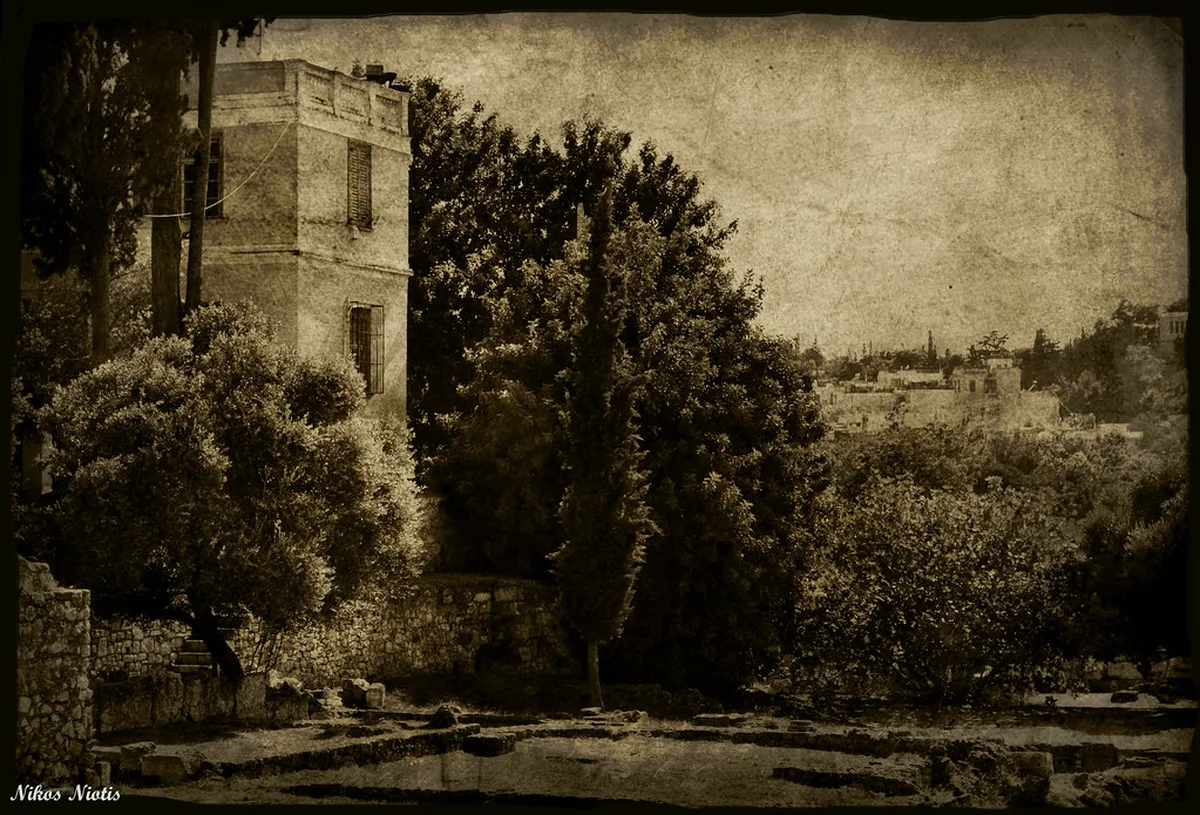
Finding it is the main challenge. From Plaka, walk up Stratonos Street toward the Acropolis rock face and look for the Church of St. George of the Rock on your left. The entrance to Anafiotika's main lane is immediately past the church. If you reach the archaeological fence around the Acropolis, you have gone slightly too far east. Most visitors who walk through Plaka miss it entirely because the entrance is unmarked and easy to overlook.
Note that these are private residences, not a museum. Keep noise low, do not peer through windows, and stay on the main paths. Anafiotika is most pleasant in the early morning before the Acropolis tour groups arrive in the streets below.
Explore the Acropolis Museum
The Acropolis Museum opened in 2009 on Makrigiannis Street, directly opposite the hill, and houses more than 3,000 artefacts recovered from the Acropolis rock in a building designed by architect Bernard Tschumi. The ground floor uses glass panels so you can look down into the live excavation of an ancient Athenian neighbourhood beneath the museum's foundations — this alone is worth pausing for several minutes.
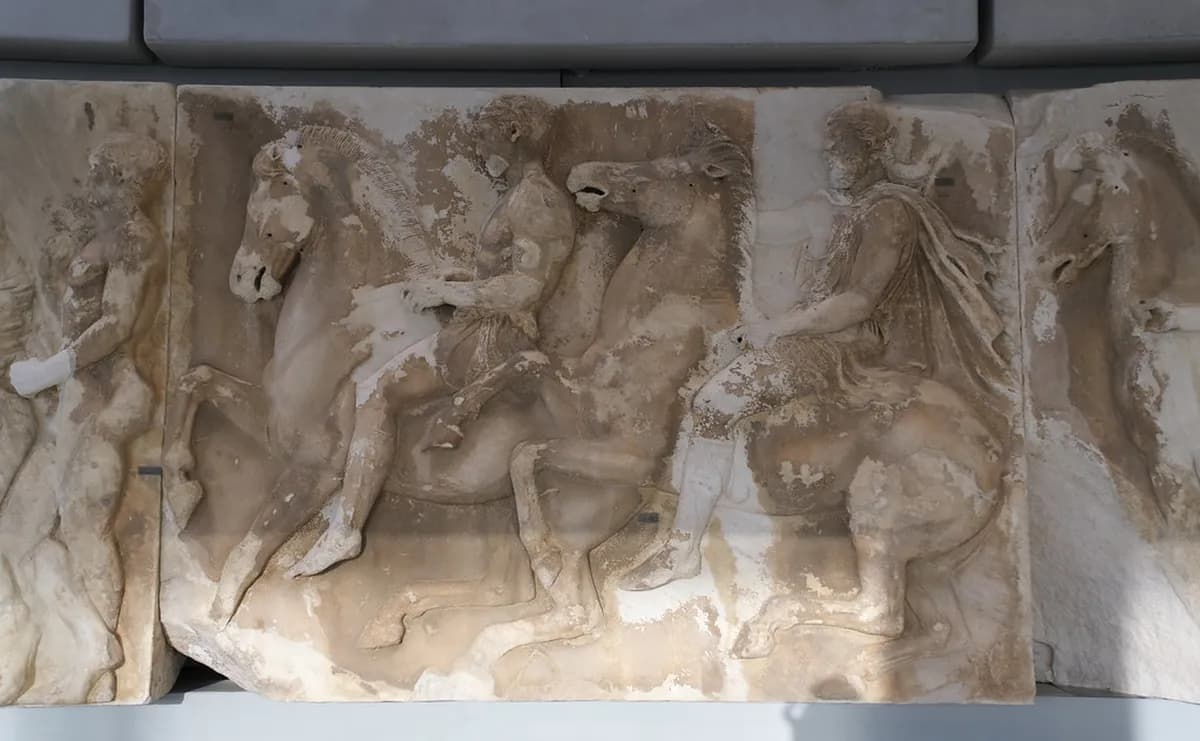
The top floor is dedicated to the Parthenon frieze, displayed in natural light in a gallery oriented to mirror the actual layout of the temple. Plaster casts fill the gaps where original sections remain in the British Museum, making the full narrative readable for the first time. Standard entry costs €15 in summer. The museum stays open until 22:00 on Friday nights, when the roof restaurant opens — the dinner view of the floodlit Acropolis is one of the better experiences available in Athens at night.
Visit the museum before the hill itself. Understanding what you are looking at from the ground level significantly changes the experience of standing among the ruins above. The Acropolis Museum cafe on the second floor is open to visitors who have not bought a museum ticket, so it also works as a coffee stop with an Acropolis view.
Taste Local Life at Varvakeios Market
Varvakeios is Athens' central food market, built in 1884 and named after Greek philanthropist Ioannis Varvakis. The indoor hall divides into two sections: the fish market, where vendors shout over ice-covered counters of fresh catch, and the meat hall surrounding it, where butchers work whole carcasses at the block. The market is loud, pungent, and entirely authentic — nothing about it caters to tourism.
Outside the main building, stalls along the surrounding streets sell olives in dozens of varieties, dried herbs, honey, nuts, and preserved vegetables. This is one of the cheapest places in Athens to buy quality Greek food products to take home. The market operates Monday to Saturday from approximately 07:00 to 15:00. Arrive before 10:00 for peak activity, and wear closed-toe shoes in the fish section where the floors are perpetually wet.
Take a Day Trip to the Saronic Islands
Aegina is the closest Saronic island and the most practical day trip from Athens. High-speed hydrofoils from Piraeus Port reach Aegina Town in about 40 minutes; standard ferries take 75 minutes. Return tickets cost between €12 and €20 depending on the vessel type and season. Aegina is famous for its pistachios — the local variety is sold in bags at every port stall — and for the Temple of Aphaia, a well-preserved 5th-century BC Doric temple on a pine-covered hill above the town.
Rent a scooter at the port for €15 to €20 per day to reach the temple before the tour buses from mainland day-trip operators arrive around 10:30. If the Saronic Islands are a serious priority rather than a half-day add-on, explore options in our guide to 3 days in Athens which includes a suggested island schedule. Hydra, which bans all motor vehicles, is a quieter alternative and reachable in about 90 minutes by hydrofoil.
Is the Athens Combined Ticket Worth It?
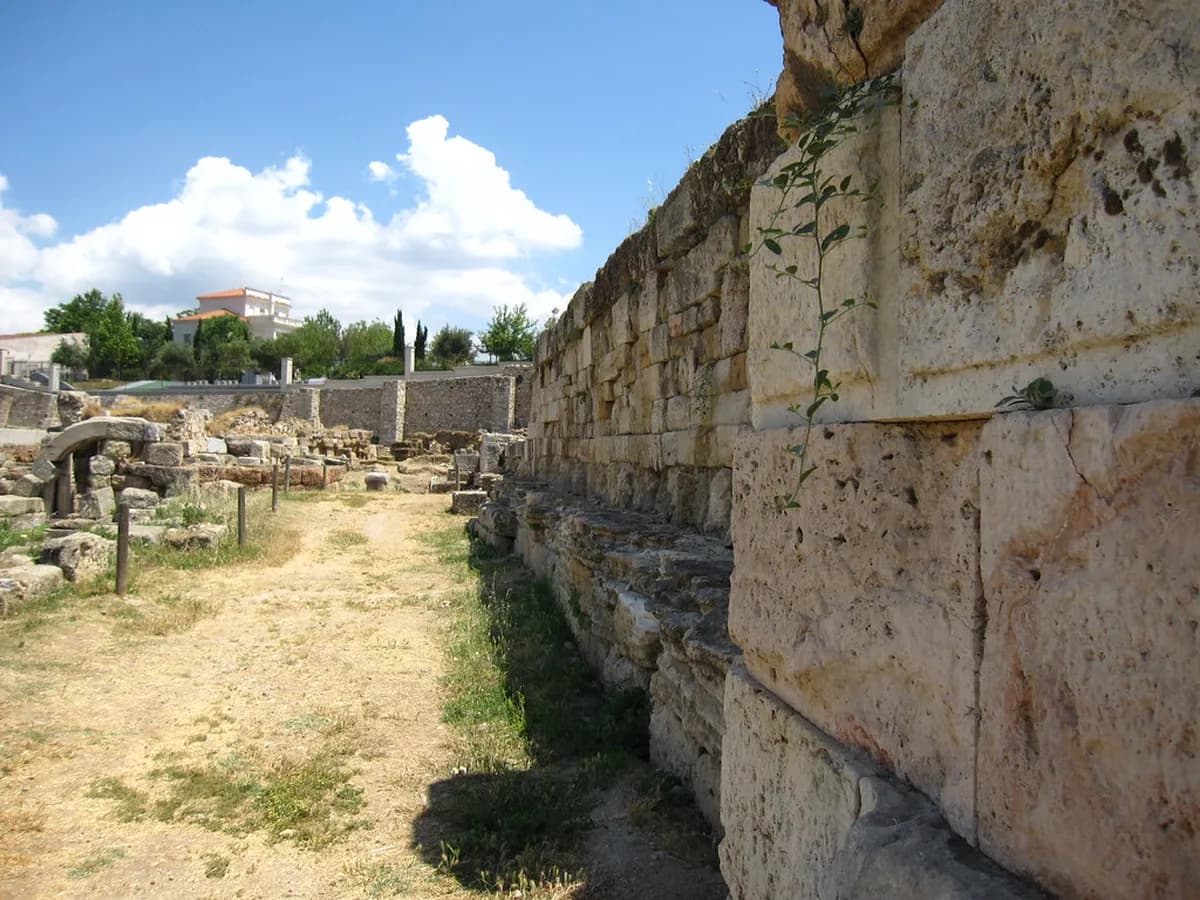
The €30 combined ticket covers seven sites: the Acropolis, Ancient Agora, Roman Agora, Hadrian's Library, the Olympieion (Temple of Zeus), Kerameikos, and Aristotle's School (Lykeio). The pass is valid for five consecutive days. The key question for visitors who plan to skip the Acropolis is whether the remaining six sites add up to more than €30.
They do — easily. The Ancient Agora alone is €10, Kerameikos is €8, the Olympieion is €8, and Hadrian's Library is €6. Visiting just those four brings your individual total to €32, meaning the combined ticket saves money the moment you add a fourth site. The Roman Agora (€6) and Aristotle's School make the pass even better value. In winter months, when all individual tickets drop to half price, the combined ticket is no longer worth it — individual entry is cheaper.
You should also consider your interest in specific historical periods before committing to the full package. Those who only care about the most famous ruins might prefer a 3-day Athens itinerary that mixes ruins with modern culture. Always check the official ticketing site for 2026 updates, as prices can shift with new government regulations.
Where to Stay in Athens: Best Neighborhoods
Plaka is the most charming and historic area, but it can feel overly touristy during peak summer months. For a more local feel, Koukaki — just south of the Acropolis Museum — offers excellent tavernas, a quieter street level, and easy access to the main sites without Plaka's souvenir-shop density. Monastiraki is the best option for transport links: you have two metro lines and direct access to both the city centre and Piraeus.
Psiri suits travellers who want to be in the centre of the nightlife and street art scene. The Monument Hotel Athens (Psiri, opened 2023) and several other boutique properties here offer rooftop bars with direct views of the illuminated ruins at a price point below comparable rooms in Kolonaki. Kolonaki itself, at the base of Mount Lycabettus, is the right choice if you prefer upscale shopping, fewer backpackers, and proximity to the funicular.
Regardless of which area you choose, a room with a balcony provides a private slice of Athens' skyline that no rooftop bar can quite replicate. For more help planning, explore our Athens' best-kept secrets guide, which covers neighbourhoods that most first-timers miss entirely.
How to Plan a Smooth Athens Itinerary
Group sites by physical proximity to avoid unnecessary backtracking. The Ancient Agora, Roman Agora, Hadrian's Library, and Monastiraki market all sit within a 10-minute walk of each other — this cluster makes an efficient morning. The Acropolis Museum, Anafiotika, and Plaka form a natural afternoon pairing on the other side of the hill. The Panathenaic Stadium and National Garden connect easily as a third block east of the centre.
Book any performance at the Odeon of Herodes Atticus before you book your flights. The festival calendar sells out quickly and the schedule is typically published in March for the June-to-October season. The Acropolis itself now has a daily visitor cap of 20,000 and requires advance online booking — if you plan to visit, purchase your timed entry slot as soon as dates open. Most other sites in this guide require no advance booking at all.
If your trip is three days or fewer, prioritise one coastal excursion (Vouliagmeni beach or Aegina island), one evening in Psiri, and the Ancient Agora over the Acropolis if crowds are your main concern. Three days is the minimum to feel unhurried; five days lets you add a Saronic island stay and deeper neighbourhood exploration.
Essential Athens Travel Tips for First-Timers
The Athens Metro is efficient and clean, but always validate your ticket at the yellow machines before boarding — inspectors work regularly and fine unvalidated tickets. A standard single ticket costs €1.20 and is valid for 90 minutes across all transport modes including bus and tram. Day passes (€4.10) and five-day passes (€8.20) are available at any metro station and are worth buying if you plan to move around frequently. Contactless bank card payment via the Tap2Ride system now works at most validators.
Greek dining culture starts late. Most locals do not sit down for dinner until 21:00, and many kitchens stay open past midnight. Arriving at a taverna at 19:00 is perfectly fine if you want a quiet meal, but the atmosphere picks up significantly after 21:30. Tipping is appreciated but not mandatory — rounding up by a euro or two per person is the standard local practice.
Tap water in Athens is safe to drink, so carry a reusable bottle. Free water fountains sit near most major archaeological sites and inside the National Garden. Pickpockets operate in crowded areas like Monastiraki Square and on the metro during peak hours — keep bags in front and avoid open pockets. For a full list of ways to see the city without spending much, see our guide to Athens on a budget.
Frequently Asked Questions
How many days do you need to visit Athens?
Three days is the ideal amount of time to see the major ruins and explore several local neighborhoods. This allows for one day at the Acropolis, one day for museums and markets, and a final day for the coast or a nearby island.
How do you get from central Athens to the beaches?
The most scenic way is taking Tram Line 6 from Syntagma Square, which takes about an hour. For a faster trip, take the Red Metro line to Elliniko and then a short bus or taxi ride to the Glyfada coast.
What is the best neighborhood for nightlife?
Psiri and Gazi are the top choices for nightlife, offering a mix of cocktail bars, live music, and clubs. Psiri is more central and walkable, while Gazi is known for its large industrial-style dance venues near the Kerameikos metro.
Athens is a city that rewards those who venture beyond the most famous landmarks and dive into its local layers. By exploring the markets of Monastiraki, the streets of Psiri, and the shores of the Riviera, you get a true sense of Greek life. Whether you are a history buff or a food lover, there is plenty to discover in this ancient yet modern metropolis.
For more help planning your trip, explore our Greece travel guides for deeper regional insights. Remember to pack comfortable walking shoes and an open mind as you navigate the winding streets of the capital. Athens is waiting to surprise you with its hidden corners and enduring hospitality.
Continue exploring
More guides you'll find useful