10 Essential Athens Neighborhoods and Travel Tips (2026)
Discover the best Athens neighborhoods for your trip. From historic Plaka to trendy Koukaki, explore local vibes, top hotels, and practical transit tips.
On this page
10 Essential Athens Neighborhoods and Travel Tips (2026)
After five visits to Athens over the last decade, I have seen the city transform into a vibrant modern capital. The ancient ruins still dominate the skyline, but the real magic happens in the diverse pockets of the city. Choosing the right base is essential for a smooth 3-day Athens itinerary that captures both history and local life.
This guide breaks down the distinct personality of each district to help you navigate the winding streets with confidence. Whether you want upscale boutiques or gritty street art, the capital has a corner tailored to your specific travel style. I have also included honest hotel picks across every budget and a practical breakdown of which neighborhoods give you the best metro access.
Overview of Athens' Layout and Geography
The geography of central Athens revolves around the massive rock of the Acropolis, which serves as a constant compass. Most major the city's most scenic spots are clustered within a three-mile radius of this ancient landmark. Walking is often faster than taking a taxi because many central streets are narrow or entirely pedestrianized.
Syntagma Square acts as the modern heart where the parliament sits and the main transit lines intersect. From here, the city fans out into historic quarters to the south and commercial districts to the north. Understanding this layout helps you avoid the frustration of getting stuck in the city's notorious traffic jams.
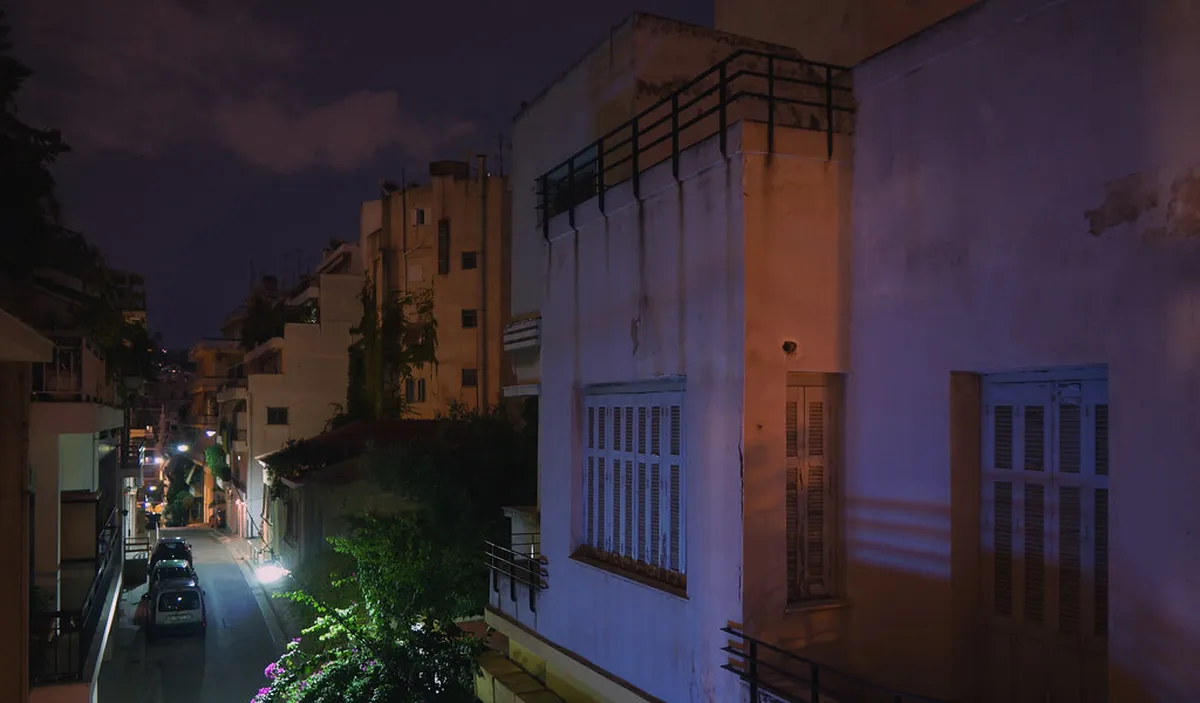
Unlike Rome or Prague, Athens is not primarily a city of beautiful architecture. Most of the central neighborhoods share the same nondescript concrete apartment blocks from the mid-20th century. What differentiates one area from another is not what it looks like but how it feels — the income bracket, the crowd profile, the noise level, and the proximity to things you actually want to do.
Noise is a significant factor: Athens stays awake much later than most northern European capitals. Consider your tolerance for late-night music and scooter traffic when picking your home base. The further you drift from Plaka and Monastiraki, the quieter the side streets become, though you trade some convenience for that calm.
Plaka: The Historic Neighborhood of the Gods
Best for: First-time visitors, couples, families seeking walkability near ancient sites.
Plaka is the oldest continuously inhabited neighborhood in Athens, built directly over the residential streets of ancient Greece. Narrow pedestrian lanes, neoclassical mansions, and the constant backdrop of the Acropolis make this the most atmospheric base in the city. The Roman Agora costs approximately €8 to enter and is typically open daily from 08:00 to 20:00.
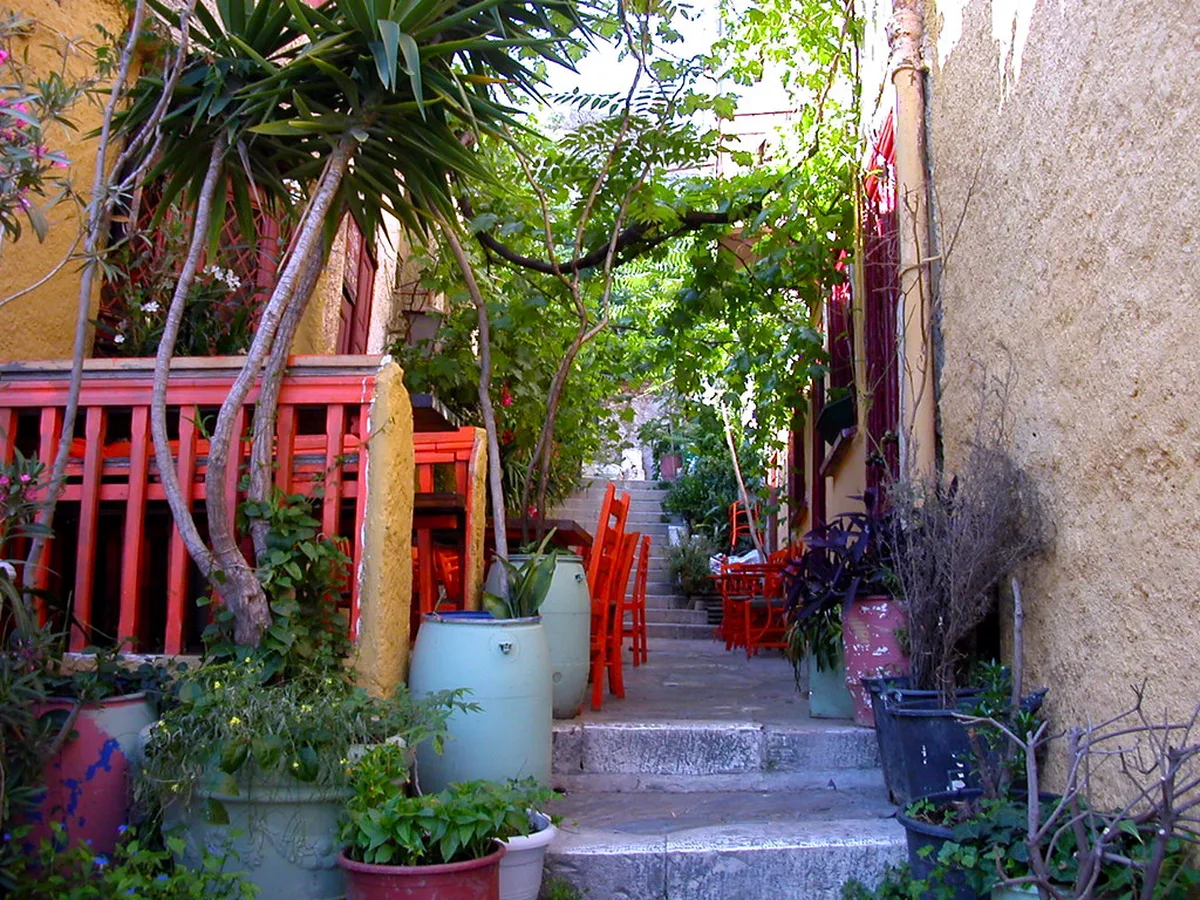
Tucked between Plaka and the base of the Acropolis is Anafiotika, a tiny sub-neighborhood built by 19th-century craftsmen from the Cycladic island of Anafi. The whitewashed cubic houses, bougainvillea-covered walls, and flagstone lanes feel lifted straight from Santorini. Most competitors mention Anafiotika briefly; it deserves a deliberate 30-minute detour, ideally before 09:00 when tour groups have not yet arrived.
The trade-off is price and tourist density. Hotel rates here are among the highest in the city, and the main drag of Adrianou Street is lined with overpriced souvenir shops. Walk one block off the main thoroughfares to find better tavernas and calmer streets. The nearest metro station is Monastiraki, served by Lines 1 and 3.
Monastiraki and Psirri: Markets and Nightlife
Best for: Nightlife seekers, budget travelers, short visits needing maximum transit convenience.
Monastiraki sits at the base of the Acropolis and is the city's most connected neighborhood for transit. Lines 1 and 3 meet at Monastiraki station, giving you a direct train to Piraeus port (Line 1, approximately 20 minutes) and direct access to Athens International Airport (Line 3, approximately 40 minutes). For anyone with an early ferry or flight, this is the single most practical location in the city.
The flea market along Ifestou Street is free to browse. On Sundays the market expands with street vendors radiating out from Avissinias Square, making it a genuinely chaotic and fun morning. Keep a close eye on your belongings in the dense crowds. Rooftop bars around the square deliver some of the city's best illuminated Parthenon views at night, though prices can be steep — always check the menu before sitting down.
Directly north of Monastiraki, Psirri is the nightlife engine of the city. Expect high noise levels until 03:00, but the street art along Louka Nika Street is genuinely impressive and completely free. Once a working-class district of small workshops and a cradle of rebetiko music, Psirri now hosts craft cocktail bars, live music tavernas, and a growing number of boutique hotels in restored neoclassical buildings. Light sleepers should request upper floors with double-glazed windows.
Koukaki: Local Atmosphere and Modern Dining
Best for: Travelers wanting a neighborhood feel near the Acropolis Museum; LGBTQ+ travelers; long-stay visitors.
Koukaki sits southeast of the Acropolis, running along the eastern edge of Philopappos Hill. It has transitioned steadily from a quiet residential area into one of the city's most desirable bases, earning comparisons to West Hollywood for its mix of LGBTQ+-friendly venues, strong brunch culture, and independent coffee shops. Unlike Plaka, it is not overrun with tour groups, and hotel prices are noticeably lower for a nearly identical distance to the Acropolis.
The Falirou Street bakeries are a local staple — a fresh spanakopita usually costs under €3 per piece. The Acropolis Museum (€15 for adults, closed Tuesdays) is a short walk away and is one of the best museums in all of Europe. For expats or long-term visitors, Koukaki also has a practical everyday infrastructure: supermarkets, laundromats, and pharmacies that cater to residents rather than tourists.
Stay at Athens Studios for a well-located apartment-style option with easy access to both the museum and the pedestrian promenade. The Acropolis Fix metro station (Line 2) is nearby, though most guests find the entire central area easily walkable from here. Noise levels are moderate compared with Monastiraki, making Koukaki the best default recommendation for most visitors in 2026.
The Falirou Street bakeries in Koukaki are a local staple where fresh spanakopita usually costs under €3 per piece, offering budget-friendly authentic Athenian food without tourist markups.
Kolonaki: Museums and Chic Boutiques
Best for: Upscale stays, museum-heavy itineraries, families with older children, anyone in town for more than four days.
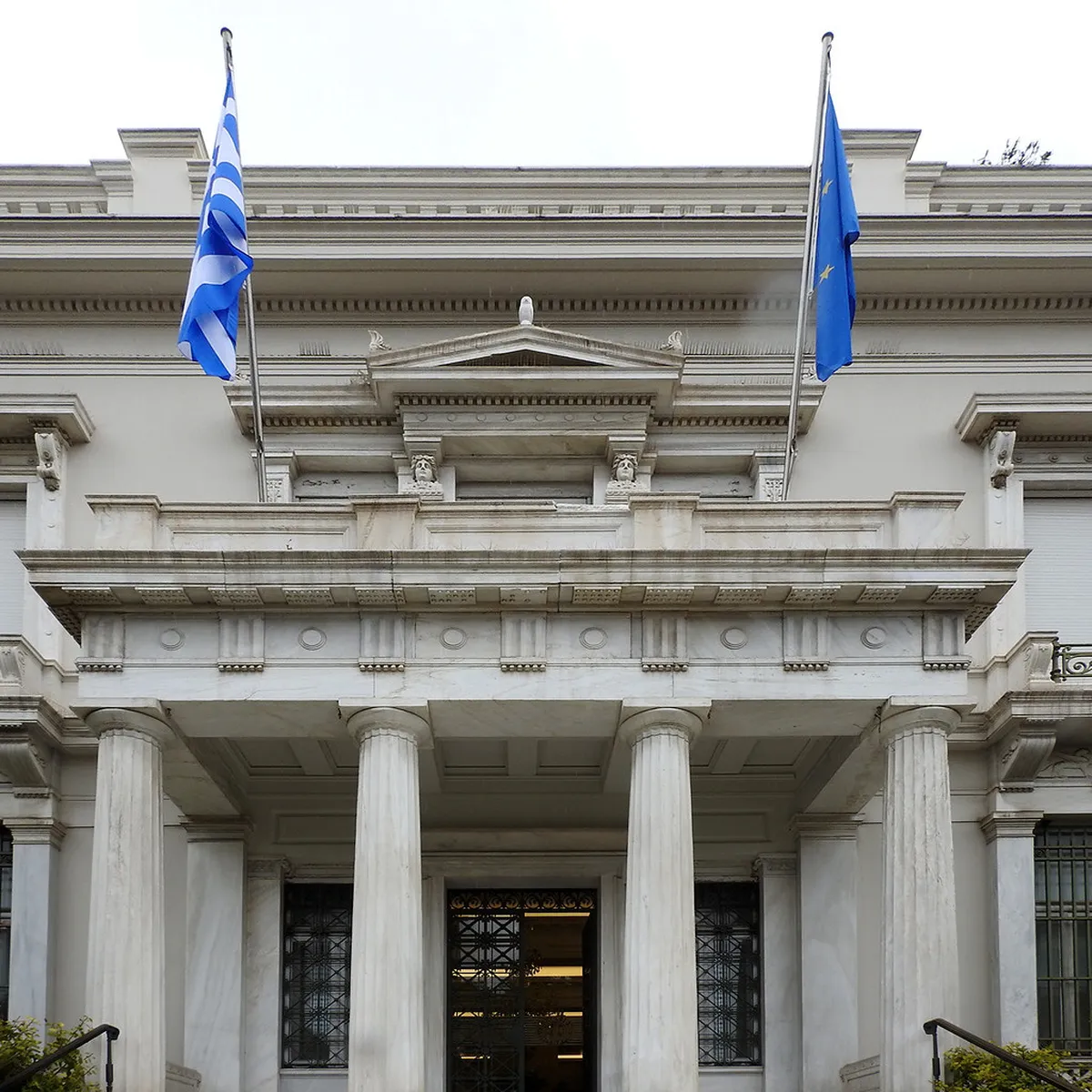
Kolonaki climbs the southern slope of Lycabettus Hill, the tallest of Athens' seven hills at 277 metres. The neighborhood is home to some of the city's finest museums — the Benaki Museum (€15, open until midnight on Thursdays), the Museum of Cycladic Art, the Byzantine and Christian Museum, and the Athens War Museum are all within a few minutes' walk of each other along Vasilissis Sofias Avenue.
The streets are tree-lined and comparatively quiet, and the commerce skews toward independent Greek boutiques rather than international chains. Voukourestiou Street is the primary shopping corridor, stocking a mix of European luxury brands and locally designed fashion. The atmosphere is wealthy but not stiff — outdoor cafes on Kolonakiou Square fill with a mix of politicians, journalists, and young professionals throughout the day.
The main drawback is the topography. Kolonaki scales a steep hillside, and walking from Syntagma or Evangelismos metro stations to upper Kolonaki with luggage is genuinely taxing. Take a taxi directly to your hotel on arrival. The funicular up Lycabettus Hill costs approximately €10 for a round trip and delivers the best sunset panorama in the city — clearer and less crowded than Philopappos Hill.
Exarcheia: The Alternative Scene
Best for: Budget travelers, solo visitors, anyone interested in political history, independent art, and vinyl culture.
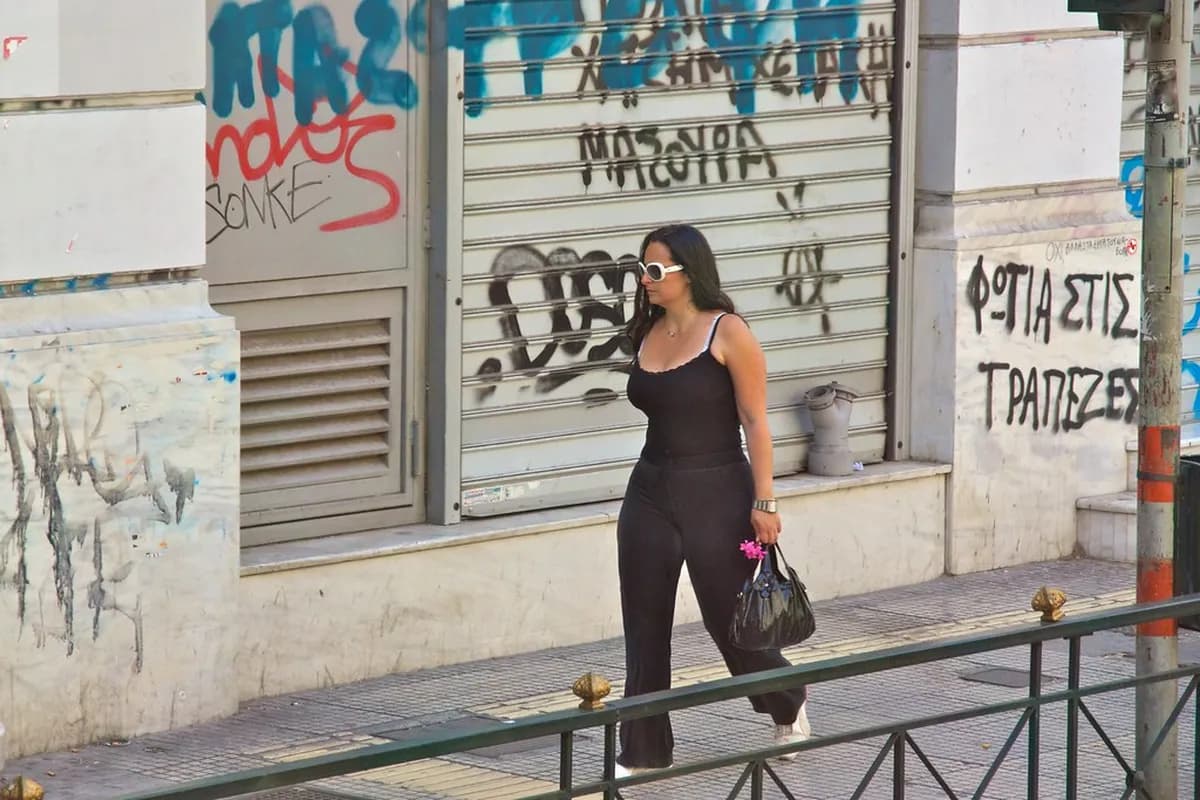
Exarcheia sits just north of the historic center and is Athens' traditional student and intellectual quarter. Independent bookstores, vinyl record shops, small vegan cafes, and political murals covering entire building facades define the neighborhood's character. The National Archaeological Museum is located here, with tickets priced at €12 during peak summer season (May to September) — it is one of the most important collections of ancient Greek art in the world and worth at least half a day.
The neighborhood has a reputation for political activism and occasional demonstrations near Exarcheia Square. During scheduled protests, the area around the square becomes disruptive. The side streets, however, remain calm and safe throughout the year. Daytime visits by curious travelers are entirely normal, and the neighborhood's outdoor square culture — coffee tables spilling onto pavements, informal music sessions — is genuinely appealing.
Hotel prices here are the lowest of any central neighborhood. Budget options like the Dryades and Orion Hotel hover around €100 per night. For travelers who want a central Athens base without tourist-trap pricing, Exarcheia is the most honest recommendation. Avoid the central square after dark during tense political periods; the rest of the neighborhood is fine.
Thiseio: Ancient Views and Pedestrian Streets
Best for: First-time visitors who want proximity to sights without the peak tourist density of Plaka; families.
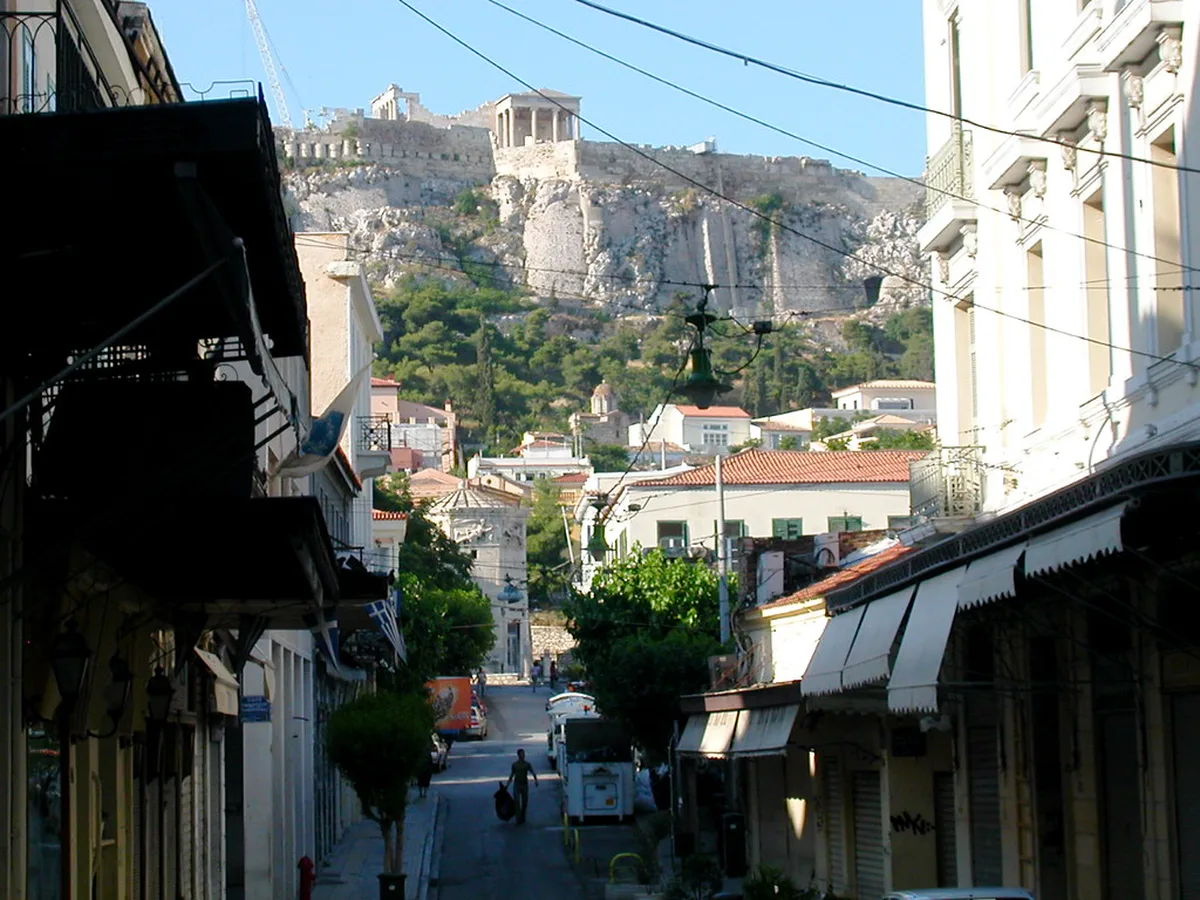
Thiseio sits just west of Plaka and Monastiraki, within a 10-minute walk of all the major archaeological sites. The pedestrian promenade of Apostolou Pavlou runs through the neighborhood and links the Ancient Agora, the Temple of Hephaestus, and Philopappos Hill in a car-free corridor roughly two kilometres long. At sunset, local musicians often perform along this stretch, and the Acropolis lights up above you.
Stay at Be My Guest Athens for a boutique option tucked away from the main noise. The Pnyx and Nymphs hills rising just beside the neighborhood offer exceptional Acropolis views with a fraction of the crowds that Philopappos attracts. On some evenings there is almost nobody else around, which is a genuinely rare thing in central Athens.
The one meaningful drawback is limited hotel stock. Thiseio has very few properties, so you need to book well in advance, particularly for the spring and autumn shoulder seasons. Head south from the neighborhood into Petralona for one of the best local dining scenes in the city — excellent tavernas with no tourist menus in sight.
Syntagma: The Central Hub for Transit
Best for: Short visits, luxury stays, business travelers, anyone with an early flight or needing maximum transit options.
Syntagma Square is the political and commercial centre of modern Athens, anchored by the Greek Parliament building and the Tomb of the Unknown Soldier. The famous Changing of the Guard ceremony by the Evzones happens every hour; the full ceremonial parade with the marching band takes place every Sunday at 11:00 and is free to watch. The National Garden directly behind the parliament offers an easy escape from the heat — shaded paths, a botanical section, and ancient ruins within a five-minute walk of the square.
The Syntagma metro station is the city's most important interchange, served by Lines 2 and 3. Line 3 runs directly to Athens International Airport (approximately 40 minutes, €10.50 single) and to Piraeus port. The X95 airport express bus and X80 Piraeus bus also stop here. For logistics alone, no other neighbourhood in Athens matches Syntagma's connectivity.
Luxury hotels cluster around the square — the Grande Bretagne and the King George are historic institutions at €400+ per night. Stay at the Gatsby Athens Hotel for boutique luxury in Monastiraki, just steps from the Syntagma transit hub, at a more accessible price point. The trade-off for this centrality is noise from the square and busy commercial streets; request a courtyard-facing room if you are a light sleeper.
Which Neighborhood Has the Best Metro Access?
Every competitor guide mentions the Athens metro in passing. None of them map out which neighborhoods actually give you the best connections for specific trip types — ferry access, airport runs, or day-trip reach. Here is the practical breakdown for 2026.
A standard 90-minute ticket costs €1.20 and is valid across buses, trams, and all three metro lines. Consult the Athens Transport official website for live service updates, particularly during strike periods. Airport tickets are priced separately at €10.50 single regardless of transfers.
- Monastiraki — Lines 1 and 3 intersect here. Best for early ferries (20 min to Piraeus on Line 1) and airport runs (40 min on Line 3). The single most transit-advantaged neighbourhood.
- Syntagma — Lines 2 and 3. Direct airport and Piraeus access. Also served by all major express bus routes. Best backup if Monastiraki hotels are sold out.
- Koukaki / Makriyanni — Acropolis Fix and Syngrou-Fix stations on Line 2. Not connected to the airport or Piraeus directly; requires a change at Syntagma. Fine for city movement, not ideal for early departures.
- Kolonaki — Evangelismos station, Line 3. Direct airport access, but the uphill walk to upper Kolonaki hotels is steep. Taxi from the station on arrival.
- Thiseio / Plaka — Thiseio station, Line 1. Direct Piraeus access (20 min), but no airport line. You need to change at Monastiraki for Line 3.
- Exarcheia — No dedicated metro station; nearest is Omonia (Lines 1 and 2), about a 10-minute walk. Workable for city movement but the worst connectivity of any central neighbourhood.
| Neighborhood | Vibe | Nearest Metro | Best For |
|---|---|---|---|
| Plaka | Historic, atmospheric, crowded | Monastiraki (Lines 1, 3) | First-time visitors, couples, families |
| Koukaki | Trendy, local, modern dining | Acropolis Fix (Line 2) | Long-stay visitors, LGBTQ+ travelers |
| Monastiraki | Bustling, nightlife, markets | Monastiraki (Lines 1, 3) | Budget travelers, transit convenience |
| Syntagma | Commercial, political center, busy | Syntagma (Lines 2, 3) | Business travelers, luxury stays |
| Kolonaki | Upscale, museums, boutiques | Evangelismos (Line 3) | Museum enthusiasts, upscale travelers |
| Thiseio | Quiet, archaeological sites, views | Thiseio (Line 1) | Families, sightseeing-focused trips |
| Exarcheia | Alternative, bohemian, artistic | Omonia (Lines 1, 2) | Budget travelers, solo visitors, artists |
If your trip involves a pre-dawn ferry to the islands, prioritise a hotel within five minutes of Monastiraki or Syntagma stations. For a pure sightseeing visit with no transit pressure, Koukaki or Thiseio give a calmer base without sacrificing much in journey time.
A standard 90-minute metro ticket costs €1.20 and works across all three metro lines, buses, and trams, making it the most economical way to move between neighborhoods. Airport tickets are priced separately at €10.50 single, regardless of transfers.
My Favorite Hotels in Athens
The following picks span all price brackets and are distributed across the neighbourhoods covered above. Rates are indicative for 2026 peak season (June to September) and will be lower in shoulder season.
- Luxury (€300+/night): Grande Bretagne (Syntagma) is the definitive Athens institution — Parliament views, rooftop pool, impeccable service. Electra Palace (Plaka) combines Acropolis views with a rooftop pool at a slightly lower rate. The Gatsby Athens Hotel (Monastiraki) is the best boutique luxury option for location and design.
- Mid-range (€150–300/night): Hotel Thissio (Thiseio) gives every room an Acropolis-view balcony at around €200–250. InnAthens (near Syntagma/Kolonaki) is a polished 3-star in a neoclassical building beside the National Garden. Athens Studios (Koukaki) is the go-to apartment-style pick near the Acropolis Museum.
- Budget (under €150/night): Be My Guest Athens (Thiseio) offers a rooftop terrace with historic views at roughly €120–175. Dryades and Orion Hotel (Exarcheia) is a clean, simple option at around €100, ideal for solo travelers who appreciate the neighbourhood's independent culture. A for Athens (Monastiraki) combines an unbeatable rooftop bar with genuinely affordable rooms.
Book accommodation at least two months ahead for May, June, and September. The Athens hotel market tightened significantly from 2024 onward as the city gained momentum as a standalone destination rather than an island-hopping stopover. Last-minute options exist but tend to be on busy commercial streets with significant noise.
Things to Know Before Booking an Athens Hotel
Check the hotel's exact map location, not just its listed neighbourhood. Athens changes dramatically from block to block — a hotel "in Monastiraki" can feel lively and convenient or noisy and cramped depending on whether it sits on Athinas Street or a quiet side lane one block away. Read recent guest reviews specifically for noise mentions before confirming a booking.
Acropolis-view rooms command a significant premium and sell out months in advance. Confirm whether the view is from the room itself, from a balcony, or only from a shared rooftop terrace before paying extra for it. Some "Acropolis-view" listings refer to a partial glimpse from a corner balcony. The rooftop pool is a worthwhile upgrade in summer — ending the day with a swim and a lit Parthenon in the background is worth the cost if your budget allows.
Do not stay in Piraeus unless you have a ferry departing before 06:00. The port district is connected to central Athens via Line 1 in about 20 minutes, so there is little reason to relocate hotels for a morning departure. The one exception is if you are travelling with heavy luggage and want to avoid rush-hour metro carriages; in that case, one night near Piraeus port makes logistical sense. The Port Square Hotel near Piraeus is the standard recommendation for this situation.
Avoid the area immediately around Omonoia Square for overnight stays. The square has struggled with urban decay and can feel uncomfortable after dark. Staying in Exarcheia (two blocks away) or Monastiraki (ten minutes south) puts you in a significantly more comfortable environment without adding meaningful travel time to any of the sights.
Practical Tips for Moving Between Neighborhoods
The Athens Metro is one of the cleanest and most efficient systems in Europe for moving between major districts. A standard 90-minute ticket costs €1.20 and works across buses, trams, and all three metro lines. The grand pedestrian promenade linking the major archaeological sites is roughly two and a half kilometres long and is the most pleasant way to connect Thiseio, Monastiraki, Plaka, and Koukaki on foot.
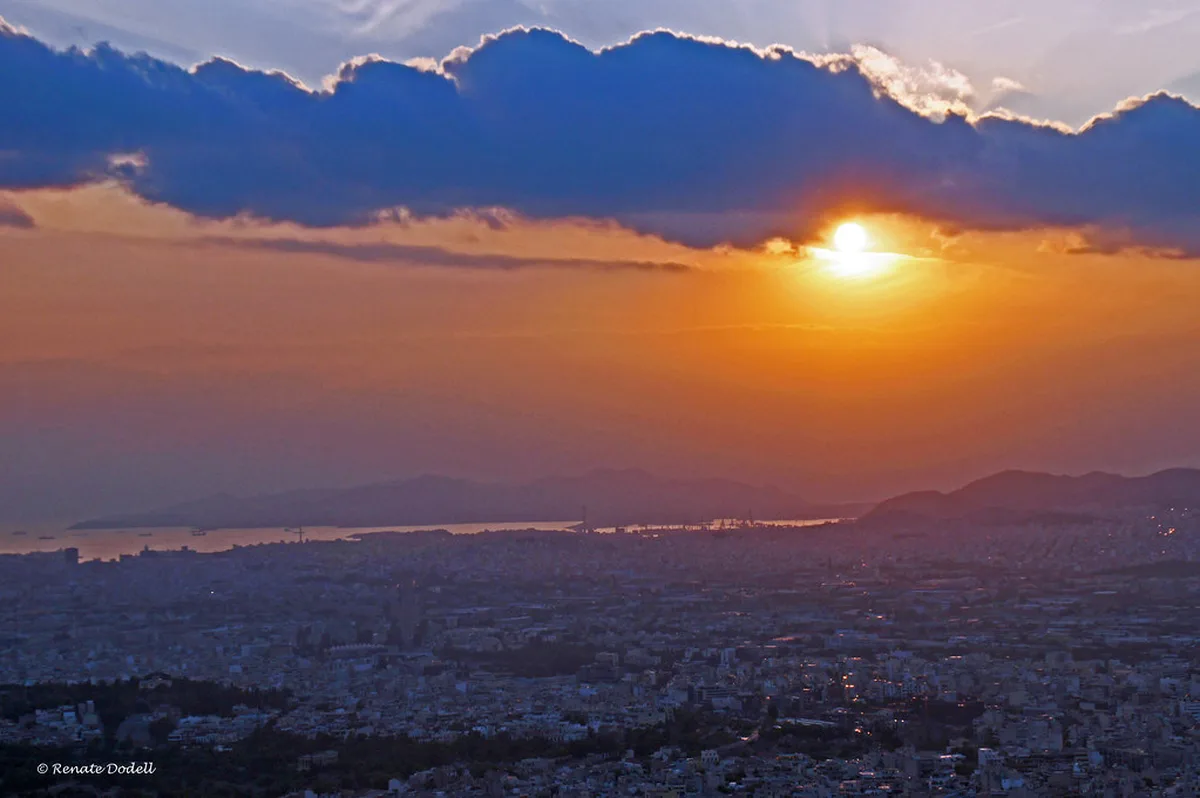
Wear sturdy shoes because the ancient marble pathways can become incredibly slippery, especially after light rain. Taxis and ride-sharing apps like Free Now are widely available and relatively affordable for short trips across town. Most rides within the central neighbourhoods should cost between €5 and €10 depending on the time of day — always ensure the driver starts the meter before the car moves.
Visit the Athens after-dark experience by neighbourhood hopping on foot in the evening. The walk from Thiseio through Monastiraki to Psirri is entirely pedestrianised and takes about 20 minutes. It covers the full spectrum from quiet ancient-monument streets to loud nightlife corridors without a single taxi required. Plan your visit during the shoulder seasons of May or September for the best balance of weather and crowd sizes.
Frequently Asked Questions
Which Athens neighborhoods are best for first-time visitors?
Plaka and Monastiraki are the top choices for first-time visitors due to their proximity to the Acropolis. These areas are highly walkable and filled with traditional tavernas. Staying here puts you within minutes of the city's most famous ancient landmarks.
Is it better to stay in Plaka or Monastiraki?
Plaka is generally quieter and more picturesque, making it ideal for couples or families. Monastiraki is busier and more central for transit but can be noisier at night. Both offer excellent access to the main historical sites of the city.
How safe are the alternative neighborhoods like Exarcheia?
Exarcheia is generally safe during the day for travelers who enjoy a gritty, bohemian atmosphere. It is wise to avoid the area during scheduled political demonstrations which usually occur near the central square. For more travel safety tips, check our guide to Greece.
Athens is a city that rewards those who venture beyond the main tourist thoroughfares into its diverse neighborhoods. From the island-like quiet of Anafiotika to the creative energy of Psirri, there is a district for every type of traveler. Choosing the right base will define your experience of this ancient yet rapidly evolving Mediterranean capital.
Remember to check the official Ministry of Culture website for any seasonal changes to site hours before you head out. By understanding the city's layout and transit options, you can navigate Athens like a local and find your own favorite corner. Enjoy the unique blend of history, grit, and hospitality that makes this city one of the most captivating destinations in Europe in 2026.
Pair this with our roundup of Athens' best-kept secrets to balance the must-sees with the city’s quieter discoveries.
Continue exploring
More guides you'll find useful