10 Hidden Gems in Athens: A Local's Travel Guide (2026)
Discover 10 hidden gems in Athens with our local guide — secret neighborhoods, unique eateries, and tips for an off-the-beaten-path trip.
On this page
10 Hidden Gems in Athens
I've spent years wandering the backstreets of the Greek capital, looking past the Parthenon to find the city's true soul. Athens is a city of layers, where ancient ruins sit next to gritty street art and vibrant neighborhood markets. While most visitors stick to the Acropolis, the real magic happens in the quiet corners that locals call home.
Updated May 2026 after my latest visit to the Exarchia neighborhood, this guide highlights my favorite secret spots. The city is evolving rapidly, with new micro-bakeries and art spaces opening in districts once overlooked by travel brochures. Finding these spots requires a bit of curiosity and a willingness to step off the polished marble paths.
Exploring the hidden gems in Athens allows you to experience the legendary Greek hospitality without the overwhelming crowds. You will discover that the city's character is defined as much by its modern creativity as its ancient history. Let's dive into the authentic side of Athens that most tourists never get to see.
Key Takeaways
- Best overall: Anafiotika for its unique island-village atmosphere in the heart of the city.
- Best for families: Stavros Niarchos Foundation Cultural Center for its wide-open park and free activities.
- Best for rainy days: The Benaki Museum or the EMST for world-class indoor cultural exploration.
- Best free activity: Hiking the back trails of Mount Lycabettus for panoramic city views.
10 Hidden Gems in Athens (2026)
Finding the best hidden gems in Athens requires looking beyond the typical postcard views of the Acropolis. This list includes a mix of tranquil cemeteries, bustling local markets, and modern cultural hubs that define local life. Each location offers a different perspective on how Athenians live, eat, and relax today.
I recommend visiting these spots during the shoulder seasons of spring or autumn for the most comfortable experience. The summer heat can be intense, making some of the outdoor walks less enjoyable in the middle of the day. Many of these attractions are free or very low cost, making them perfect for budget-conscious travelers.
- Anafiotika Village Under the Acropolis
- This tiny cluster of whitewashed houses sits tucked directly beneath the northeast slope of the Acropolis rock.
- Wandering here feels like visiting a Cycladic island because the original builders were stonemasons from Anafi.
- Access is free and open daily, though you must remain quiet as people still live in these homes.
- Wear sturdy shoes for the narrow, steep stairs and avoid taking photos of residents' private windows.
- The First Cemetery of Athens
- Located near the Mets neighborhood, this outdoor museum features incredible 19th-century sculptures and grand mausoleums.
- It serves as the final resting place for many Greek heroes and famous artists in a park-like setting.
- Entry is free and the grounds are typically open from 08:00 until 20:00 during the summer months.
- Look for the famous Sleeping Maiden statue, considered a masterpiece of modern Greek sculpture.
- Kallidromiou Farmers' Market in Exarchia
- Every Saturday, this steep street transforms into a vibrant hub of fresh produce, local honey, and mountain herbs.
- It is the ultimate local ritual where residents gather to shop and socialize at nearby sidewalk cafes.
- The market runs from roughly 08:00 to 15:00 and is completely free to browse and explore.
- I suggest grabbing a frappé at a nearby corner bar to watch the bustling market energy unfold.
- Stavros Niarchos Foundation Cultural Center
- This modern architectural marvel in Kallithea houses the National Library and the Greek National Opera.
- The sloping green roof offers one of the best panoramic views of the Saronic Gulf and the city.
- The park is open daily from 06:00 to midnight and entry to the public spaces is free.
- Take the free shuttle bus from Syntagma Square to reach this coastal gem without using the metro.
- The Black Salami Microbakery
- This artisanal bakery in Exarchia has quickly become a cult favorite for its incredible sourdough and Roman-style pizza.
- Most visitors come for the massive sandwiches filled with high-quality Greek meats and cheeses.
- Prices range from €6 to €12 per item, and they are typically open from 08:00 until 16:00 daily.
- Grab your food to go and sit on nearby Strefi Hill for a true local lunch experience.
- Abyssinia Square Flea Market
- Tucked away from the main Monastiraki drag, this square is the heart of the city's antique trade.
- You can find everything from mid-century furniture to vintage Greek postcards and old maritime equipment.
- While some shops open daily, the best time to visit is Sunday morning when vendors spread their wares.
- Stop at the local café in the center of the square for a Greek coffee while you browse.
- Mount Lycabettus Hiking Paths
- While many take the cable car (€10 return), the winding dirt paths on the back side of the hill offer solitude.
- These trails lead through pine forests and provide multiple viewpoints that tourists often miss on the way up.
- The hill is accessible 24/7 and hiking the trails costs nothing but your own physical effort.
- Bring a bottle of water and start your climb an hour before sunset for the most dramatic lighting.
- Cine Paris Open-Air Cinema
- Watching a film under the stars with a direct view of the illuminated Acropolis is a quintessential Athenian experience.
- This historic cinema in Plaka typically screens a mix of new releases and classic international films.
- Tickets usually cost between €10 and €15, with screenings starting after dark around 21:00.
- The rooftop bar serves cold beer and snacks, making it a perfect spot for a relaxed evening.
- Cinque Wine Bar in Psirri
- Tucked away in the Psirri neighborhood, this intimate spot focuses exclusively on indigenous Greek grape varieties.
- The knowledgeable staff provides personalized tastings that include small platters of local chutneys and cured meats.
- Expect to pay between €25 and €45 for a comprehensive tasting session for two people.
- They are open from 14:00 until midnight, but the tiny space requires a reservation most evenings.
- Kerameikos Ancient Cemetery
- This archaeological site was the potters' quarter and the most important cemetery of ancient Athens.
- It is significantly quieter than the Acropolis and features a small museum with exquisite funerary art.
- Standard entry is around €8, and the site is open daily from 08:00 until 20:00.
- Keep an eye out for the many Greek tortoises that live among the ruins and ancient stream.
Must-See Hidden Attractions
Beyond the top-ten list, a few attractions deserve longer consideration because they change how you understand the whole city. The Odeon of Herodes Atticus is the clearest example. Built in 161 AD by the Roman consul Herodes Atticus in memory of his wife, it was restored in the 1950s and now serves as the primary venue for the Athens Epidavros Festival, which runs every summer from June through September. Seeing a performance here — whether a symphony, a Greek tragedy, or a production by a visiting opera company — with the Temple of Nike lit up above you is one of the most atmospheric evenings available anywhere in Europe in 2026.
Tickets range from roughly €15 for upper stone seats to €80 for front orchestra positions. Book directly via the Athens Epidavros Festival website as soon as the programme is announced each spring, because popular productions by Greek stars like Yiorgos Dalaras or visiting ensembles sell out weeks in advance. The venue holds 5,000 people and the acoustics, shaped by the original Roman stone, are extraordinary even without amplification.
Another overlooked attraction is the Syntagma Metro Station archaeological display. During construction of the metro system, workers uncovered a vast trove of antiquities. The station now functions as a free walk-in museum, with glass cases lining the concourse showcasing pottery, coins, and skeletal remains from a 4th-century BC burial — all alongside a cross-section wall that shows the layers of Athenian civilization stacked beneath the modern street. It is free to enter, open during standard metro hours, and almost completely ignored by the tour groups outside.
Museums, Art, and Culture
There are plenty of more Athens attractions if you know where to look. The city is home to numerous small, specialized museums that cover everything from ancient technology to modern jewelry. These smaller institutions often provide a much more intimate and educational experience than the larger, crowded flagship sites.
The Benaki Museum of Greek Culture is a personal favorite for its beautifully curated collection in a neoclassical mansion. It tells the story of Greece through the ages in a way that feels personal and deeply connected to the city. The rooftop cafe is also a hidden gem, offering a quiet spot for lunch with a view of the National Garden. Entry costs around €9 for adults, and the museum is closed on Tuesdays.
Contemporary art lovers should not miss the EMST, the National Museum of Contemporary Art, housed in a former Fix brewery on Syngrou Avenue. The building itself is a masterpiece of industrial renovation and the exhibitions are often thought-provoking and bold. Admission is €5 on standard days, free on the first Sunday of each month.
Athens has also earned a reputation as one of Europe's leading street art cities. Much of the movement began during the economic crisis of the 2010s, when painters like INO and Achilles covered entire building facades with large-scale murals. Walking tours of Exarchia and Psirri take about two hours and reveal the political and social context behind the imagery in a way that solo wandering cannot replicate. Several operators run these tours for around €20 per person.
Parks, Gardens, and Outdoor Spots
Athens has more green space than its urban reputation suggests. The National Garden, directly behind the Greek Parliament, is a dense, shaded 16-hectare park where locals jog, read, and eat lunch on benches. Entry is free, the gates open at sunrise, and the interior feels completely separate from the noise of Syntagma Square just outside the fence.
Philopappos Hill offers a quieter alternative to Lycabettus for those who prefer a shorter climb. The summit reaches 147 metres and gives an unobstructed westward view over the Saronic Gulf. The path from the Dionysiou Areopagitou pedestrian promenade takes about 20 minutes on foot. At the top you will find the Monument of Philopappos, a Roman funerary monument from the 2nd century AD, and often nobody else around.
For a local Saturday ritual, the Kallidromiou Farmers' Market in Exarchia is essential. Vendors sell mountain herbs, raw honey, sun-dried figs, and homemade preserves alongside the standard produce. Arrive before 10:00 to see the full spread and grab a coffee at one of the street-side bars that open early to serve the market crowd. The market closes by 15:00 and the street returns to its usual calm by afternoon.
Family-Friendly and Budget-Friendly Options
Athens is more manageable with children than many visitors expect, especially if you plan around free or low-cost activities. The Stavros Niarchos Foundation Cultural Center in Kallithea is the single best family destination in the city. The sloping park on the roof of the building is completely safe for children to run on, and the library interior has dedicated children's reading areas. The entire park is free to enter, and the free shuttle from Syntagma Square eliminates any transport headaches.
Open-air cinemas are another excellent family option during the summer. Cine Paris in Plaka screens films in their original language with Greek subtitles, and the combination of popcorn, a warm night, and the illuminated Acropolis in the background makes it a memorable evening for older children. Tickets are around €10 to €15. Thision Open Air Cinema, near the Acropolis, is another long-running option with a similarly dramatic backdrop and no advance booking required.
Budget travelers should note that several of Athens' top cultural sites offer free entry on specific days. The Acropolis and surrounding archaeological sites are free on the first Sunday of each month from November through March. The EMST is free on the first Sunday of each month year-round. Many of the neighborhood street walks — Anafiotika, Kerameikos at dusk, the Syntagma Metro display — cost nothing at all and occupy a full morning.
Children with an interest in animals will enjoy Kerameikos Ancient Cemetery, where resident tortoises wander freely among the ruins. It is genuinely engaging for younger visitors in a way that more formal archaeological sites are not. Entry is around €8 for adults and free for children under 18 from EU member states.
Getting Started: Practical Tips for Exploring Athens
Navigating Athens requires a different mindset than many other European capitals due to its sprawling nature and hilly terrain. I always tell friends to prioritize comfortable footwear with good grip for the slippery marble sidewalks. The city is surprisingly walkable, but the uneven stones can be challenging after a few hours of exploration. Avoid fashion trainers with smooth soles — the polished limestone of Plaka becomes extremely slippery in light rain.
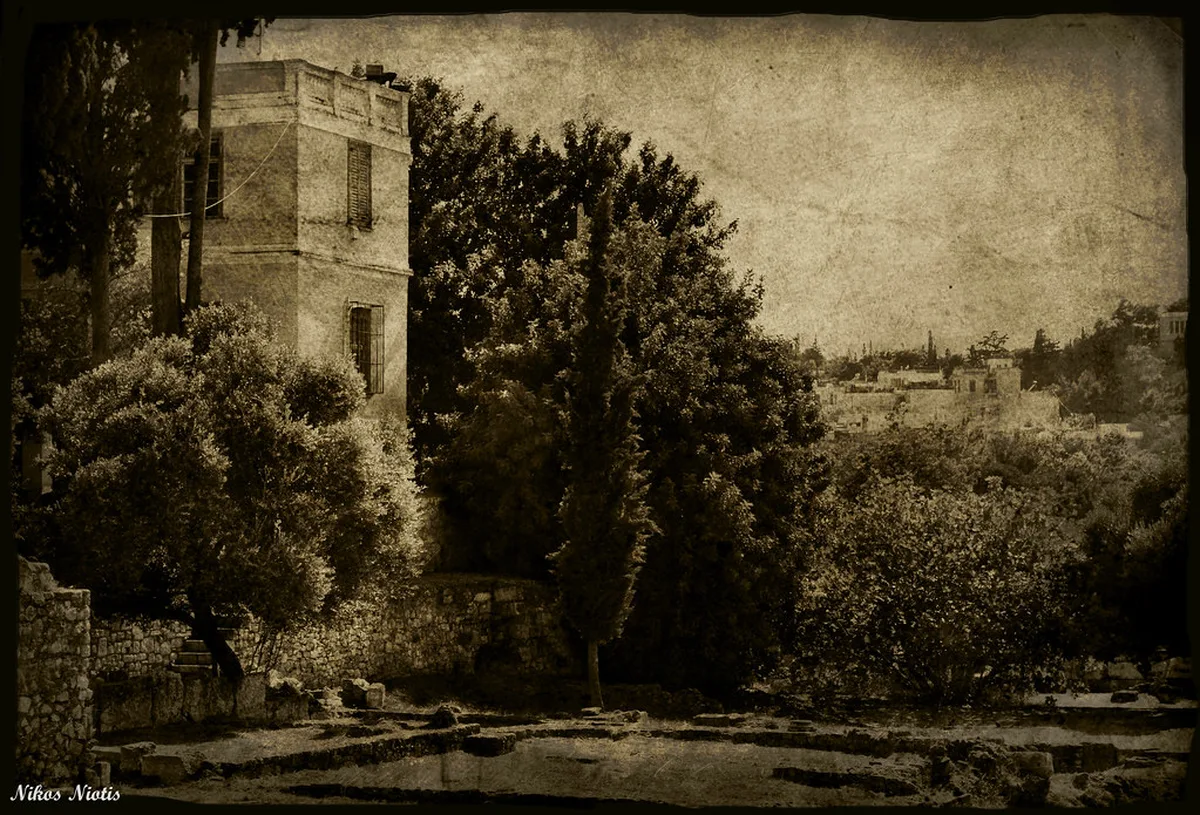
Wear sturdy shoes with good grip in Plaka. The polished limestone of the district becomes extremely slippery even in light rain, making smooth-soled trainers a safety hazard.
The metro system is incredibly efficient and clean, making it the best way to jump between distant neighborhoods. I recommend buying a multi-day pass if you plan on visiting spots like the Stavros Niarchos Foundation Cultural Center. A single metro ticket costs €1.40 and a 24-hour pass is €4.10 as of 2026. Taxis are plentiful and relatively cheap, but traffic in the city center can be notoriously slow during rush hour between 08:00 and 09:30 and again from 17:30 to 19:00.
Many of the best Athens on a budget involve exploring the various hills surrounding the center. Philopappos Hill and Strefi Hill offer fantastic views and a chance to escape the urban noise for a while. Locals tend to eat dinner late, so expect restaurants to be quiet before 21:00 and bustling toward midnight. Booking a table for 21:30 puts you right in step with how Athenians actually dine.
Athenians dine late — restaurants are quiet before 21:00 and bustling toward midnight. Booking a table for 21:30 aligns you with local dining culture.
Safety in Athens is generally high, though you should remain aware of your belongings in crowded metro stations and the Monastiraki market area. Most residents speak excellent English and are happy to give directions. Keep some small change on hand for street vendors and small bakeries that may not accept cards.
Modern Athens: Exploring Neighborhoods and Markets
If you are exploring the city's neighborhoods, start in Psirri. This area has transformed from a traditional workshop district into a hub for street art and eclectic nightlife. You can find the Psirri Neighborhood Map useful for navigating the maze of creative studios and bars.
Vintage lovers should head toward the Monastiraki Square and into the Abyssinia Square antique lanes on Sundays. While the main square is busy, the side streets leading toward Thiseio hold the best hidden treasures. You might find anything from old Olympic memorabilia to traditional Greek weaving tools if you look closely.
The central market on Athinas Street (Athens' Central Market, number 42) is another must-visit for anyone wanting to see the city's raw culinary heart. Vendors shout their prices over crates of fresh seafood and hanging meats in a chaotic but organized dance. I suggest visiting before 10:00 to see the full energy before the stalls begin closing in the afternoon. It is not for the squeamish, but it is an unmistakably authentic slice of Athenian daily life.
For a whimsical break, visit Fairytale Athens for themed desserts and coffee. The decor is over-the-top and provides a fun contrast to the gritty industrial feel of the surrounding streets. It is a popular spot for locals looking for a unique afternoon treat away from the standard tourist cafes.
Hidden Bars and Unique Eateries
Athens has a world-class cocktail and wine scene that often stays hidden behind unassuming doorways. Exploring the the city's nightlife will lead you to many secret rooftop bars. These spots offer a different vibe than the crowded tourist terraces near Monastiraki, and most require no reservation.
Cinque Wine Bar in Psirri is the standout for Greek wine education. The menu is organized by region and grape variety, each glass accompanied by a brief written tasting note from the staff. Pair a flight with a cheese or charcuterie board for a slow, cozy evening. The owner is deeply knowledgeable about indigenous varieties like Assyrtiko and Xinomavro — ask for pairing suggestions or bottles to take home.
For something more traditional, seek out the small tavernas tucked into the residential parts of the the Plaka district district. The Mnisikleous Street Stairs — a sloped stone stairway lined with tables and colorful cushions — is one of the most charming spots for a meze dinner in the city. Arrive before 21:00 to get a table on the steps themselves. Look for places where the menus are short and the locals are drinking carafes of house wine.
The Radisson Blu's St'Astra Restaurant offers stunning skyline and Acropolis views for a more upscale evening. I also recommend checking out the growing craft beer scene in Koukaki, where several taprooms have opened recently, serving local Greek brews you won't find in supermarkets. It is a great way to support small businesses while tasting the modern flavors of the city.
Where to Eat in Athens
Athens punches well above its weight as a food city, and the best meals are rarely in the places tourists first walk into. The Black Salami Microbakery in Exarchia is the clearest example of this: a tiny, minimalist spot that bakes its own bread daily and uses it for sandwiches that genuinely ruin all comparable options. Go before noon to avoid the queue, and take your food to Strefi Hill five minutes away.
For a sit-down dinner, the Mnisikleous Street Stairs in Plaka offer a setting that feels theatrical in the best possible way. Taverna Anefani on those steps serves solid meze at honest prices, with a rooftop option if the stairs fill up. Alternatively, head into the backstreets of Psirri where family-run tavernas serve house wine by the carafe and menus that change daily based on what came in from the market that morning.
Traditional dining in Athens means eating late and lingering. Greeks rarely sit down before 21:00, and kitchens stay open well past midnight. If you want authentic moussaka, fava beans, or slow-cooked lamb, look for restaurants where the menu is handwritten and the tables are covered in paper. These are almost always better value than the laminated tourist menus of the Plaka main drag. A full dinner for two with wine should cost between €30 and €55 in a good local taverna.
Where to Stay in Athens
Your neighborhood choice shapes the entire trip. Psirri is the best base if you want to be close to the hidden-gem Athens described in this guide: short walks to Abyssinia Square, Cinque Wine Bar, the Central Market, and the main archaeological sites. The area has a mix of boutique hotels and Airbnb apartments at mid-range prices, and the streets feel authentically local rather than touristy.
Monastiraki puts you right at the center of things, with the Acropolis, the flea market, and easy metro access in every direction. It is noisier than Psirri, particularly on weekends, but ideal if you are only in Athens for one or two nights and want everything within walking distance. The Roman Agora, Ancient Agora, and Hadrian's Library are all within a five-minute walk.
Koukaki, on the south side of the Acropolis, is a quieter residential neighborhood that has gained popularity with repeat visitors. It borders the Makrigianni street area, which puts you steps from the new Acropolis Museum and a short walk from the Dionysiou Areopagitou promenade. Budget accommodation is easier to find here than in Monastiraki, and the neighborhood coffee shops and restaurants cater to locals rather than tour groups.
Plaka is the most photogenic option but also the most tourist-heavy. If you stay there, book accommodation on the upper residential streets rather than the main market lanes to get some quiet after dark. It remains a good choice for families due to its pedestrianized alleys and proximity to the Acropolis.
How to Plan a Smooth Hidden Attractions Day
Many travelers find that 3 days in Athens is enough to see the major highlights. However, adding a fourth day allows you to properly explore the hidden gems without feeling rushed. I suggest grouping your visits by neighborhood to minimize travel time and maximize your exploration.
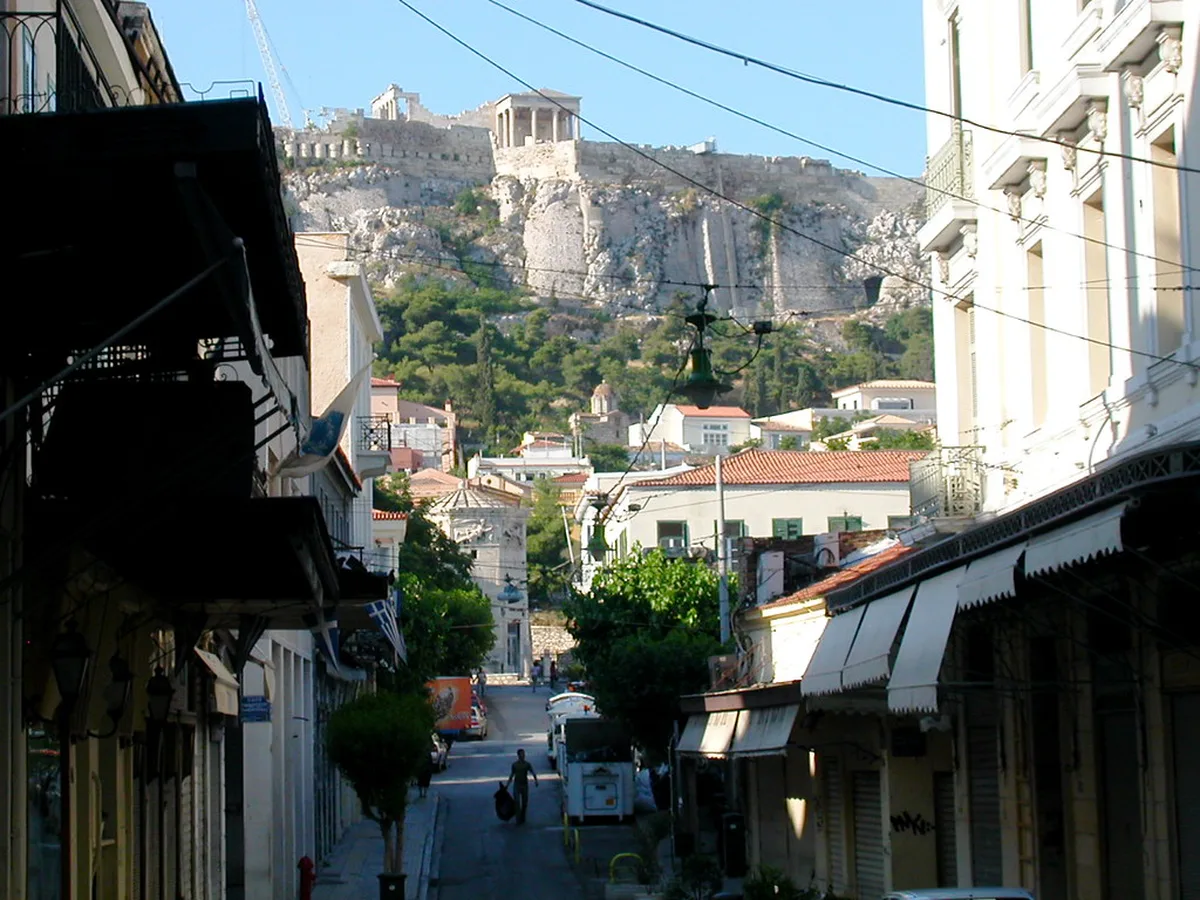
A strong morning begins at the Kallidromiou Farmers' Market (Saturday only) or the Abyssinia Square Flea Market (Sunday only), followed by a coffee at Myller in Psirri and a sandwich from The Black Salami Microbakery for lunch. Save the hill climbs — Lycabettus or Philopappos — for the late afternoon, when the light is golden and the temperatures drop. If you are visiting between June and September, check the Athens Epidavros Festival schedule and book an evening performance at the Odeon of Herodes Atticus.
Start your day early at the local markets and save the hill climbs for late afternoon when the light is best. Always carry a reusable water bottle, as there are many public fountains where you can refill for free. Don't be afraid to change your plans if you stumble upon an interesting alley or a local festival. The best parts of Athens are often the ones you didn't plan to visit in the first place.
Explore hidden gems in other cities
- Prague's hidden gems
- Porto's hidden gems
- Berlin's hidden gems
- Budapest's hidden gems
- Lisbon's hidden gems
- Amsterdam's hidden gems
- Salzburg's hidden gems
- Helsinki's hidden gems
- Reykjavik's hidden gems
- Tallinn's hidden gems
- Ljubljana's hidden gems
- Split's hidden gems
- Lyon's hidden gems
- Nice's hidden gems
- Bruges's hidden gems
- Dubrovnik's hidden gems
- Istanbul's hidden gems
- Stockholm's hidden gems
- Krakow's hidden gems
- Brussels's hidden gems
- Copenhagen's hidden gems
- Munich's hidden gems
Frequently Asked Questions
Which hidden gems in Athens are best for first-time visitors?
Anafiotika and the First Cemetery of Athens are perfect for first-timers. They offer a mix of stunning architecture and peaceful atmosphere. These spots are also very close to the main tourist center.
Is it worth visiting Lycabettus Hill for the sunset?
Yes, the views from Lycabettus Hill are the best in the city. I recommend hiking the back trails to avoid the crowds. The sunset over the Saronic Gulf is truly unforgettable from this height.
What is the best way to get around Athens for hidden spots?
Walking is the best way to discover the secret alleys of Plaka and Psirri. For longer distances, the metro is fast and reliable. Taxis are useful for reaching spots like the SNFCC in Kallithea.
Athens is a city that rewards those who are willing to look beyond the obvious landmarks. By visiting these hidden gems, you will gain a deeper appreciation for the city's complex history and vibrant present. The true spirit of the Greek capital is found in its quiet villages, bustling markets, and creative neighborhoods.
I hope this guide helps you create a more personal and meaningful connection with this ancient yet modern city. Whether you are tasting local wine in Psirri or watching a performance at the Odeon of Herodes Atticus, the magic of Athens awaits. Safe travels and enjoy discovering the many secret layers of the city in 2026.
Explore More Athens Guides
Go deeper on every part of an Athens trip — from where to stay and what to eat off the tourist trail, to free things to do, itineraries, and the city’s most beautiful corners.
Neighborhoods & Areas
- Athens attractions hub: tickets, hours & maps
- Athens Neighborhoods and Travel Tips
- Plaka Athens Travel Guide
Food & Nightlife
Itineraries & Tours
Free & Offbeat Athens
Continue exploring
More guides you'll find useful