12 Best Hidden Gems in Porto (2026): A Local's Secret Guide
Discover 12 hidden gems in Porto with this local guide. Explore secret viewpoints, quiet neighborhoods, and authentic food spots for your 2026 trip.
On this page
12 Best Hidden Gems in Porto (2026)
Porto is a city of steep layers, where the most rewarding experiences often hide behind unmarked doors or down narrow stone staircases. After exploring this riverside gem on four separate trips, I have found that the famous landmarks are often the most congested. This guide highlights the secret corners that locals love and tourists usually miss during their first visit to northern Portugal. If you want to experience the city's soul, you must look beyond the crowded riverfront and climb into the quieter hills.
This article was last updated in June 2026 to ensure all pricing and opening hours are accurate for the current season. I have personally verified these locations to make sure they still offer an authentic and relatively quiet atmosphere for travelers. If you are worried about the weather, you should check the best time to visit Porto before booking. Staying flexible with your schedule will help you find the city at its most peaceful and charming state.
During my last visit, I spent an entire afternoon in a tiny square that most guidebooks completely ignore. The sound of laundry flapping in the breeze and the smell of grilled sardines created a memory far better than any museum. These small moments define the true Porto experience and are the reason I keep returning to these granite streets. Prepare to walk a lot, as the best hidden gems are only accessible to those willing to tackle the city's famous inclines.
Key Takeaways
- Best overall: Capela Incomum for its unique atmosphere inside a historic chapel.
- Best for families: Jardins do Palácio de Cristal for the peacocks and wide open spaces.
- Best rainy-day: Leitaria da Quinta do Paço for delicious éclairs in a cozy historic setting.
- Best free: Miradouro da Vitória for an authentic and uncrowded view of the entire city.
12 Best Hidden Gems in Porto (2026)
The following list is divided into three thematic clusters to help you plan your route through the city efficiently. I have grouped these spots into Secret Views, Local Bites, and Quiet Neighborhoods to cater to different types of travelers. You can find many secret viewpoints in Porto that offer better panoramas than the famous Clérigos Tower. Each cluster focuses on a specific vibe, ensuring you get a well-rounded look at the city's diverse and historic character.
Section I focuses on Secret Views and Sacred Spaces, highlighting locations where you can find peace and incredible architecture. These spots often require a bit of climbing, but the visual reward is always worth the physical effort involved. You will find that many of these locations are free to enter, making them perfect for budget-conscious explorers. The granite walls of these ancient buildings hold centuries of history that the main tourist trail often overlooks.
Section II covers Local Bites and Historical Treats, focusing on the culinary side of Porto that remains authentic. While many restaurants cater to visitors, these picks are where residents go for their morning coffee or afternoon snack. You can learn more about the regional flavors in our Porto local food guide before you head out. Porto's food scene is deeply rooted in tradition, and these hidden gems represent the very best of that heritage.
Section III explores Quiet Neighborhoods and River Escapes, leading you away from the central bustle of the Ribeira. Exploring the Miragaia district is essential for anyone who wants to see the traditional side of local life. These areas feel like separate villages within the city, each with its own unique personality and rhythm. Check the neighborhood guide to decide which area best fits your personal travel style and interests.
- Capela Incomum Wine Bar in Cedofeita
- This unique wine bar is housed inside a beautifully restored 19th-century chapel in the trendy Cedofeita neighborhood.
- It is the perfect spot for a quiet evening, offering an extensive list of Portuguese wines and local cheeses.
- Located in the Cedofeita area, it is open from 4pm to midnight with prices ranging from €4 to €12 per glass.
- The atmosphere is incredibly romantic, and I highly recommend booking a table in advance for Friday or Saturday nights.
- Largo da Pena Ventosa Historic Square
- Tucked away in the Sé district, this tiny square is famous among photographers for its brightly colored, ancient houses.
- It feels like stepping back in time because the narrow alleys block out the noise of the modern city.
- This spot is free to visit at any time and is just a short walk down from the main Porto Cathedral.
- Visit during the early morning hours to capture the softest light on the pastel-colored facades without any other people.
- Escadas dos Guindais Stone Staircase
- These steep stone stairs connect the high Batalha area with the riverside, offering some of the best views of the bridge.
- Walking down these steps allows you to see local life up close, including laundry hanging from balconies and small taverns.
- Access is free and open 24 hours, though the stairs can be quite slippery after a typical Porto rain shower.
- If the climb back up seems too daunting, the nearby funicular can take you to the top for a small fee.
- Miradouro da Vitória Secret Viewpoint
- This viewpoint is located on private property that is generously left open for the public to enjoy the skyline.
- It offers a gritty and authentic view over the terracotta rooftops all the way to the Douro River and Gaia.
- The entrance is located at the end of Rua de São Bento da Vitória and is free to access daily.
- I once watched the sunset here with only two other people, making it a much better choice than the crowded Jardim do Morro.
- Leitaria da Quinta do Paço Éclairs
- This historic dairy shop has been serving the best whipped cream éclairs in the city since the year 1920.
- While tourists flock to fancy cafes, locals stand in line here for a classic chocolate éclair and a quick espresso.
- Found near Praça Guilherme Gomes Fernandes, most pastries cost between €2 and €5 and they are open daily until 8pm.
- Try the lemon-filled version if you want something refreshing that breaks away from the traditional chocolate and cream combo.
- Jardins do Palácio de Cristal Park
- These landscaped gardens cover eight hectares and offer several different themed areas, including a rose garden and a medicinal grove.
- The park provides stunning views of the river and is home to many free-roaming peacocks that delight younger visitors.
- Admission is free, and the gates are usually open from 8am until 9pm during the warmer summer months.
- Bring a blanket and some local snacks for a picnic on the grass while watching the boats pass under the Arrábida Bridge.
- Half Rabbit Street Art in Gaia
- Created by the famous artist Bordalo II, this massive sculpture is made entirely from recycled trash and found materials.
- It is hidden on a street corner in Gaia and serves as a powerful statement on urban waste and environmental protection.
- You can find it in the Vila Nova de Gaia district near the church of Santa Marinha.
- The sculpture is free to view and looks best when the afternoon sun hits the textured materials from a side angle.
- Saint Lawrence Church Rooftop Access
- Also known as Igreja dos Grilos, this church offers a small museum and access to a hidden rooftop terrace.
- The view from the top is spectacular because it places you right in the heart of the ancient city center.
- Entry to the museum and roof typically costs around €3 per adult and it is open Tuesday through Saturday.
- Most visitors walk right past the entrance, so you will likely have the entire rooftop view to yourself for a while.
- My Coffee Porto Viewpoint Café
- This tiny coffee shop is perched on a cliffside and features a very small balcony with a magnificent river view.
- It is an ideal spot to rest your legs while enjoying a high-quality brew and a slice of homemade cake.
- Located on the Escadas do Caminho Novo, it is open daily from 10am to 7pm with coffee priced around €3.
- Space is extremely limited on the balcony, so try to arrive right when they open to secure the best seat.
- Miragaia Riverside Traditional District
- Miragaia was once the Jewish and Armenian quarter of the city and retains a very distinct, old-world architectural style.
- The colorful houses are built into the old city walls, creating a maze of narrow streets and hidden archways.
- This area is free to explore and is located just a ten-minute walk west of the main Ribeira square.
- Look for the small local restaurants here that serve fresh fish for half the price of the more touristy riverfront spots.
- Afurada Traditional Fishing Village
- Afurada is a small community where traditions remain strong, including the communal washing of clothes in public tanks.
- It is the best place to eat grilled sardines prepared on outdoor charcoal pits right on the sidewalk.
- You can reach it by taking a small ferry boat across the river from Lordelo do Ouro for about €2.
- Visit on a Saturday afternoon when the village is most active and the smell of fresh seafood fills the air.
- Passeio Alegre Park in Foz
- Located where the Douro River meets the Atlantic Ocean, this park features beautiful fountains and tall palm trees.
- It is a peaceful escape from the city center and is perfect for a long walk along the coast.
- The Foz do Douro area is easily reached by taking the historic Number 1 tram from the center.
- Be sure to check out the historic public toilets in the park, which are decorated with beautiful traditional tiles.
Free Things to Do in Porto
Porto is one of Europe's most walkable historic cities, and a surprising number of its best experiences cost nothing at all. Walking across the upper deck of the Dom Luís I Bridge is completely free and delivers some of the finest panoramic views in the country. The São Bento Train Station is worth a full 20 minutes of your time just to stand inside and study its 20,000 hand-painted azulejo tiles depicting scenes from Portuguese history. Neither of these requires a ticket, a tour group, or advance planning.
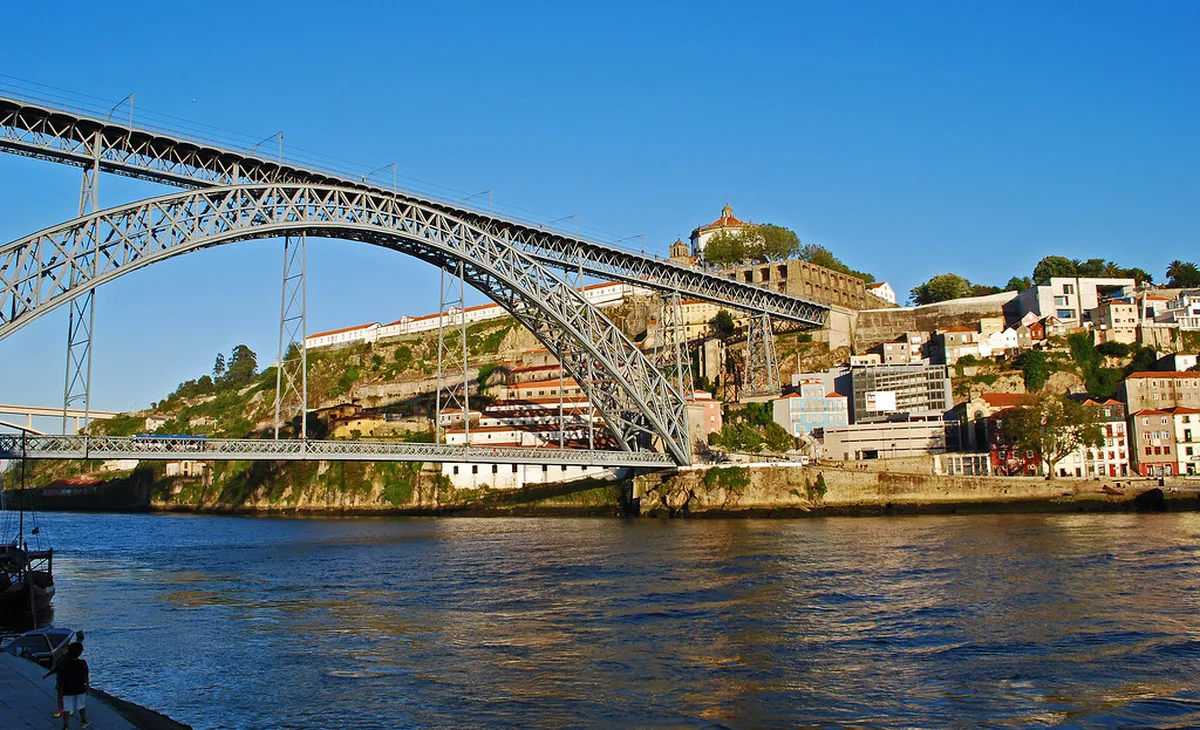
The Ribeira waterfront promenade is always free and always busy with street performers and local life. A better alternative for people who want fewer crowds is the Passeio das Fontainhas, a cliffside street where locals bring takeaway wine and dangle their feet over the edge while watching the river below. The Parque das Virtudes vertical garden, located just below the Virtudes viewpoint, is also free and genuinely unknown to most visitors. These three spots alone can fill a full afternoon at zero cost.
Porto's entire street art scene is free. Wander between Rua das Flores and Rua de Miguel Bombarda to find large murals by Hazul Luzah and other locally well-known artists. The fragments of the Muralha Fernandina, Porto's medieval city walls, are also free to walk and feel completely uncrowded. For anyone on a tight budget, Porto rewards walkers far more generously than cities of comparable fame.
Visit early morning hours to capture soft light on historic facades without crowds, and bring sturdy walking shoes—Porto's famous inclines are genuinely tiring and add up over a multi-day trip.
Port Wine, Food Tours, and River Experiences
The port wine cellars in Vila Nova de Gaia are one of Porto's defining experiences, and most visitors do them in a rush. Crossing the Dom Luís I Bridge and walking into a cellar for a 45-minute guided tour typically costs between €10 and €20. The difference between a good cellar visit and a forgettable one usually comes down to choosing a smaller producer over the large commercial operations. For current visiting hours and planning tools, the official Visit Porto tourism site lists all active lodges. Houses like Ramos Pinto and Niepoort offer more intimate tours than the flagship lodges lining the waterfront promenade.
A food tour is one of the best ways to experience the hidden culinary side of Porto in a single afternoon. A good tour stops at a traditional tasca for a bifana sandwich, a counter for a glass of vinho verde, and a bakery for something sweet. A Pastel de Nata cooking class is another angle that several competitors recommend — you learn the family recipe and take home the pastry, which costs around €30 per person and books out fast in summer 2026. These hands-on experiences give you a deeper connection to the city than any museum entry.
The Six Bridges Cruise runs daily from the Ribeira pier and takes about 50 minutes to pass under all six bridges on the Douro River. Tickets in 2026 start at around €15 per adult. A faster and more exciting alternative is a speedboat tour, which covers the same route in half the time and with considerably more adrenaline. For those who want the most unusual river experience, the Arrábida Bridge climb costs around €40 but includes port wine served in chocolate cups at the summit, 65 meters above the water.
The metro from Francisco Sá Carneiro Airport costs €2.25 and takes 35 minutes to reach Trindade station, making it far more economical than a €20–30 taxi. For local transport, the historic tram Number 1 (Line 22E) runs from Infante to Passeio Alegre in Foz for €3.50 per ride.
Museums and Landmarks Worth Paying For
Not every paid attraction in Porto is worth the queue. The Palácio da Bolsa is one that genuinely is, and its guided tours (€14 per adult, bookable online) take you through the extraordinary Arab Room, a gilded interior inspired by the Alhambra in Granada. The Igreja de São Francisco, priced at €9, contains approximately 100 kilos of gold leaf covering every surface of its baroque interior — one of the most extreme interiors in the country. Both are a short walk from the Ribeira.
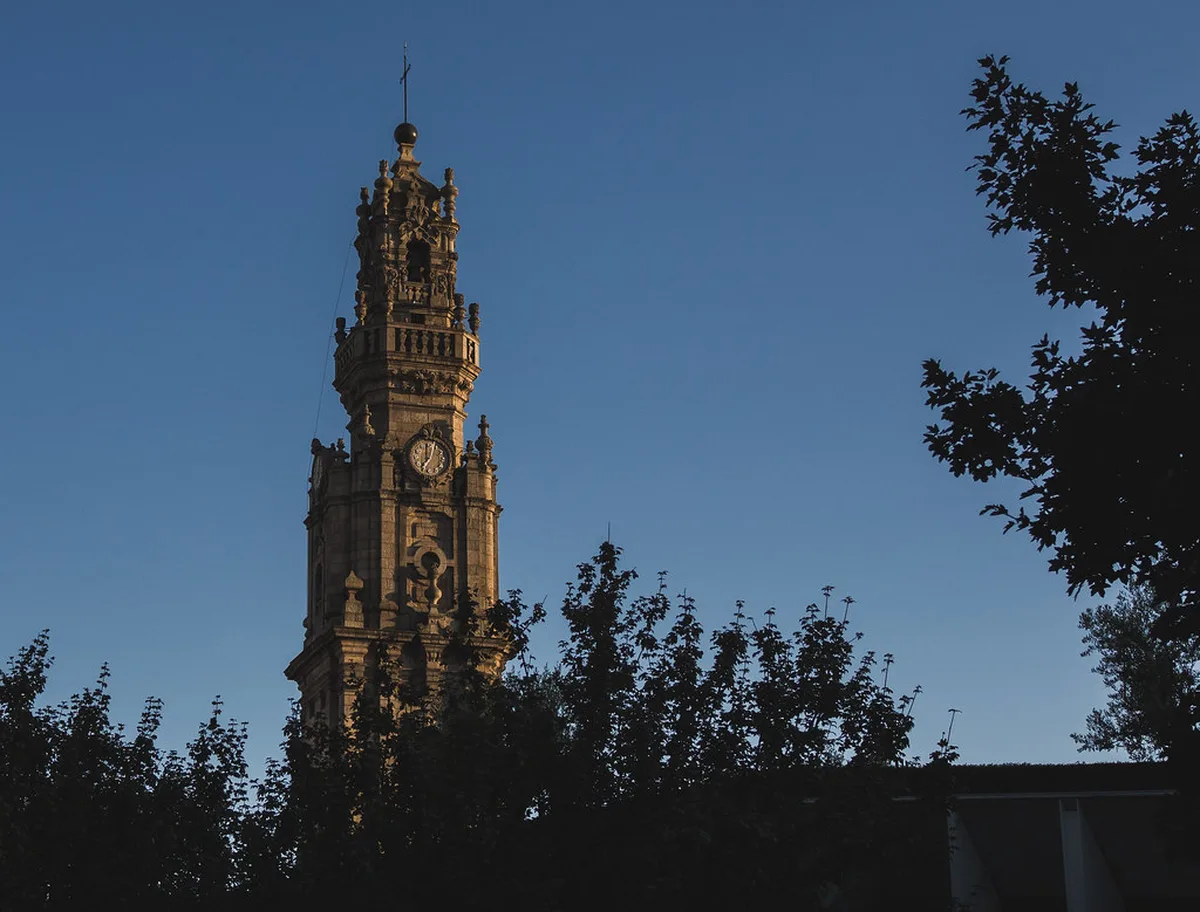
The Clérigos Tower (€8, with a 25% discount on the Porto Card) offers a 360-degree view of the city from 76 meters up after climbing 225 narrow steps. The Porto Cathedral charges €3 for cloister entry and is worth it for the azulejo panels alone. Livraria Lello charges €5 for entry (redeemable against a book purchase), but the lines are long even with a time slot. If stunning interiors are your goal, the Bolsa Palace delivers more at a comparable price point without requiring advance booking months ahead.
The Serralves Contemporary Art Foundation is the best museum in Porto for modern art, and its surrounding park is large enough for a half-day visit. A combined museum and park ticket costs around €20 in 2026. The WOW cultural district in Gaia, which opened in 2020, now holds seven different museums dedicated to wine, cork, chocolate, and design. Even if you skip the paid museums inside, the central square of WOW is free to enter and offers one of the best sunset views over the Dom Luís I Bridge.
Entertainment and Nightlife in Porto
Porto after dark is livelier than most visitors expect. The Galerias de Paris strip in the city center is packed with small bars that stay open until 4am, and the prices are considerably lower than anything comparable in Lisbon. The Maus Hábitos cultural bar on Rua de Passos Manuel is a good starting point — it combines a bar, gallery space, and occasional live music in a building that feels like a different city from the tourist trail. Drinks typically run €3 to €5.
Fado is not originally from Porto, but you can watch it here. The best affordable option is the Fado show at Casa da Guitarra, which costs around €15 per person and focuses purely on the music without the dinner surcharge that can push the total to €40 at other venues. A Fado performance at a port wine cellar in Gaia combines two Porto traditions and tends to feel more atmospheric than a dedicated restaurant show.
The Clérigos church runs a multimedia light-and-sound show called Spiritus on most evenings, with slots from 18:00 to 21:45. The show plays with Fernando Pessoa's poetry projected across the church interior and lasts around 30 minutes. Tickets sell out regularly in summer, so booking online in advance is necessary. Cinema Trindade on Rua do Almada 412 screens independent films in their original language with Portuguese subtitles, and a Tripass card (€10) gives you a free first ticket plus 25% off future screenings at four linked venues.
Bonfim: The Flat Neighborhood No One Tells You About
Every guide to Porto's hidden gems focuses on steep hills, funiculars, and staircase views. What they rarely mention is that there is one neighborhood that is almost entirely flat: Bonfim, located east of the city center, a 15-minute walk from São Bento station. This matters more than most travelers realize. Porto's famous inclines are genuinely tiring, and anyone visiting with young children, older relatives, or mobility limitations will find the rest of the city physically demanding in a way that adds up over a multi-day trip.
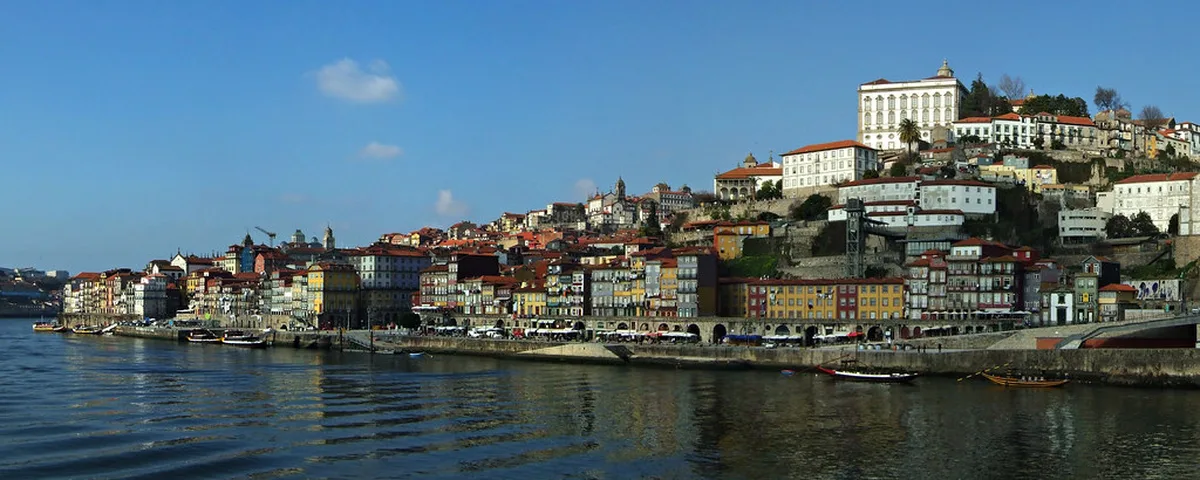
Bonfim is where a quiet transformation has been happening over the last few years. Independent coffee shops, small ceramics studios, and low-key wine bars have opened along streets like Rua de Augusto Rosa and Rua de Costa Cabral, almost entirely serving local residents rather than tourists. The neighborhood has the same faded tile facades and hanging laundry as the Ribeira, but without the tour groups. You can walk the entire neighborhood in two hours without climbing a single significant hill.
The Saturday market on Rua de Fernão de Magalhães is worth arriving early for — second-hand books, vintage ceramics, and home-cured olives sold straight from plastic containers. No fixed prices, no English menus, and no tour buses. This is the version of Porto that the city's own residents actually use, and it remains largely invisible to first-time visitors focused on the classic postcard viewpoints. Check the off the beaten path in Porto guide for more spots in this vein.
Is the Porto Card Worth It for Hidden Gems?
Deciding whether to buy the Porto Card depends heavily on how much you plan to use the city's public transportation system. The card offers free unlimited travel on buses and the metro, which is helpful if you are staying outside the center. However, most hidden gems are located within walking distance of each other in the historic core of the city. You should calculate your expected transport costs before committing to the €15 or €25 price tag for the card in 2026.
The card also provides discounts for several museums and landmarks, though many hidden spots are already free to enter. If you plan to visit major sites like the Bolsa Palace alongside these gems, the card might save you some money. You can find many places to visit in Porto for free that do not require any special passes. I usually find that for a hidden-gem focused itinerary, paying for individual metro tickets is the more economical choice.
One major benefit of the card is the discount it provides for certain port wine cellars across the river in Gaia. If you intend to do multiple tastings, the 10% to 50% discounts can add up quickly over a few days. Always check the current list of partners on the official tourism website, as the participating locations can change annually. For those who prefer walking and exploring off the beaten path in Porto, the card is often unnecessary.
Getting To and Around Porto
Francisco Sá Carneiro Airport is located about 11 kilometers north of the city center. The Metro Line E (violet) runs directly from the airport to Trindade station in around 35 minutes and costs €2.25 with an Andante card. A taxi from the airport to Ribeira takes around 20 to 30 minutes and costs between €20 and €30 depending on traffic. The metro is by far the more economical choice for solo travelers and couples. Porto's rich history as a Roman settlement makes understanding its layout easier when navigating neighborhoods.
Within the city, the metro covers the outer neighborhoods but is of limited use for reaching the historic center gems listed in this guide. Walking is the primary mode of transport for most visitors, though the hills can be punishing. The tram Number 1 (Line 22E) runs from Infante to Passeio Alegre in Foz and is one of the few remaining historic trams still operating on the original route. It costs €3.50 per ride and is slow but scenic. The Funicular dos Guindais (€4 one-way) saves a brutal uphill climb from the Ribeira to the Batalha district near the Cathedral.
Uber and Bolt operate throughout Porto and are consistently affordable, typically €5 to €10 for most city-center trips. If you are planning a day trip to Braga, Guimarães, or the Douro Valley, trains depart from São Bento and Campanhã stations. Campanhã is the main intercity hub, while São Bento handles suburban and regional lines to cities like Braga (about €3.60 each way). Renting a car is only worth considering for the Peneda-Gerês national park, where public transport is limited.
Essential Day Trip Ideas from Porto
If you have an extra day, there are several best day trips from Porto that offer a change of pace. The city of Braga is home to the stunning Bom Jesus do Monte, which features a famous and elaborate zigzag stairway. Guimarães is often called the birthplace of Portugal and offers a well-preserved medieval center that is easy to explore. Both cities are reachable by train from the São Bento station in about one hour for a very low cost.
For nature lovers, the Peneda-Gerês National Park offers incredible hiking trails and hidden lagoons for swimming in the summer. You will likely need to rent a car to reach the best parts of the park, as public transport is limited. The drive takes about 90 minutes and passes through some of the most beautiful mountain scenery in the northern region. Make sure to pack a sturdy pair of walking shoes and plenty of water, as the terrain can be quite rugged.
The Douro Valley is another essential trip, especially for those who enjoy world-class wine and dramatic river landscapes. Taking the train to Pinhão is the most scenic way to travel, as the tracks run directly alongside the water. Many small vineyards offer private tours if you book in advance, providing a much more intimate experience than the large cellars. According to the regional tourism board, the harvest season in September is the busiest but most vibrant time to visit.
Explore hidden gems in other cities
Frequently Asked Questions
What is the best hidden gem for views in Porto?
Miradouro da Vitória is the best secret viewpoint. It is located on private land but remains open to the public for free. You get a gritty, authentic view of the city's rooftops and the river without the usual tourist crowds.
Are Porto's hidden gems expensive to visit?
Most hidden gems in Porto are either free or very affordable. Spots like Largo da Pena Ventosa and the Escadas dos Guindais cost nothing. Even the secret rooftop at the Grilos Church only costs a few euros for entry.
How do I find authentic local food in Porto?
Avoid the main riverfront in Ribeira and walk uphill toward the Cedofeita or Bonfim neighborhoods. Look for small taverns called 'tascas' that have handwritten daily menus. These spots offer the best value and most authentic Portuguese flavors.
Porto is a city that rewards the curious traveler who is willing to wander away from the primary tourist maps. By visiting these hidden gems, you will experience a side of the city that remains deeply connected to its historic roots. I hope this guide helps you find the same magic that I discovered during my many walks through these ancient streets. Please feel free to share your own discoveries on Bluesky to help other travelers plan their perfect 2026 trip.
Remember that the best part of travel is often the unexpected discovery of a quiet corner or a friendly local tavern. Keep your eyes open and your walking shoes ready as you explore the granite heart of northern Portugal this year. Porto's beauty is not just in its monuments, but in the small details found in its hidden squares and narrow alleys.
Explore More Porto Guides
Dig deeper into Porto with our full set of local guides — from the riverside neighborhoods and port wine cellars to the best food, secret viewpoints, and easy day trips.
Neighborhoods & Districts
- Porto attractions hub: tickets, hours & maps
- Vila Nova de Gaia & the Port Cellars
- The Ribeira Riverfront District
- Porto's neighborhoods
- Miragaia: The Quiet Old Quarter
- Cedofeita: The Arts District
- Foz do Douro: Porto's Coast
Food & Drink
Hidden Gems & Secret Spots
Plan Your Trip
More European Hidden Gems
Continue exploring
More guides you'll find useful