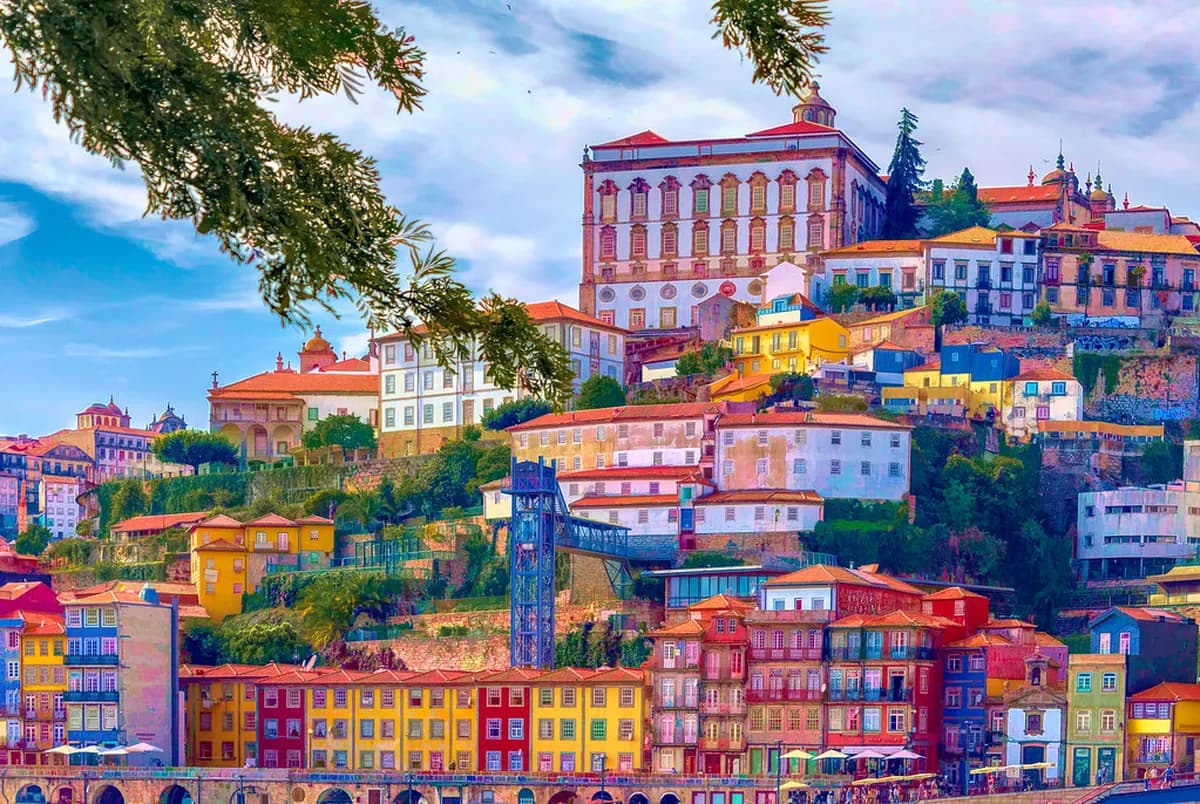
12 Secret Spots in Porto Travel Guide (2026)
Discover 12 secret spots in Porto with our local guide. Find hidden viewpoints, quiet cafes, and off-the-beaten-path gems for your 2026 trip.
On this page
12 Secret Spots in Porto You Need to Visit (2026)
After exploring the granite streets of Porto over several seasons, I've found that the city's true soul hides away from the Ribeira crowds. While the iconic bridges and tiled churches are stunning, the most memorable moments often happen in quiet courtyards or tiny wine bars. This guide highlights the authentic corners that most tourists walk right past without a second glance. I last refreshed this list in June 2026 to ensure all pricing and access details remain accurate for your trip.
Finding Porto's hidden gems requires a willingness to climb steep staircases and wander into residential alleys. The city is built on layers of history, and many of these secret spots offer a glimpse into traditional Portuguese life. You will find that the pace slows down significantly once you leave the main shopping thoroughfares behind. This collection of sites balances historic architecture, local culinary favorites, and some of my favorite quiet viewpoints.
To help you navigate, I have grouped these twelve locations into thematic categories: Historic Hideaways, Local Flavors, and Scenic Escapes. Whether you are a photography enthusiast or a food lover, these picks provide a deeper connection to the city. Before you head out, consider checking this curated list of Porto activities for even more inspiration. Pack comfortable walking shoes, as the cobblestones in these older neighborhoods can be quite unforgiving.
12 Secret Spots and Hidden Gems in Porto (2026)
The first cluster of secret spots focuses on Historic Hideaways that preserve the medieval and 19th-century character of the city. These locations often sit inside residential zones where the sound of laundry flapping in the breeze replaces the roar of tour buses. I recommend visiting these early in the morning to catch the soft light hitting the ancient stone walls. Many of these sites are tucked within the Miragaia neighborhood, which remains one of the most atmospheric districts.
Our second group, Local Flavors, highlights the culinary institutions that residents actually frequent for their daily coffee or wine. Porto has a thriving cafe culture that goes far beyond the famous historic establishments in the center. These spots offer better value and a more relaxed atmosphere for those who want to eat like a local. You can find many of these gems while exploring the trendy Cedofeita area north of the city center.
Finally, the Scenic Escapes cluster features viewpoints and green spaces that offer respite from the urban hustle. While most people crowd the top deck of the Luis I Bridge, these alternatives provide unique perspectives of the Douro River. Some require a short walk or a quick bus ride, but the tranquility they offer is well worth the extra effort. I suggest bringing a small snack and enjoying a sunset at one of these Porto's secret viewpoints.
Capela Incomum Wine Bar opens from 16:00 until midnight daily with wine glasses costing €6–€14. Take the metro to Lapa station and walk five minutes to find this candlelit sanctuary in a converted 19th-century chapel.
- Capela Incomum Wine Bar
- This intimate wine bar occupies a converted 19th-century chapel tucked away in a quiet alley of the Cedofeita district.
- It is worth visiting for the unique atmosphere where you sip local Douro wines surrounded by original gilded altars.
- Most glasses cost between €6 and €14, and the bar typically opens from 16:00 until midnight daily.
- Take the metro to Lapa station and walk five minutes to find this candlelit sanctuary.
- Largo da Pena Ventosa
- Tucked behind the Sé Cathedral, this tiny colorful square feels like a movie set from another century.
- It is one of the most picturesque off-the-beaten-path in Porto spots for photography lovers.
- Access to the square is entirely free, and it is best visited during daylight hours for the best lighting.
- Look for the narrow stone archway near the cathedral stairs to find this hidden residential pocket.
- Banco de Materiais
- This unique museum-archive stores thousands of decorative building elements, from ornate tiles to granite carvings rescued from demolished buildings.
- It offers a fascinating look at the architectural DNA of the city without the usual museum crowds.
- Entry is free for all visitors, and the doors are generally open Tuesday through Sunday from 10:00 to 18:00.
- The museum is located inside the Palácio de Visconde de Balsemão in the Carlos Alberto square.
- Escadas dos Guindais
- These steep medieval stairs connect the high Batalha district directly down to the riverfront in a scenic descent.
- Walking here provides a raw look at local life, with residents chatting across balconies and small bars tucked into corners.
- There is no cost to walk the stairs, though the small cafes along the route offer cheap snacks and beers.
- Start at the top near the Funicular dos Guindais and follow the winding path down toward the Ribeira.
- Rota do Chá Tea House
- This sprawling tea house features a hidden multi-level garden that feels like a tropical escape in the city center.
- With over 300 varieties of tea and a peaceful Zen atmosphere, it is the perfect place to rest your feet after a long walk.
- A pot of tea usually ranges from €4 to €8, and they serve light breakfast and lunch daily until 20:00.
- Enter through the modest storefront on Rua de Miguel Bombarda to discover the massive garden hidden in the back.
- Miradouro da Vitória
- Located in the old Jewish Quarter, this somewhat rugged viewpoint offers a spectacular panoramic look at the Gaia wine cellars.
- It is often less crowded than the cathedral lookout and provides a more authentic, unpolished view of the city roofs.
- The site is free to access at all times, though the gate is sometimes closed after sunset for safety.
- Walk down the narrow Rua de São Bento da Vitória until you reach the open terrace behind the church.
- Cultura dos Sabores Swing Buffet
- This vegetarian restaurant features unique indoor swing seating and a massive buffet of traditional Portuguese dishes reimagined without meat.
- It is a fantastic choice for families or anyone looking for a fun, healthy meal in a creative setting.
- The all-you-can-eat lunch buffet typically costs around €12 to €16 per person and is open daily for lunch.
- You can find it near the Ceuta tunnel, just a short walk from the central Aliados avenue.
- Combi Café Coffee Roasters
- Operating out of a converted garage, this specialty coffee shop roasts its own beans and serves excellent single-origin espresso.
- It has a distinct industrial-cool vibe and is a favorite hangout for local artists and digital nomads.
- Expect to pay €3 for a high-quality flat white, with the shop open from 09:00 to 18:00 most days.
- It is located in the eastern part of the city, about a ten-minute walk from the 24 de Agosto metro.
- Leitaria da Quinta do Paço
- While most tourists hunt for pastéis de nata, locals come here for the legendary whipped cream éclairs that have been made to the same secret recipe since 1920.
- This historic dairy shop serves its famous chocolate éclair in a beautiful vintage setting near the Igreja do Carmo.
- A classic chocolate éclair costs about €2.50, and the shop is open daily from 09:00 until late evening.
- The original location is right next to the Igreja do Carmo, perfect for a quick mid-afternoon sugar boost.
- Jardim das Virtudes
- This terraced park is built vertically on a hillside, offering unique levels of greenery with views of the Douro River.
- It is the ultimate local spot for a relaxed sunset drink with friends on the grass, drawing a neighborhood crowd on warm evenings.
- Entry is free, and the park remains open from 09:00 until sunset, depending on the season.
- Access the terraces from the top entrance near the Passeio das Virtudes for the best viewing angles.
- Prova Wine & Food
- This sophisticated wine bar focuses on rare vintages and small-batch producers from across Portugal's diverse wine regions.
- The knowledgeable staff provides personalized tastings that go much deeper than the standard port wine tours you find across the river in Gaia.
- Tasting flights usually start around €20, and the bar is open Tuesday through Saturday from 17:00 to midnight.
- It sits on Rua de Ferreira Borges, just steps away from the Palácio da Bolsa in the historic center.
- Capela do Senhor da Pedra
- This 17th-century hexagonal chapel sits directly on a rocky outcrop in the middle of a sandy beach at Miramar.
- It is a dramatic and mystical sight, especially when the tide is high and waves crash against the stone walls.
- The beach is free to visit, and the chapel interior occasionally opens for mass on Sunday mornings at around 10:00.
- Take a 20-minute train from São Bento station to Miramar and walk five minutes toward the ocean.
Scenic Spots and Hidden Viewpoints in Porto
Porto's terrain rises steeply from the Douro, which means almost every hilltop delivers a stunning panorama. The problem is that the most famous miradouros fill up fast — by 10:00 on a summer morning, the cathedral square is already thick with tour groups. Knowing the less-obvious viewpoints is what separates a good Porto trip from a great one.
Passeio das Fontainhas is a long cliff-edge street that runs parallel to the river east of the Cathedral. The wall is low enough to sit on, the views look directly across to the Gaia wine lodges, and on most weekday mornings you will have the whole terrace to yourself. Pair it with the Miradouro da Vitória two blocks north, which frames the Clérigos Tower perfectly above the rooftops — this is the shot most photographers use without ever revealing where they stood.
Further west, Jardins do Palácio de Cristal rewards visitors who arrive midday when the light is harsh everywhere else. The terraced gardens drop steeply toward the Douro and free-roaming peacocks add to the atmosphere. From the lower garden paths you get clear sightlines of the Arrábida Bridge — a completely different angle from anything visible in the city center. The gardens are free and open daily.
Foz do Douro, where the river meets the Atlantic, is a 30-minute tram or bus ride from the center. The rocky coastline around the Farol de Felgueiras lighthouse provides rugged Atlantic scenery most visitors never see. In the late afternoon, the sunset hits the waves in a way that makes the busier viewpoints in town look tame. Walk the Foz promenade west from the Douro mouth toward Matosinhos for a two-hour coastal stroll that is almost entirely tourist-free.
Jardins do Palácio de Cristal is free to visit and open daily. Arrive midday for the best light, and wear comfortable shoes for exploring the terraced gardens that offer panoramic views of the Douro River and Arrábida Bridge.
Museums and Landmarks Worth the Entry Fee
Not every secret spot in Porto is free. A handful of paid attractions deliver experiences that justify every cent and still feel underappreciated compared to their reputation. Knowing which ones to prioritize — and which to skip — saves time and money.
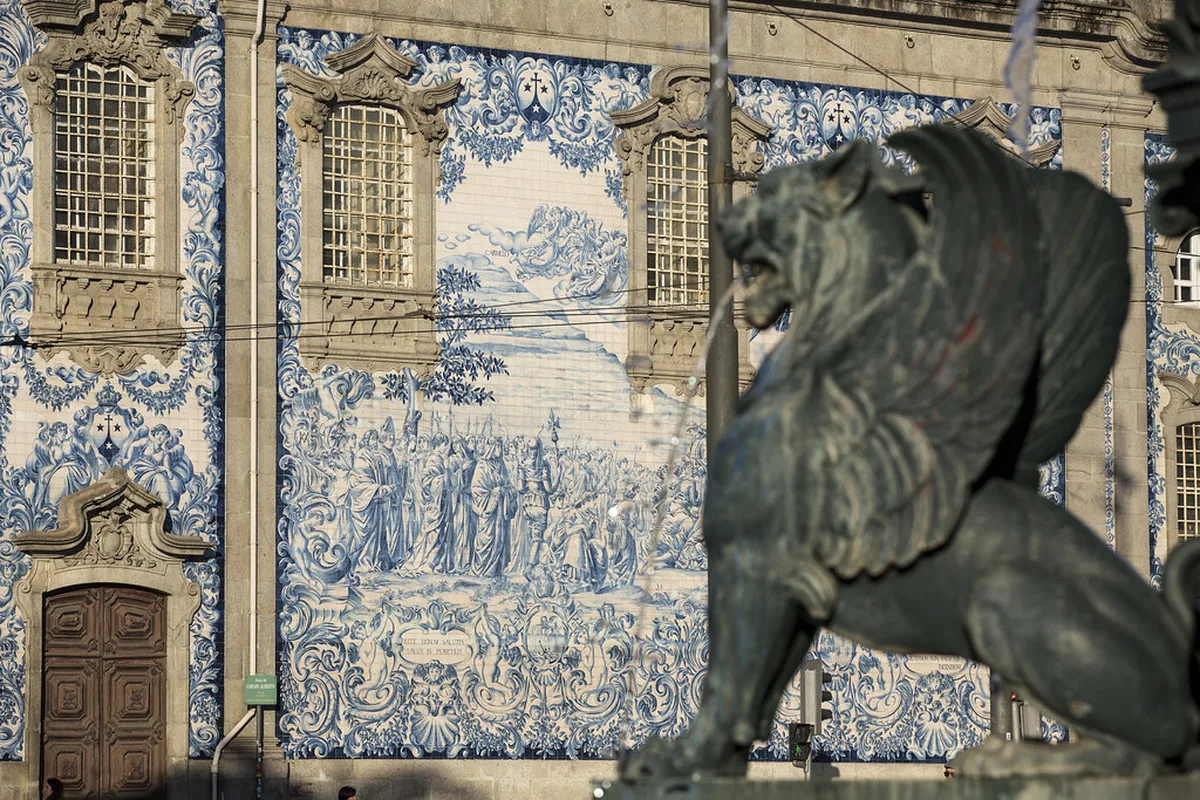
Igreja de São Francisco (Rua do Infante Dom Henrique) looks unremarkable from the outside, but the interior contains roughly 100 kilos of gilded baroque woodwork covering every surface. Photography is not allowed inside, which means most visitors absorb the space rather than scroll through it on a screen — a rare thing in 2026. Entry is €9, and the ticket also includes access to the ossuary beneath the church, an eerie crypt that most guidebooks barely mention. Allow 45 minutes and go early to avoid the afternoon rush.
The Palácio da Bolsa (Stock Exchange Palace) charges €14 for a guided tour that is genuinely worth it. The Arab Room inside is modeled on the Alhambra and took 18 years to complete — yet it sits two minutes from the Ribeira waterfront and is routinely skipped by visitors who assume it is a government office. Tours run frequently in multiple languages throughout the day. Clérigos Tower (Torre dos Clérigos) offers a 225-step climb to a 360° rooftop view and costs around €8; the Porto Card gives a 25% discount here, which factors into the card's value calculation.
Banco de Materiais, listed in the hidden gems section above, is free and undervisited. But if you want to add a second free museum to your day, Casa do Infante near the riverfront is one of Porto's oldest buildings and also free with the Porto Card. It houses Roman excavations visible through glass floors and a permanent exhibition on Prince Henry the Navigator, who was born here in 1394.
Unusual Experiences Most Visitors Miss
Beyond static sights, Porto has a handful of participatory and atmospheric experiences that competitors almost never cover in detail. These are the activities that locals recommend when visitors ask what they wish they had done on a previous trip.
The Spiritus multimedia show at Clérigos Church is one of the most surprising things in the city. The 30-minute lights-and-sound show projects images inspired by Fernando Pessoa's poetry onto the church's baroque interior after dark. It runs multiple times nightly from 18:00 to 21:45 and tickets cost around €10 to €12. It sells out frequently, especially in July and August, so book at least a day ahead. Arriving five minutes early to sit in the back rows gives you the widest field of view when the projections fill the ceiling.
Escadas do Codeçal is a stairway most visitors walk past on the way to São Bento station without realizing what it is. The 270-meter stone descent dates to medieval times when it connected the Santa Clara convent to the city gates. Today the walls along the route are covered in evolving street art that changes every season, and the descent ends at a riverside point with no tour groups in sight. It is entirely free, takes about 20 minutes at a leisurely pace, and connects neatly to the Passeio das Fontainhas viewpoint mentioned above. The entrance is on Travessa de Santa Clara, a four-minute walk from São Bento metro.
A Pastel de Nata cooking class with a local instructor is another experience competitors mention in passing but never detail. The classes run in small groups of six to ten people, include hands-on pastry rolling and custard preparation, and typically last 90 minutes. The most popular session uses a family recipe passed down from a local avó (grandmother) and costs around €30 per person. You leave with a box of what you made and a recipe card — the only souvenir from Porto that does not collect dust. Book through GetYourGuide or directly with local operators at least 48 hours before your visit.
Is the Porto Card Worth It for Hidden Gems?
When planning your visit to the city's lesser-known sites, you might wonder if the official city pass is a smart investment. The Porto Card offers free public transport and discounts at over 100 attractions, including several spots on our list. I found that for travelers who plan to use the metro and buses frequently, the card pays for itself within two days. Check the the best time to visit Porto to maximize your card's value at popular entry points.
Many of the secret spots like the Banco de Materiais are already free, so the card's value lies in the transport and secondary discounts. If you plan to visit the main cathedral or the Clérigos Tower alongside these hidden gems, the savings add up quickly. The 24-hour card starts at approximately €15, while the 72-hour version offers the best daily rate for longer stays. Always verify if your specific must-see list is included, as some private galleries do not participate in the program.
For those who prefer walking and sticking strictly to free street-level sites, the card might be an unnecessary expense. Porto is quite compact, and many of the best secret spots are within a 20-minute walk of each other. I usually recommend the card to those staying outside the city center or those visiting during the rainy season when public transport becomes more important. You can purchase the card at the airport or any tourism office in the city center.
Free Things to Do in Porto
Exploring the city on a budget is easy because many of the most beautiful experiences cost nothing. The Jardins do Palácio de Cristal is a massive public park with free-roaming peacocks and incredible river views. It sits right next to the art galleries of Cedofeita, making it a perfect midday break between secret spots. The gardens are most pleasant in spring when camellias bloom across the terraces.
Street art enthusiasts should head to Rua de Miguel Bombarda to see evolving murals by local artists including Hazul. Many of the city's most impressive tiled facades are also free to view from the sidewalk throughout the old town. The São Bento Train Station is a prime example, featuring 20,000 hand-painted azulejo tiles depicting Portuguese history across the grand hall walls. Visit the station after 21:00 to enjoy the space without the midday commuter rush.
Walking across the lower level of the Luis I Bridge to Vila Nova de Gaia is free and offers a perspective most visitors skip. While the Gaia side is famous for port lodges, the riverbank walk toward Afurada village passes small community gardens and local fishing spots. This area gives a much more grounded look at the city's maritime heritage compared to the touristy Ribeira. The entire walk from the bridge to Afurada takes about 40 minutes at a relaxed pace and costs nothing beyond a takeaway coffee.
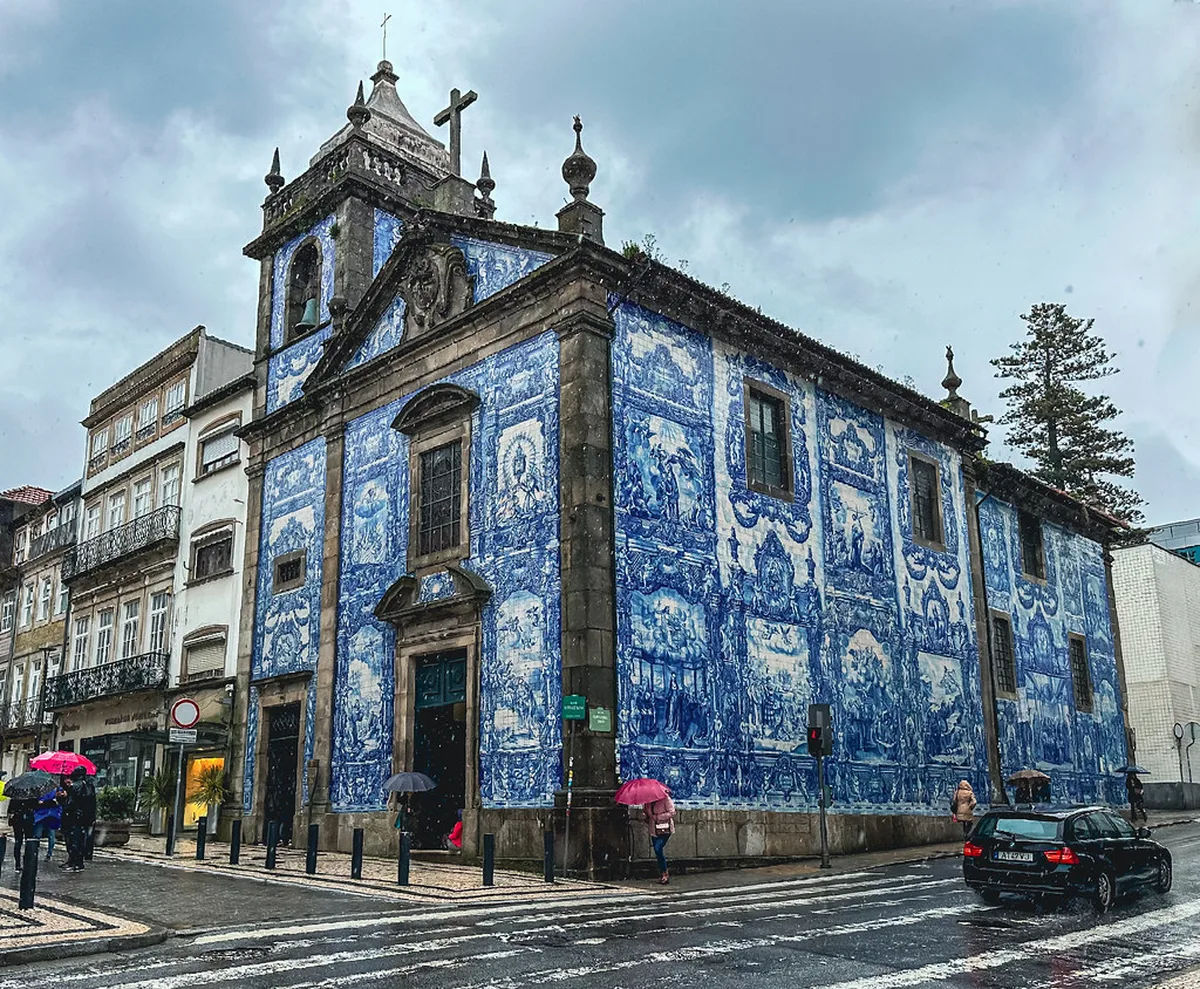
Rua das Flores, once neglected, is now a lively pedestrian street full of artisan shops, street performers, and pop-up exhibitions. The tiled facade of the nearby Chapel of Souls (Capela das Almas) on Rua de Santa Catarina is one of the most photographed free sights in the city. For something more offbeat, the medieval section of the Muralha Fernandina city walls near the Guindais funicular can be walked at no charge and offers a perspective over the historic district that few visitors find on their own.
Frequently Asked Questions
What is the best way to get around Porto's secret spots?
Walking is the best way to discover hidden gems, but the city is very hilly. Use the historic tram or the metro for longer distances between neighborhoods. A rechargeable Andante card is essential for using public transport efficiently.
Are these secret spots safe for solo travelers?
Porto is generally a very safe city for solo travelers even in quieter neighborhoods. Standard precautions apply when wandering into less-lit alleys at night. Stick to well-traveled paths in the Miragaia and Sé districts after dark.
When is the quietest time to visit hidden gems in Porto?
Early mornings before 10am are ideal for visiting popular squares and viewpoints without other tourists. Weekdays are significantly quieter than weekends when locals also head out to the parks and cafes. Consider visiting in the shoulder seasons like May or October.
Porto is a city that rewards the curious traveler who is willing to look beyond the main tourist brochures. By visiting these 12 secret spots alongside the hidden viewpoints, paid landmarks, and unusual experiences covered in this guide, you will experience a more intimate and authentic version of Portuguese culture. From the quiet chapels to the vibrant garden terraces, these locations offer a peaceful counterpoint to the busy city center. I hope this guide helps you find your own favorite corner of this granite city during your 2026 trip.
Remember to stay flexible and allow yourself time to get lost in the winding alleys of the old town. The best discoveries are often the ones you find by accident while walking between the spots on this list. If you found this guide helpful, feel free to share your own discoveries on Flipboard with other travelers. For more inspiration on exploring the rest of the country, check out our comprehensive guide to traveling in Portugal.
Continue exploring
More guides you'll find useful