Secret Viewpoints In Lisbon Travel Guide
Plan your trip to the secret viewpoints in lisbon with top picks, neighborhood context, timing tips, and practical booking advice for a smoother trip.
On this page
Secret Viewpoints In Lisbon
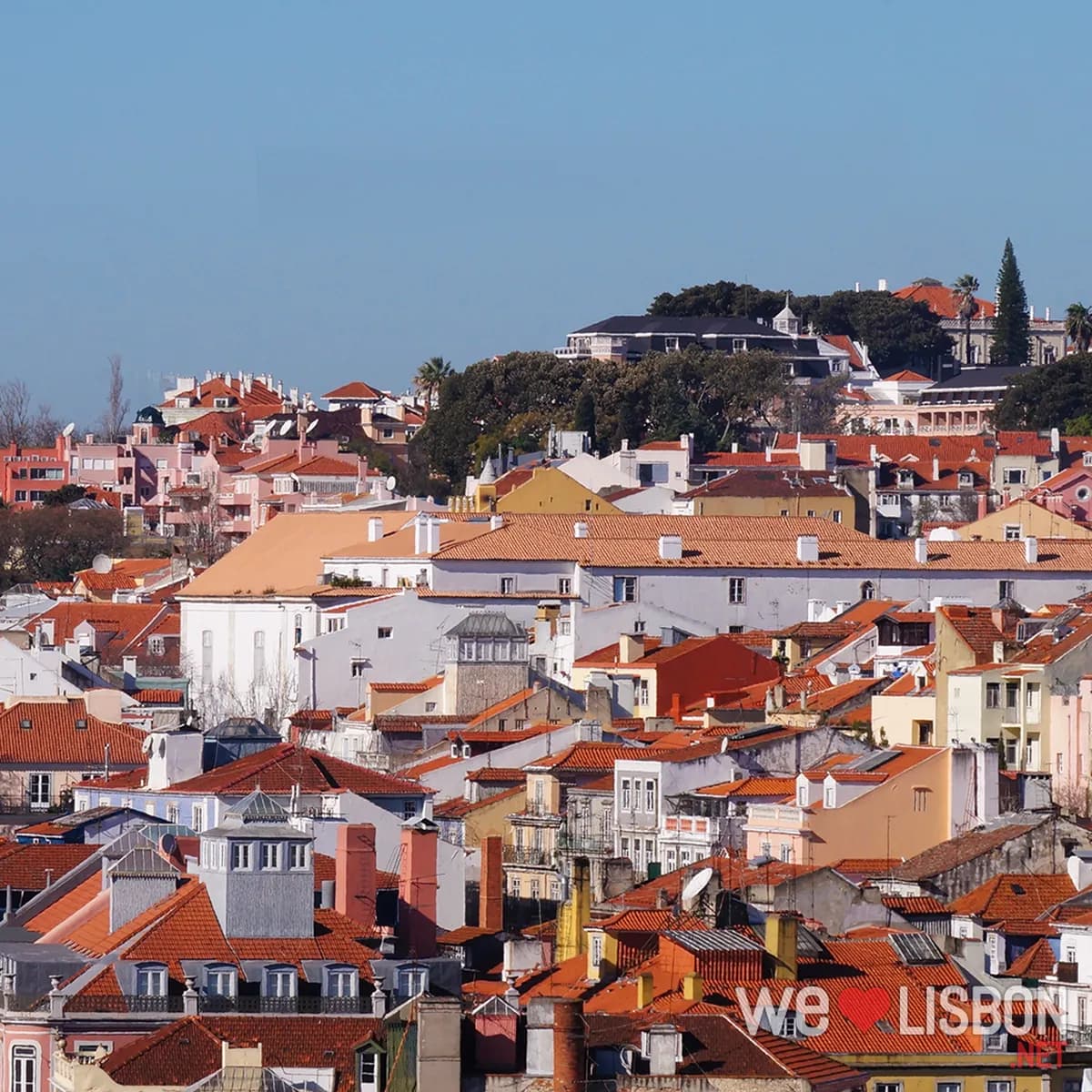
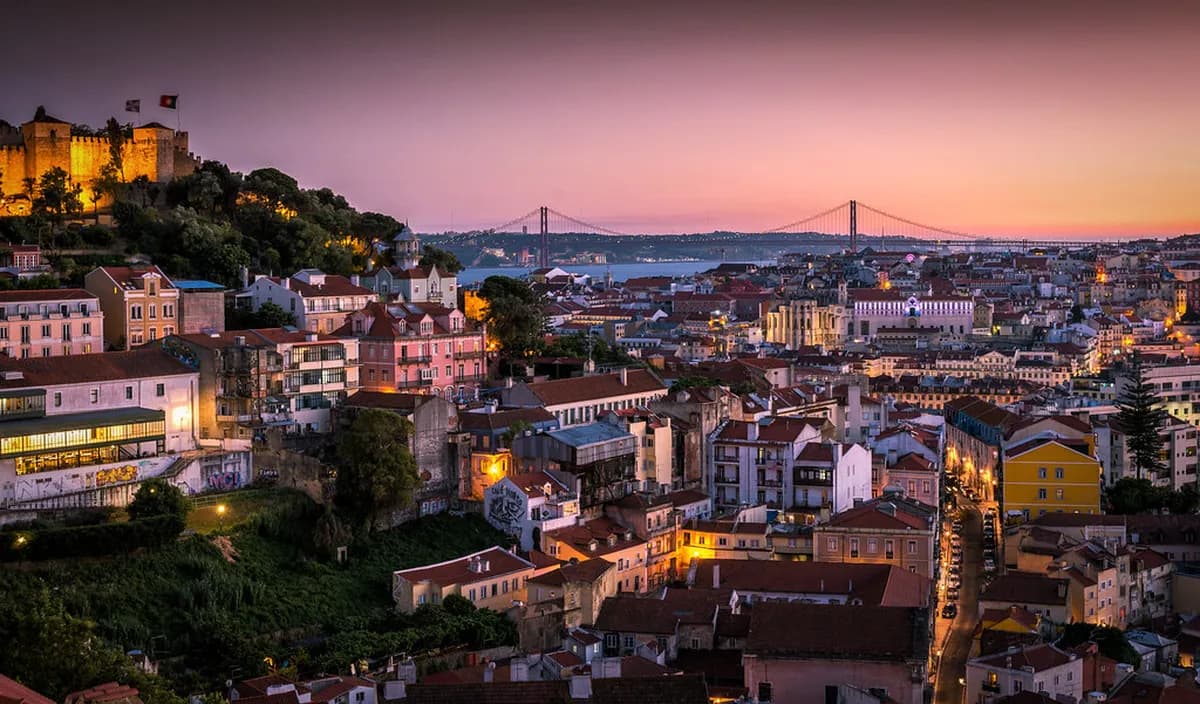
Lisbon is famous for its rolling hills and dramatic vistas overlooking the Tagus River. While popular spots fill up fast, finding secret spots in Lisbon offers a peaceful alternative. These quiet corners let you appreciate the city's terracotta rooftops without the typical tourist rush.
Exploring hidden overlooks reveals a different side of the Portuguese capital. You can enjoy panoramic views while wandering quiet squares and local neighborhoods. This guide covers the best hidden gems in Lisbon for incredible views, along with practical details on access, cost, and the right time to visit each spot.
My Top 20 Viewpoints in Lisbon
Lisbon has an extraordinary density of lookout points — locals call them miradouros — scattered across its seven hills. The famous ones, like Miradouro de Santa Luzia and Miradouro das Portas do Sol in Alfama, draw the largest crowds and are worth visiting early in the morning or after 17:00 when tour groups thin out. Both are free and face southeast over the Tagus, giving you the warmest afternoon light on the rooftops below.
| Viewpoint | Neighborhood | Cost | Best Time | Crowd Level |
|---|---|---|---|---|
| Miradouro da Graça | Graça | Free | Before 18:30 sunset | Low–moderate |
| Miradouro Nossa Senhora do Monte | Graça | Free | Summer sunset (18:30) | Low |
| Miradouro do Monte Agudo | Anjos | Free | Weekday mornings | Very low |
| Panorâmico de Monsanto | Monsanto Forest | Free | Morning (clear day) | Very low |
| Basílica de Estrela rooftop | Estrela | €4 | Any time open | Very low |
| Jardim do Torel | Above Avenida da Liberdade | Free | Weekday afternoon | Low |
A step up in terms of atmosphere are Miradouro da Graça and Miradouro da Nossa Senhora do Monte, both in the hilltop Graça neighborhood. Graça sits beside the church of the same name and has a neighborhood kiosk serving cold beer and coffee. Nossa Senhora do Monte sits slightly higher and is consistently ranked by locals as the best sunset viewpoint in the city — get there by 18:30 in summer to claim a bench. The Bairro Alto side of the city offers Miradouro de São Pedro de Alcântara and Miradouro de Santa Catarina (also called Adamastor), both with a relaxed, street-music atmosphere and a clear view toward the bridge.
For something genuinely off the tourist trail, four viewpoints stand out. Miradouro do Monte Agudo near Anjos metro is almost entirely local — expect dog walkers and teenagers, not tour buses. Miradouro do Chão do Loureiro, tucked beside a restaurant just below the castle, is easy to miss and rewards those who look for the small sign. Miradouro da Rocha Conde de Óbidos offers a view of the port and, in late May, the surrounding jacaranda trees are in full bloom. Finally, the abandoned Panorâmico de Monsanto in Monsanto forest park is now covered in street art and feels like stepping into a post-apocalyptic film set — bus 711 from Marquês de Pombal gets you close, then a 15-minute walk through the woods. All four are free.
To help you navigate between them, resources like Walking Tours and Articles in Lisbon provide mapped routes. Planning your route ahead means you can string three or four viewpoints into a single half-day walk rather than making separate trips. Visiting early in the morning guarantees you will have most of these spaces mostly to yourself, even in peak season.
Miradouro do Jardim do Torel
This small garden sits on one of Lisbon's seven hills not far from Avenida da Liberdade, and it remains genuinely less visited than the Alfama miradouros. Shaded benches, a fountain, and a garden kiosk make it a good midday refuge. The lower terrace faces northwest over the rooftops toward the Marquês de Pombal roundabout below.
Unlike the crowded Miradouro de Santa Catarina, this park stays quiet on weekday afternoons. Families gather here on weekends, and locals bring coffee to read on the benches. The garden has posted opening hours — it typically closes at 20:00 in summer — so it is not useful for sunset watching in July and August.
You can reach it by riding the historic Elevador do Lavra funicular, which costs around €4 return and departs from Rua das Portas de Santo Antão. Alternatively, a 10-minute walk uphill from the Avenida metro station (Blue Line) brings you directly to the garden entrance. It pairs well with a wider exploration of the Santana Hill area.
Jardim do Torel typically closes at 20:00 in summer — it is not suitable for sunset viewing in July and August. Visit in the morning or early afternoon when benches are free and local families have the garden mostly to themselves.
Miradouro of Santa Justa
The Elevador de Santa Justa is a 45-metre iron lift built in 1902 in Neo-Gothic style. Most visitors queue at street level in Baixa to ride it for around €6 return. The viewing platform at the top genuinely frames the castle and the ruins of the Carmo Convent in one sweep — it is a good view — but the queue on busy days runs 45 minutes or more.
The well-known shortcut is to enter the Carmo Convent ruins from Largo do Carmo in Chiado (separate admission applies to the convent museum) and walk behind the building to a platform that connects directly to the upper level of the elevator. From here you get the same views for free. You only pay the small top-deck surcharge of €1.50 if you want the very highest railing, which offers a marginal improvement on what you already see from the connecting walkway.
This spot works well for anyone looking for unique things to do in Lisbon. Check the weather before going: the platform is exposed metal and gets cold and gusty on overcast days. The best light for photos here is in the late afternoon when the sun drops toward the castle hill.
Miradouro do Recolhimento
Tucked away near São Jorge Castle, this lookout sits inside a small playground area within the Alfama district. It is easy to walk past without noticing the gate. A pair of olive trees provide shade, and on quiet mornings you will often find it empty despite being only a few minutes from the busiest tourist streets in the city.
The view frames the towers of São Vicente de Fora church and the dome of the National Pantheon in the same shot — a combination that most smartphone cameras can capture cleanly without a wide-angle lens. This composition is what made the spot well known among photographers, though the wider crowd has not yet caught on. The nearby Miradouro de Santa Luzia draws far more foot traffic for a similar view, making Recolhimento the calmer choice. You can find a similar quiet vibe by looking through The Window of Lisbon at the lower level of Santa Luzia.
The playground gate has posted opening hours and closes at sunset, so this is a daytime-only spot. Getting here requires navigating the narrow lanes of Alfama — an Alfama Lisbon guide is useful for first-timers navigating these labyrinthine alleys. There is no admission fee.
Basílica de Estrela: the roof viewpoint most visitors skip
The Basílica de Estrela sits in the Estrela neighborhood, a 20-minute tram ride from Chiado on Tram 28E. Most people visit to see the interior and the tomb of Queen Maria I, then leave. What they miss is the rooftop: for €4 per person you can climb inside the main dome and walk along the upper terrace between the two bell towers. The views over western Lisbon and out toward the Tagus are sweeping and crowd-free, because the majority of visitors never ask about the roof access at the entrance desk.
The climb involves a narrow spiral staircase and some low doorways — not suitable for anyone with claustrophobia — but the payoff is remarkable. Standing between the two bell towers with the dome directly above you and the city spread below is a genuinely different perspective from any street-level miradouro. Because the basilica sits slightly away from the central tourist axis, it draws far fewer visitors than comparable churches in Alfama or Chiado.
A practical pairing: directly across the road is Jardim da Estrela, one of Lisbon's most pleasant public gardens. After the rooftop, walk through the garden for 20 minutes and you get a ground-level view back at the dome from among peacocks and old plane trees. Two completely different perspectives on the same building in under an hour, with a total cost of €4 and a coffee at the garden kiosk.
The Basílica de Estrela rooftop climb involves a narrow spiral staircase and low doorways — not suitable for anyone with claustrophobia. Ask for roof access at the entrance desk; most visitors never realise the option exists and the rooftop ticket costs just €4.
Admire the most beautiful rail station in Lisbon – Rossio railway station!
Rossio railway station features a magnificent Neo-Manueline facade that most travelers walk past without pausing. Its two interlocking horseshoe-shaped arched portals, decorated with ornate stonework and a small statue of King Sebastião between them, represent some of the finest decorative architecture in the city center. The station was built in the late 19th century and stands directly adjacent to the famous Rossio square.
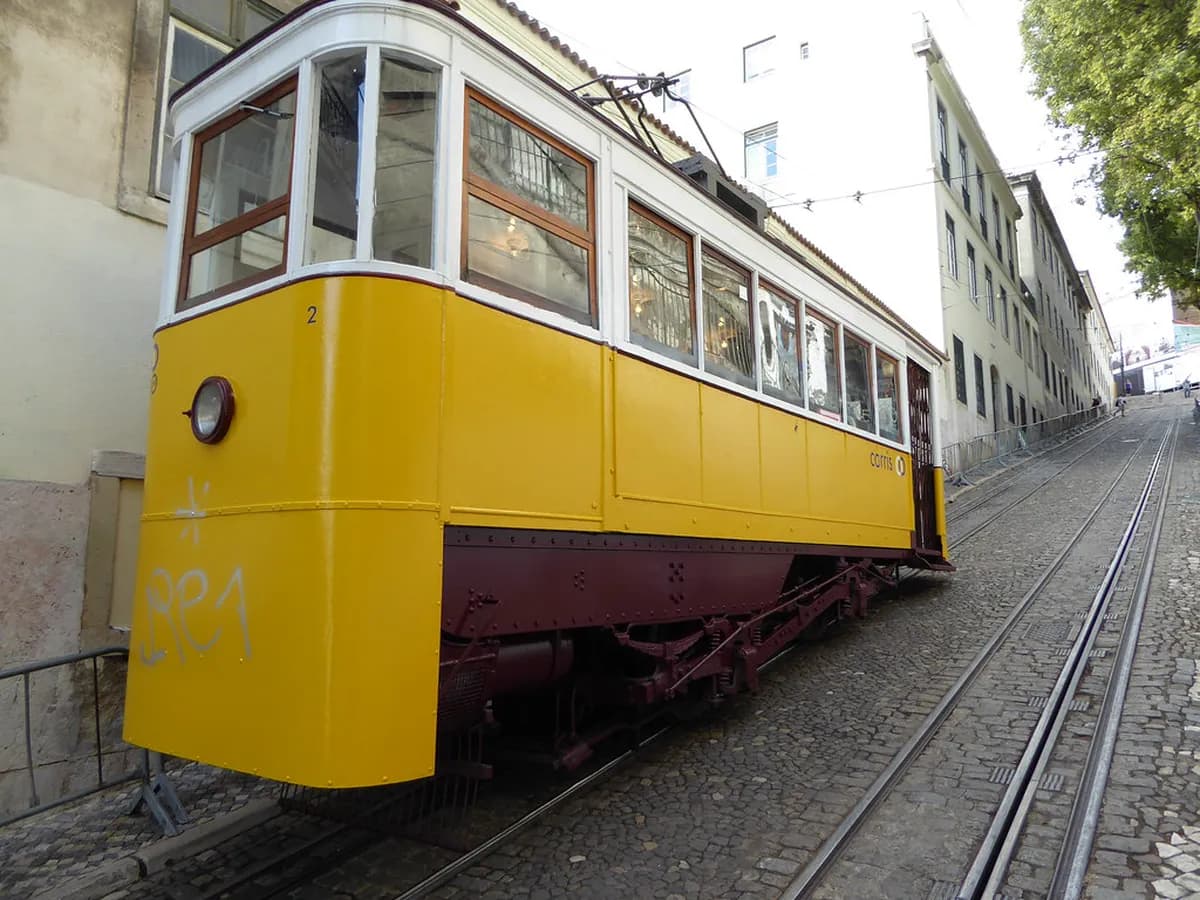
Inside, the upper platforms offer an unexpected urban viewpoint looking out over the streets of Baixa toward the Graça hill. It is an excellent vantage point to watch the vintage yellow trams pass below on their route toward Alfama. Most travelers rush through the terminal en route to Sintra without ever looking back from the platform level.
Trains to Sintra run frequently from here, making the station a busy hub during morning hours. Visit during the early afternoon lull to examine the architecture in relative quiet. The station is open to all, free to enter, and entirely overlooked as a photographic subject despite being one of the most ornate buildings in central Lisbon.
Check out Lisbon's hidden secret – Rua Verde or The Green Street!
Rua da Silva, nicknamed Rua Verde or The Green Street, is a narrow alley in central Lisbon that residents have transformed into an urban garden. Every doorstep, balcony, and window ledge is crowded with potted plants, trailing vines, and hanging flower baskets. Colorful bunting overhead completes the effect. The result is a street that looks entirely different from any other corner of the city.
Unlike the famous Pink Street nearby, Rua Verde gets its name from living greenery rather than a coat of paint — the plants are maintained by the people who live here, which gives the place a more organic, changeable character. It is particularly striking in spring 2026 when the plants are in full growth. Walking through feels like a brief detour into a slower, quieter city.
Small cafes along the street offer outdoor seating among the pots and planters. A coffee here costs the same as anywhere else in Lisbon — around €1 for an espresso. Please respect the residents' privacy while photographing their homes, and keep voices low in the early morning hours.
Forget Pastéis de Belém – there are better places to try the famous pastel de nata!
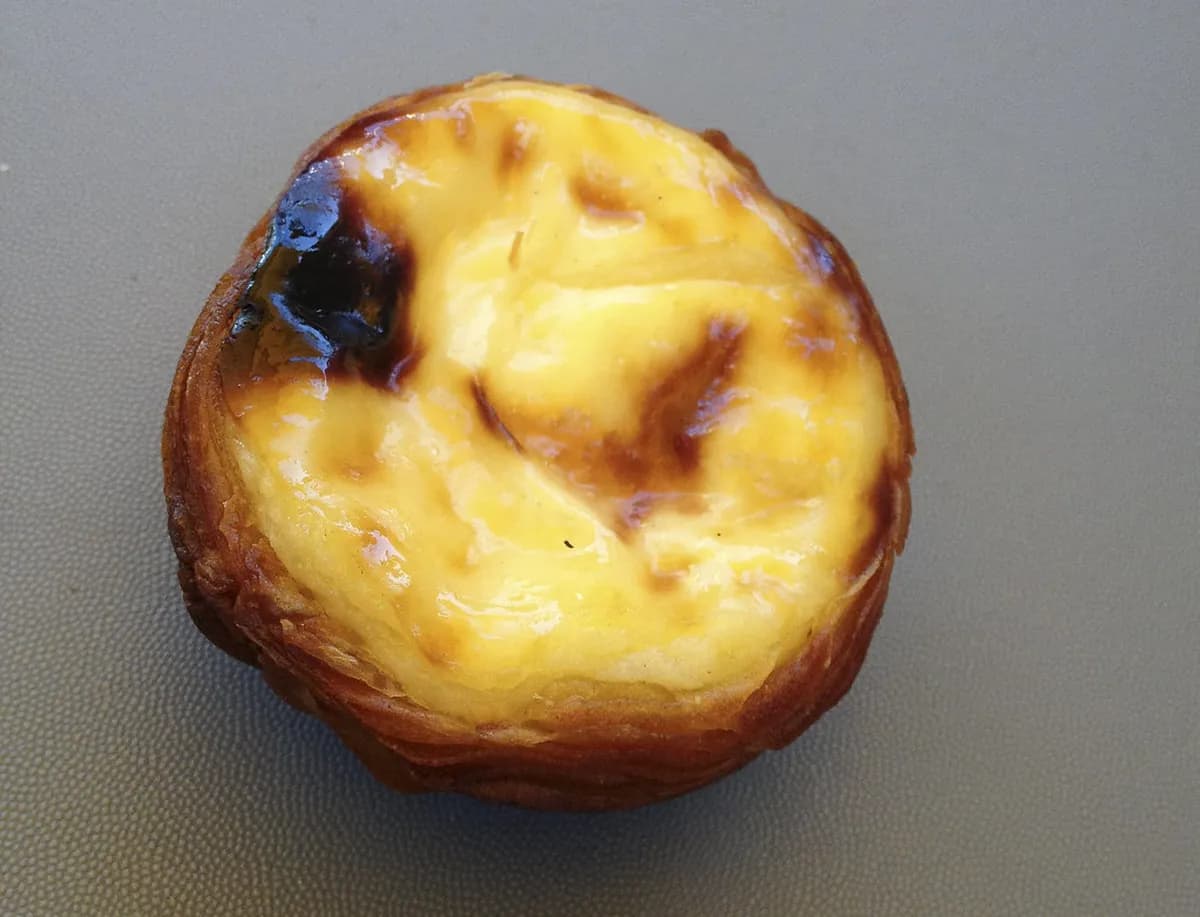
The custard tart queue at Pastéis de Belém in the Belém neighborhood runs 30 to 45 minutes on busy days and the experience is less intimate than its reputation suggests. Many local bakeries across the city center bake equally excellent tarts every morning. Manteigaria in Chiado is the most consistent alternative — open from 08:00, they serve the tarts warm straight from the oven and the queue rarely exceeds a few minutes except on weekend mornings.
Sprinkling cinnamon on top before the tart cools is the standard Lisbon approach. Pairing it with a strong espresso — a bica in local parlance — is how most residents eat one. Several Manteigaria branches now operate across the city center, including one near Rossio.
Several of the better independent pastelarias sit on quiet side streets with small outdoor terraces and views of the surrounding plazas. Eating a pastel de nata at a wobbly table on an old Lisbon square is a more genuinely local experience than the famous Belém original, and costs exactly the same: around €1.50 per tart.
See the famous Portuguese tiles for free at Convento da Graça!
This historic convent, one of the oldest in Lisbon dating to the 13th century, survived the 1755 earthquake and contains some of the most impressive blue-and-white tile panels in the city. The ground floor cloister is free to enter and the azulejo illustrations covering its walls depict religious stories and scenes from Portuguese history with exceptional detail.
There is a paid rooftop option: a €5 ticket gives access to the upper terrace and includes a drink — a glass of wine or juice. The rooftop delivers panoramic views over the entire city, particularly strong toward the east and the Tagus estuary. The best angle is behind the bell tower, where many visitors do not think to walk.
You can combine this with a wider Graça Lisbon guide itinerary — the surrounding neighborhood is filled with street art and steep lanes worth exploring on foot. Tram 28E stops nearby, or a 20-minute walk uphill from Alfama gets you there. The free ground-floor visit alone is worth the climb.
Walk by the unique flower wall at the Museum of Saint Anthony!
Located near the Lisbon Cathedral in the historic Alfama district, the small Museu de Santo António surprises visitors with an exterior wall decorated in vivid flowers and traditional tiles. The display changes seasonally and serves as an impromptu outdoor gallery alongside the stone lane. It honors Lisbon's patron saint, whose festival on 12 and 13 June fills the surrounding streets with music, grilled sardines, and paper decorations.
The plaza immediately around the museum is one of the quieter squares in Alfama, which makes it a useful stopping point on a walk between the cathedral and the Portas do Sol viewpoint. The old lampposts and cobblestones in this section of the neighborhood have changed little in decades.
You can learn about the city's deeper history by also visiting the nearby Tunnel of the History of Lisbon just below the Portas do Sol viewpoint — the tunnel contains comic-style illustrations by artist Nuno Saraiva depicting major events from the city's past. Combining the flower wall, the tunnel, and the Portas do Sol viewpoint makes a logical 45-minute loop through the upper Alfama.
Admire the unique tile house at Largo do Intendente!
Largo do Intendente is a large square in the Mouraria neighborhood that has changed dramatically over the past decade. Its most photographed feature is a building with one of the most elaborate tiled facades in central Lisbon — intricate geometric and floral patterns in deep blue and white cover the entire frontage, floor to ceiling.
The square itself functions as a social hub for independent cafes, craft shops, and artists' studios. It feels very different from the tourist-heavy quarters of Baixa and Alfama: the crowd is younger, more local, and the pace is slower. Sitting at an outdoor table in the late afternoon allows you to appreciate the tile facade in the shifting light without any rush.
The area is accessible via the Green Line metro to Intendente station, a 2-minute walk from the square. The multicultural Mouraria neighborhood directly behind it, historically the area around which Lisbon's Moorish community settled after the 12th-century reconquest, is worth at least an hour of wandering on its own. Bring a camera with a wide lens if you want to capture the full tile facade in one shot.
Frequently Asked Questions
Which secret viewpoints in lisbon options fit first-time visitors?
First-time visitors will love Miradouro do Jardim do Torel. It is easy to access, offers beautiful garden seating, and provides stunning views of the city center. This spot is less crowded than major lookouts but still delivers an authentic Lisbon experience.
How much time should you plan for secret viewpoints in lisbon?
You should plan about thirty to forty-five minutes for each secret viewpoint. This allows enough time to walk up, take photos, and relax on a bench. If the spot has a cafe, you might want to stay longer.
What should travelers avoid when planning secret viewpoints in lisbon?
Travelers should avoid visiting hilltop viewpoints during the hottest afternoon hours. The climbs can be physically demanding, and shade is often limited. It is also wise to avoid wearing slippery shoes on the steep cobblestone streets.
Is secret viewpoints in lisbon worth including on a short itinerary?
Yes, these secret viewpoints are definitely worth including on a short trip. They offer quick escapes from the heavy tourist crowds near major attractions. Visiting just one or two can make your itinerary feel much more relaxed.
Exploring the secret viewpoints in lisbon reveals a quieter, more magical side of this historic city. From peaceful hilltop gardens to tiled convent courtyards and an easily skipped basilica rooftop, these spots offer memorable experiences away from the main crowds. Taking the time to seek them out will make any Portuguese trip feel genuinely local.
Pack comfortable walking shoes for the steep cobblestone streets and check opening hours for spots with gates. For practical transport and access details, consult Lisbon's tourism website before you go.
Continue exploring
More guides you'll find useful