Best Time To Visit Lisbon Without Crowds Travel Guide
Plan best time to visit lisbon without crowds with top picks, neighborhood context, timing tips, and practical booking advice for a smoother trip.
On this page
Best Time To Visit Lisbon Without Crowds
The best time to visit Lisbon without crowds is spring (April to May) and autumn (September to October), when mild weather and thinning tourist numbers make the city genuinely enjoyable. Summer brings festivals and beach energy but also long queues, packed trams, and hotel prices that spike sharply. Knowing when to go — and what trade-offs each season carries — saves you money and a lot of frustration at monument entrances.
This guide breaks down every season and every month so you can match your travel style to the right window. Whether you prioritize quiet sightseeing, warm Atlantic waters, a tight budget, or authentic local culture, there is a clear best moment for your trip.
Lisbon's Climate and Seasonal Rhythms
Lisbon sits on the Atlantic coast and enjoys a genuine Mediterranean climate: warm, dry summers and mild, wetter winters. The city receives around 2,800 hours of sunshine per year, making it one of Europe's sunniest capitals — backed by Portugal climate data from the official meteorological institute. Even in the wettest months — November and December — rain typically arrives in short bursts followed by blue skies.
Summer averages hover between 26°C and 30°C (79–86°F) in July and August, with occasional heat waves pushing past 35°C. Winter daytime temperatures sit comfortably at 14–16°C (57–61°F), mild enough for long walks but cool enough to need a jacket in the evening. Spring and autumn slot between these extremes, offering temperatures of 17–23°C (63–73°F) — ideal for exploring the city's steep hills on foot.
Crowd levels track closely with school holidays and European summer travel windows. July and August are by far the busiest months. Late September through November and January through March are the quietest. April, May, and early June occupy a sweet spot: good weather, manageable visitor numbers, and reasonable prices before the peak rush begins.
Spring in Lisbon (March–May)
Spring is the most balanced season for a first visit. March starts quietly, with temperatures around 10–18°C (50–64°F) and very few tour groups. Jacaranda trees begin blooming across the city by April, turning miradouros like Miradouro da Graça into genuinely beautiful lookout points. May offers near-perfect sightseeing weather at 14–23°C (57–73°F) and long daylight hours without summer's intensity.
Key events worth knowing: the Lisbon Half Marathon takes place in March, the Lisbon Fish and Flavours seafood festival runs in April, and the Lisbon Book Fair opens in Eduardo VII Park in May. The IndieLisboa Film Festival spans April and May with screenings across the city. For a comprehensive list, check the events calendar year-round. Easter week in April draws visitors and pushes accommodation prices up briefly, so book at least three weeks in advance if your dates overlap.
Crowd levels in spring are moderate rather than low. You will still queue at Jerónimos Monastery and Belém Tower, especially on weekends. Arriving at opening time (10:00 at most monuments) cuts the wait significantly. Hotel rates in April and May are noticeably higher than winter but still well below the July–August peak. This window is a consistent sweet spot: buy your tickets online beforehand and you will move through the city's highlights without the summer frustration.
Summer in Lisbon (June–August)
Summer is the most vibrant and the most crowded season. June kicks off with the Festas de Lisboa on June 13, Lisbon's biggest street celebration: sardine grills fill every alley in Alfama, neighbourhoods compete in parade competitions, and the streets stay loud until 03:00. If you enjoy this kind of energy and have booked accommodation months in advance, June is genuinely special.
July and August tip into genuine peak season. Average highs reach 29–30°C (84–86°F), with July hosting NOS Alive and Super Bock Super Rock — major music festivals that fill the city's mid-range hotels. The Atlantic beaches at Cascais, Carcavelos, and Costa da Caparica are easy to reach by train in 30–45 minutes, which makes summer manageable if you split your time between city sightseeing in the cooler mornings and the coast in the afternoons.
The practical reality of summer: Tram 28 runs so packed it is nearly unusable for sightseeing, popular viewpoints are crowded all day, and restaurant waits at well-reviewed spots extend to 30–60 minutes without a reservation. If you must visit in July or August, book all accommodation, major tour tickets, and restaurant reservations before you travel. Midday hours are best spent indoors at the Calouste Gulbenkian Museum or the National Tile Museum rather than walking exposed hillside streets.
July and August are Lisbon's most crowded months: Tram 28 is often unusable due to overcrowding, viewpoints are packed all day, and pickpocketing risk rises sharply on packed trams and in Alfama. Book accommodation, major tickets, and restaurant reservations before you travel if visiting in peak summer.
Fall in Lisbon (September–November)
Autumn is Lisbon's most underrated season and the strongest choice for travelers who want warm weather without summer's crowds. September still feels like summer — temperatures hover around 26–27°C (79–81°F) — but school holidays have ended and visitor numbers drop noticeably after the first week. By mid-September, Tram 28 becomes rideable again for short stretches, and the city's famous viewpoints can be enjoyed at a relaxed pace.
October is arguably the ideal month. Temperatures settle at 15–23°C (59–73°F), the golden afternoon light across the Tagus River is exceptional for photography, and a run of strong cultural events fills the calendar: the DocLisboa International Film Festival, the Lisbon Marathon, and Restaurant Week dining promotions that offer set menus at well-regarded restaurants for reduced prices.
September and October offer the strongest overall combination for visiting Lisbon: warm weather around 15–27°C, noticeably thinner crowds after school holidays end, harvest-season food and wine, and accommodation prices significantly below the July–August peak.
Wine harvest celebrations in nearby Setúbal and Alentejo make October and early November excellent for day trip combinations. You can easily find quiet corners to relax if you seek out Secret Spots In Lisbon Travel Guide during these peaceful autumn afternoons.
November brings more frequent rain and temperatures dropping to 12–18°C (54–64°F). It is the quietest month short of January, and accommodation rates fall sharply. St. Martin's Day on November 11 features the Magusto chestnut festival — a genuinely local celebration that most tourists miss. The Fado Festival and Lisbon & Sintra Film Festival also run in November. If you want the lowest prices and the fewest crowds while keeping reasonable weather, November from the second week onward is hard to beat.
Winter in Lisbon (December–February)
Winter is the quietest and most affordable season. Daytime temperatures average 14–16°C (57–61°F) in December, cooling slightly to 13–15°C (55–59°F) in January and February. Rain is more frequent — November and December are the wettest months, averaging 12–15 rainy days each — but showers are typically short-lived. A lightweight rain jacket and a layer for evenings is all you need.
December has two distinct moods. The first three weeks bring festive Christmas markets in Praça do Comércio and light installations across Chiado, with manageable visitor numbers and pleasant city walking. Christmas week itself sees a brief price spike and some restaurant closures. New Year's Eve draws large crowds along the Tagus waterfront for fireworks. January is the true low season: hotel rates are at their annual floor, major monuments like Jerónimos Monastery are nearly empty, and you can linger as long as you like without queuing.
February sees Carnival season peak with colourful parades in Lisbon and particularly in Torres Vedras, about 50 km north and worth a day trip for a more traditional celebration. Fado houses in Alfama are easier to book in winter, and the intimate atmosphere in smaller venues suits the music better than a packed summer house. Budget travelers who prioritize cultural depth over guaranteed sunshine will find January through mid-March the most rewarding window in terms of value. You can complement your winter itinerary by exploring some of the wonderful Places To Visit In Lisbon For Free Travel Guide that are even more accessible with thin crowds.
Best Time to Visit Lisbon by Travel Style
First-time visitors get the most from April, May, or September. The weather is reliable, the main sights are accessible without extreme queuing, and there is enough city energy to feel lively. These months also offer good value on guided tours and walking itineraries through a comprehensive Lisbon Neighborhoods Guide Travel Guide without the shoulder-to-shoulder summer experience.
Festival and nightlife seekers should target June for the Feast of Saint Anthony or July for NOS Alive. Accept that these months are expensive and crowded — plan the logistics accordingly. Food and wine travelers are best served by September and October, when the harvest season brings exceptional produce to restaurants and wine bars, and securing a table at well-reviewed spots requires only a same-day reservation rather than weeks of advance planning.
Couples and slow travelers who want a romantic, unhurried experience should look at late November, December (first three weeks), or February. Hotel rates are low, Fado houses are bookable at short notice, and the city feels genuinely local rather than touristy. Budget-focused travelers have an equally strong case for January through March: airfares drop significantly, accommodation is at its cheapest, and the weather remains far milder than anywhere else in northern or central Europe.
- First-time visitors: April–May or September — mild weather, manageable crowds, strong value on tours
- Festival and nightlife lovers: June (Saint Anthony) or July (NOS Alive) — vibrant but expensive; book everything in advance
- Food and wine enthusiasts: September–October — harvest season, easier restaurant access, excellent day trips to wine regions
- Couples and slow travelers: late November, early December, or February — quiet streets, intimate Fado, lower prices
- Budget travelers: January–March — lowest hotel and flight rates, near-empty monuments, mild winter weather
Month-by-Month Planner: What Each Month Really Feels Like
January is the quietest and cheapest month. Temperatures average 8–15°C (46–59°F) and major monuments are nearly empty. The downside is occasional rainy stretches and some smaller restaurants closing briefly after the holidays. February brings Carnival energy with parades mid-month and slightly warmer days at 9–16°C (48–61°F). It is still a low-crowd month with excellent hotel deals.
March marks the beginning of the travel season. Flowers start blooming, temperatures climb to 10–18°C (50–64°F), and European visitors begin returning. Prices are moderate. April brings jacaranda blooms, Easter festivities, and the Fish and Flavours festival — a lively month with rising visitor numbers but still manageable. Book accommodation a month ahead if visiting over Easter week. May is consistently excellent: 14–23°C (57–73°F), the Book Fair and Out Jazz open-air concerts, and the sweet spot before summer prices kick in.
June through August is peak season in full effect. June has the best culture-to-crowd ratio of the three months thanks to the Saint Anthony celebrations. July brings NOS Alive and the hottest temperatures. August sees many locals leave for vacation, giving the city a slightly more relaxed mood despite the tourist peak — beach trips to Cascais or Costa da Caparica work well as daily escapes. September is the turning point: still warm at 18–27°C (64–81°F) but noticeably quieter after the first week. October to November sees the golden season unfold, with the best combination of weather, events, and affordability. December brings festive charm; January delivers the deepest quiet and the lowest prices of the year.
Practical Transport and When the Lisboa Card Actually Pays Off
One detail no seasonal guide covers clearly: the Lisboa Card is worth buying in spring and autumn when you plan to visit multiple paid attractions in 48–72 hours, but it is poor value in winter. In January and February, the monuments are so uncrowded that skipping entry for a leisurely two-hour visit costs little time — but the Lisboa Card charges a flat fee regardless. In contrast, during April, May, September, and October, the card pays for itself in two or three attraction entries and eliminates the need to queue at ticket windows.
The card includes unlimited Metro, tram, and bus rides. The Viva Viagem rechargeable card is the better option for winter visitors who are not hitting multiple paid monuments in a single stay. Lisbon's airport Metro connection (red line, direction Aeroporto) costs around €1.65 with a Viva Viagem card and takes 25 minutes to Baixa-Chiado. Taxis and ride-hail apps cost €10–15 for the same journey. The Day Trips From Lisbon Travel Guide — Sintra, Cascais, and Setúbal — use the Comboios de Portugal suburban rail network, which accepts the Lisboa Card for free travel to Sintra and Cascais.
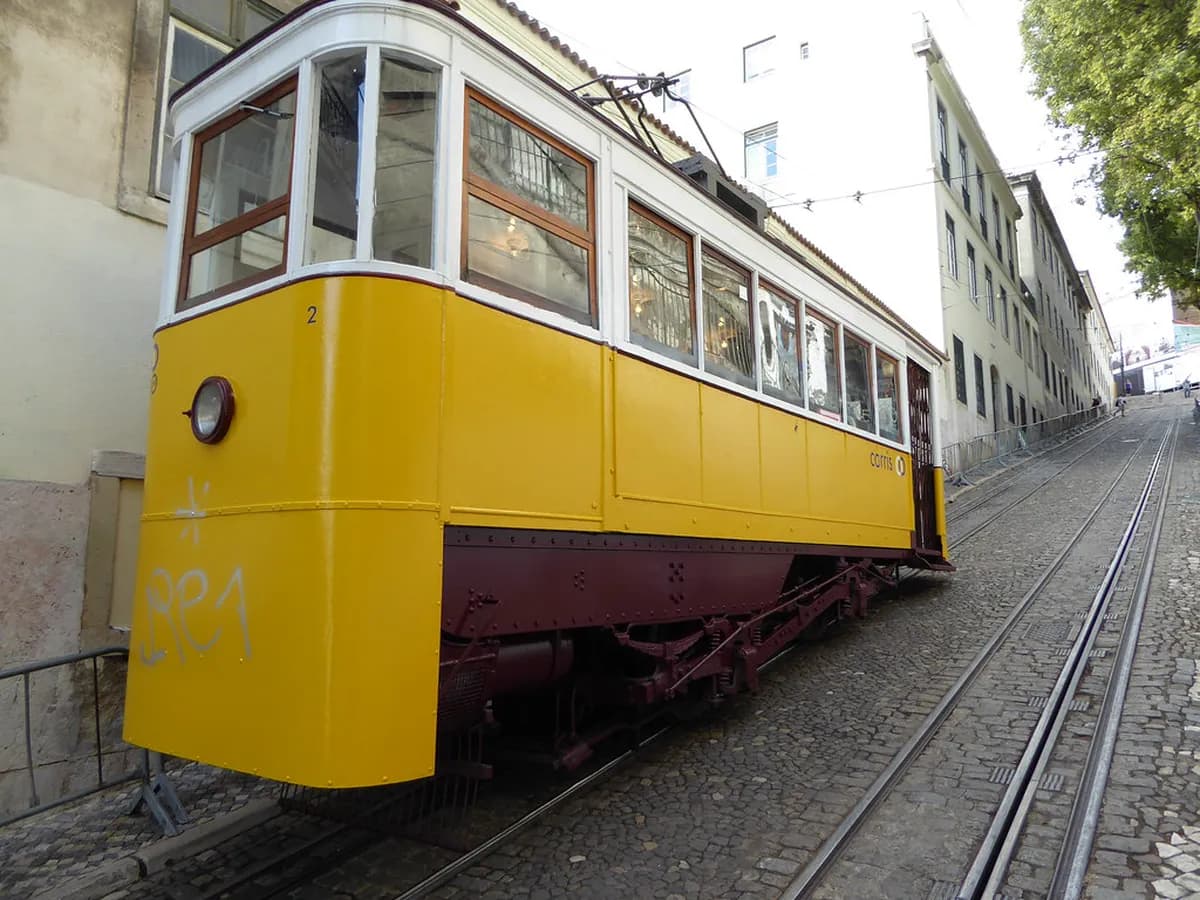
Tram 28, the city's most iconic transit line, deserves a specific note. In July and August it runs so full that pickpocketing is a genuine concern and the ride itself offers little enjoyment. In October, November, and March, the same tram moves at a comfortable pace through Alfama and Graça, and riding it from Martim Moniz to Prazeres costs just €3.00 on a Viva Viagem card. If Tram 28 is on your list, a shoulder-season visit is the only window where it functions as a proper sightseeing experience rather than a survival exercise.
Choosing the Right Season for Your Lisbon Vacation
| Season / Month | Avg. Temp (°C) | Crowd Level | Hotel Prices | Best For |
|---|---|---|---|---|
| January–February | 13–16 | Very low | Lowest of year | Budget travelers, empty monuments |
| March–May (Spring) | 10–23 | Moderate | Mid-range | First-timers, jacaranda blooms |
| June | 21–26 | Moderate-high | Rising | Festas de Lisboa (Saint Anthony) |
| July–August (Summer) | 26–30 | Peak | Highest | Beach trips, nightlife — book everything early |
| September–October (Autumn) | 15–27 | Low-moderate | Below peak | Best overall — warm, quiet, harvest season |
| November–December | 12–18 | Low | Low | Fado, Christmas markets, authentic atmosphere |
If you have full flexibility, September and October offer the strongest overall combination: warm weather, thinning crowds, harvest-season food and wine, excellent cultural events, and accommodation prices significantly below the summer peak. This is the window most often recommended by frequent visitors who know the city well. You can walk through Alfama in the late afternoon with space to breathe, get a table at a good Fado restaurant the same day, and catch the golden river light without elbowing past a tour group.
April and May are the second-best choice for first-time visitors who want full sunshine confidence. The risk is Easter-week pricing in April and rising hotel rates throughout May. Book early — at least six to eight weeks in advance for the most popular neighborhoods like Príncipe Real and Chiado — and the spring window delivers excellent value. Winter from late November through February suits independent, culturally-focused travelers who are comfortable with occasional rain and want the most authentic version of the city.
The one window worth avoiding is the last two weeks of July through August, unless your sole priority is beach access and nightlife. The combination of heat, crowds, and elevated prices across all categories creates a trip that requires significantly more planning and patience than any other season. There is no bad time to visit Lisbon — but there are clearly better and worse trade-offs, and understanding them before you book makes the difference between a relaxed visit and a frustrating one.
Frequently Asked Questions
What is the weather like in Lisbon year-round?
Lisbon features a mild Mediterranean climate with warm, sunny summers and gentle, wet winters. Average temperatures range from 15°C (59°F) in January to 28°C (82°F) in August. This makes outdoor exploration pleasant during most months of the year.
Is Lisbon too hot in the summer?
Yes, Lisbon can get quite hot in July and August, with temperatures often exceeding 30°C (86°F). The heat can make walking up steep hills uncomfortable. Many visitors prefer visiting during cooler shoulder seasons instead.
What is the rainiest month in Lisbon?
November is typically the rainiest month in Lisbon, bringing frequent showers and cooler maritime winds. December and January also see significant rainfall. Packing a quality umbrella and waterproof jacket is highly recommended for winter trips.
Can I visit beaches from Lisbon easily?
Yes, you can easily reach beautiful beaches along the Cascais and Sintra coastlines using local trains. These coastal spots are perfect for a quick escape from the city center. You can explore these scenic areas while enjoying the best day trips from Lisbon during your stay.
Finding the best time to visit Lisbon without crowds ensures a memorable and deeply relaxing travel experience. By choosing the shoulder or low seasons, you can enjoy historic sites without long queues. Savor the local food, explore quiet streets, and discover the true essence of Portugal.
Use our Lisbon hidden gems hub to plan the rest of your trip.
Continue exploring
More guides you'll find useful