Principe Real Lisbon Guide Travel Guide
Plan your principe real lisbon guide with top picks, neighborhood context, timing tips, and practical booking advice for a smoother trip.
On this page
Principe Real Lisbon Guide
Príncipe Real is one of Lisbon's most elegant and livable neighborhoods, sitting on a hilltop just above Bairro Alto. Grand 19th-century palaces line its quiet streets, and the central garden draws locals for coffee, conversation, and weekend markets. This is where you come when you want Lisbon without the tourist crush — stylish, walkable, and genuinely inhabited.
The area is part of any serious Lisbon Neighborhoods Guide Travel Guide for good reason. It sits close enough to downtown that you can walk to Chiado in ten minutes, yet the atmosphere feels entirely different. Boutique design shops, wine bars, and a thriving LGBTQ+ community give Príncipe Real a character that many visitors prefer to anything else in the city.
This guide covers the main sights, the Saturday organic market, viewpoints, eating and sleeping options, and how to get here from anywhere in central Lisbon. Whether you have two hours or a full day, this neighborhood rewards slow exploration. Explore more of the city with our broader Portugal travel guides.
A Brief History of Príncipe Real
The neighborhood takes its name from Pedro V, the Royal Prince (Príncipe Real) of Portugal. It developed during the 19th century as a residential quarter for Lisbon's aristocracy, and its palacetes — ornate multi-story mansions — remain the defining architectural feature. For a long time this was where old money lived.
That changed through the 20th century. As Lisbon's elite migrated to newer outer districts, Príncipe Real attracted artists, intellectuals, and eventually a significant LGBTQ+ community. The neighborhood became noticeably more diverse and more interesting without losing its upscale character. For more context, explore our broader Wikipedia entry on Lisbon neighborhoods. Today it sits in a pleasant middle ground: wealthy but not stuffy, historic but not frozen.
Since the 2000s, boutique hotels and design-led commercial spaces have moved into several of the old mansions, bringing in expats and digital nomads. Time Out included it in its list of the world's coolest neighborhoods. The result in 2026 is a district that feels genuinely local even as visitors discover it.
Must-See Attractions in Príncipe Real
The Embaixada is the neighborhood's most photographed interior. This neo-Moorish palace from the late 19th century now operates as a concept shopping gallery, with independent Portuguese designers and artisan brands filling its ornate rooms. Entry is free and even non-shoppers linger to admire the architecture.
Below the central square lies the Reservatório da Patriarcal, an underground stone reservoir built in 1856 to supply water to central Lisbon. It has since been converted into a small museum. The vaulted chambers are visually striking and admission is affordable — expect to pay around €3 per adult.
Rua Dom Pedro V is the main artery running through the neighborhood. Walk it slowly. The street transitions from boutique shops in the south to quieter viewpoint streets in the north, and almost every block has a café, bar, or bookshop worth stepping into. Pavilhão Chinês, near the top of the street, is a classic cocktail bar decorated with thousands of antique collectibles and open since the 1980s.
Parks, Gardens, and the Saturday Market
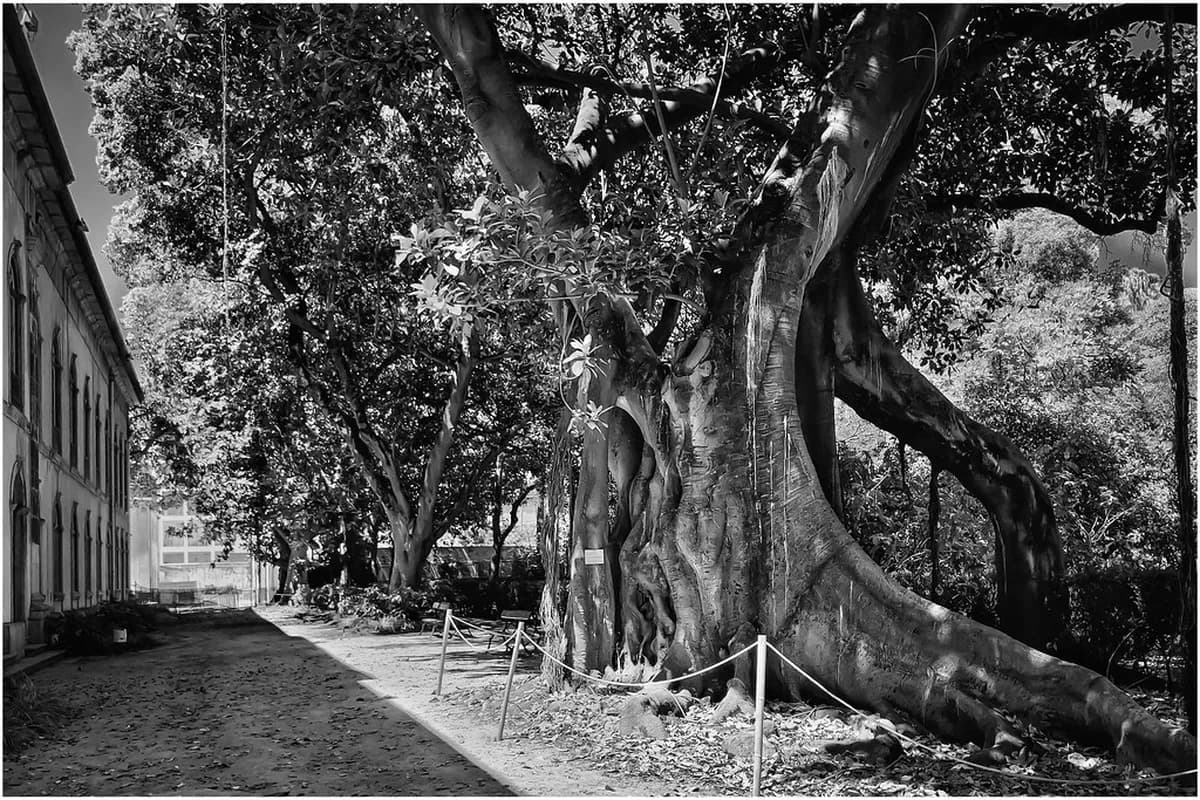
The Jardim do Príncipe Real is the true center of the neighborhood. A century-old cedar tree dominates the square, offering deep shade that locals use year-round — to read, meet friends, or sit with a coffee from the garden kiosk. This is not a tourist square; it is where the neighborhood actually lives.
Every Saturday morning the Mercado Biológico do Príncipe Real takes over the garden. Organic producers from across Portugal arrive to sell vegetables, cheeses, honey, olive oil, and prepared foods. The market runs from around 09:00 to 14:00. It is one of Lisbon's better food markets and worth timing your visit around if you're here on a weekend.
The Mercado Biológico do Príncipe Real runs every Saturday from 09:00 to 14:00 in the central garden. Arrive before 10:30 for the best selection of organic cheeses, honey, and fresh vegetables from Portuguese producers.
Around the corner from the square is the Jardim Botânico de Lisboa. Created in the 19th century for botanical research, it now holds more than a thousand species of plants and trees from around the world. Learn more about Lisbon's botanical gardens on the official tourism site. It won't compete with major botanical gardens in Europe, but as a quiet hour among tropical specimens in the middle of a city, it works well. Visiting these green spaces ranks among the best Places To Visit In Lisbon For Free Travel Guide or low cost.
Museums and Culture
The Museu Nacional de História Natural e da Ciência (National Museum of Natural History and Science) sits on Rua da Escola Politécnica, about 200 metres from the central garden. It has interactive science exhibits, historic laboratory rooms, and a reasonable natural history collection. It is not one of Lisbon's finest museums, but it is a solid option if you are traveling with children or interested in the history of Portuguese scientific institutions.
Several small private galleries operate on and around Rua Dom Pedro V. These rotate shows by contemporary Portuguese artists on a roughly monthly basis, and entry is usually free. The neighborhood's design culture extends to the Embaixada complex, where several concept stores blur the line between retail and gallery. For anyone interested in Portuguese craft and applied design, this is the best concentration in the city.
Where to Eat and Drink
The neighborhood has a reputation for good, locally-oriented restaurants that have not yet fully tilted toward tourist pricing. Pica Pau serves traditional Portuguese dishes including codfish cakes and octopus. Faz Frio is a classic old-school spot with private booth seating and no reservations. For something more refined, Enoteca LX operates out of the vaults of Lisbon's old aqueduct and pairs Portuguese wines with tapas inspired by Brazilian cuisine.
A Cevicheria by Chef Kiko is the neighborhood standout for non-Portuguese food. This Peruvian ceviche restaurant keeps consistent quality and draws a mixed local and international crowd. It is small, does not take reservations, and fills up fast — arrive for a late lunch around 14:00 and put your name on the list while you wait with a pisco sour. The Pure Ceviche and Sea Quinoto are the orders to make.
The bar scene centers on Jardim Fialho de Almeida, a small square in the middle of the neighborhood ringed by wine bars and cocktail spots. Foxtrot has been here for nearly fifty years and remains a Lisbon institution. Black Sheep is a tiny wine bar with a well-curated list for a neighborhood that takes its wine seriously. This is not a nightlife strip — it is a place for drinks before or after dinner, with a calmer, more residential feel than the bars of Bairro Alto nearby.
LGBTQ+ Life and the Neighborhood's Social Character
Príncipe Real has been Lisbon's primary LGBTQ+-friendly neighborhood for decades. Several of the bars on and around Rua Dom Pedro V and Jardim Fialho de Almeida are gay-owned or LGBTQ+-oriented, and the overall atmosphere is open and welcoming in a way that feels organic rather than performative. For official neighborhood information, check Visit Lisboa's Príncipe Real guide. This is not a "gay district" in the sense of a concentrated scene — it is simply a neighborhood where that community is long-established and visible.
For solo travelers, same-sex couples, or anyone who finds heavily tourist-oriented areas draining, this makes Príncipe Real a particularly comfortable base. The restaurant and bar crowd on a weekend evening is genuinely mixed — locals, expats, and visitors — with the neighborhood's Portuguese-speaking regular clientele still in the majority. That social balance is increasingly rare in Lisbon's central areas and is one of the things that sets Príncipe Real apart from Chiado or Alfama on a busy summer night.
The Views in Príncipe Real
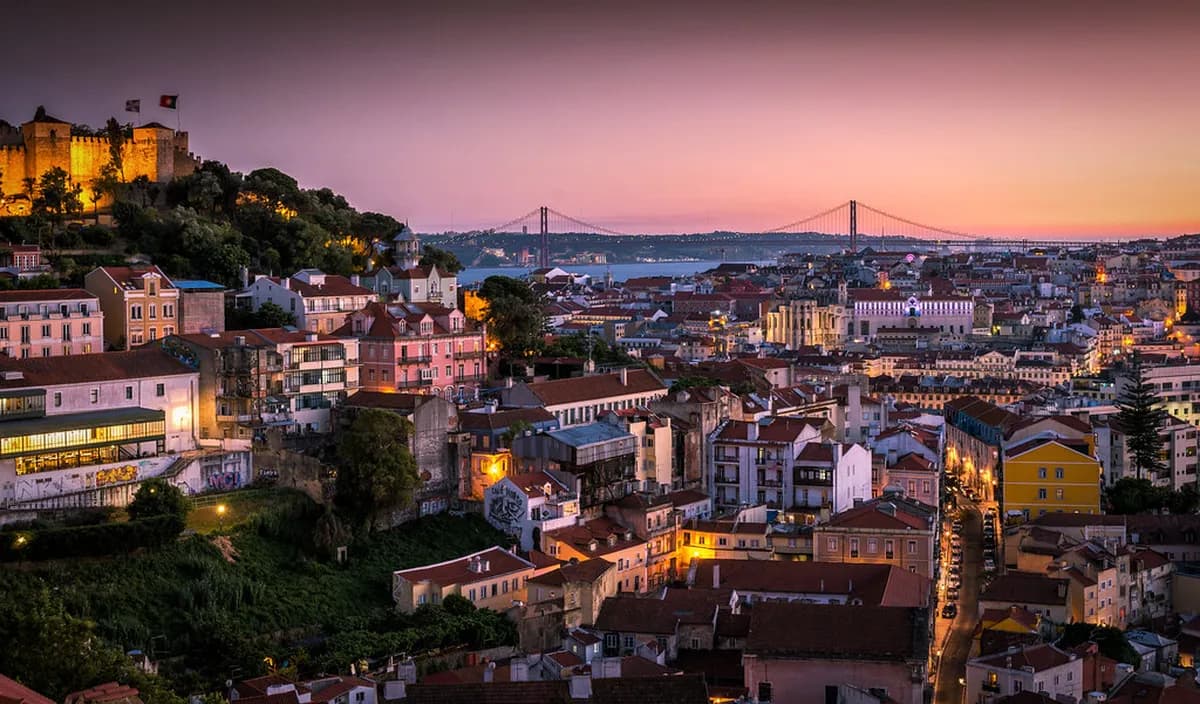
The Miradouro de São Pedro de Alcântara sits at the eastern edge of the neighborhood, right on the border with Bairro Alto. It is a two-level garden terrace with an unobstructed view across downtown Lisbon toward the castle of São Jorge. This is one of the best-positioned viewpoints in the city — wide, easy to access, and significantly less crowded than Santa Catarina or Portas do Sol.
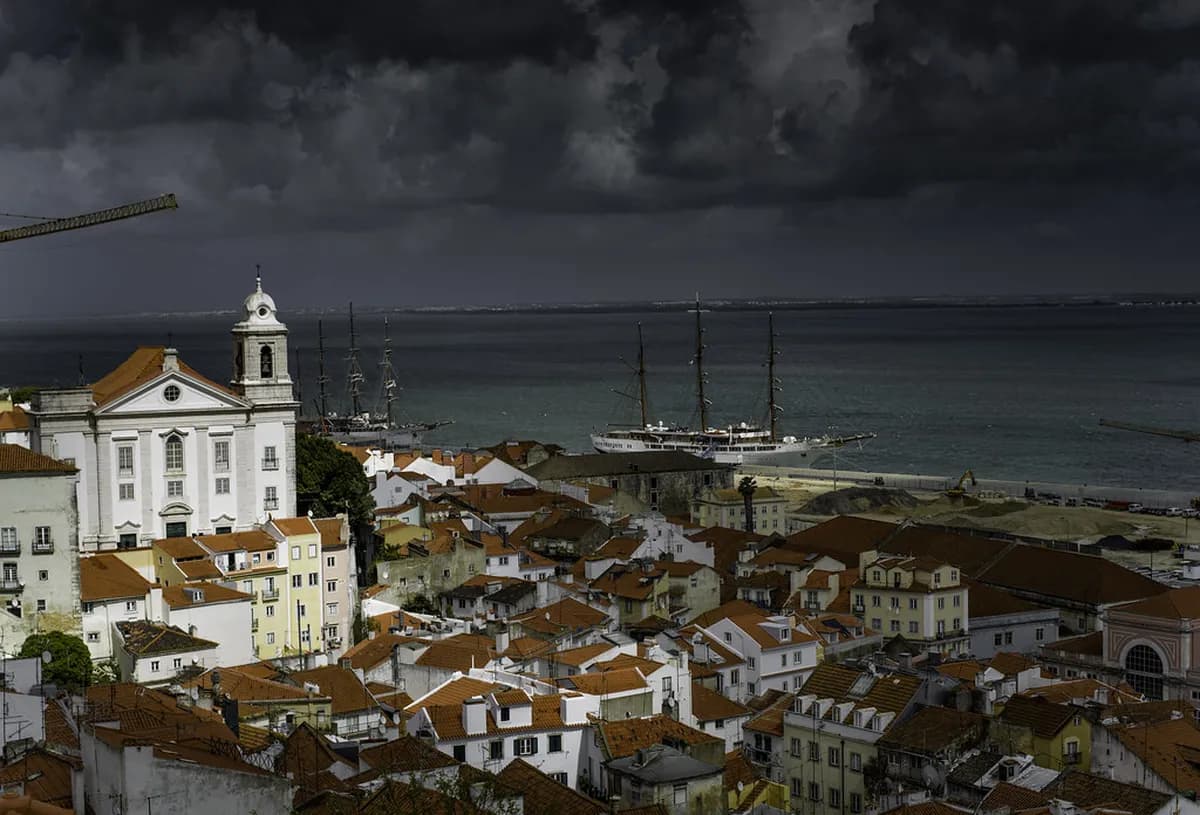
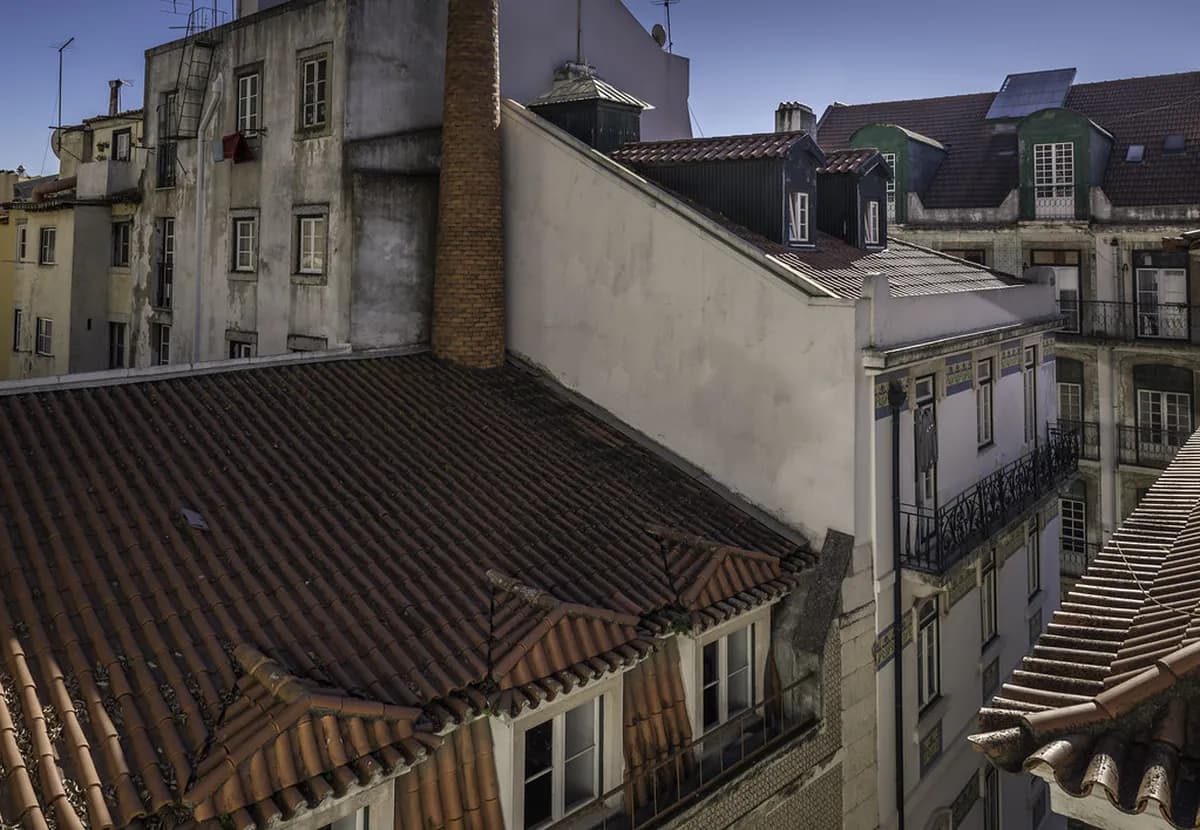
As you walk north along Rua da Escola Politécnica past the Jardim do Príncipe Real, the street begins to open up with long views over the city below. These are not formal miradouros but are arguably more satisfying — gaps between buildings and the gentle descent of the road reveal shifting angles of the terracotta roofline. The Secret Viewpoints In Lisbon Travel Guide guide covers several of these lesser-known angles in the surrounding streets.
Sunset is the practical peak time for the São Pedro viewpoint. The west-facing position catches the last light well and the terrace is calm enough to sit and watch. Arrive by 19:00 in summer to find a spot on the benches. In winter the light clears by 17:30.
Where to Stay in Príncipe Real
Memmo Príncipe Real is the neighborhood's flagship hotel — a five-star property near the gardens with an outdoor pool and a cocktail bar with panoramic city views. Rates run from €230 to €420 per night depending on season. The Vintage Hotel occupies a beautifully restored 19th-century building with rooftop views and rates from €190 to €380.
For mid-range options, the Alegria Boutique Hotel overlooks Praça da Alegria just east of the neighborhood and offers a well-designed mix of rustic and modern for around €180 to €240 per night. The 1869 Príncipe Real is a nine-room B&B with some rooms featuring private balconies and a two-night minimum — good value at €160 to €240. Independente Príncipe Real is a hostel-hotel hybrid in a 19th-century building with dorms and private suites; private rooms run around €140 per night and two on-site restaurants including a rooftop make it worth considering even for non-budget travelers.
| Hotel | Type | Rate per Night (2026) | Notable Feature |
|---|---|---|---|
| Memmo Príncipe Real | 5-star | €230–€420 | Outdoor pool, panoramic cocktail bar |
| Vintage Hotel | Boutique | €190–€380 | 19th-century building, rooftop views |
| Alegria Boutique Hotel | Mid-range | €180–€240 | Praça da Alegria location |
| 1869 Príncipe Real | B&B | €160–€240 | Private balconies, 9 rooms |
| Independente Príncipe Real | Hostel-hotel hybrid | ~€140 (private) | Rooftop restaurant, 19th-century building |
Staying in Príncipe Real rather than Baixa or Chiado adds roughly two to five minutes of walking to most major sights while placing you in a significantly quieter environment. For a stay of three nights or more, the difference in daily livability is noticeable. Consider combining your time here with exploring the Secret Spots In Lisbon Travel Guide that surround this hilltop district.
Parking in Príncipe Real is extremely scarce and narrow streets make driving slow. Avoid renting a car if you are staying in the neighbourhood — Uber, Bolt, and the Rato metro station (Yellow Line) cover all practical transport needs.
How to Get to Príncipe Real
The easiest option from central Lisbon is the Rato metro station, which sits at the northern edge of the neighborhood on the Yellow Line. From Marquês de Pombal it is one stop; from Baixa-Chiado it is two stops with a change. The walk from Rato into the heart of the neighborhood takes under ten minutes and is mostly flat.
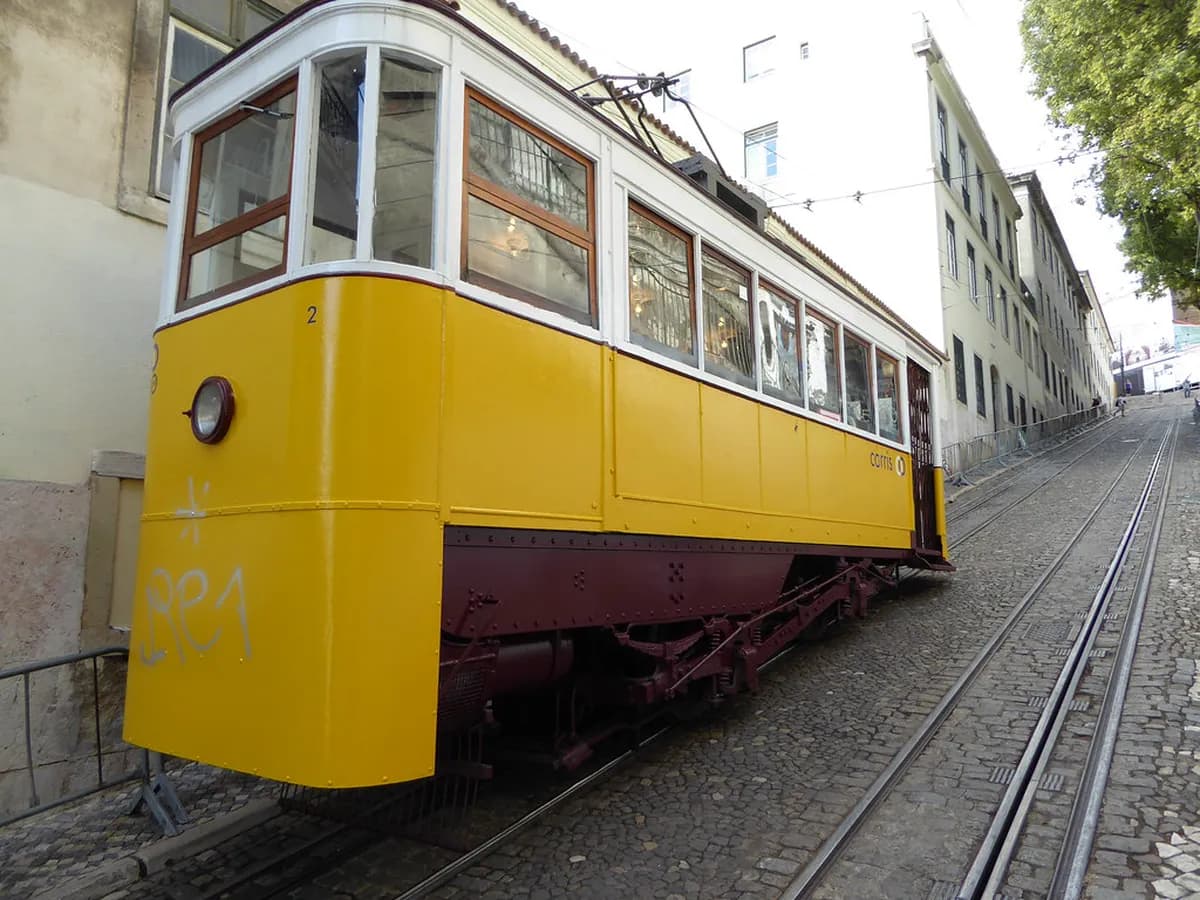
The Glória Funicular climbs from Praça dos Restauradores up to the top of Rua da Glória on the edge of Bairro Alto, from which Príncipe Real is a five-minute walk. The funicular uses the standard Lisboa Viva card and costs €3.80 per trip without a card or is covered by the standard 24-hour transit pass. From Chiado, bus 758 from Cais do Sodré serves the area directly. Walking from Bairro Alto takes three to five minutes.
Driving is possible but not practical. Parking in the neighborhood is scarce and the narrow streets make navigation slow. Rideshare (Uber or Bolt) works well for arrival; both apps have reliable coverage throughout the city center in 2026.
Príncipe Real vs. Other Lisbon Neighborhoods
Visitors often want to know how Príncipe Real compares to the other central neighborhoods. Chiado and Baixa are the commercial core — grand plazas, mainstream shopping, and the highest tourist density. They are worthwhile but exhaust quickly. Príncipe Real is walkable from both and makes a useful counterpoint for the same afternoon.
Alfama, Lisbon's oldest district, has a completely different character: narrow medieval alleys, steep hills, Fado music, and a rawer atmosphere. Our Alfama Lisbon Travel Guide and the companion Mouraria Lisbon Guide Travel Guide cover that territory in detail. Príncipe Real is easier, more comfortable, and more curated — which is exactly what some travelers want and exactly what others find less compelling.
The practical answer for a trip of three or more days: spend a morning in Príncipe Real, an afternoon in Chiado, and a full separate day in Alfama. These three areas cover different eras and social registers of the city and none of them are redundant with the others.
Frequently Asked Questions
Which principe real lisbon guide options fit first-time visitors?
First-time visitors should focus on the central park, Embaixada palace, and the beautiful scenic viewpoints. These highlights are easy to navigate on foot and offer a great introduction to the area's charm. You can easily explore them in a single morning.
How much time should you plan for principe real lisbon guide?
Plan to spend about half a day exploring the main sights, gardens, and shops. If you want to enjoy a leisurely lunch or visit the science museum, a full day is highly recommended. This allows for a much more relaxed pace.
What should travelers avoid when planning principe real lisbon guide?
Avoid wearing slippery shoes because the cobblestone streets are very steep and slick. Also, try to avoid driving a car in this district due to narrow roads and extremely limited parking spaces. Using public transit is much easier.
Is principe real lisbon guide worth including on a short itinerary?
Yes, it is absolutely worth including even on a short trip. The neighborhood is very close to downtown Lisbon, making it easy to visit for a couple of hours. It offers a wonderful contrast to other tourist-heavy areas.
Príncipe Real remains one of the most complete neighborhoods in Lisbon — historic architecture, a genuine community, good restaurants, and some of the city's best viewpoints within a few minutes' walk of each other. It works as a half-day excursion from elsewhere in the city or as a base for the entire trip.
Visit on a Saturday to catch the Mercado Biológico in the garden. Arrive at São Pedro de Alcântara around sunset. Walk Rua Dom Pedro V slowly, both ways. These three things cover the best of what the neighborhood offers without requiring much planning at all.
See our Lisbon hidden gems guide for the broader overview.
Continue exploring
More guides you'll find useful