Alfama Lisbon Travel Guide: Local Tips
Discover historic streets with our ultimate Alfama Lisbon travel guide. Find top viewpoints, local restaurants, and booking tips for your next trip!
On this page
The Ultimate Alfama Lisbon Travel Guide
Welcome to the oldest and most charming neighborhood in Portugal's capital city. This comprehensive alfama lisbon travel guide helps you navigate the winding cobblestone alleys with ease. You will discover stunning viewpoints, historic tram lines, and traditional Fado music venues around every corner.
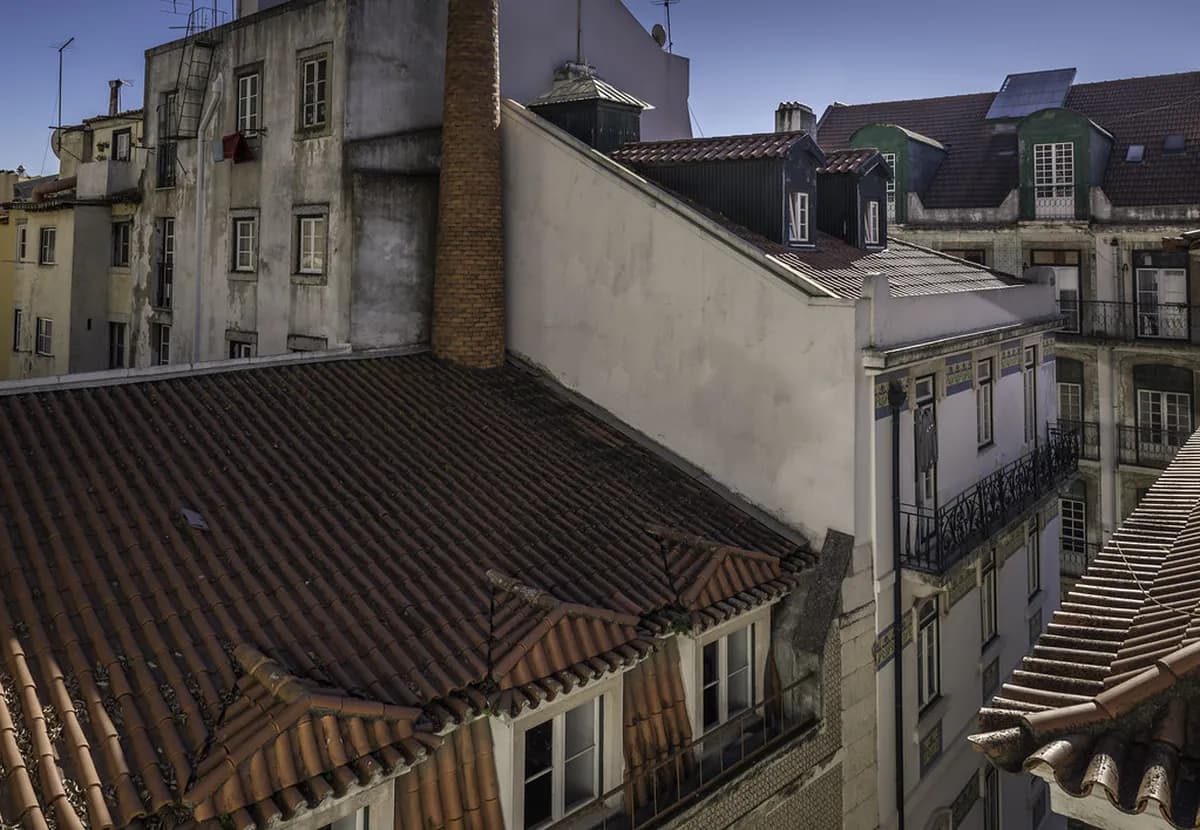
Alfama survived the devastating 1755 earthquake, preserving its medieval layout and unique soul. Today, locals still hang laundry from balconies while visitors explore the steep, picturesque staircases. Planning your visit ahead of time ensures you catch the best sights without getting lost in the maze.
A Brief History of Alfama
Alfama is the oldest district in Lisbon, first settled by the Moors who gave it its name. The word derives from the Arabic al-hammad, meaning "hot spring." After the Portuguese reconquest in 1147, the area became home to sailors, fishermen, and the working poor.
Its narrow, winding streets are what saved it. When the catastrophic 1755 earthquake and subsequent tsunami destroyed most of Lisbon, Alfama's irregular medieval layout survived largely intact. That makes it the only neighborhood in the city where you can still walk streets shaped by the Moors nearly a thousand years ago.
Fado music, though born in the adjacent Mouraria district, became synonymous with Alfama over the twentieth century. The neighborhood's melancholy atmosphere — its steep hills, laundry lines, and sea-facing terraces — gave the genre its visual identity. Today that heritage is protected as UNESCO Intangible Cultural Heritage.
Must-See Alfama Attractions
The historic heart of Lisbon holds several iconic monuments that anchor any visit. Start at the top of the hill with Castelo de São Jorge, a Moorish fortress conquered by Dom Afonso Henriques in 1147. Entry costs €15 in 2026 for adults; the castle grounds include a museum, peacocks roaming the courtyards, and a camera obscura in the Ulysses Tower with real-time panoramas of the city.
Walk downhill from the castle toward the Sé Cathedral, Lisbon's oldest church, begun in 1147 on the site of a former mosque. The Romanesque facade with its two flanking towers is best photographed from across the tram stop on Rua de Augusto Rosa. Entry to the main nave is free; the cloister and treasury require a ticket (€3–€7).
The Fado Museum at Largo do Chafariz de Dentro 1 covers the full social history of the genre with recordings, instruments, and exhibits on legendary performers. It is open Tuesday to Sunday and costs €5 for adults. Allow 45 minutes. Do not miss the Unique Things To Do In Lisbon Travel Guide that cluster near this museum, including the narrow streets of lower Alfama that most visitors skip entirely.
The Church and Monastery of São Vicente de Fora
São Vicente de Fora is one of the most rewarding stops in Alfama, yet many visitors walk past the entrance without realizing what is inside. The church facade dates from the early 17th century and is impressive on its own. But the real draw is the attached monastery, which costs €5 to enter and contains one of the finest azulejo collections in Portugal.
An entire floor of the monastery is lined with 18th-century blue and white tiles illustrating the Fables of La Fontaine. The scenes are labelled, which makes them accessible even for children. Adjacent corridors hold the Royal Pantheon of the House of Bragança, the last Portuguese royal dynasty, with marble tombs in the floor.
The monastery also has a tower you can climb for sweeping rooftop views over Alfama and the Tagus River. This viewpoint is far less crowded than Portas do Sol yet offers a comparable panorama. A 12th-century cistern, still visible in the lower levels, is a quiet architectural curiosity that most guided tours do not mention.
The National Pantheon (Igreja de Santa Engrácia)
The National Pantheon is a striking baroque monument that dominates the skyline above Alfama. It took nearly three centuries to complete, beginning in the 16th century and finally finished in the 1970s — giving rise to the Portuguese expression "works of Santa Engrácia" for anything that drags on endlessly. Today it serves as the final resting place of important national figures including Fado singer Amália Rodrigues and footballer Eusébio.
Visitors can climb to the massive dome for incredible 360-degree views over the Tagus and the city's red-roofed skyline. Entry is €10 in 2026; the Lisboa Card covers admission. The interior's white marble and gilded cenotaphs reward a slow visit. Open Tuesday to Sunday from 10:00 to 17:00.
The Lisboa Card covers admission to the National Pantheon (€10), Castelo de São Jorge (€15), and the Fado Museum (€5), and includes unlimited public transport. It pays for itself quickly if you plan to visit more than two of these attractions in a single day.
Combine your visit with a stop at the small Jardim Botto Machado directly behind the Pantheon. This shaded park is ideal for a coffee break and offers river breezes. It is far less photographed than the main viewpoints and serves as a natural transition to the Feira da Ladra market just steps away.
Miradouro das Portas do Sol
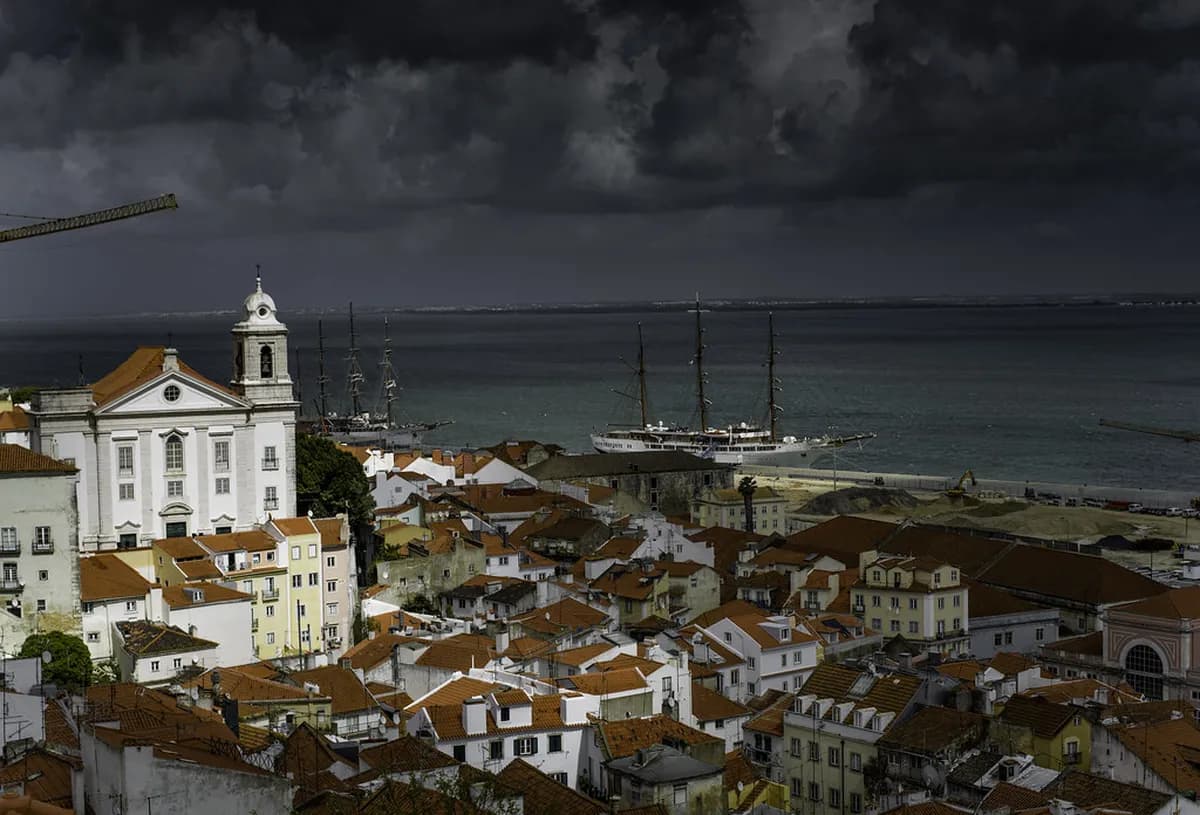
Miradouro das Portas do Sol is arguably the most iconic viewpoint in the city. The name means "Gates of the Sun" — in the Moorish era, this was the main eastern entrance to Lisbon. Today it offers an open balcony facing the red rooftops of Alfama, the Pantheon dome, and the Tagus stretching to the horizon.
Two observation decks and a small kiosk make it easy to linger here for 20–30 minutes. A statue of Saint Vincent, Lisbon's patron saint, stands at the edge. The spot is busiest between 11:00 and 14:00; arrive before 09:00 or after 17:00 for quieter conditions and better light.
Miradouro de Santa Luzia is located immediately adjacent and is often quieter. Its walled garden, fragrant with bougainvillea, provides shade and a different angle on the rooftops below. The facade of the adjacent Church of Santa Luzia carries two large azulejo panels: one shows the Portuguese conquest of São Jorge Castle, the other depicts Praça do Comércio before the 1755 earthquake. Both panels are worth studying slowly. If you prefer quieter spots, search for Secret Viewpoints In Lisbon Travel Guide to find the lesser-known terraces that locals favor.
Feira da Ladra and Alfama Street Life
Feira da Ladra — the "Thieves' Market" — is Lisbon's oldest flea market, operating in the Campo de Santa Clara square on Tuesdays and Saturdays from 09:00 to approximately 17:00. You will find everything from vintage azulejo tiles and communist-era postcards to second-hand books, old coins, and handmade jewelry. Prices are negotiable; arriving before 10:00 gives you the best selection before tour groups arrive.
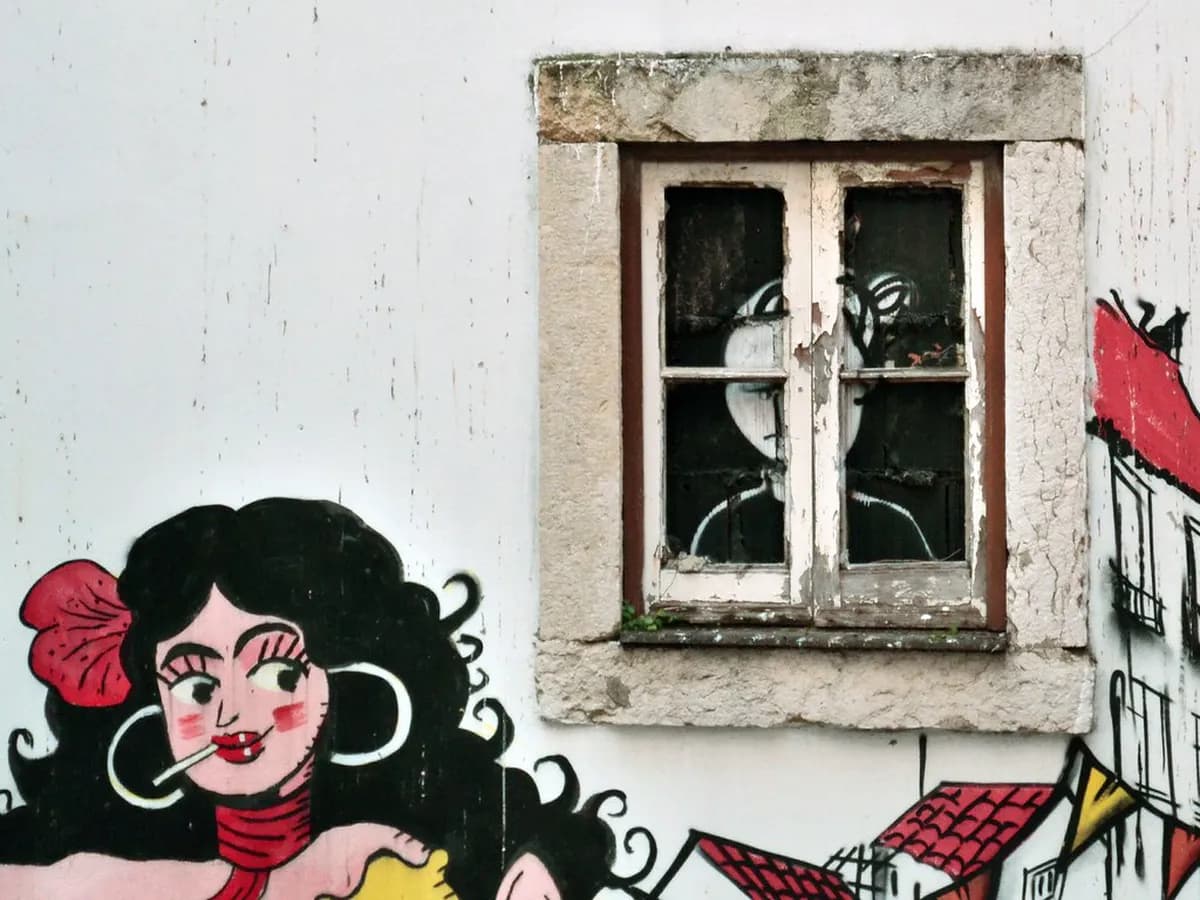
Beyond the market, Alfama rewards slow wandering more than any list of specific spots. The Beco da Corvinha holds a large mural of a fishwife carrying her basket — a tribute to the women who once sold sardines door to door. Near the Miradouro de Santa Luzia, a pedestrian tunnel painted by artist Nuno Saraiva tells Portugal's entire history in comic-strip format. And at Rua dos Cegos 20, a tiny house survived the 1755 earthquake intact: the oldest house in Lisbon, now a private residence but worth locating on foot.
June is the best month to experience Alfama at peak vitality. The Santos Populares festival (12–13 June) turns the neighborhood into a continuous street party with grilled sardines, paper decorations, and live music until dawn. Small shrines to Saint Anthony appear in doorways throughout the month, decorated by neighborhood children. No competitor guide covers this timing detail explicitly, yet locals consider June the single best window to see Alfama as it lives rather than as a museum piece. After exploring the market, the Mouraria Lisbon Guide Travel Guide covers the adjacent district where Fado was actually born.
Fado Concerts in Alfama
Fado originated in Mouraria but Alfama is now its spiritual home. Live concerts run nightly in small venues called casas de fado, where the music is typically paired with dinner. The experience is intimate — tables seat 20 to 30 people, the performer is metres away, and the etiquette is strict: no talking while Fado is being sung.
The genre's sound is built around saudade, a Portuguese concept of longing with no direct English translation. Songs are traditionally melancholic, written by women who waited months for sailor husbands to return from Atlantic voyages. Hearing it live in Alfama, where those sailors once lived, gives the music a context no recording can replicate.
Three well-regarded venues in 2026: Clube do Fado on Rua de São João da Praça, Pastel do Fado on Rua do Vigário, and Sr. Fado de Alfama on Rua dos Remedios. All three require advance booking, especially on weekends. Expect to pay €20–€40 per person including dinner. Cheaper "fado vadio" nights exist at neighbourhood tasca restaurants with no fixed price, though quality varies widely.
| Attraction | Entry (2026) | Hours | Highlight |
|---|---|---|---|
| Castelo de São Jorge | €15 | Daily 09:00–21:00 | Moorish fortress, camera obscura, city views |
| Sé Cathedral | Free (nave); €3–€7 cloister | Daily | Romanesque facade, oldest church in Lisbon |
| Fado Museum | €5 | Tue–Sun | Fado history, instruments, legendary performers |
| São Vicente de Fora monastery | €5 | Tue–Sun | Azulejo fables, Royal Pantheon, tower views |
| National Pantheon | €10 | Tue–Sun 10:00–17:00 | Baroque dome, 360° views, Amália Rodrigues tomb |
How to Get to Alfama Lisbon
The most underrated route into Alfama is via Lisbon's public elevators. From the Baixa district, walk to Rua dos Fanqueiros and take the Elevador Castelo (a blue-and-white tiled building at number 170) to the top. A second elevator at Largo Chão do Loureiro, near the Pingo Doce supermarket, carries you seven floors up to exit near Restaurant Zambeze. From there, São Jorge Castle is a short, mostly flat walk. These elevators are free with a Lisboa Card or charged at the standard metro fare otherwise. Using them means you only walk downhill for the rest of the day — a significant advantage with children or heavy camera gear.
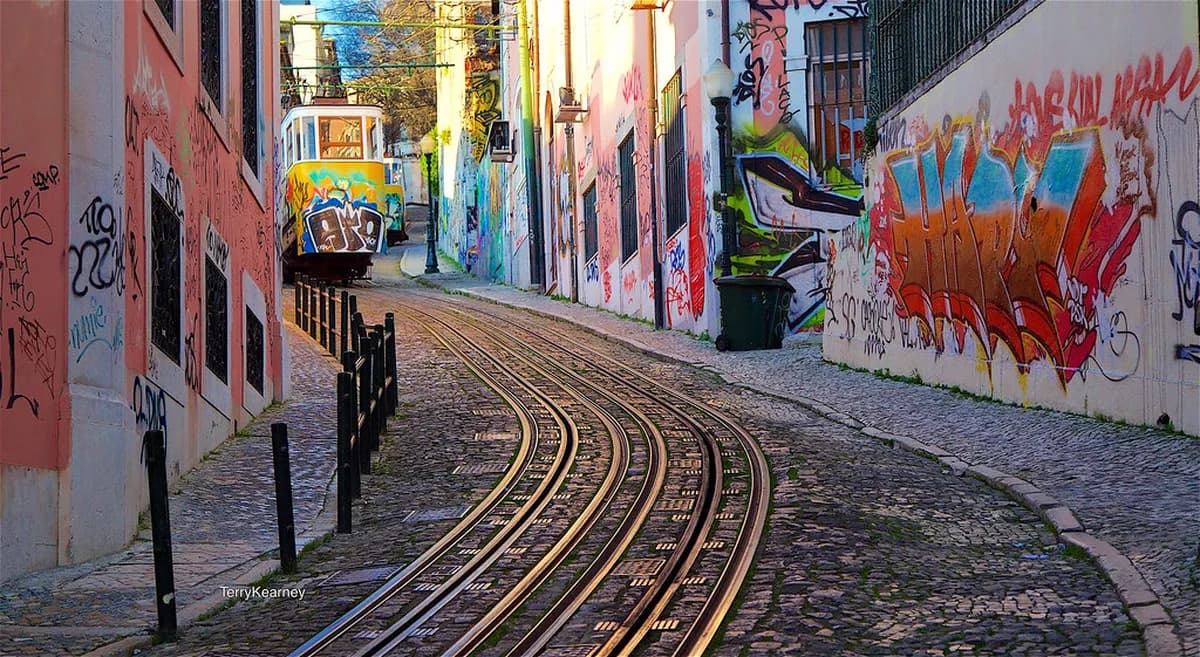
The famous Tram 28 also runs through Alfama's main streets and is a legitimate tourist attraction in itself. The yellow cars date from the 1930s and remain in service because modern trams are too wide for Alfama's tracks. The first departure from Martim Moniz is at 05:40 on weekdays; between 09:00 and 18:00 trams run roughly every 8–10 minutes. Queue times can exceed one hour at Martim Moniz. Trams 12 and 24 use overlapping routes with consistently shorter queues. Keep valuables in inside pockets — the tram is a known pickpocket target.
Tram 28 is a notorious pickpocket hotspot during peak hours (09:00–18:00). Keep valuables in inside pockets or a front-facing bag, and be especially vigilant when the tram is crowded at stops near Martim Moniz and Alfama.
The metro station Santa Apolónia (Blue Line) places you at the river level, a 15-minute uphill walk from the heart of Alfama. From the Baixa-Chiado station, the walk takes about 20 minutes along flat riverside streets before the climb begins. Taxis and rideshare apps reach the main plazas easily; cars cannot access the narrowest alleys, so expect to walk the final stretch regardless.
How to Plan a Smooth Alfama Day
The optimal route runs top to bottom. Take the public elevator from Baixa to the castle level, visit Castelo de São Jorge first (opens 09:00, quietest before 10:30), then walk downhill past São Vicente de Fora, the National Pantheon, and Feira da Ladra (Tuesday or Saturday). Continue down to the twin viewpoints of Portas do Sol and Santa Luzia, then descend further to the Sé Cathedral before finishing at the riverside. Allow a full day — three hours for a highlights sprint, six for a relaxed visit with stops inside buildings.
Wear shoes with grip. The calçada portuguesa cobblestones become slippery in rain and surprisingly smooth in dry heat. Strollers are not practical on most of Alfama's stairs; a baby carrier is far easier. Refreshment stops are well-distributed — small pastelarias appear every few streets and are dramatically cheaper than the kiosk at Portas do Sol.
Reviewing a Best Time To Visit Lisbon Without Crowds Travel Guide guide helps optimize your dates. Midweek mornings are noticeably quieter than weekend afternoons, particularly at the castle and the twin viewpoints. If you visit on a non-market day, the Campo de Santa Clara square near Feira da Ladra is peaceful and makes a good picnic spot with river views.
Where to Stay in Alfama
Staying inside Alfama puts you within walking distance of every attraction and lets you experience the neighborhood's quiet early-morning atmosphere before tourists arrive. The Pousada de Alfama offers a genuinely historic setting with comfortable rooms close to the main viewpoints. For more modern amenities, the Tandem Palacio Alfama Suites combines boutique design with a central location steps from key landmarks.
Budget travelers will find value in the Tiny Gem Alfama, a compact but well-reviewed guesthouse that keeps you close to the Fado venues and the market. For apartment-style space — useful for families navigating the neighborhood's steep terrain — the Lisbon Best Choice Apartments offer flexibility and kitchen access.
Book at least six to eight weeks ahead for summer stays. August in particular sees Alfama fill quickly; prices for any accommodation inside the historic center spike significantly versus the broader Lisbon average. Staying in nearby Mouraria or Graça costs less and is a short walk away, but you lose the atmospheric benefit of being inside Alfama itself.
Frequently Asked Questions
How to see Alfama? – Your sightseeing plan
The best way to see Alfama is by starting at the hilltop Castelo de São Jorge and walking downwards. This route saves your energy and guides you naturally past major viewpoints like Santa Luzia. Plan for at least half a day to explore the main alleys without rushing.
Alfama – What and where to eat?
Alfama is famous for traditional grilled sardines and local Portuguese dishes. For lunch, look for small family-run taverns called tascas tucked away in the side streets. Be sure to try a glass of local wine alongside your fresh seafood meal.
How to get to Alfama?
You can easily reach Alfama by taking the metro to Santa Apolónia station or riding the historic Tram 28. Walking from the downtown Baixa district is also highly scenic but involves steep climbs. Taxis can drop you near the main plazas.
Alfama remains the beating heart of Lisbon's rich history and culture. Wandering through its ancient streets offers an unforgettable look into the city's soul. With proper planning, your visit will be both smooth and deeply rewarding.
Remember to wear comfortable shoes and embrace the slow pace of local life. Take time to savor the music, views, and historic charm of this unique district. Your adventure in Portugal's oldest neighborhood awaits.
Use our Lisbon hidden gems hub to plan the rest of your trip.
Continue exploring
More guides you'll find useful