Lisbon Neighborhoods Guide Travel Guide
Plan your trip with our lisbon neighborhoods guide featuring top picks, neighborhood context, and practical booking advice for a smoother trip.
On this page
Lisbon Neighborhoods Guide
Finding the right base in Lisbon shapes almost every part of your visit. The city is built on seven steep hills, so where you sleep determines how much energy you spend just getting around each day. This lisbon neighborhoods guide cuts through the noise and gives you the practical trade-offs for each area, so you can book with confidence rather than guesswork.
Lisbon's districts feel genuinely different from one another — not just in architecture but in pace, noise level, and who else is staying there. Before committing to an area, think about whether you value flat streets over atmosphere, local dining over easy sightseeing, or budget over location. The right answer changes depending on your trip length and priorities. You can also read about places to visit in Lisbon for free to plan your daily budget once you've locked in your neighborhood.
Quick overview of Lisbon's main neighborhoods
Most first-time visitors do well staying in Chiado, Baixa, or Príncipe Real. These three zones cover the widest range of traveler types and are close enough to each other that you will not feel like you made the wrong call. If you want luxury and wide streets, Avenida da Liberdade is the right move. If you are returning to Lisbon or want a quieter, more local base, consider Estrela or Graça.
The table below gives a fast reference for each area before the full breakdowns:
- Chiado — best overall balance for first visits; elegant, central, walkable, slightly pricier
- Baixa — flattest terrain, maximum convenience, very touristy
- Príncipe Real — stylish, quieter, good for 2+ nights, some hills
- Bairro Alto — nightlife hub, lively evenings, no metro stop, can be loud
- Avenida da Liberdade — luxury hotels, grand boulevard, less intimate
- Alfama — most atmospheric, steep streets, harder with luggage
- Mouraria — multicultural character, lower prices, steep streets
- Estrela / Lapa / Santos — local and calm, no metro, better value
Where to stay in Chiado
Chiado is the neighborhood most experienced local guides recommend for a first stay in Lisbon. It sits at the intersection of atmosphere and convenience — elegant 18th-century facades, patterned pavements, and glimpses of the river — while still offering two metro lines, multiple bus routes, and tram 28 passing nearby. You can walk to the main sights in Baixa, Príncipe Real, and Bairro Alto without getting on any transport at all.
The dining and nightlife scene here is refined rather than rowdy. Historic cafés like A Brasileira on Rua Garrett anchor the daytime culture, while the streets around Praça Luís de Camões fill with people in the evenings without becoming the chaotic bar scene that Bairro Alto produces. For most visitors, that balance is exactly right.
The main downside is cost. Chiado is one of the priciest areas for accommodation and restaurants, and in peak season (June–August 2026) it draws heavy tourist foot traffic. If you find the prices too high or want to avoid the crowds, Príncipe Real just uphill offers a similar character at slightly lower hotel rates. That said, for a first-time visitor with three to five nights, Chiado is the single easiest choice in the city.
Boutique guesthouses in Estrela and Lapa run €80–160 per night in 2026, compared to €180–350 in Chiado for equivalent quality. Both neighborhoods share Tram 28 access to the historic centre.
Baixa: the flat, central option
Baixa sits just below Chiado, between the castle hill and the Tagus river. It was rebuilt on a strict grid after the 1755 earthquake under the Marquês de Pombal, which gives it wide, flat streets that are rare anywhere else in central Lisbon. For deeper context on the Pombaline earthquake reconstruction, the neighborhood's architectural heritage is documented in historical records. If you are traveling with heavy luggage, mobility considerations, or young children in a stroller, Baixa eliminates the cobblestone problem that plagues most other central neighborhoods.
The trade-off is atmosphere. Baixa is Lisbon's most commercial zone — the main pedestrian street, Rua Augusta, is lined with international brands, souvenir stalls, and tourist-facing restaurants. You will not find many locals eating or shopping here. That said, you are within a short walk of Praça do Comércio and the riverside, Rossio Square, the Santa Justa Lift, and the arch viewpoint on Rua Augusta, which are all genuinely worth visiting. The Baixa-Chiado metro stop connects you to the whole city in minutes.
Baixa makes the most sense for visitors arriving for one or two nights who want maximum convenience without having to think hard about transport. It is also a good fall-back when Chiado hotels are sold out or too expensive. Noise from street activity can be an issue — if you are a light sleeper, ask specifically for a room on a quieter inner courtyard when booking.
Príncipe Real
Príncipe Real sits just uphill from Chiado and Bairro Alto, making it one of Lisbon's most attractive positions: close enough to walk to the center in about 25 minutes, but removed from the busiest tourist corridors. The neighborhood is known for its grand 19th-century mansions, independent concept stores, leafy squares, and one of Lisbon's most welcoming LGBTQ+ scenes — legendary clubs like Trumps and Finalmente are based here, alongside a string of excellent cocktail bars around Jardim Fialho de Almeida.
From a sightseeing perspective, the area rewards wandering rather than ticking off attractions. The tiled Embaixada palace shopping gallery on Rua da Escola Politécnica is worth an hour of your time. The Jardim do Príncipe Real, anchored by an enormous 150-year-old cedar tree, is the kind of square where you sit for two hours longer than planned. The Botanical Garden and the Miradouro de São Pedro de Alcântara viewpoint are both within a short walk. For a deeper dive, our Príncipe Real Lisbon guide covers the neighborhood in full.
Hotels here tend to be boutique and mid-to-upper price range. The area sits on a gentle hill, so expect some uphill walking unless you rely on taxis or the Rato metro stop, which is about a 10-minute walk from most accommodation in the heart of the district. Príncipe Real is the strongest choice for visitors spending at least two nights who want a central but genuinely local feel. It is also the area most recommended by long-term Lisbon residents rather than standard tourist guides.
Bairro Alto
Bairro Alto is widely considered the best neighborhood in Lisbon for nightlife. From Thursday through Sunday, the narrow grid of streets fills with people drinking at outdoor tables, moving between small bars, and ending the night at Fado houses tucked between apartment blocks. The area draws a mix of locals, expats, and tourists, which gives it a more cosmopolitan energy than purely tourist zones like Baixa.
During the day, the same streets are quiet to the point of sleepy. Laundry hangs from iron balconies, independent art galleries and quirky boutiques occupy ground-floor spaces, and the viewpoint at Miradouro de São Pedro de Alcântara offers sweeping views over the Baixa rooftops toward the river. It is a pleasant daytime neighborhood. The food scene is genuinely excellent, with a strong mix of traditional Portuguese tascas and international restaurants that cater more to residents than to tourists.
One practical caveat if you are considering sleeping here: Bairro Alto has no metro stop, so you will be walking to Baixa-Chiado or Rato to reach the metro. More importantly, the noise on Friday and Saturday nights can be significant. Buildings in this neighborhood are old, and walls are thin. If you prioritize quiet evenings, base yourself in Príncipe Real or Chiado instead — both are within a 10-minute walk of Bairro Alto's bars and restaurants, which gets you the best of both worlds. Families with young children and older travelers will generally find the area less practical than neighboring districts.
Bairro Alto has no metro stop and old thin-walled buildings that transmit bar noise directly into rooms on Friday and Saturday nights. Light sleepers should book in Príncipe Real or Chiado instead.
Why stay near Avenida da Liberdade
Avenida da Liberdade is Lisbon's grand luxury boulevard — a wide, tree-lined promenade that connects Baixa in the south with Parque Eduardo VII at the northern end. The sidewalks are flat, shaded, and generous, which makes daily walking here noticeably more comfortable than in the historic center on hot summer days. Most of Lisbon's five-star hotels are concentrated in this corridor, many of them inside restored historic palaces or elegant 19th-century townhouses on the quieter side streets just off the main avenue.
The area suits business travelers, couples celebrating a special occasion, and anyone who prioritizes comfort and service over neighborhood atmosphere. The Marquês do Pombal metro station at the northern end gives you fast access to the airport and Oriente station for day trips. From the southern end near Restauradores Square, you are five minutes from Baixa on foot. One drawback is that the area around Marquês do Pombal feels business-focused and traffic-heavy, so position matters when choosing a specific hotel.
Worth noting for families: Avenida da Liberdade avoids the steep, slippery cobblestones that make pushing strollers difficult in Alfama and Bairro Alto. Parque Eduardo VII, at the top of the boulevard, has wide paths and the Estufa Fria greenhouse, which is a good stop for children. Room rates here run higher than elsewhere in Lisbon, but the trade-off in walkability and comfort is real.
Best hotels in Avenida da Liberdade and Marquês do Pombal
The most prestigious address on the boulevard is the Torel Palace Lisbon, set in a restored 16th-century palace with grounds, indoor and outdoor pools — a rarity for central Lisbon — and a full spa. It sits within walking distance of both Baixa and Chiado. For a boutique alternative with strong architectural character, the Bairro Alto Hotel on nearby Praça Luís de Camões is technically in Chiado but close enough to the Avenida corridor to be considered.
Mid-range options cluster on the quieter side streets off the main boulevard. These are typically four-star boutique hotels in historic buildings, where rates run between €150–250 per night in 2026 shoulder season. The Inspira Santa Marta is a consistently well-reviewed example: four-star, contemporary interiors, small indoor pool, and positioned on a peaceful street about five minutes from the Avenida metro stop.
If you want apartment-style space while staying in this corridor, several serviced apartment buildings on the side streets offer fully equipped units designed by Portuguese designers. These work well for stays of four nights or more, particularly for couples or solo travelers who prefer cooking some meals in rather than eating out every night.
Estrela, Lapa, and Santos: the local alternative
This trio of adjacent neighborhoods sits just west of Chiado and is almost entirely overlooked in standard tourist guides. That is precisely the point. Estrela, Lapa, and Santos are residential, elegant, and full of local cafés and restaurants that price their menus for the people who actually live there. You will not encounter souvenir shops or tourist menus. For an overview of Lisbon's full district landscape, Visit Lisboa's historic neighborhoods guide profiles each area with official context. The streets around Jardim da Estrela — one of Lisbon's best public gardens — feel genuinely calm even on summer afternoons.
The practical trade-off is transit. There is no metro stop in this cluster of neighborhoods. You will rely on the 25E and 28E trams, buses, or occasional taxis to reach the Baixa-Chiado metro or Rato station. For most itineraries that is a 15–20 minute journey on public transport rather than a walk. If your trip includes a lot of early-morning activities in the historic center, this extra step becomes noticeable.
Where this area wins is on price and authenticity. Boutique guesthouses here run €80–160 per night in 2026, compared to €180–350 in Chiado for equivalent quality. The Basilica da Estrela, the beautiful Jardim da Estrela, and the Santos riverfront with its design galleries and café culture give you enough within walking distance to fill a morning without going anywhere. For repeat visitors to Lisbon, or for anyone who has already done the standard sightseeing circuit, Estrela gives you a version of the city that feels lived-in rather than staged. You can combine a base here with our Alfama Lisbon guide for day excursions to the historic east side.
Alternative Lisbon neighbourhoods (when they make sense)
Beyond the core central areas, several neighborhoods offer genuine value if your trip matches their strengths. Graça, high on the eastern hill, combines village-like calm with some of Lisbon's best viewpoints — Miradouro da Graça is less crowded than Portas do Sol and worth the effort. Read our Graça Lisbon guide for a full breakdown of what to expect up there.
Mouraria, immediately below the castle, is one of Lisbon's most multicultural and historically layered districts. It borders Alfama and shares some of its steep terrain, but hotel prices are noticeably lower and the neighborhood feels less curated for visitors. Check our Mouraria Lisbon guide for specifics on streets, transport links, and where to eat. Further east, Marvila appeals strongly to visitors interested in contemporary art, craft beer, and converted industrial spaces. Our Marvila Lisbon guide covers the gallery circuit and the weekend market scene.
Belém, 30–45 minutes west along the river by tram, works best if you are staying five or more nights and want a slower, more riverside pace after covering the historic center. It hosts the Jerónimos Monastery, the Belém Tower, and several of Lisbon's best museums. For short stays focused on sightseeing, commuting in from Belém adds real friction. Avenidas Novas, directly north of Marquês do Pombal, is a practical choice for car travelers since it offers parking and wider streets, but it lacks the architectural character of the neighborhoods further south.
Lisbon central area map: understanding the layout
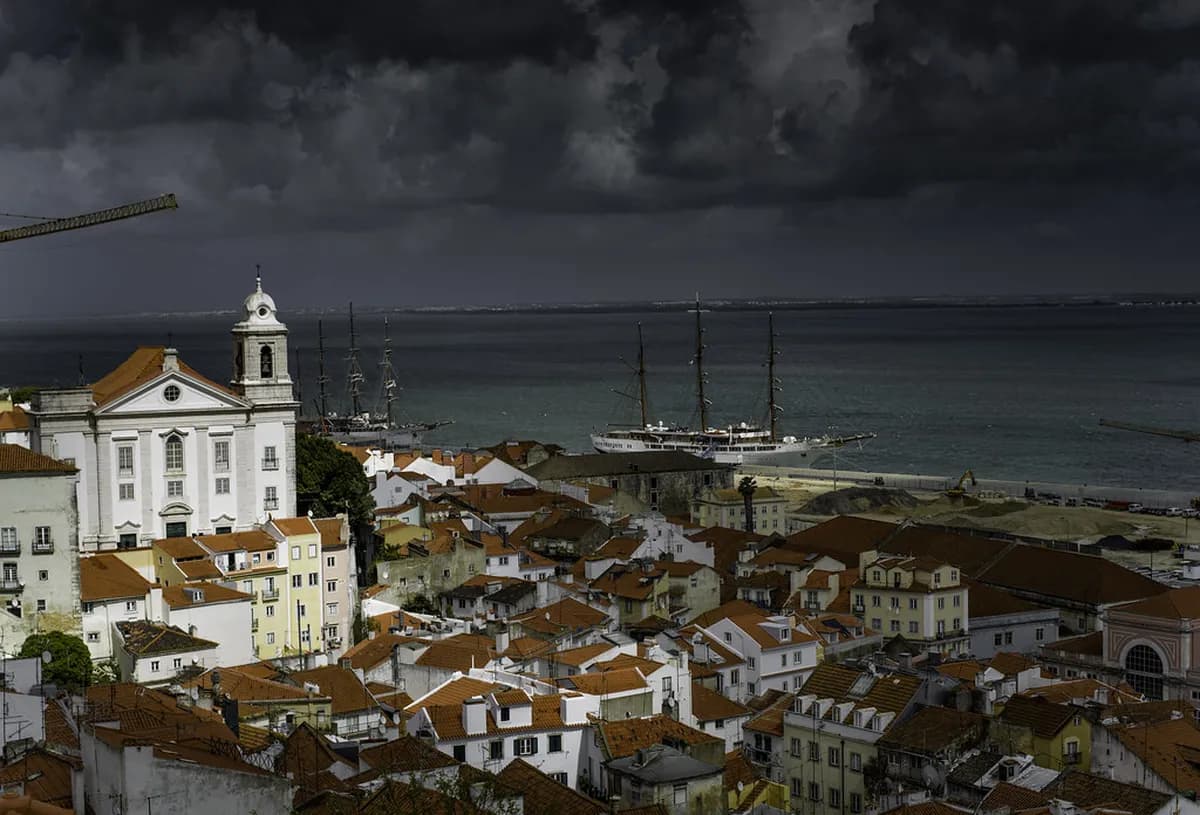
Lisbon's central neighborhoods form a rough north-south arc along the river. Baixa occupies the flat valley floor at the center, with Alfama rising steeply to the east and Chiado climbing to the west. Bairro Alto and Príncipe Real continue uphill from Chiado, while Avenida da Liberdade runs north from the lower edge of Baixa toward the modern business districts. Estrela and Santos sit to the southwest along the riverbank.
The key geographic fact is that only Baixa is genuinely flat. Every other central neighborhood involves some hills. Chiado is manageable on foot with some effort. Alfama and Graça are steep enough that lugging a large suitcase uphill requires real planning. Most visitors find the hills more tiring in summer heat than they expected from looking at a map — this is worth weighing seriously if you have mobility limitations or are traveling with very young children.
| Neighborhood | Terrain | Metro Access | Hotel Rate (2026) | Best For |
|---|---|---|---|---|
| Chiado | Hilly, manageable | Yes (Baixa-Chiado) | €180–350/night | First-time visitors |
| Baixa | Flat | Yes (Baixa-Chiado) | Varies | Max convenience, 1–2 nights |
| Príncipe Real | Gentle hill | ~10min walk to Rato | Mid-to-upper | 2+ nights, local feel |
| Bairro Alto | Hilly | No stop nearby | Varies | Nightlife lovers |
| Avenida da Liberdade | Flat boulevard | Yes (multiple stops) | High (5-star) | Luxury/business travel |
| Estrela / Lapa / Santos | Gentle slopes | No metro (tram/bus) | €80–160/night | Repeat visitors, budget |
Metro coverage is good in the Baixa-Chiado-Príncipe Real triangle, with stations at Baixa-Chiado, Rato, Restauradores, and Avenida covering the most-visited central areas. The Blue Line runs directly to the airport from Oriente, taking about 25 minutes. Trams 28E and 25E fill the gaps in areas the metro does not reach, including Alfama, Estrela, and Santos — but they run slowly and can be crowded in peak season. For a full overview of all Lisbon neighborhoods and their transit links, consult a detailed district map to plan your transport strategy.
Days in Lisbon: a practical itinerary by neighborhood
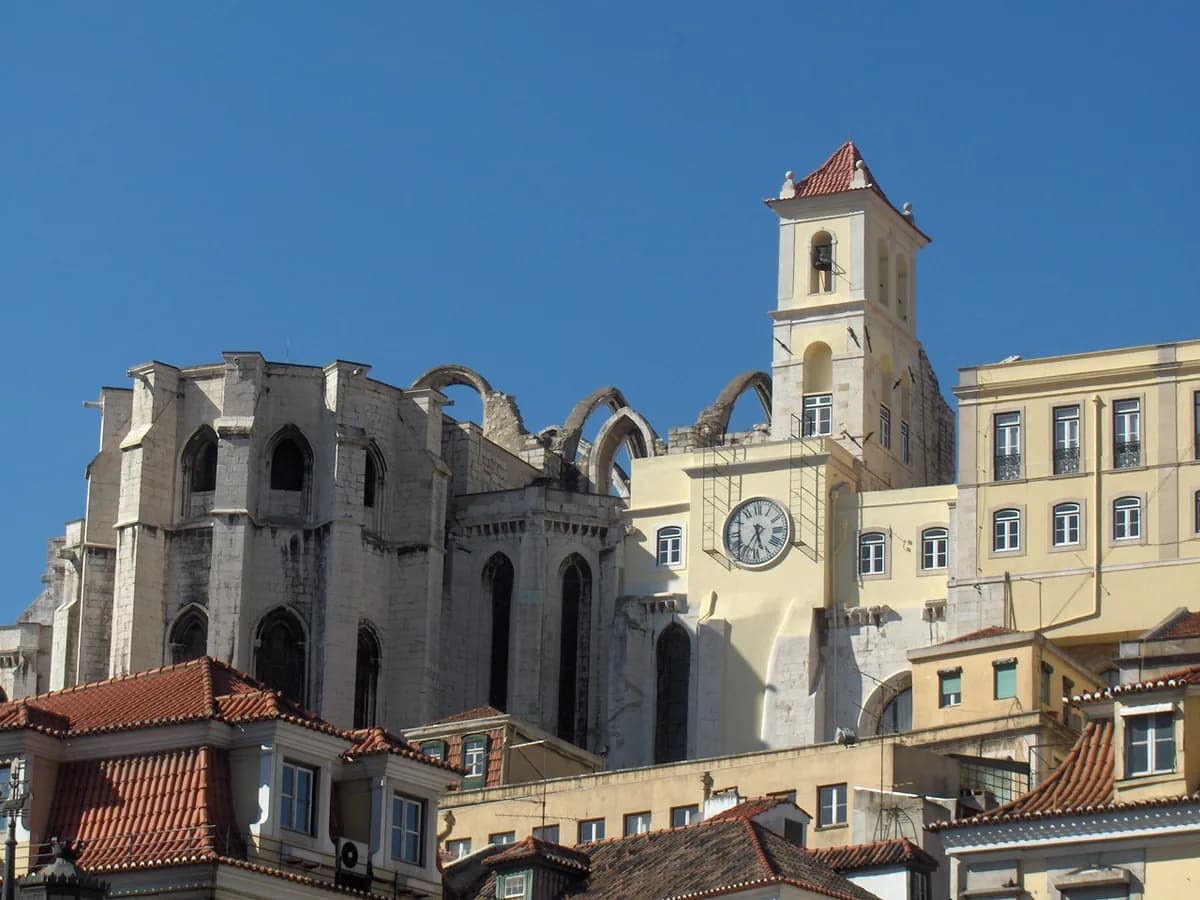
A three-day visit works best when you group nearby neighborhoods together by day rather than criss-crossing the city. On your first day, stay in the flat zone — walk Rua Augusta from Rossio down to Praça do Comércio, ride the Santa Justa Lift for castle views, and spend the afternoon in Chiado around Largo do Carmo. In the evening, head uphill to Bairro Alto for dinner and, if you like, a few bars afterward.
On day two, dedicate the morning to Alfama. The neighborhood is quietest before 10:00 and the light on the castle is best in the early hours. You can book a stay at the Alfama Lisbon Lounge Suites if you want to be based in the historic east side. In the afternoon, work your way west through Mouraria to Príncipe Real — the Embaixada gallery and the Jardim do Príncipe Real make a natural stopping point, and the area has excellent restaurants for dinner.
Reserve day three for Belém and the waterfront. The Jerónimos Monastery, Belém Tower, and MAAT gallery are all clustered in a 1.5km stretch along the river. Take the 15E tram from Cais do Sodré rather than an Uber — it runs along the riverside and the views are part of the experience. Return in the late afternoon and spend the early evening on Avenida da Liberdade, picking up any last shopping before dinner back in Chiado or Príncipe Real.
Frequently Asked Questions
Which lisbon neighborhoods guide options fit first-time visitors?
Chiado and Baixa are the best choices for first-time visitors to Lisbon. These central areas offer flat streets, excellent public transport, and close proximity to major sights. Staying here makes navigating the city incredibly easy.
What is the best Lisbon neighborhood for nightlife?
Bairro Alto is the undisputed hub for nightlife in Lisbon. The narrow streets are packed with bars, restaurants, and traditional Fado houses. It comes alive after dark, making it perfect for night owls.
Is it better to stay in Alfama or Chiado?
Alfama offers historic charm and steep, winding streets, which is great for a romantic feel. Chiado provides modern conveniences, flatter streets, and better transport links. Choose Chiado for convenience and Alfama for traditional atmosphere.
How do I avoid crowds when visiting Lisbon?
To enjoy a quieter trip, read our guide on the best time to visit Lisbon without crowds. Visiting during the shoulder seasons of spring and autumn offers great weather with far fewer tourists.
Choosing the right base in Lisbon depends entirely on your travel style and physical preferences. Whether you prefer the luxury of Avenida da Liberdade or the historic charm of Alfama, this city has a perfect corner for everyone. We hope this lisbon neighborhoods guide helps you plan an unforgettable trip to the Portuguese capital.
Combine this with our main Lisbon hidden gems guide for a fuller itinerary.
Continue exploring
More guides you'll find useful