Museu Medeiros e Almeida Lisbon: Your Essential Visitor's Guide
Explore Lisbon's Medeiros e Almeida House Museum with our essential visitor guide. Get practical tips on hours, tickets, collection highlights, and nearby attractions for a memorable visit.
On this page
Medeiros e Almeida House Museum: Your Comprehensive Visitor Guide
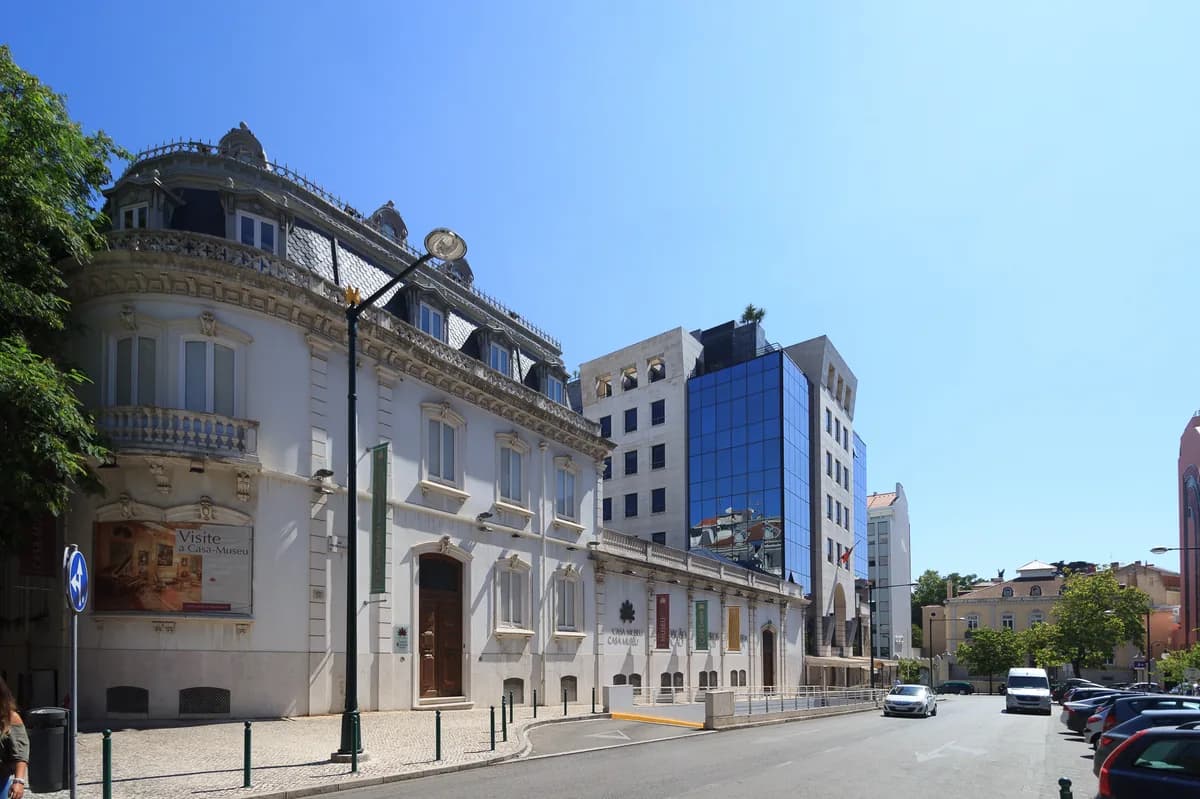
The Medeiros e Almeida House Museum is one of Lisbon's finest surprises — a 19th-century mansion on Rua Rosa Araújo that doubles as one of Portugal's most important decorative arts collections. António de Medeiros e Almeida spent decades assembling roughly 2,000 works of art across 27 rooms, then bequeathed the entire estate for public enjoyment. The result is a museum that feels nothing like a museum: half private home, half curated gallery, all absorbing.
A Glimpse into History: António de Medeiros e Almeida and His Legacy
António de Medeiros e Almeida was born in Lisbon in 1895 to a prosperous family with Azorean roots. He entered medical school in 1914 but left after three years to pursue business, spending time in Germany before establishing himself as an automobile importer. His dealerships handled Morris, MG, Wolseley, and Riley cars — English marques that sold poorly on Lisbon's cobblestones until suspension improvements in the early 1930s changed everything. From there his interests expanded into civil aviation, hotels, sugar, and alcohol, eventually spanning more than twenty companies.
The fortune this generated fed a growing passion for collecting. Medeiros e Almeida and his wife Margarida had no children, which freed considerable resources for acquisitions. The post-war antiques market was particularly rich in bargains, and he pursued decorative arts, paintings, clocks, porcelain, and silver across multiple categories with genuine connoisseurship rather than mere accumulation.
In 1943 he purchased the 19th-century manor on Rua Rosa Araújo, close to his parents, and had architect Carlos Chambers d'Oliveira Ramos refurbish it as both home and showcase. By the 1960s the couple were already planning a permanent museum. In 1971 they commissioned architect Alberto Cruz to construct a purpose-built wing in the garden. Margarida died that same year; António followed in 1986. He had left meticulous instructions, including a Foundation to manage the collection and a rental property scheme to fund operations. The museum opened its doors in 2001.
The Collection Unveiled: Highlights of Art and Decorative Arts
The collection spans roughly 2,000 objects and rewards slow looking. Medeiros e Almeida had a particular taste for French cabinetmakers: the Louis XIV and XV periods are represented by fine examples of ormolu, marquetry, and tortoiseshell inlay, including a bureau by André-Charles Boulle. The Louis XIV Room still carries its original colorful wood paneling, giving you the rare experience of seeing furniture in period surroundings rather than on a museum plinth.
Clocks and watches were perhaps his deepest obsession. Around 225 timepieces are arranged chronologically from the 16th century to the present, illustrating the full arc of European horology. Chinese ceramics run a close second: look for Han and Tang Dynasty burial vessels — tomb figures of horses, camels, and courtiers — alongside some of the earliest pieces produced in China specifically for Portuguese clients during the Ming Dynasty. These speak directly to Lisbon's role in opening global trade routes.
The Lake Room stops most visitors. Blue-and-white azulejo panels depicting the four continents and the seasons line the walls. A gilt fountain stands at the centre, flanked by 19th-century sculptures under a vividly painted ceiling. In the same wing, look for the English silver service that once belonged to Napoleon Bonaparte during his exile on St. Helena — a quietly extraordinary piece of history sitting in a Lisbon side street. Paintings by Pieter Brueghel the Younger, Jan Brueghel, Tiepolo, Ribera, Boucher, Delacroix, and Jan van Goyen round out a collection that runs decidedly toward the Old Masters.
The collection includes around 225 clocks and watches arranged chronologically from the 16th century to the present, arranged by depth of display and labeling that rewards slow looking at individual timepieces.
Planning Your Visit: Practical Information & Tips
The museum is at Rua Rosa Araújo 41, 1250-194 Lisbon, a short walk from Marquês de Pombal. Opening hours in 2026 are Monday to Saturday, 10:00 to 17:00, with last entry at 16:30. The museum is closed every Sunday and on Good Friday, 1 January, 1 May, and 24–25 December. Arrive on a weekday morning if you want the rooms largely to yourself.
A reduced ticket of €6 applies to seniors aged 65 and over, students, and Youth Card holders ages 12–29; anyone under 18 enters free, making it an affordable cultural stop for families with children old enough to appreciate decorative arts.
General admission is €8. A reduced ticket of €6 applies to seniors aged 65 and over, students, Youth Card holders (ages 12–29), Lisboa Card holders, and visitors with disabilities. Anyone under 18 enters free. A €1 surcharge applies during temporary exhibitions, and an annual pass costs €50. The Lisboa Card is worth considering if you plan to visit several paid attractions — it brings the ticket down to the reduced rate and covers public transport.
Guided and themed visits can be arranged by prior appointment with the museum. If you contact them in advance, a guide can walk you through specific parts of the collection — particularly useful for the clock and Chinese ceramics rooms, where the depth of what you are looking at is not immediately obvious from the labels. Otherwise, the museum is self-guided and relatively straightforward to navigate.
| Ticket Type | Price |
|---|---|
| General admission | €8 |
| Seniors (65+), students, Youth Card (12–29), Lisboa Card, visitors with disabilities | €6 |
| Under 18 | Free |
| Temporary exhibition surcharge | +€1 |
| Annual pass | €50 |
Wheelchair users can access the ground floor and are admitted free along with one companion. The original mansion has stairs to upper floors, so contact the museum before visiting if mobility is a concern. Photography without flash is permitted for personal use.
Getting There: Directions to the Museum
The most direct route from central Lisbon is by metro. Both the Blue Line (Gaivota) and Yellow Line (Girassol) stop at Marquês de Pombal, from where the museum is a five- to seven-minute walk north along Rua Rosa Araújo. Several bus lines also stop near Marquês de Pombal and Avenida da Liberdade. The museum fits naturally into a Lisbon itinerary focused on the elegant grid between Avenida da Liberdade and Parque Eduardo VII.
On foot from the lower city, the walk up Avenida da Liberdade is pleasant and about 15 minutes from Rossio. Taxis and ride-sharing are straightforward for a direct approach. Parking in central Lisbon is limited and rarely worth the effort; public transport is faster.
Optimizing Your Experience: Best Times to Visit & What to Expect
Arrive close to opening at 10:00 on a weekday and you may have the entire museum to yourself. This is not a minor perk — the experience of walking through 27 rooms without other visitors is genuinely rare in Lisbon in 2026. The motion-sensor lighting activates as you move from room to room, which adds an unexpectedly intimate quality. Weekday mornings in autumn or spring are the quietest; summer afternoons are busiest.
Plan for 1.5 to 2 hours. What makes this museum different from most — and what visitors often discover only after arriving — is that it is simultaneously a house and a museum. The original 19th-century mansion has been kept largely as it was during António's lifetime: his personal office, medicine cabinet, and bathroom with imported American home-gym equipment are all accessible. The 1971 wing is laid out as a conventional gallery. You move between the two without clear signage marking the transition, which means you are constantly reconstructing the collector from his objects. A short film about António and the collection plays near the end of the visit, so the story crystallises only after you have already formed impressions through the rooms themselves. This is an unusual and effective curatorial decision.
An audio guide is available to deepen your understanding of key pieces; confirm language availability when booking or on arrival. The museum's atmosphere is quiet and somewhat formal — not ideal for restless young children, but perfectly suited to anyone who enjoys unhurried looking.
Beyond the Museum Walls: Nearby Attractions & Itinerary Ideas
The museum sits in a compact cultural quarter that most tourists skip entirely. Within a single block you will find the Cinemateca Portuguesa (Portugal's national film archive, with a regular programme of screenings) and the Sociedade Nacional de Belas Artes. This makes for a rewarding half-day that stays entirely off the standard sightseeing trail.
For a full cultural day starting here, walk north after the museum to Parque Eduardo VII and the Estufa Fria greenhouse garden — a free, shaded detour that works especially well in summer. The Gulbenkian Museum is 15 minutes further and covers similar decorative arts territory on a much larger scale; visiting both on the same day gives you a useful sense of where Medeiros e Almeida's collection sits relative to Lisbon's finest institutions.
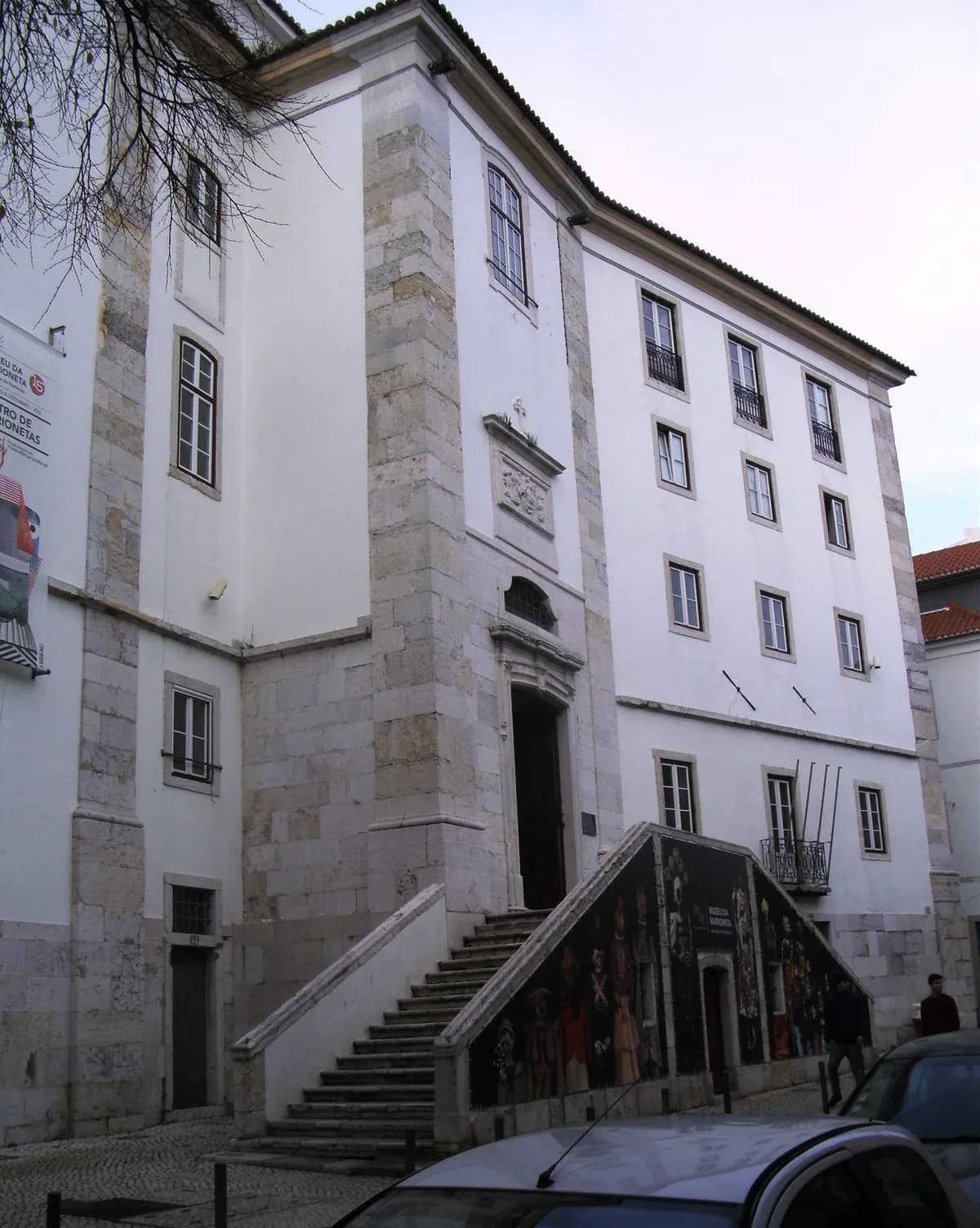
For something more unusual, head southwest to the Mãe de Água Reservoir, a cavernous 18th-century cistern near Praça das Amoreiras that rewards the detour. If you have time for one more stop, the Museu da Marioneta in Príncipe Real offers a completely different cultural register. End the day with dinner in Príncipe Real, which combines good restaurants with a quieter atmosphere than Baixa or Alfama.
Is the Medeiros e Almeida Museum Worth Visiting? A Review
For a first-time visitor to Lisbon with limited days, this museum probably sits below Belém, the National Tile Museum, and the Alfama on a priority list — those cover the city's defining stories more directly. But for a second visit, or for anyone with a genuine interest in decorative arts, house museums, clocks, Chinese ceramics, or Old Master painting, it is one of the best two hours you can spend in the city. The €8 ticket is fair; the collection is the equal of many institutions charging twice as much.
The museum rewards visitors who enjoy working things out for themselves. There is no dramatic curatorial narrative imposed on the rooms — you build a picture of António de Medeiros e Almeida from his bureau, his gym equipment, his Han Dynasty tomb figures, and his Napoleon silver. That accumulation of detail produces a kind of understanding of the man that a conventional biography could not. It is also a useful counter-programme for anyone who finds the larger Lisbon institutions overwhelming. The quieter setting, the manageable scale, and the coherence of a single collector's vision make it far more digestible.
If you are travelling with a Lisboa Card, the entry drops to €6 and the visit becomes an obvious inclusion on any list of Lisbon's mid-tier cultural stops. Visitors who love French furniture or the history of European horology will find individual rooms that justify the trip entirely on their own terms.
Frequently Asked Questions
How much time should you plan for visiting the Medeiros e Almeida House Museum?
Plan for about 1.5 to 2 hours to fully explore the Medeiros e Almeida House Museum. This allows you to comfortably view all the rooms and appreciate the extensive collection. Some visitors might spend a bit longer, depending on their interest in specific exhibits or historical details.
What are the must-see highlights within the Medeiros e Almeida collection?
Must-see highlights include the exquisite Lake Room, featuring Napoleon Bonaparte's silver bathtub. The museum also boasts impressive paintings by European masters and a vast collection of rare clocks. Do not miss the beautiful Chinese porcelain and period furniture throughout the house.
Is the Medeiros e Almeida House Museum suitable for families or children?
The Medeiros e Almeida House Museum is generally more suitable for adults and older children interested in art and history. Younger children might find the exhibits less engaging due to the focus on delicate artifacts and a quiet atmosphere. It is not designed with interactive children's activities.
What are the admission fees and opening hours for the Medeiros e Almeida Museum?
General admission is €8, with a reduced €6 ticket for seniors (65+), students, Youth Card holders (ages 12–29), Lisboa Card holders, and visitors with disabilities; anyone under 18 enters free. The museum is open Monday to Saturday, 10:00 to 17:00 (last entry 16:30), and closed on Sundays. Verify the latest details on the official Museu Medeiros e Almeida website before your visit.
How do I get to the Medeiros e Almeida House Museum using public transport?
You can easily reach the Medeiros e Almeida House Museum by metro. Take the Blue or Yellow Line to Marquês de Pombal station. From there, it is a convenient 5-7 minute walk to the museum. Several bus lines also have stops nearby.
Other Collectors' Rooms Behind a Plain Door
António Medeiros e Almeida kept buying — watches, Chinese porcelain, a Marie Antoinette tea service — and left the house arranged as he used it. Madrid's Museo Lázaro Galdiano is the same appetite one generation earlier. Paris's Musée Jacquemart-André built the mansion around the collection and the entertaining both.
The Medeiros e Almeida House Museum sits in an unusual position in Lisbon's cultural landscape: serious enough for the specialist, intimate enough for the generalist, and unhurried enough for anyone who finds the city's busier attractions exhausting. The €8 admission, the quiet rooms, and the peculiar pleasure of walking through a collector's actual home make it one of the city's most rewarding detours in 2026.
For the latest official information, see the Medeiros e Almeida House Museum official site and Medeiros e Almeida House Museum on Wikipedia.
Planning more of your trip? See our guides to hidden gems in Lisbon.
Continue exploring
More guides you'll find useful