Porto Attractions: 8 Must-See Sights & Places to Visit (2026)
Porto attractions 2026: 8 top sights with verified prices, free vs paid breakdown, neighbourhood map, and 1–3 day itineraries for things to do in Porto.
On this page
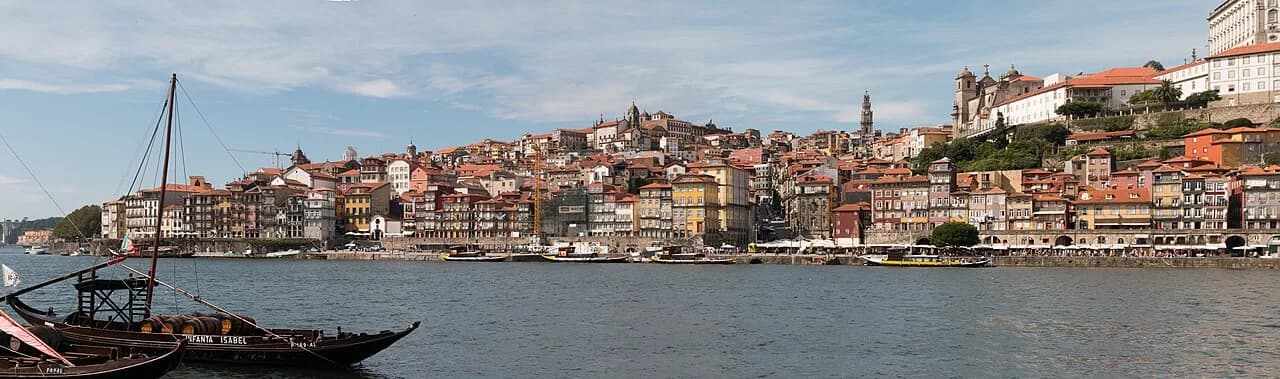
Porto's attraction landscape is unlike anywhere else in Portugal. The historic centre — a UNESCO World Heritage Site since 1996 — stacks Gothic churches, Baroque chapels, and azulejo-clad façades along steep medieval lanes that tumble down to the Douro riverfront. Cross the iron Dom Luís I Bridge and you reach Vila Nova de Gaia, where century-old port wine lodges age their blends in oak barrels overlooking the same river. Together, the two banks make Porto a city that rewards exploration in every direction.
What keeps Porto from feeling overwhelming is the walkable scale of its historic core. The eight attractions in this guide sit within three main neighbourhoods — Ribeira/Baixa, Santa Catarina, and Massarelos — all reachable on foot, by the famous vintage trams, or with a single metro trip. Admission costs vary widely: a few of the most photographed sights (Jardins do Palácio de Cristal, the azulejo façade of the Chapel of Souls) are free; the city's premium cultural draws — Serralves Contemporary Art Museum, Palácio da Bolsa — run €14–€24. Budget travellers can offset paid entries with the Porto Card, which unlocks free or discounted admission across more than 170 venues.
For 2026 visitors, a handful of practical details are worth flagging before you arrive: the Palácio da Bolsa requires a guided tour (no self-guided option), the Casa do Infante is free every Sunday, and Serralves draws weekend crowds that make a weekday morning visit worthwhile. The individual guides for each attraction — linked in the cards below — carry verified opening hours, current ticket prices, and tips on where to buy cheapest.
Top 8 attractions in Porto
Serralves (Museum of Contemporary Art & Park)
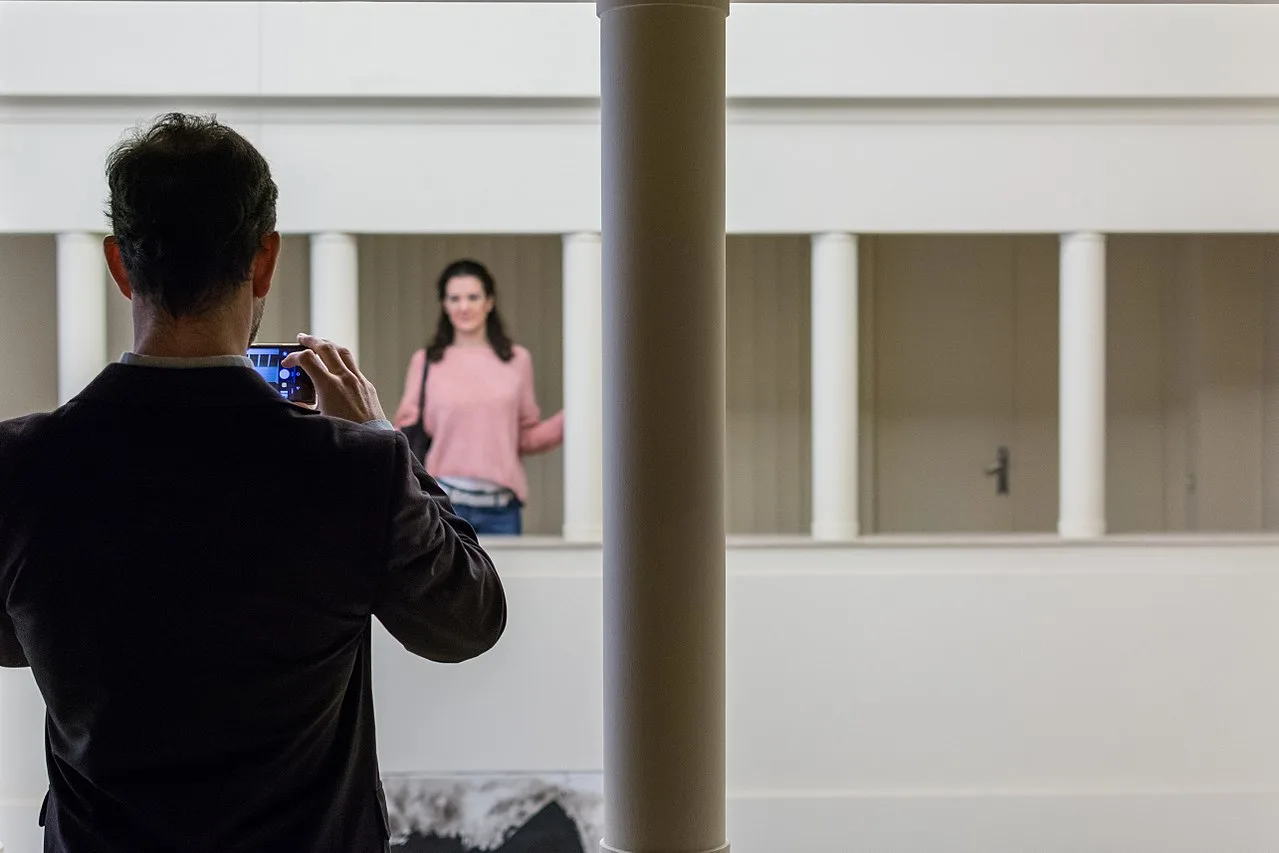
Serralves is one of Porto's leading cultural destinations, set in the city's western Foz district. The Serralves Foundation brings together the Museum of Contemporary Art designed by Álvaro Siza Vieira, the pink Art Deco Casa de Serralves villa, and an 18-hectare park with formal gardens, woodland and a treetop walk – a combination of modern art, architecture and nature in a single visit.
Visitor guide →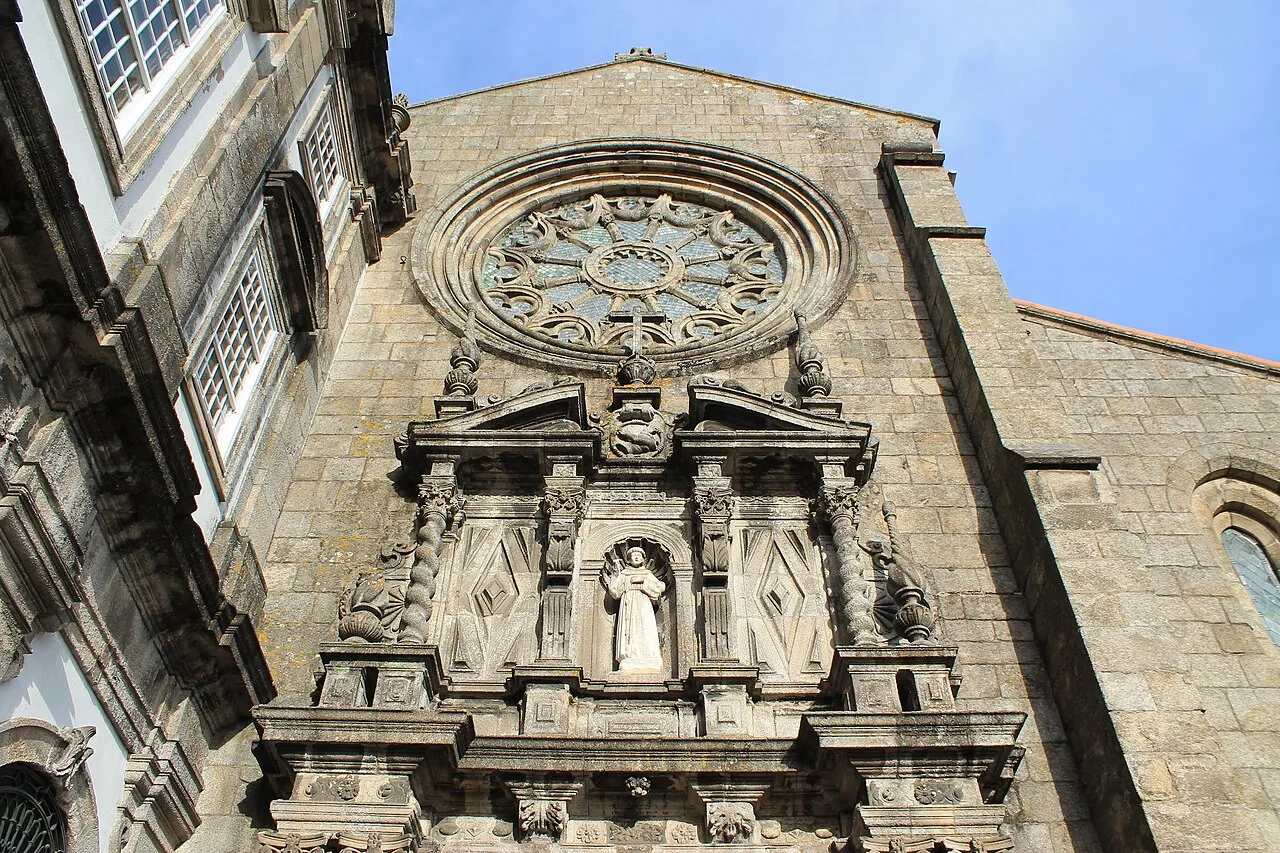
Igreja de São Francisco (Church of São Francisco)
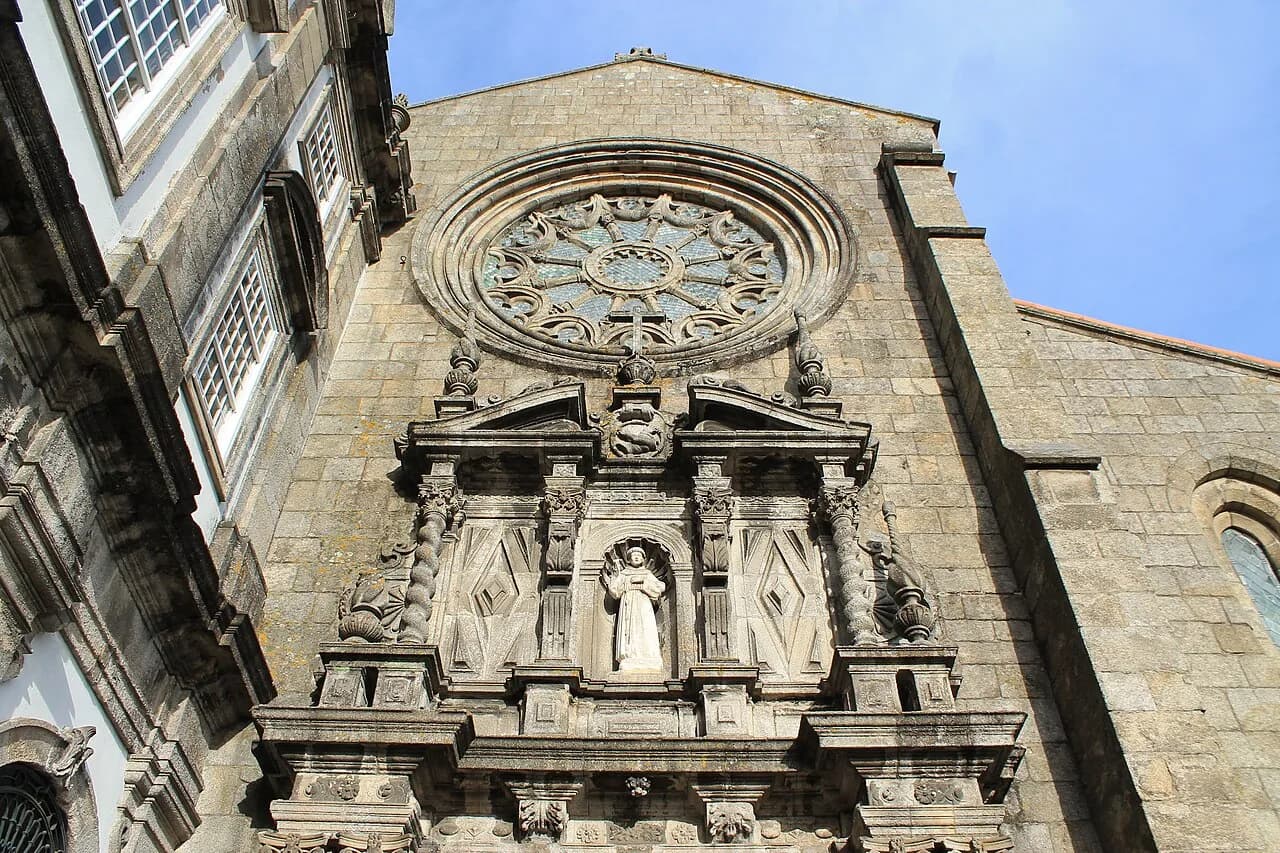
Igreja de São Francisco is Porto's foremost Gothic church, set in the city's UNESCO World Heritage historic centre near the Douro riverfront and the Palácio da Bolsa. It is renowned for its extraordinary 18th-century gilded Baroque carved-wood interior, and a single ticket also covers its atmospheric underground catacombs and a small museum of Franciscan artefacts.
Visitor guide →
Palácio da Bolsa (Stock Exchange Palace)
Palácio da Bolsa is a 19th-century Neoclassical landmark in the historic heart of Porto, Portugal, built by the city's Commercial Association. Visited on a 30-minute guided tour, its showpiece is the opulent Moorish Revival Arab Room (Salão Árabe), alongside the grand glass-domed Hall of Nations.
Visitor guide →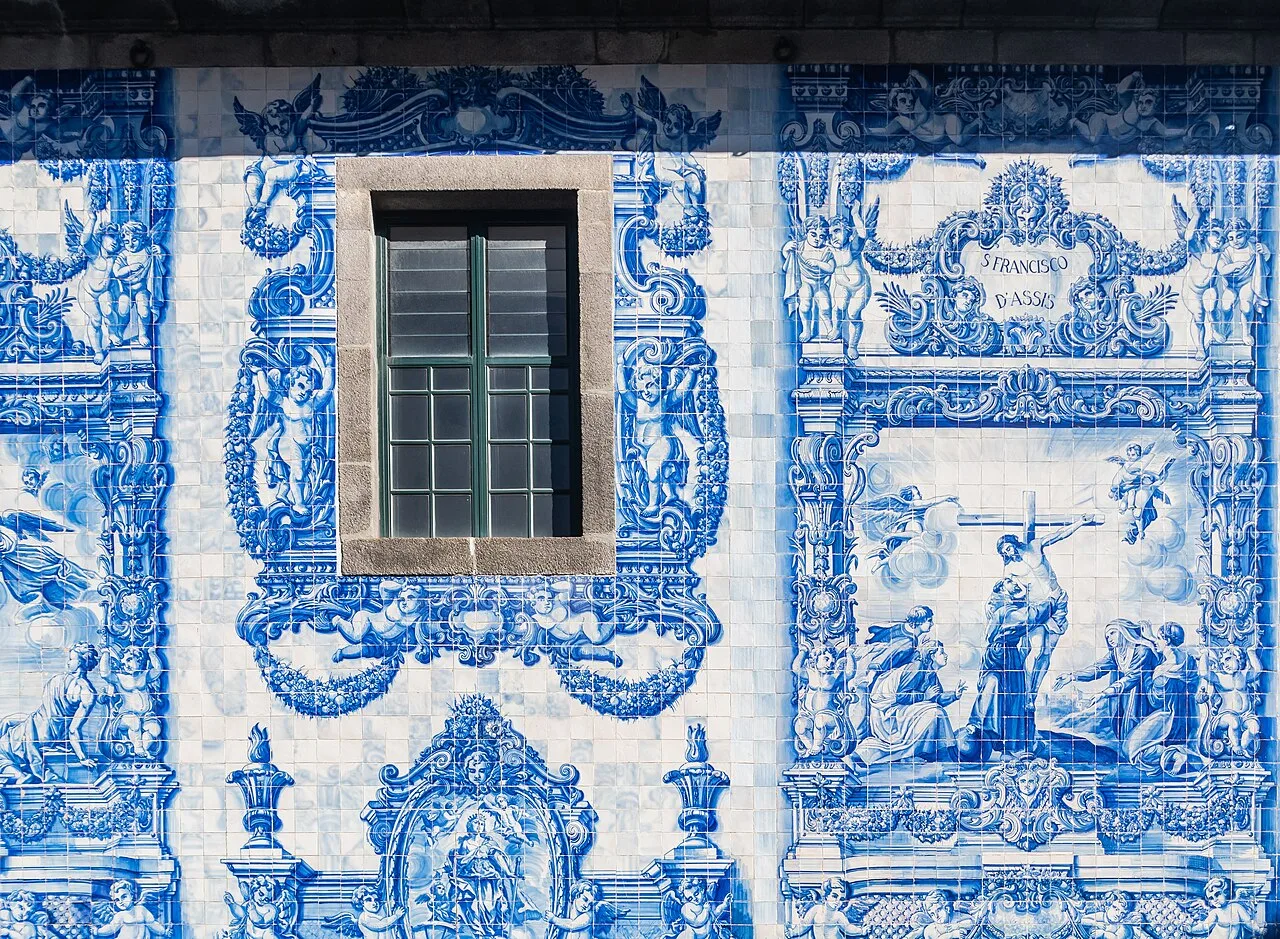
Capela das Almas (Chapel of Souls)
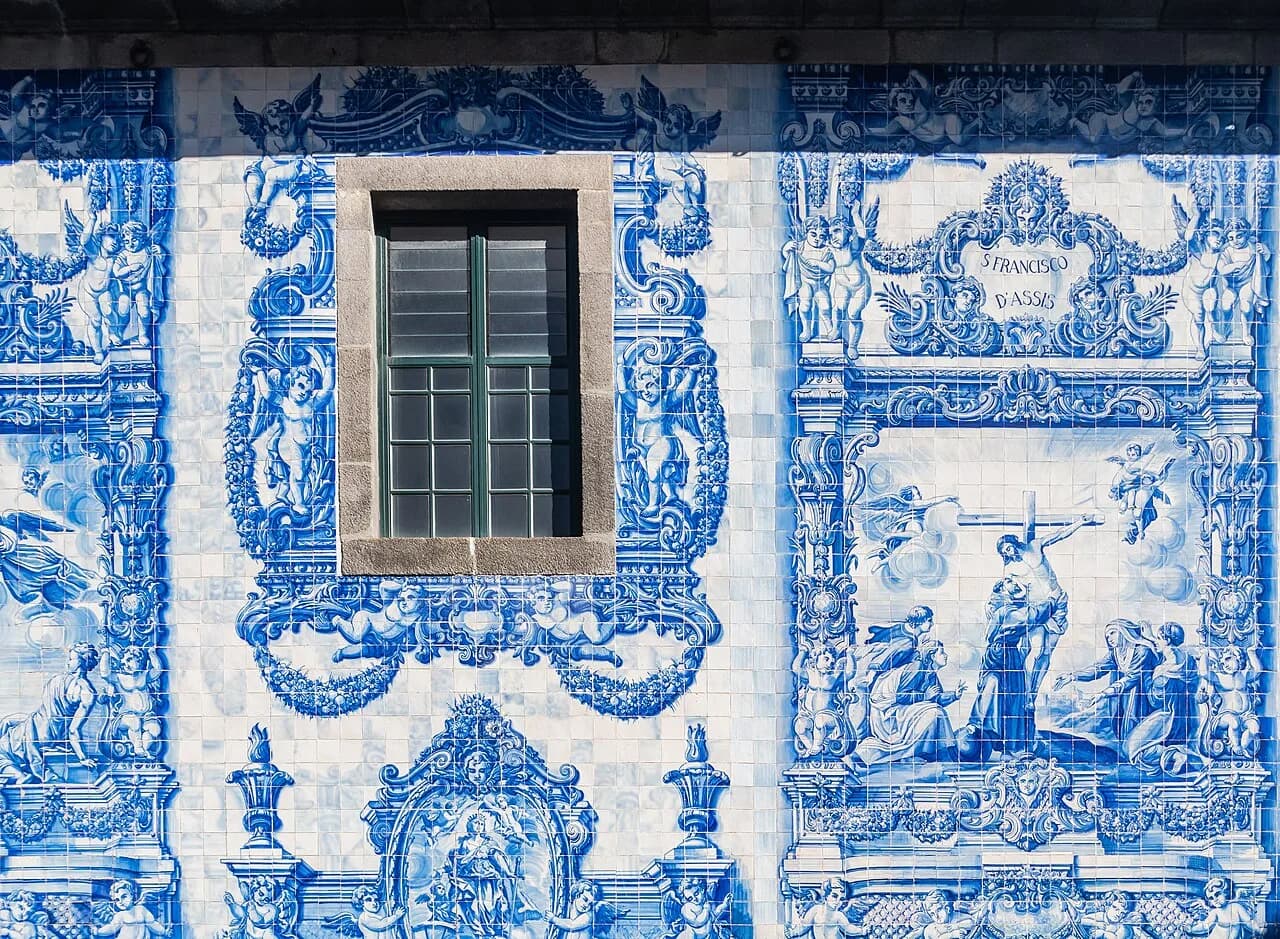
Capela das Almas (Chapel of Souls), also known as the Chapel of Santa Catarina, is one of Porto's most photographed churches, standing on the busy pedestrian shopping street of Rua de Santa Catarina. Its façade is sheathed in 15,947 blue-and-white azulejo tiles designed by Eduardo Leite in 1929 and produced by the Viúva Lamego factory in Lisbon, depicting episodes from the lives of Saint Francis of Assisi and Saint Catherine. Though the chapel dates in its present neoclassical form to around 1801, the iconic tilework is a 20th-century addition that has made it a landmark of Porto's azulejo heritage. It remains an active place of worship, free to enter, with limited opening hours that close earlier on weekends.
Visitor guide →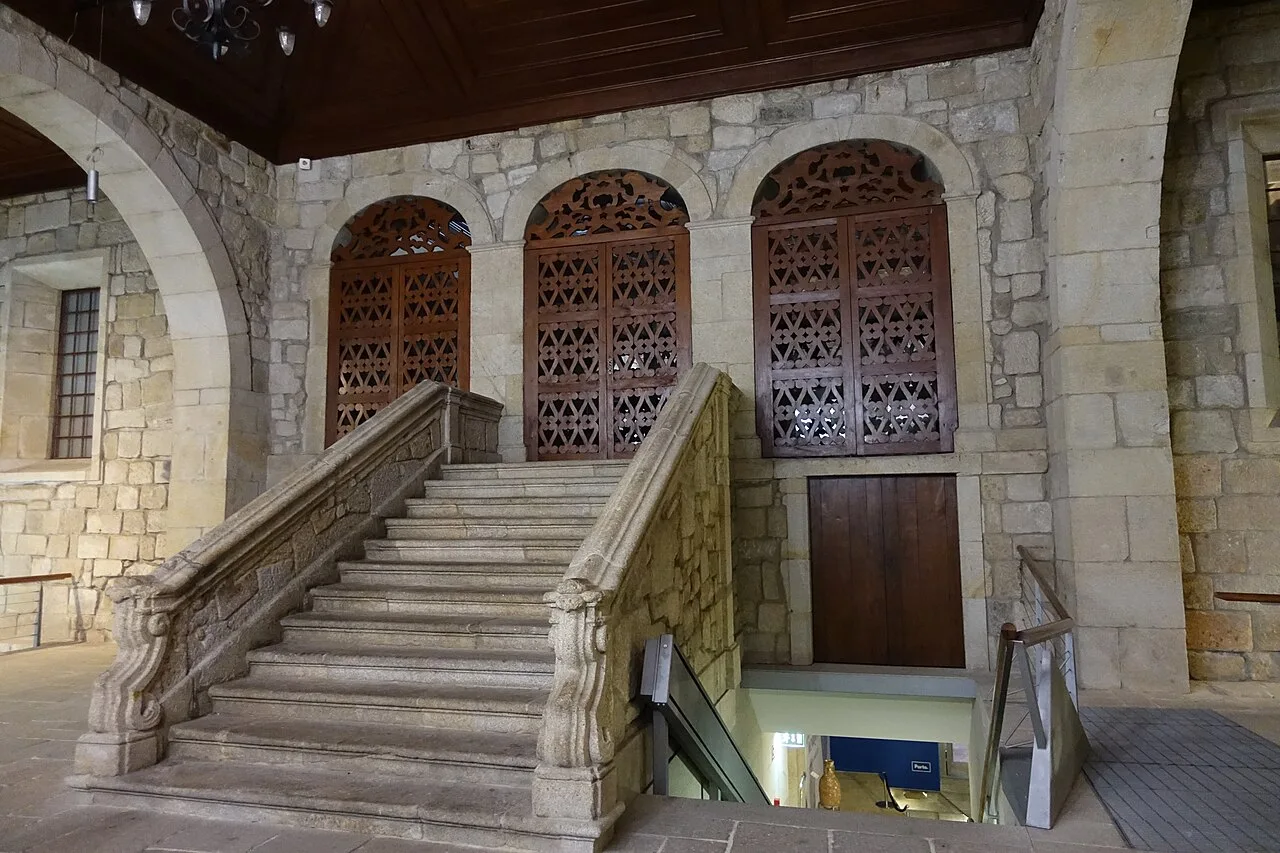
Casa do Infante (Museu Municipal Casa do Infante)
Casa do Infante is one of Porto's oldest civic buildings, dating to 1325, when it served as the city's royal customs house and mint on the edge of the Ribeira riverfront. Traditionally celebrated as the birthplace of Henry the Navigator, it now operates as a municipal museum housing the Porto Municipal Historical Archives, an exhibition on medieval Porto, and well-preserved Roman mosaics uncovered beneath the structure. Located on Rua da Alfândega within Porto's UNESCO-listed historic centre, it offers a compact, affordable look at the city's Roman, medieval, and age-of-discoveries past.
Visitor guide →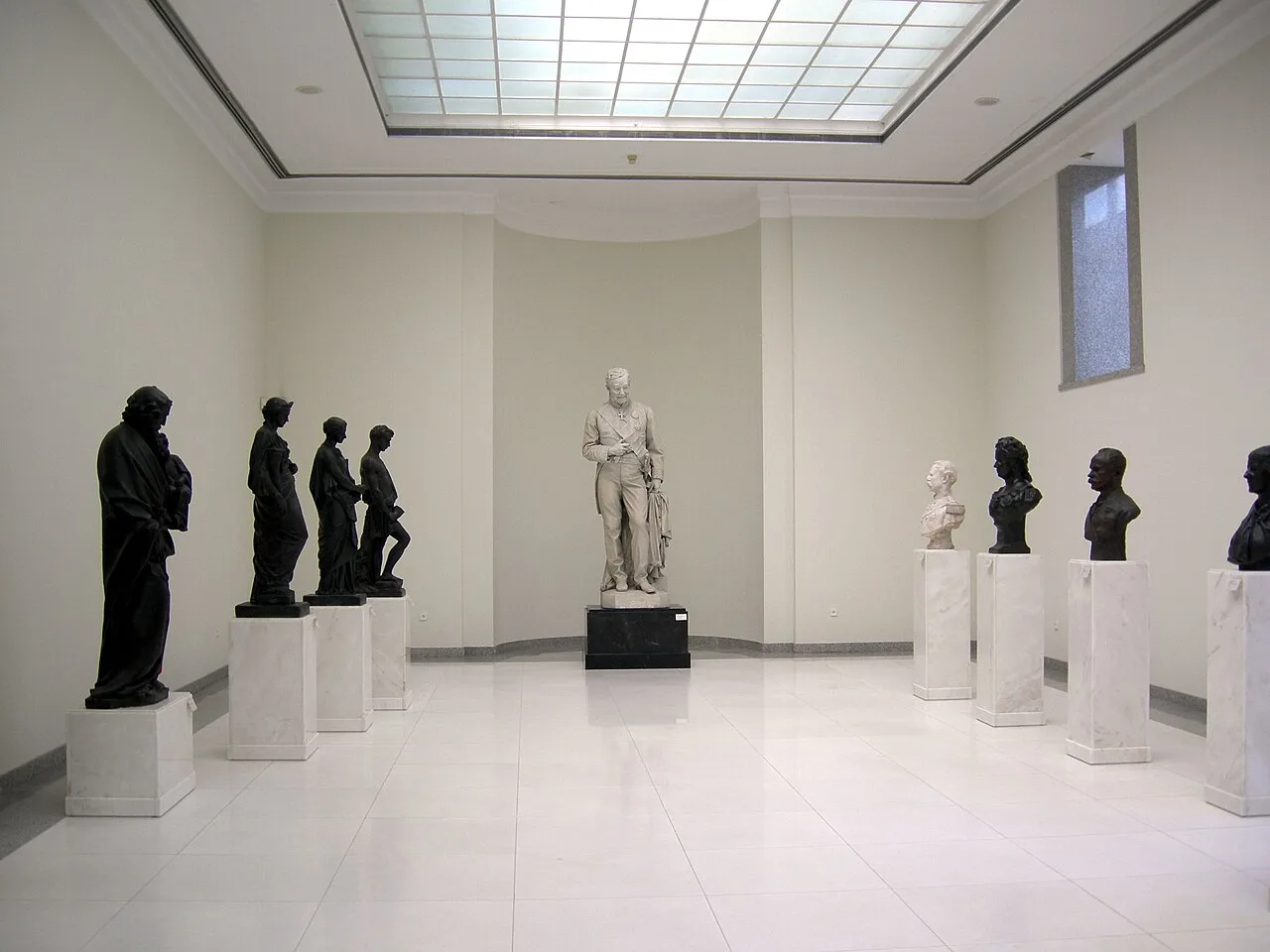
Museu Nacional de Soares dos Reis
The Museu Nacional de Soares dos Reis is Porto's premier art museum and the first national art museum in Portugal, founded in 1833. Set in the neoclassical Carrancas Palace in the heart of the city, it showcases Portuguese painting, sculpture, decorative arts, furniture and ceramics from the 19th and 20th centuries, and is named after the sculptor António Soares dos Reis, whose famous marble 'O Desterrado' is a highlight of the collection.
Visitor guide →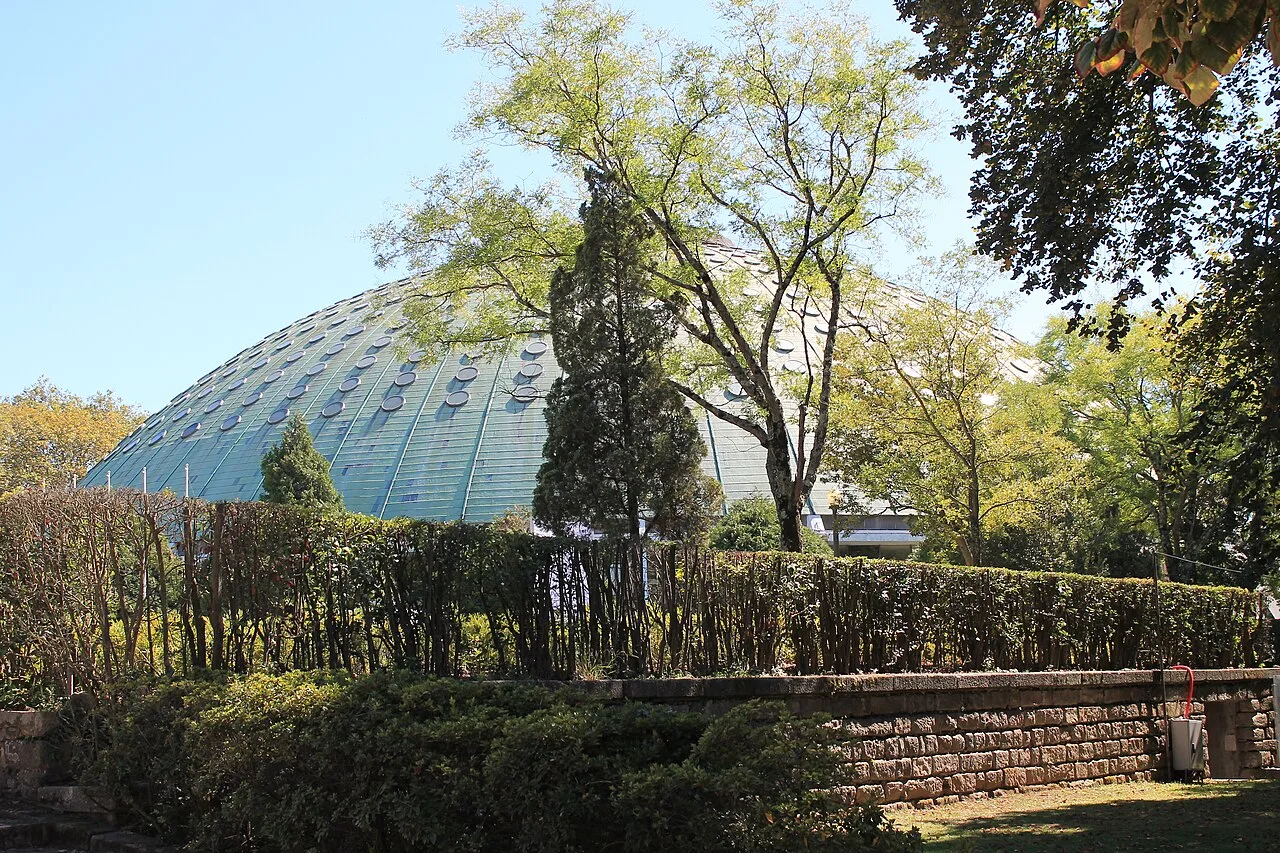
Jardins do Palácio de Cristal (Crystal Palace Gardens)
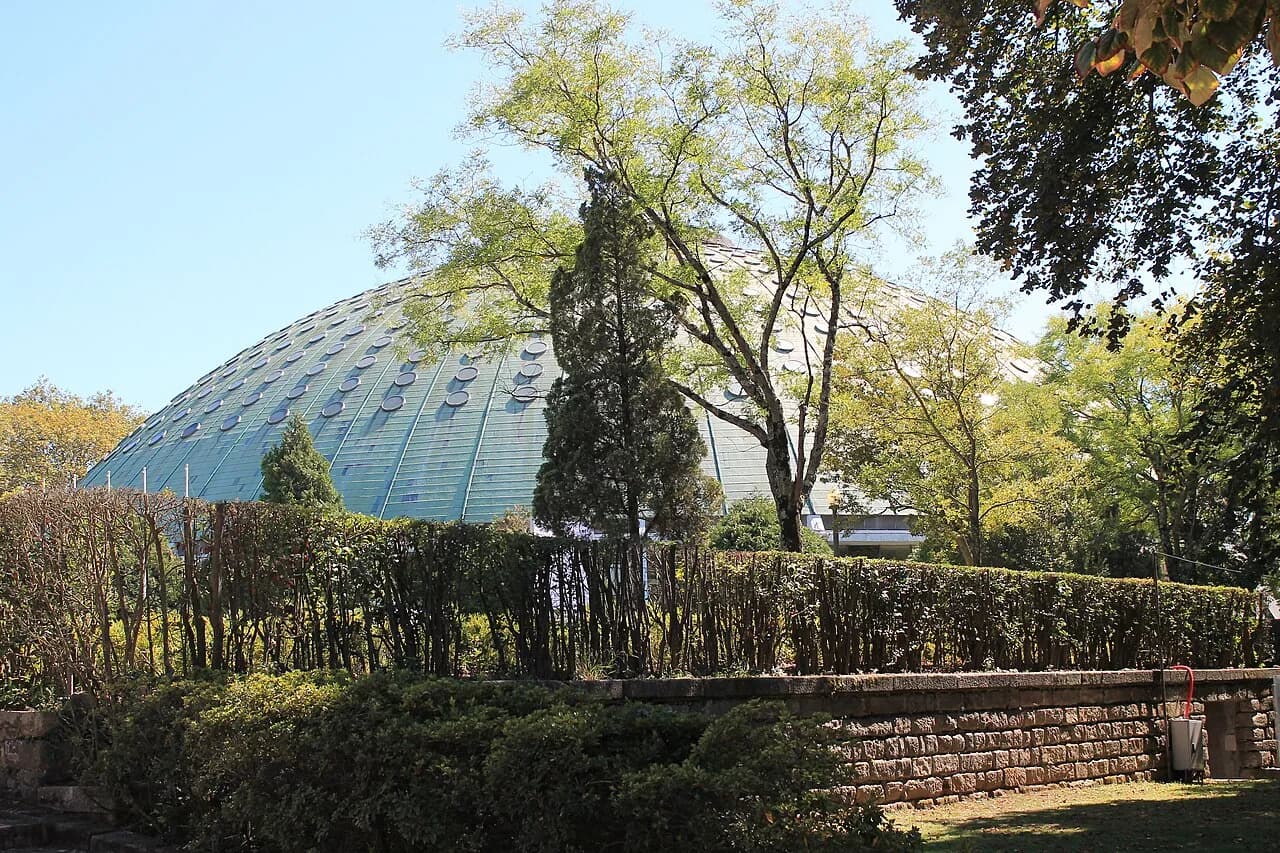
Romantic 19th-century public gardens in central Porto, Portugal, set on a hillside above the Douro River. Free to enter, the Jardins do Palácio de Cristal are famous for free-roaming peacocks, themed flower gardens, fountains and sculptures, sweeping Douro and Atlantic viewpoints, and the domed Super Bock Arena (Rosa Mota Pavilion) that stands where Porto's original 1865 Crystal Palace once was.
Visitor guide →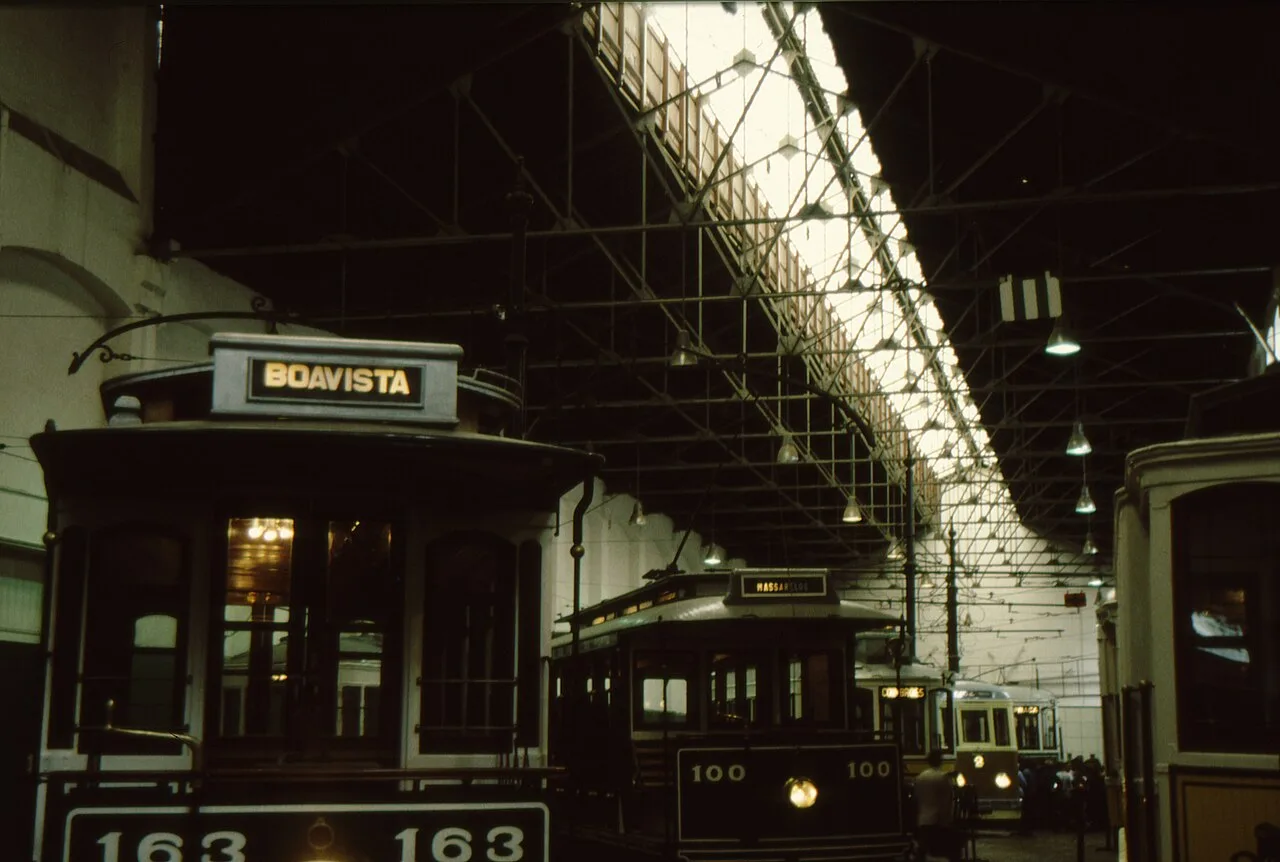
Museu do Carro Eléctrico (Tram Museum)
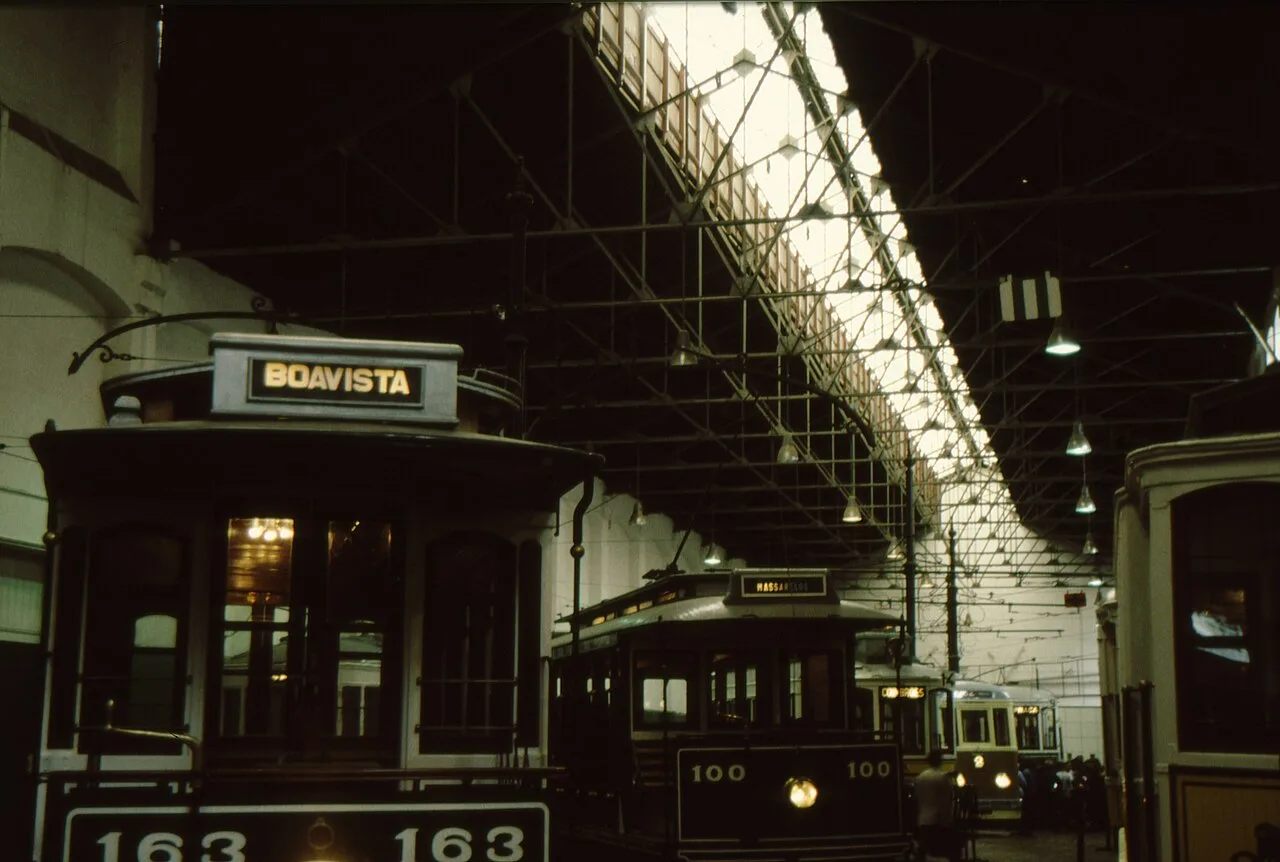
The Museu do Carro Eléctrico (Tram Museum) in Porto, Portugal, occupies a former 1915 thermoelectric power station on the Douro riverfront at Massarelos. Operated by STCP, it traces over a century of the city's electric transport, displaying 16 historic electric tramcars and 5 trailers dating from 1872 to the 1950s.
Visitor guide →Porto attractions by neighbourhood
Porto's historic districts cluster the eight attractions into clear walking zones. Knowing which zone an attraction belongs to makes day-planning far more efficient than navigating by map alone.
Ribeira and Baixa — the riverfront quarter
The densest concentration of paid cultural attractions sits in the lower town. Igreja de São Francisco stands beside the Palácio da Bolsa on Rua do Infante D. Henrique, both within five minutes' walk of the waterfront. The Casa do Infante — the city's oldest civic building, dating to 1325 — sits at the foot of the Ribeira on Rua da Alfândega, right where Porto's medieval riverfront trade quarter began. This is the logical starting point for any Porto itinerary.
Santa Catarina / Bolhão — the azulejo and shopping corridor
Head uphill along Porto's main pedestrian artery and you reach the Chapel of Souls (Capela das Almas) — a free stop that takes ten minutes but produces some of the city's most memorable azulejo photographs. The Museu Nacional de Soares dos Reis sits nearby in the neoclassical Carrancas Palace, worth a half-morning for Portugal's finest collection of 19th-century painting and sculpture.
Massarelos — the Douro riverfront west
Follow the Douro westward by tram and you reach the Museu do Carro Eléctrico — housed in a converted 1915 power station directly on the riverfront. Just uphill, the Jardins do Palácio de Cristal is a free, peacock-populated garden with sweeping views across the Douro to the port wine lodges of Vila Nova de Gaia.
Boavista / Foz — the Serralves district
Serralves sits in its own leafy bubble in Porto's western residential belt, reachable by metro from the city centre in around 15 minutes. The Contemporary Art Museum, the Art Deco Casa de Serralves villa, and 18 hectares of park with a treetop walk make this a half-day destination in its own right.
Porto attractions by category
Churches and azulejo heritage
Igreja de São Francisco and the Chapel of Souls represent opposite ends of Porto's religious architecture. The former is a Gothic shell filled with extraordinary 18th-century gilded woodwork and underground catacombs; the latter is a neoclassical chapel famous for the 15,947 blue-and-white azulejo tiles added to its façade in 1929 by Eduardo Leite. Both are essential stops for anyone interested in how azulejo tilework defines Portuguese urban identity.
Museums
Three museums anchor the culture trail: Serralves for contemporary art and design, the Museu Nacional de Soares dos Reis for Portuguese 19th-century fine art and sculpture, and the Museu do Carro Eléctrico for over a century of electric tram history. The Casa do Infante functions as a fourth, blending medieval civic history and Roman mosaics in the city's oldest surviving building.
Palaces
The Palácio da Bolsa (Stock Exchange Palace) is Porto's standout interior, accessible only on guided tours and centred on the Arab Room — a Moorish Revival hall finished with 18 kg of gold leaf. It rivals anything in Lisbon for decorative ambition and consistently ranks among the city's most-booked attractions.
Gardens and viewpoints
The Jardins do Palácio de Cristal are Porto's finest free outdoor space: 19th-century terraced gardens with free-roaming peacocks, sculptures, and unobstructed views across the Douro to the Gaia wine lodges. Serralves's 18-hectare park offers a paid alternative with contemporary installations, woodland paths, and a treetop walk.
Free vs paid Porto attractions
Two of the eight attractions in this guide are free to enter every day. The remaining six charge admission, ranging from a modest municipal museum fee to Serralves's combined museum-and-park ticket.
Free to enter
- Jardins do Palácio de Cristal — free every day; gates open from 8am, close at dusk.
- Chapel of Souls (Capela das Almas) — free to enter the church interior; the famous azulejo façade is always visible from the street. Note limited opening hours; closed mid-afternoon and earlier on weekends.
Paid — 2026 verified prices
| Attraction | Adult ticket | Note |
|---|---|---|
| Serralves Museum + Park | €24 | Combined ticket; book online to skip queues |
| Palácio da Bolsa | €14 | Guided tour only; walk-in or advance booking |
| Igreja de São Francisco | ~€10 | Includes catacombs and small museum |
| Museu Soares dos Reis | €10 | Free on the first Sunday of the month |
| Museu do Carro Eléctrico | €8 | Includes option to ride a historic tram |
| Casa do Infante | €4 | Free every Sunday |
Porto Card tip: If you plan to visit three or more paid attractions, the Porto Card pays for itself quickly. A 2-day card (from around €15, including unlimited public transport) unlocks free or discounted admission to over 170 venues, including most of the attractions above. Available at the tourist office beside São Bento station and online in advance.
In peak season (July–August), the Palácio da Bolsa and Serralves fill up by early afternoon. Book tickets online in advance to skip queues and guarantee entry.
Suggested Porto itineraries
One day in Porto — the compact highlight route
Start in the Ribeira at 9am to beat the morning coach groups. Visit the Casa do Infante first (compact and rarely crowded), then walk five minutes to Igreja de São Francisco and join an early tour of the Palácio da Bolsa next door. After a riverside lunch, take the vintage Tram 1 westward to the Tram Museum for a 45-minute visit, then continue to the Jardins do Palácio de Cristal for the late-afternoon light and Douro views. Finish with dinner in the Ribeira as the port wine lodge lights come on across the river in Gaia. This route covers five of the eight attractions without backtracking.
Two days in Porto — art, azulejos and port wine
Day 1: Follow the one-day route above.
Day 2: Walk Rua de Santa Catarina to the Chapel of Souls for azulejo photographs, then spend the late morning at the Museu Nacional de Soares dos Reis (allow 90 minutes for the full collection). In the afternoon, cross the Dom Luís I Bridge to Vila Nova de Gaia for a port wine cellar tour and tasting at one of the historic lodges — Taylor's, Graham's, and Ferreira all offer guided sessions with a tasting glass included. Return to the Ribeira for dinner.
Three days in Porto — the full picture
Days 1–2 as above. Day 3: Dedicate the morning to Serralves — the contemporary art museum, the Art Deco villa, and the park easily absorb two to three hours. Spend the afternoon in the Foz district along the Atlantic seafront, or take a half-day Douro River cruise for river gorge scenery. Three days leaves room for Mercado do Bolhão, a food tour, and a slower pace overall.
Getting around Porto's attractions
The historic centre is compact enough to walk between most of the attractions on this list, though Porto's famous hills make the terrain harder than a flat-city map suggests.
- On foot: Ribeira to Palácio da Bolsa to Igreja de São Francisco is a five-minute flat walk. The climb from Ribeira up to the Chapel of Souls (Santa Catarina) takes around 20 minutes on foot; alternatively, the Funicular dos Guindais from the riverside to Batalha costs €4 and saves the leg-burn.
- Metro: Porto's metro is clean and efficient. The D (Yellow) line connects São Bento and Trindade (historic centre) westward; Boavista and Casa da Música stations are the best access points for Serralves on foot. Single tickets cost €1.45–€2.10 depending on zones.
- Historic trams: Tram 1 (Linha 1) runs the Douro waterfront from Infante (near Palácio da Bolsa) westward to Passeio Alegre, passing the Tram Museum — a slow but scenic way to travel the river edge. A single ride costs €4, operated by STCP.
- Getting to Gaia: Walk or cycle across the lower deck of the Dom Luís I Bridge (free), or take the Telefórico de Gaia cable car (€6–€9 return) for aerial views over the Douro to the port wine lodges.
Best time to visit Porto's attractions
Porto's Atlantic climate makes it a viable destination year-round, but the months either side of summer deliver the best balance of weather, shorter queues, and value.
- April–June: The best all-round window. Temperatures reach 18–24°C, spring flowers brighten the Jardins do Palácio de Cristal, and queues at Serralves and Palácio da Bolsa are manageable. Accommodation prices sit below peak.
- July–August: Reliably warm (25–28°C) and very busy. Pre-book tickets for Serralves and any port wine cellar tours. Expect queues at the most popular sights in the historic centre.
- São João, 24 June: Porto's biggest annual festival, celebrated overnight with grilled sardines, street parties, and fireworks over the Douro. Many attractions run reduced hours or close that day; the festival atmosphere becomes the attraction in its own right.
- September–October: Excellent shoulder season. Crowds thin after summer, weather stays warm, and hotel rates drop noticeably. A good time for Serralves's autumn exhibition programme.
- November–March: The quietest and cheapest period. Rain is more frequent, but Christmas lights in the Ribeira are spectacular, the museums are uncrowded, and the city's café culture comes into its own.
On São João (24 June), many attractions run reduced hours or close entirely. Plan accordingly if visiting around this date — the city-wide street parties and festival atmosphere are the main draw that day.
How to save money on Porto attractions
Porto is already one of Western Europe's more affordable city-break destinations. A handful of habits cut costs further:
- Visit on Sundays: Casa do Infante is free every Sunday. The Museu Nacional de Soares dos Reis and several other municipal museums offer free admission on the first Sunday of the month.
- The free sights are genuinely worth your time: The Jardins do Palácio de Cristal and the azulejo façade of the Chapel of Souls are among Porto's most-photographed spots — and both cost nothing.
- Buy the Porto Card for 3+ paid attractions: A 2-day card (from €15 including unlimited public transport) covers free or discounted entry to over 170 venues. It pays for itself before lunch if your itinerary includes Serralves and Palácio da Bolsa.
- Book Serralves online: The online ticket price is marginally lower than the door rate, and pre-booking skips the ticket queue entirely — worthwhile in peak season.
- Treat the trams as an attraction, not commuter transport: Tram 1 costs €4 per ride — fun to take once, but the metro covers the same distance for €1.45–€2.10. Budget visitors can photograph the trams on the Ribeira waterfront for free.
Frequently asked questions about Porto attractions
How many days do you need to see Porto's attractions?
Two full days is the realistic minimum to cover the eight attractions in this guide without rushing. Three days is the comfortable version, adding time for a half-day port wine detour across the river in Vila Nova de Gaia and a slower pace overall.
What is the number-one must-see attraction in Porto?
Igreja de São Francisco consistently tops visitor rankings. The contrast between its austere Gothic exterior and the gold-encrusted Baroque interior — plus access to underground catacombs — is one of the most dramatic reveals in Portugal. For contemporary art and architecture fans, Serralves is close competition.
Are Porto's attractions free?
Some are: the Jardins do Palácio de Cristal and the Chapel of Souls façade are always free. The major museums and palaces charge €4–€24 admission. The Porto Card bundles free or discounted entry across 170+ venues and includes unlimited public transport on the metro and buses.
Do you need to book Porto attractions in advance?
In peak season (July–August), yes. The Palácio da Bolsa runs guided tours on a fixed schedule that can fill by early afternoon on busy days. Serralves is best booked online to skip queues. The Tram Museum and Casa do Infante rarely need advance booking outside peak summer.
What is the best time of year to visit Porto?
April–June and September–October offer the best mix of good weather, manageable crowds, and lower hotel prices. Avoid building a packed sightseeing schedule around 24 June (São João festival) — reduced attraction hours and city-wide street crowds make the day a cultural experience rather than a conventional sightseeing one.
Is Porto an expensive city to visit?
By Western European standards, no. The average paid attraction ticket runs €8–€10, several highlights are free, and the 2-day Porto Card from around €15 includes public transport and attraction discounts that offset the cost if you visit three or more paid sights.
Can you see Porto in one day?
Yes, with focus. A disciplined one-day route through Ribeira — São Francisco, Palácio da Bolsa, and Casa do Infante in the morning; Tram Museum and Jardins do Palácio de Cristal in the afternoon — covers five of the eight attractions in this guide without backtracking. See the itinerary section above for the full sequence.
What is the best way to get between Porto's attractions?
Most historic attractions are walkable from one another in the city centre. Serralves requires a metro or taxi (about 15 minutes from São Bento). The vintage Tram 1 along the Douro waterfront is scenic but slow — use the metro for practical transport between districts and take the tram once for the experience.
Plan your Porto trip
The individual guides linked in the card section above cover each attraction in depth — verified opening hours, current ticket prices, and on-the-ground tips for 2026. For broader context on the city and more things to do in Porto beyond these eight sights, explore the following guides:
- Porto neighbourhoods guide — which district to stay in and how each area feels on the ground.
- Hidden gems in Porto — the sights and spots that go beyond the standard tourist trail.
- Places to visit in Porto for free — a full breakdown of free attractions, viewpoints, and experiences across the city.
Continue exploring
More guides you'll find useful