Museu Nacional de Soares dos Reis Visitor Guide: Plan Your Visit to Porto's Art Gem
Discover the Museu Nacional de Soares dos Reis in Porto with our comprehensive visitor guide. Get practical tips on tickets, hours, must-see art, and nearby.
On this page
Museu Nacional de Soares dos Reis Visitor Guide
The Museu Nacional de Soares dos Reis is Porto's most important art museum and Portugal's oldest national museum. Founded in 1833, it holds the country's finest collection of Portuguese painting, sculpture, and decorative arts. This guide covers tickets, opening hours, what the collection is actually worth your time, and how to fold the museum into a broader Porto day in 2026.
About the Museu Nacional de Soares dos Reis: Porto's Oldest National Museum
The museum was founded in 1833 as the Museu Portuense by King Peter IV, making it Portugal's first national museum. It originally occupied the St Anthony Convent in the city centre. Its initial collection was largely religious art confiscated from dissolved convents, supplemented by works seized from the absolutist supporters of Miguel I following the Liberal Wars. In 1911 the museum was renamed in honour of António Soares dos Reis, Porto's most celebrated 19th-century sculptor.
The collection moved to the Carrancas Palace in 1942, gaining the space it needed to properly display holdings that had grown considerably over the preceding century. Between 1992 and 2001 the building was expanded and modernised under a project by architect Fernando Távora — one of the defining figures of Portuguese modernism and the mentor of Álvaro Siza Vieira. Today the museum presents Portuguese art of the 19th and 20th centuries across painting, sculpture, furniture, metalwork, ceramics, and jewellery.
António Soares dos Reis (1847–1889) trained in Porto, Paris, and Rome. His work bridges the Romantic and Naturalist traditions, and the museum holds the most comprehensive collection of his sculpture anywhere. The museum acquired his works in 1911 — the same year it took his name.
The Carrancas Palace: A Building With Its Own History
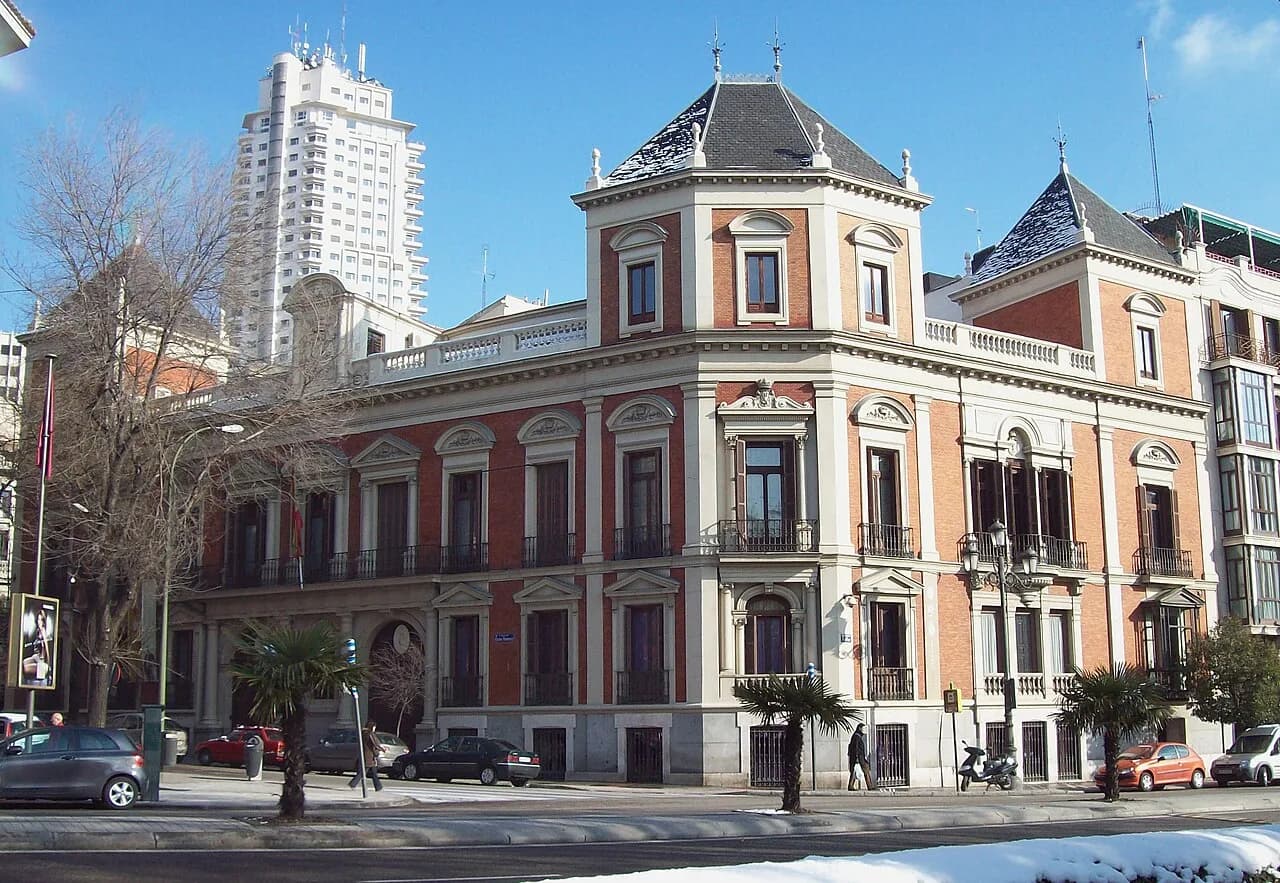
The palace was built after 1795 as the home and factory of the Moraes e Castro family, a prominent Porto merchant dynasty. Its architect, Joaquim da Costa Lima Sampaio, had previously worked on the Hospital of St Anthony and the English Trading Post (Feitoria Inglesa), both Neo-Palladian buildings designed by English architects based in Porto. That influence explains the Neoclassical style of Carrancas Palace, which was characteristic of late 18th-century Porto. The interior stucco work is attributed to the Italian craftsman Luis Chiari.
The building's history took a dramatic turn during the Peninsular War. It served consecutively as the residence of the French General Soult, then as headquarters for the Duke of Wellington after the British retook Porto in 1809, and later as the residence of General Beresford. During the Siege of Porto in 1832, King Peter IV used the palace as military headquarters for four months. In 1861 King Peter V purchased the palace and made it the official royal residence in Porto, a role it held until the end of the Portuguese monarchy in 1910.
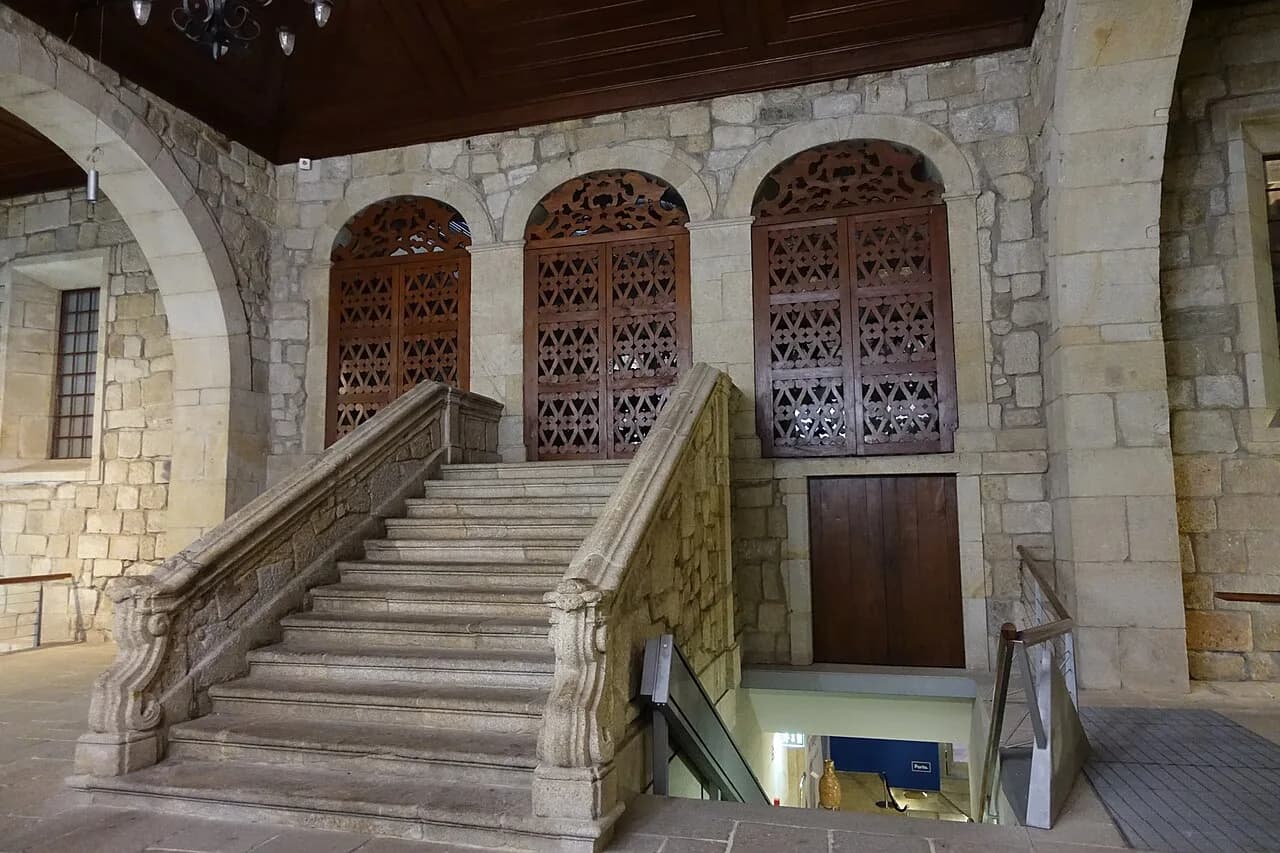
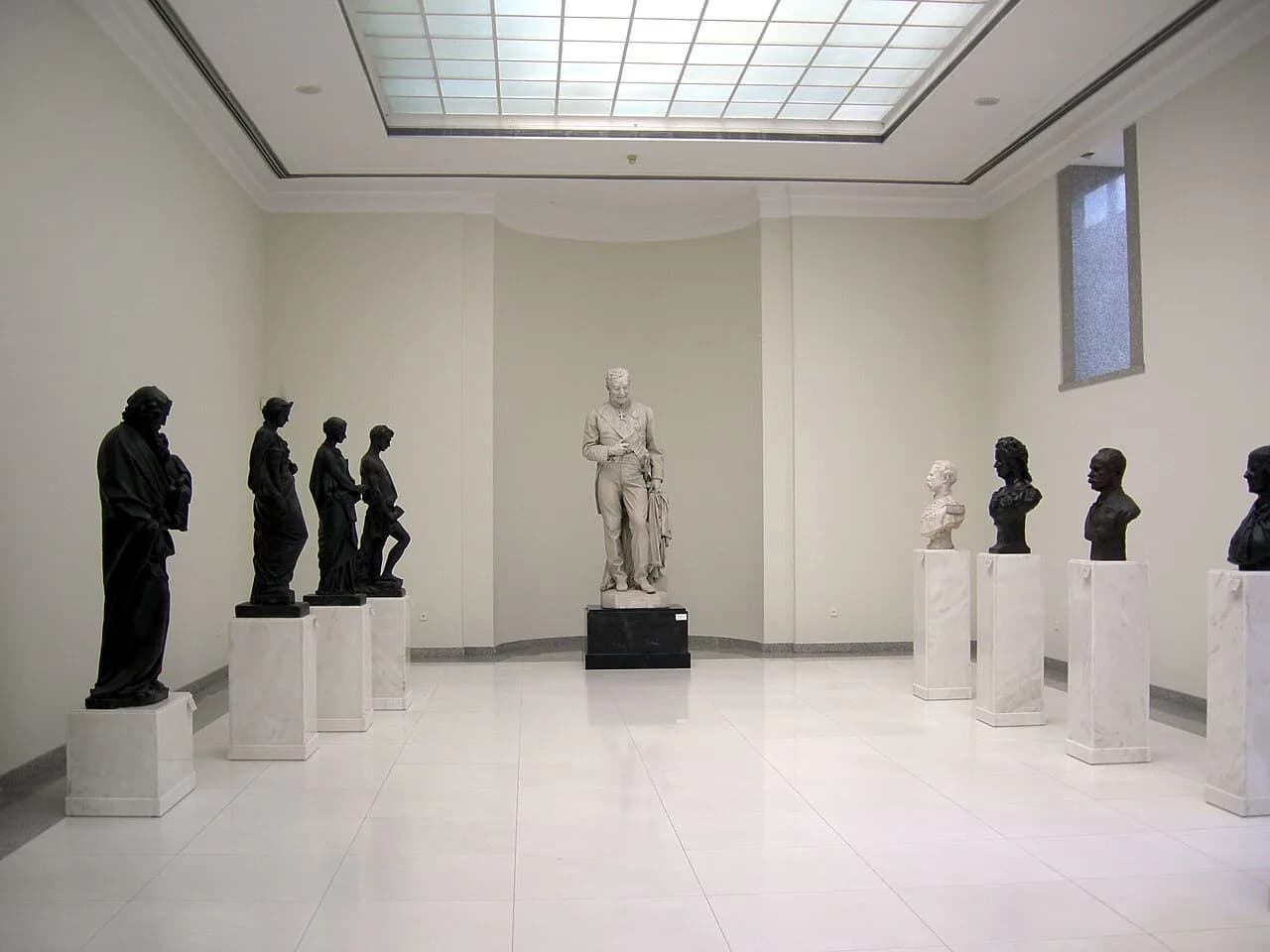
The Fernando Távora renovation (1992–2001) is itself an architectural event. Távora extended the palace carefully, adding contemporary gallery spaces while preserving the Neoclassical fabric of the original building. The result is a museum where historic rooms with stucco ceilings and period furniture sit alongside purpose-built, light-filled galleries — a layering of eras that purely modern museums in Porto cannot offer.
What to See: Highlights of the Collection
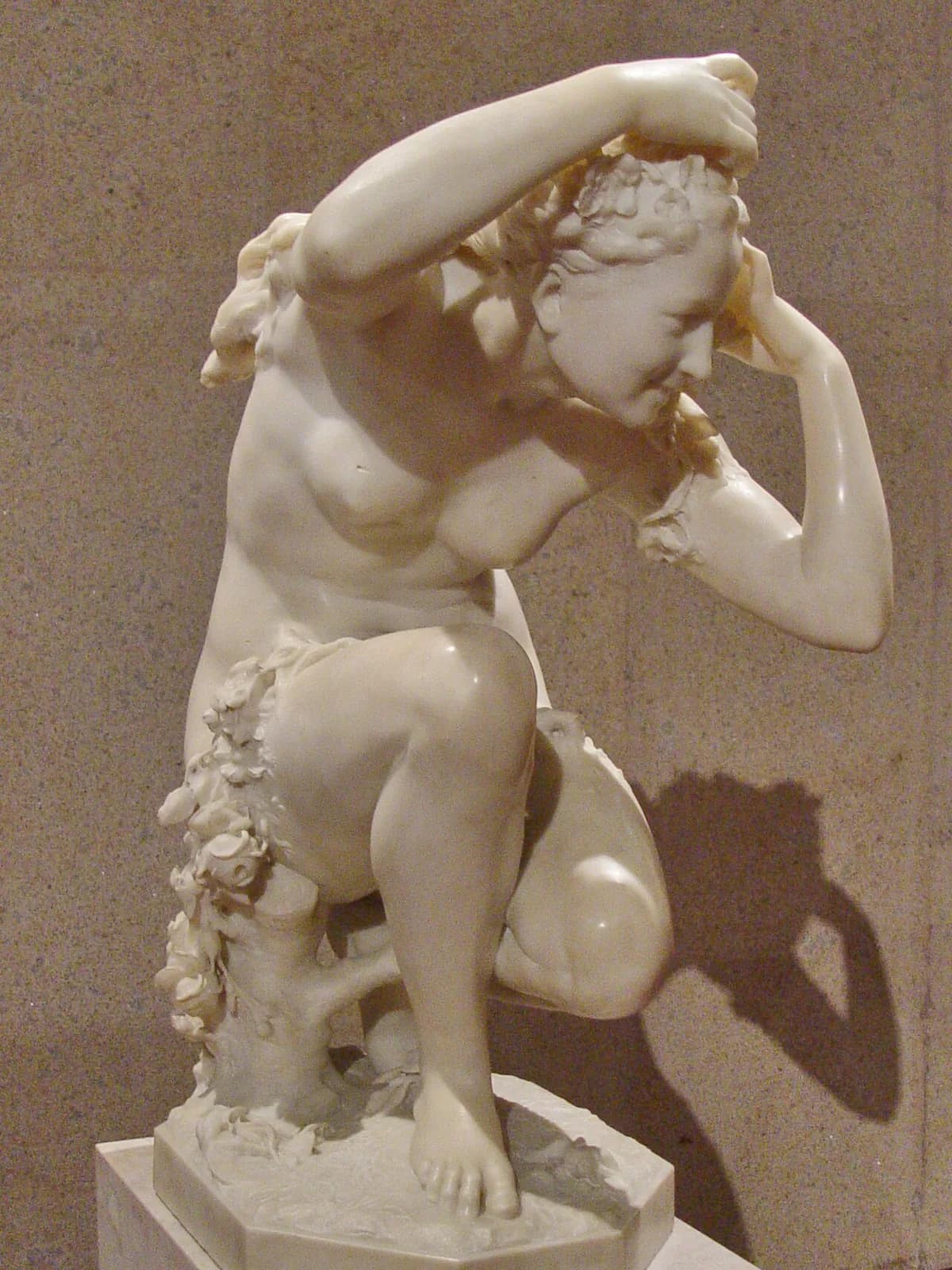
The sculpture galleries are the centrepiece. Soares dos Reis's masterpiece, 'O Desterrado' (The Exile, 1872), is a marble figure depicting profound psychological anguish — widely regarded as the finest Portuguese sculpture of the 19th century. It is displayed with room to walk around it, so approach it slowly and study the asymmetry of the pose and the texture of the carved surface. Several other works by Soares dos Reis surround it, giving a clear sense of his full range.
The painting collection spans the 18th to the 20th centuries. Key names include Domingos Sequeira, one of the leading Portuguese painters of the Romantic era; Vieira Portuense, whose work is grounded in the Neo-Classical tradition; Henrique Pousão, who brought Impressionist influence back from his time in Paris and Naples; and Aurélia de Souza, a rare female voice in Portuguese 19th-century painting whose self-portraits are quietly striking. The rooms are arranged broadly chronologically, making the evolution of Portuguese art legible across a single visit.
The decorative arts collection deserves more time than most visitors give it. The museum holds outstanding 18th and 19th-century Portuguese ceramics, Vista Alegre porcelain, goldsmithing and silverware, period furniture, and historical textiles. These rooms occupy the palace's original interiors, where the objects are displayed in settings that approximate their original context — a different experience from standard white-wall display.
After the main galleries, step into the courtyard garden before leaving. It is quiet, often overlooked, and useful as a pause between the sculpture rooms and the decorative arts floors. On warm afternoons it is the most pleasant corner of the visit.
Planning Your Visit: Tickets, Hours, and Accessibility
General admission is €10. Portuguese citizens and legal residents can enter free up to 52 times per year on presentation of a Citizen Card and tax identification number. Reduced rates are available for seniors, students, and children under 12. The first Sunday of each month is free entry for all visitors — worth noting if your 2026 itinerary is flexible. Check the official museusoaresdosreis.gov.pt website for any temporary exhibitions that may carry a separate fee.
The first Sunday of each month offers free entry for all visitors, making it an excellent time to visit if your schedule allows.
The museum is open Tuesday to Sunday, 10:00 to 18:00, with last entry at 17:30. It is closed on Mondays and on the following public holidays: 1 January, Easter Sunday, 1 May, 24 June (Porto's São João festival), and 25 December. The June 24 closure is easy to miss if you are in Porto for the São João celebrations — plan around it.
The historic building has been adapted for accessibility. Ramps and a lift connect the main floors, and most of the permanent collection is reachable without stairs. Visitors who use wheelchairs or strollers will find the main sculpture and painting galleries accessible. The courtyard garden is flat and easy to navigate. For specific mobility questions, contact the museum directly via the email listed on the official website.
To avoid crowds, arrive within the first hour of opening on a Tuesday or Wednesday. Weekends and afternoons — particularly in summer — are considerably busier. Morning visits give a calmer experience and better light in the palace's upper gallery rooms.
Arrive within the first hour of opening on a Tuesday or Wednesday for the calmest experience and best light in the palace's upper gallery rooms.
How to Get There: Location and Transportation
The museum sits at Rua D. Manuel II, 44, 4050-342 Porto, on a hill between the city centre and the Crystal Palace Gardens. Its location makes it easy to integrate into your Porto itinerary, especially if you plan to walk to the Jardins do Palácio de Cristal before or after — they are five minutes on foot.
The closest metro stations are Aliados (Lines A/B/C/E/F) and Trindade (Lines C/D/E/S). From either, the museum is roughly a 15-minute walk uphill through central Porto streets. Several bus lines also run along Rua de D. Manuel II, which reduces the climb from the metro. Taxis and rideshares drop you directly at the entrance.
Street parking exists on surrounding streets but is limited and metered. The nearest public car park is a short walk downhill toward the city centre. Driving is rarely the best option for this part of Porto — public transit or walking gives you more flexibility for combining nearby sites.
Making the Most of Your Visit: Insider Tips
Allow 90 minutes as a minimum for a focused visit. Art enthusiasts who want time with the decorative arts rooms and the palace interiors should plan for two to two-and-a-half hours. The collection is not overwhelming in scale — unlike larger museums, two hours here does not feel rushed.
Start with the Soares dos Reis sculpture rooms, then work through the painting galleries in the upper floors, and leave the decorative arts and the original palace rooms for last. That sequence follows the building's logic and ensures you see the most celebrated pieces while your attention is fresh. The courtyard garden is a natural exit point.
Photography without flash is permitted for personal use throughout the permanent collection. The best light for the courtyard and the exterior façade is in the morning. Tripods and commercial photography require advance permission from the museum.
The museum does not currently have a café inside the building. Plan a coffee stop before entry or walk five minutes north to the Cedofeita neighbourhood after the visit. For first-time visitors to Porto, consider pairing the museum with the Crystal Palace Gardens immediately next door — together they form a calm, unhurried two-hour morning before the busier parts of the city centre.
Combining Your Visit: Nearby Attractions and Itineraries
The museum's central location makes it easy to combine with other Porto attractions. Many significant landmarks are a short walk away, making a half-day or full-day cultural circuit practical without needing transport between stops.
For a half-day, visit the museum in the morning and head from there to the magnificent Palácio da Bolsa, Porto's former stock exchange. The downhill walk takes about 15 minutes. The building is famous for its Arabian Room and its ornate 19th-century interiors — a strong contrast to Soares dos Reis in style but complementary in era.
Next, explore the nearby Igreja de São Francisco, a Gothic church with a lavish Baroque interior and gilded carvings that cover nearly every surface. These three sites — Soares dos Reis, Palácio da Bolsa, and São Francisco — cover Portuguese art and architecture from the 14th to the 19th century in a single morning.
A full-day plan can begin with the museum, then continue to the Palácio da Bolsa and São Francisco Church. In the afternoon, walk five minutes back uphill to the Jardins do Palácio de Cristal for panoramic views of the Douro River and city. No transport is needed between any of these four stops.
For those interested in modern and contemporary art, the Serralves Museum of Contemporary Art in Foz offers a contrasting experience. It requires a taxi or metro ride but is well worth the extra time on a full day in Porto.
Where to Eat and Drink Near the Museum
After the visit you will have several options within a short walk. The museum has no café inside, so most visitors eat before or after rather than mid-visit.
For a casual lunch, local tascas on surrounding streets offer daily specials at reasonable prices. A francesinha — Porto's famous layered sandwich in a spiced meat sauce — is the obvious local choice and is well represented in this part of the city. Fresh seafood and grilled fish are also reliable standbys at neighbourhood restaurants.
Several cafes in the Cedofeita district, five minutes north on foot, are ideal for coffee and pastry before or after the museum. A pastel de nata with an espresso makes a natural mid-morning break if you are heading on to the Crystal Palace Gardens or downhill toward the city centre.
If you want a longer meal, the Cedofeita neighbourhood has a growing number of well-regarded independent restaurants. It is quieter than the Ribeira waterfront at meal times, and reservations are generally only needed in the evening for the most popular spots.
Frequently Asked Questions
Which museu nacional de soares dos reis visitor guide options fit first-time visitors?
First-time visitors should prioritize the permanent collection, especially the sculpture and painting galleries. Allow about two hours for a comfortable visit. Consider joining a guided tour if available for deeper context and insights. Focus on the main highlights before exploring the decorative arts sections.
How much time should you plan for museu nacional de soares dos reis visitor guide?
Plan to spend approximately 1.5 to 2.5 hours at the Museu Nacional de Soares dos Reis. This allows enough time to view the main collections and appreciate the Carrancas Palace. If you are an avid art enthusiast, you might want to extend your visit slightly longer.
What should travelers avoid when planning museu nacional de soares dos reis visitor guide?
Avoid visiting on Mondays, as the museum is typically closed. Try to avoid peak afternoon hours on weekends to experience fewer crowds. Do not rely solely on walk-up tickets during busy seasons; check for online booking options or Porto City Pass inclusions. Always verify opening hours on the official museum website before your visit.
Is museu nacional de soares dos reis visitor guide worth including on a short itinerary?
Yes, the Museu Nacional de Soares dos Reis is definitely worth including, even on a short Porto itinerary. Its manageable size and significant collection make it a rewarding stop. It offers a crucial insight into Portuguese art and history, easily combined with nearby attractions like the Palácio da Bolsa.
The Museu Nacional de Soares dos Reis offers a complete picture of Portuguese art across nearly two centuries, set inside a palace with its own remarkable story. The Soares dos Reis sculptures, the 19th-century painting rooms, and the Carrancas Palace's layered history make it a more substantive stop than its modest admission price suggests. Check the official website for 2026 opening dates and any temporary exhibitions before you visit.
For official details, visit the Museu Nacional de Soares dos Reis on Wikipedia.
For more Porto planning, see our hidden gems in Porto and Porto neighborhoods guide.
Continue exploring
More guides you'll find useful