Paris Hidden Gems: 8 Underrated Museums & Things to Do (2026)
Discover Paris off the beaten path in 2026 — 8 underrated house-museums and free city collections grouped by arrondissement, with ticket prices, opening hours, itineraries and money-saving tips.
On this page
Everyone arrives in Paris with the same shortlist — the Louvre, the Eiffel Tower, the Musée d'Orsay — and everyone ends up in the same two-hour queues. The Paris that rewards a second visit, or a slower first one, is quieter than that. It hides inside former artists' homes where the studio walls are still hung floor-to-ceiling, inside Marais mansions the City of Paris keeps free to enter, and inside surreal collections that mix old-master paintings with taxidermy and contemporary art. These are the places Parisians recommend when you ask them what to do that isn't the Eiffel Tower.
This 2026 guide is built around eight of those hidden gems — a tightly curated set of house-museums, mansion art collections and free municipal museums spread across the 8th, 9th, 16th, 17th, 18th and the Marais. They share a particular magic: small enough to see properly in 60–90 minutes, intimate in a way the blockbuster institutions can't be, and so under-visited you'll often have a gallery to yourself. Three of them — the Musée de la Vie Romantique, the Musée Cognacq-Jay and the Maison de Balzac — are part of the Paris Musées network, so their permanent collections are free to walk into, all year round.
Each card below links to a full visitor guide with verified 2026 opening hours and current ticket prices. Below the cards we group the eight gems by neighbourhood and by type, lay out free-versus-paid pricing, suggest one- and two-day routes, and answer the questions first-time visitors ask most.
Top 8 attractions in Paris
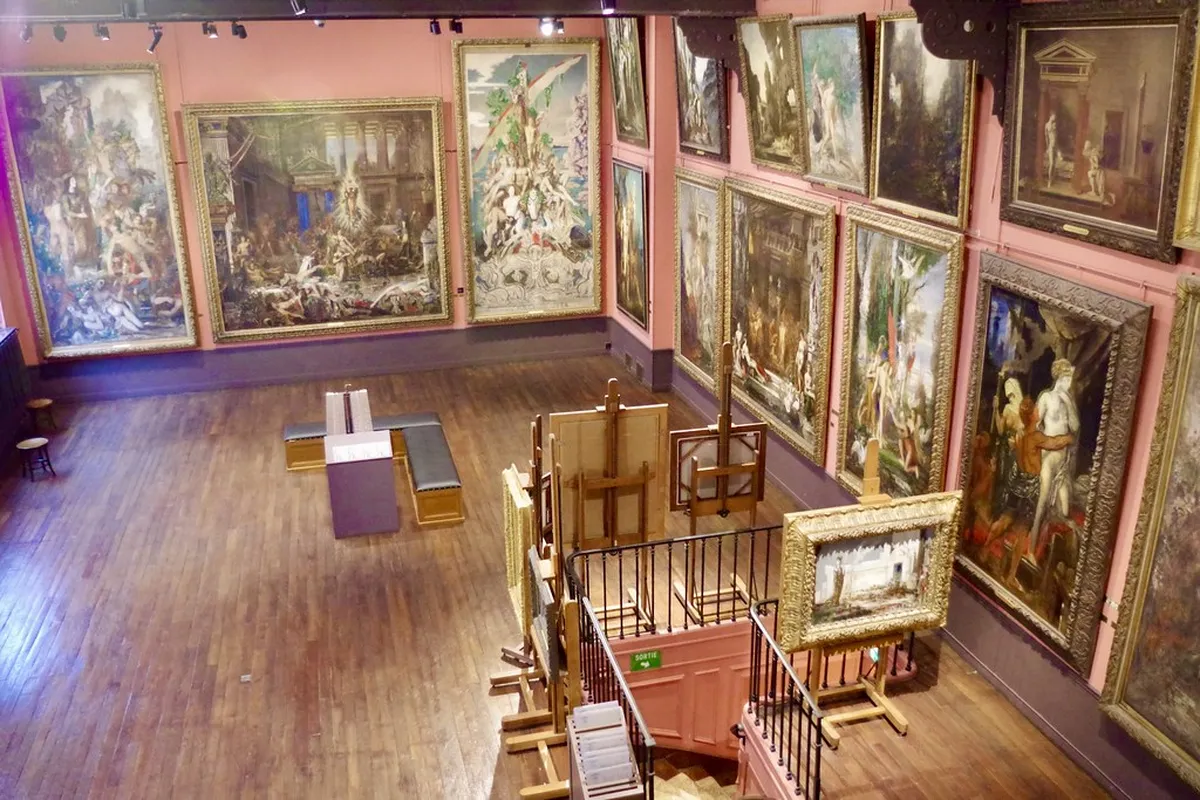
Musée Gustave Moreau
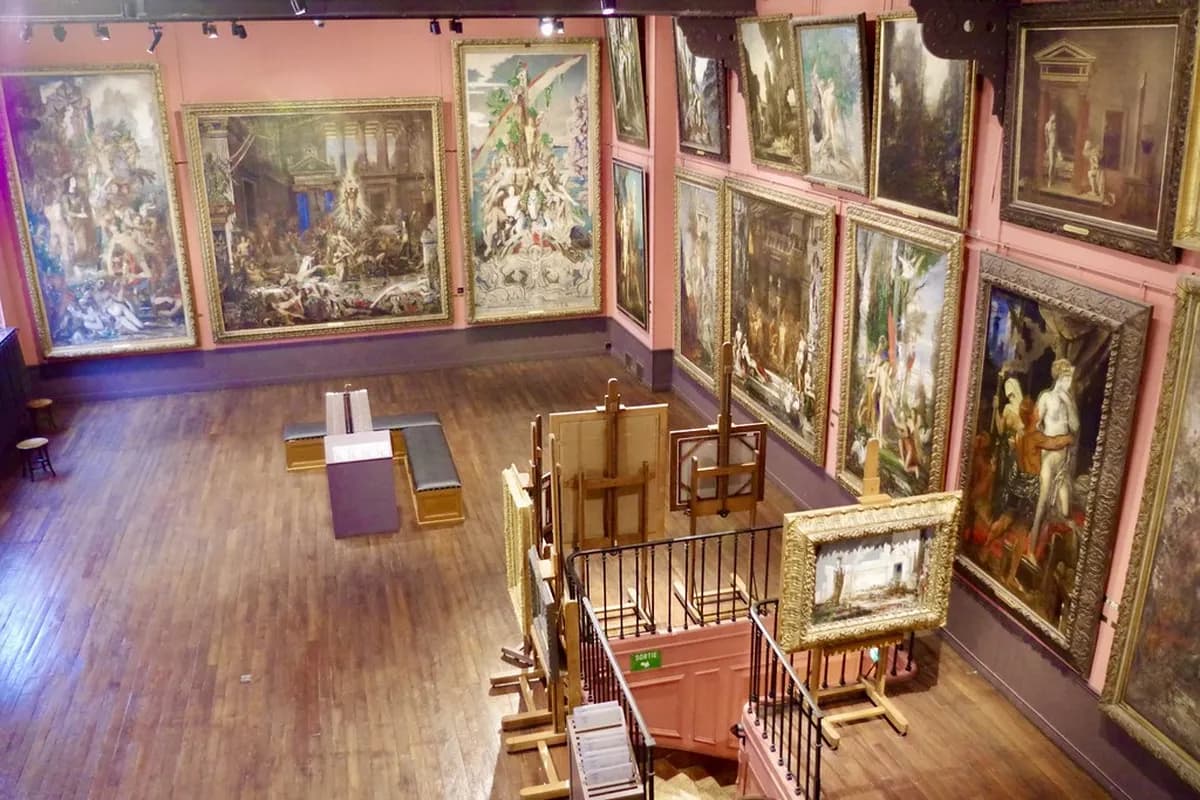
The Symbolist painter Gustave Moreau's former house and studio in Paris's 9th arrondissement, famous for its dramatic designer spiral staircase and double-height studios whose walls are packed floor-to-ceiling with hundreds of his paintings and watercolours.
Visitor guide →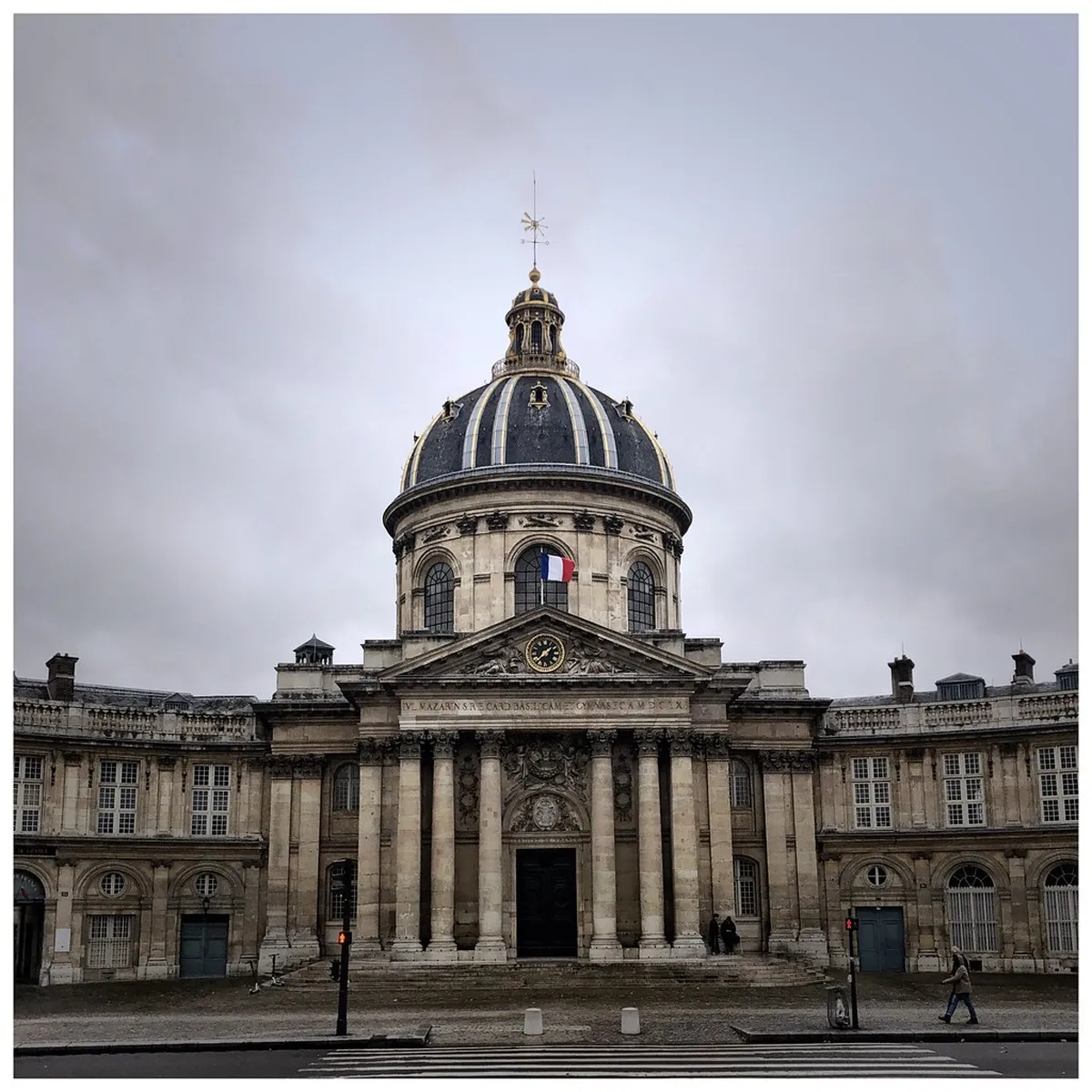
Musée Jacquemart-André
The Musée Jacquemart-André is an opulent 19th-century mansion-museum on boulevard Haussmann, the former home of collectors Nélie Jacquemart and Édouard André, displaying their celebrated Italian Renaissance collection beneath a soaring Tiepolo-frescoed staircase. Its former dining room survives as one of Paris's most beautiful café and tea rooms.
Visitor guide →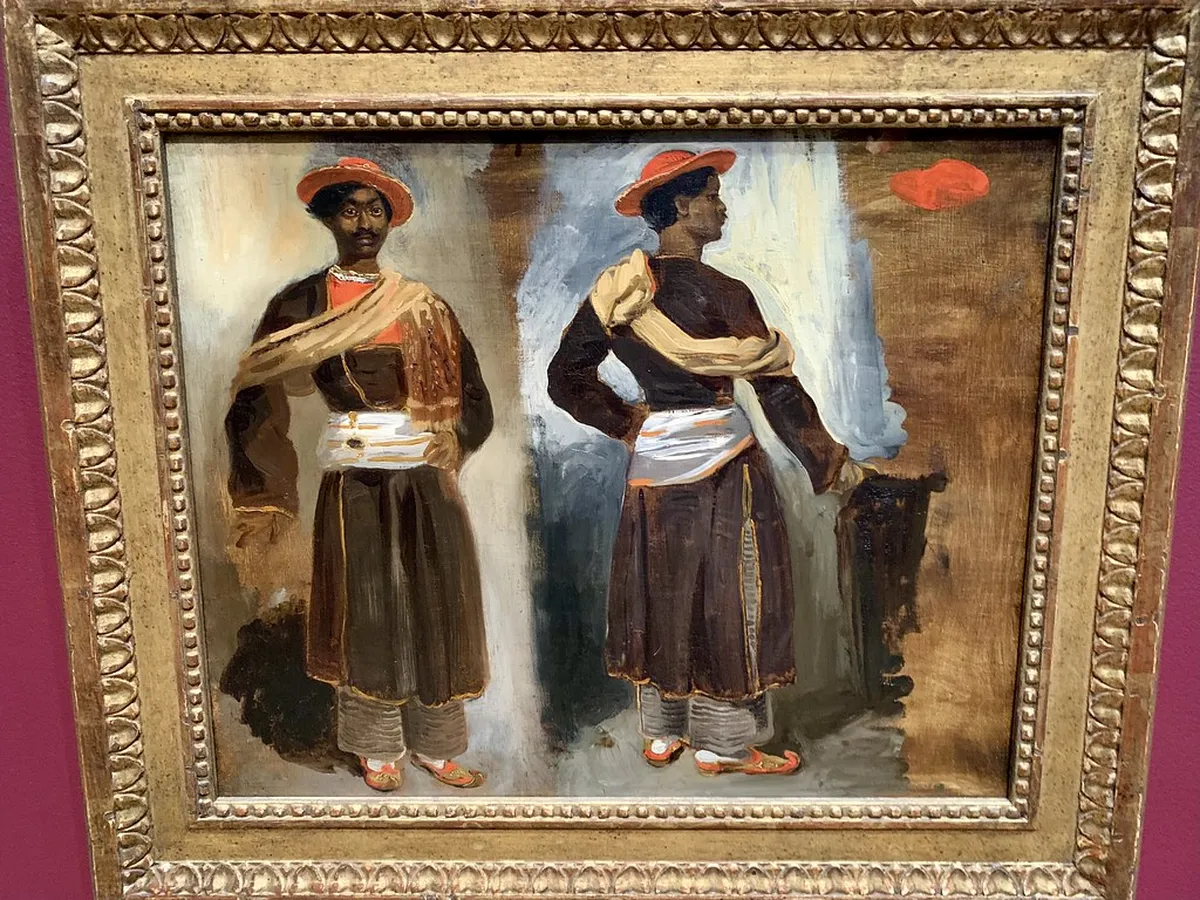
Musée de la Vie Romantique
A romantic-era villa museum in the former 1830s home of painter Ary Scheffer, displaying George Sand mementos and 19th-century art across two floors, with a rose-filled courtyard garden and tea salon. The permanent collection is free to visit.
Visitor guide →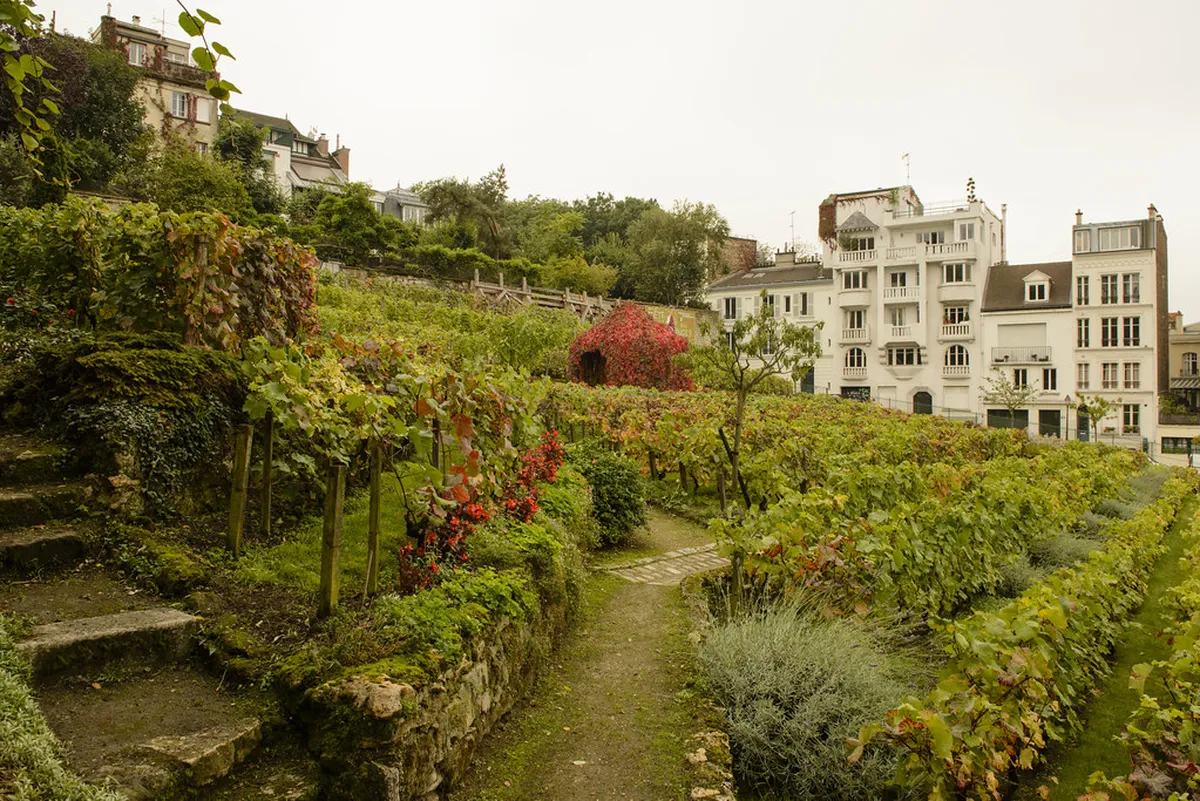
Musée de Montmartre
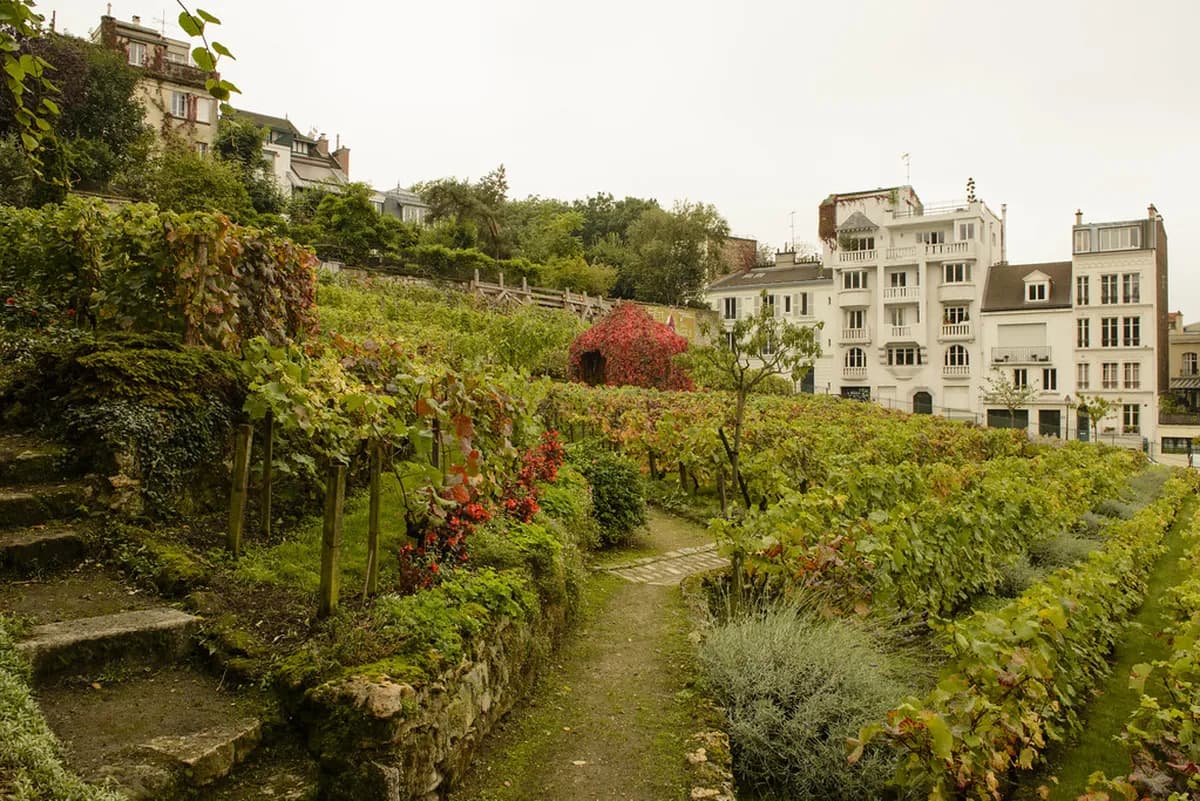
Set in Montmartre's oldest house at 12 rue Cortot, the Musée de Montmartre traces the bohemian art history of the Butte through works tied to Renoir, Suzanne Valadon and Maurice Utrillo, including Valadon's restored studio-apartment. Its Renoir Gardens and Café Renoir look out over the historic Clos Montmartre vineyard.
Visitor guide →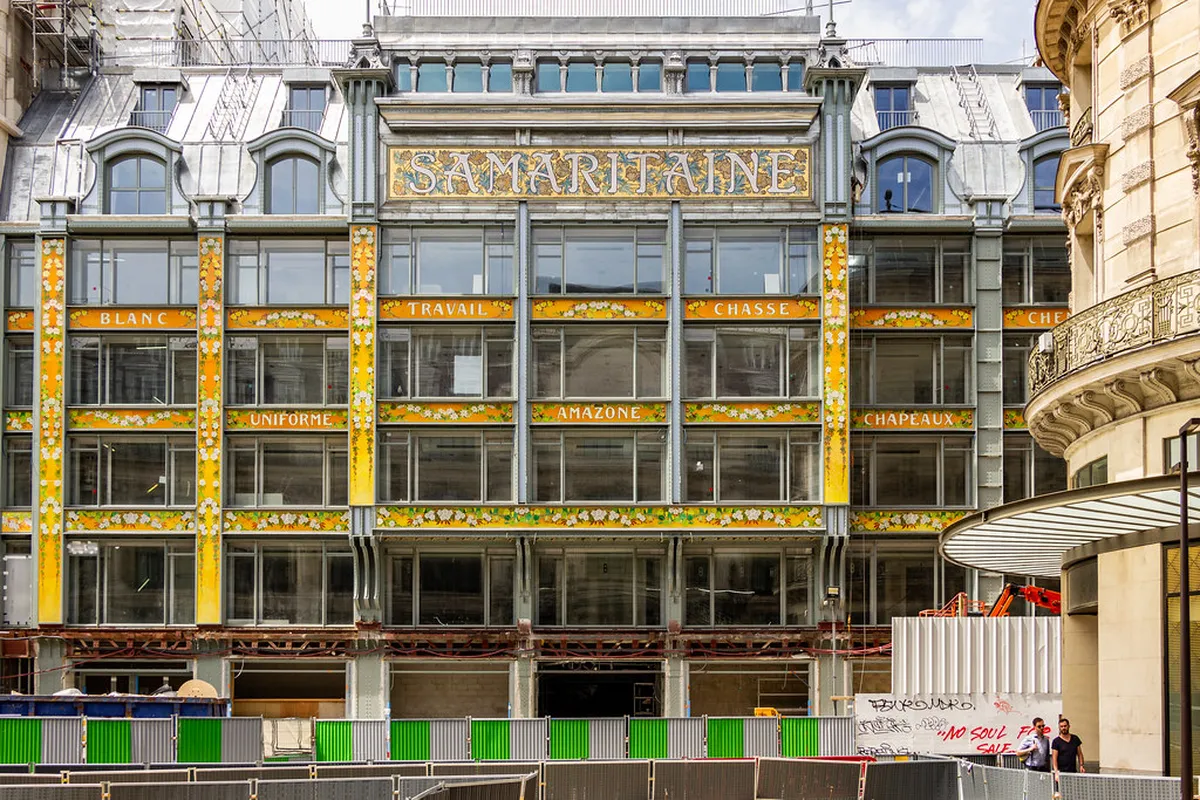
Musée Cognacq-Jay
A City of Paris museum in the Marais showcasing Ernest Cognacq's collection of 18th-century French art — Boucher, Fragonard, Chardin and more — inside the Renaissance Hôtel de Donon. The permanent collection is free to visit; only temporary exhibitions are paid.
Visitor guide →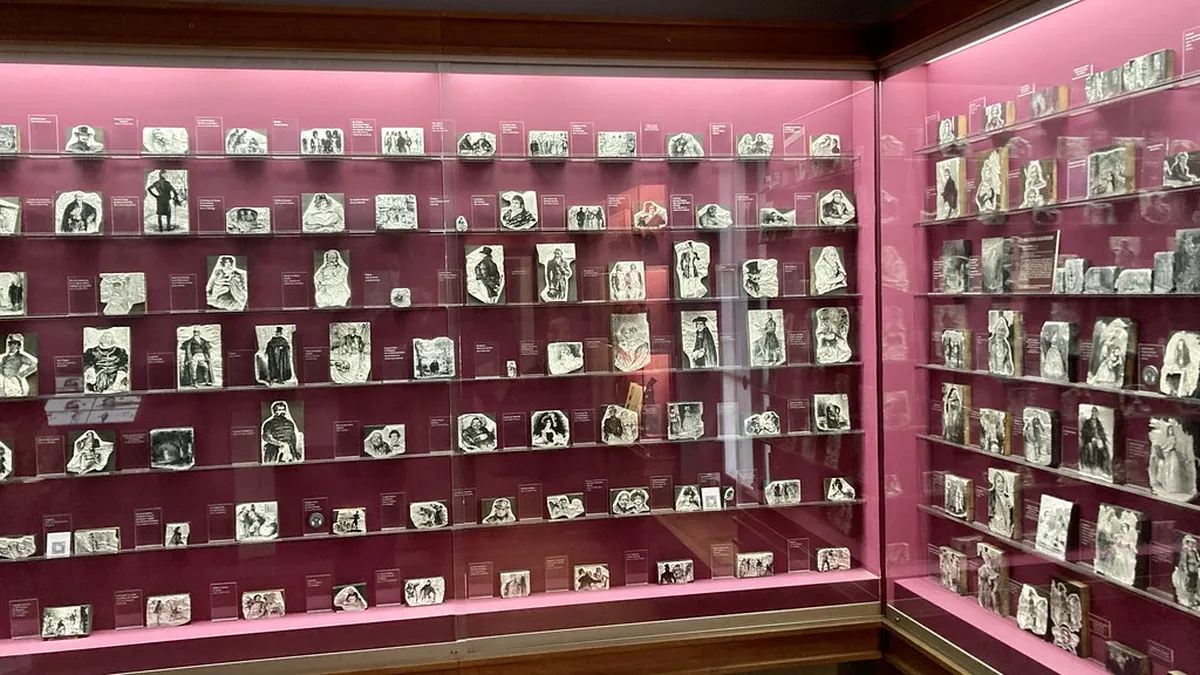
Maison de Balzac
The Maison de Balzac is the only surviving Paris residence of novelist Honoré de Balzac, a preserved house-museum in Passy where he edited La Comédie humaine and wrote novels such as La Cousine Bette, displaying his writing desk and famous coffee pot. A free-admission City of Paris museum set in a leafy garden with a café, it is a quiet literary pilgrimage in the 16th arrondissement.
Visitor guide →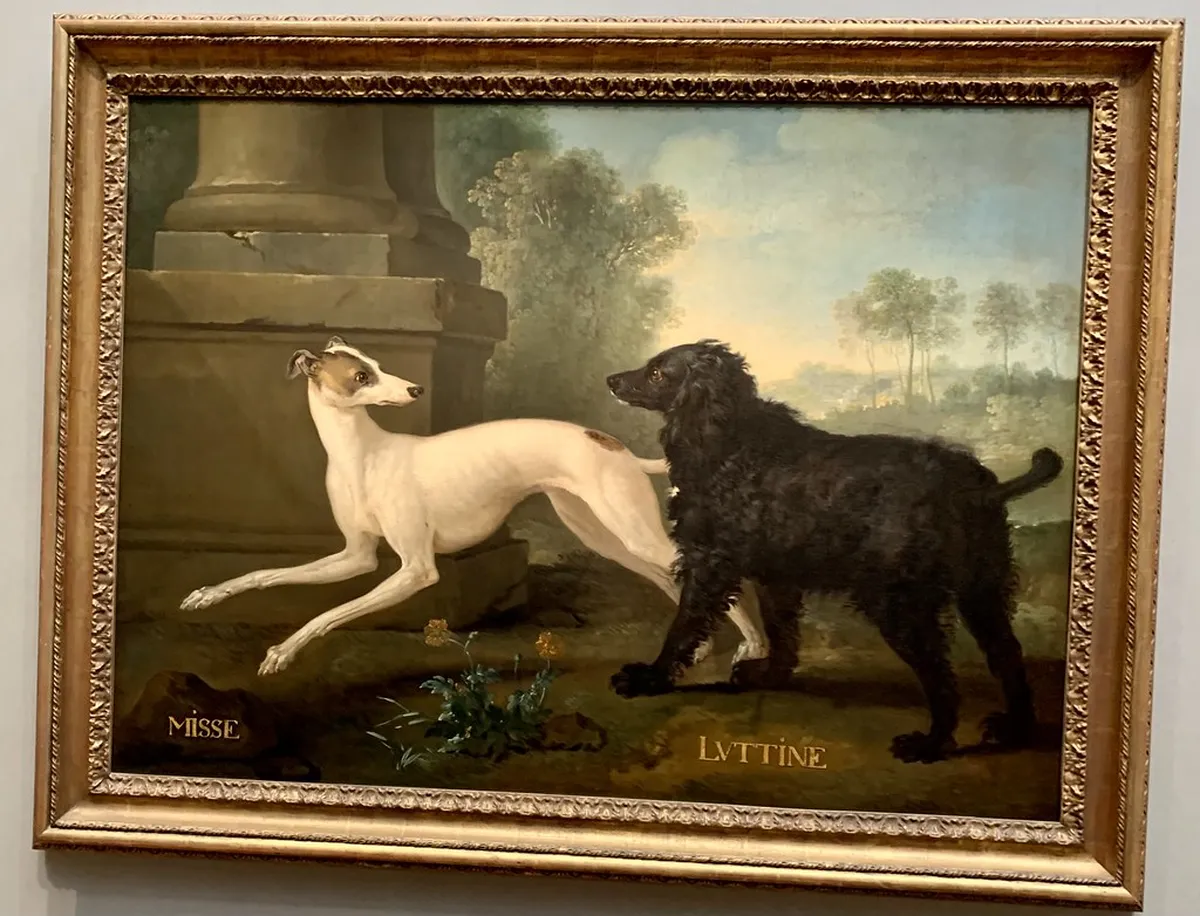
Musée de la Chasse et de la Nature
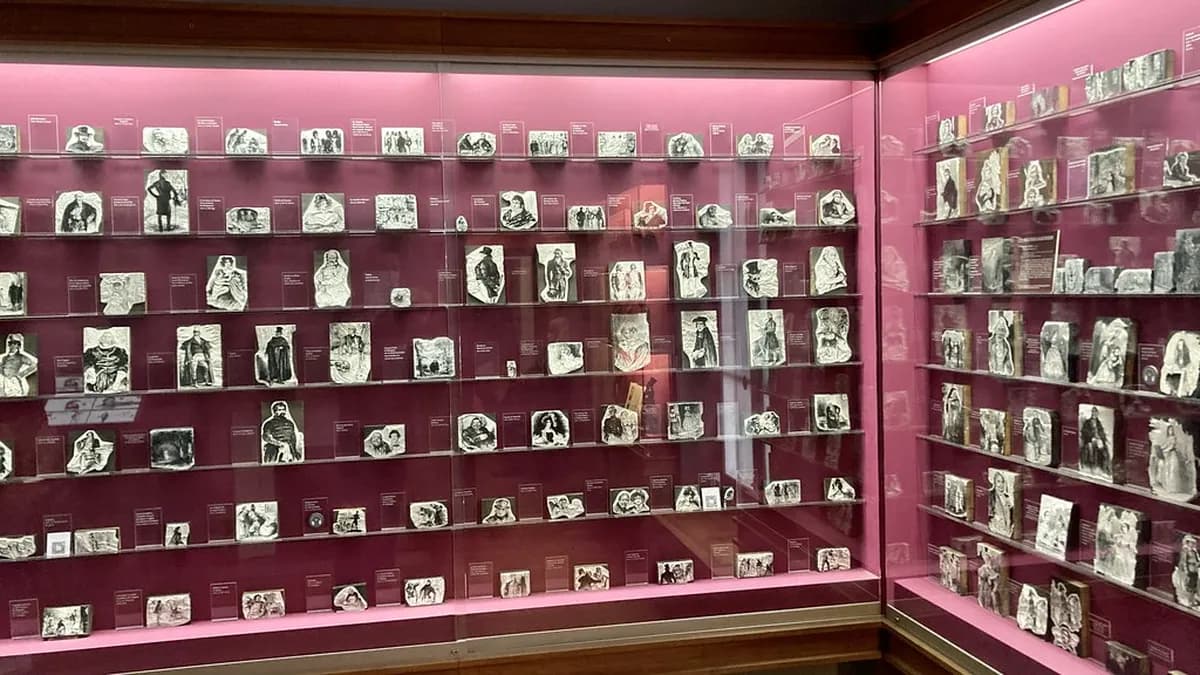
A surreal hunting-and-nature museum in the Paris Marais that mixes old-master paintings, taxidermy, and antique weaponry with contemporary-art installations across two historic mansions, the Hôtel de Guénégaud and the Hôtel de Mongelas. Highlights include themed cabinet-of-curiosities galleries and Jan Fabre's iridescent owl-feather trophy-room ceiling.
Visitor guide →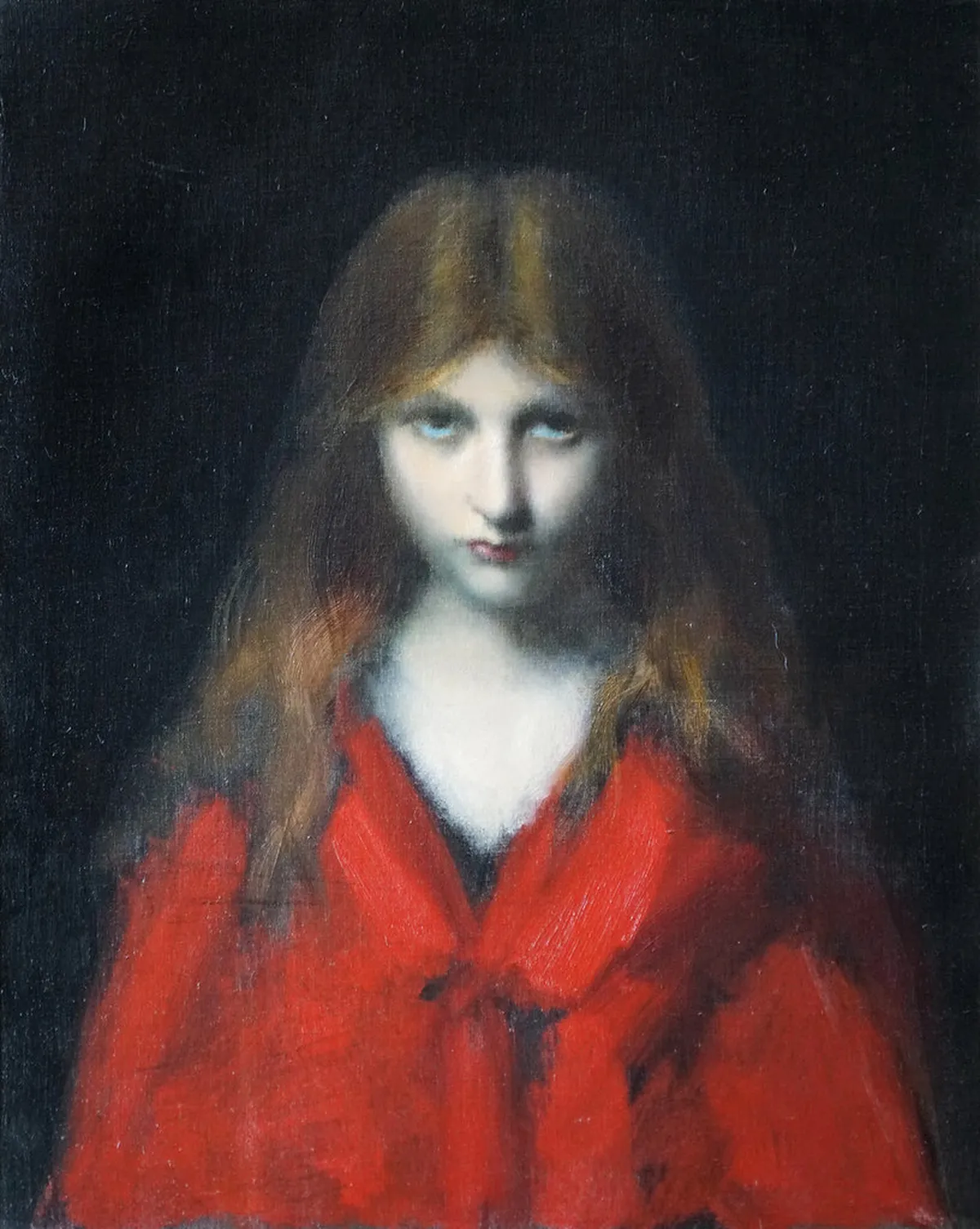
Musée Jean-Jacques Henner
An intimate hôtel-particulier house-museum in Paris's 17th arrondissement devoted to academic, Symbolist-adjacent painter Jean-Jacques Henner, set in an 1878 mansion once owned by painter Guillaume Dubufe and known for Henner's misty portraits of red-haired women. The €8 ticket is shared with the Musée Gustave Moreau and is valid for 7 days.
Visitor guide →Paris hidden gems by neighbourhood
One of the quiet advantages of these eight museums is geography: they cluster into a handful of walkable districts, so you can string two or three together on foot without ever touching the Métro. Here is how they group by arrondissement.
The Marais (3rd / 4th)
Paris's best-preserved old quarter packs two of the most unexpected collections in the city. The Musée Cognacq-Jay hides inside the Renaissance Hôtel de Donon, showing 18th-century French art — Boucher, Fragonard, Chardin — with the permanent collection free to enter. A ten-minute walk away, the Musée de la Chasse et de la Nature sprawls across two historic mansions and mixes old-master paintings, taxidermy and antique weaponry with contemporary-art installations, including Jan Fabre's iridescent owl-feather ceiling. Bundle them with a wander past the Place des Vosges and you have a half-day that most visitors never discover.
Nouvelle Athènes & the 9th
The streets below Pigalle were the artistic heart of Romantic-era Paris, and two house-museums preserve that world. The Musée Gustave Moreau is the Symbolist painter's own house and studio, famous for a dramatic spiral staircase and double-height rooms hung floor-to-ceiling with hundreds of his works. A few minutes north, the Musée de la Vie Romantique sits in painter Ary Scheffer's 1830s villa, full of George Sand mementos, with a rose-filled courtyard, a tea salon and a free permanent collection.
Montmartre (18th)
Most visitors climb straight to the Sacré-Cœur and leave. The Musée de Montmartre, set in the Butte's oldest house at 12 rue Cortot, tells the real story of bohemian Montmartre through works tied to Renoir, Suzanne Valadon and Maurice Utrillo, with Valadon's restored studio-apartment and the Renoir Gardens overlooking the last working vineyard in Paris, the Clos Montmartre.
The 8th — boulevard Haussmann
The Musée Jacquemart-André is the grandest gem on this list: an opulent 19th-century mansion built by collectors Nélie Jacquemart and Édouard André to house their Italian Renaissance treasures beneath a Tiepolo-frescoed staircase. Its former dining room survives as one of the loveliest café-tea rooms in Paris.
The 16th — Passy
The Maison de Balzac is the only surviving Paris home of Honoré de Balzac, a preserved house-museum in leafy Passy where he edited La Comédie humaine. You'll see his writing desk and famous coffee pot, and the garden café makes it a quiet literary pilgrimage — and, as a City of Paris museum, free to enter.
The 17th — near Parc Monceau
The Musée Jean-Jacques Henner occupies an 1878 hôtel-particulier devoted to the academic painter known for his misty portraits of red-haired women. It is one of the most peaceful small museums in Paris, and its ticket is shared with the Musée Gustave Moreau (more on that below).
Paris attractions by type
The eight gems fall into four loose families. Knowing which kind you're walking into helps you decide what to pair and what to skip.
- House-museums of artists and writers — the Musée Gustave Moreau, Maison de Balzac, Musée Jean-Jacques Henner, Musée de la Vie Romantique and Musée de Montmartre all preserve a creative life in the rooms where it happened. These reward slow looking: studios, writing desks, personal objects.
- Mansion art collections — the Musée Jacquemart-André and Musée Cognacq-Jay are private collections displayed in the grand homes built to hold them, so the architecture is half the visit.
- Free city museums — the Musée de la Vie Romantique, Musée Cognacq-Jay and Maison de Balzac belong to the Paris Musées network, with permanent collections you can enter for nothing.
- Quirky and surreal — the Musée de la Chasse et de la Nature is in a category of its own, the museum to visit if you want Paris to surprise you.
Free vs paid Paris museums
This is where Paris's hidden gems quietly beat the headline attractions. Three of the eight have free permanent collections year-round; only their temporary exhibitions carry a charge.
- Musée de la Vie Romantique — permanent collection free (Paris Musées); temporary exhibitions paid.
- Musée Cognacq-Jay — permanent collection free (Paris Musées); temporary exhibitions paid.
- Maison de Balzac — permanent collection free (Paris Musées); temporary exhibitions paid.
The paid gems are still modestly priced by Paris standards:
- Musée Jacquemart-André — around €19, the most expensive on this list and worth it for the mansion alone.
- Musée de Montmartre — around €15, including the Renoir Gardens.
- Musée de la Chasse et de la Nature — around €11–13.
- Musée Gustave Moreau — €8.
- Musée Jean-Jacques Henner — €8, with a combined ticket: the €8 buys entry to both the Musée Gustave Moreau and the Musée Jean-Jacques Henner, and it stays valid for 7 days.
On top of that, the two national museums on this list (Moreau and Henner) join every other French national museum in offering free admission on the first Sunday of each month. Always check the official site before you go, as prices and exhibition schedules can shift through 2026.
Three of the eight museums have permanent collections you can visit free of charge all year: Musée de la Vie Romantique, Musée Cognacq-Jay and Maison de Balzac. You only pay if you visit temporary exhibitions.
Suggested itineraries
Because the gems cluster by arrondissement, the most efficient plan is to do one neighbourhood at a time rather than crisscrossing the city.
One-day hidden-gems route
Start in the 9th: open with the Musée Gustave Moreau when the doors do, then walk ten minutes to the Musée de la Vie Romantique for its free collection and a coffee in the courtyard. After lunch, ride north to Montmartre (18th) for the Musée de Montmartre and the vineyard view, finishing with the late-afternoon light over the rooftops. Two paid museums, one free one, almost no Métro time.
Two-day route
Day 1 — the Marais: the Musée Cognacq-Jay (free) and the Musée de la Chasse et de la Nature, with a long lunch and a stroll round the Place des Vosges in between. Day 2 — the grand homes: begin at the Musée Jacquemart-André on boulevard Haussmann (8th), break in its famous tea room, then choose your second half by mood — the Maison de Balzac in quiet Passy (16th), or the Musée Jean-Jacques Henner near Parc Monceau (17th), where your €8 ticket also covers the Gustave Moreau if you missed it.
Getting around Paris's museums
Within each cluster — the Marais, the 9th, Montmartre — these museums are close enough to walk between in 5–15 minutes, which is the whole point of grouping them. Between clusters, the Métro is fast and cheap: nearly every museum here sits within a few minutes of a station, and a contactless tap gets you across town for a couple of euros. Montmartre is the one exception to easy walking — the Butte is steep, so factor in the climb or take the funicular near the Sacré-Cœur.
Best time to visit Paris's museums
Spring (April–June) and early autumn (September–October) are the sweet spots: mild weather for walking between clusters, gardens at the Vie Romantique and Maison de Balzac in bloom or turning, and thinner crowds than the July–August peak. Summer is hot and busy but the small museums never feel as packed as the Louvre. Winter is genuinely pleasant for indoor, intimate collections like these.
One scheduling rule matters more than the season: most Paris museums close one day a week, and the day varies by museum — usually Monday or Tuesday. The Paris Musées house-museums (Vie Romantique, Cognacq-Jay, Balzac) typically close Mondays; some others close Tuesdays. Never plan a hidden-gems day for early in the week without checking each museum's official page first, or you'll arrive at a locked door. Late afternoon is generally the quietest time to walk in.
Most Paris museums close one day a week — usually Monday or Tuesday. Always check each museum's official page before you visit, or you may arrive at a locked door.
How to save money on Paris museums
A hidden-gems trip can cost almost nothing if you plan it well.
- Start with the free permanent collections — the Musée de la Vie Romantique, Musée Cognacq-Jay and Maison de Balzac are free to enter all year (you only pay for temporary shows).
- Time a visit for the first Sunday of the month, when France's national museums — including the Gustave Moreau and Jean-Jacques Henner — open their doors for free.
- If you're an EU/EEA resident under 26, entry to all French national museums is free year-round — just bring proof of residency.
- Use the combined ticket: a single €8 ticket covers both the Musée Gustave Moreau and the Musée Jean-Jacques Henner and stays valid for 7 days, so you don't have to see them the same day.
- Skip the city pass for a gem-only trip — with three free museums and two €8 nationals, a multi-museum pass rarely pays off unless you're also hitting the big-ticket institutions.
Frequently asked questions about Paris hidden-gem museums
What are the best hidden gems in Paris?
For art and history lovers, the standouts are the eight museums in this guide: the Musée Gustave Moreau, Musée Jacquemart-André, Musée de la Vie Romantique, Musée de Montmartre, Musée Cognacq-Jay, Maison de Balzac, Musée de la Chasse et de la Nature and Musée Jean-Jacques Henner. They are intimate, rarely crowded, and spread across walkable neighbourhoods like the Marais, Montmartre and the 9th.
Which museums in Paris are free?
Three of the gems on this list have free permanent collections all year as part of the Paris Musées network: the Musée de la Vie Romantique, the Musée Cognacq-Jay and the Maison de Balzac. You only pay for their temporary exhibitions. On top of that, France's national museums — including the Musée Gustave Moreau and Musée Jean-Jacques Henner — are free on the first Sunday of every month.
What can I do in Paris that isn't the Eiffel Tower or the Louvre?
Spend a day in Paris's house-museums and free city collections instead. Tour the studio of a Symbolist painter at the Musée Gustave Moreau, the only surviving home of Honoré de Balzac, or the surreal Musée de la Chasse et de la Nature in the Marais. These are the experiences Parisians point visitors toward when they want to escape the queues.
Are Paris's hidden-gem museums good for a first-time visit?
Yes — and they pair well with the headline sights. Because each one takes only 60–90 minutes, you can fit two or three around a morning at the Louvre or an afternoon by the Seine. They also work brilliantly as a "second day" plan once you've ticked off the must-sees.
How much do Paris's hidden-gem museums cost?
Three are free (Vie Romantique, Cognacq-Jay, Maison de Balzac). The paid ones range from €8 at the Musée Gustave Moreau and Musée Jean-Jacques Henner up to about €19 at the grand Musée Jacquemart-André, with the Musée de Montmartre around €15 and the Musée de la Chasse et de la Nature about €11–13. A combined €8 ticket covers both the Moreau and the Henner for 7 days.
Which day are Paris museums closed?
Most Paris museums close one day a week, and which day varies by museum — usually Monday or Tuesday. The Paris Musées house-museums tend to close on Mondays; several others close on Tuesdays. Always check each museum's official site before planning your route, as a wrong-day visit means a locked door.
How do I get between Paris's hidden-gem museums?
Within a neighbourhood — the Marais, the 9th, Montmartre — the museums are a 5–15 minute walk apart, so you rarely need transport. Between districts, the Métro is fast and inexpensive, with a station near almost every museum on this list. Comfortable shoes matter most, especially on the steep climb up to Montmartre.
Is the Musée Jacquemart-André worth visiting?
For many travellers it's the highlight of a hidden-gems trip. The mansion itself — built to display an Italian Renaissance collection beneath a Tiepolo-frescoed staircase — is as much the draw as the art, and the former dining room now serves as one of the most beautiful café-tea rooms in Paris. At around €19 it's the priciest on this list, but the setting justifies it.
Plan your Paris trip
Ready to go deeper? Our Paris blog expands on everything above with neighbourhood walks, free-entry round-ups and secret corners most guidebooks skip. Start with our full guide to hidden gems in Paris, plan a budget day with places to visit in Paris for free, and step further off the tourist trail with our off-the-beaten-path Paris guide. Each one links back to the museum visitor guides above so you can build the trip you actually want.
If you like Paris's small museums
Three other cities do the collector's-mansion format just as well. Madrid has Sorolla's house and the Lázaro Galdiano; London holds the Wallace Collection and Sir John Soane's Museum, both shown in the rooms they were assembled for; and Milan keeps the Bagatti Valsecchi brothers' Renaissance house and Villa Necchi Campiglio intact.
Continue exploring
More guides you'll find useful