Madrid's Hidden-Gem Museums: 8 Lesser-Known Sights (2026)
Madrid's 8 hidden-gem museums — Templo de Debod and Goya's chapel are free; Sorolla, Cerralbo and Romanticismo cost just €3. Verified 2026 prices, free-entry windows and visitor tips.
On this page
Madrid's "big three" — Prado, Reina Sofía, Thyssen — dominate every itinerary, but the city's real cultural depth lies elsewhere: in the house-museums, aristocratic palaces, and free-entry chapels that most tourists walk past on the way to the queue. The 8 sights collected here are the ones that reward the curious traveller who wants to skip the crowds entirely, or who has already ticked off the blockbusters and is ready for the more intimate side of Madrid.
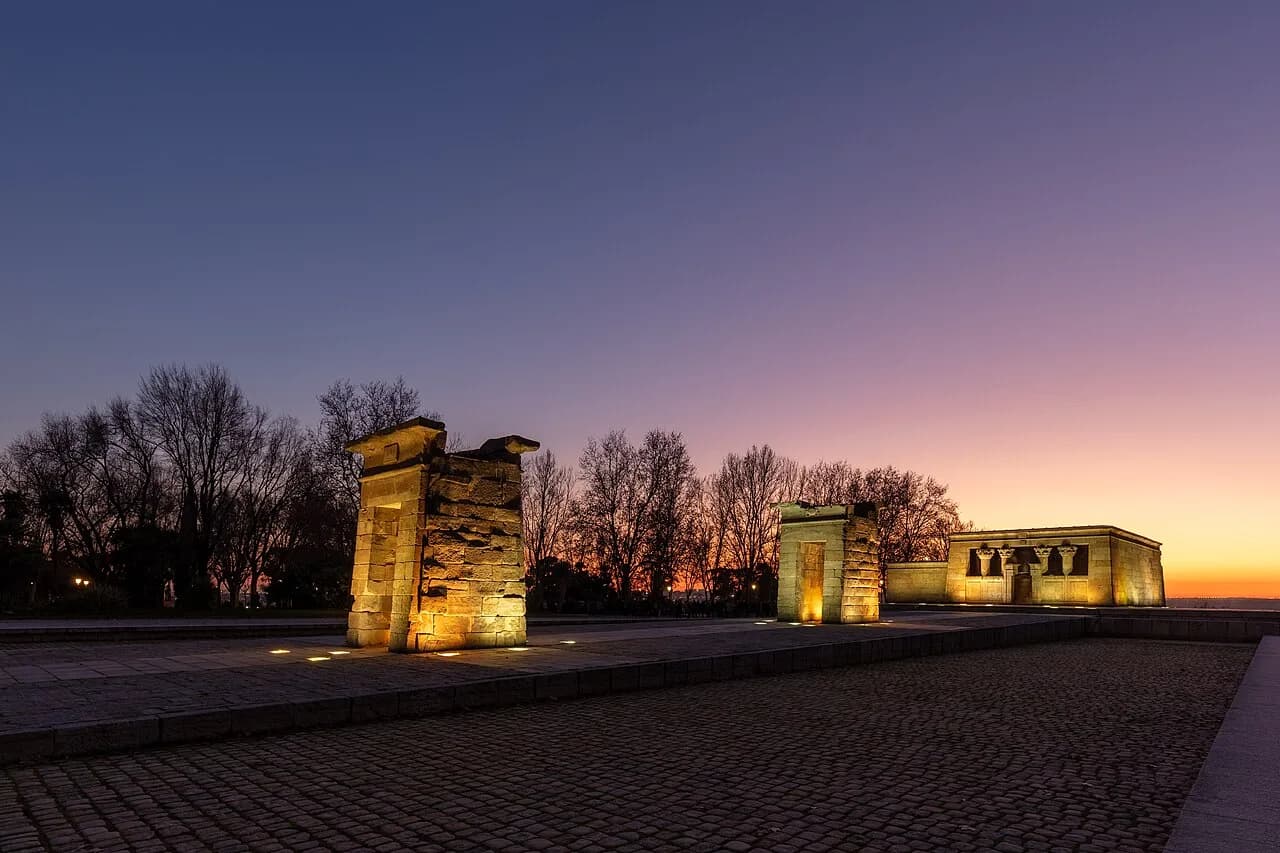
Several are genuinely free. The Templo de Debod — a 2,200-year-old Egyptian temple dismantled stone by stone and reassembled inside Madrid's Parque del Oeste — costs nothing to enter and delivers one of the city's most celebrated sunset viewpoints. Goya's mural-scale frescoes at the Ermita de San Antonio de la Florida are also free; you'll have the entire chapel, where the painter is buried, largely to yourself. The state-run museums — Sorolla, Cerralbo, Romanticismo — charge just €3, and waive even that on Saturday afternoons and all day Sunday under Spain's national museum free-entry scheme.
What unites all eight is a sense of intimacy the blockbusters can't replicate. Museo Sorolla is the artist's actual home and garden — the easels, the Mediterranean light, the Andalusian-tiled courtyard are exactly as he left them. Museo Cerralbo is a 19th-century aristocratic palace frozen in time, complete with the Marquis's personal collection of arms, Old Masters, and porcelain. The Descalzas Reales is a working royal convent of Poor Clare nuns that doubles as one of Spain's richest collections of Flemish tapestries — and remains almost unknown outside specialist art circles.
Budget a half-day for two or three nearby sights, or use the suggested itineraries below to string them into a full day of culture without spending more than €20 total. Each card below links to a full visitor guide with verified 2026 opening hours, current pricing, and the practical tips that don't make it into the official site's FAQ.
Top 8 attractions in Madrid
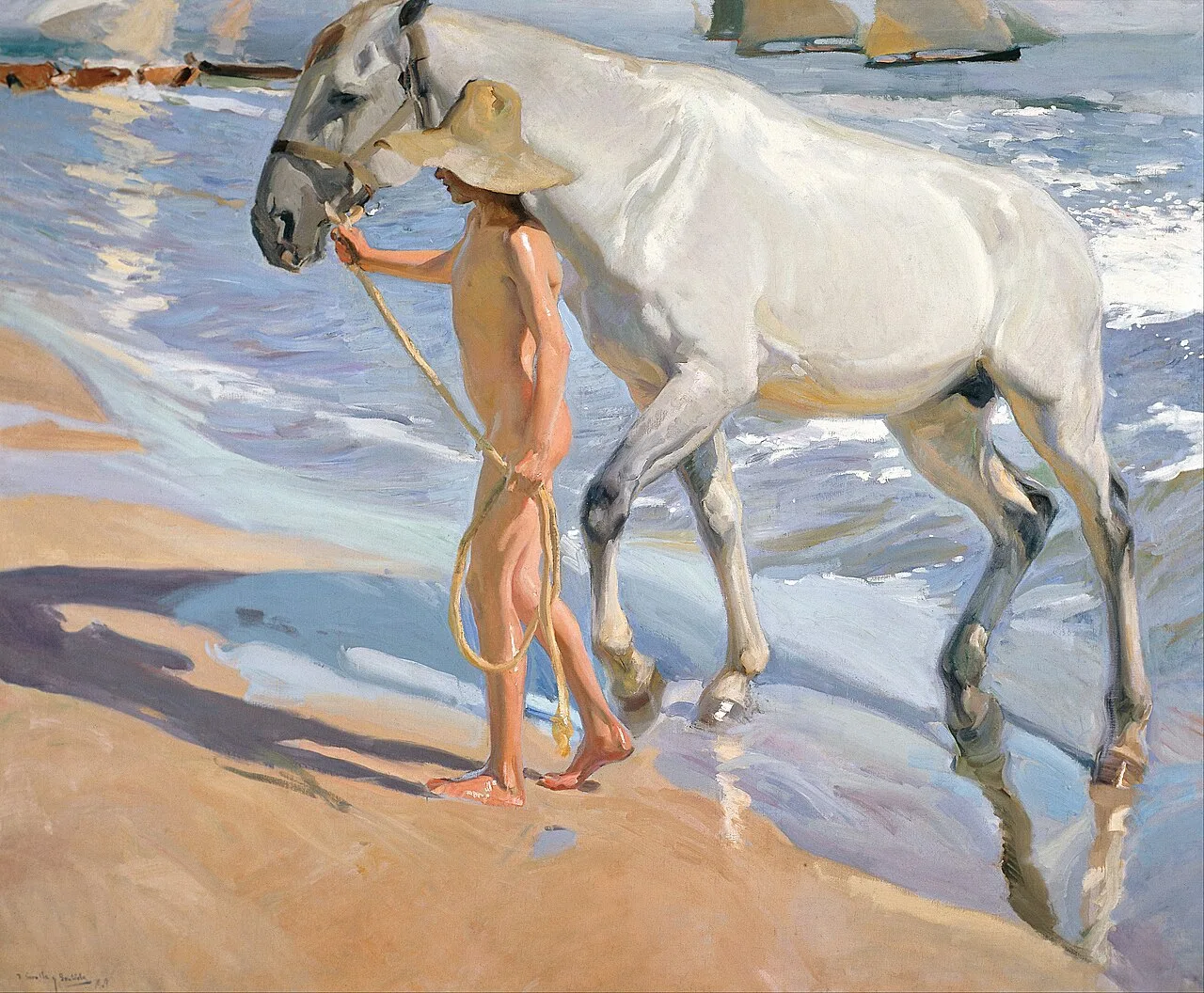
Museo Sorolla
Museo Sorolla is a house-museum in Madrid's Chamberí district preserving the home, studio and gardens of Spanish painter Joaquín Sorolla, displaying the largest collection of his luminous, light-filled works.
Visitor guide →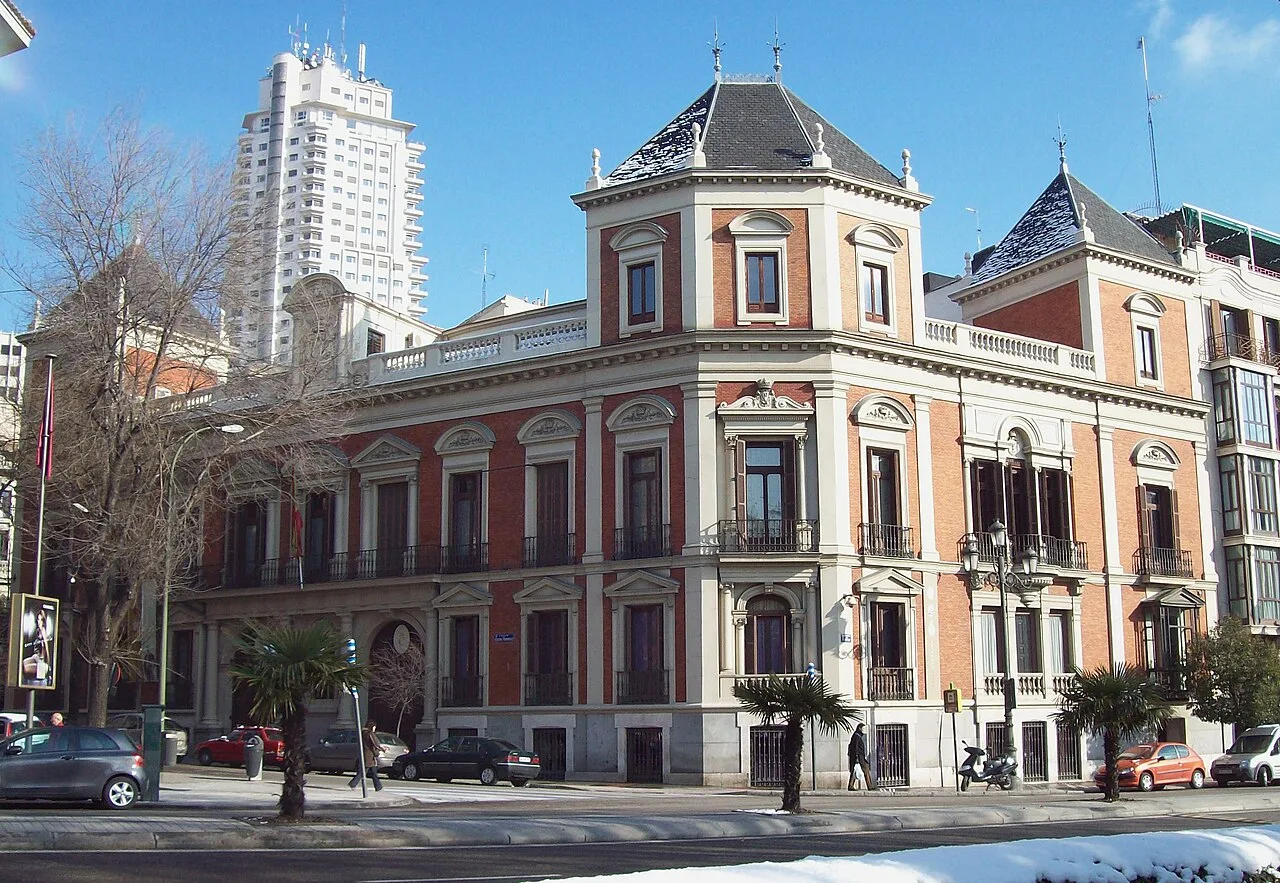
Museo Cerralbo
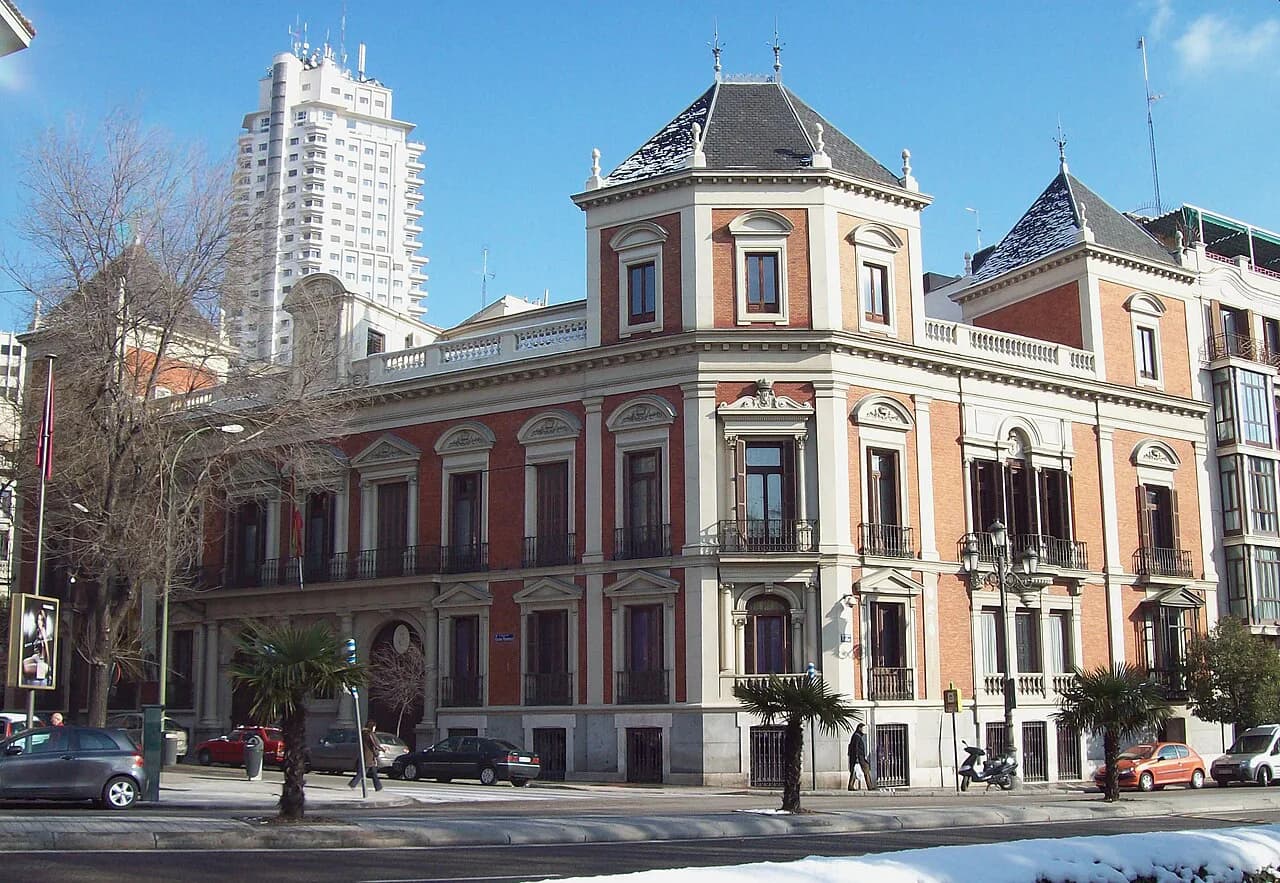
The Museo Cerralbo is a 19th-century aristocratic palace-museum in central Madrid, displaying the Marquis of Cerralbo's collection of paintings, weapons, and decorative arts in their original opulent setting near Plaza de España.
Visitor guide →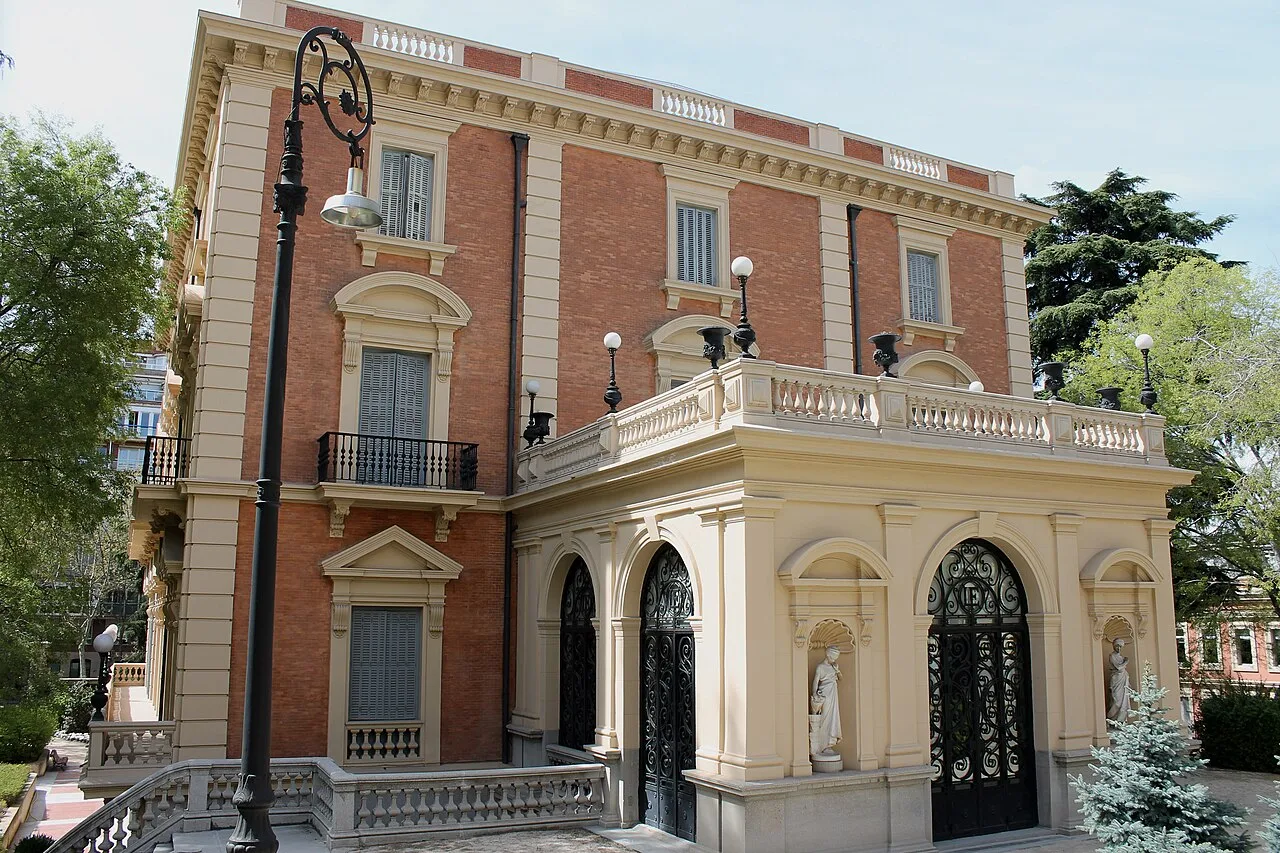
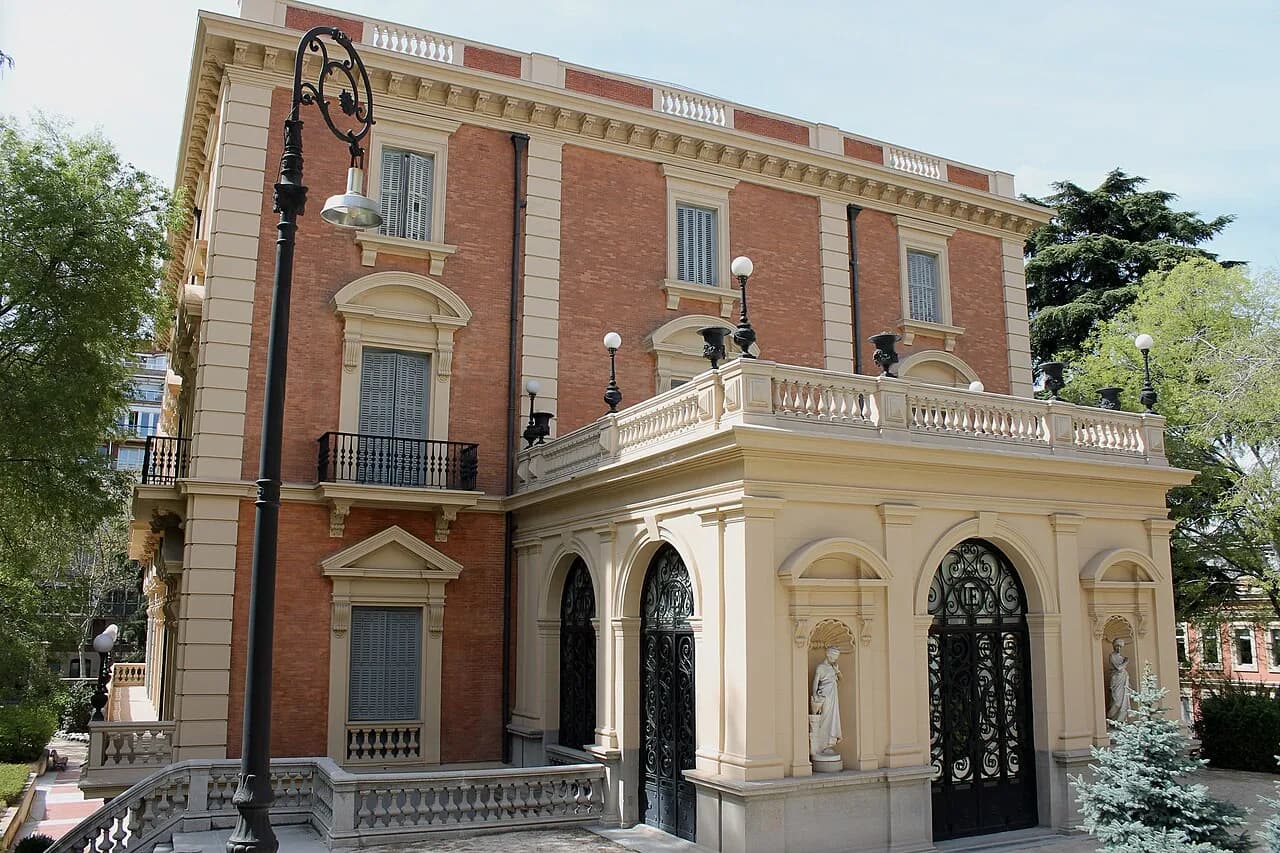
Museo Lázaro Galdiano
The Museo Lázaro Galdiano is a Madrid art museum in the Salamanca district that displays collector José Lázaro Galdiano's personal trove of over 12,000 works, including paintings, decorative arts, and manuscripts, inside his former mansion on Calle Serrano.
Visitor guide →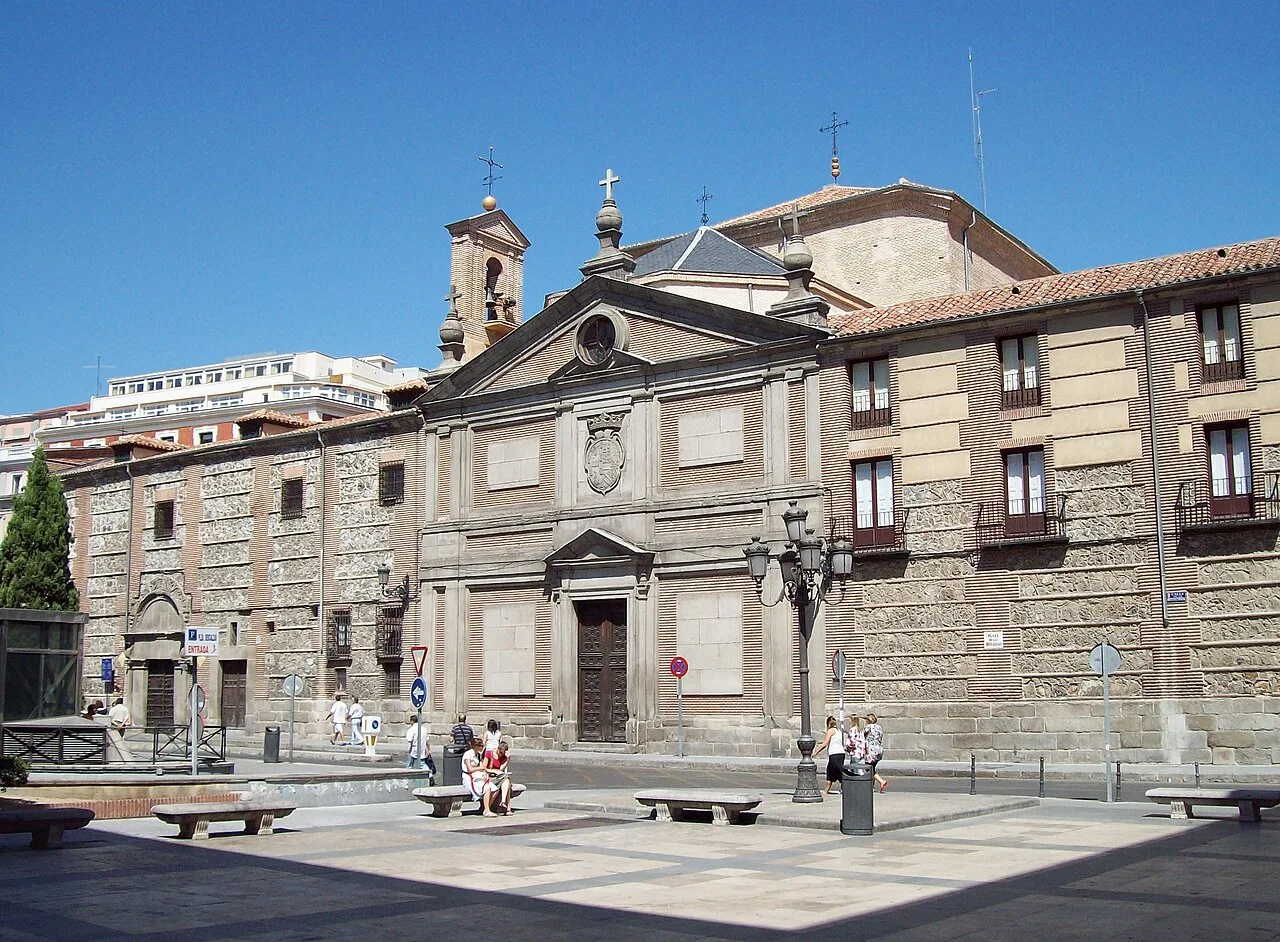
Monasterio de las Descalzas Reales
The Monasterio de las Descalzas Reales is a 16th-century royal convent of Poor Clare nuns in central Madrid, founded in 1559 and now a guided-visit-only museum housing an extraordinary collection of tapestries, paintings and religious art under Patrimonio Nacional.
Visitor guide →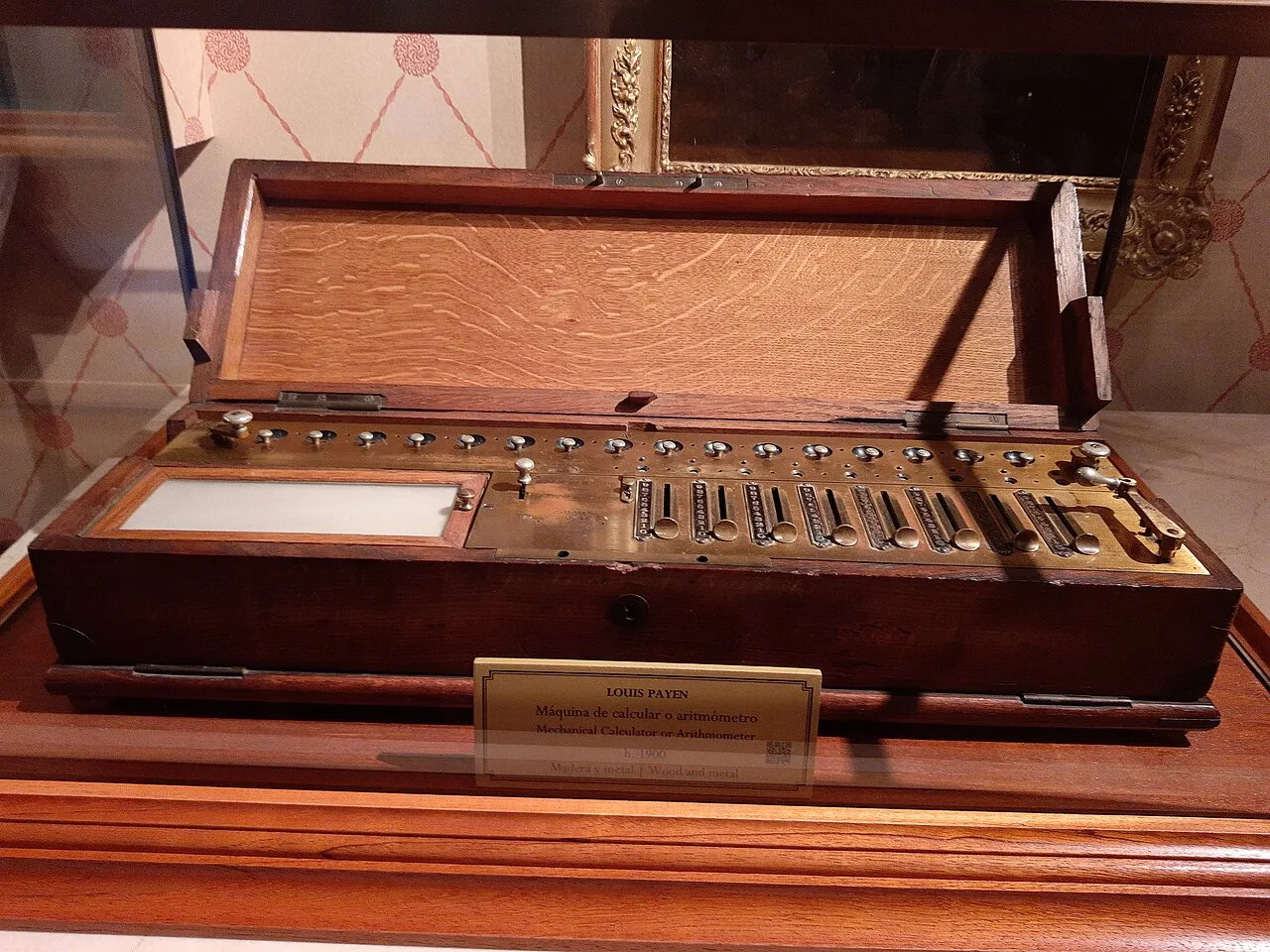
Museo del Romanticismo
The Museo del Romanticismo is a national museum in central Madrid devoted to the art and daily life of 19th-century Romanticism, displayed across atmospheric period rooms in a former neoclassical palace on Calle de San Mateo.
Visitor guide →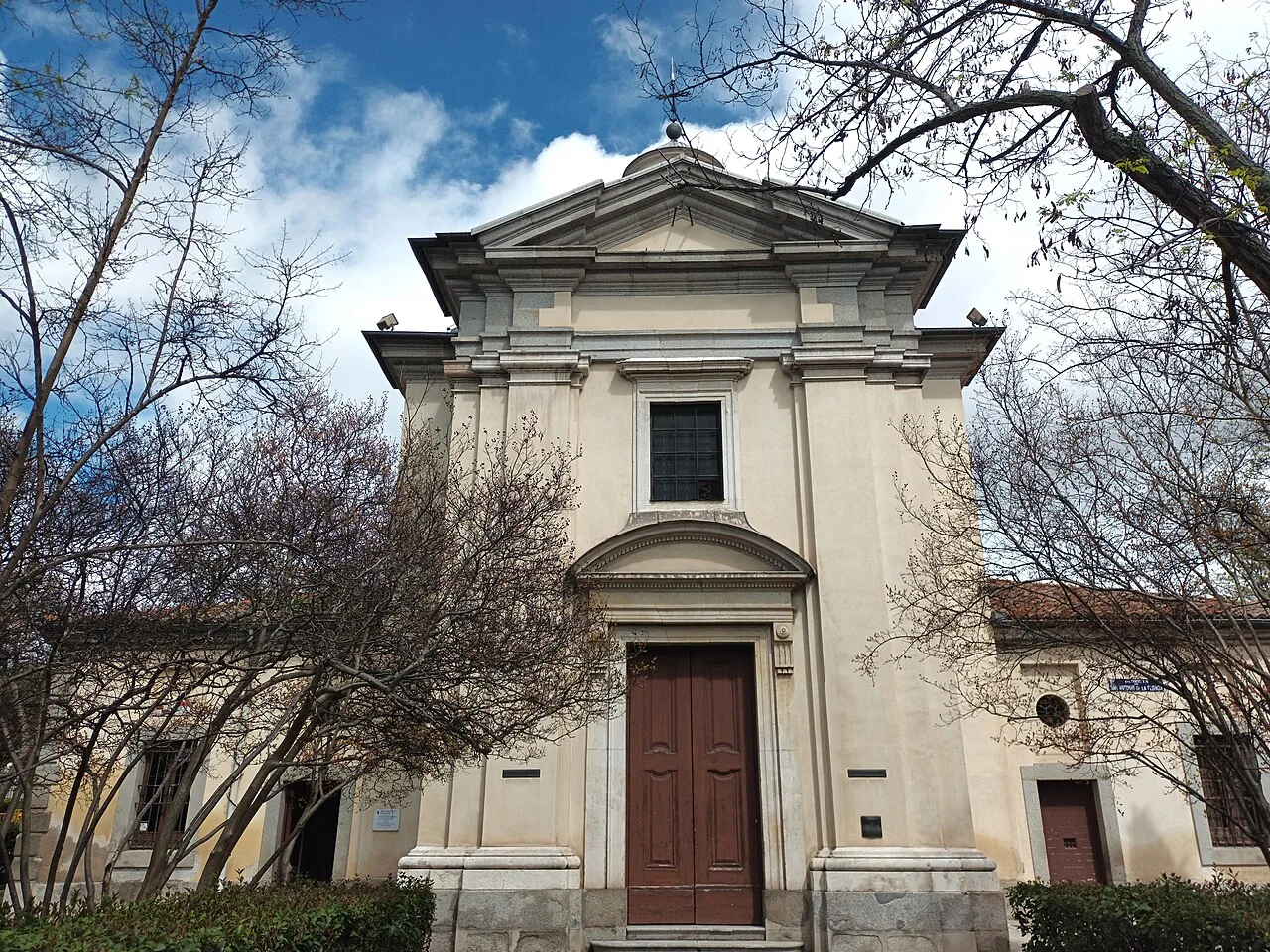
Ermita de San Antonio de la Florida
The Ermita de San Antonio de la Florida is a free-to-visit Neoclassical chapel in Madrid's Moncloa-Aravaca district, renowned for Francisco Goya's 1798 ceiling frescoes and as the artist's burial place.
Visitor guide →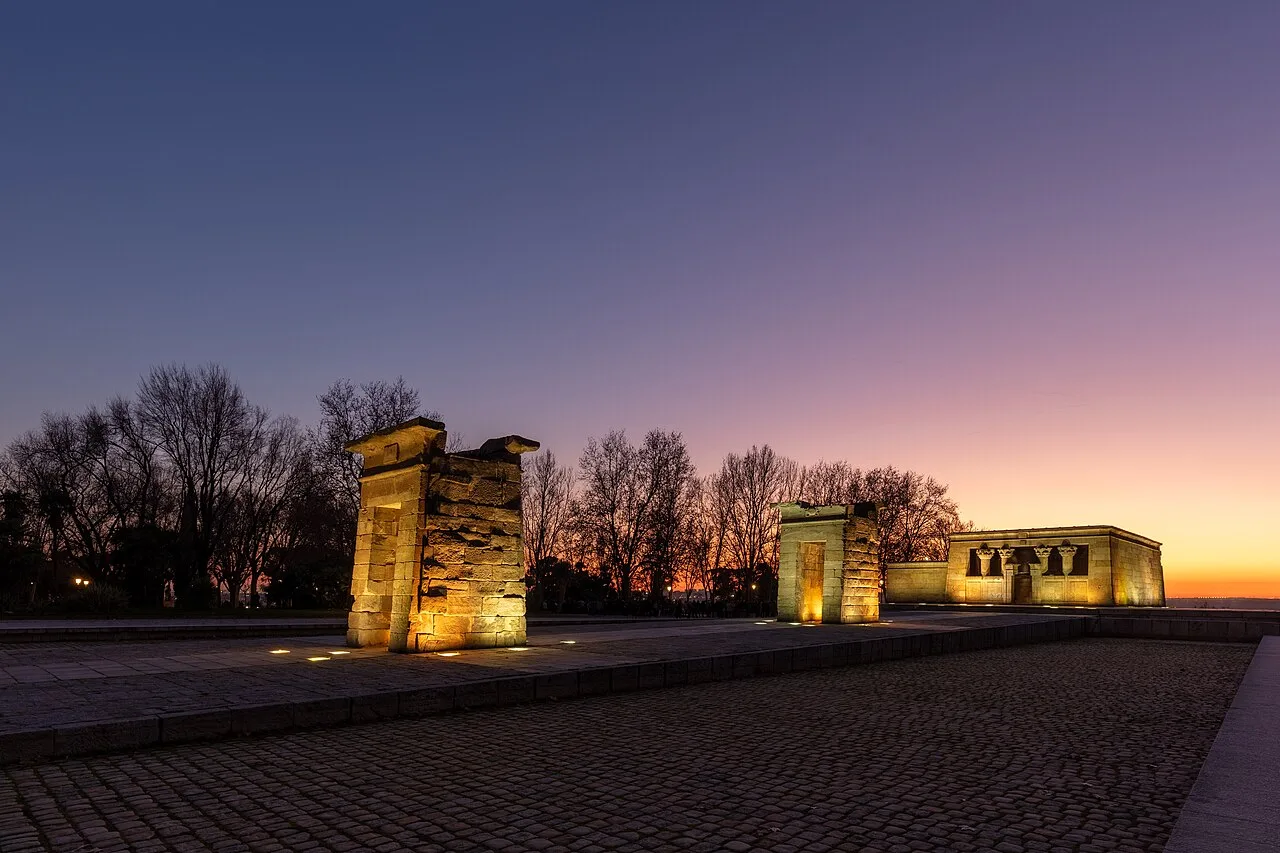
Templo de Debod
The Temple of Debod is an authentic ancient Egyptian temple set in Madrid's Parque del Oeste, offering free entry and one of the city's most celebrated sunset viewpoints near Plaza de España.
Visitor guide →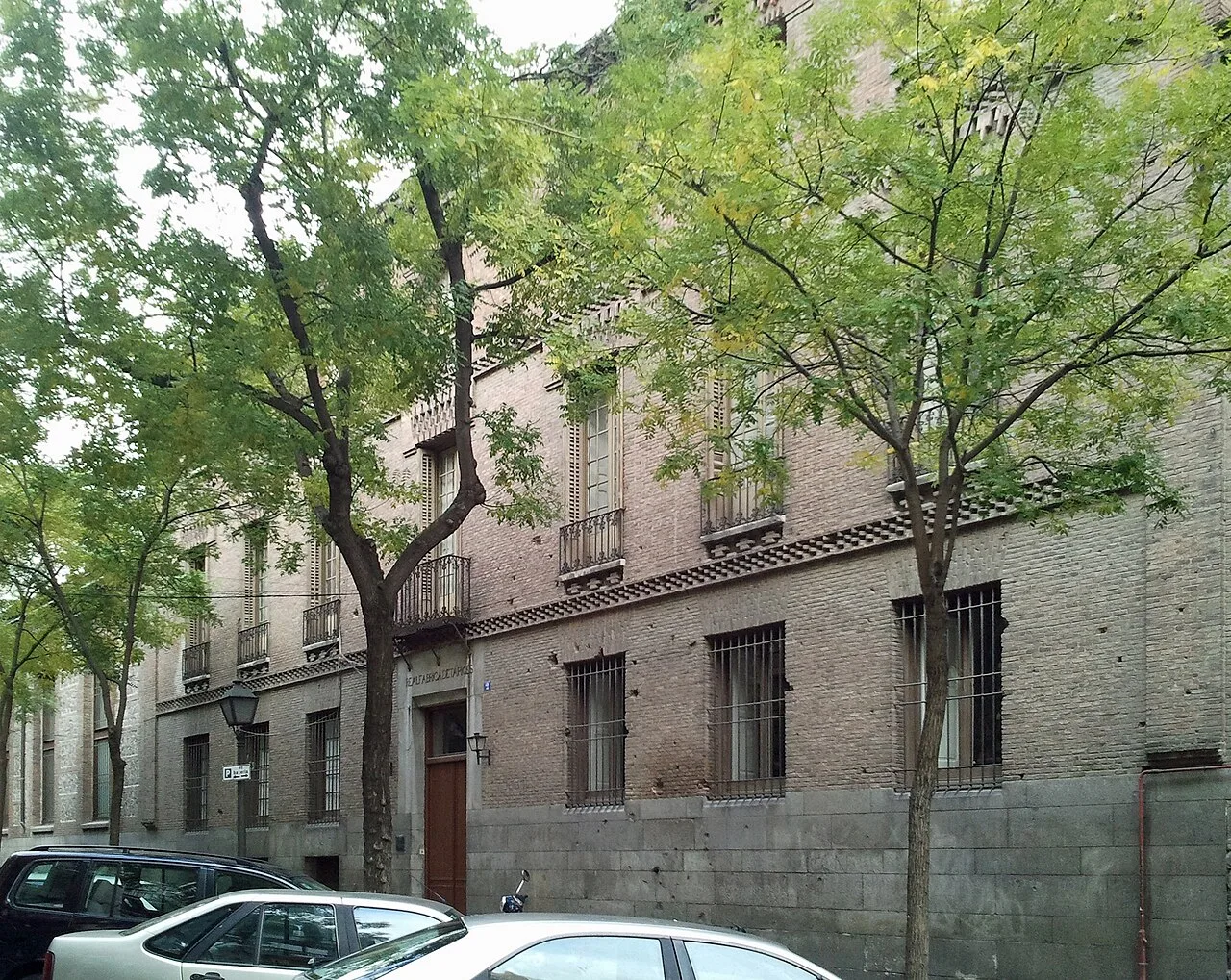
Real Fábrica de Tapices
The Real Fábrica de Tapices (Royal Tapestry Factory) is a working tapestry and carpet workshop in Madrid, founded in 1720, where visitors can take guided tours to watch artisans hand-weave on historic looms.
Visitor guide →Madrid's hidden-gem museums by type
These 8 sights split into four loose categories, which makes it easier to decide what kind of day you're planning.
House-museums and artists' homes
Museo Sorolla (Chamberí) — Joaquín Sorolla's home and studio, preserved exactly as he left it. The garden alone is worth the trip. Standard price: €3; free Saturday 2 pm–8 pm and all day Sunday.
Museo del Romanticismo (Malasaña) — a neoclassical palace recreating the atmosphere of a well-to-do 19th-century Madrid household during the Romantic era. Atmospheric period rooms, a courtyard café, and no queues. Standard price: €3; free Saturday 2 pm–8 pm and all day Sunday.
Aristocratic palace-museums
Museo Cerralbo (near Plaza de España) — the Marquis of Cerralbo's palace left intact: grand ballroom with frescoed ceiling, crystal chandeliers, gilded mirrors, and a weapons collection that fills several rooms. Standard price: €3; free Saturday 2 pm–8 pm and all day Sunday.
Monasterio de las Descalzas Reales (central Madrid) — a 16th-century royal convent that still houses an order of Poor Clare nuns, now under Patrimonio Nacional and open for guided visits only. Entry: €9; book ahead — capacity is strictly capped.
Private art collections
Museo Lázaro Galdiano (Salamanca district) — collector José Lázaro Galdiano left his 12,000-piece trove — medieval art, Renaissance paintings, enamels, manuscripts, jewellery — inside his Belle Époque mansion on Calle Serrano. Entry: €8.
Living craft and ancient monuments
Real Fábrica de Tapices (near Atocha) — a royal tapestry workshop founded in 1720 that is still weaving on historic looms. Guided tours let you watch master artisans work. Entry: €6; closed weekends and August.
Templo de Debod (Parque del Oeste) — an authentic 2,200-year-old Egyptian temple, dismantled and gifted to Spain in 1968. Entry: always free.
Ermita de San Antonio de la Florida (Moncloa) — Goya's painted ceiling and the artist's tomb, in a neoclassical chapel most visitors drive straight past. Entry: always free.
Free and cheap Madrid museums: 2026 price guide
Spain's national museum free-entry scheme applies to most state-run museums: free every Saturday from 2 pm and free all day Sunday. Two of the eight sights are free every single day. Here's the full breakdown for 2026:
Spain's national museums are free every Saturday from 2 pm and all day Sunday. Templo de Debod and Ermita de San Antonio de la Florida are free every day without exception.
| Attraction | Standard price | Free windows (2026) |
|---|---|---|
| Templo de Debod | Free | Always free |
| Ermita de San Antonio de la Florida | Free | Always free |
| Museo Sorolla | €3 | Saturday 2 pm–8 pm; all day Sunday |
| Museo Cerralbo | €3 | Saturday 2 pm–8 pm; all day Sunday |
| Museo del Romanticismo | €3 | Saturday 2 pm–8 pm; all day Sunday |
| Real Fábrica de Tapices | €6 | No standard free window — confirm via esmadrid.com |
| Museo Lázaro Galdiano | €8 | Check official site for current free periods |
| Monasterio de las Descalzas Reales | €9 | No standard free window — Patrimonio Nacional pricing |
Sunday strategy: Stack three of the €3 state museums on a Sunday — Sorolla in the morning, Romanticismo (12-minute walk south), then Metro to Cerralbo in the afternoon. Total admission cost: €0. Add Templo de Debod at sunset and you've had a full culture day for nothing.
Where these attractions are in Madrid
The 8 sights fall into four compact neighborhood clusters, making it easy to pair them without crossing the whole city.
Chamberí / Malasaña (north-central)
Museo Sorolla (Paseo del General Martínez Campos) and Museo del Romanticismo (Calle de San Mateo) are 1 km apart — a 12-minute walk through one of Madrid's most characterful residential barrios. This pairing makes a natural half-day without any Metro use.
Plaza de España corridor (west-central)
Museo Cerralbo is two blocks from Plaza de España. Templo de Debod sits inside Parque del Oeste, a 15-minute walk west through the park. Both in the same afternoon is entirely manageable.
Salamanca district (east)
Museo Lázaro Galdiano (Calle Serrano 122) stands alone in Madrid's upscale Salamanca barrio. Pair it with a walk through Retiro Park or a visit to the Thyssen if you're already on that side of the city.
Moncloa / near Atocha / central
Ermita de San Antonio de la Florida (Metro: Príncipe Pío) and Real Fábrica de Tapices (Metro: Atocha Renfe) are at opposite ends of the city — plan them on different days. Descalzas Reales (Metro: Ópera or Sol) is in the heart of the old town, easy to combine with the Royal Palace area.
Suggested culture itineraries
Half-day: free Chamberí morning (Sunday or Saturday from 2 pm)
- 10:00 — Museo Sorolla (free Sunday / €3 weekday). Allow 1.5 hrs for the house, studio, and garden.
- 11:30 — Walk 12 minutes south to Museo del Romanticismo (free Sunday / €3 weekday). Allow 1–1.5 hrs.
- 13:00 — Coffee and pintxos on Calle Ponzano, five minutes north of Sorolla.
Half-day: Plaza de España to sunset
- 14:00 — Museo Cerralbo (free Saturday from 2 pm / free Sunday / €3 weekday). Allow 1–1.5 hrs.
- 15:30 — Walk 15 minutes west through Parque del Oeste to Templo de Debod.
- 17:30–20:00 — Templo de Debod interior (always free) + sunset viewpoint over Casa de Campo.
Full-day: Madrid culture circuit
- Morning: Museo Sorolla + Museo del Romanticismo (Chamberí, 12-min walk between them)
- After lunch: Metro to Descalzas Reales (book ahead; capacity capped)
- Late afternoon: Museo Cerralbo + Templo de Debod sunset walk
- Evening: tapas in Malasaña or along Calle Ponzano
Salamanca solo afternoon
- 14:00 — Museo Lázaro Galdiano. Allow 2–2.5 hrs across its four mansion floors.
- 16:30 — Walk or Metro south to Retiro Park for the afternoon.
Getting around Madrid's museums
Madrid's Metro reaches every one of these 8 sites:
- Museo Sorolla → Line 7 (Gregorio Marañón) or Line 5 (Iglesia)
- Museo del Romanticismo → Line 4 (Alonso Martínez)
- Museo Cerralbo → Lines 3 or 10 (Plaza de España)
- Templo de Debod → Lines 3 or 10 (Plaza de España), then 15-minute walk through Parque del Oeste
- Monasterio de las Descalzas Reales → Lines 2 or 5 (Ópera)
- Museo Lázaro Galdiano → Line 4 (Rubén Darío) or Line 9 (Núñez de Balboa)
- Ermita de San Antonio de la Florida → Lines 6 or 10 (Príncipe Pío)
- Real Fábrica de Tapices → Line 1 (Atocha Renfe)
Transport cards: A single Metro journey costs €1.50–€2.00 depending on zones. For 2–3 days of museum-hopping, the Abono Turístico (tourist travel card) covers unlimited Metro and bus: Zone A costs €8.40 for 1 day, €17.00 for 2 days, €28.40 for 7 days. If you're only crossing the city a handful of times, a 10-trip Multi card (€12.20 for Zone A) is the most economical option for a short stay and can be shared between travellers.
Walking distances: Sorolla → Romanticismo is 12 minutes entirely on foot. Cerralbo → Templo de Debod is 15 minutes through the park. For anything from Chamberí to Salamanca or down to Atocha, the Metro saves 20–30 minutes — Madrid distances are deceptive, especially in summer heat.
Best time to visit Madrid's hidden-gem museums
Free windows: Saturday from 2 pm and all day Sunday for Sorolla, Cerralbo, and Romanticismo. Templo de Debod and Ermita de San Antonio are free every day without exception.
Day to avoid — Monday: Most of the 8 attractions close on Mondays. Specifically: Museo Sorolla, Museo del Romanticismo, Museo Cerralbo, Museo Lázaro Galdiano, and Monasterio de las Descalzas Reales are all shut. The Real Fábrica de Tapices is open Monday–Friday only, so it is closed on both Saturday and Sunday. On a Monday, your only options from this list are Templo de Debod and Ermita de San Antonio de la Florida — both free, both open.
August note: The Real Fábrica de Tapices typically suspends guided tours throughout August when artisans take their summer break. Confirm before visiting. All other sites in this cluster stay open through summer, though Descalzas Reales reduces its guided-visit slots in peak season.
Best time of day: Arrive at opening (most sites open at 10:00 am or 10:30 am) to beat afternoon heat and any school groups. For Templo de Debod, time your arrival 45–60 minutes before local sunset — check a weather app for the exact time and plan backwards. July and August sunsets fall around 9:15–9:30 pm.
Crowds: Even in July–August peak season, none of these 8 sites approaches Prado or Reina Sofía queue lengths. Descalzas Reales is the exception: strictly capped guided visit capacity means you should book in advance via the Patrimonio Nacional website, especially on weekends.
Descalzas Reales requires advance booking due to strictly capped guided visit capacity — plan ahead, especially on weekends.
Frequently asked questions about Madrid's hidden-gem museums
- How many of these museums can you see in one day?
- Comfortably three, possibly four if they're geographically clustered. The Sorolla–Romanticismo–Cerralbo trio makes a natural full day (all within 2–3 Metro stops of each other and connected by a short walk). Adding a fourth site across the city — say, Lázaro Galdiano in Salamanca — makes the day rushed; save it for a second afternoon.
- Which of these Madrid museums are free?
- Two are always free: Templo de Debod and Ermita de San Antonio de la Florida. Three more — Sorolla, Cerralbo, and Romanticismo — are free every Saturday from 2 pm and all day Sunday under Spain's national museum scheme (standard price €3 otherwise). Lázaro Galdiano (€8), Descalzas Reales (€9), and Real Fábrica de Tapices (€6) have no standard free windows.
- Are these museums worth visiting instead of the Prado?
- They're different experiences, not alternatives. The Prado is world-class and non-negotiable on a first trip. These eight are for visitors who want intimacy and no queues — house-museums where you stand in the artist's actual studio, or palaces where nothing has been rearranged. Many repeat Madrid visitors skip the Prado entirely on return trips and spend those days here instead.
- Do you need to book tickets in advance?
- Descalzas Reales is the only site where advance booking is strongly recommended — guided visits have a strict capacity cap and sell out on weekends. For Sorolla and Lázaro Galdiano, online booking saves the queue on busy summer weekends but is not essential on weekdays. Cerralbo, Romanticismo, Ermita, Templo de Debod, and Real Fábrica rarely require pre-booking.
- Which of these are closed on Mondays?
- Most of them: Sorolla, Cerralbo, Romanticismo, Lázaro Galdiano, and Descalzas Reales all close on Monday. Templo de Debod and Ermita de San Antonio de la Florida are generally open on Mondays (confirm current hours at esmadrid.com before visiting). The Real Fábrica de Tapices runs Monday–Friday only — closed both Saturday and Sunday.
- Is Templo de Debod really free?
- Yes — entry is free every day. The inner chamber of the Egyptian temple and the surrounding Parque del Oeste viewpoint cost nothing. The Templo is managed by the City of Madrid rather than Patrimonio Nacional, which is why it operates under a different pricing structure than the state museums. There is sometimes a short queue on weekend evenings at sunset — arrive 15 minutes early to enter before it forms.
- Are these museums suitable for children?
- Templo de Debod (park setting, ancient Egypt theme) and Real Fábrica de Tapices (live craft demonstrations on working looms) are the most engaging for children. Ermita de San Antonio is a short, visually striking visit even for younger kids. The house-museums — Sorolla, Cerralbo, Romanticismo — require patience with fragile period rooms and are better suited to older children with an interest in history or art.
Plan your Madrid trip
These 8 attractions make an ideal focus for visitors who want culture without crowds, but Madrid offers a lot more beyond the museum circuit. Our blog guides go deeper on the city's off-the-beaten-path side:
- Hidden gems in Madrid — neighbourhoods, viewpoints, and local spots the guidebooks overlook
- Free things to do in Madrid — parks, free museums, markets, and city walks that cost nothing
- Madrid off the beaten path — alternative Madrid for travellers who've done the highlights
Continue exploring
More guides you'll find useful