Museo Cerralbo Visitor Guide: Plan Your Visit to Madrid's Hidden Gem
Plan your Museo Cerralbo visit with our comprehensive guide. Discover its history, must-see collections, practical tips, and nearby attractions for a memorable trip to this Madrid treasure.
On this page
Museo Cerralbo Visitor Guide
The Museo Cerralbo is one of Madrid's best-kept secrets — a fully preserved 19th-century aristocratic palace open to visitors for just €3.
Unlike the Prado or Reina Sofía, it draws modest crowds, which means you can stand in a gilded ballroom in near silence.
This 2026 guide covers everything you need: opening hours, ticket prices, must-see rooms, practical tips, and the Argüelles neighbourhood around it.
Discovering the Museo Cerralbo: A Glimpse into 19th-Century Madrid
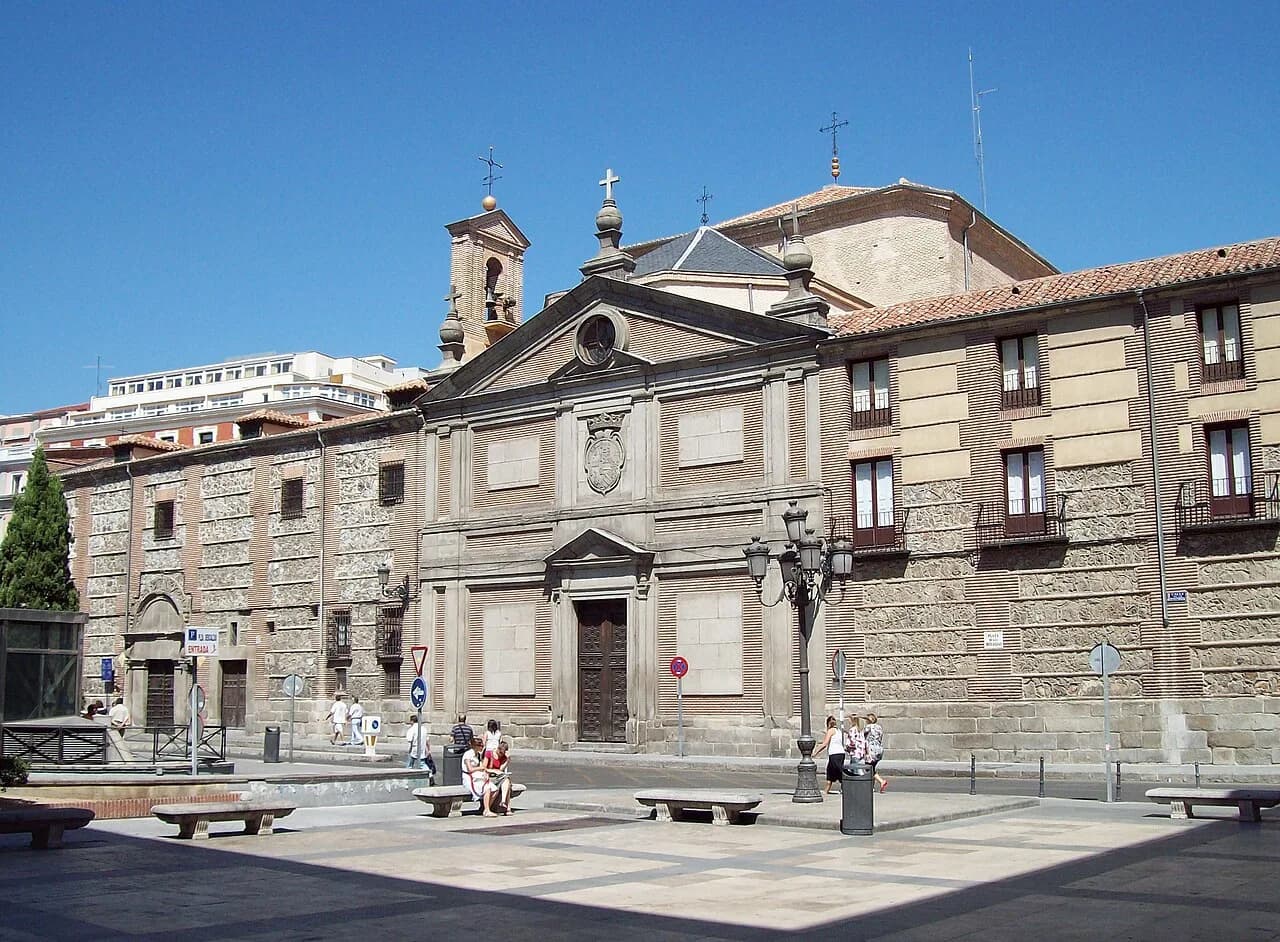
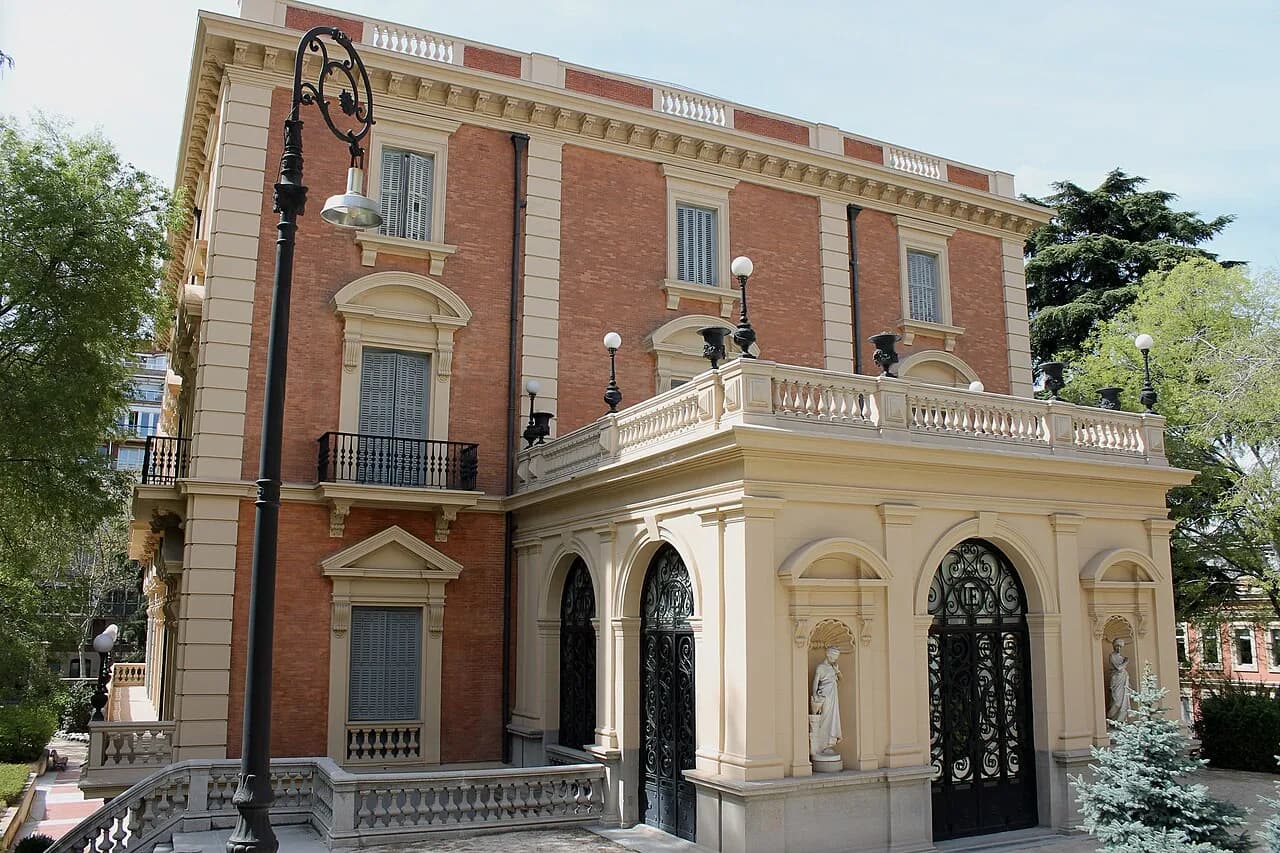
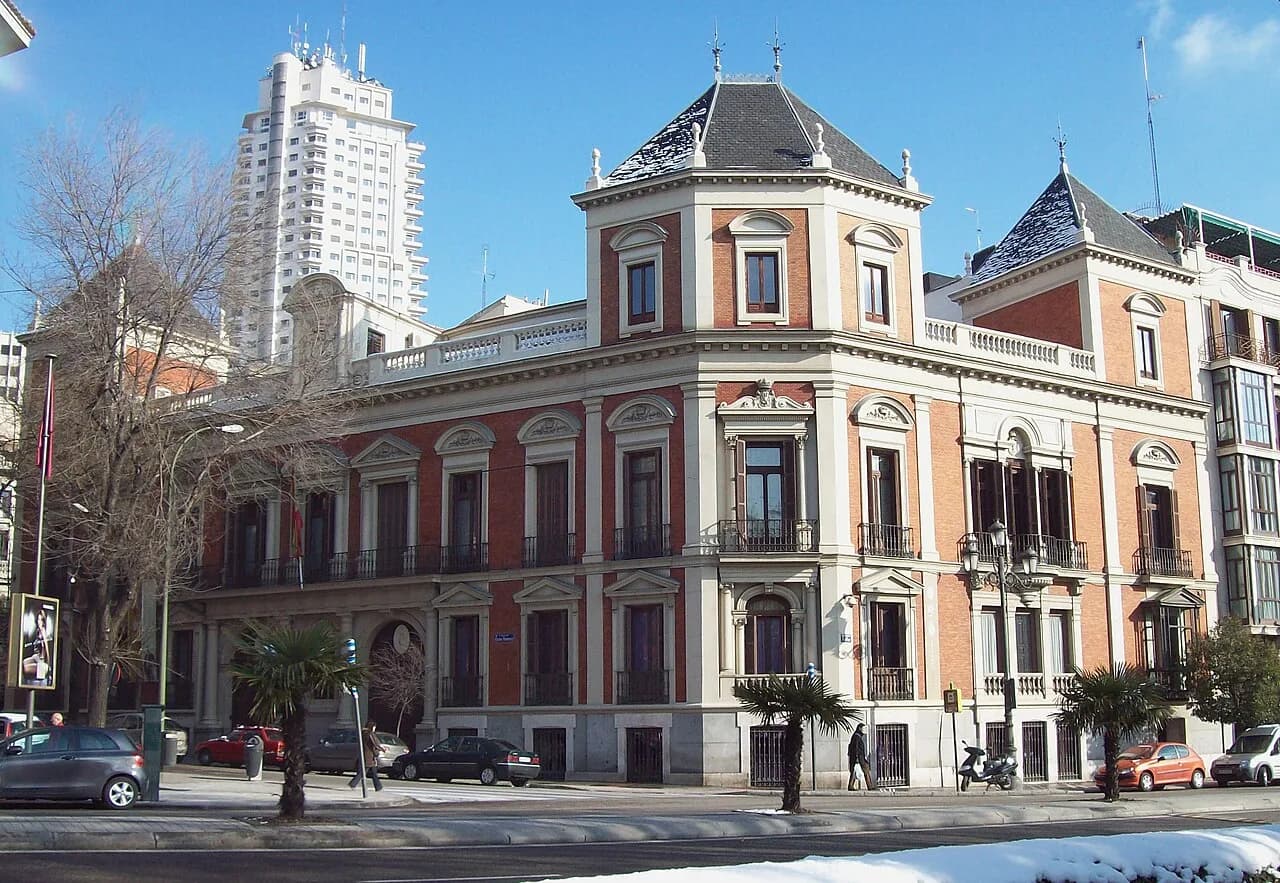
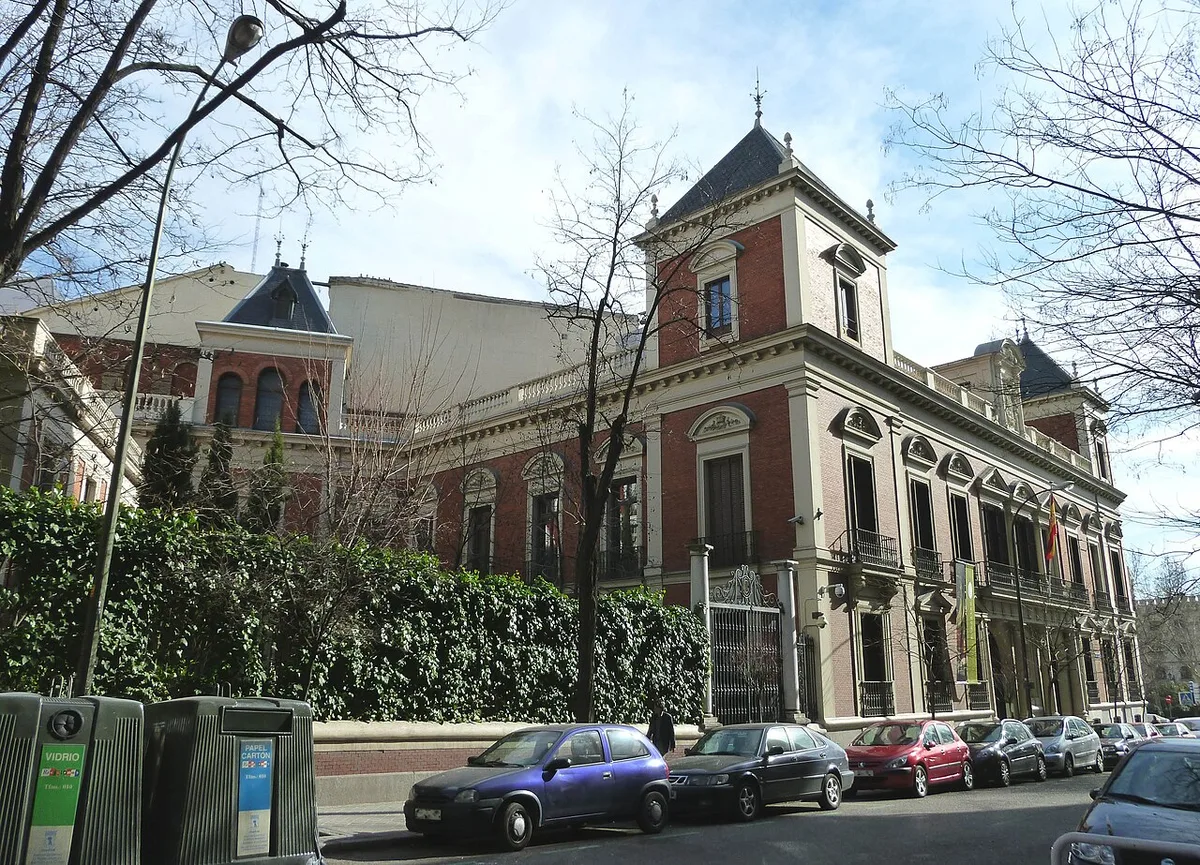
The Museo Cerralbo occupies a classical mansion at Calle Ventura Rodríguez 17, just west of Plaza de España in the Argüelles district. From the street its facade — decorated with four distinctive corner turrets — blends with the surrounding residential block, giving little hint of what waits inside. The building sits on a plot of more than 1,700 square metres, and every major room on its two public floors has been preserved exactly as the Marquis left them.
The museum was the private home of Enrique de Aguilera y Gamboa, the 17th Marquis of Cerralbo (1845–1922), who spent his adult life assembling a collection of more than 50,000 objects. The range is extraordinary: paintings by Goya, El Greco, Zurbarán, Tintoretto, and Van Dyck share wall space with Japanese bronzes, medieval suits of armour, Flemish tapestries, ancient coins, and manuscripts acquired across Europe over decades of travel.
What distinguishes the Cerralbo from Madrid's larger institutions is that the objects have never been moved from where the Marquis placed them. Clocks, candelabra, family portraits, and personal desks remain exactly where they stood in the 1890s. Visiting here feels less like a museum tour and more like walking into a private home whose owner stepped out that morning. Consider it a complement to the broader Madrid attractions circuit for a fuller picture of the city's cultural depth.
Planning Your Visit: Essential Information for Museo Cerralbo
The museum is at Calle de Ventura Rodríguez 17, 28008 Madrid. The easiest metro option is Ventura Rodríguez (Line 3), a three-minute walk from the entrance. Plaza de España (Lines 3 and 10) and Príncipe Pío (Lines 6 and 10) are also within easy walking distance. Bus lines 1, 2, 44, 46, 74, and 75 stop nearby. Note that admission closes one hour before the scheduled closing time, so plan to arrive with enough time.
- Opening hours (Tuesday–Saturday: 09:30–15:00; Thursday evening extra session: 17:00–20:00; Sunday and holidays: 10:00–15:00; Monday: closed)
- Closed on 1 January, 6 January, 1 May, 24 December, 25 December, 31 December
- General admission: €3; reduced admission: €1.50 (for eligible groups)
- Free entry for visitors under 18, over 65, university students up to age 25, large-family card holders, Carné Joven holders, unemployed persons, and people with a disability plus one companion
- Free admission sessions: Thursdays 17:00–20:00, Saturdays 14:00–15:00, and all day Sundays
| Category | Details |
|---|---|
| General admission | €3 |
| Reduced admission | €1.50 |
| Free entry | Thursdays 17:00–20:00 & all day Sunday |
| Tue–Sat | 09:30–15:00 |
| Thursday | also 17:00–20:00 (free evening) |
| Sun & holidays | 10:00–15:00 |
| Monday | Closed |
Admission closes one hour before the scheduled closing time — plan to arrive with enough time to purchase your ticket at the door (no advance booking is available).
Weekday mornings before 11:00 are consistently the quietest. Thursday evenings attract more visitors because of the free session — arrive close to 17:00 to get ahead of the crowd. Sundays are free all day and correspondingly busier; if you prefer a calm visit, a Tuesday or Wednesday morning is the best option. Always confirm current hours and any temporary closures on the official Museo Cerralbo website before you go.
Accessibility is reasonable for a 19th-century building. A ramp at the entrance leads to the main door, and an internal elevator connects the two visitor floors. Adapted restrooms are available on site. Staff at the reception desk can provide additional support — flag your needs when you arrive rather than waiting until you are mid-tour.
Highlights of the Collection: What to See at Museo Cerralbo
The visit flows upward through two main levels. The mezzanine floor holds the family's private daily spaces — do not rush through here to reach the grander rooms above. The Yellow Lounge, Pink Room, and Red Lounge are lined with silk furnishings, personal photographs, and the Marquis's own working desks. This is the most human-scale part of the palace, where the lived-in texture of 19th-century aristocratic life is most readable. Many first-time visitors skip straight up to the main floor and miss the best storytelling in the building.
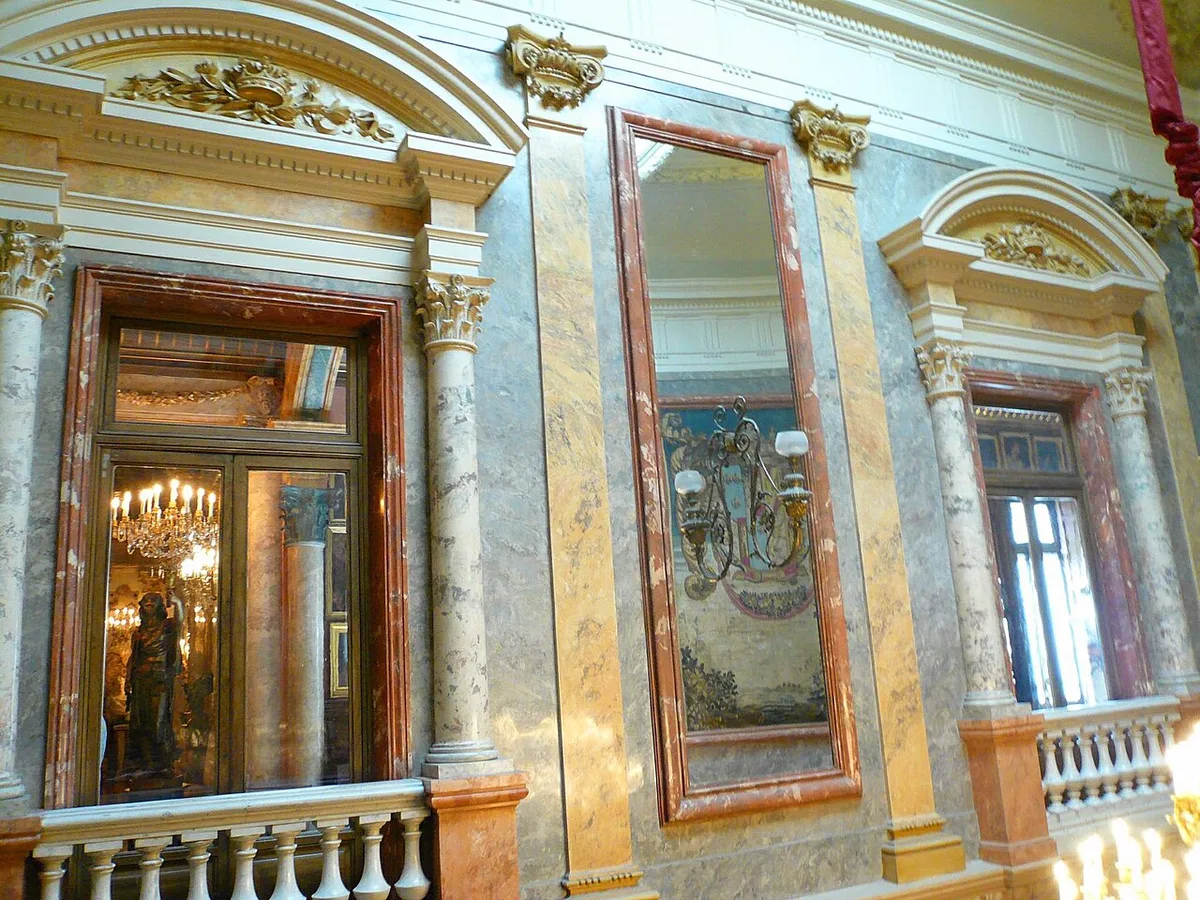
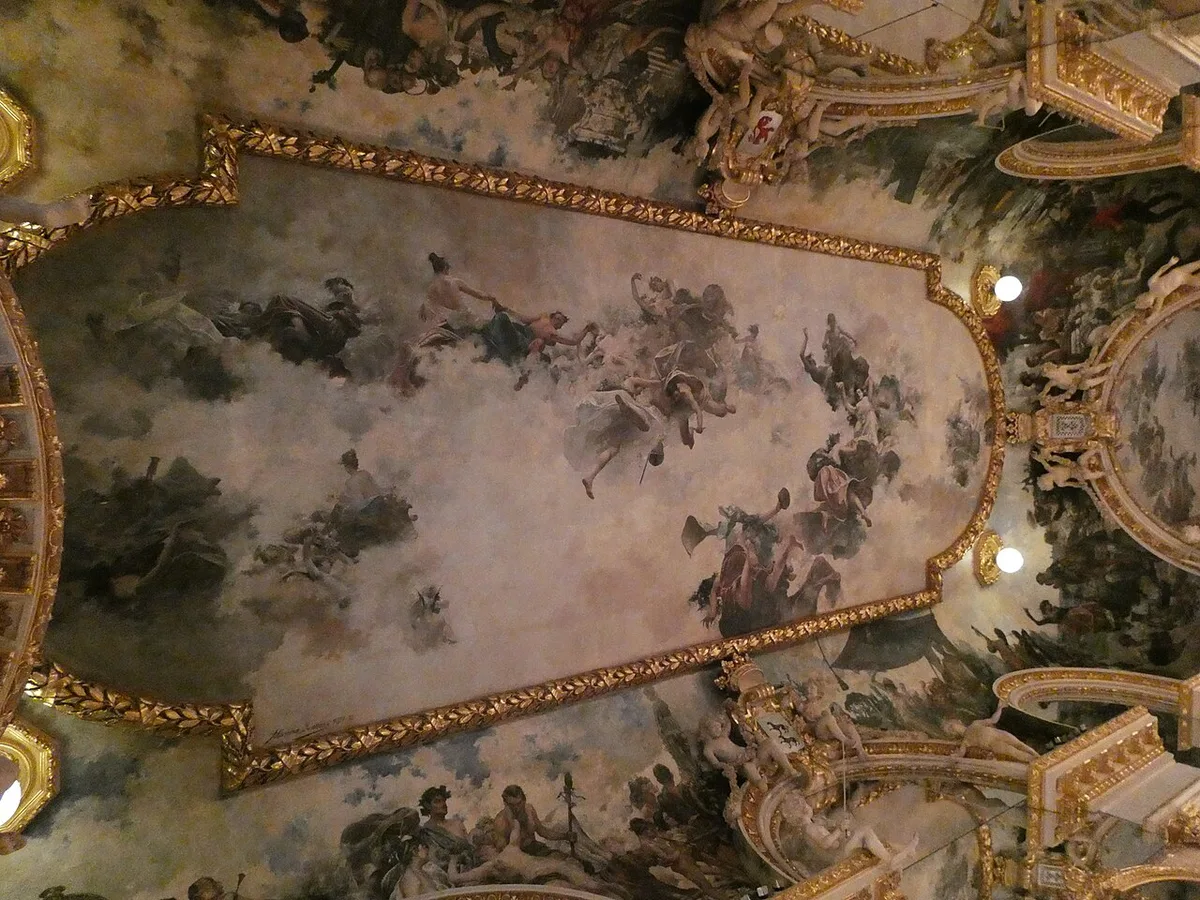
The main floor above is where the formal grandeur takes over. The Ballroom is the standout room — Venetian mirrors, marble panels, French clocks, and full-length chandeliers create a setting that photographs cannot fully capture. Morning light from the east-facing windows illuminates the ceiling murals most effectively; if your schedule allows, a morning visit gives you this room at its best. The adjacent Billiard Room, with its original carambola table and high divans, and the three Italian-palazzo-style gallery spaces on the same floor are equally detailed. The main staircase between floors, constructed from marble originally belonging to the Palace of Bárbara de Braganza, is itself worth a pause.
The Armory deserves a dedicated stop. The Marquis regularly received close friends and political allies here, and the room holds more than 700 weapons and suits of armour — one of the most significant private arms collections in Madrid. The Library is another highlight, with manuscripts, travelogues, and a substantial coin collection accumulated over decades of European travel. On the main floor, the bathroom contains a Roman-style bath and one of the earliest running-water systems installed in a private Madrid residence — an engineering curiosity that surprises most visitors.
Throughout both floors, look for works by Goya and El Greco alongside the better-publicised Van Dyck and Zurbarán canvases. The picture arrangement follows the Marquis's own groupings rather than art-historical categories, which makes the hanging feel personal. Outside, a small English-style romantic garden — designed by the Marquis himself — provides a quiet pause between rooms, with a central pond and marble busts. It is easy to miss if you do not know it is there. For a rewarding back-to-back day, combine the Cerralbo with the similarly intimate Museo Sorolla, Madrid's other great artist-house museum.
The Marquis's Legacy: Art, Luxury, and Life at Cerralbo
Enrique de Aguilera y Gamboa was not a passive collector. Alongside his collecting and travel, he directed active archaeological excavations — particularly across Aragon and Castile — that produced finds now held in Spanish national collections. He was a founding figure in early Spanish field archaeology, which places the Cerralbo's prehistoric and Roman objects in a different category from the decorative curiosities typical of 19th-century grand tourists.
What most guides omit is his political career. The Marquis served as a Carlist deputy in the Spanish parliament from 1878 to 1901, championing the legitimist cause through decades of constitutional turbulence. His palace functioned as a social and political hub for the Carlist network — which is why the Armory, not the Ballroom, served as the main reception room. Welcoming guests among 700 weapons sent a deliberate signal to allies and rivals alike. Understanding this political subtext changes how the palace reads: it was not simply a gallery, but the private headquarters of one of the most consequential conservative politicians of Restoration-era Spain.
The museum opened to the public in 1944, more than two decades after his death in 1922. The Marquis had specified in his will that the entire contents of his home be preserved intact and donated to the Spanish state. Spain subsequently declared the building a Historic-Artistic Monument and a Property of Cultural Interest. The result is unusual: a museum where the original owner dictated the terms of its existence, and where the object arrangement has changed very little in the 80-plus years since opening. That commitment to his exact vision distinguishes the Cerralbo from institutions such as the Museo Lázaro Galdiano, where scholarly reorganisation has reframed the collection over time.
Visitor Insights: Tips for an Enjoyable Cerralbo Museum Experience
Plan for 90 minutes to two hours. The museum's footprint is compact enough to complete in an hour, but the density of objects in each room rewards slower looking. If you are visiting with children, this is better suited to older children (ten and above) who can engage with decorative arts and period interiors — there are no interactive exhibits and the rooms are small.
Photography is permitted for personal, non-commercial use throughout most of the museum. Flash is prohibited to protect textiles and pigments. Tripods are not allowed. The rooms are often lit primarily by natural light, so a phone camera works better than a large DSLR in tight corners. Display cases containing particularly fragile objects may carry specific no-photo signs.
Audio guides in multiple languages are available at the reception desk and are the most effective way to navigate independently. The guides explain the Marquis's personal history and the significance of individual objects — context that is difficult to reconstruct from the minimal room labels alone. Guided tours in Spanish are occasionally scheduled; ask at reception when you arrive. The museum does not sell tickets in advance, so arrive and purchase at the door.
The Cerralbo suits visitors drawn to decorative arts, historical interiors, or 19th-century Spanish history. It is a natural follow-on if you have already visited the Prado and Reina Sofía and want something at a smaller scale with a more personal atmosphere. The most common first-timer mistake is spending too little time on the mezzanine floor. Slow down there before climbing to the main floor — the Marquis's private desk, his family photographs, and the domestic arrangement of the living rooms tell a more intimate story than the grand reception halls above.
Exploring Beyond: Nearby Attractions and Dining in Argüelles
The Argüelles district around the museum supports a comfortable half-day itinerary. Five minutes' walk brings you to the Jardines de Sabatini, the formal gardens adjoining the Royal Palace, which offer city views and a shaded walking route between sites. The gardens are free to enter and well maintained throughout the year.
The Temple of Debod is a ten-minute walk southwest — an actual 4th-century Egyptian temple gifted to Spain and rebuilt stone by stone in Parque del Oeste. It is most visited at dusk when the light off the Manzanares valley turns golden, but the surrounding park is pleasant at any hour. The combination of Cerralbo in the morning and Debod at sunset makes a practical full-day loop with no metro travel required.
For food, Calle Princesa is the main commercial artery and has a solid range from café bocadillos to sit-down restaurants. Prices are more locally oriented than the streets around Sol or Gran Vía. A traditional menú del día — typically €12–15 for three courses with a drink — at one of the neighbourhood restaurants on the side streets off Princesa is the most affordable sit-down lunch in the area. Consider visiting during the shoulder seasons of spring (March–May) or autumn (September–October) for the most comfortable conditions in both the museum and the surrounding streets.
Frequently Asked Questions
How much time should you plan for Museo Cerralbo?
Plan to spend about 1.5 to 2 hours exploring the Museo Cerralbo. This allows enough time to appreciate the detailed interiors and extensive collections without feeling rushed. It's a smaller museum, so a relaxed pace is enjoyable.
Is Museo Cerralbo worth including on a short itinerary?
Yes, Museo Cerralbo is definitely worth it, even on a short itinerary. Its manageable size and unique charm offer a distinct experience compared to larger museums. It provides a fascinating glimpse into 19th-century Madrid aristocracy.
Are there guided tours available at Museo Cerralbo?
Regularly scheduled guided tours are not always available, but you can inquire at the reception for current options. Audio guides are typically offered in several languages, providing detailed information for a self-paced tour. These are highly recommended for deeper insights.
Is Museo Cerralbo accessible for visitors with disabilities?
Yes, Museo Cerralbo is generally accessible. It features a ramp at the entrance and an elevator to connect different floors. Adapted restrooms are also available for visitors with disabilities, ensuring a comfortable visit for everyone.
What should travelers avoid when planning their Museo Cerralbo visit?
Avoid visiting without checking the official website for current hours, especially on holidays or Mondays when it's closed. Also, try to avoid peak free admission times if you prefer fewer crowds. Don't forget to charge your camera for photos, but skip the flash.
Other Houses Frozen at a Particular Date
The Marqués de Cerralbo left instructions that nothing was to be rearranged, so the rooms sit as they were in 1922, gaslight fittings included. Venice's Querini Stampalia kept its piano nobile and added a Carlo Scarpa ground floor beneath it. Lisbon's Casa-Museu Medeiros e Almeida preserves a twentieth-century collector's rooms behind an ordinary street front.
The Museo Cerralbo offers a rare combination: a fully intact aristocratic palace, an exceptional art collection, and admission prices low enough that it costs less than a coffee to get in on a paid day.
Its scale is manageable, its rooms are quiet, and the story of the man who built it is more layered than any other palace-museum in Madrid.
Add it to your 2026 Madrid itinerary, allow at least 90 minutes, and start on the mezzanine floor.
For official details, visit the Museo Cerralbo on Wikipedia.
For more Madrid ideas, see our Hidden Gems in Madrid and Most Beautiful Places in Madrid guides.
Continue exploring
More guides you'll find useful