16 Hidden Gems and Insider Tips for Paris: The Ultimate Guide (2026)
Discover 16 hidden gems in Paris, from secret gardens and street art to off-the-beaten-path museums. Plan your trip with local tips and neighborhood guides.
On this page
16 Hidden Gems and Insider Tips for Paris
The real magic of Paris happens away from the Louvre queue. This guide covers 16 spots that locals actually use — quiet parks, street art routes, science museums, and neighborhoods where you hear French rather than tour-group English. Every location has been verified for 2026 opening schedules and pricing. Whether it's your first visit or your fifth, these places will change how you see the city.
Finding off-the-beaten-path in Paris spots requires stepping away from the main boulevards and into the winding alleys. The city's most rewarding experiences are usually free, easily reached by Metro, and completely ignored by the standard tourist circuit. Use this guide to plan your days by arrondissement so you can cluster nearby spots together and walk between them.
Key Takeaways
- Best overall: Parc des Buttes-Chaumont for its dramatic landscape and local vibe.
- Best for families: Cité des Sciences et de l'Industrie for interactive children's exhibits.
- Best rainy-day: Palais de la Découverte or the greenhouses at Jardin des Plantes.
- Best free: Esplanade des Invalides for a sunset picnic with iconic views.
Buttes-aux-Cailles: The Village-Like 13th Arrondissement
The 13th arrondissement feels like a separate town entirely, far removed from the Haussmann-style boulevards of the city center. Walking through Butte-aux-Cailles reveals cobblestone streets and low-rise houses that survived the 19th-century modernization push. This area is famous for its artesian well and a historic outdoor swimming pool dating to 1924. It is the ideal starting point for anyone escaping the standard tourist circuits.
Visit during the late afternoon when the bistros on Rue des Cinq-Diamants start filling with residents rather than tourists. The atmosphere is unpretentious and genuinely local — students, young professionals, and neighborhood families mix easily. Most cafés open around 11:00 and stay busy until well after midnight. Metro: Place d'Italie, then a 10-minute walk south.
Trade-off: the neighborhood is quiet during the day and has very limited parking. Restaurants here fill fast on Friday nights, so walk in before 19:30 or arrive after 21:00 to avoid the wait. There are no chain hotels nearby, which is exactly the point.
Quartier Populaires: Paris's Most Colorful Secret
The term "Quartier Populaire" refers to traditionally working-class neighborhoods that have kept their soul despite rising rents. Rue des Thermopyles in the 14th arrondissement is one of the best examples: a pedestrian street draped in wisteria and lined with potted plants and painted doors. Ivy reclaims the facades here in a way you never see on the grand limestone boulevards. It looks like a village lane tucked inside the capital.
The 20th arrondissement holds similar pockets, particularly around the Belleville area, where street murals cover entire building ends and small squares fill with pétanque players on weekend mornings. Visit on a Sunday before noon for the most authentic feel. You will hear neighbors chatting over coffee and children playing in the street without traffic to worry about.
Trade-off: these residential streets have few public restrooms and limited dining options. Grab something from a neighborhood boulangerie before you head in. Most streets are free to walk and take about 30 minutes each, making them perfect as a meditative break between bigger sites. Metro: Pernety (Line 13) for Rue des Thermopyles; Belleville (Lines 2 and 11) for the 20th.
Esplanade des Invalides: The Ultimate Local Picnic Spot
While the Champ de Mars is the most famous picnic lawn, the Esplanade des Invalides is where the locals actually go. This massive rectangular lawn stretches from the Hôtel des Invalides south toward the Seine. The trees frame a partial view of the Eiffel Tower that is actually better for photography than the open Champ de Mars angle. According to the city's park management, this is one of the largest open green spaces in the 7th arrondissement.
The atmosphere is much more relaxed than the Iron Lady's crowded surrounds. You will find groups playing football, friends sharing long apéros, and couples reading side by side as the sun dips below the dome. Stop by a nearby Fromagerie before you arrive. The Ciel de Paris offers a high-end alternative nearby if you prefer a panoramic view with a cocktail.
Access is via Metro Lines 8 or 13, or RER C at Invalides station. The lawn is open 24 hours. Note that the center of the lawn has very little shade, so plan accordingly on hot days. It remains one of the best free things to do in Paris in the entire city.
Jardin des Champs-Élysées: A Quiet Retreat from the Crowds
Most visitors walk the upper half of the Champs-Élysées for shopping and completely miss the lower wooded park section running toward the Place de la Concorde. The Jardin des Champs-Élysées feels like a different city — shaded gravel paths, ornate fountains, and hidden pavilions that have stood since the 17th century. The Théâtre de Marigny, a working puppet theater, sits inside these gardens and has been entertaining Parisians for generations.
Sitting near the Fontaine des Ambassadeurs with a book is one of the better ways to spend a Paris morning. The Ralph Lauren Restaurant is a short walk away if you want lunch in a grand setting. The gardens are also excellent for families with strollers — the gravel paths are well-maintained and flat throughout.
Entry is free and gates stay open from dawn to dusk daily. Metro: Concorde or Champs-Élysées–Clemenceau. Trade-off: the park has very little signage, so some of the best fountains and statues are genuinely easy to miss. Walk toward the Petit Palais side for the most tranquil stretches away from the main avenue.
Square Saint-Jacques: Gothic Architecture and History
The Tour Saint-Jacques is a lone flamboyant Gothic tower standing in a small park just off the busy Rue de Rivoli. It is all that remains of a 16th-century church demolished during the French Revolution. For centuries the tower served as a landmark for pilgrims walking the Way of Saint James toward Santiago de Compostela. Today it is a protected historic monument and one of the most unexpectedly dramatic sights in central Paris.
The park itself is a great spot for a quick break, but the real experience is climbing the tower. Guided tours run from June to September, costing approximately €12 per person. The climb involves 300 steep steps, but the 360-degree view of central Paris from the top is hard to match. Book your slot several weeks in advance — they sell out very quickly in high season.
Outside summer, the square is still worth visiting for the tower's intricate stone carvings and the small park garden. Hours are approximately 08:00–20:30 during peak season. Metro: Châtelet — the tower is directly above the station exit, making it one of the most accessible gems on this list. Trade-off: the park can feel hemmed in by surrounding traffic, so visit on a Sunday morning for the calmest atmosphere.
Jardin des Grands Explorateurs: Sculptures and Serenity
Located at the southern end of the Luxembourg Gardens, this park is almost always ignored by visitors who stay near the main palace. The centerpiece is the Fontaine des Quatre-Parties-du-Monde, a stunning 19th-century bronze by Davioud and Carpeaux depicting four women holding a globe. The long, symmetrical gravel paths connect the Luxembourg area to the Paris Observatory, adding a layer of scientific history to any walk here.
The park is a favorite for residents of the 6th arrondissement looking for quiet bench time away from the busier main gardens. Shade from tall plane trees is excellent in July. It is also one of the best Paris's secret viewpoints for a distant glimpse of the Panthéon dome above the treeline.
Access is free, following the seasonal schedule of the Luxembourg Gardens. RER B: Luxembourg station, then walk south past the palace. Trade-off: the park has almost no cafés nearby, so bring your own supplies for a proper sit-down break. The fountain is the main draw — give yourself 10 minutes to walk around it and read the detail in the sculpture work.
Parc des Buttes-Chaumont: Cliffs, Waterfalls, and Local Vibes
The Parc des Buttes-Chaumont is the most dramatic green space in Paris, built on a former limestone quarry in 1867. It features steep cliffs, a 30-meter waterfall, a hidden grotto, and a lake with a cliff-top island holding the Temple de la Sibylle. The suspension bridge — designed by a student of Gustave Eiffel — gives you a vertiginous view of the water below. You will rarely see large tour groups here, which makes it one of the most genuinely local parks in the city.
The Rosa Bonheur bar inside the park is ideal for a drink and tapas after the walk. From the top of the cliff, the Sacré-Cœur appears across the rooftops in a way that feels more like a painting than a view. Wear comfortable shoes — the cliff path is a real hike and the steps can be slippery after rain. Enter via the town hall (Mairie) side for the most impressive first impression of the landscape.
The park is free and open daily from 07:00 to 21:00 (later in summer). Metro Line 7bis: Buttes Chaumont or Laumière stations. Trade-off: it is a long Metro ride from most tourist-heavy areas, but that is precisely why the park retains its local character. It is a highlight for anyone seeking unique Paris experiences.
Parc des Buttes-Chaumont is free and open daily from 07:00, featuring a 30-meter waterfall, hidden grotto, and cliff-top island. Enter via the Mairie side for the most dramatic first impression of the landscape.
Parc de Bercy: Vineyards and Riverside Calm
Almost no foreign visitor thinks to cross to the southeastern edge of Paris, which is exactly what makes Parc de Bercy one of the city's best-kept secrets. The park occupies the site of the former wine warehouses that supplied 19th-century Paris, and traces of that history survive in the old stone cellars, cobblestone lanes, and a small working vineyard you can walk right past. Outdoor sculptures are scattered throughout the grounds without any fanfare or ticket booth in sight.
The Passerelle Simone de Beauvoir, a pedestrian footbridge just east of the park, casts extraordinary light at sunset when the Seine catches the last hour of afternoon gold. It is a significantly less crowded photography spot than the Pont des Arts, and the view back toward the city skyline is genuinely striking. A duck pond and an orangery sit in the quieter western section of the park, perfect for families with younger children.
The park is free and open daily. Metro Line 14: Cour Saint-Émilion, which also puts you next to the Bercy Village open-air shopping lanes converted from the original wine warehouses. Trade-off: the park is spread out and can feel empty on a cold weekday, but that emptiness is the appeal. Budget at least 90 minutes to walk the full length.
International University Campus: A Global Architectural Tour
The Cité Internationale Universitaire de Paris is a unique residential campus created to promote peace after World War I. It consists of 40 national houses, each designed in that country's specific architectural style. Within a few blocks you can see a Japanese pagoda, Le Corbusier's Swiss Pavilion on pilotis, a Moroccan house with mosaic tiling, and a Spanish manor. It is an open-air museum of 20th-century architecture that very few tourists ever visit.
The lawns are massive and excellent for lounging. The campus cafeteria is affordable and serves a rotating international menu. Each house regularly hosts cultural events, concerts, and exhibitions open to the public — check the CIUP website for the current 2026 programme. The Swiss Pavilion is the standout for architecture enthusiasts: Le Corbusier's 1933 design was groundbreaking and the building still looks radical today.
Entry is free and the campus is open 08:00–22:00 daily. RER B or Tramway T3a: Cité Universitaire station. The park sits directly across the boulevard from Parc Montsouris, making it easy to combine both in a single afternoon. Trade-off: individual house interiors usually require special permission or event access, so you are largely viewing from outside.
Palais de la Découverte: Interactive Science in a Historic Setting
The Palais de la Découverte is a science museum inside the west wing of the Grand Palais, originally created for the International Exhibition of Arts and Techniques in 1937. It focuses on fundamental science through live demonstrations and hands-on experiments. The Beaux-Arts building — high ceilings, ornate stonework, parquet floors — is an unlikely but spectacular setting for chemistry demonstrations and physics experiments.
The chemistry and physics shows are the highlights, even with limited French. Presenters use strong visual cues, and a working planetarium offers shows throughout the day for a small surcharge. The museum draws primarily local school groups and Parisian families, which means you are rarely the only adult in the room without a child. Best age group for the experiments is roughly 8 and up, though younger children enjoy the planetarium shows.
Tickets are around €15 for adults. Open Tuesday to Sunday, 10:00–18:00. Metro: Franklin D. Roosevelt or Champs-Élysées–Clemenceau. Important 2026 note: sections of the Grand Palais remain under post-renovation adjustment — check the official website before your visit to confirm which permanent halls are open, as some exhibits have been temporarily moved to the nearby "Étincelles du Palais de la Découverte" structure. Trade-off: the museum's temporary programming varies widely in quality, so the permanent science demonstrations are the safer bet.
Cité des Sciences et de l'Industrie: Modern Discovery for Families
The Cité des Sciences et de l'Industrie is the largest science museum in Europe, located in Parc de la Villette in the 19th arrondissement. It is a vast, modern structure with permanent exhibits on space, the ocean, life sciences, and the human brain. The Géode — a giant mirrored sphere housing an IMAX theater — sits just outside the main entrance and is visible from a distance.
The "Cité des Enfants" section is a purpose-built zone for ages 2–12 that requires a separate timed ticket. Book this online well in advance because it sells out consistently, especially during school holidays. The Argonaute submarine moored outside the main building is a real 1950s hunter sub that you can climb through — it costs around €3 extra and takes about 45 minutes. The surrounding Parc de la Villette is also worth a wander for its red architectural "follies" and themed gardens.
Standard adult entry to permanent exhibitions is approximately €13. Open Tuesday to Saturday 10:00–18:00, Sunday until 19:00. Metro Line 7: Porte de la Villette. Arrive early — this is a genuine full-day destination. Trade-off: the sheer size can feel overwhelming if you try to see everything, so pick one or two permanent exhibit halls and give them proper time.
Jardin des Plantes: Botanical Wonders and Natural History
The Jardin des Plantes is France's main botanical garden and has been a center for scientific research since the 17th century. It contains a rose garden, an alpine garden, a peony collection, and the Grand Gallery of Evolution — a museum displaying a parade of taxidermied animals under a soaring glass roof that regularly stops visitors mid-step. The Art Deco glass greenhouses hold rare tropical species and are among the most beautiful in Europe.
The Ménagerie inside the park is one of the oldest zoos in the world. It is smaller than a modern zoo but focuses on endangered species and has real historic charm. The greenhouse entrance costs around €7 and is one of the best rainy-day options on this entire list. Don't skip the "Labyrinth" section in the back of the park — a historic sundial and a small cedar gazebo at the top of a spiral path are genuine surprises.
The main gardens are free and open daily from 08:00 to 18:30. Museum and greenhouse tickets range from €7 to €13. Metro: Gare d'Austerlitz or Jussieu. Trade-off: the zoo is charming but small — families with children used to large modern zoos may find it underwhelming. The botanic garden and Grand Gallery are the stronger draws for adults.
Street Art in Butte-aux-Cailles: An Open-Air Gallery
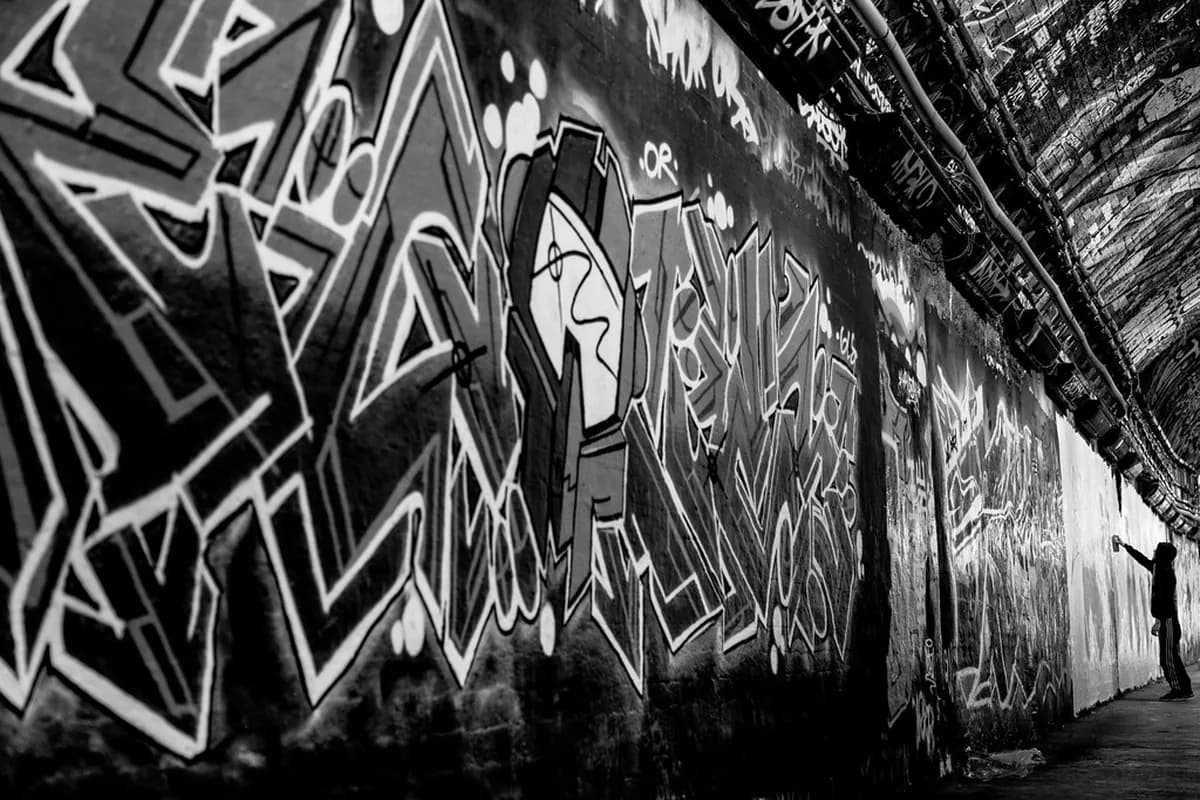
The Butte-aux-Cailles neighborhood holds some of the highest-quality street art in Paris in its most natural setting. Unlike the large-format murals commissioned along the 13th arrondissement's main boulevards, the art here is smaller and more personal — stencils, mosaics, and wheatpastes tucked into doorways and around corners. Artists like Miss.Tic have been using these walls since the 1980s, blending poetry with portraiture in a style that is distinctly Parisian.
Start your walk on Rue des Cinq-Diamants and move slowly toward Rue de l'Espérance for the highest density of work. The art changes constantly, so return visits always offer something new. Mid-morning light is best for photography because the narrow streets face east and the sun is low enough to illuminate the walls without harsh shadows. Many pieces interact with the architecture — a painted cat balanced on a real window ledge, a mural that uses a drainpipe as a figure's arm.
Exploring the art is free and can be done at any time of day. The neighborhood is accessible from Metro: Corvisart or Place d'Italie. Trade-off: some of the best pieces are on private residential walls and can disappear overnight. The neighborhood has no formal signage for the art route, so wandering without a fixed plan is actually the correct approach here.
Square René-Viviani: Home to Paris's Oldest Tree
Square René-Viviani is a tiny park in the Latin Quarter next to the Saint-Julien-le-Pauvre church. Its main distinction is a Robinia pseudoacacia tree planted in 1601 by the king's gardener — officially the oldest living tree in the city of Paris. The tree now leans heavily and is supported by concrete pillars, but it continues to bloom white flowers each spring. It is a living link to the city's royal past that most visitors walk right past.
The park offers a quieter side-on view of Notre Dame Cathedral across the Seine, well away from the main plaza crowds. Several Gothic stone fragments salvaged from nearby demolished buildings are scattered through the small garden, giving it an outdoor museum quality. Shakespeare and Company bookstore is a two-minute walk away, making this an ideal combination stop for a morning in the Latin Quarter.
The square is free and open daily from 08:00 to 20:30 in summer. Metro Line 4: Saint-Michel, or Line 10: Maubert–Mutualité. Look for the fountain by sculptor Georges Jeanclos tucked into the park's northeast corner — it is easy to miss. Trade-off: the park is very small and fills quickly on sunny weekend afternoons, so arrive before 10:00 for the best experience. It is one of the finest free things to do in Paris in the 5th arrondissement.
Where Should You Stay for a Local Experience?
The 13th and 19th arrondissements are the two best options for anyone who wants a genuinely local stay. Both are significantly more affordable than the city center, offer regular street markets, and put you within walking or Metro distance of the parks and neighborhoods on this list. You will find neighborhood bistros and boulangeries where the menus are still handwritten on a chalkboard in French.
The 13th is ideal for proximity to Butte-aux-Cailles and the city's vibrant Chinatown around Avenue de Choisy — useful for cheap, excellent Asian food any night of the week. The 19th puts you next door to Parc des Buttes-Chaumont and has a younger residential energy around the Jourdain and Pyrénées Metro stops. The 14th arrondissement, around Rue de la Convention, is another strong option that competitor blogs recommend for the Tuesday, Thursday, and Sunday street market on the same street.
Renting an apartment in these areas tends to produce better interactions with shopkeepers and bakery owners than staying in a tourist-district hotel. Both districts are fully connected to the rest of the city by Metro. For more context on neighborhoods, see our guide on unique Paris experiences. Trade-off: travel time to the Louvre and Musée d'Orsay is longer, but that is a reasonable price for the cultural immersion.
How Do You Plan a Smooth Hidden Gems Day?
The key is grouping by arrondissement rather than by theme. Combine the Jardin des Plantes with Square René-Viviani in a single Left Bank morning — both are in the 5th and within a 15-minute walk of each other. Pair the Cité des Sciences with a walk through the Buttes-Chaumont in the same afternoon in the 19th. The when to visit Paris guide can help you time your visits for low-traffic windows.
A common first-timer mistake is scheduling too many widely spread locations in one day. Pick one anchor attraction per half-day and explore whatever is within a 20-minute walk of it. Be prepared to skip the Eiffel Tower summit — a sunset picnic on the Esplanade des Invalides gives you a better view and costs nothing. You will save two hours of queuing and have a far more relaxing afternoon.
| Gem | Arrondissement | Entry Cost | Best For |
|---|---|---|---|
| Parc des Buttes-Chaumont | 19th | Free | Dramatic landscapes, local vibe |
| Esplanade des Invalides | 7th | Free | Picnics, Eiffel Tower views |
| Square René-Viviani | 5th | Free | Paris's oldest tree (planted 1601) |
| Palais de la Découverte | 8th | ~€15 | Rainy days, science fans |
| Cité des Sciences | 19th | ~€13 | Families, full-day destination |
| Jardin des Plantes | 5th | Free (gardens); €7–13 (museum) | Botanical wonders, Grand Gallery |
Download an offline map before you leave your accommodation — GPS becomes unreliable in the narrow lanes of Butte-aux-Cailles and the Latin Quarter. Check opening hours carefully: many smaller parks and independent museums follow reduced schedules in 2026, with some closed on Mondays or limited to morning-only hours in winter. Keeping a physical note of the day's Metro stations prevents the scramble of searching while you are in the street.
Many smaller museums and covered passages close on Mondays; Tuesday is the standard day off for Marais galleries and several museums. Always verify hours before you travel — some exhibits in the Grand Palais area remain under post-renovation adjustment in 2026.
Essential Language and Local Etiquette Tips
In neighborhoods without heavy tourist traffic, a few French phrases open doors immediately. Always begin every interaction — entering a shop, hailing a waiter, asking for directions — with a clear Bonjour (or Bonsoir after 18:00). Skipping this greeting is considered genuinely rude in Paris and is the fastest way to receive cold service. The effort costs nothing and signals that you are trying to engage on Parisian terms.
A handful of phrases worth learning: Je voudrais... (I would like...), L'addition, s'il vous plaît (The bill, please), Excusez-moi (Excuse me), and Parlez-vous anglais? (Do you speak English?) before switching to English. At a local spot like Le Troubadour, remember that service is relaxed and deliberately unhurried. Do not wave at the waiter or call across the room — make eye contact and wait. Tipping is not required since service is included, but rounding up a few euros is a thoughtful gesture.
Keep your voice at a moderate level in residential areas and on public transport. Parisians value discretion and quiet, particularly in the smaller neighborhood parks and streets on this list. Google Translate and DeepL are both reliable for restaurant menus and street signs when your vocabulary runs out. Being genuinely respectful of local rhythms — eating dinner after 19:30, not photographing strangers without asking — will make you feel more like a guest than a tourist in every neighborhood you enter.
Explore hidden gems in other cities
Frequently Asked Questions
What are the most unusual places to visit in Paris?
The Cité Internationale Universitaire and the Butte-aux-Cailles street art route are among the most unique. These spots offer architecture and culture that differ from the standard Haussmann style. They are perfect for travelers seeking something beyond the typical museums.
Which hidden gems in Paris are best for first-time visitors?
Square René-Viviani and the Esplanade des Invalides are excellent for first-timers. They provide iconic views of Notre Dame and the Eiffel Tower without the overwhelming crowds. You can enjoy classic Parisian beauty while avoiding the longest tourist lines.
How much time should you plan for exploring off-the-beaten-path spots?
Allow at least 2-3 hours for each major neighborhood like the 13th or 19th arrondissements. This gives you enough time to wander the side streets and enjoy a local cafe. Most individual hidden gems take about 45 minutes to see thoroughly.
If the small-museum thread is what you want to pull, our Paris hidden gems museum guide covers eight underrated collections with full visitor detail, and the Musée Jacquemart-André is the one to start with.
Exploring the hidden gems of Paris allows you to see the city as a living, breathing community rather than a museum. From the cliffs of Buttes-Chaumont to the oldest tree in Square René-Viviani, these spots offer a deeper connection to French history and daily life. The goal is not to avoid the famous landmarks entirely but to balance them with neighborhoods and parks that feel genuinely Parisian. These places reward the curious traveler who is willing to wander without a strict agenda.
Whether you are visiting in 2026 or beyond, these locations remain timeless examples of the city's real character. Remember to respect residential areas, move at a local pace, and start every conversation with Bonjour. Safe travels, and may your next trip to Paris be filled with unexpected discoveries.
Explore More Paris Guides
Go deeper into hidden Paris — from village-like neighborhoods and secret gardens to the best times to visit, where locals eat, and the viewpoints most tourists never find.
Hidden Neighborhoods & Districts
- Le Marais Neighborhood Guide
- Montmartre's hidden side
- Belleville Neighborhood Guide
- Butte-aux-Cailles Guide
- Canal Saint-Martin Guide
Parks & Green Escapes
Markets, Shopping & Arcades
Viewpoints & Photo Spots
Food & Local Life
Things to Do Off the Tourist Trail
When to Go
Continue exploring
More guides you'll find useful