10 Essential Tips and Attractions for Canal Saint Martin Paris
Discover Canal Saint-Martin Paris. Find boat tours, hip cafes like Hotel du Nord, hidden parks, and a 2026 event calendar for the perfect trip.
On this page
10 Essential Tips and Attractions for Canal Saint Martin Paris
Discovering the charm of the canal saint martin paris offers a refreshing break from the typical tourist crowds.
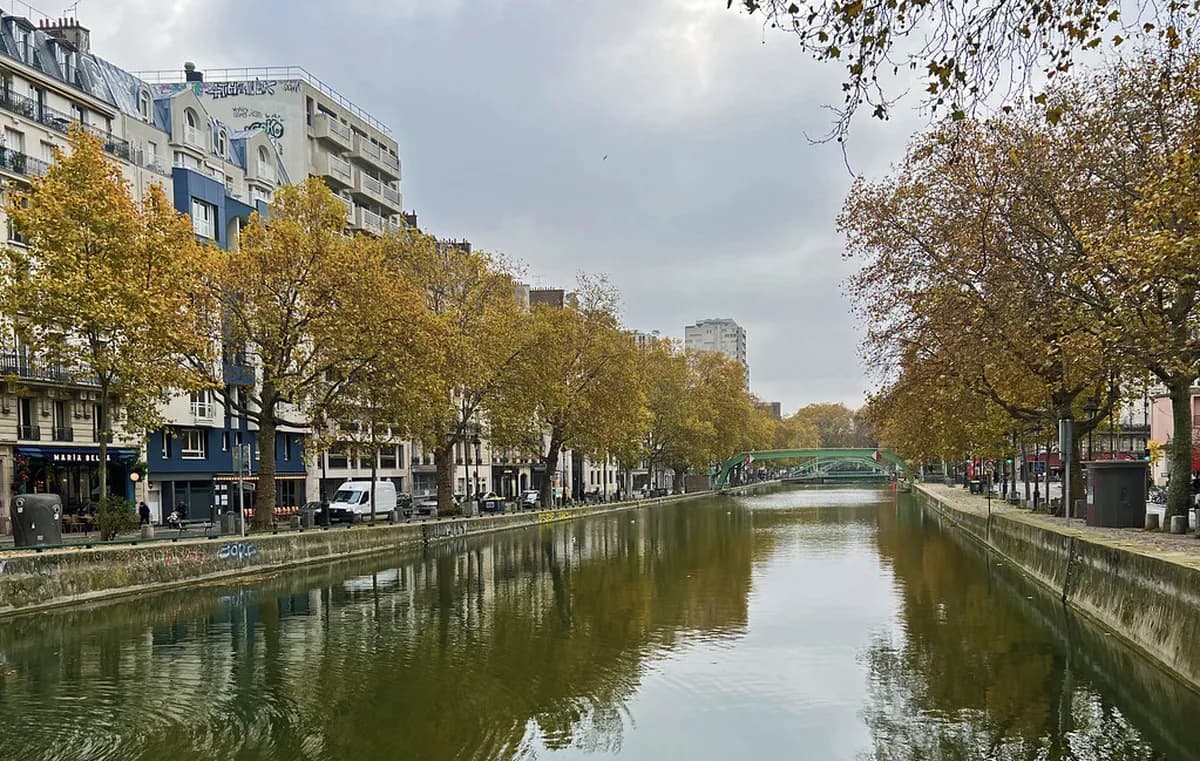
This scenic waterway flows through the heart of the 10th arrondissement with a distinctly local and artistic vibe.
Visitors love watching the iron bridges swing open as boats navigate the historic locks and quiet shaded paths.
It remains one of the most authentic places to experience the modern Parisian lifestyle away from major monuments.
History and Engineering Marvels of the Canal
Napoleon I ordered the construction of this waterway in 1802 to provide fresh water for the growing city population. The project took over twenty years to complete and eventually served as a vital industrial transport route for goods. It played a key role in the city's early development, supplying working-class districts with coal, grain, and stone from the northern quarries. For more detailed historical context, the Canal Saint-Martin Wikipedia article covers the engineering timeline and conservation story. Today the canal serves as a leisure hub while maintaining its impressive nineteenth-century engineering and historic iron bridges.
The engineering of the canal includes nine locks that manage a significant twenty-five meter drop in water levels. Each lock requires careful operation to allow vessels to pass through the different elevations of the Parisian landscape. You can watch the water levels change rapidly as the massive iron gates slowly swing open for passing boats. This mechanical process remains a fascinating spectacle for pedestrians walking along the towpaths during a sunny afternoon.
The industrial past is still visible in the sturdy iron footbridges that arch gracefully over the shimmering water. These bridges allow pedestrians to cross the canal while providing excellent vantage points for photography and people-watching. Many of the original warehouses have been converted into trendy lofts and creative studios for local artists. This blend of old-world utility and modern creativity gives the neighborhood its unique and enduring character.
Getting There and Walking the Canal
The easiest entry point is metro station Jacques Bonsergent on Line 5, which deposits you directly onto Quai de Valmy at the southern stretch of the canal. From here the full walkable section north to the Bassin de la Villette covers roughly 4.5 kilometres and takes about an hour at a relaxed pace. Alternatively, Goncourt station on Line 11 is better if you want to start mid-canal near the lock at Rue du Faubourg du Temple and work southward toward the underground section. Colonel Fabien on Line 2 drops you at the northern end near the Bassin, which suits visitors who want to finish at the livelier café strip of Quai de Valmy.
A practical tip for 2026 is that Quai de Valmy and Quai de Jemmapes are closed to motor traffic every Sunday from 09:30 to 17:30 under Paris's car-free quay programme. This turns the entire length into a wide pedestrian and cycling promenade, making Sunday the most pleasant day to walk and the easiest day for families with young children. Weekday mornings before 10:00 are equally calm without the Sunday crowds and work well if you want to photograph the bridges without people in the frame.
The towpath on the east bank (Quai de Jemmapes) runs uninterrupted and is slightly wider. The west bank (Quai de Valmy) has more café terraces and boutiques but the pavement narrows between parked bikes near the lock chambers. Cross between the two via any of the seven pedestrian swing bridges — the Passerelle Bichat and the Passerelle de la Grange aux Belles are the most photogenic and are frequently used as filming locations.
Picnic Supplies and the Bakery You Need to Know
Canal Saint-Martin picnics are a Parisian ritual, and the choice of where to stock up makes a real difference. Du Pain et des Idées at 34 Rue Yves Toudic (closest metro: Jacques Bonsergent, 3-minute walk) is widely regarded as one of the finest boulangeries in Paris. The bakery is famous for its escargot pastries with pistachio and chocolate filling, its flaky croissants, and its sourdough pain des amis. The critical detail most guides omit is that it is closed on Saturdays and Sundays — plan your canal picnic for a Tuesday to Friday if you want to shop here before settling on the bank.
For cheese and charcuterie, the Marché Couvert Saint-Martin at 31-33 Rue du Château d'Eau (open Tuesday to Saturday, 08:00–19:30) is a historic covered market a short walk from the canal. You can find unpasteurised farmhouse cheeses, smoked duck, and regional terrines at stalls that have been trading in the same building since the nineteenth century. Pairing a wedge of comté with a baguette from a nearby boulangerie creates one of the most satisfying and least expensive meals in the city. The stone banks near Lock 9 by Rue des Récollets are the prime spot: flat, wide, shaded in the afternoon, and with a direct view of boats negotiating the lock gates.
Wine to go is legal and entirely normal along the canal banks. Nicolas wine shops (multiple locations on Rue du Faubourg du Temple) stock affordable Languedoc reds and Muscadet whites that travel well in a tote bag. Avoid the convenience stores directly on the quays, which charge considerably more than shops one street back from the water.
Du Pain et des Idées — rated one of the finest boulangeries in Paris — is closed on Saturdays and Sundays. Plan your canal picnic for Tuesday to Friday if you want to shop there before settling on the bank.
Best Boat Trips and Waterway Tours
Taking a boat tour is one of the most relaxing ways to explore the full length of the canal. Two main companies, Canauxrama and Paris Canal, offer regular departures that navigate through the historic lock systems. These cruises often last about two and a half hours and provide a unique perspective on the city. Prices in 2026 run approximately €20–22 per adult for a full transit cruise; children under 4 travel free on both operators.
One of the most thrilling parts of the journey is passing through the two-kilometre underground vault near Bastille. This dark tunnel features atmospheric lighting and eerie echoes that create a mysterious and memorable travel experience. The boat moves slowly through the subterranean passage before emerging into the bright light of the open canal. It is a stark contrast to the bustling streets of Paris located directly above the stone arches.
Cruises typically travel between the Port de l'Arsenal and the Bassin de la Villette at the northern end. Passengers can observe the intricate workings of the locks up close as the boat rises or falls. The guides often share stories about the neighborhood's history and the various films shot along the water. Book at least a day ahead in summer as tours sell out on weekends; Canauxrama accepts bookings online with no booking fee.
| Operator | Route | Duration | Price (2026) | Booking |
|---|---|---|---|---|
| Canauxrama | Bastille → Bassin de la Villette | ~2.5 hours | €20–22 (adults); under 4 free | Online, no booking fee |
| Paris Canal | Bastille → Bassin de la Villette | ~2.5 hours | €20–22 (adults); under 4 free | Online, recommended 1 day ahead |
Top Cafes, Restaurants, and Aperitif Spots
The canal saint martin paris is famous for its vibrant dining scene and trendy waterside aperitif spots. Many locals gather here in the late afternoon to enjoy a glass of wine as the sun sets. You can discover some of the where locals eat in Paris tucked away in the side streets nearby. These establishments often focus on seasonal ingredients and innovative French bistro cooking styles.
The Hôtel du Nord at 102 Quai de Jemmapes is the most iconic address for diners and history buffs. It gained international fame through Marcel Carné's 1938 film of the same name and the building retains its original terracotta facade and zinc bar. Dinner bookings fill up quickly on weekend evenings, so reserve by phone (+33 1 40 40 78 78) or through their website at least 48 hours ahead. The prix-fixe lunch (around €18 for two courses) is a significantly better value than dinner if your schedule is flexible.
Coffee lovers will find specialty roasters along both quays. Ten Belles at 10 Rue de la Grange aux Belles is one of the earliest specialty coffee shops to open in the neighbourhood and still draws long queues on weekend mornings. Holybelly at 19 Rue Lucien Sampaix is better suited for a full brunch, with scrambled eggs with brown butter that locals rate as among the best in the city. Both open from around 09:00 and are cash-optional.
Shopping Guide: Trendy Boutiques and Concept Stores
Shopping around the canal offers a mix of independent boutiques and high-end concept stores that define Parisian style. You will find unique fashion items and home decor that are often unavailable in larger department stores. For those seeking even more variety, a the city's flea markets can lead you to vintage treasures nearby. The neighbourhood encourages a slow shopping experience where you can browse at your own comfortable pace.
Rue de Marseille and the surrounding streets carry several well-regarded French brands. A.P.C. and Isabel Marant both have flagship or concept stores within easy walking distance of the canal banks. Many smaller boutiques on Rue Beaurepaire focus on sustainable fashion and locally made accessories. These shops are housed in beautiful old buildings that maintain their original architectural charm.
For books and music, Album at 8 Rue Beaurepaire specialises in comic books, manga, and graphic novels in French and English. It is a favourite with local creatives and a good spot to browse if you want a souvenir beyond the typical tourist fare. Most boutiques in the neighbourhood open around 11:00 and close by 19:30, with Monday closures common among smaller independent traders.
Parks, Gardens, and Outdoor Relaxation
Jardin Villemin is the primary green space along the canal and serves as a popular gathering point for locals. This former hospital site now features lush lawns, a community garden, and several playgrounds for children. It is the perfect spot to enjoy a takeaway lunch or simply rest under the shade of mature trees. The park provides a peaceful buffer between the busy streets and the tranquil movement of the water.
The canal banks themselves function as an informal outdoor living room for the 10th arrondissement. It is socially acceptable and very common to sit directly on the stone edges of the canal with a bottle of wine or a coffee. Most locals are friendly but appreciate visitors who keep noise levels reasonable after 22:00. Dispose of your trash carefully — the municipality posts waste bins every 50 metres along the quays and clean-up teams operate early each morning.
The towpaths on both sides of the water are reserved for pedestrians and cyclists on Sundays under the car-free quay programme. This initiative makes the area much safer and more pleasant for families and casual walkers. You can stroll for miles along the water while enjoying the changing scenery and the cool canal breeze. It is one of the few places in the city where you can genuinely escape traffic noise.
Art, Culture, and the Point Éphémère
Artistic expression is woven into the fabric of the canal saint martin paris through its street art and cultural centres. The Point Éphémère at 200 Quai de Valmy is a dynamic space that hosts concerts, exhibitions, and artist residencies throughout the year. It is located right on the water and features a popular rooftop bar during the summer months, open from 20:00 on weekend evenings. This venue is a cornerstone of the local creative community and always has something on the programme.
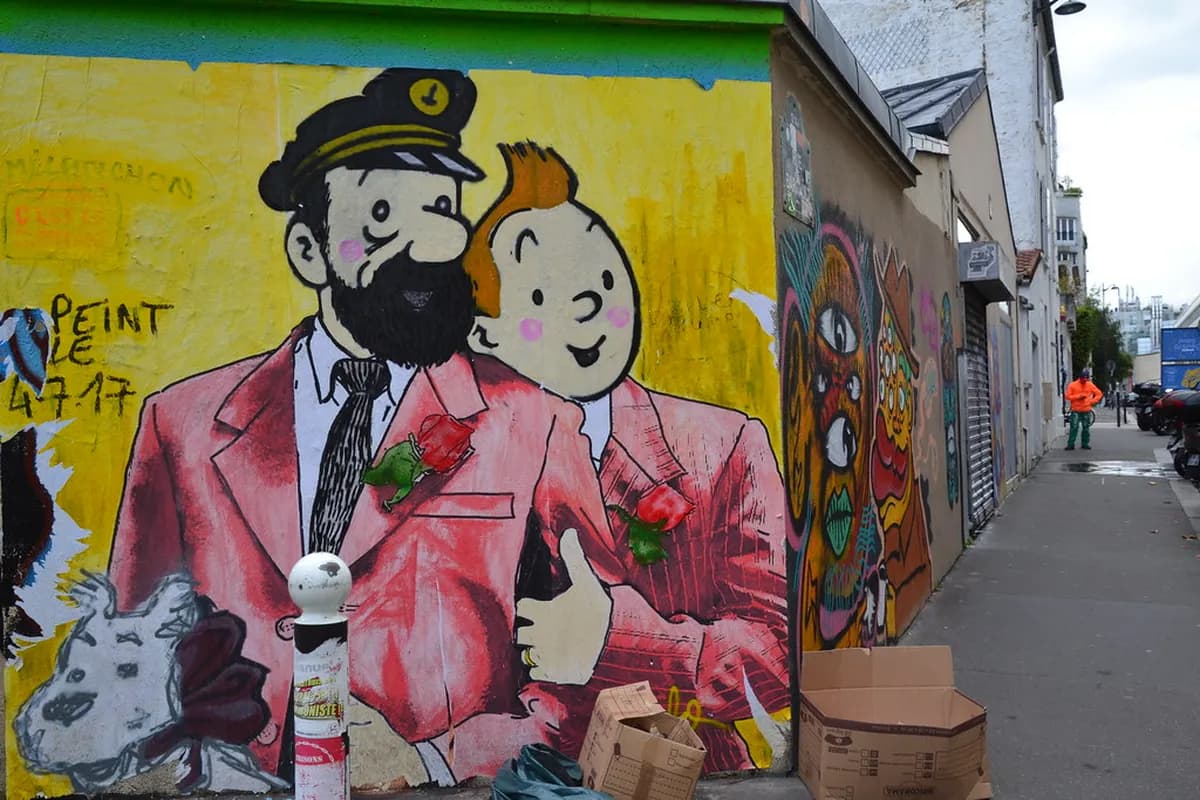
Walking along the canal reveals a constantly changing gallery of murals and graffiti by renowned international street artists. Many of the walls along Quai de Jemmapes and the side streets off Rue du Faubourg du Temple serve as canvases for vibrant works that reflect the neighbourhood's rebellious spirit. You can often see artists at work during the day as they update their latest large-scale projects. This visual energy makes every walk along the water feel like a new discovery.
The area also has deep historical ties to the Impressionist era. Alfred Sisley painted the canal in the late nineteenth century, capturing the soft industrial light that still defines the waterway on an overcast Parisian morning. Today, many small galleries on Rue de la Folie Méricourt continue this tradition by showcasing contemporary works from local Parisian artists. Exploring these small spaces is a practical way to support the local arts scene during your visit.
Where the Canal Meets Belleville
The northern end of the canal, where the waterway opens into the Bassin de la Villette, connects the 10th arrondissement to the emerging neighbourhoods of Belleville and La Villette. This transition zone is one of the most underrated areas in Paris for 2026 visitors. The Bassin itself hosts Paris Plages each summer (typically mid-July through mid-August), when sand is brought in along the banks and temporary swimming areas open at the northern basin — free of charge and accessible from 10:00 to 20:00 daily. It is the closest thing to a beach Paris offers without leaving the city.
Walking five minutes northeast from the Bassin de la Villette brings you to the Parc de la Villette, home to the Cité des Sciences et de l'Industrie and the large open-air concert venues that host major summer festivals. This makes the canal walk a natural starting point for a full day itinerary: morning coffee on Quai de Valmy, midday lock-watching, afternoon picnic, then evening live music in La Villette. The neighbourhood of Belleville itself is covered in more depth in the the Belleville neighborhood, which picks up where the canal walk ends.
Planning Your Visit: Timing and Logistics
Reaching the canal saint martin paris is simple thanks to the extensive city metro network. Metro Line 5 (Jacques Bonsergent stop) and Line 11 (Goncourt stop) are the two most useful; both are a two-minute walk from the quays. If you want to explore further, consider looking for lesser-known corners of Paris locations nearby. Walking from the République transport hub takes about eight minutes and lets you see the transition from bustling city streets to quiet canal paths.
Most visitors find that three to four hours is enough time to walk the main section and enjoy a meal. If you plan to take a boat tour, add at least another two hours to your itinerary. The area is generally safe at night and remains lively with locals and diners well past 22:00. The evening atmosphere is particularly good when the streetlights reflect off the calm surface of the water — bring a jacket in spring, as the canal creates a wind tunnel effect after sunset.
The canal creates a notable wind tunnel effect after sunset in spring — pack a jacket even on mild days. The Point Éphémère rooftop bar opens from 20:00 on weekend evenings and is the best spot to end an evening walk along the water.
The best time to visit is during the late afternoon when the golden light hits the iron bridges and colourful storefronts. Weekends are lively with local residents and can feel crowded between 15:00 and 19:00 in good weather. A weekday morning visit, especially Tuesday to Friday when Du Pain et des Idées is open, combines the quietest atmosphere with the best picnic supplies. Checking individual restaurant websites before arrival is always wise as many small operators keep irregular hours during school holidays.
Seasonal Events and 2026 Calendar
Planning a trip for 2026 allows you to align your visit with several unique local festivals and seasonal events. The canal area becomes particularly lively during the warmer months when outdoor activities dominate the local social scene. Checking the when to visit Paris helps you pick the perfect week for your stay. Each month offers a different atmosphere ranging from quiet winter walks to bustling summer evening picnics by the water.
The summer months are especially popular for outdoor events that take advantage of the long daylight hours. Music performances and temporary art installations appear along the towpaths during peak season, often organised by the local mairie without advanced ticketing. Many bars and cafes expand their outdoor seating areas to accommodate the influx of summer visitors. It is a fantastic time to experience the full energy and community spirit of the neighbourhood.
- Spring Cultural Festival in May 2026: Fête de la Bretagne brings Breton food, cider, and live music to the Bassin de la Villette over a long weekend. Admission to outdoor areas is free; indoor concert tickets are typically €8–12.
- Summer Music Celebration on 21 June 2026: Fête de la Musique fills every street and canal bank with live performers from 18:00 onwards. The Point Éphémère hosts a ticketed outdoor stage; the quays themselves are free and always packed.
- Urban Beach in July–August 2026: Paris Plages brings sand, deckchairs, and a supervised swimming area to the Bassin de la Villette. Open daily from mid-July; all activities are free of charge.
- European Heritage Days in September 2026: Journées du Patrimoine grants rare behind-the-scenes access to the canal lock mechanism demonstrations and occasional tours of the underground vault section.
Frequently Asked Questions
Which Canal Saint-Martin boat tours are best for first-time visitors?
The Canauxrama cruise is highly recommended for first-time visitors because it offers a comprehensive historical narrative. It covers the full transit from Bastille to the Bassin de la Villette, including the famous underground tunnel. These tours provide excellent views of the locks and iron bridges along the way.
How much time should you plan for a walk along the canal?
You should plan for at least two to three hours to walk the main stretch of the canal comfortably. This allows time for photography, watching the locks operate, and stopping for a coffee at a waterside cafe. If you include a full meal, budget about four hours total.
Is the Canal Saint-Martin area safe at night?
The Canal Saint-Martin area is generally safe at night and remains very lively with locals and diners. However, like any popular city district, you should stay aware of your surroundings and keep your belongings secure. Stick to well-lit paths and the main quays where most people gather.
What are the best picnic spots along the water?
The stone banks near the Quai de Valmy and the grassy lawns of Jardin Villemin are the best picnic spots. These areas offer plenty of space to sit and enjoy the view of the passing boats. Remember to bring a blanket and arrive early to secure a prime spot.
How do the canal locks work?
The canal locks work by using a system of gates to raise or lower the water level within a chamber. This allows boats to move between different elevations of the canal safely. It takes several minutes for the water to equalize before the massive iron gates can swing open.
Exploring the canal saint martin paris provides a memorable look at the artistic and historic heart of the city.
From the mechanical wonder of the locks to the trendy cafes, there is something for every type of traveler.
You can find many more unique Paris experiences by wandering through these vibrant local neighbourhoods.
Plan your visit today to experience the authentic charm and relaxed pace of this beautiful Parisian waterway.
Pair this with our broader hidden gems in Paris guide for the full city overview.
Continue exploring
More guides you'll find useful