Butte aux Cailles Paris: Secret Village Guide
Discover Butte aux Cailles Paris, a quiet hilltop village of cobblestones and street art. Read our guide to plan your perfect offbeat Paris walk today!
On this page
Exploring Butte aux Cailles Paris: A Charming Village Guide
Tucked away in the quiet 13th arrondissement, Butte aux Cailles Paris offers a peaceful escape from busy city streets. This charming hilltop neighborhood feels like a small French countryside village rather than a part of a major capital. Travelers can wander along narrow cobblestone alleys that showcase colorful street art and historic houses.
Unlike the bustling tourist centers, this area remains a local secret with a relaxed, artistic atmosphere. It stands out as one of the most rewarding Paris hidden gems guide for curious walkers. Visiting during the early morning lets you enjoy the peaceful streets before the neighborhood cafes open their doors.
The Name Has Nothing to Do with Quails
Most visitors assume "Cailles" refers to the quail birds. The real origin is more interesting. In 1543 a landowner named Pierre Caille purchased this small hilltop outside Paris, and the land took his family name. At the time, the butte was open countryside covered with vineyards, windmills, and woodland, bisected by the Bièvre river.
The Bièvre attracted tanners, dyers, and butchers who used its water heavily. By the nineteenth century the river had become too polluted to remain open, and the city eventually covered it entirely. You can still trace the old riverbed today by following bronze medallions set into the pavement along the former course of the water — a detail that most tourists miss entirely.
The neighborhood was only annexed into Paris in 1860, when the city boundaries were redrawn to form the 13th arrondissement. That late absorption partly explains why the streets here feel nothing like the rest of Haussmann's Paris.
Why the Streets Look So Different from the Rest of Paris
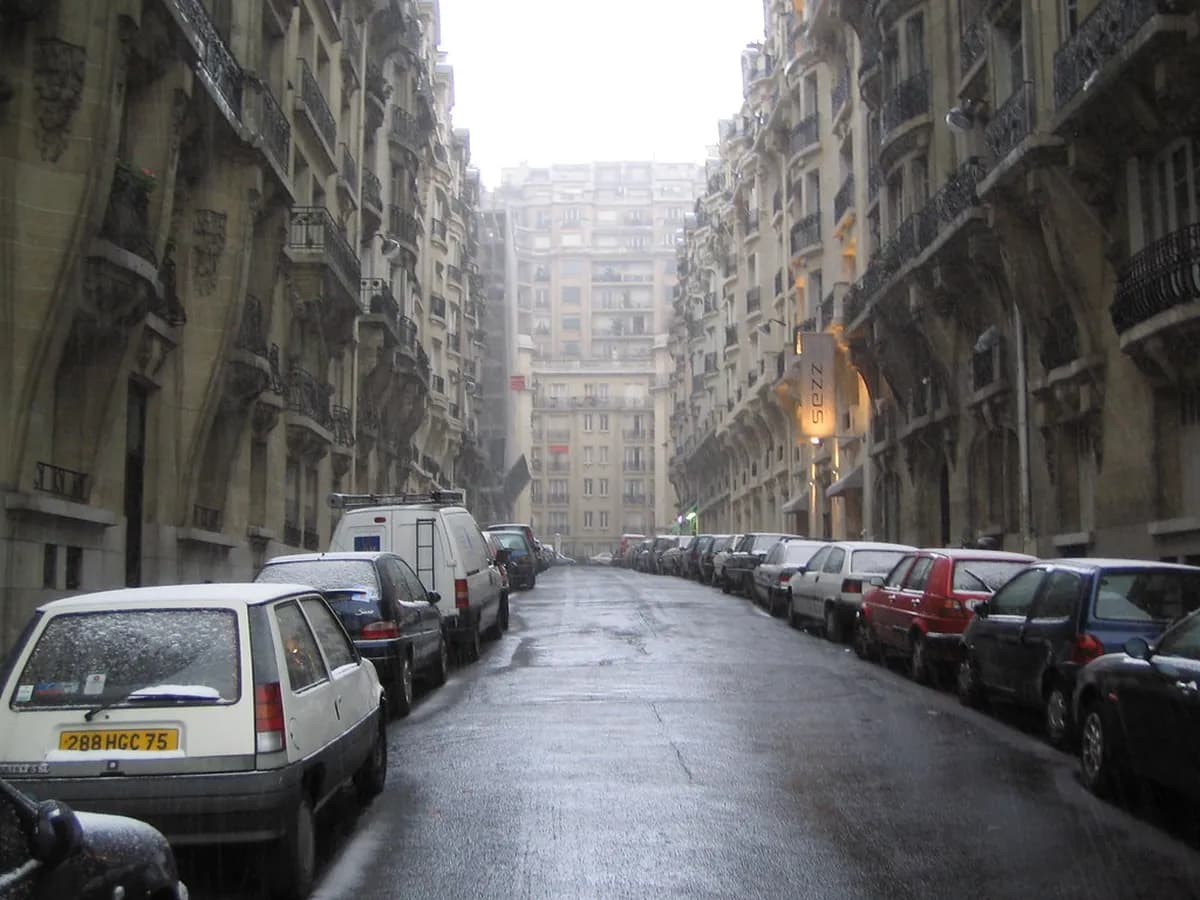
Exploring Butte aux Cailles Paris feels like stepping back into the late nineteenth century. The neighborhood escaped the major modernization projects because underground limestone quarries made heavy construction too dangerous. Consequently, you find only low-rise houses and quaint lanes instead of the grand Haussmann apartment blocks that define most of Paris.
Walking through these winding paths reveals a unique side of the city that many tourists miss entirely. It is an excellent destination for those seeking experiences lesser-known corners of Paris without leaving the city limits. You can easily access this hilltop haven by taking metro line 6 to the Corvisart station.
The neighborhood also holds an important place in French political history. During the Commune de Paris in 1871, the Butte aux Cailles was a stronghold for communard fighters, with a celebrated battle defending the district against government forces. A square at the heart of the neighborhood and several street art murals still reference this chapter of working-class resistance, giving the area a distinct proud and rebellious character that persists today.
The Artesian Pool Most Guides Undersell
The Piscine de la Butte-aux-Cailles on Place Paul Verlaine is one of the most unusual swimming pools in Europe. Built in 1924 in an art deco style, it draws water from a deep artesian well that taps the Albien aquifer roughly 600 metres below street level. That underground water rises naturally at around 28°C, which means the pool stays warm without artificial heating throughout the year.
Because of those running costs saved on heating, entry remains genuinely affordable at around 3 to 5 EUR depending on the session. The pool opens Tuesday to Sunday and operates morning and afternoon sessions — check the official Paris municipal pool website before visiting as specific hours shift seasonally. This is not just a summer stop; regulars swim here through the coldest months of the year.
Entry to the Piscine de la Butte-aux-Cailles costs just 3–5 EUR and the artesian well keeps water at a natural 28°C year-round. Bring your own towel and swimming shorts that cover the thighs — standard Paris pool rules apply.
The building also houses a smaller indoor pool and a warm-water children's section. Bring your own towel and a pair of swimming shorts that cover the thighs, as standard Paris pool rules apply. If you only visit one Paris pool, this is the one worth choosing for both its architecture and its geological quirk.
Key Landmarks to Visit on Foot
Villa Daviel is a quiet residential passage lined with charming houses and small front gardens just off Rue Daviel. Residents decorate their doorways with potted plants, bright flowers, and climbing ivy, and the whole alley feels more like a Normandy village lane than Paris. Walk slowly and keep your voice down — people live here.
Directly connected to Rue Daviel is La Petite Alsace, a private courtyard built in 1912 to house working-class families. The half-timbered Alsatian-style cottages are visible from the street entrance and remain in residential use. These timber-framed buildings were designed by the architect Paul Auscher and still retain their original rustic details despite being over a century old.
If you love exploring budget-friendly spots, this neighborhood ranks among the best free things to do in Paris. Simply walking the streets of these passages offers authentic architectural detail without spending a cent. Allow at least ninety minutes to move between Villa Daviel, La Petite Alsace, and the pool at Place Paul Verlaine without feeling rushed.
Street Art and the Open-Air Gallery
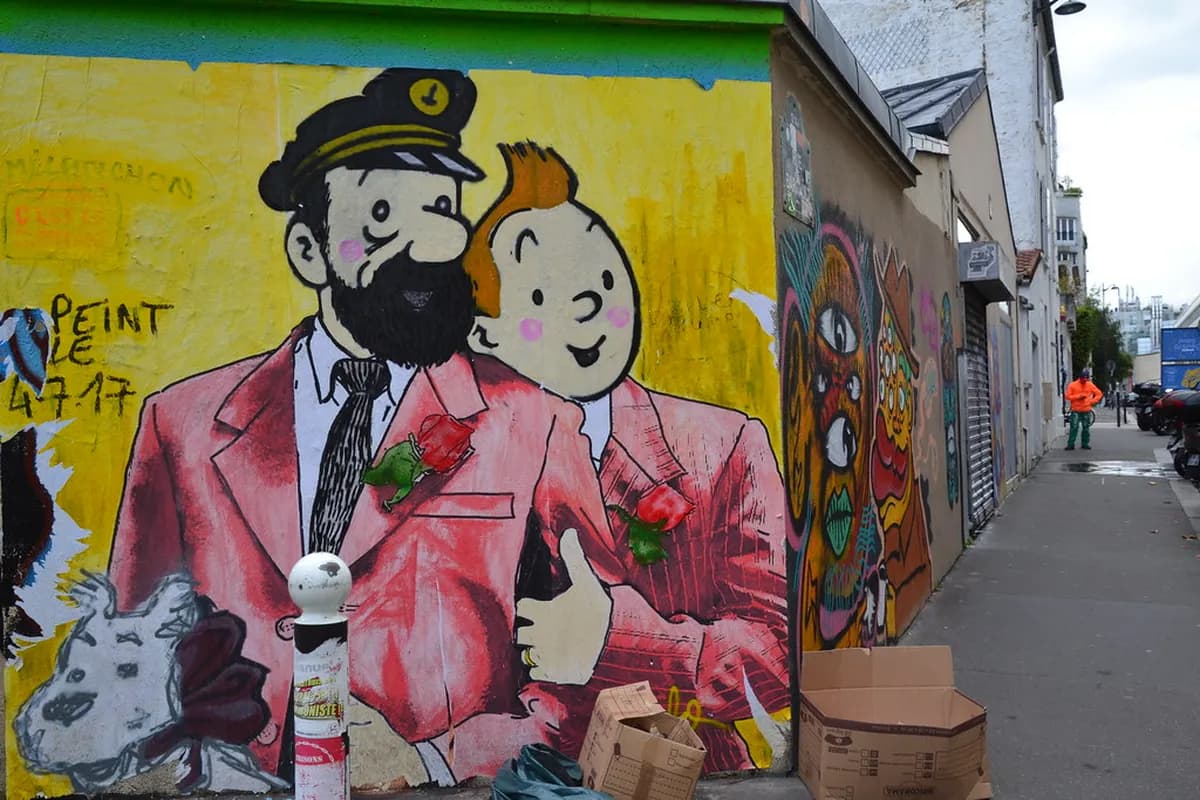
Street art defines the visual character of the neighborhood, with murals appearing and changing regularly on old brick walls. The pioneering stencil artist Miss.Tic has been leaving her mark on these lanes for decades, mixing feminine portraits with poetic French text. Her work is closely associated with this neighborhood, and you can find older authenticated pieces alongside newer ones near Rue Michal and Rue de la Butte-aux-Cailles.
Look closely at the walls near Rue des Cinq-Diamants to spot whimsical characters and social commentary. Many pieces reference the working-class history of the area and the legacy of the Commune. Photographers should plan to spend at least two hours capturing the colorful details, as the light on north-facing brick walls is best in the late morning.
Beyond the paintings, the architectural styles range from Alsatian cottages to small townhouses with iron gates. These diverse buildings contrast sharply with the uniform stone facades found in more central Parisian neighborhoods. Strolling here feels like discovering a gallery, offering some of the most unique Paris experiences without paying gallery admission.
Where to Eat and Drink Like a Local
Rue de la Butte-aux-Cailles is the main artery for food and drink, and it transforms completely from a quiet daytime street into a lively neighbourhood bar strip after 19:00. Most venues here are owner-operated, focused on French and regional cooking at prices much lower than tourist-heavy districts. You can sample hearty stews, fresh crepes, and artisanal cheeses in cozy, family-run dining rooms.
Chez Gladines is the best-known address for generous Basque cuisine served in a friendly, high-energy setting. Expect long communal tables, enormous salads topped with duck confit, and very reasonable prices — plan to queue on weekend evenings or arrive before 19:00 to skip the wait. The where locals eat in Paris often have this kind of effortless popularity with residents rather than TripAdvisor tourists.
For drinks, Le Temps des Cerises is a historic cooperative bar-restaurant on Rue de la Butte-aux-Cailles that has operated as a workers' collective since 1976. Its name directly references the Commune of Paris — "the time of the cherries" was a phrase used to describe the brief utopian spring of 1871. Organic wine, craft beer, and a genuinely local crowd make this the most atmospheric bar in the area.
| Spot | Type | Known For | Best Time to Visit |
|---|---|---|---|
| Chez Gladines | Restaurant | Basque cuisine, duck confit salads | Weekdays before 19:00 |
| Le Temps des Cerises | Bar-restaurant | Organic wine, craft beer, local crowd | Evening, any day |
| Piscine de la Butte-aux-Cailles | Swimming pool | Art deco, 28°C artesian water, €3–5 entry | Mornings from 07:00 |
| Villa Daviel | Passage | Potted plants, Normandy-village feel | Any time |
| La Petite Alsace | Courtyard | Half-timbered Alsatian cottages (1912) | Daytime |
Combining the Visit with the 13th Arrondissement
The Butte aux Cailles sits in the northern part of the 13th arrondissement, just five minutes on foot from one of Europe's largest Chinatowns. The Triangle de Choisy, bounded by Avenue de Choisy, Avenue d'Ivry, and Boulevard Masséna, is home to Vietnamese, Chinese, Cambodian, and Laotian restaurants that have operated here for over fifty years. The contrast between the cobblestoned village feel of the Butte and the bright signage and food markets of Chinatown is genuinely striking.
If you come hungry, a practical strategy is to start at the Butte aux Cailles in the morning, visit the pool before midday, walk south for lunch in Chinatown, and return through the neighborhood in the late afternoon when the bar terraces open. The whole walk covers around three kilometres and takes three to four hours at a relaxed pace.
Metro Place d'Italie on lines 5, 6, and 7 sits between both areas and makes an easy starting or ending point. Alternatively, Corvisart on line 6 drops you directly at the foot of the hill. Both stations are connected and well served throughout the day.
Practical Tips for Your Visit
Wear comfortable walking shoes because the cobblestone streets can be uneven and steep in several areas. Most local shops and cafes open around 11:00, so avoid arriving before then unless you are heading directly to the pool. The pool itself opens from 07:00 on most mornings, making it a good anchor for an early start.
Visiting during the late afternoon allows you to experience both the peaceful daytime charm and the lively evening scene along Rue de la Butte-aux-Cailles. Keep a small amount of cash on hand since some smaller cafes have minimum card payment limits. The neighborhood is very safe at all hours, with local residents and students keeping streets active well into the night.
Most local shops and cafes in Butte aux Cailles open around 11:00 — arriving earlier will find the streets quiet. Rue des Rosiers businesses also close on Saturdays (Shabbat), so plan food stops accordingly.
Street art changes over time, so no guide will ever be fully current. The best approach is to walk slowly and look beyond the main street — some of the most interesting murals are on gable walls visible from side lanes rather than on the most obvious corners.
Frequently Asked Questions
What is the best metro station for Butte aux Cailles Paris?
The most convenient station is Corvisart on metro line 6, which places you right at the foot of the hill. Alternatively, Place d'Italie on lines 5, 6, and 7 is just a short walk away. Both options provide quick access to the neighborhood's main streets.
Is Butte aux Cailles Paris safe for solo travelers?
Yes, this neighborhood is highly safe and welcoming for solo travelers at any time of day. The local community is active and friendly, with busy cafes keeping the streets lively well into the evening. Standard travel awareness is all you need for a worry-free visit.
When is the best time to visit Butte aux Cailles?
Late afternoon is the ideal time to visit because you can photograph the street art in daylight before enjoying the lively evening dining scene. If you prefer quiet walks, weekday mornings are perfect. Learn more about the when to visit Paris to plan your trip.
Butte aux Cailles offers a refreshing break from the crowded monuments of central Paris. Its unique history, vibrant street art, and village atmosphere make it a memorable addition to any itinerary. Walk these cobblestones to discover a side of French culture that feels both historic and modern.
Take your time to appreciate the small details that make this neighborhood feel so special. This unique experience will likely stand out as a major highlight of your entire Paris holiday.
Continue exploring
More guides you'll find useful