Le Marais Paris Guide Travel Guide
Plan your trip with our le marais paris guide. Discover top picks, historical context, timing tips, and practical booking advice for a smooth visit.
On this page
Le Marais Paris Guide
Le Marais is one of the few Parisian neighborhoods that rewards every type of visitor. Spread across the 3rd and 4th arrondissements on the Right Bank, it blends Jewish heritage, LGBTQ+ culture, world-class museums, and designer boutiques into a compact, walkable district. Aristocratic mansions sit beside falafel counters. Medieval cobblestones lead to contemporary art galleries. This guide covers where to go, what to do, where to eat, where to stay, and how to plan a full day here in 2026.
Where the Marais Is Located
The Marais runs from Place de la Bastille in the east to Place de la République in the north, with the Seine forming its southern boundary. The 4th arrondissement — the older, denser half — is where you find Place des Vosges, Rue des Rosiers, and the Jewish Quarter. The 3rd arrondissement to the north is sometimes called the Haut Marais: slightly hipper, with more independent coffee shops and concept stores.
Both halves are walkable from each other in under 15 minutes. The nearest Métro stations are Saint-Paul (Line 1), Rambuteau (Line 11), and Chemin Vert (Line 8). Bus 29, which runs through the heart of the district, is the most useful line if you prefer not to walk long stretches — it stops near Place des Vosges and Musée Carnavalet and connects west into the 1st arrondissement.
From the Marais you can reach Notre-Dame Cathedral on foot in about 12 minutes and the Louvre in roughly 25 minutes along the Seine. That central position makes it the most practical home base in Paris for visitors who want to spend less time on the Métro and more time exploring on foot.
Must-See Attractions in the Marais
Place des Vosges is the oldest planned square in Paris, completed in 1612. Its 36 identical red-brick pavilions surround a central garden with fountains and walking paths. Entry to the square is free at all hours. At number 6, the Maison de Victor Hugo preserves the apartment where the novelist wrote much of his work — also free to enter, closed on Mondays.
Rue des Rosiers is the main artery of the historic Jewish Quarter. The street is densely packed with falafel counters, Ashkenazi bakeries, and kosher delis. L'As du Fallafel at number 34 is the most famous — expect a queue on weekday lunchtimes. Most businesses here close on Saturdays (Shabbat), so plan your visit for a weekday or Sunday instead.
The Hôtel de Ville, Paris's grand city hall, sits just south of the district at Place de l'Hôtel de Ville. Its interior hosts free rotating exhibitions open to the public and the neo-Renaissance exterior is one of the most photographed facades in the city. For more unique Paris experiences close to the Marais, that guide covers several lesser-known stops within walking distance.
Museums, Art, and Culture in the Marais
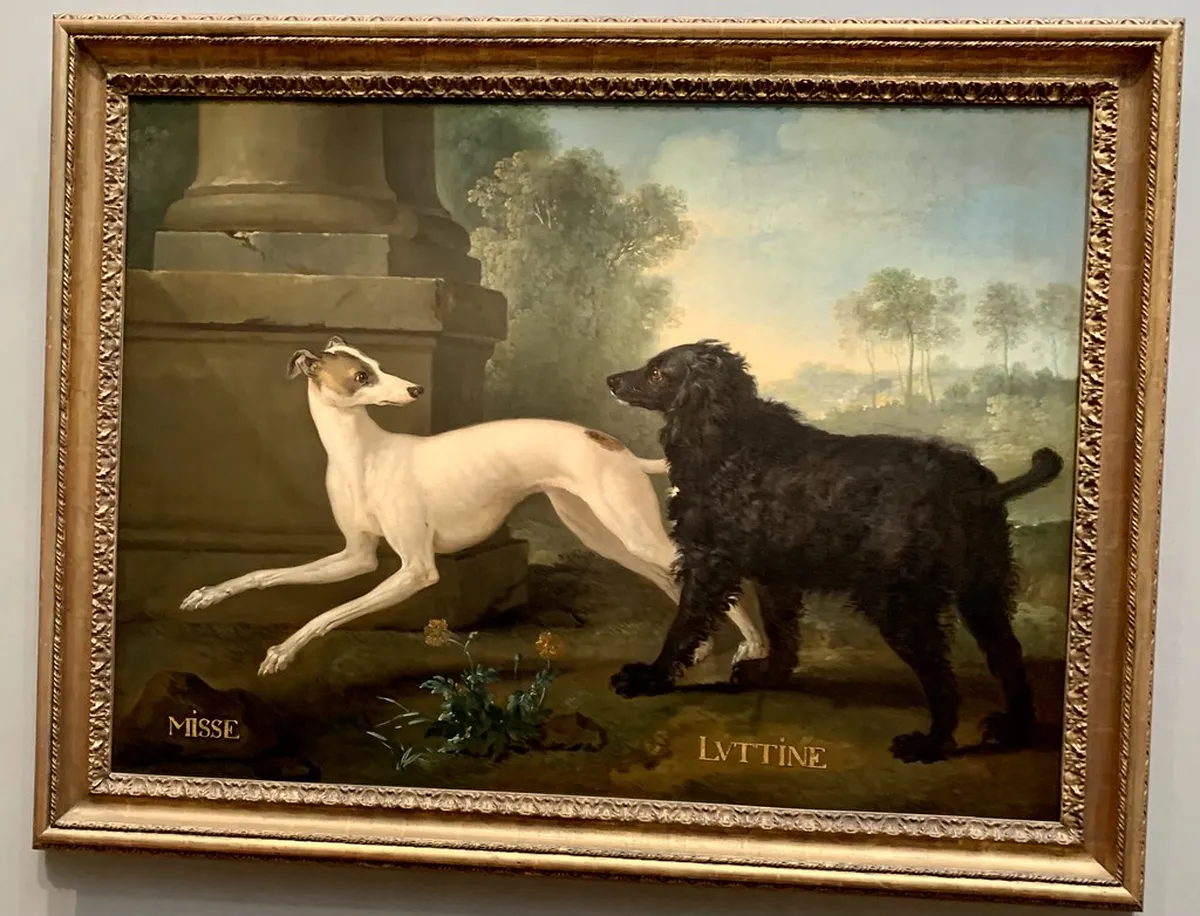
The Marais has a higher density of museums per square kilometre than almost any other Paris neighbourhood. The Musée Carnavalet on Rue de Sévigné covers the full history of Paris across two connected mansions. Admission is free for the permanent collection, and it is one of the best free things to do in Paris. The museum is closed on Mondays.
The Musée Picasso at Hôtel Salé displays over 400 works — paintings, sculptures, ceramics, and engravings — spread across five floors of a 17th-century mansion. Tickets cost €14 for adults in 2026. The permanent collection covers Picasso's entire career and the building itself is worth the visit. Book tickets online in advance; the queue at the door moves slowly.
Musée Carnavalet (full Paris history across two mansions) is free for the permanent collection and opens at 10:00 — making it the ideal first museum stop in the Marais. It is closed on Mondays.
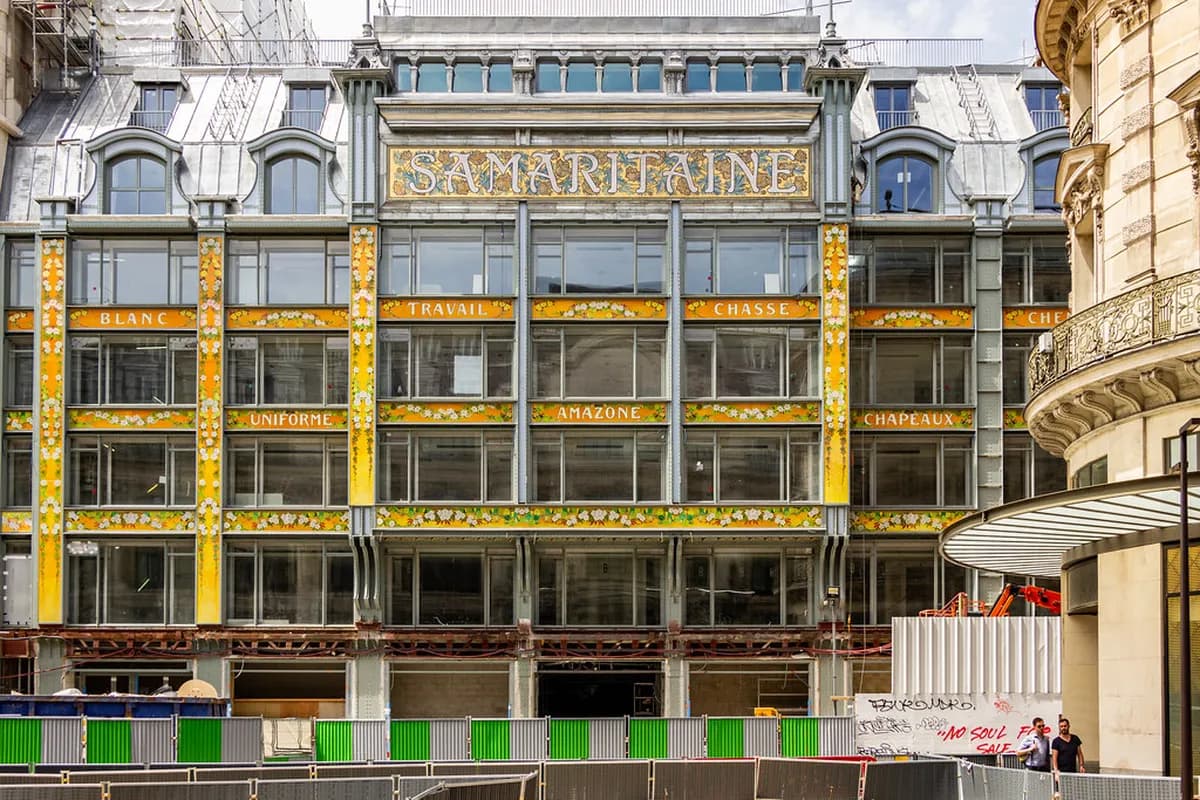
The Musée Cognacq-Jay on Rue Elzévir is the Marais museum most visitors miss entirely: the Samaritaine founders' collection of eighteenth-century painting and furniture, shown across the panelled rooms of the Hôtel de Donon, with free entry to the permanent collection.
The National Archives Museum at 60 Rue des Francs-Bourgeois offers free admission and a series of rotating exhibitions that have covered everything from the history of French textiles to Revolutionary documents. The Museum of Hunting and Nature on Rue des Archives is a genuinely unusual choice — part natural history, part contemporary art, housed in two interconnected hôtels particuliers. The taxidermy installations stop visitors in their tracks. Admission is around €10.Contemporary galleries line the streets of the Haut Marais, particularly around Rue de Bretagne and Rue Charlot. Most open around 11:00 and are free to browse. Tuesday is the standard day off for galleries and many museums in the district, so plan museum visits for Wednesday through Sunday.
| Museum | Admission (2026) | Closed | Highlight |
|---|---|---|---|
| Musée Carnavalet | Free (permanent) | Monday | Full history of Paris across two mansions |
| Musée Picasso | €14 adults | Tuesday | 400+ works, 17th-century mansion setting |
| National Archives Museum | Free | Varies | Rotating exhibitions, Revolutionary documents |
| Museum of Hunting and Nature | ~€10 | Monday | Taxidermy meets contemporary art |
| Maison de Victor Hugo | Free | Monday | Author's apartment at Place des Vosges no. 6 |
Parks, Gardens, and Hidden Green Spaces
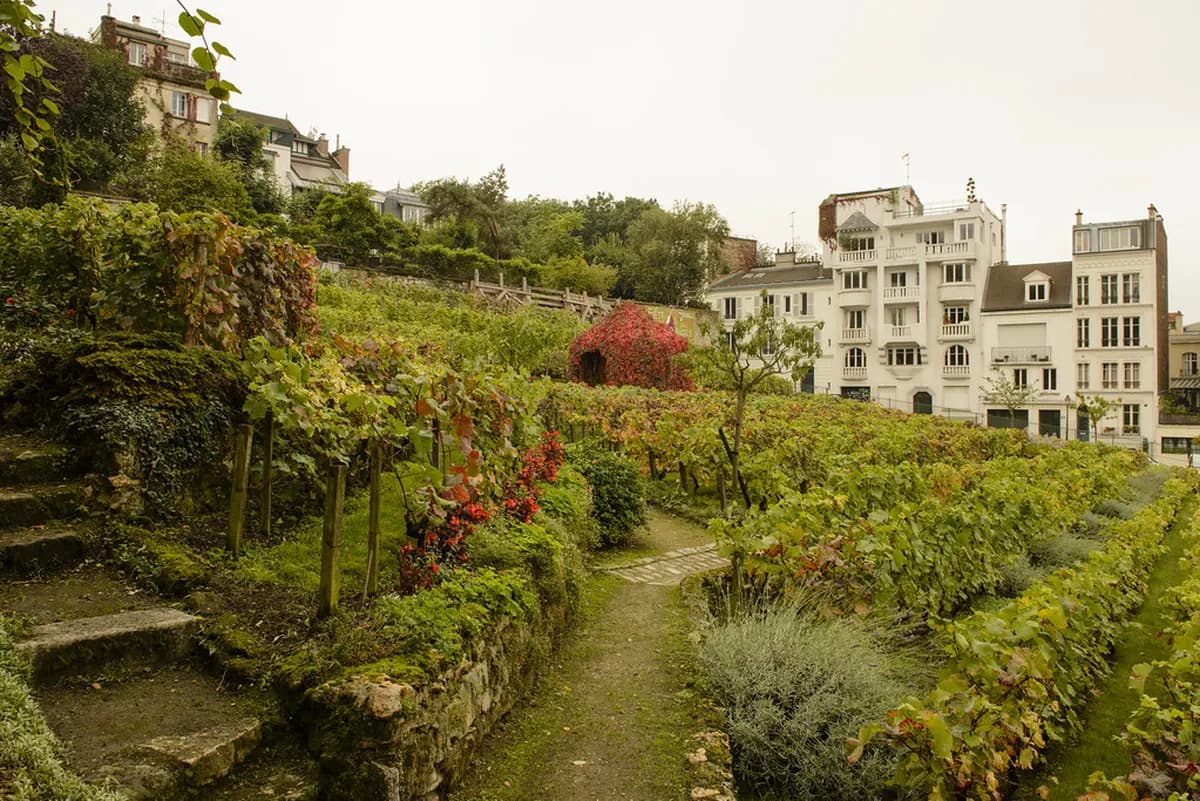
The Marais has more green space than first-time visitors expect. Most of it is concealed behind walls or reached through narrow gateways — you have to know where to look. Square Georges-Cain on Rue Payenne is a quiet walled garden filled with architectural fragments from demolished Parisian buildings. It is free, rarely crowded, and a good place to rest mid-afternoon.
The Rosiers Joseph-Migneret Garden near Rue des Rosiers is small but reliably peaceful. A fig tree near the back wall provides shade in summer. The Square Louis XIII at Place des Vosges is the most visited green space in the district — arrive before 10:00 on weekday mornings if you want a quiet bench. The Jardin de l'Hôtel de Sens, near the Seine on Rue du Figuier, features a formal French garden in front of a 15th-century palace.
If you want more open space, consider a day trip to Parc des Buttes-Chaumont, one of the largest landscaped parks in Paris and reachable in under 30 minutes by Métro from the Marais.
Where to Eat and Drink in the Marais
Marché des Enfants Rouges on Rue de Bretagne is the oldest covered market in Paris, operating since 1628. It opens Tuesday through Sunday and sells produce, flowers, cheese, and ready-to-eat food from a dozen stalls. Moroccan tagine, Japanese bento, and classic crêpes all sit within metres of each other. Arrive by 12:00 to beat the lunch queue.
For a sit-down dinner, Bistro des Tournelles on Rue des Tournelles books up fast — reservations are essential, especially for the early seating favoured by non-French visitors. Café Camille on Rue des Francs-Bourgeois works well for an unhurried lunch; the chalkboard menu changes daily. Parcelles on Rue Chapon serves modern French with a short wine list; the gnocchi with sage butter appears frequently and is worth ordering if available.
For drinks, Au Petit Fer à Cheval on Rue Vieille du Temple is a classic narrow bar with outdoor tables. Candelaria on Rue de Saintonge is a Mexican taqueria with a concealed cocktail bar through a back door. La Belle Hortense, also on Rue Vieille du Temple, combines a wine bar with a bookshop and stays open until midnight most nights.
Shopping in the Marais
The Marais has two distinct shopping zones. Rue des Francs-Bourgeois carries the well-known French brands — Sandro, Maje, Diptyque — alongside a handful of independent boutiques. Rue Vieille du Temple and the streets running north from it into the Haut Marais carry a more independent mix: concept stores, vintage dealers, specialist stationers, and local designers.
Officine Universelle Buly 1803 on Rue Vieille du Temple is the standout souvenir stop. It sells perfumes, hand creams, and grooming items under a 19th-century apothecary aesthetic. Prices are high but the items are unusual, well-made, and can be engraved with initials while you wait. Merci on Boulevard Beaumarchais stocks home goods, fashion, and design objects across a large multi-floor space. The bookshop and coffee counter at the back are good for a 20-minute break.
Edwart Chocolatier on Rue Vieille du Temple is the place to buy praline chocolates to take home. A small box makes a compact and practical gift. For pastry, Bontemps Pâtisserie on Rue de Bretagne specialises in sablé biscuits and cakes and has a hidden courtyard for afternoon tea.
Why Sunday Is the Best Day to Shop in the Marais
Most Parisian neighbourhoods are quiet on Sundays — the majority of independent shops, pharmacies, and even some restaurants close for the day. The Marais operates by different rules. Because the district has historically served a Jewish community (which observes its day of rest on Saturday) and a tourist-heavy LGBTQ+ quarter, Sunday retail hours became the norm here long before they did elsewhere in Paris.
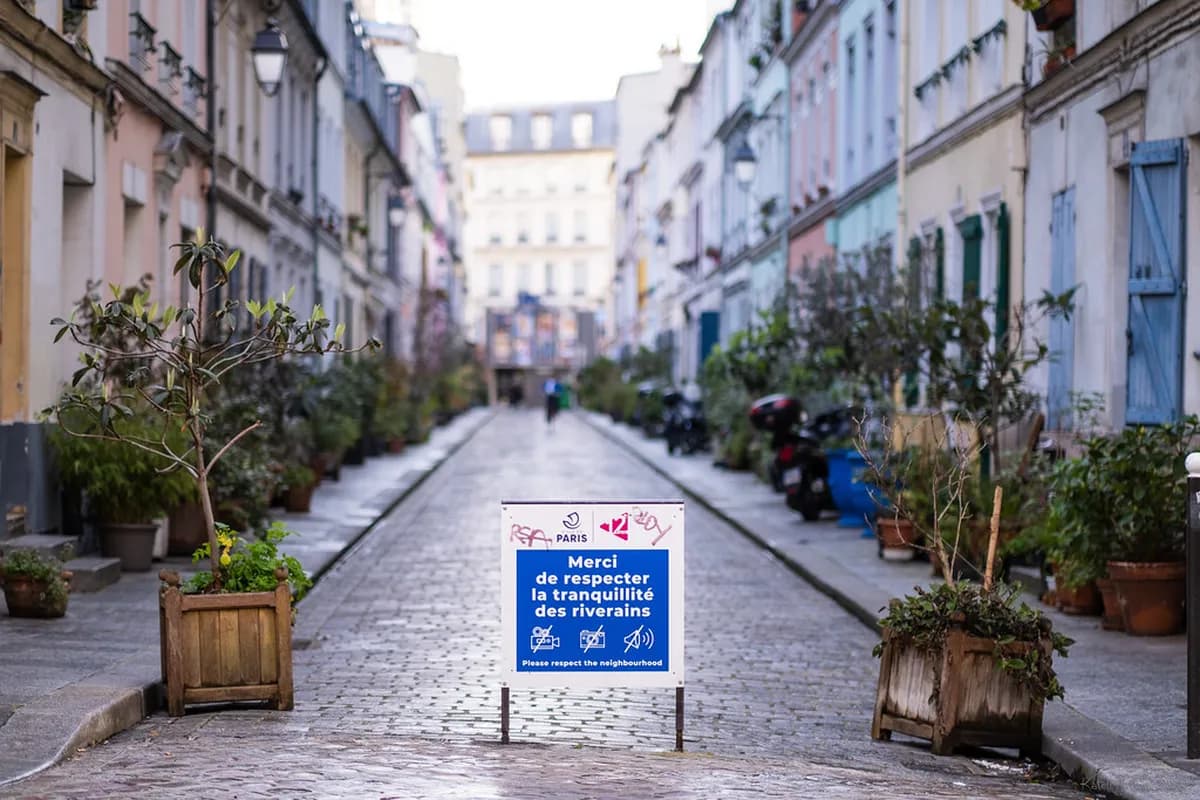
In practice, this means that boutiques on Rue des Francs-Bourgeois, Rue Vieille du Temple, and through most of the Haut Marais are open on Sundays, typically from around 11:00 to 19:00. Galleries open. Marché des Enfants Rouges opens. Even many restaurants run a full Sunday service. Sunday morning in the Marais — when the cobblestone streets are quieter than a weekday afternoon — is genuinely one of the best times to visit the neighbourhood.
One exception: falafel shops on Rue des Rosiers close on Saturdays and some do not open until late Sunday. If falafel is the priority, Wednesday or Thursday lunchtime is the most reliable timing. For vintage clothing, tween-friendly browsing, and souvenir hunting, Sunday afternoon is close to ideal.
Rue des Rosiers falafel shops observe Shabbat and close on Saturdays; some do not open until late Sunday. For the most reliable falafel experience, visit Wednesday or Thursday at lunchtime.
Rich French History & Culture at Every Turn
The Marais was a marshland (marais means swamp in French) before it was drained and developed as royal residential ground in the 16th and 17th centuries. Henry IV commissioned Place des Vosges in 1605 — a transformation documented in Paris's official history. The grand mansions — hôtels particuliers — that line streets like Rue de Turenne and Rue du Temple were built by aristocrats and financiers who wanted to live near the royal court. Many survive intact because Baron Haussmann's 19th-century urban renewal programme left this corner of Paris largely untouched.
That decision preserved not just the buildings but the street layout. The Marais retains a pre-revolutionary street grid that is almost entirely absent from other central Paris neighbourhoods. Walking Rue des Barres — one of the oldest streets in the district — past the timber-framed houses toward the church of Saint-Gervais gives a genuine sense of medieval Paris that photographs cannot fully replicate.
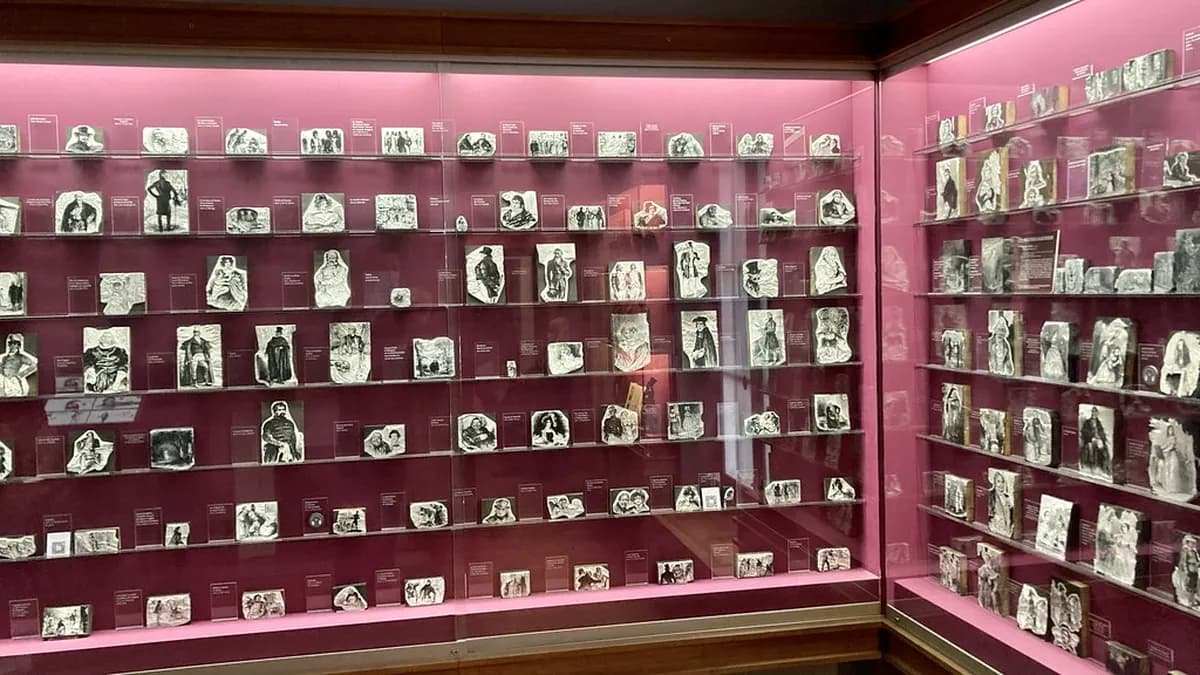
The best free way to understand the district's full history is a visit to Musée Carnavalet, which covers Paris from prehistoric times to the 20th century. The old street signs displayed in the entrance gallery alone are worth the trip. For dining that matches the historical setting, our guide to the where locals eat in Paris includes several Marais addresses that have been serving the same neighbourhood for generations.
Cobblestone Streets & Architectural Details
The Marais's visual appeal is concentrated in a few key streets. Rue des Barres, leading south from the Hôtel de Ville toward the church of Saint-Gervais-Saint-Protais, has the most authentically medieval atmosphere in the district — narrow, stone-paved, and flanked by timber-framed buildings. Rue du Bourg-Tibourg nearby runs for a single short block but packs in more photogenic detail per metre than almost any other street in central Paris.
The hôtels particuliers on Rue de Turenne and Rue Pavée show the architecture that made the Marais the city's most fashionable address in the 17th century. Most have iron gates that are closed to the public, but some courtyard entrances are left open during business hours. Slipping through an open gate to look at an interior courtyard costs nothing and surprises most first-time visitors. The decorative carved keystones above doorways and the wrought-iron balconies throughout the 4th arrondissement are worth looking up for as you walk.
The pink-and-cream brick facades around Place des Vosges photograph best in early morning light before the square fills with visitors. The covered arcade running around all four sides of the square — 36 arches in total — stays shaded even in July and provides a quiet walk regardless of weather.
Boutique Hotels in the Marais
Le Pavillon de la Reine sits directly on Place des Vosges with a private courtyard garden. It is the most sought-after address in the district for a reason — the location is unbeatable and the renovation standard is high. The attached restaurant Anne earned a Michelin star. Book four to six months ahead for summer dates; prices reflect the prestige of the address.
Le Grand Mazarin opened in recent years and sits near the Hôtel de Ville with BHV department store directly opposite. It is a more affordable alternative to Le Pavillon and benefits from the same central 4th arrondissement location. Caron de Beaumarchais on Rue Vieille du Temple is the best value of the three — a small 3-star property with strong 18th-century character decor. Rooms with balconies overlooking the street are the best choice and sell out faster than the standard rooms. Book at least two months ahead for peak season.
For budget travellers, the quieter streets of the 3rd arrondissement offer smaller guesthouses and independent hotels at notably lower rates than the 4th, while still putting most Marais sights within a 10-minute walk. Read our visiting Paris in winter for notes on when prices across the district drop significantly and crowds thin out.
How to Plan a Full Day in the Marais
A single full day is enough to cover the district's highlights without rushing. Start by 09:00 at Place des Vosges before the square fills up. Walk the arcade, look at the Victor Hugo house exterior, then head north along Rue de Bretagne to Marché des Enfants Rouges for a market breakfast or coffee. The market opens at 08:30 Tuesday through Sunday.
Use the mid-morning for one museum — Musée Carnavalet is free and opens at 10:00, making it a natural first stop for context. The Picasso Museum requires a booked ticket and works best from 11:00. After lunch on Rue des Rosiers or at a Haut Marais café, the afternoon is well spent on the Paris covered passages nearby or browsing the boutiques between Rue de Bretagne and Rue du Temple.
Finish with a drink at one of the bar terraces on Rue Vieille du Temple as the light softens toward evening. Most museum ticket offices close at 17:00 and the museums themselves close at 18:00. Restaurants in the Marais tend to fill up by 19:30, so book dinner by 19:00 if you want a table without a wait. Avoid visiting on a Tuesday if museums are your priority — most are closed.
Frequently Asked Questions
Where to stay in Marais, Paris?
The Marais offers excellent boutique hotels like Le Pavillon de la Reine. Staying near Place des Vosges is ideal for first-time visitors who want easy walking access to top attractions. Budget travelers can find charming guesthouses in the quieter 3rd arrondissement.
Which le marais paris guide options fit first-time visitors?
First-time visitors should focus on walking tours that cover Place des Vosges, Rue des Rosiers, and the Musée Carnavalet. These key spots provide a perfect introduction to the history and culture of the district. You can also explore local cafes to experience the daily Parisian lifestyle.
How much time should you plan for le marais paris guide?
You should plan at least one full day to explore the Marais properly. This allows enough time to visit a museum, enjoy a leisurely lunch, and wander the historic cobblestone streets without rushing. Two days are ideal if you love art galleries.
What should travelers avoid when planning le marais paris guide?
Avoid visiting major museums on Tuesdays as many are closed. Do not skip booking your museum tickets in advance, especially during the busy summer months. Also, avoid driving in the area because streets are narrow and parking is extremely limited.
The Marais remains one of the most complete neighbourhoods in Paris for a visitor. History, food, shopping, art, and green space are all within a short walk of each other, and the Sunday opening culture makes it uniquely accessible on a day when most of the city winds down. Whether you have one afternoon or three full days, this le marais paris guide gives you everything you need to plan a visit that does the neighbourhood justice.
Continue exploring
More guides you'll find useful