6 Essential Tips for Visiting Parc des Buttes-Chaumont Paris
Plan your visit to Parc des Buttes-Chaumont with our guide to its dark history, iconic suspension bridge, and critical 2024-2026 renovation updates.
On this page
6 Essential Tips for Visiting Parc des Buttes-Chaumont Paris
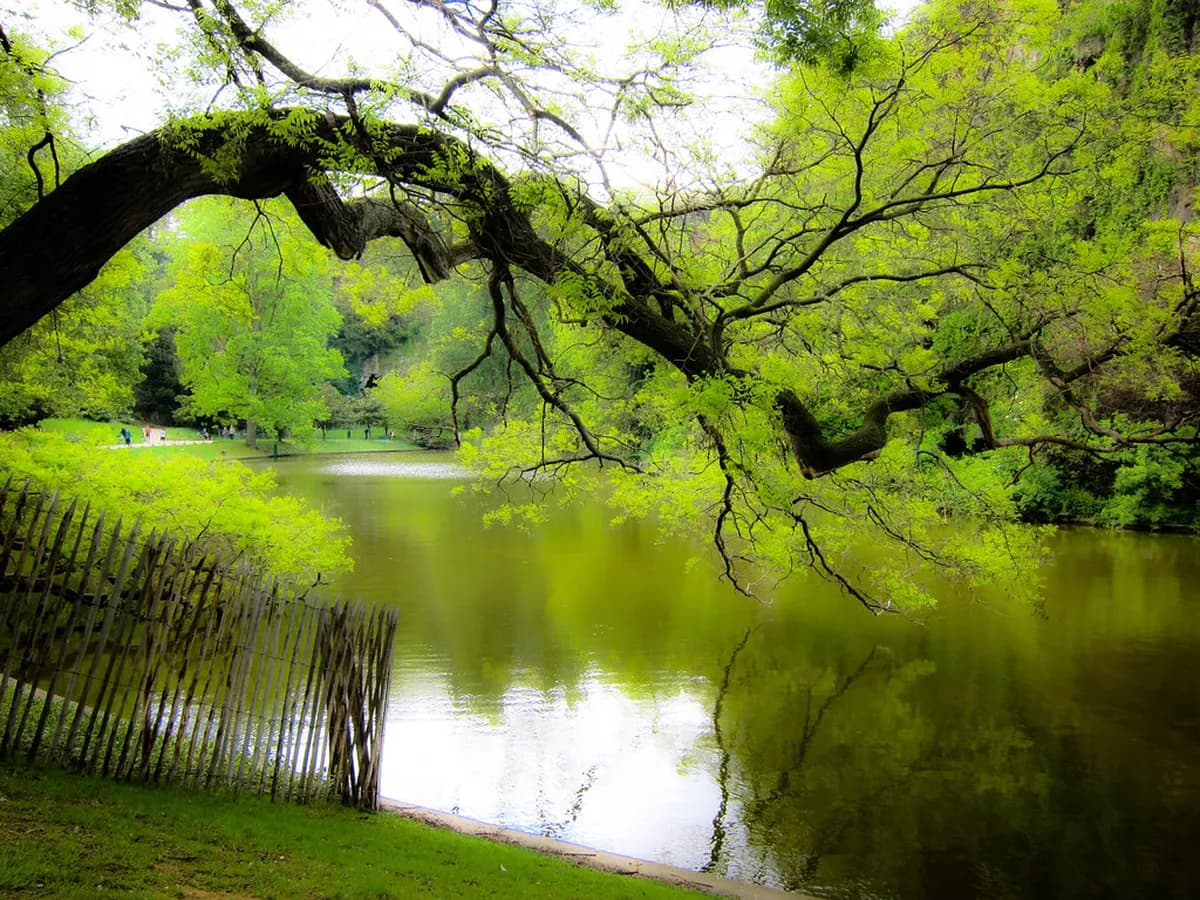
The parc des buttes chaumont paris offers a rugged landscape that feels completely different from the manicured gardens of the city center. This steep and rocky escape in the 19th arrondissement serves as a favorite retreat for locals seeking fresh air and dramatic views.
Travelers often overlook this gem because it sits away from the main tourist hubs of the Seine. However, its winding paths and towering cliffs make it one of the most rewarding free things to do in Paris.
Covering 24.7 hectares, it ranks as the fifth-largest park in Paris — behind only the Bois de Vincennes, Bois de Boulogne, Parc de la Villette, and the Tuileries Garden. The park combines romantic architecture with a wild aesthetic that captures the imagination of every visitor.
Planning a trip here in 2026 requires some knowledge of the current renovation projects and the park's unique history. Our guide provides the essential details you need to enjoy this scenic Parisian landmark safely and comfortably.
Uncover the Dark History: From Gallows to Gypsum Mine
The land held a grim reputation long before it became a lush escape for city dwellers in the late 19th century. It served as the site for the Gibbet of Montfaucon where criminals were displayed for public view from the 13th century until 1760. The park's very name hints at this bleak past: it derives from "Chauve-mont," meaning bare hill, because the unusual chemical composition of the soil left the land almost completely stripped of vegetation.
After the Revolution, the area descended further into misery — used as a refuse dump, a place for cutting up horse carcasses, and a depot for the city's sewage. Later years saw it turn into a massive gypsum and limestone quarry. The chief engineer Adolphe Alphand recorded at the time that the site "spread infectious emanations not only to the neighbouring areas, but, following the direction of the wind, over the entire city." The quarry also yielded Eocene mammal fossils, including Palaeotherium, which were studied by the naturalist Georges Cuvier.
Napoleon III and Baron Haussmann commissioned the park in 1864 to bring green space to the rapidly expanding working-class districts of the newly annexed 19th and 20th arrondissements. A thousand workers spent four years reshaping the terrain, laying a railroad to import 200,000 cubic meters of topsoil, and using explosives to sculpt the dramatic 50-meter cliffs. This dark past makes the park one of the most interesting lesser-known corners of Paris locations for history buffs.
Researchers can find historical imagery of these old mines through the Paris Musée Collections archive. These records show the massive transformation from an industrial wasteland to a public garden that opened on 1 April 1867, coinciding with the Paris Universal Exposition.
Explore the Landmarks: The Temple, Bridges, and Grotto
Adolphe Alphand designed the park to look like a wild mountain landscape right in the heart of the city. The Temple de la Sibylle sits atop the Belvedere island — a rocky peak 50 meters above the man-made lake — and remains the park's most photographed feature. Gabriel Davioud modeled this iconic structure after the ancient Roman Temple of Vesta located in Tivoli, Italy, which had inspired romantic landscape paintings across Europe for two centuries. Visiting this landmark is one of the most unique Paris experiences if you love classical architecture.
Two bridges cross the lake to reach the Belvedere island. The first is a 63-metre suspension bridge, 8 metres above the water, designed by Gustave Eiffel in 1867. The second is a 12-metre masonry bridge positioned 22 metres above the lake. This higher masonry bridge acquired the local nickname "pont des suicidés" due to a grim pattern of self-harm in the 19th and early 20th centuries — the city eventually installed wire mesh fencing along its railings to prevent falls, and this barrier remains in place today. Both bridges are currently accessible to visitors.
From the top of the Belvedere island, a steep stairway of 173 steps descends through the interior grotto down to the edge of the lake. The grotto itself is 14 metres wide and 20 metres high, decorated with artificial stalactites up to 8 metres long that give it the appearance of a natural cave. An artificial waterfall, fed by hydraulic pumps lifting water from the Canal de l'Ourcq, cascades from the top of the grotto. A second smaller waterfall, the petite cascade, sits nearby. Most of the park's architecture — from the temple and bridges to fences and rain shelters — was designed by Davioud in a picturesque faux bois style, where concrete was hand-sculpted to resemble timber.
The Park's Flora and Living Collections
Napoleon III envisioned the park as a garden showcase, and that mission still guides how the city tends it today. More than 47 species of trees, shrubs, and plants are cultivated across the grounds, many of them representing the original plantings from the 1860s. The park is one of the richest collections of tree species in Paris, with a deliberate mix of indigenous and exotic specimens.
Several trees here are over 140 years old. Look for the cedars of Lebanon planted in 1880, Himalayan cedars, Ginkgo biloba, Byzantine hazelnuts, Siberian elms, European hollies, and one of the few Giant Sequoias in the Paris parks system. The Asian tree collection in particular reflects 19th-century French fascination with botanical imports from Asia. In spring, flowering cherry trees along the main promenade make for one of the quieter blossom walks in the city, far less crowded than the Jardin des Plantes.
The grassy slopes cascade down from the central cliffs to provide some of the largest open lawn areas in the Paris park system. These areas fill with picnic blankets on any warm afternoon from April through October. Unlike formal French gardens, the grass here is meant to be sat on — a deliberate design choice by Alphand, who modeled the park on the English landscape garden tradition rather than the geometric parterres of Versailles or the Tuileries.
| Feature | Details | Status (2026) |
|---|---|---|
| Temple de la Sibylle | 50 m hilltop, 173-step staircase | Closed (soil instability) |
| Suspension Bridge | 63 m long, 8 m above lake, Gustave Eiffel (1867) | Open |
| Masonry Bridge | 12 m long, 22 m above lake | Open |
| Waterfall Grotto | 14 m wide, 20 m high, artificial stalactites | Restricted access |
| Rosa Bonheur guinguette | Near Botzaris gate, tapas bar since 2008 | Open |
| Playground | Renovation running Feb 2024–Jun 2026 | Partial access |
Navigate the Park: Hours, Entrances, and Transport
The park has one main entrance at Place Armand-Carrel, directly across from the mairie (town hall) of the 19th arrondissement, plus five other large gates: Porte Bolivar, Porte de la Villette, Porte Secrétan, Porte de Crimée, and Porte Fessart, along with seven smaller gates. Each provides access to a different corner of the terrain. The official Paris city page lists all entrances and current access restrictions. Check out our the Belleville neighborhood to explore the vibrant neighbourhood that borders the southern edge of the park.
Opening hours change throughout the year to match available daylight. The gates typically open at 07:00 and close between 20:00 and 22:00 depending on the season. Entry is free at all times. The park covers 5.5 kilometres of roads and 2.2 kilometres of footpaths, so allow at least two hours for a thorough visit — more if you plan to stop at the restaurants or explore the grotto level.
Walking through the park requires a decent level of fitness due to the many steep inclines and winding gravel paths. The central island staircase drops 173 steps in a short distance, and the approach paths to the cliff tops involve sustained climbs. Visitors with limited mobility or heavy strollers will find the lake perimeter path the flattest route.
- Line 7bis — Buttes Chaumont station (under 2 minutes to park) or Botzaris station (direct access to south gates)
- Line 5 — Laumière station (approximately 5 minutes, mostly flat approach to the Armand-Carrel entrance)
Check the 2024-2026 Renovation and Closure Schedule
Recent structural concerns have led to temporary closures of several key features within the park grounds. The Temple de la Sibylle and the waterfall grotto have been subject to restricted access due to soil instability on the Belvedere island. Safety teams are working on a long-term plan to stabilize the rocky cliffs and preserve the historic structures. Visitors should check the city's parks department announcements before visiting for the most current access status.
Playground renovations are also underway to improve facilities for local families and visiting children. These specific upgrades were scheduled to run from February 2024 through June 2026 according to city records. Some paths may be blocked by construction fencing while these repairs take place. Always follow the posted signs to stay within the safe areas of the park.
Even during the renovation period, the majority of the park remains open and fully accessible. The lake perimeter path, the suspension bridge, the open lawns, the Guignol puppet theatres, and the park's restaurants all continue to operate normally. The restrictions primarily affect the immediate area around the Belvedere island summit and the grotto interior.
The Temple de la Sibylle and the waterfall grotto remain closed through 2026 due to soil instability on the Belvedere island. Check the Paris parks department announcements before visiting for the most current access status.
Experience Local Life: Picnics, Restaurants, and Events
Local residents treat this park as their own private backyard for weekend gatherings and evening strolls. Families fill the grassy slopes for long picnics during warm months, and the park becomes visibly quieter on weekdays before 11:00 — the best window for a peaceful visit. You might want to visit some of the where locals eat in Paris located just outside the park gates for a meal before or after exploring.
Three restaurants operate inside the park. Rosa Bonheur, near the Botzaris gate, is a guinguette — a traditional Parisian open-air dance venue — reborn as a modern tapas bar and social space established in 2008. It is government-sponsored by the mairie of the 19th arrondissement and remains one of the most popular evening destinations in this part of the city. Pavillon Puebla on Avenue de la Cascade offers a more relaxed, chic setting among the trees for those seeking a sit-down lunch. The third venue, Pavillon du Lac, provides lakeside seating near the water. All three see heavy crowds on sunny weekend afternoons, so plan accordingly.
The park also hosts the Silhouette Short Film Festival each September — a week-long outdoor cinema event that screens international short films against the park's natural backdrop. It draws a dedicated local crowd and is free to attend. The Guignol puppet theatres, established in 1892, continue to run performances primarily aimed at young children; check for seasonal show schedules at the park entrance boards. Eric Rohmer filmed scenes for his 1977 film The Aviator's Wife here, and the park has appeared in several French television productions since.
Practical Tips for Your Visit in 2026
Aim for the when to visit Paris by arriving early on a weekday morning. The park opens at 07:00, and the hour before 09:00 sees almost no tourists — you will have the suspension bridge and the lake views almost entirely to yourself. Weekends between noon and 18:00 from April through September are the busiest periods by a significant margin.
Wear comfortable walking shoes with good grip. The gravel inclines, stone steps, and uneven surfaces can be slippery after rain. The 173-step staircase inside the island is steep enough to require careful footing even in dry conditions. Bring a reusable water bottle — the park has several drinking fountains distributed throughout the grounds, and there are no charges for water.
The park has four Wi-Fi zones as part of the Paris city wireless network, useful if you want to check the current renovation status or look up transport options before leaving. Nearby connections to Canal Saint-Martin and Belleville make the 19th arrondissement easy to combine into a half-day walking itinerary without backtracking through the centre of the city.
The park opens at 07:00 and the hour before 09:00 on weekdays sees almost no tourists — you will have the suspension bridge and lake views almost entirely to yourself. Bring a reusable water bottle as the park has several free drinking fountains throughout the grounds.
Frequently Asked Questions
Is the Temple de la Sibylle currently open to the public?
The Temple de la Sibylle is currently closed to visitors due to significant soil instability on the island. Renovation work is ongoing to stabilize the cliffs. You can still view the temple from the surrounding paths and lower lake areas during the 2024-2026 period.
What was the Gibbet of Montfaucon at Buttes-Chaumont?
The Gibbet of Montfaucon was a massive gallows used for public executions from the 13th to the 17th century. It stood near the current park site before the land became a gypsum mine. This dark history adds a layer of mystery to the park's modern beauty.
Which Metro station is closest to Parc des Buttes-Chaumont?
The Botzaris and Buttes Chaumont stations on Line 7bis are the closest stops for direct access. You can also use the Laumière station on Line 5 for a short walk to the main entrance. Consider visiting the Canal Saint-Martin Paris guide for a nearby walking route.
Are there restaurants or bars inside the park?
Yes, the park features several popular dining spots including Rosa Bonheur and Pavillon Puebla. These venues offer everything from casual drinks and tapas to full sit-down meals. They are very popular with locals, so expect crowds during weekend evenings and sunny afternoons.
The parc des buttes chaumont paris remains one of the most enchanting and authentic spaces in the entire city. Its combination of dramatic cliffs, romantic landmarks, and local energy makes it a must-visit destination for any traveler in 2026.
While the current renovations may limit access to the temple summit and grotto interior, the park still offers enormous beauty to explore — from the Eiffel-designed suspension bridge to the 140-year-old cedars of Lebanon and the lakeside guinguette. The 19th arrondissement's wild landscape rewards the visitor who ventures beyond the Seine.
Take the time to wander the winding paths and discover the hidden corners of this historic landscape. Your visit will provide a memorable glimpse into the wilder side of Parisian city planning and local life.
Plan the rest of your trip with our hidden gems in Paris guide.
Continue exploring
More guides you'll find useful