11 Best Paris Flea Markets: The Ultimate 2026 Guide
Discover the best paris flea markets with our expert guide. Includes hours, metro directions, and tips for finding treasures at Les Puces, Vanves, and more.
On this page
11 Best Paris Flea Markets for Antiques and Bargains
Paris flea markets, or Les Puces, range from the world's largest antique complex at Saint-Ouen to intimate neighbourhood brocantes where locals sell heirlooms off folding tables. Each market has a distinct personality, price point, and best-time window. This guide covers what competitors don't: the exact hours, correct metro lines, and a few insider moves that separate serious hunters from day-trippers in 2026.
Navigating these sprawling labyrinths requires comfortable walking shoes and a clear sense of what you're after. High-end galleries sit right next to dusty piles of bric-a-brac within the same block. Whether you are a serious collector or a casual browser, these markets provide a unique window into French design history.
Vide-Grenier, Brocante, and Marché aux Puces: What's the Difference
The three terms describe fundamentally different experiences, and confusing them leads to disappointment. A vide-grenier — literally "empty the attic" — is a one-day neighbourhood sale where residents sell contemporary household items, kids' toys, and old clothes. You might find a Le Creuset pot for €5, but do not expect museum-quality antiques.
A brocante describes an outdoor market where professional dealers and private sellers mix, trading older and more curated items. These run on weekends throughout the city and are listed on Brocabrac and Vide-Greniers.org. If it rains, check the listing the night before — outdoor brocantes cancel with no notice.
A marché aux puces is a permanent, structured flea market complex with fixed stalls, professional dealers, and year-round opening hours. Saint-Ouen is the archetype: eleven covered indoor markets, five shopping streets, and over 2,000 dealers on seven hectares. This is what most visitors mean when they say "Paris flea market".
Visiting these markets is one of the most unique Paris experiences if you love design history. Understanding which type you are visiting sets the right expectations for price, quality, and atmosphere before you even leave your hotel.
Saint-Ouen: Hours, Getting There, and the Friday Morning Secret
Les Puces de Saint-Ouen is the fifth most-visited tourist site in France, drawing between 120,000 and 180,000 visitors on a typical weekend. The official opening hours for 2026 are: Friday 08:00–12:00, Saturday 10:00–18:00, Sunday 10:00–18:00, and Monday 11:00–17:00. Monday hours are the trickiest — many individual dealers only open by appointment on Mondays, so Saturday or Sunday gives far better coverage.
There are four metro options, not the one most guides list. Metro Line 4 to Porte de Clignancourt is the most common, but Line 13 to Garibaldi is often less crowded: cross the square alongside the church, turn right onto Rue des Rosiers, and the market entrance is 700 metres ahead. Line 13 to Porte de Saint-Ouen also works — follow the ring road toward Porte de Clignancourt until you see "la Boule". Line 14 now reaches Saint-Ouen station directly. Bus 85 drops you at a stop called "Marché aux Puces / Paul Bert" right at the heart of the complex, which is ideal if you are staying in the 9th or 10th arrondissement.
The Friday morning window (08:00–12:00) is the market's least-discussed feature. This session is primarily for professional trade buyers — interior designers, gallery owners, and dealers restocking their own shops. New stock frequently arrives Thursday evening, so Friday morning is when the best newly listed pieces are available before they have been picked through. Individual tourists are welcome, but the atmosphere is businesslike. Bring cash and be prepared to negotiate without the social warmth of the weekend crowd. Serious collectors who can shift their schedule to a Friday gain a meaningful first-mover advantage over weekend visitors.
Once inside, Rue des Rosiers is the main artery. Walk under the highway bridge from Porte de Clignancourt and ignore the mass-produced clothing and phone accessories stalls immediately after the metro exit — these are not part of the authentic market and are a common time-waster for first visitors.
The 11 Best Paris Flea Markets for Every Budget
Finding the right market depends entirely on your budget and what you hope to bring home. The following selections represent the best balance of quality, accessibility, and authentic Parisian atmosphere for 2026. Prepare to spend at least three to four hours at the larger sites to truly appreciate the depth of their collections.
The Friday morning window at Saint-Ouen (08:00–12:00) is open to the public and offers first access to newly listed stock before the weekend crowds arrive. Bring cash and be prepared to negotiate without the social warmth of the weekend atmosphere.
Prices range from a few euros for a vintage button to several thousand for a signed Art Deco sideboard. Most professional dealers now accept credit cards, but cash remains essential for smaller stalls and serious bargaining. Always check the City of Paris Brocante Listings for temporary street fair schedules before your trip.
- Marché Serpette, Saint-Ouen — The upscale indoor market at 110 Rue des Rosiers is the crown jewel of the complex. High-end designer furniture, jewelry, and Art Deco hardware fill air-conditioned aisles. Prices run €200 to €10,000+. Open Saturday to Monday.
- Marché Paul Bert, Saint-Ouen — Adjacent to Serpette at 96 Rue des Rosiers and 18 Rue Paul Bert, this open-air market is famous for mid-century modern furniture and garden ornaments. Budget €50 to €5,000. Interior designers frequent these stalls on Saturday mornings, so act fast on standout pieces.
- Marché aux Puces de la Porte de Vanves — The most approachable market in Paris, spread along the sidewalks of Avenue Marc Sangnier in the 14th. Prices are reasonable at €5 to €500. It opens on Saturday and Sunday mornings only from 07:00 to 13:00. Arrive by 08:00 for the best selection of linens, glassware, and ceramics before dealers start packing up.
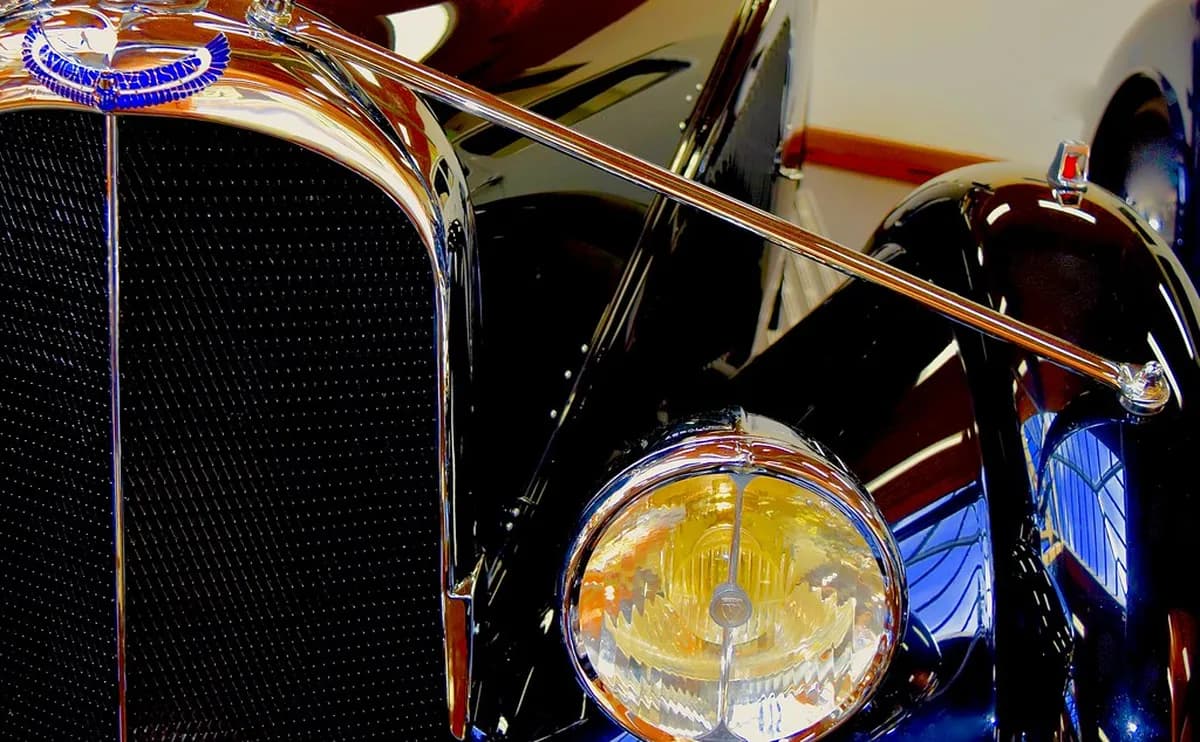
- Marché Vernaison, Saint-Ouen — The oldest market in the complex, at 99 Rue des Rosiers, with narrow winding paths and stalls overflowing with porcelain, kitchenware, and paintings. Treasures from €20 to €1,000. The ivy-covered alleyways are extremely photogenic — ask permission before photographing specific antiques up close.
- Marché Biron, Saint-Ouen — At 85 Rue des Rosiers, Biron divides into two wings: the left side holds country-style wood furniture in vast quantity, the right specialises in gilded Louis XV and XVI and Empire pieces. Costs run €500 to €50,000. Dealers here regularly supply major museums.
- Marché Dauphine, Saint-Ouen — The newest and most eclectic indoor market at 140 Rue des Rosiers. Rare antiques, vintage records, books, prints, and pop culture collectibles share space across two floors. Head upstairs for specialist bookbinders and restoration experts working on centuries-old texts. Prices €15 to €2,000.
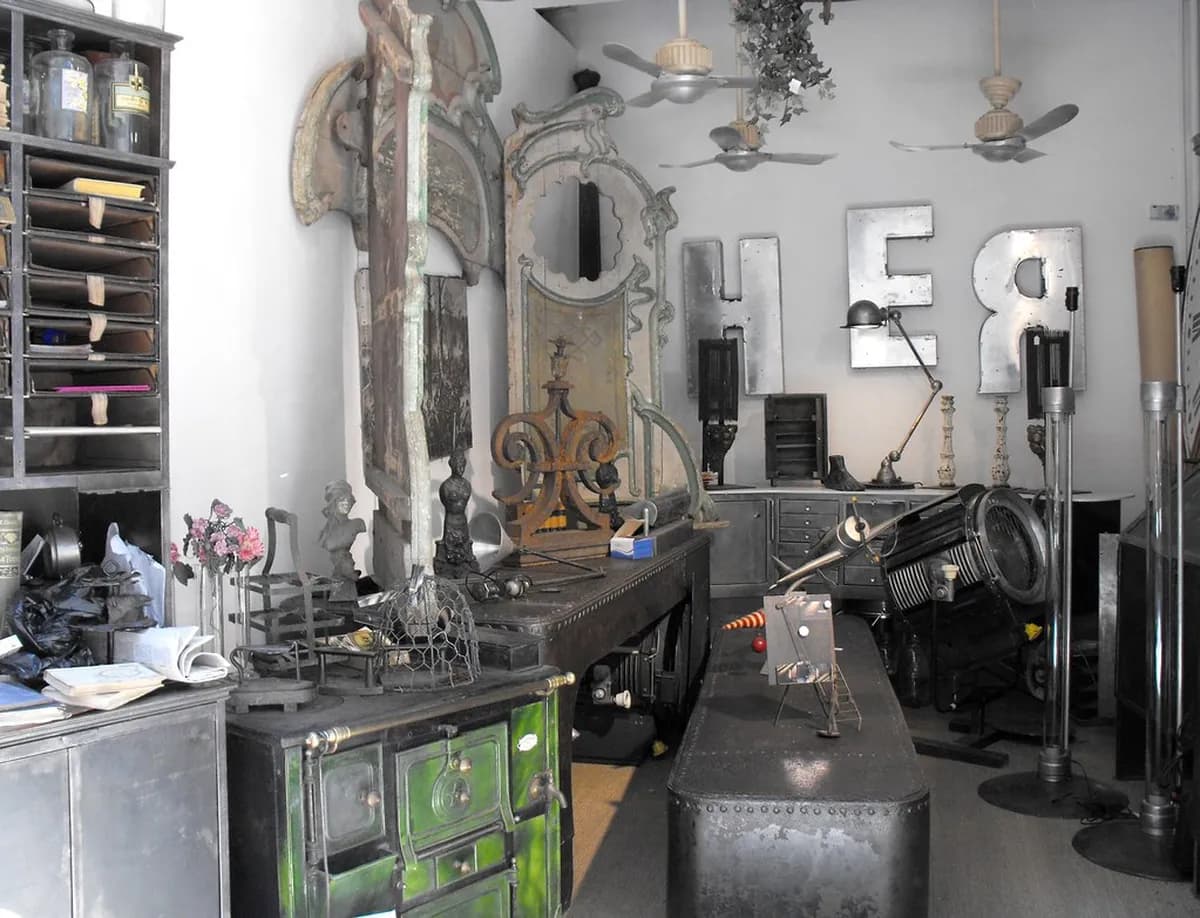
- Marché Jules Vallès, Saint-Ouen — Located at 7–9 Rue Jules Vallès behind Paul Bert, this section delivers a grittier bric-à-brac atmosphere with old tools, military memorabilia, religious art, and vinyl. Items from €10 to €300. Best for cinema posters, brass hardware, and the kind of digging that rewards patience.
- Marché Malassis, Saint-Ouen — At 142 Rue des Rosiers, this market carries 18th- and 19th-century furniture, silver, Asian pieces, and archaeological objects. It is easy to spend too long here and arrive exhausted at the larger markets further along — budget your time accordingly.
- Marché aux Puces de Montreuil — On the eastern edge of Paris near Metro Porte de Montreuil, this gritty market is the city's best source for affordable vintage clothing and secondhand electronics. Prices €2 to €100. Open Saturday to Monday 07:30 to 18:00. Come ready to rummage.
- Marché d'Aligre Brocante Section — In the 12th Arrondissement, this market pairs a vibrant food scene with a small daily flea section. Bargains at €5 to €100. The flea stalls run Tuesday through Sunday mornings until about 13:00. One of the best urban-local combinations in the city.
- Village Saint-Paul, Le Marais — A series of interconnected courtyard antique shops that operate quietly away from the big market crowds. Prices reflect the prime Marais location at €50 to €2,000. Most shops open daily 11:00 to 19:00 except Tuesday. This is one of the best Paris hidden gems guide for mid-range ceramics and jewelry.
What to Find Where: A Quick Reference
Each market skews toward a category. Knowing this before you go saves hours of wandering the wrong aisles. For furniture and large decorative pieces, Serpette and Paul Bert are the clear leaders — both are stocked with pieces that appear in Architectural Digest shoots. Biron covers the formal 18th-century French tradition with gilded mirrors, signed woodwork, and carved marble.
Vintage clothing hunters should head straight to Montreuil. The piles are deep and unsorted but prices are the lowest in the city. Dauphine is the record shop equivalent of the Saint-Ouen complex — vinyl, film posters, vintage toys, and graphic ephemera on both floors. Parc Georges Brassens Book Market in the 15th (open Saturday and Sunday, 09:00–18:00) covers rare French editions under a historic horse stable roof — old maps and illustrated plates make lightweight souvenirs even for non-French speakers.
L'Entrepôt at Saint-Ouen deals almost exclusively in architectural salvage: staircases, carved stone lintels, marble table tops, and garden gates. It is worth a visit if you are renovating a house in France, though shipping costs make large structural pieces impractical for most international buyers. Always factor in shipping and customs duties before committing to any large purchase — most major markets have on-site shipping agents who provide immediate quotes.
| Market | Hours | Price Range | Best For |
|---|---|---|---|
| Marché Serpette, Saint-Ouen | Sat–Mon | €200–€10,000+ | Designer furniture, Art Deco, jewellery |
| Marché Paul Bert, Saint-Ouen | Sat–Mon | €50–€5,000 | Mid-century modern, garden ornaments |
| Porte de Vanves | Sat–Sun 07:00–13:00 | €5–€500 | Linens, glassware, ceramics |
| Marché Dauphine, Saint-Ouen | Sat–Mon | €15–€2,000 | Vintage records, books, collectibles |
| Marché de Montreuil | Sat–Mon 07:30–18:00 | €2–€100 | Vintage clothing, electronics |
| Marché d'Aligre Brocante | Tue–Sun mornings | €5–€100 | Urban-local mix, food stalls |
Timing, Seasons, and the Crowds Question
Saturday morning between 10:00 and 12:00 gives the best combination of open stalls and available stock. Sunday afternoons trend toward better prices as dealers prefer to sell rather than pack up unsold items. Visiting during the quiet winter season between November and February consistently produces more motivated sellers and shorter queues, especially at Vanves.
August is the most complicated month. Many smaller dealers close for two to four weeks of summer vacation and some individual stalls at Saint-Ouen only operate by appointment during this period. The market itself stays open, but depth of selection drops noticeably. If your visit falls in August, focus on the permanent indoor markets — Serpette, Dauphine, and Biron — which have more consistent staffing than the outdoor sections.
Rain rarely stops the indoor markets like Serpette or Dauphine, but outdoor stalls at Vanves and Montreuil may pack up early or cancel entirely in heavy weather. Check market social accounts the morning of your visit if the forecast looks uncertain. Plan your entire morning at one site rather than trying to cover multiple markets across the city — the distances between Saint-Ouen, Vanves, and Montreuil each require a separate metro trip.
Negotiating, Safety, and Avoiding the Tourist Traps
Negotiation is expected, but it works best with a smile and a genuine interest in the piece. A starting offer of 15% to 20% below the marked price is reasonable. Buying multiple items from the same dealer dramatically increases your chances of a meaningful discount — dealers would rather clear several pieces in one transaction than negotiate each individually.
The clothing and phone accessory stalls clustered between Porte de Clignancourt metro and the start of Rue des Rosiers sell mass-produced goods with no connection to the antique market. First-time visitors often spend 30 minutes here before realising they haven't reached the real Puces yet. Keep walking under the ring road bridge and do not stop until you see the permanent market signs.
Safety is a practical concern in the 18th Arrondissement crowds. Keep your bag in front of you and carry only the cash you intend to spend, not your entire budget. A fanny pack or money belt is more effective than a shoulder bag in the tight alley sections. For additional local transit tips, our guide to free Paris sights covers the neighbourhood in more detail.
For very specific or high-value pieces, a professional guide with established dealer relationships can navigate French negotiation nuances and handle international shipping paperwork. For casual browsing and small trinkets, the markets are easy to navigate independently — most professional dealers speak enough English for a basic transaction.
The clothing and phone accessory stalls between Porte de Clignancourt metro and Rue des Rosiers have no connection to the antique market. Keep your bag in front of you and carry only the cash you intend to spend — a fanny pack or money belt is more effective than a shoulder bag in the tight alley sections.
Frequently Asked Questions
Which Paris flea market is best for first-time visitors?
Marché aux Puces de la Porte de Vanves is ideal for first-timers because it is manageable and friendly. It offers a wide variety of smaller, affordable items in a relaxed outdoor setting. Arrive early on a weekend morning for the best experience.
How much time should you plan for visiting the flea markets?
Plan for at least three to four hours to see a significant portion of a large market like Saint-Ouen. This allows time for browsing, negotiating, and stopping for a coffee. Serious collectors may want to dedicate an entire day.
How do I get from central Paris to the Saint-Ouen flea market?
Take Metro Line 4 to the Porte de Clignancourt station and follow the signs toward the market. The walk takes about five to ten minutes under the highway bridge. Be mindful of your belongings in this crowded transit hub.
The flea markets of Paris remain one of the city's most enduring attractions for any traveler. From the high-end galleries of Biron to the humble stalls of Vanves, there is a treasure waiting for every budget. Understanding the difference between market types, knowing the correct hours, and arriving with a plan turns a potentially overwhelming morning into a genuinely productive one.
Remember that the best souvenir is often the one you didn't know you were looking for until you saw it. Take your time, enjoy the history, and do not be afraid to walk away if the price isn't right. Happy hunting in Paris during your 2026 adventure.
Continue exploring
More guides you'll find useful