Museo de Bellas Artes de Sevilla: Visitor Plan, 2nd-Largest
Spain's second-largest art museum after the Prado, set in a 16th-century convent near Seville Cathedral. 2026 hours, pricing, and must-see works inside.
On this page
Museo De Bellas Artes De Sevilla Visitor Guide
The Museo de Bellas Artes de Sevilla is Spain's second-largest state art gallery after the Prado, and one of the most rewarding stops on a Seville itinerary for anyone drawn to Golden Age painting.
Set inside a former 16th-century convent a short walk from the Cathedral, it holds works spanning the Middle Ages through the 20th century, with an especially deep run of Sevillian Baroque masters.
This 2026 visitor guide covers current hours and pricing, what to prioritize inside, and the practical details — transport, accessibility, timing — that separate a rushed pass-through from a proper visit.
Introduction to the Museo de Bellas Artes de Sevilla
Seville rewards visitors who look past the Cathedral and Alcázar, and the Museo de Bellas Artes is where that extra depth shows most clearly.
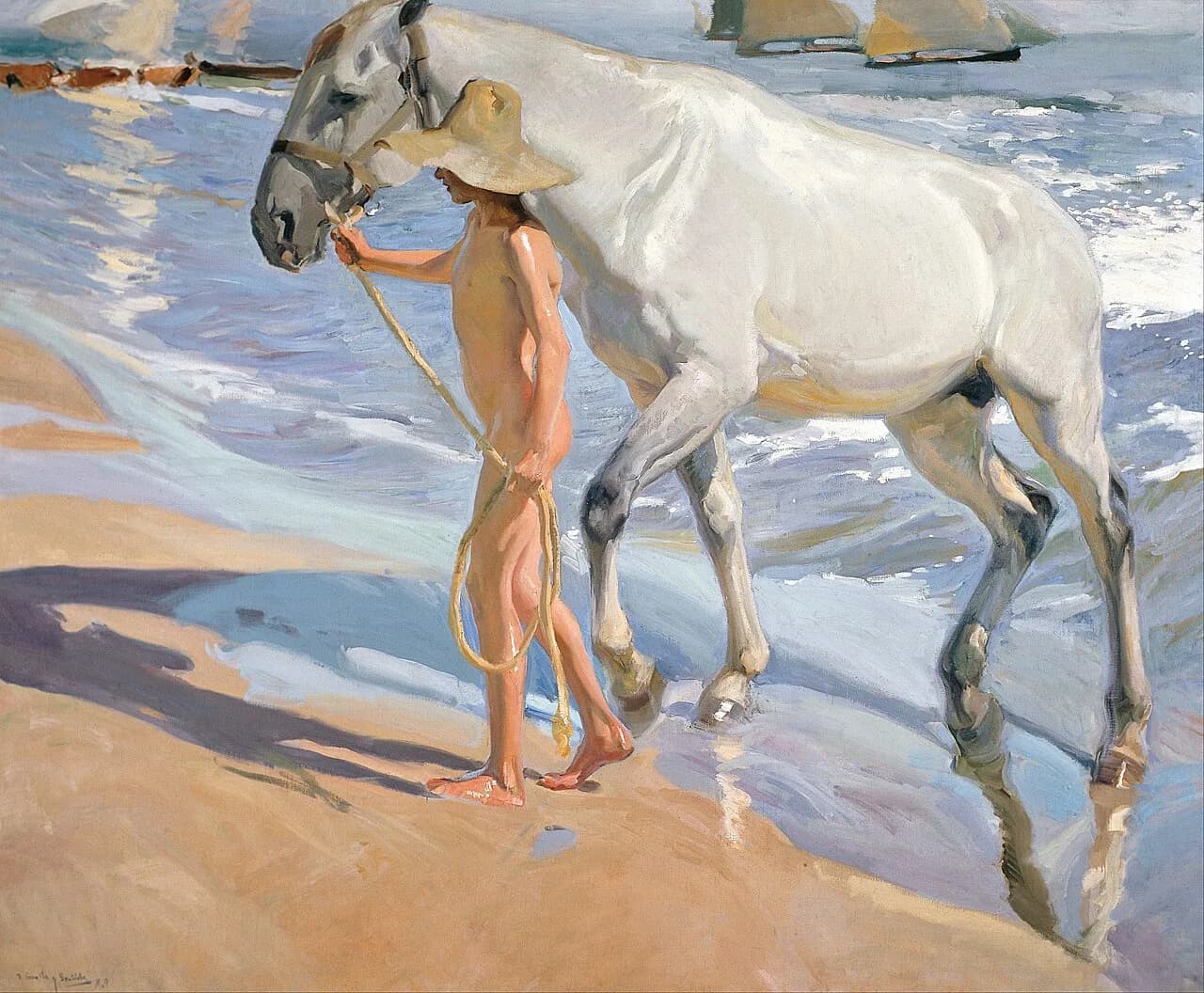
The collection traces Spanish art from Gothic altarpieces through 19th-century Andalusian Romanticism, with the strongest galleries devoted to 17th-century Sevillian Baroque painting.
Bartolomé Esteban Murillo and Francisco de Zurbarán, both native to the city, anchor the collection alongside Juan de Valdés Leal, Diego Velázquez, and later arrivals such as Francisco de Goya and El Greco.
For travelers deciding which of Seville's museums deserve a slot on a short itinerary, this one is consistently ranked ahead of the Archaeological Museum and the Flamenco Dance Museum for sheer artistic weight, and it comfortably fits into a half-day of sightseeing around the old town.
Planning Your Visit: Practical Information
Planning ahead makes for a smoother visit to the Museo de Bellas Artes, and the numbers below are worth checking again close to your trip since Spanish state museums occasionally adjust hours around local holidays.
- Museum Location
- Address: Plaza del Museo, 9, 41001 Seville, Spain
- Accessibility: Centrally located in the old city
- Opening Hours
- Tuesday-Saturday: 9:00 AM - 9:00 PM
- Sunday: 9:00 AM - 3:00 PM
- Monday: Closed
- Check current hours: Visitasevilla.es
- Ticket Prices
- General Admission: Approximately €1.50
- EU Citizens: Free entry with valid ID
- Children: Free for those under 18 years old
- Verify prices: Sevillecityguide.com
- Best Time to Visit
- Weekdays: Less crowded, especially Tuesday mornings
- Avoid: Weekends and public holidays if possible
- Early mornings: Enjoy a quieter viewing experience
- Getting There
- Walk: Easy stroll from central Seville hotels
- Bus: Several lines stop at Plaza del Museo
- Taxi: Convenient drop-off directly at the entrance
Tickets are sold at the entrance window rather than online, and given the modest €1.50 price there's little practical need to prebook — just budget a couple of minutes for the counter on busy Sunday mornings. EU citizens who want the free-entry rate should carry a passport or national ID card, since staff do check. In 2026 the museum also opens for free to everyone on Día de Andalucía (February 28) and International Museum Day (May 18), which are worth building an itinerary around if your visit lines up.
Highlights of the Collection: What to See
Murillo's works dominate the museum's reputation, and his Immaculate Conception series is the collection's signature draw — several versions hang together, letting you compare how the composition evolved across his career. Zurbarán's austere Saint Hugh in the Refectory, painted for the monks of the Cartuja monastery, is the other must-see canvas most visitors single out.
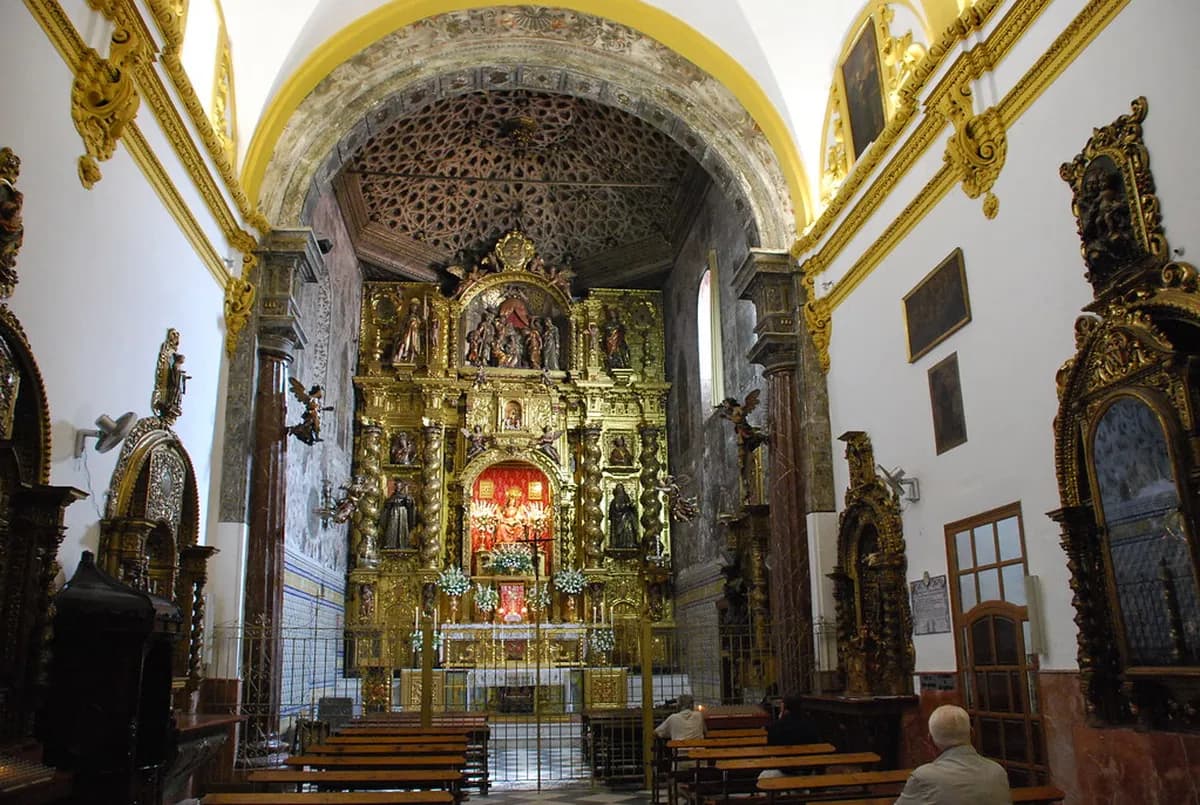
The former convent church, now converted into one of the main galleries, keeps its high vaulted ceiling and gilded altarpiece frame — a dramatic backdrop for the museum's largest paintings and usually the room where visitors linger longest.
The museum also features works by other Spanish masters, including Velázquez and Goya. While their presence is smaller, their contributions are significant. You can also see pieces by El Greco, Ribera, and Juan de Valdés Leal.
The diverse collection, arranged roughly in chronological order across 14 galleries, three cloisters, and a patio, makes it one of the top Seville art museums — and the closest thing the city has to a condensed history of Spanish painting under one roof.
The Museum Building: History and Architecture
The building itself predates the museum by more than two centuries. It was raised in 1594 as the Convent of the Merced Calzada for the Order of Our Lady of Mercy, founded by St. Peter Nolasco during the reign of Ferdinand III.
After the disentailment of church property in the 19th century, the convent was repurposed. It was established by royal decree on September 16, 1835 as a "Museum of Paintings," using works gathered from convents and monasteries secularized under Mendizábal's disentailment, and it opened to the public in 1841. This transformation saved the building and created a public space for art.
Architecturally, the complex blends Renaissance-era convent design with the decorative details typical of the period — tiled cloisters, a monumental staircase, and a former church nave now used as gallery space. Its historical journey, from cloistered convent to state gallery, adds real depth to its present role as a cultural institution.
Making the Most of Your Visit: Tips & Tours
Most visitors go self-guided, since the modest size and clear chronological layout make the museum easy to navigate without a tour. If you want context on the Murillo and Zurbarán rooms specifically, official guided tours and audio guides can be booked through the museum, while private guides based in Seville often bundle the visit with a wider old-town walking tour — worth it if you're short on time and want the highlights curated for you.
The museum is generally accessible for visitors using wheelchairs, with elevators and ramps to navigate the different levels; it's still worth contacting the museum directly ahead of time for specific accessibility needs. As at most Spanish state museums, large backpacks and bags typically need to be checked at the free lockers near the entrance, so build in a few extra minutes if you're arriving straight from a hotel with luggage. Photography without flash is generally permitted in the galleries, but tripods aren't.
One detail rarely mentioned elsewhere: Plaza del Museo hosts a small open-air art market most Sunday mornings, with local painters selling work right outside the entrance. It's a nice browse before or after your visit, but it also means the entrance area gets busier than usual on Sundays — arriving at opening time avoids both the market crowd and the free-entry queue.
Engaging children during a museum visit can be fun with a few tips. Encourage them to spot specific colors or characters in paintings, and focus on a handful of key artworks rather than trying to see everything. Short, interactive visits keep young minds interested and happy, and the cloistered courtyards give kids a place to burn off energy between galleries.
Beyond the Museum: Nearby Attractions & Dining
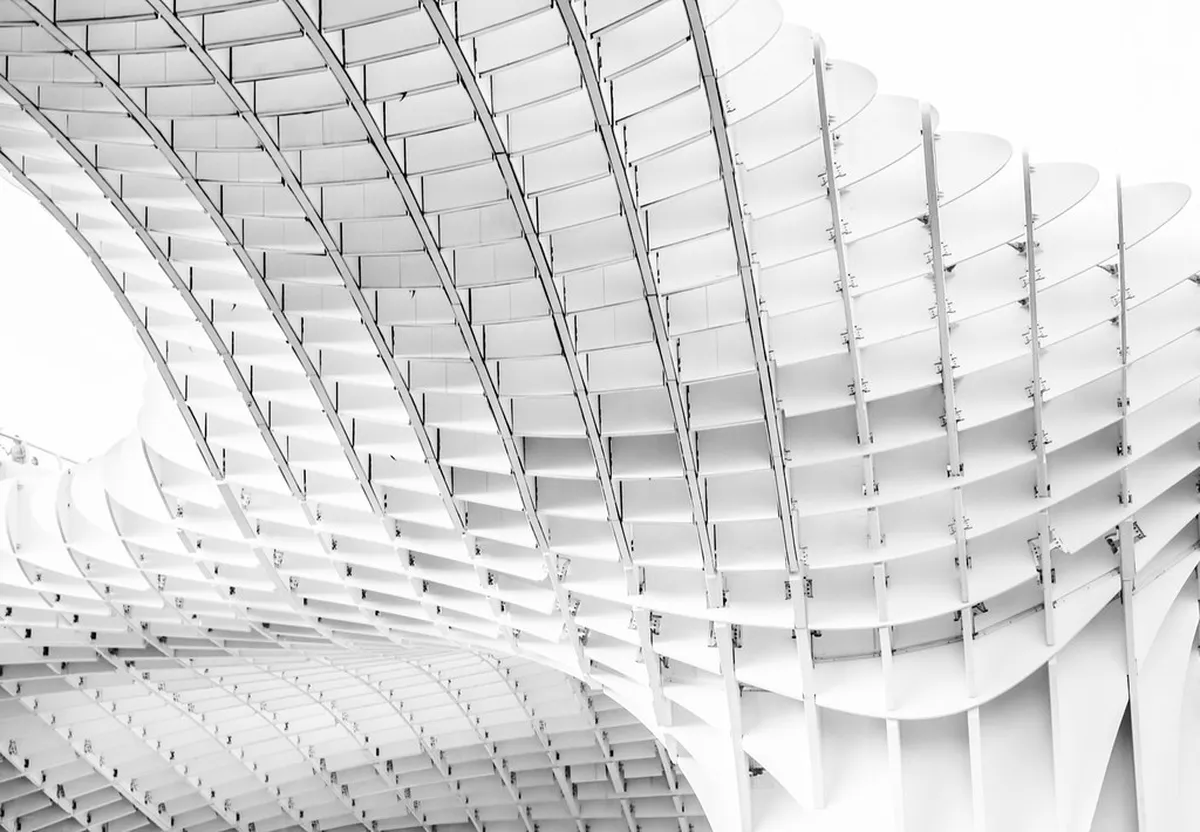
The museum sits about 15 minutes on foot from the Cathedral and Alcázar, and roughly 10 minutes from the Metropol Parasol (Setas de Sevilla), which makes it easy to fold into a walking itinerary through the old town. TUSSAM's C5 circular bus loops the historic center and stops within a few minutes' walk of Plaza del Museo if you'd rather not walk in the midday heat.
For food, skip the tourist menus directly on the plaza and head toward Calle Alfonso XII or the Alameda de Hércules a few minutes north, both lined with tapas bars and cafés popular with locals rather than tour groups. A coffee or vermouth stop before opening time is a good way to beat the Sunday-morning crowd described above.
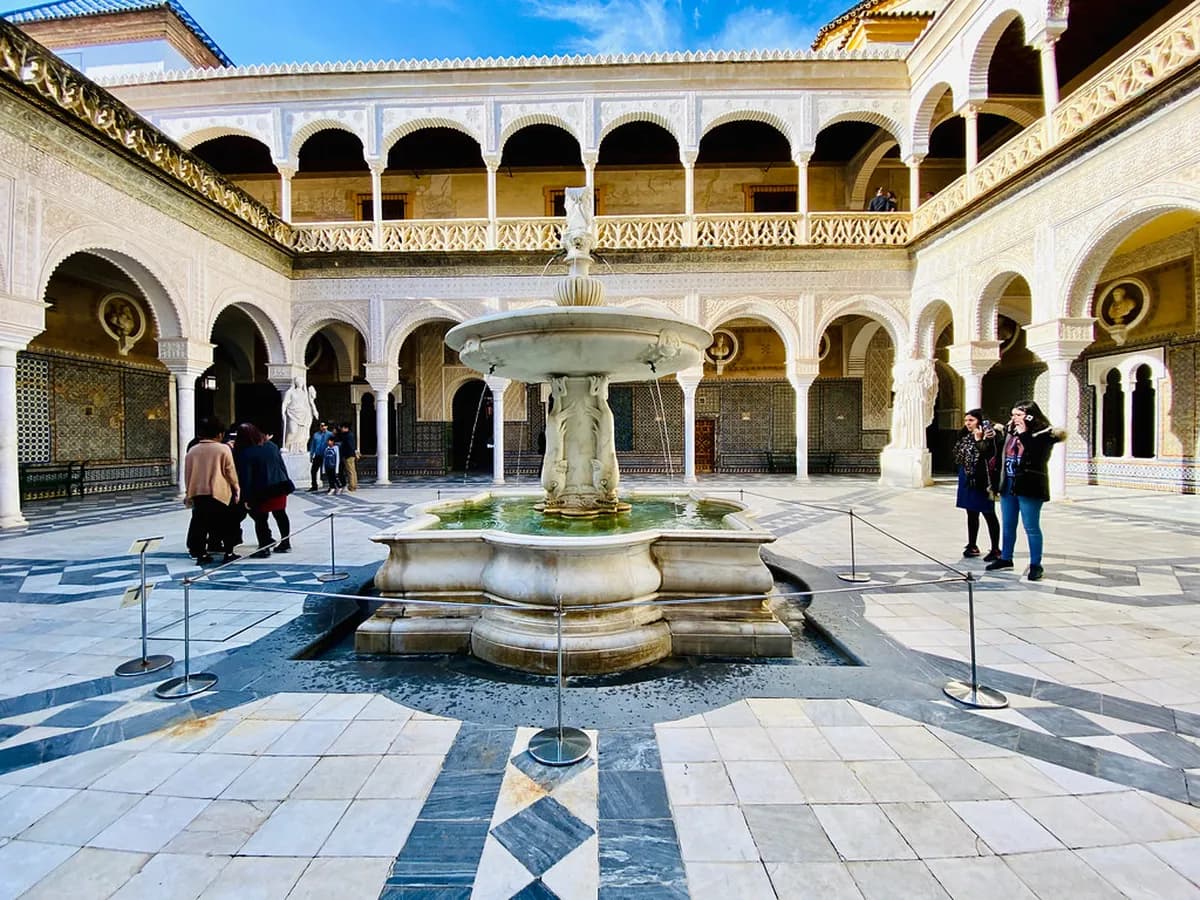
Seville offers many other historical attractions to complement your art visit. The stunning Casa de Pilatos is a short walk away, and you might also enjoy the Palacio de las Dueñas. These sites provide further insight into Seville's rich heritage and pair naturally with a museum visit on the same day.
Frequently Asked Questions
How much time should you plan for a visit to Museo de Bellas Artes de Sevilla?
Allocate at least two to three hours to fully appreciate the Museo de Bellas Artes de Sevilla. This allows enough time to explore the main collections without rushing. You can focus on key artists like Murillo and Zurbarán. Consider staying longer if you wish to delve into every gallery.
Are there free entry options for Museo de Bellas Artes de Sevilla?
Yes, the Museo de Bellas Artes de Sevilla offers free entry for citizens of the European Union. Make sure to bring a valid ID to prove your EU residency. Children under 18 years old also enjoy free admission regardless of nationality.
What are the must-see artworks in Museo de Bellas Artes de Sevilla?
Key artworks include pieces by Bartolomé Esteban Murillo, such as his 'Immaculate Conception' series. Also, look for Francisco de Zurbarán's powerful 'Saint Hugh in the Refectory'. The museum also features works by other Spanish masters. Exploring these highlights offers a rich artistic experience.
Is the Museo de Bellas Artes de Sevilla accessible for wheelchairs?
Yes, the Museo de Bellas Artes de Sevilla is generally accessible for visitors using wheelchairs. The building is equipped with elevators and ramps to help navigate different levels. It is advisable to contact the museum directly for any specific accessibility needs or questions before your visit.
The Museo de Bellas Artes de Sevilla offers an unforgettable journey through Spanish art, from Gothic altarpieces to Murillo's most celebrated canvases, without the crowds or cost of Seville's bigger-ticket sights.
Its impressive collection and historical setting make it a must-visit in the city, and at €1.50 general admission it's one of the best value stops in Andalusia in 2026.
Arrive at opening, budget two to three hours, and pair it with a walk to Casa de Pilatos or the Metropol Parasol to round out a half-day of culture.
Plan your trip today and immerse yourself in Seville's vibrant cultural scene.
To verify current details, consult the Museo de Bellas Artes de Sevilla official site and Museo de Bellas Artes de Sevilla on Wikipedia.
For a more comprehensive Seville experience, explore our 3-day itinerary guide and discover hidden gems in Seville beyond the major attractions.
Continue exploring
More guides you'll find useful