Casa de Salinas Visitor Guide: Tickets, Tours & Planning Your Visit to Seville's Historic Palace
Discover Casa de Salinas in Seville with our comprehensive visitor guide. Find tickets, tour info, opening hours, highlights, and tips for a memorable visit to this private palace.
On this page
Casa de Salinas Visitor Guide: Plan Your Tour of Seville's Historic Palace
This 2026 Casa de Salinas visitor guide covers everything you need to plan a visit to one of the last privately inhabited casas-palacio in central Seville. Built in 1577 and owned by the Salinas family since 1930, the house still functions as a family home — visitors follow a fixed route through two patios and a handful of rooms on a self-guided audio tour, not a free-roam museum. That distinction matters when you're deciding how much time to set aside and what to actually expect once you arrive.
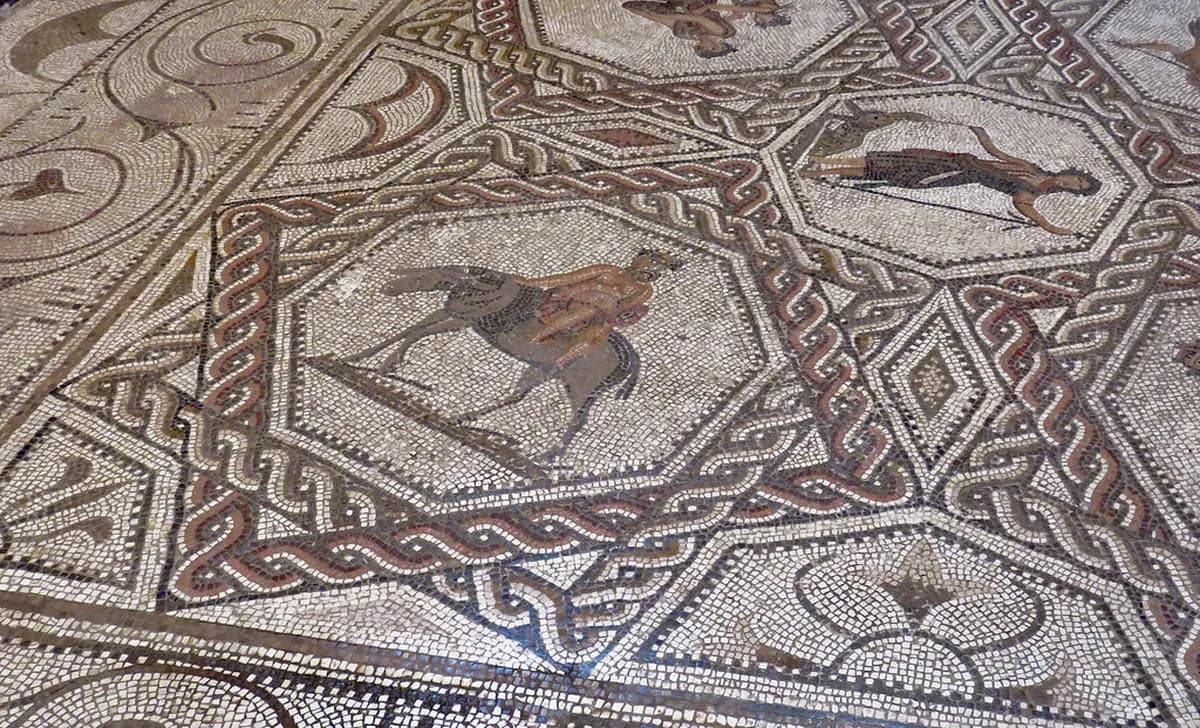
Its location is hard to beat: Casa de Salinas sits inside the Santa Cruz quarter, close enough to the Cathedral and the Real Alcázar to fold into the same morning without much extra walking. The draw isn't scale — it's intimacy, plus a genuinely rare find in the second patio: a 2nd-century Roman mosaic lifted from the ancient city of Itálica.
This guide walks through tickets, opening hours, how to get there, what the tour actually involves, and how Casa de Salinas compares with Seville's larger palace-museums so you can decide whether it earns a slot on your itinerary.
What is Casa de Salinas?
Casa de Salinas is a 16th-century casa-palacio tucked into Seville's Santa Cruz quarter, just steps from the Cathedral and the Real Alcázar. Builder Baltasar de Jaén completed the house in 1577; it passed through several owners, including the Ybarra family, before Manuel de Salinas Malagamba bought it in 1930. His descendants still live there today, which makes Casa de Salinas one of the few Seville palaces you can visit that remains an actual family residence rather than a municipal or state-run museum.
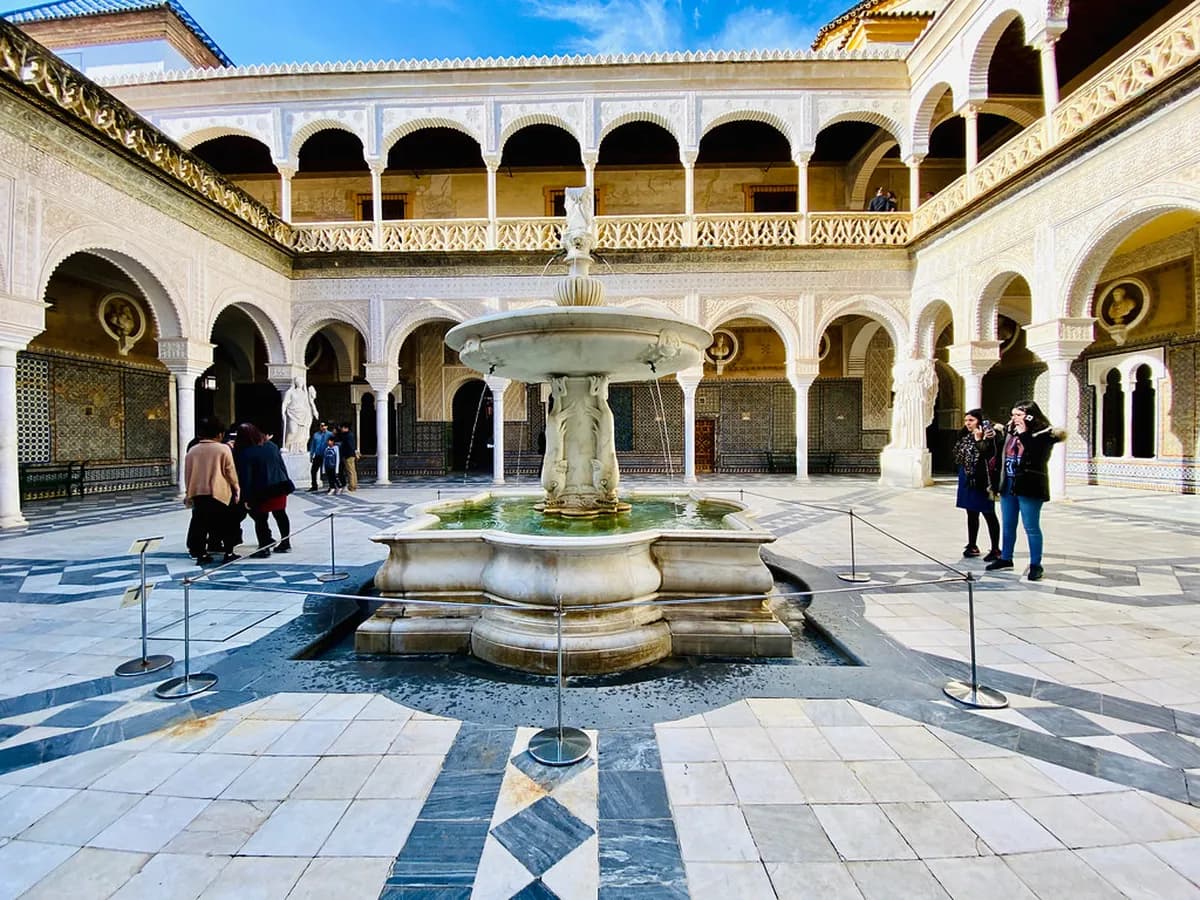
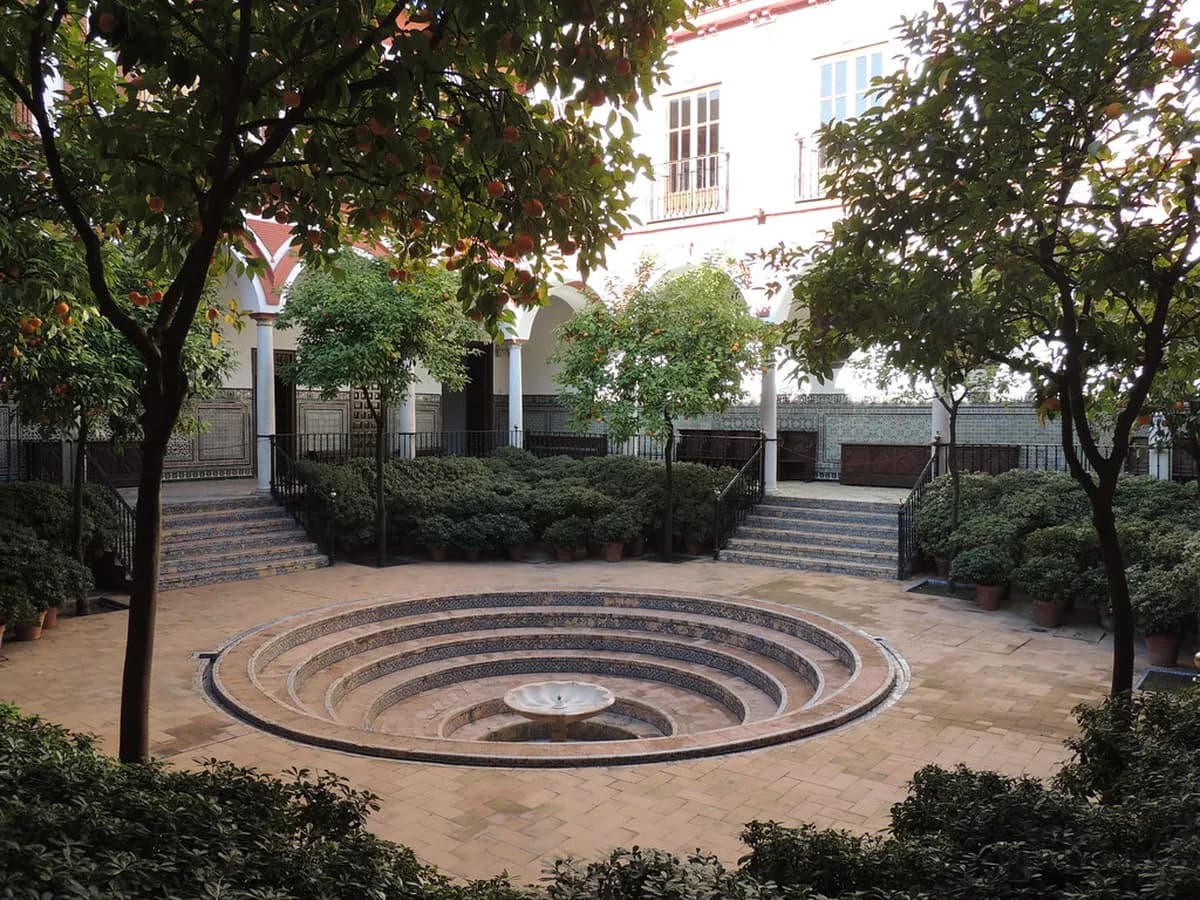
Architecturally the house blends Mudejar and Renaissance detailing. The main patio is ringed by marble columns and rounded arches, with 16th-century plasterwork above and a baseboard of hand-painted Triana azulejo tiles below. It's a compact but genuinely fine example of the tile and stucco work Seville is known for.
The standout feature is in the second patio: a 2nd-century Roman mosaic depicting Bacchus, the god of wine, moved here from the ancient Roman city of Itálica outside Seville, alongside an image of the Virgen de los Remedios. Because the house is still inhabited, only this fixed set of rooms and the two patios are open — the upper floors and the family's private quarters stay off the route, so expect a personal, small-scale visit rather than a room-by-room museum survey.
Why Visit Casa de Salinas?
Casa de Salinas offers something the Alcázar and Cathedral can't: a genuinely private, still-lived-in Seville home. You're walking through rooms the Salinas family actually uses, not a roped-off exhibit. That gives the visit a different texture — quieter, more personal, and over quickly enough that it doesn't compete with your day's bigger sights.
The two patios do most of the work. The main patio's marble columns, rounded arches, and 16th-century plasterwork show off the Renaissance side of the house; the second patio's Roman mosaic and Triana tilework show the Mudejar and classical layers underneath. Together they compress several centuries of Seville's architectural history into a space you can see in under an hour.
Inside, period furniture, tapestries, and artwork reflect the family's own taste rather than a curator's assembled collection. Photography is generally allowed in the patios and public rooms, though flash is discouraged. If you've already toured the Alcázar or Casa de Pilatos and want a smaller, less crowded counterpoint before lunch, Casa de Salinas fits well — it rewards history and architecture enthusiasts more than travelers chasing a big, photogenic set piece.
Planning Your Visit: Tickets, Tours & Opening Hours
Casa de Salinas is open daily. From October 1 to June 14 the hours are 10:00 to 19:00; from June 15 to September 30 they shorten to 10:00 to 14:00 because of the summer heat. The ticket office and access close 30 minutes before the listed closing time either way, so don't plan on arriving right at the wire.
General admission is €12. Groups of 10 or more pay €10 per person, Seville residents pay €10, and children under 11 and visitors with disabilities pay €6. Children under 6 go free. Buy directly through the official Casa de Salinas website — booking online ahead of time is worth it in high season, since the house is small and slots for the audio tour are limited.
The standard visit is self-guided with a multilingual audio guide (Spanish, English, French, and Italian) running about 40 minutes, though some vendors also bundle a live guided-tour option. Either way, budget 45 to 60 minutes total. Mornings right after the 10:00 opening tend to be calmest, before Cathedral and Alcázar crowds spill into Santa Cruz; late afternoon, an hour before closing, is the other quiet window.
Book online ahead of time during high season — the house is small and slots for the audio tour fill up fast.
Getting to Casa de Salinas
Casa de Salinas sits at Calle Mateos Gago, 39, 41004 Sevilla — deep in the monumental core of the historic quarter, a short walk from the Cathedral, the Giralda, the Real Alcázar, and the Archivo de Indias. If you're staying anywhere in central Seville, walking is almost always the simplest option.
By bus, take line A1, A8, or C3 to the Menéndez Pelayo (Puerta de la Carne) stop, then walk about 6 minutes. By tram, T1 stops at Archivo de Indias, a couple of minutes on foot. Taxis and ride-share are easy to find throughout central Seville too.
Coming from Seville Airport (SVQ), it's roughly 11.6 kilometers — figure 20 to 30 minutes by taxi or rideshare, since there's no direct bus route into Santa Cruz. There's no on-site parking either, which is typical for this pedestrianized pocket of the historic center; use one of the paid garages near Puerta de Jerez or Paseo de Catalina de Ribera and plan on a five- to ten-minute walk in.
What to Expect on Your Guided Tour
Most visitors go through Casa de Salinas on the self-guided audio tour, which runs about 40 minutes and is narrated in Spanish, English, French, and Italian. You walk the fixed route — main patio, second patio with the Roman mosaic, and a handful of ground-floor rooms — at your own pace while the audio guide narrates the history behind each stop. A handful of ticket vendors also sell a version with a live bilingual guide instead of the audio track, so check which format you're booking if that matters to you.
Either way, the route covers the marble-columned main patio, the Triana-tiled second patio and its Roman mosaic, and select interior rooms furnished with the family's own antiques and artwork; upper floors and the family's private quarters stay closed, since this remains an occupied home rather than a museum.
Accessibility is limited by the building's age — the patios are generally manageable, but steps between sections and no elevator make some of the route difficult for wheelchair users or anyone with mobility restrictions. Contact the house directly before booking if that affects you. Since there's no live guide on the standard audio format, arriving with a little background already in mind makes the 40 minutes go further — a compact but rewarding stop within a broader Seville adventure.
The building's age means accessibility is limited — steps between sections and no elevator make the route difficult for wheelchair users or those with mobility restrictions. Contact ahead if mobility is a concern.
Casa de Salinas Reviews & Visitor Tips
Visitor reviews consistently single out the same thing: this doesn't feel like a museum. The house's still-occupied status comes through in small details reviewers mention — family photos, everyday furniture arranged for living rather than display, a sense that you're a guest rather than a ticket-holder in an exhibit hall. That's the main reason people rate it above what its short duration would suggest.
Spring (April through June) is the best stretch to visit — mild weather, and you're inside the longer 10:00–19:00 hours window rather than the compressed summer schedule. Semana Santa and the April Feria bring heavy crowds to the whole quarter, so book further ahead if your trip lands during either. Otherwise, arriving right at 10:00 opening is the single best tip: quiet at the house, and ahead of the crowd building at the Alcázar and Cathedral.
Because it's a private residence, common-sense etiquette matters more here than at a state-run monument — keep voices down and follow any posted photography restrictions. There's no café, gift shop, or restrooms on site given the house's small footprint, so plan around that. Combine the visit with a walk through the rest of Santa Cruz afterward — old-guard spots like El Rinconcillo (one of Seville's oldest bars) or the tavern Casa Morales (established 1850) make an easy lunch stop.
Casa de Salinas vs. Other Seville Palaces
Seville has several palaces open to visitors, and each covers different ground. Casa de Salinas is the smallest and the only one still a private family home, giving it a more intimate, less staged feel. Palacio de Las Dueñas, a grand 15th-century palace once tied to the Alba family, is known for its gardens and orange-tree-filled patios. Casa de Pilatos mixes Mudejar, Gothic, and Renaissance styles across a much larger footprint, with extensive courtyards and Roman busts and reliefs.
If the Itálica Roman mosaic is what drew you here, Palacio de Lebrija is worth knowing about too — its ground floor is paved with Roman mosaics from Itálica on a much larger scale.
Choosing between these depends mostly on time. Casa de Salinas fits into a spare 45 minutes; Palacio de Las Dueñas and Casa de Pilatos both need an hour or more. Pairing works well too: Casa de Salinas for the private, personal angle, Palacio de Las Dueñas for scale and gardens, Casa de Pilatos for architectural range and Roman artifacts.
- Casa de Salinas
- Experience: Intimate, still-inhabited private residence
- Focus: Living history, 2nd-century Roman mosaic
- Tour: Self-guided audio (~40 min), guided option with some vendors
- Best for: Deep historical insight in under an hour, avoiding crowds
- Palacio de Las Dueñas
- Experience: Grand, extensive gardens
- Focus: Noble art, orange-tree patios
- Tour: Self-guided or audio guide
- Best for: Garden lovers, a broader art collection
- Casa de Pilatos
- Experience: Large, architectural blend
- Focus: Mudejar, Renaissance, Roman busts
- Tour: Self-guided with optional upper-floor tour
- Best for: Architecture enthusiasts, varied collections
Nearby Attractions & Things to Do
Casa de Salinas sits at the center of Seville's monumental core, so it slots easily into a walking itinerary. Because the visit itself only takes 45 to 60 minutes, most travelers treat it as one stop within a longer half-day rather than a destination on its own.
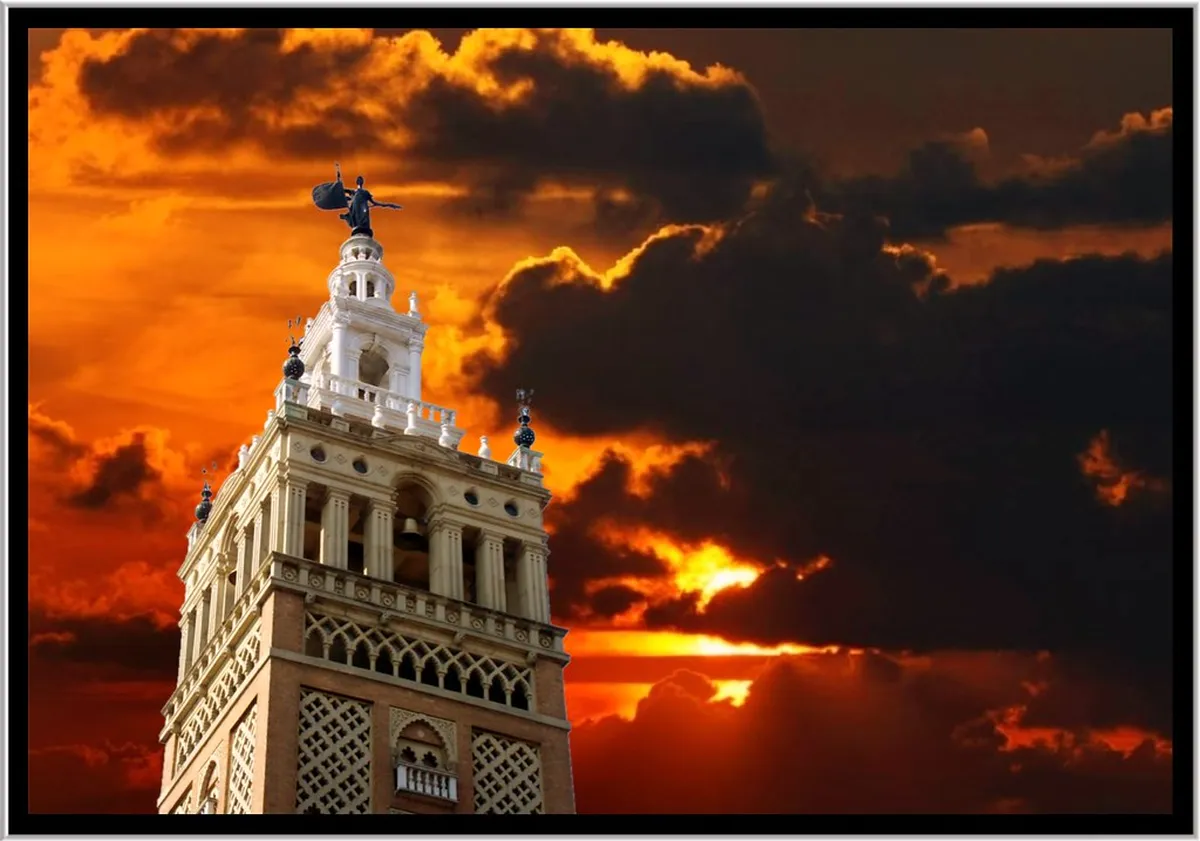
The Seville Cathedral and its Giralda Tower are a short walk away — worth an hour or more on their own. The Real Alcázar sits just as close and typically needs a booked entry slot in advance during peak season. Doing Casa de Salinas first thing at 10:00 opening, then the Alcázar, then the Cathedral, is a reasonable morning sequence that avoids doubling back.
The Santa Cruz quarter surrounding Casa de Salinas is worth wandering on its own — narrow alleys, small squares, whitewashed patios, and a dense cluster of tapas bars fill the neighborhood, and it's where Seville's postcard image of orange trees and wrought-iron balconies is most concentrated.
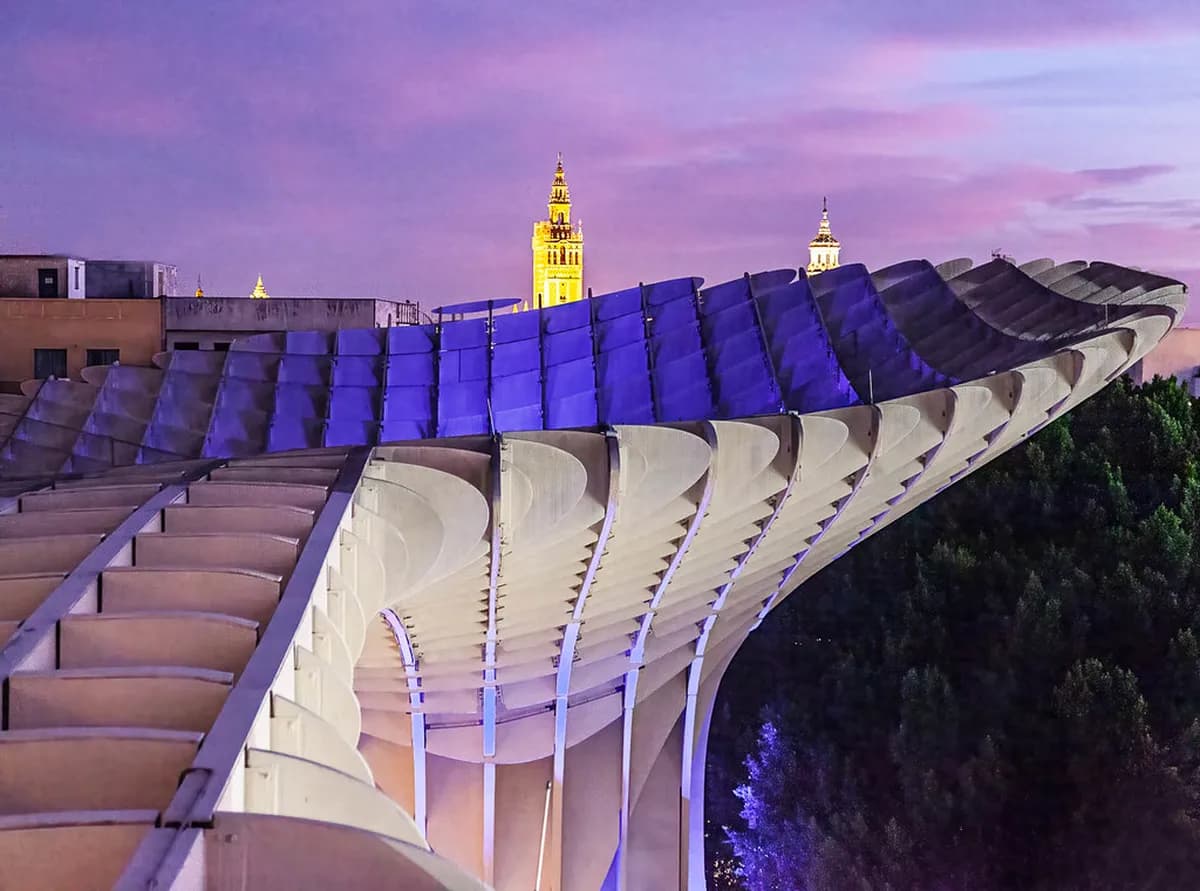
Further afield, the Metropol Parasol offers panoramic city views, and the Seville Aquarium on the Guadalquivir riverfront works well for families. This guide to things to do in Seville can help you build out the rest of your itinerary.
Frequently Asked Questions About Casa de Salinas
Quick answers to the questions travelers ask most often before booking Casa de Salinas.
Frequently Asked Questions
How much time should you plan for Casa de Salinas?
You should plan about 45 to 60 minutes for your Casa de Salinas visit. The mandatory guided tour lasts around 25-30 minutes. This allows for additional time before or after the tour. You can enjoy the exterior and surrounding area at your leisure.
Is Casa de Salinas worth including on a short itinerary?
Yes, Casa de Salinas is definitely worth including, even on a short itinerary. Its compact size and efficient guided tour make it easy to fit in. You gain a deep historical insight without spending a lot of time. It provides a unique, intimate experience.
How do I book tickets for Casa de Salinas?
You can book tickets for Casa de Salinas directly through their official website or reputable tour operators. Booking online in advance is highly recommended. This ensures your spot, especially during busy seasons. Confirm tour times and language options when booking.
What should travelers avoid when planning a Casa de Salinas visit?
Travelers should avoid visiting without prior booking, as tours are mandatory and fill up fast. Do not expect to freely wander; it's a guided experience. Also, avoid arriving late for your scheduled tour time. Always check current opening hours before your visit.
Is Casa de Salinas wheelchair accessible?
Casa de Salinas has limited accessibility for wheelchairs due to its historic structure. Some ground-floor areas might be accessible, but upper floors are not. It is best to contact the palace directly before your visit. They can provide specific accessibility information.
Casa de Salinas earns its place on a 2026 Seville itinerary precisely because it's small: a 40-minute self-guided visit, a €12 ticket, and a genuinely rare Roman mosaic, all inside a house the Salinas family still calls home. It won't replace a full visit to the Alcázar or the Cathedral, and it isn't meant to.
Book online ahead of your trip, aim for the 10:00 opening or the hour before closing to beat the crowds nearby, and budget under an hour so you can fold it into a bigger day in Santa Cruz. Whether you're a history buff or just looking for a quieter counterpoint to Seville's bigger monuments, Casa de Salinas delivers a focused hour that's easy to combine with everything else in the historic quarter.
For more Seville planning, read our 3-Day Seville Itinerary guide.
To verify current details, consult the Casa de Salinas on Wikipedia and Casa de Salinas official site.
Continue exploring
More guides you'll find useful