10 Essential Tips for a 3-Day Seville Itinerary
Discover the perfect 3-day Seville itinerary. Includes a day-by-day plan, booking tips for the Alcázar, the best tapas spots, and how to beat the heat.
On this page
10 Essential Tips for a 3-Day Seville Itinerary
Three days in Seville is enough to see the Royal Alcázar, cross the river into Triana, watch the sunset from the Metropol Parasol, and eat your way through the Santa Cruz district. This guide gives you a practical day-by-day plan built around Seville's rhythms in 2026 — early starts, a real midday break, and long evening meals.
The historic center is compact and walkable. Most of the landmarks cluster within a fifteen-minute walk of each other, which means you spend your energy on the sights rather than transit. Planning around the siesta window between 13:00 and 17:00 is not optional in summer — it is how locals survive the heat, and it should be built into your schedule.
Check our full guide to traveling to Spain for regional context before you arrive. Everything in this itinerary has been verified for current hours and prices for the 2026 season.
Best Time to Visit Seville for Your 3-Day Trip
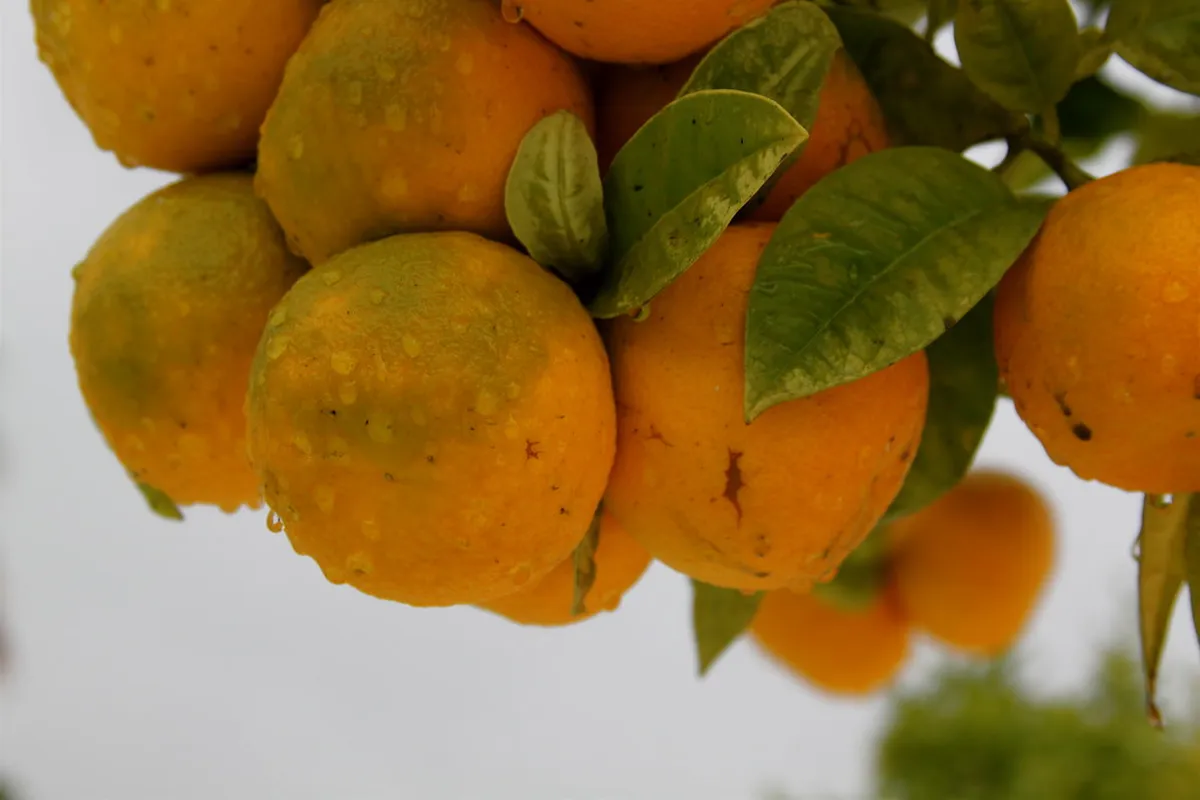
Spring — specifically March to May — is the best window for a 3-day Seville itinerary. Temperatures sit between 18°C and 26°C, the orange trees are in blossom, and the days are long enough to pack in everything on this list. The major downside is that Holy Week (Semana Santa) and the Feria de Abril draw enormous crowds and push hotel prices up by 50% or more — book at least six weeks out if your dates overlap.
The Royal Alcázar and Seville Cathedral require timed-entry bookings 3–5 weeks in advance during spring and autumn peaks. Book your Alcázar slot immediately when your travel dates are confirmed — arriving late for your timed slot can result in denied entry.
October and November are a strong alternative. The heat has broken, tourist numbers drop sharply, and you will find easier walk-up access to attractions. Afternoon temperatures of 20–24°C make outdoor sightseeing comfortable through the whole day, unlike summer.
July and August are viable only if you are comfortable with sustained 38–42°C heat. Seville regularly records the highest summer temperatures of any major European city. Locals empty the streets between 13:00 and 17:00 — this is not a stereotype, it is a functional survival strategy that your itinerary must accommodate. Winter is mild and rarely drops below 10°C, but rain is common in January and February.
Summer heat (38–42°C, July–August) requires strict siesta discipline. The window between 13:00–17:00 is mandatory indoor time—walking in direct sun during this period is genuinely dangerous. Plan long lunches indoors (menú del día €10–€14), visit air-conditioned museums, or rest in your hotel before resuming exploration in the late afternoon.
Logistics: Getting There and Staying Connected
Seville Airport (SVQ) is 10 km east of the city centre. The EA bus runs directly to the central Prado de San Sebastián bus station every 30 minutes and costs €4. Journey time is around 35 minutes. Taxis cost approximately €22–€28 from the airport to the historic centre. The Renfe high-speed AVE train connects Seville Santa Justa station with Madrid in 2 hours 30 minutes and with Cordoba in under 45 minutes — useful if you are arriving from another Spanish city or planning day trips.
Within the city, walking covers almost everything. The T1 tram runs from Plaza Nueva down Avenida de la Constitución to the Prado area and is useful for reaching Plaza de España on Day 3. Seville also has a city bike-share called Sevici, with docking stations throughout the centre. Crossing into Triana on foot via the Puente de Isabel II takes about twelve minutes from the Cathedral.
For connectivity, Spanish SIM cards (Vodafone, Orange, or Movistar) are available at the airport and cost roughly €10–€15 for a week of data. The winding streets of Santa Cruz are notoriously difficult to navigate without a live map, so reliable mobile data genuinely matters here. Many EU residents can use their home data plan at no extra cost, but check your carrier's roaming policy before you travel.
Booking Checklist: What to Reserve Before You Arrive
The Royal Alcázar is the single most important booking in Seville. Timed-entry slots sell out three to five weeks in advance during spring and autumn peaks. Book directly at the official Alcázar website as soon as your travel dates are confirmed. Tickets cost €14.50 for adults with an additional €6 for the upper royal chambers. Arriving even slightly late for your timed slot can result in denied entry, so factor in walking time from your hotel.
The Seville Cathedral and Giralda Tower require booking at least one week ahead. Combined entry costs €12 for adults and includes access to the tomb of Christopher Columbus and the climb up the ramp (not stairs) of the Giralda. Buy tickets online to enter via the Puerta del Lagarto on the north side, which skips the main queue entirely.
For a flamenco show, reserve three to seven days in advance. Casa de la Memoria on Calle Cuna 6 is the most authentic small-venue option with shows at 19:30 and 21:00 nightly. El Arenal on Calle Rodo 7 and Los Gallos on Plaza de Santa Cruz are larger and more tourist-oriented but still reliable. Prices range from €18 to €35 depending on whether dinner is included.
Day 1: The Historic Core and Royal Alcázar
Start at the Royal Alcázar at 09:30 when the gates open. The palace was built for King Peter I of Castile in the 14th century on the foundations of an earlier Almohad palace, and its Mudéjar tile work and garden pavilions remain some of the most detailed Islamic-influenced architecture in Europe. Allow two hours minimum inside, more if you linger in the gardens. The upper royal chambers require a separate timed ticket booked in advance and are worth it for the views over the rooftops.
Walk five minutes north to the Seville Cathedral after your Alcázar visit. It is the largest Gothic cathedral in the world and took over a century to build. The Giralda Tower was originally a minaret — the ramp inside rather than stairs was designed for horses to carry the call-to-prayer muezzin to the top. Climb it for the best elevated view of the historic centre. Allow ninety minutes for both.
Spend the early afternoon in the Santa Cruz district, the former Jewish quarter immediately east of the Cathedral. The grid of narrow whitewashed streets is deliberately disorienting — getting lost here is the point. Look for Plaza de Doña Elvira and the smaller Plaza de la Alianza, both shaded and lined with outdoor tables. These are good spots for your siesta-hour break (13:00–17:00) with a cold drink before returning to the streets in the late afternoon.
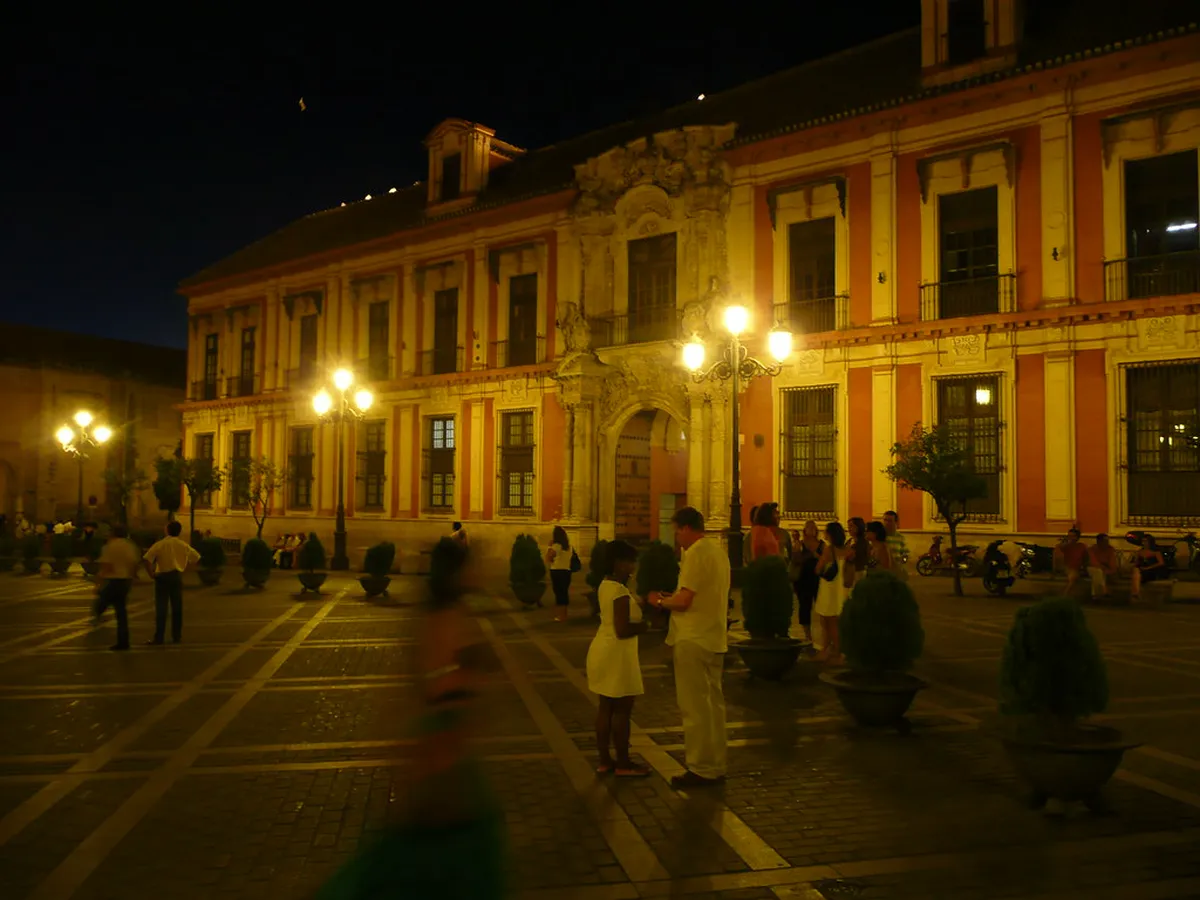
In the evening, do a tapas crawl through El Arenal or along Calle Mateos Gago just outside the Cathedral walls. A round of three or four tapas with wine or cold beer typically costs €10–€14 per person. Most bars do not fill up until 21:00 — eating at 20:00 means you get a table without waiting.
| Day | Morning | Afternoon | Evening |
|---|---|---|---|
| Day 1 | Royal Alcázar (09:30–11:30), Seville Cathedral & Giralda Tower | Santa Cruz district exploration, siesta break (13:00–17:00) | Tapas crawl in El Arenal or Calle Mateos Gago (€10–€14 per person) |
| Day 2 | Puente de Isabel II crossing, Mercado de Triana, Calle Betis riverside walk | Ceramic Museum of Triana, Torre del Oro (€3 entry), siesta in local bars | Metropol Parasol rooftop (€5, sunset 19:30–20:30), Antiquarium exploration |
| Day 3 | Plaza de España (free, best before 10:00), rowing boats (€6 per 30 min) | Maria Luisa Park museums, Archaeological Museum (€1.50, free for EU), siesta under fig trees | Real Maestranza Bullring tour (€10) or flamenco show, dinner in El Arenal |
Day 2: Triana, the Riverside, and Metropol Parasol
Cross the Puente de Isabel II (also called the Triana Bridge) in the morning and pause on the bridge itself for the best view back toward the old city. On the far bank, Mercado de Triana is immediately to your right — a two-floor covered market where vendors sell fresh produce, jamón, and local cheeses. The market is most lively between 09:00 and 13:00. Try churros with thick hot chocolate at any of the small bars inside.
Walk south along Calle Betis, which runs parallel to the Guadalquivir river and connects the two main bridges. The stretch between Puente de Isabel II and Puente de San Telmo is lined with restaurants and bars with riverside terraces. This is where Seville's younger crowd gathers in the evenings, but the walk itself is pleasant at any hour. The Torre del Oro — a 13th-century Almohad military watchtower — stands on the opposite bank at the southern end of this walk and is worth the €3 entry fee for its small maritime museum and rooftop view.
The Triana neighborhood has a completely different character from the tourist-dense historic centre. It has its own proud identity as the birthplace of flamenco ceramics and is historically the neighbourhood of bullfighters and gitano communities. The Ceramic Museum of Triana at the Castillo de San Jorge site is free on Saturdays and worth thirty minutes. If you are buying ceramics as souvenirs, the hand-painted tiles here are significantly cheaper than in Santa Cruz shops.
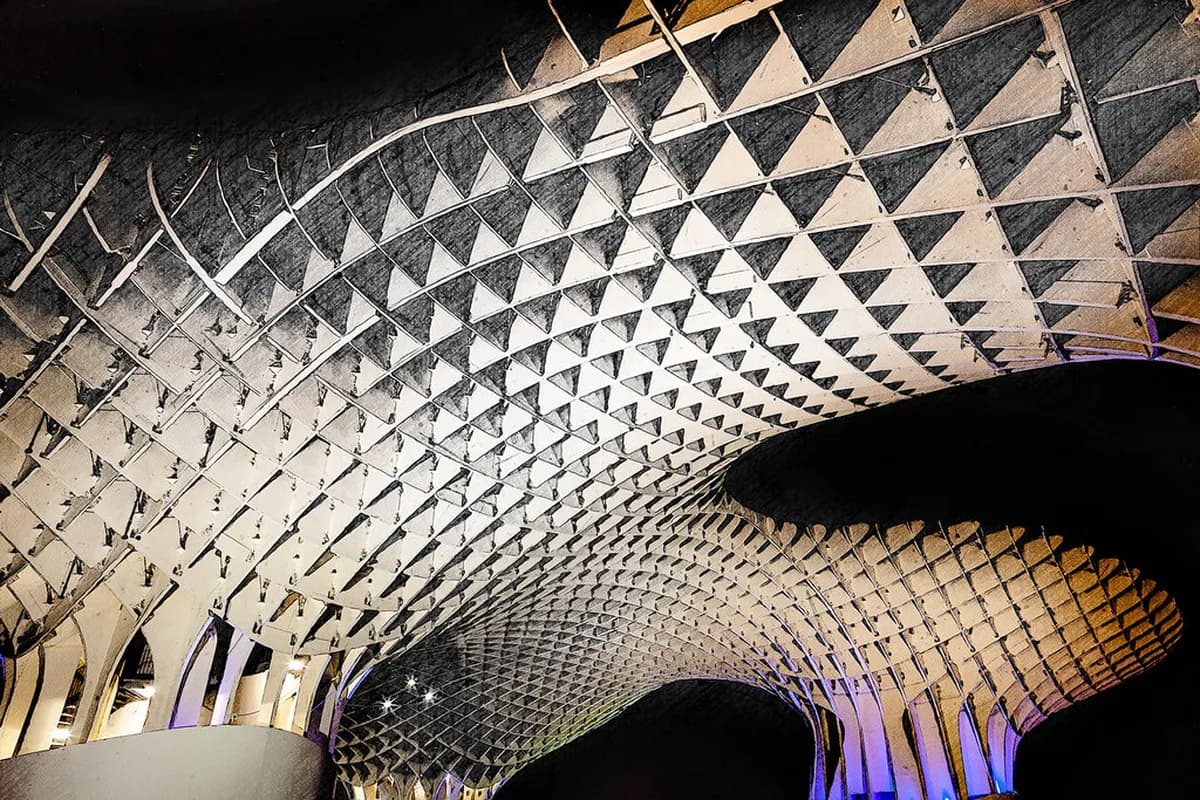
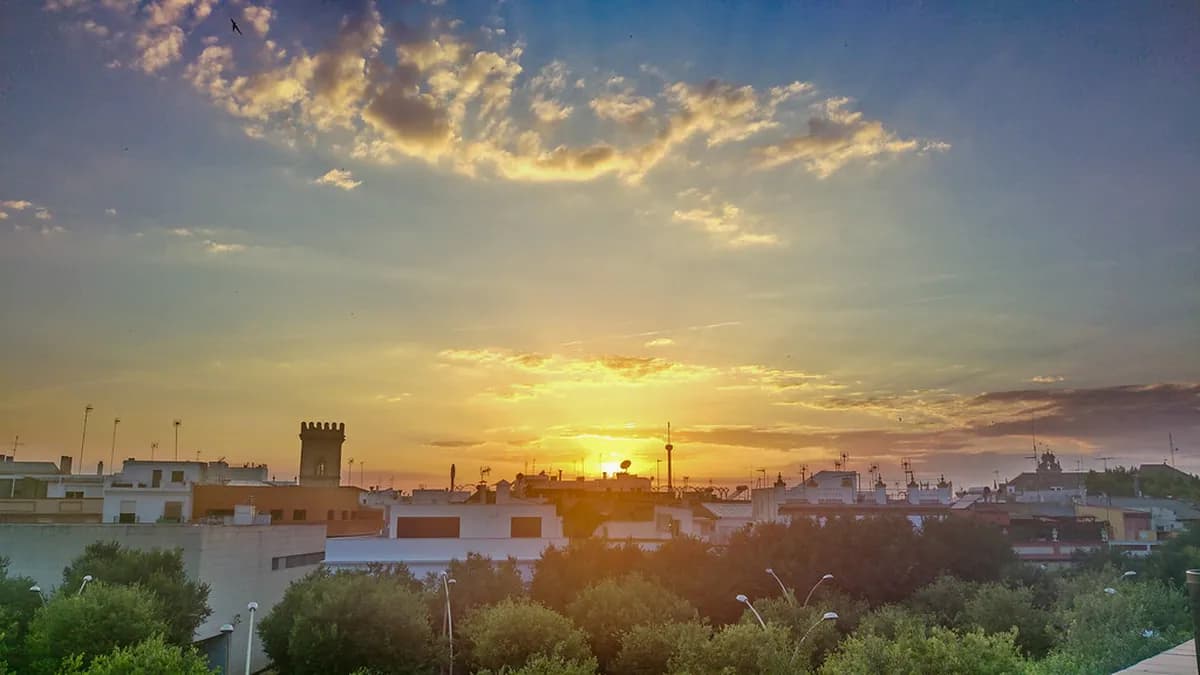
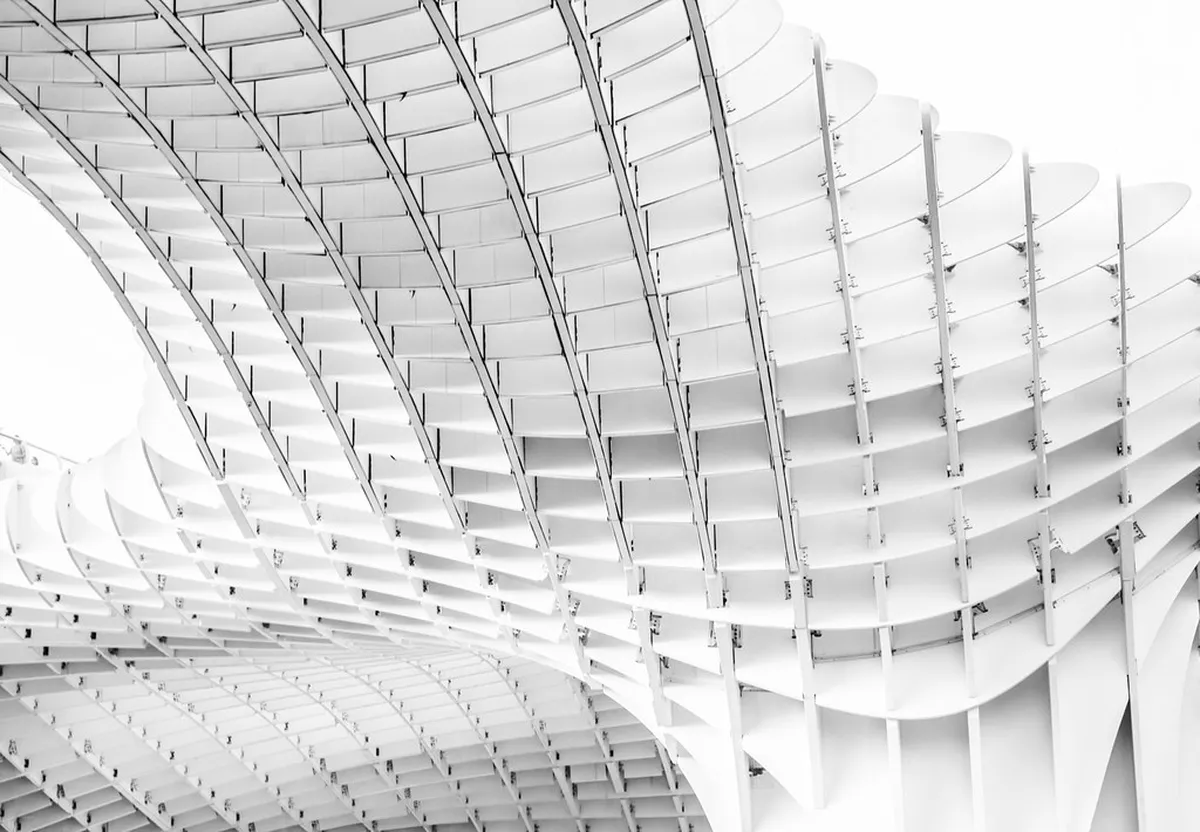
Return to the centre in the late afternoon for the Metropol Parasol (locally called Las Setas — the Mushrooms) on Plaza de la Encarnación. The rooftop walkway of this enormous wooden structure costs €5 and includes a drink voucher. Arrive by 19:30 in winter or 20:30 in summer to catch the sunset. Below street level, the same ticket includes access to the Antiquarium, a Roman and Moorish archaeological site discovered during construction — mosaic floors, amphorae, and a full Roman house layout sit under the plaza. Most visitors ignore this completely, which means you often have it to yourself.
Day 3: Plaza de España and Maria Luisa Park
Start early at Plaza de España, the semicircular Baroque-Revival complex built for the 1929 Ibero-American Exposition. Entry is free and it is at its best before 10:00 when the tour groups are still at breakfast. The canal running along the base of the building is lined with tiled alcoves representing each Spanish province — finding your home country or a province with personal significance becomes a small ritual for visitors. Rowing boats are available to hire for €6 per 30 minutes. Morning light bounces off the ceramic tilework in a way that afternoon sun does not replicate.
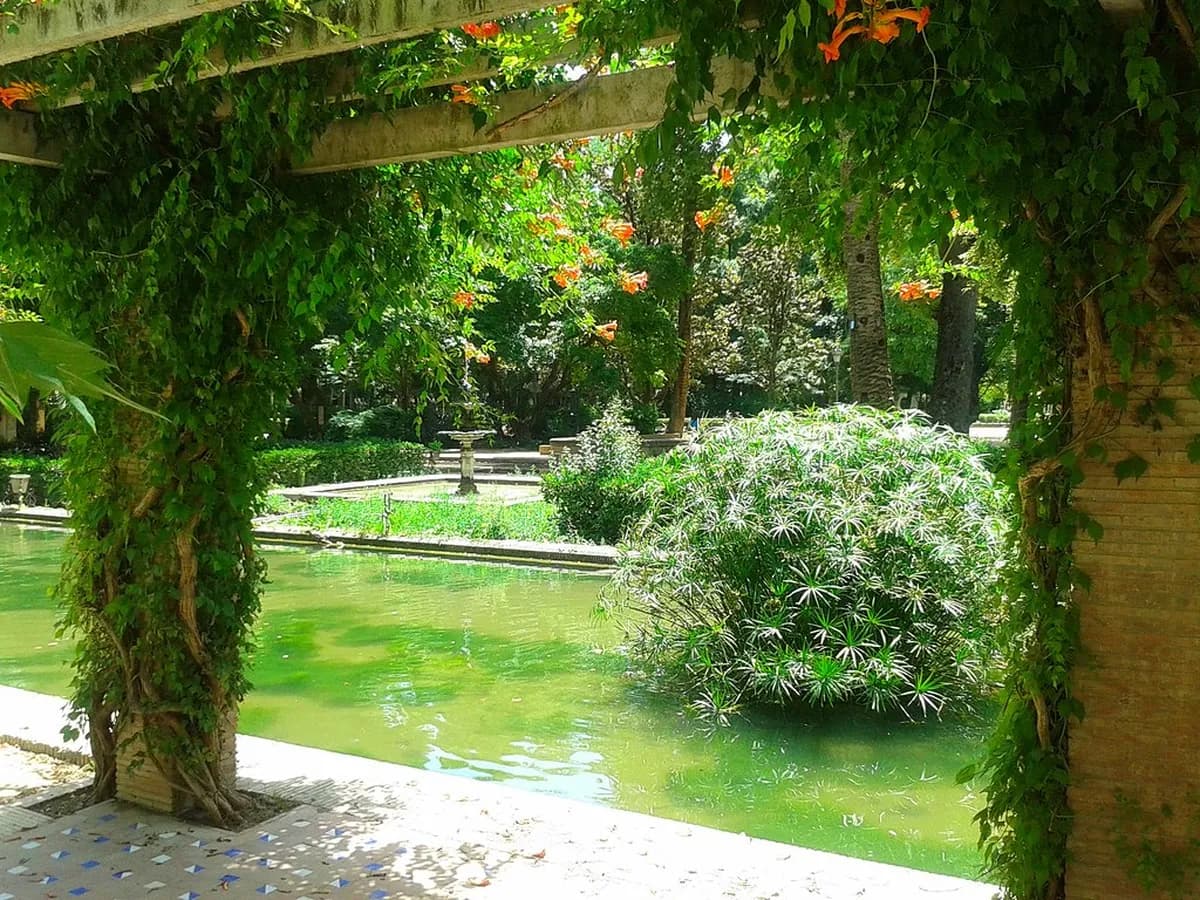
Maria Luisa Park surrounds Plaza de España and covers 34 hectares of gardens, fountains, and shaded tree-lined paths. The park makes the siesta window productive rather than wasted — find a bench near the Fuente de las Ranas or under the fig trees behind the Archaeological Museum. Both the Museum of Fine Arts and the Archaeological Museum of Seville are inside the park and offer air-conditioned shelter in the heat of the day. The Archaeological Museum (€1.50, free for EU citizens) has the best collection of Roman artefacts from the Baética region, including the Carambolo Treasure.
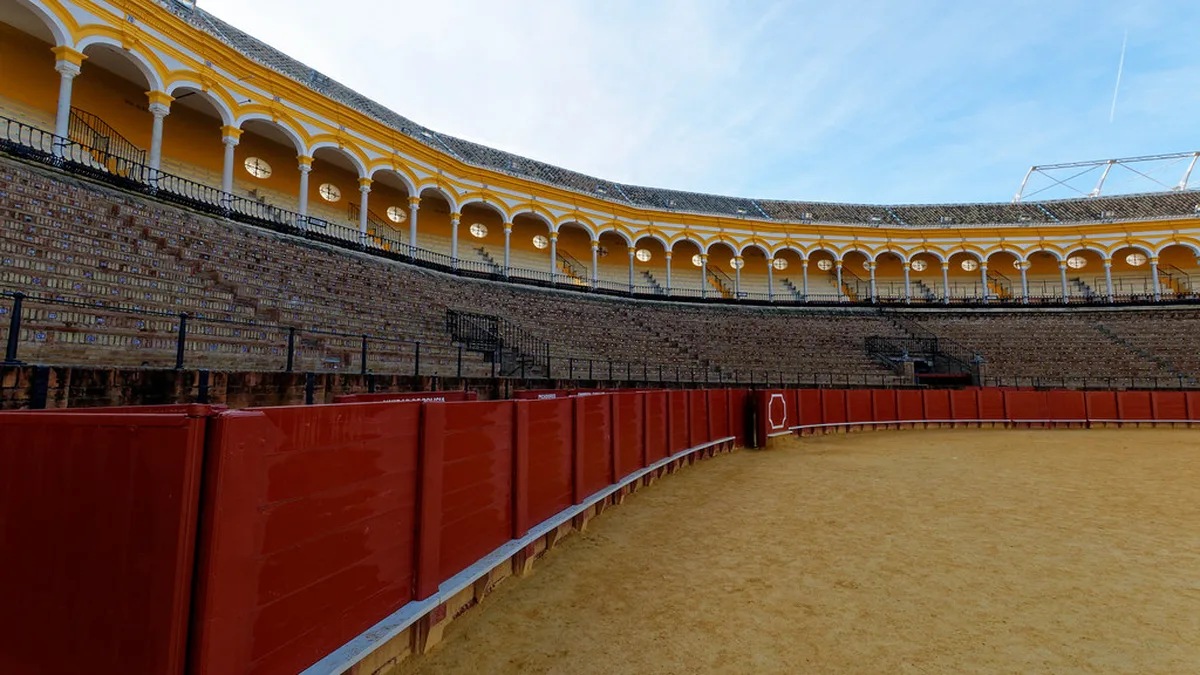
Spend your final evening in the El Arenal neighbourhood between the bullring and the river. The Real Maestranza Bullring — built between 1761 and 1881 and one of the oldest in Spain — runs guided tours for €10 even when no corridas are scheduled. It is one of the most visually striking buildings in Seville, with its distinctive two-tone ochre and white exterior. Dinner in this area tends to be unhurried and slightly less expensive than Santa Cruz. If you have your flamenco show booked for tonight, it makes a natural final evening anchor.
The Siesta Strategy: Planning Your Midday Hours
Every Seville itinerary mentions the siesta. Very few actually plan for it. Between 13:00 and 17:00, outdoor temperatures in summer regularly hit 38–40°C, street-level shade disappears in the southern-facing plazas, and walking with a full stomach in that heat is genuinely unpleasant. The siesta window is not downtime — it is an opportunity to cover ground that requires no outdoor exertion.
On Day 1, use the window to sit inside the Cathedral nave rather than rushing through it in the morning rush. The interior stays cool even in July. Alternatively, the Hospital de los Venerables on Plaza de los Venerables in Santa Cruz is a Baroque convent hospital turned art gallery — small, air-conditioned, and almost always quiet. Entry is €8 and the Velázquez paintings in the sacristy alone justify the ticket.
On Day 2, the Antiquarium under the Metropol Parasol (see Day 2 section) is the best midday shelter most visitors overlook. On Day 3, the Maria Luisa Park museums are the obvious option. In all cases, plan a long lunch rather than a quick one — most local restaurants offer a menú del día from 14:00 to 16:00 for €10–€14, which includes three courses, bread, and a drink. This is both the best-value meal in Spain and a practical reason to be sitting down indoors when the heat peaks.
Tapas Culture and Flamenco: Food and Culture in Seville
Seville is one of the last cities in Spain where free tapas still come automatically with a drink at many traditional bars. Order a caña (small draft beer) or a glass of manzanilla sherry and a small plate of something — olives, a slice of tortilla, or a montadito — arrives without extra charge. This tradition is becoming rarer as tourism increases, but bars on the outer edges of Triana and in the Alameda de Hércules neighbourhood still follow it reliably. The 9 Essential Tips and Spots for the Best Tapas in Seville guide covers specific addresses across all price points.
Key dishes to order while you are here: espinacas con garbanzos (spinach with chickpeas in a cumin-spiced tomato sauce), presa ibérica (a cut of acorn-fed pork that grills better than most steaks), and huevos a la flamenca (eggs baked in tomato with chorizo and peppers). Sherry from the nearby Jerez region — fino, manzanilla, or amontillado — is served very cold and pairs well with nearly everything. It is radically different from the sweet cream sherries common elsewhere.
Flamenco in Seville is a serious art form, not a dinner show. The most intimate and technically demanding performances happen at tablaos seating fewer than fifty people. Casa de la Memoria and La Casa del Flamenco (Calle Ximénez de Enciso 28) both fall into this category. The larger venues like El Arenal offer more theatrical productions with costume changes and more accessible entry prices. If you are in Seville on a Friday or Saturday night in summer, La Carboneria on Calle Céspedes 21A runs free informal flamenco sessions from around 22:00 — donations expected.
Where to Stay: Top Neighborhood Recommendations
Santa Cruz puts you within five minutes of the Cathedral, Alcázar, and the start of this entire itinerary. It is the most convenient base for first-timers. The trade-off is noise — the narrow streets funnel sound between buildings, and the bar terraces stay active until midnight. Ask specifically for a room away from the street when booking. Find more details in our guide on 9 Best Neighborhoods: Where to Stay in Seville.
Triana is a genuine local neighbourhood rather than a tourist enclave. Staying here means a twelve-minute walk over the bridge each morning, but the bars are cheaper, the streets quieter at night, and the atmosphere more authentically Sevillan. It suits travelers who have already seen the major landmarks and want to feel embedded in the city rather than positioned next to it.
Alameda de Hércules, a broad tree-lined boulevard about ten minutes north of the Cathedral, is the neighbourhood for nightlife and the younger independent-travel crowd. It has craft beer bars, vinyl record shops, and late-night restaurants that would not look out of place in Barcelona. It is also where Seville's LGBTQ+ community centres, and the area is notably welcoming. The walk to the Alcázar takes around twenty minutes, which is manageable but worth factoring in on Day 1.
Add an Extra Day: Day-Trip Add-Ons
Cordoba is the most rewarding day trip from Seville. The Renfe AVE takes 44 minutes from Santa Justa station and costs €15–€25 return booked in advance. The Mezquita-Catedral — a Great Mosque converted to a cathedral with the original forest of columns intact — is one of the most disorienting and beautiful buildings in Europe. Book your entry (€13) online before you leave Seville. The Jewish Quarter (Judería) and the flower-filled patios of the old city are worth the extra hour after the Mezquita.
Ronda sits about two hours from Seville by bus or 1 hour 50 minutes by train via Antequera. Its Puente Nuevo bridge spans a 120-metre gorge and the old town on the cliff edge above the Tajo canyon is genuinely dramatic. It works best as a full day including both the bridge area and the Moorish baths. Check our list of 10 Best Day Trips from Seville for transport details and ticket information.
Cadiz takes ninety minutes by train and offers Atlantic beaches, some of the best fried fish in Spain, and a completely different coastal character from the inland heat of Seville. It is the oldest continuously inhabited city in Western Europe. A day trip here makes particular sense in summer when Seville's heat is at its most intense — the sea breeze drops the felt temperature by several degrees.
For the wider city context, see our complete Seville tourism attractions guide.
Frequently Asked Questions
Is 3 days enough for Seville?
Yes, three days is the ideal amount of time for most first-time visitors to see the highlights. You can explore the major historic landmarks and still have time for long tapas lunches. This duration allows for a relaxed pace while soaking in the local Andalusian culture.
Is Seville a walkable city?
Seville is exceptionally walkable, especially within the historic center where most attractions are located. The streets are flat, though often narrow and paved with cobblestones. Most visitors find they only need public transport for reaching the train station or airport.
Do I need to book Seville attractions in advance?
You absolutely must book the Royal Alcázar and the Cathedral in advance to guarantee entry. These sites often sell out weeks ahead, especially during the spring and autumn peak seasons. Booking online also allows you to skip the long ticket-purchase queues at the gate.
Three days in Seville provides the perfect introduction to the soul of southern Spain. By balancing the major sights with local neighbourhood exploration, you will see the city's true character. I hope this itinerary helps you plan an unforgettable trip to this beautiful Andalusian capital. Remember to take it slow, eat plenty of tapas, and enjoy the sunshine.
Continue exploring
More guides you'll find useful