10 Seville Nightlife Experiences: Locals Start at Midnight
Seville nights start at 22:00 dinner, hit cocktail bars by midnight, and clubs after 02:00 — here are the 10 stops that define it in 2026.
On this page
10 Best Seville Nightlife Experiences (2026)
Seville nightlife runs on its own clock, and that clock runs late. Locals eat dinner at 22:00, move to cocktail bars around midnight, and don't set foot in a club until 02:00. If you try to fit the city into an earlier schedule, you will spend a lot of time in empty rooms wondering what all the fuss is about.
This guide covers the 10 experiences that define going out in Seville in 2026 — from the essential tapas crawl that opens every evening, to the bohemian squares, riverside terraces, flamenco tablaos, and mega-clubs that close when the sun comes up. It also covers a timing reality that most guides gloss over: how the city's schedule shifts between summer and winter, which affects everything from where you drink to when you arrive.
Whether you are planning a long weekend or a 3-day itinerary, reserve at least one full evening for the streets after dark. The city's soul lives there.
Tapas Culture: The Essential First Step
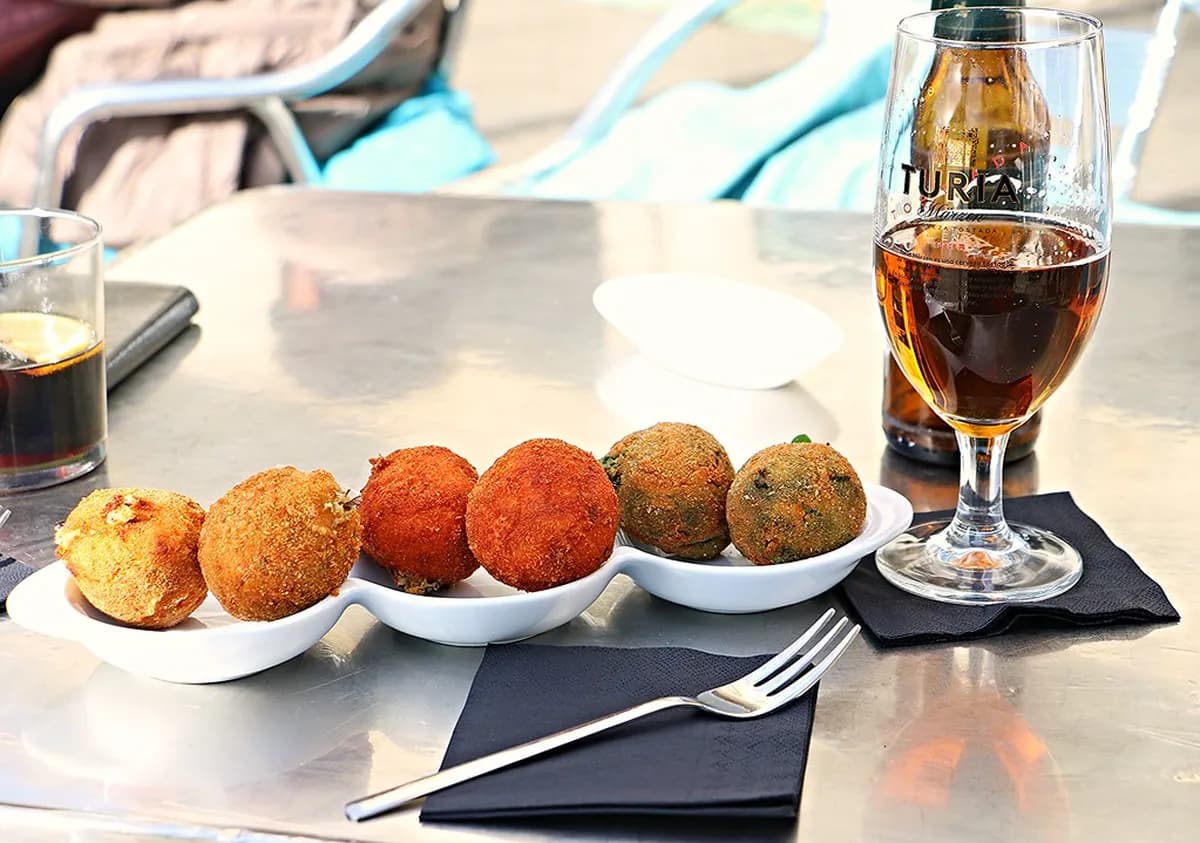
A night out in Seville never starts with a cocktail. It starts with food, and the logic is practical: you are going to be awake until 06:00, so you need to eat. Most locals meet at a tapas bar around 21:00 for jamón, spinach with chickpeas (espinacas con garbanzos), and a cold glass of whatever is on tap.
Barrio Santa Cruz is the most atmospheric place for first-timers, with narrow alleys and century-old taverns. More adventurous eaters should head to Calle Feria in the north, where spots like Eslava serve creative modern tapas to a largely local crowd. For the full experience, follow a tapas crawl across two or three neighborhoods rather than staying in one place.
The drinks to order alongside your food: tinto de verano (red wine with lemon soda, lighter and more local than sangria), a fino or manzanilla sherry from nearby Jerez, or a simple caña — a small cold beer designed to be finished before it warms up. Rebujito, sherry with Sprite, is the drink of Feria de Abril but locals order it year-round at outdoor bars. Prices for tapas run €2–5 each; drinks €2–4 at a stand-up bar.
Budget tip: the chain Patio San Eloy on Calle San Eloy sells montadito sandwiches for around €1.30 and small beers for under €2. It is not glamorous, but it is a legitimate pre-game option used by both students and locals who want to eat cheaply before the more expensive part of the night begins.
Alameda de Hércules: The Bohemian Heart of Seville
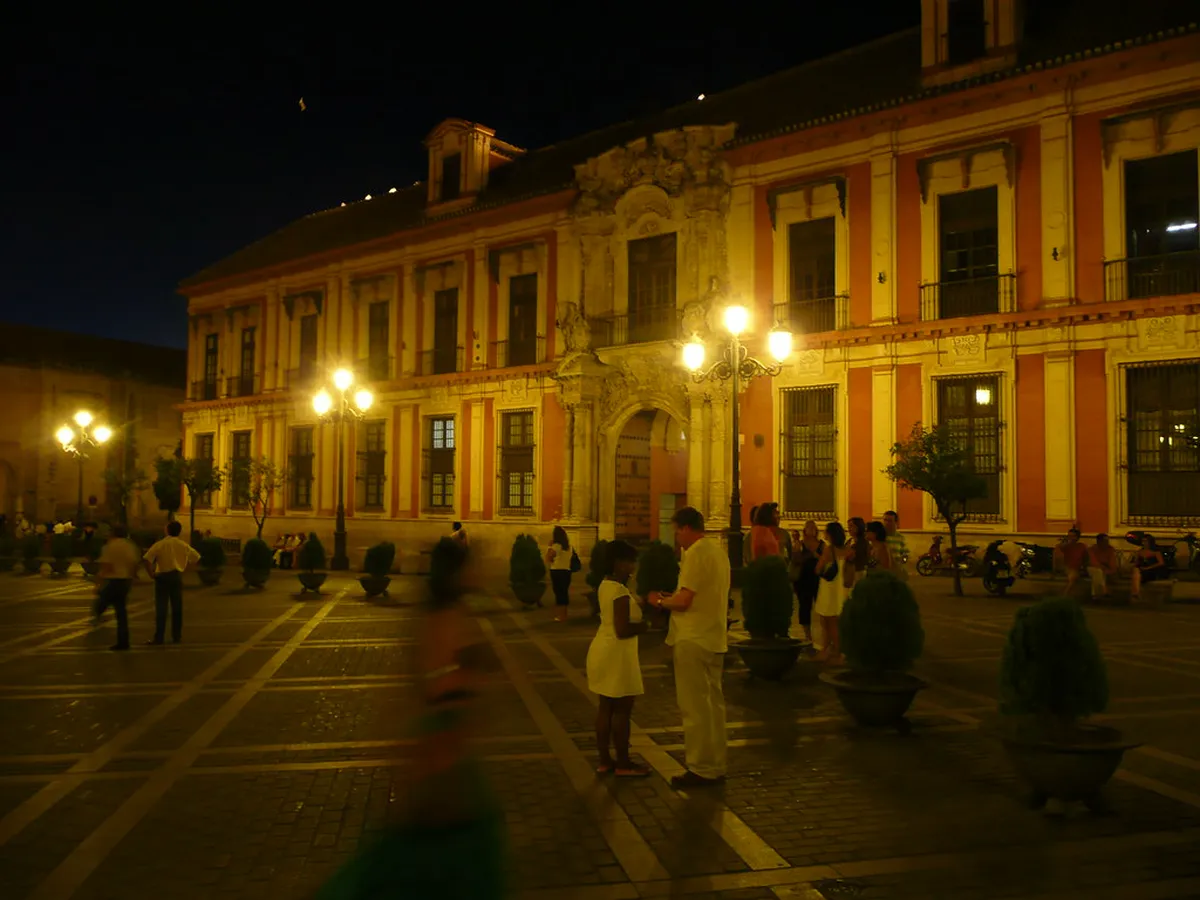
Alameda de Hércules is the widest pedestrian boulevard in the old city and the undisputed center of Seville's alternative and LGBTQ+ nightlife. By 23:00 on a Friday, every bar terrace along its length is packed. By 01:00 it has a street-party energy that no other part of the city matches at that hour.
The mix of venues is genuinely diverse. Naima Café Jazz hosts live sets several nights a week. Fun Club leans indie and alternative. Malandar pulls a more eclectic crowd with DJ nights that run deep into the morning. Most bars here have free entry and charge €4–7 per drink, which makes it the most affordable high-energy area in the city.
The neighborhood also functions as the best place to eat before you start drinking seriously. Casa Ricardo is famous for croquetas, and El Mercado de Feria has stalls open until late. Arriving at Alameda at 21:30 for food and staying through to 02:00 is a self-contained evening that requires no taxi and no expensive entrance fee.
Calle Betis: Riverside Drinks in Triana
Cross the Triana Bridge and you are in a different Seville. The Triana neighborhood has been the city's working-class and flamenco heartland for centuries, and Calle Betis — the street running directly along the eastern bank of the Guadalquivir — is its nightlife spine. The view across the water toward the city's old skyline is one of the best free sights in Spain.
Bars along Calle Betis tend to open around 20:00 and stay busy until 04:00. Many have wide outdoor terraces that face the river, which makes them the preferred destination in summer when enclosed venues feel too hot to enjoy. Cocktails average €10; a beer runs €3–4. The scene is more scenic and relaxed than Alameda — less bohemian, more date-night and young professional.
Bar Anselma, just off Calle Betis on Calle Pagés del Corro, deserves a specific mention. It is a small bar decorated with religious imagery and azulejos tiles where impromptu flamenco breaks out several times a night — not a staged performance, just a musician who shows up and plays. It opens late (23:00) and charges nothing beyond the price of a drink. This is what most visitors mean when they say they want an "authentic" flamenco experience, and very few guides point here instead of to the paid tablaos.
La Carbonería: Where Flamenco Meets Local Fun
La Carbonería, on Calle Céspedes in the historic center, is a former coal warehouse that has been operating as a bar and informal flamenco venue since the 1970s. It has two spaces: a large covered patio and an interior room. Musicians perform in both areas throughout the night, and there is no admission charge — you pay for drinks, nothing else.
Shows happen organically from around 22:30 onward, with performances lasting 20–30 minutes before a break. The quality varies by night, but the setting — rough stone walls, dim lighting, packed communal tables — is unmatched by any paid venue in the city. Large jugs of sangria are popular and cost around €12–15 for a group-sized pour.
Arrive before 22:00 to get a seat at the communal tables. After 23:00, standing room only is the norm. La Carbonería works well as a mid-evening stop between your tapas crawl and the later club hours, and the free entry means you can leave whenever the music pauses without feeling like you wasted a ticket. For a more polished, seated flamenco show, Tablao El Arenal charges €40–45 and includes a drink; book the 22:00 performance for the most intense atmosphere.
Discoteca Antique: Elite Clubbing in a Former Pavilion
Antique Theatro sits on Isla de la Cartuja, the island built for Expo 92, connected to the city by a short bridge on the west bank of the Guadalquivir. The venue occupies a former exhibition pavilion and has the scale to match: multiple floors, a serious light rig, professional dancers on platforms, and a guest list that regularly includes international DJs.
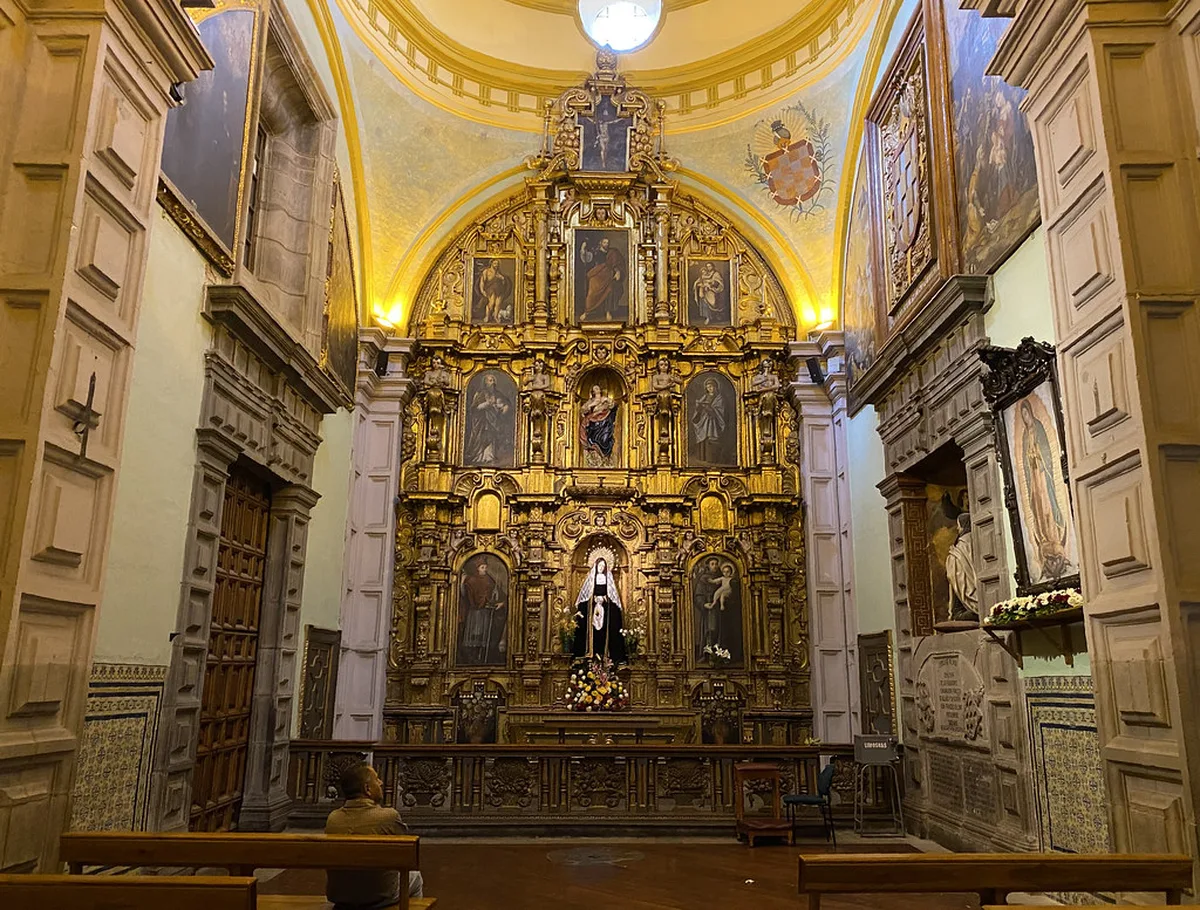
This is Seville's most famous and most selective club. The dress code is enforced strictly: no trainers, no shorts, no sportswear. Men should wear shoes and trousers; women can be more flexible but the crowd skews dressed-up. Entry runs €20–30 and typically includes one drink. The real action starts at 03:00; arriving before 02:30 means standing in a space that feels underpopulated.
Getting there requires a taxi (€8–12 from the historic center) since it is too far to walk from most accommodation. Getting home from Antique at 06:00 means either a taxi or waiting for the first TUSSAM bus of the day. Check Antique's official Instagram before going for any event-specific dress restrictions or guest-list promotions that reduce the entry price.
Rooftop Bars: Cocktails with Giralda Views
Seville has enough rooftop bars to fill an entire evening if you hop between them, but the standout is La Terraza de EME at Hotel EME Catedral on Calle Alemanes. The terrace sits directly opposite the Giralda bell tower with a sightline that no other bar in the city can replicate. It operates daily from noon to 01:00, which makes it the best pre-club destination in the center. Cocktails start at €15.
Pura Vida Terraza on Paseo de Cristóbal Colón offers a looser, more relaxed atmosphere with river views rather than cathedral views. It draws a slightly younger crowd and charges less — cocktails around €11. Hotel Doña María and Fontecruz Sevilla Seises both have terraces worth knowing about if EME is too crowded, which it frequently is on summer weekend nights.
One practical note for summer visitors: rooftop bars in July and August fill up fast after sunset around 21:30. If you want a table, arrive by 21:00 or book ahead. The views are most dramatic in the golden hour before full darkness, and staying through to 23:00 gives you the illuminated city skyline before you move on to the next stop.
Sala X: The Go-To for Live Music and Indie Vibes
Sala X is the city's main venue for live bands and alternative electronic acts — the kind of place where you might see a Spanish indie band followed by an international DJ set on the same night. The industrial interior has good acoustics and a sound system that smaller venues in Alameda cannot match. It draws a committed music crowd rather than people who just want to dance to whatever is playing.
Most nights at Sala X require a ticket, priced €12–25 depending on the act. The schedule is published on its social media pages and changes weekly. If you are visiting for a long weekend, check the programme before you arrive so you can plan around a specific show. Mid-week nights tend to feature more experimental local acts; weekends lean toward crowd-pleasers with international bookings.
Sala X fills a gap that most of Seville's nightlife doesn't address. Antique is for clubbers who want production value and mainstream EDM. Alameda is for bar-hoppers who want atmosphere. Sala X is for people who came to hear something. If you care about music more than scene, this is the most rewarding option in the city.
Erasmus Nights: Budget-Friendly Student Hotspots
Seville hosts a large Erasmus student population, and the bars they frequent are not exclusively for students — they are just cheap. The Alfalfa area, roughly between Plaza del Salvador and the Alameda, concentrates most of this economy. Bar Antojo, Bar Alfalfa, and the bars around Plaza del Salvador are standard starting points, with beers often under €2 and a casual come-as-you-are policy.
Plaza del Salvador itself deserves mention as a meeting point. On any night from Thursday to Saturday, the square fills with people standing outside with drinks bought from the surrounding bars. No cover, no queue, no dress code. It functions as a free outdoor bar that the city tolerates as long as people keep moving and the noise stays manageable. It is the most social and most free thing you can do in Seville after dark.
The budget strategy for any traveler — not just students — is to front-load the evening with cheap drinks in Alfalfa and Alameda, then spend the later hours at La Carbonería (free entry) or Calle Betis (low-priced drinks, no cover), and only go to Antique or a paid rooftop bar if the evening calls for it. Done this way, a full night in Seville can cost €25–35 including food and transport.
River Cruises: Seville's Illuminated Skyline from the Water
An evening cruise on the Guadalquivir is a different kind of night out — unhurried, panoramic, and good for groups that don't all want to go clubbing. Most boats depart from near Torre del Oro and run one-hour circuits that pass under both bridges, past the Triana waterfront, and back. The city looks its best illuminated at night, and the scale of the Giralda from the water is something you can't replicate from land.
Standard cruises cost approximately €18 per person. Most operators offer a bar onboard with wine and beer. Departure times typically run from 20:00 until 22:00, which means this works as a structured early-evening activity before you transition to the bar scene. Book in advance during spring and summer: boats sell out on weekends. The experience is roughly 45 minutes of active views and 15 minutes of boarding and disembarking.
The honest comparison with Calle Betis: a riverside bar on Calle Betis offers the same views for the price of a drink and stays lively until 04:00. The cruise is better for the first 60 minutes of the evening and as a contained experience for people who won't be staying out late. Both are worthwhile; they serve different purposes and different schedules.
Seville Nightlife Tips: Timing, Season, and Logistics
The single most important piece of information for any visitor: bars get busy at 22:00–23:00, cocktail bars peak at midnight, and clubs do not fill until 02:30–03:00. Arriving at a club at midnight is the same as arriving at a restaurant 90 minutes before it opens. The room will be empty and the staff will look at you with polite confusion.
Seville runs on a distinctly late-night schedule: tapas start at 21:00, bars fill by 23:00, and nightclubs don't peak until 02:30–03:00. In summer, this shifts even later, with outdoor terraces not reaching full capacity until 01:00 and clubs staying open until 05:00 or beyond. Plan your evening accordingly, and budget extra afternoon sleep if you're in town during June–September.
This timing shifts by season in a way that most guides do not mention. In winter (October through March), the evenings are mild and the schedule compresses slightly — tapas at 21:00, bars at 23:00, clubs at 02:00. In summer (June through September), the heat means that outdoor terraces on Calle Betis and Alameda don't fully pack until 01:00, and Antique-style clubs can still be running at 05:00 or later. August in particular runs on an extreme late schedule: if you go to a club at 01:00 in August, you are still early. Budget extra sleep in the afternoon.
For getting home: the TUSSAM night bus network (the "A" lines) runs from Prado de San Sebastián and Plaza de Armas to most neighborhoods. A single ride costs around €1.50. The FreeNow app works reliably for taxis; Uber also operates in Seville. A cross-city ride at 04:00 on a weekend runs €10–14. Seville is generally safe, but the standard precautions apply: keep phones in front pockets, stay on lit streets when walking alone at 04:00, and be aware that the area around Antique on Isla de la Cartuja is isolated enough that taxis are the better option over walking.
While Seville is generally safe, late-night precautions are essential: keep your phone and valuables in front pockets, stick to lit streets when walking alone after midnight, and avoid the isolated area around Antique on Isla de la Cartuja on foot—use a taxi instead. The area between Alameda and Alfalfa can feel crowded but is generally well-monitored; use common sense and stay aware of your surroundings, especially in the early morning hours.
Dress codes: casual for Alameda, tapas bars, La Carbonería, and Sala X. Smart-casual for rooftop bars. Formal (closed-toe shoes, no sportswear) for Antique Theatro and similar upscale clubs. Carrying ID is standard across all venues, regardless of obvious age.
Frequently Asked Questions
What time does nightlife start in Seville?
Tapas bars get busy around 9:00 PM, while cocktail bars peak at midnight. Nightclubs in Seville rarely fill up before 2:30 AM and often stay open until 7:00 AM. It is best to follow the local rhythm and start late.
Do Seville nightclubs have a dress code?
Most casual bars have no dress code, but major clubs like Antique Theatro require a polished look. Men should wear closed-toe shoes and avoid sportswear or shorts to ensure entry. Upscale rooftop bars also prefer smart-casual attire.
Is Seville nightlife expensive?
Seville is quite affordable compared to Madrid or Barcelona. You can find beers for $2 and tapas for $4 in local spots. High-end clubs and rooftop bars charge more, with cocktails ranging from $12 to $18.
Seville nightlife is a beautiful reflection of the city's soul, blending deep-rooted traditions with a modern love for celebration. From the haunting notes of a flamenco guitar to the pounding bass of a riverside club, there is a rhythm here for everyone. The key to a successful night is to embrace the slow pace and the late hours that make this city so special.
Whether you are planning a 3-day itinerary or a longer stay, make sure to dedicate at least one night to exploring the streets after dark. You will find that the memories made over a shared plate of tapas or a sunrise walk are often the highlight of any trip. Pack your dancing shoes and prepare for a city that truly knows how to live life to the fullest.
Continue exploring
More guides you'll find useful