10 Best Things to Do in Triana, Seville (2026)
Explore Triana, Seville with our 2026 local guide. Discover the best things to do, from authentic flamenco and ceramics to riverside tapas bars and history.
On this page
10 Best Things to Do in Triana, Seville
After my fourth visit to this riverside barrio, I am convinced that Triana is the true heart of Seville. While the city center holds the famous cathedral, Triana offers a gritty and authentic look at local life. You can reach this district by simply crossing the iconic bridge from the main tourist areas.
This guide is refreshed for 2026 to ensure you find the best spots. The neighborhood is famous for its history of sailors, potters, and legendary flamenco dancers. If you want to explore more of Spain, this neighborhood is a perfect starting point.
Triana residents often consider themselves separate from the rest of the city. This sense of pride is visible in the local markets and the vibrant street life found here. You will notice a different energy as soon as you step off the Isabel II Bridge.
Visitors often miss the smaller details that make this area so special. From hidden chapels to traditional ceramic workshops, there is much to discover beyond the main streets. This guide covers everything you need to plan a perfect afternoon or evening in the district.
A Brief History of the Triana District
Triana's story stretches back to Roman times, when the site served as a strategic settlement along the Guadalquivir River. Under Moorish rule the neighborhood flourished as a hub of craftsmanship and trade, and those centuries of skilled work laid the foundation for everything Triana would become.
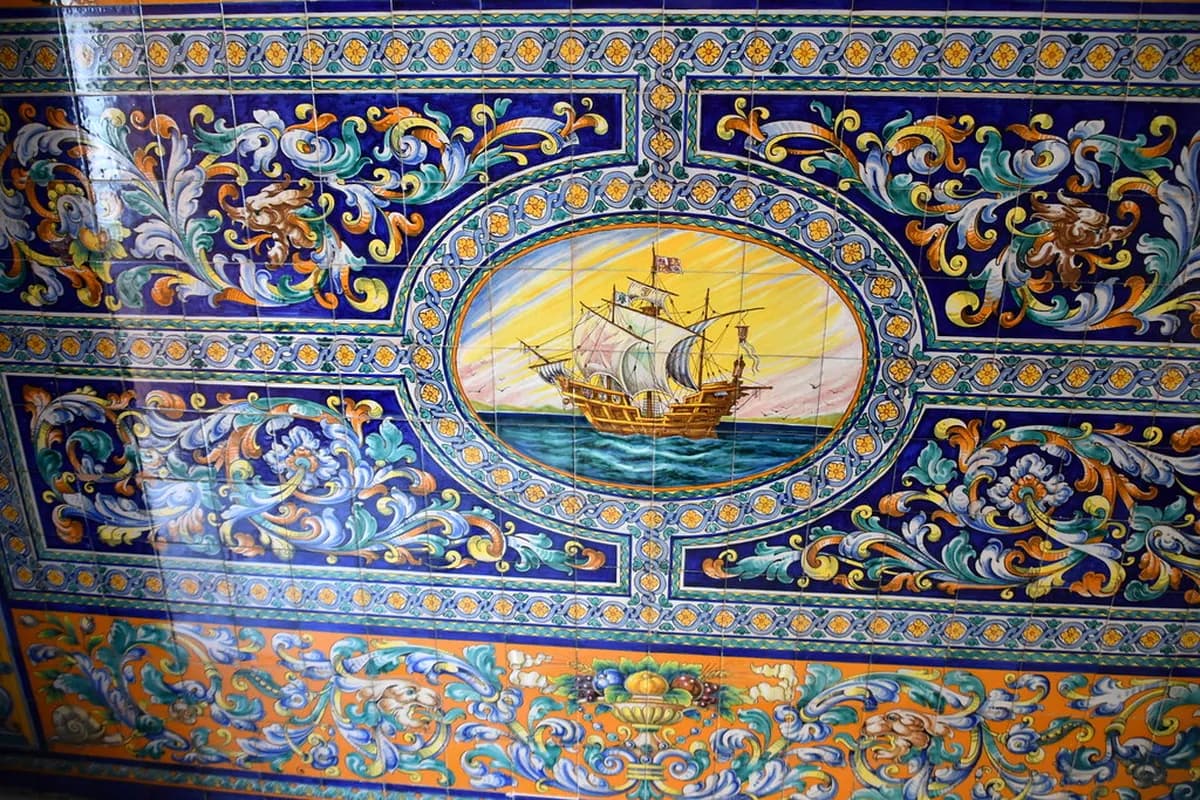
By the 15th century the district had become synonymous with its tile-making industry. The clay-rich soil along the riverbank was ideal for producing azulejos, the hand-painted ceramic tiles that now define Andalusian architecture across all of southern Spain. Entire families on streets like Calle Alfarería dedicated their lives to the craft, and tiles made in Triana still coat the walls of the Alcázar and dozens of churches in the city center.
Triana also served as a launching pad for the Age of Exploration. Its shipyards built the vessels that carried explorers across the Atlantic, and sailors' families settled here, blending Moorish, Christian, and Romani influences into a culture found nowhere else in Spain. Then, for two dark centuries, the Castillo de San Jorge on the riverbank served as the headquarters of the Spanish Inquisition — a history the modern neighborhood has not forgotten.
By the 19th century Triana had become the cradle of flamenco. Romani families who settled in the barrio developed the early forms of the art, and names like Juan Breva and La Trianera became legendary across Andalusia. That heritage is the reason Trianeros still carry themselves with a particular pride today.
Triana's clay-rich riverbank soil made it ideal for producing hand-painted ceramic tiles (azulejos) starting in the 15th century. These tiles still coat the walls of the Alcázar and dozens of churches across Seville, making Triana's ceramic legacy visible throughout the city.
The iconic Isabel II Bridge, built in the 1850s, is Spain's oldest iron bridge. It has been the symbolic gateway to Triana for nearly 200 years and remains the primary crossing point from the city center to the neighborhood.
10 Best Things to Do in Triana, Seville
This historic district is packed with landmarks that tell the story of Seville's maritime and artistic past. You can spend a full day wandering through its narrow alleys and scenic riverside paths. There are plenty of 24 Best Things to Do in Seville, but Triana is unique.
The following list includes the top sights that every first-time visitor should prioritize. We have included practical details like pricing and hours to help you plan your route effectively. Each stop offers a different perspective on the history and culture of the neighborhood.
We recommend starting at the bridge and working your way deeper into the neighborhood. This allows you to see the most famous landmarks before finding the quieter local spots. Most sights are within a ten-minute walk of each other, so there is no need to rush.
- Crossing the Iconic Isabel II Bridge
- Built in the 1850s, this is the oldest iron bridge in Spain and the symbolic gateway to Triana.
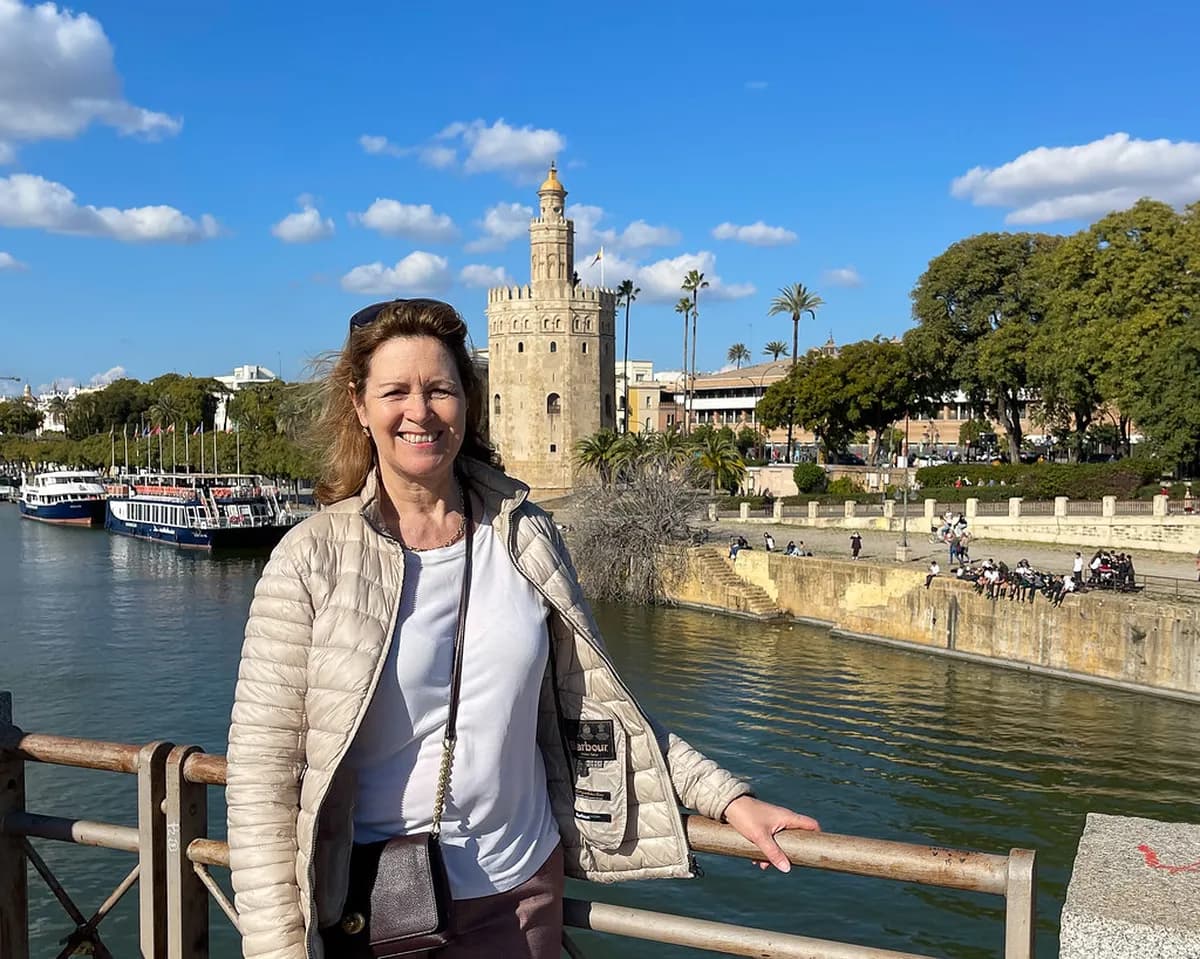
- Walking across is free and offers panoramic views of the Torre del Oro across the water.
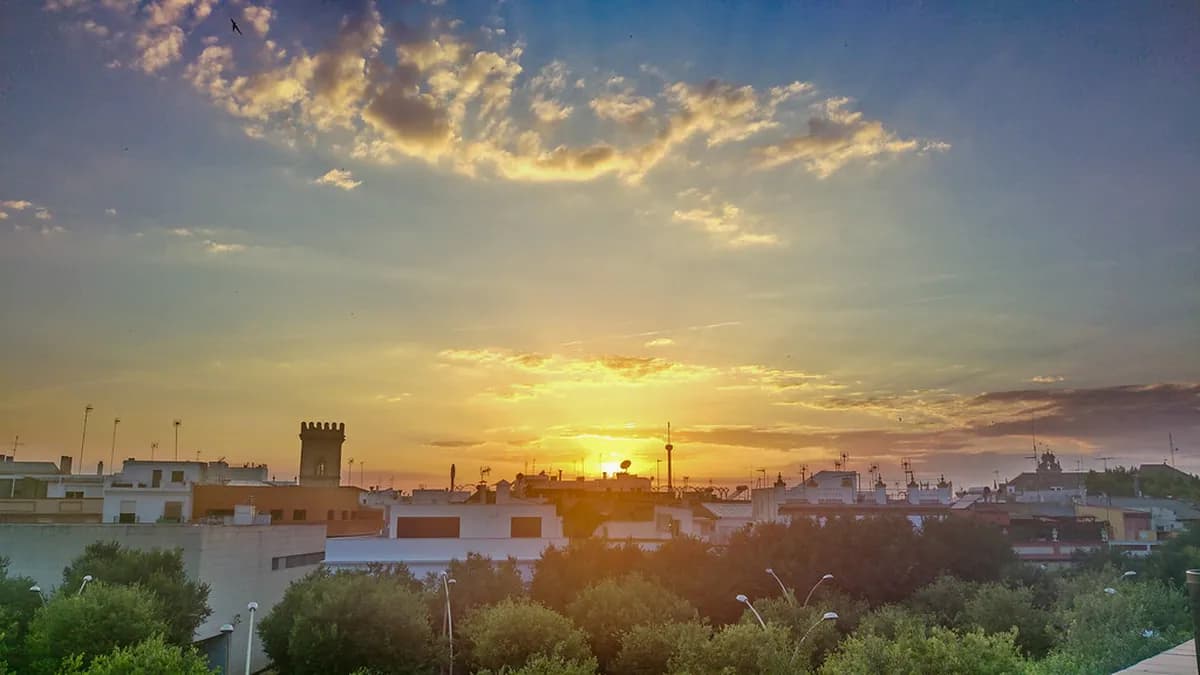
- Try arriving at sunset when the golden light hits the river and the Seville skyline glows behind you.
- Exploring the Vibrant Mercado de Triana
- This traditional market is built directly over the ruins of the Castillo de San Jorge.
- Stalls remain open daily from early morning until around 15:00.
- Try the local oysters, fried fish from the corner stall, or pick up jamón ibérico de bellota to take home.
- Learning History at Centro Cerámica de Triana
- This museum, housed in a restored pottery factory, covers the full history of Triana's tile-making industry.
- General admission is around €2 for adults; open Tuesday to Saturday 11:00–14:00 and 17:00–20:00.
- The exhibition includes original kilns and explains the difference between hand-painted azulejos and modern reproductions.
- Walking the Scenic Calle Betis
- This riverside street runs along the Triana bank with colorful facades and views of the Seville skyline.
- It is free to explore and is the most popular spot for evening drinks and people-watching.
- Arrive just before sunset to watch the reflections on the Guadalquivir River at their most striking.
- Visiting the Real Parroquia de Santa Ana
- Known as the "Cathedral of Triana," this Gothic-Mudejar church dates to 1266 and is one of the oldest in Seville.
- Entry is around €4; the interior holds stunning altarpieces, stained-glass windows, and Baroque chapels.
- Visits are possible during morning and late-evening hours when the church is open to the public.
- Stepping Inside the Capilla de los Marineros
- This small chapel on Calle Pureza is the spiritual home of the Esperanza de Triana, one of Seville's most revered Holy Week statues.
- Entry is free; the chapel is open daily during standard visiting hours.
- The richly decorated interior is peaceful and gives genuine insight into the neighborhood's devotional life.
- Discovering Ruins at Castillo de San Jorge
- This site served as the headquarters of the Spanish Inquisition for two centuries.
- Admission is free; the archaeological remains sit directly beneath the Triana food market.
- Light sensors illuminate the ruins as you walk through, making the underground museum surprisingly vivid.
- Experiencing Authentic Flamenco in its Birthplace
- Triana is widely regarded as one of the birthplaces of flamenco, and the options range from tourist tablaos to local peñas.
- Venue tickets range from €15 to €25 per person; most shows begin after 21:00 on weekends.
- Antigua Casa Anselma on Calle Pagés del Corro is a famous local spot with no set show — just spontaneous performance when the mood takes hold.
- Shopping for Tiles on Calle Alfarería
- This narrow street lets you watch ceramic workshops in action and buy directly from artisans.
- Small hand-painted tiles start at around €10; larger decorative panels range from €40 to €150.
- Check the back of any tile for a stamped maker's mark — genuine Triana pieces always carry one.
- Strolling Along the Quiet Paseo de la O
- This peaceful riverfront walkway offers a quieter alternative to Calle Betis just around the bend.
- The path is open 24 hours and gives spectacular views of the Giralda tower from the Triana side.
- There is no cost to stroll here, and early mornings are nearly empty — ideal for photographs.
Flamenco in Triana: Peñas vs. Tablaos
Triana's Romani community developed the foundational rhythms of flamenco here, and the neighborhood still draws serious aficionados who want something more than a polished tourist production. Understanding the difference between the two main types of venue will save you money and give you a more honest experience.
A tablao is a commercial flamenco theatre with a fixed show, professional lighting, and ticket prices that often reach €35 to €50 including a drink. Teatro Flamenco Triana on Calle Pureza is the most prominent option in the district and offers a high-quality production aimed at visitors. The quality is genuinely good, but the atmosphere is close to a concert setting.
A peña is a private members' club where locals gather to perform and watch flamenco as a social act rather than a performance. Peñas are harder to find because they are not advertised to tourists. Some, like Peña Cultural Flamenca Triana on Calle Betis, open their doors to visitors on certain evenings — ask at the bar or check local event boards on the day. Entry is typically €5 to €10 and includes a drink.
For an experience that falls between the two extremes, try Antigua Casa Anselma. This bar has no stage, no tickets, and no schedule. Music and dancing erupt organically when the right people are in the room. Arrive after 23:00 on a Thursday or Friday and stay patient. Nothing here is guaranteed, which is exactly the point.
How to Spot Authentic Triana Ceramics
Triana has sold ceramics for six centuries, and tourists have been sold fakes for nearly as long. The stalls clustered near the bridge entrance sell brightly painted pieces that look the part but come from factory production lines in China or elsewhere in Spain. Walking five minutes further into the barrio changes everything.
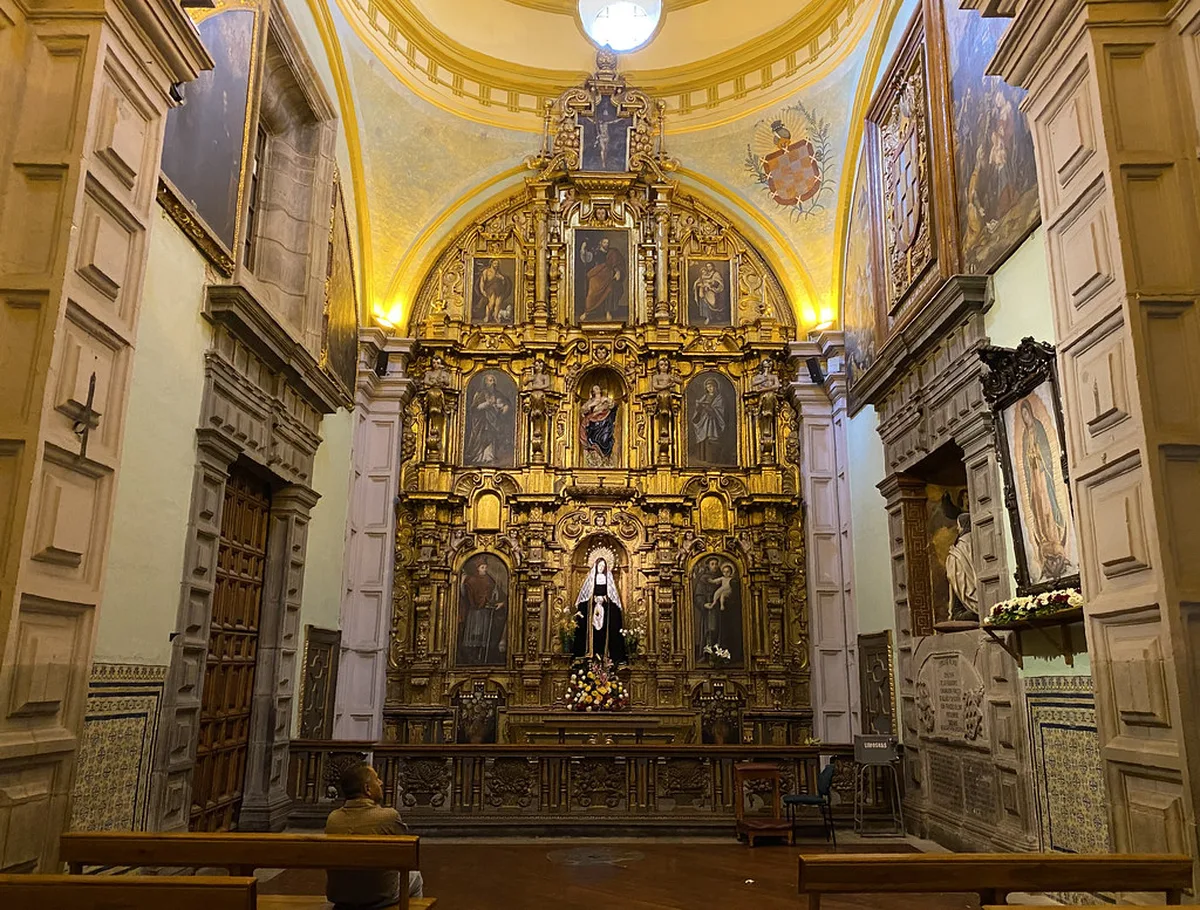
Authentic Triana tiles are hand-painted, which means the brushstrokes are visible under the glaze and no two pieces are perfectly identical. Hold the tile at an angle to the light and look for the slight irregularity in the surface — factory tiles are completely flat and uniform. Genuine pieces also tend to feel heavier for their size because local potters use a denser earthenware clay.
On Calle Alfarería and the surrounding streets you will find workshops like Santa Ana and Cerámica Sevillana that have been operating for generations. These studios allow visitors to watch production and will often stamp or sign the back of your purchase. That maker's mark is your proof of provenance. Budget between €10 and €25 for a small decorative tile and €40 upward for a hand-painted panel. Pieces from named studios also hold their value better if you ever want to sell.
If you want historical context before you shop, visit the Centro Cerámica de Triana first. The museum explains the difference between the traditional cuenca and cuerda seca techniques and shows original pieces from the 16th century. Seeing the historical benchmark makes it much easier to recognize quality when you are standing in a workshop.
Triana's Role in Seville's Holy Week
Semana Santa — Holy Week — is the single most important event in Seville's calendar, and Triana holds a central place in it that no visitor's guide adequately explains. The neighborhood is home to two of the city's most emotionally charged brotherhoods: La Esperanza de Triana (based at the Capilla de los Marineros) and El Cachorro (based at the Basílica del Cachorro on Calle Castilla).
The rivalry between La Esperanza de Triana and the Macarena brotherhood on the other side of the city is a genuine piece of local identity. Ask any Trianero which Esperanza is the most beautiful and be prepared for a passionate response. The debate has run for generations and shows no sign of resolution in 2026. Attending either procession — La Esperanza de Triana passes on Madrugá (the early hours of Good Friday) — is one of the most intense experiences Seville offers.
Even outside Holy Week, both chapels are worth visiting. The Cristo del Cachorro, housed at the Basílica del Cachorro, is considered one of the finest Baroque sculptures in Andalusia. The figure's expression of agony is so naturalistic that local legend claims the sculptor, Francisco Antonio Gijón, used the face of a dying Romani man as his model. The basilica is free to enter and is open most mornings.
If you are visiting during Semana Santa, stake out a position on the Isabel II Bridge before the Triana brotherhoods process across it. The moment the paso carrying the Virgin crosses the bridge — surrounded by candlelight and the sound of saetas (spontaneous devotional songs) — is the kind of scene that takes years to forget.
Eating Like a Local: A Triana Tapas Guide
Eating is a serious business in this neighborhood and the options are nearly endless. You should prioritize the 9 Essential Tips and Spots for the Best Tapas in Seville by visiting the local favorites here. Many of the top bars have been family-run for several generations.
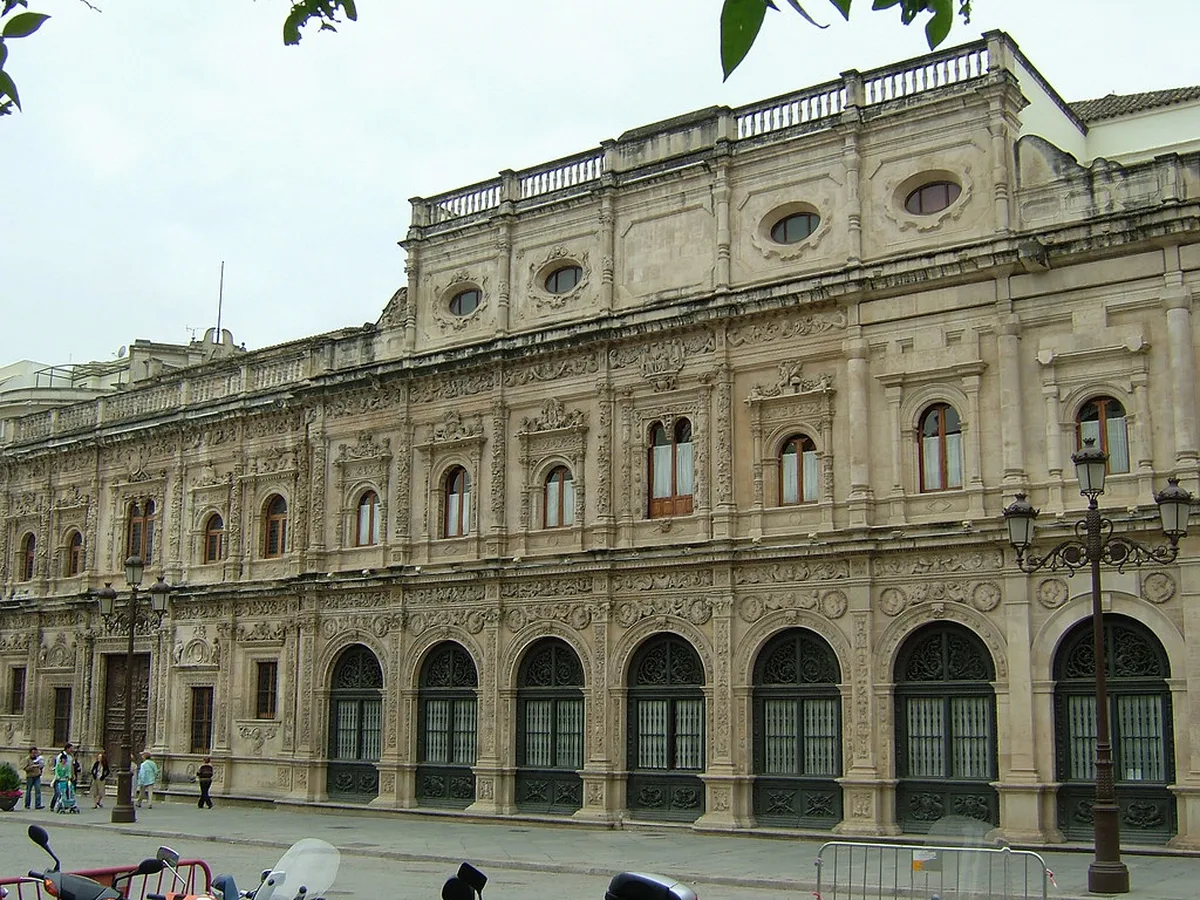
Start your evening at the Mercado de Triana around 19:00 for a few small bites and local wine before the dinner rush. This is a great way to sample different flavors before heading to a sit-down restaurant. Try the solomillo al whisky, a local pork specialty that appears on almost every traditional menu in the area.
For a more traditional experience, head to Calle San Jacinto or Calle Pagés del Corro. These streets are lined with old-school taverns where locals gather after work. Las Golondrinas on Calle Antillano Campos is reliably excellent — order the pinchos de solomillo and the house wine and you will not be disappointed. Avoid the restaurants on Calle Betis with large photo menus out front; the views are beautiful but the food rarely justifies the prices.
The practical rule for a tapas crawl is to arrive early or late. The 14:00–15:30 window is peak rush at popular spots, and tables are almost impossible without a wait. Arriving at 13:00 or after 20:30 gives you a much calmer experience. Most bars here are casual and do not take reservations — if a place looks crowded and loud, it is usually a sign of excellent food.
How Long to Spend in Triana
Planning a visit to Triana is easy because it is so close to the main city sights. If you are following a 10 Essential Tips for a 3-Day Seville Itinerary long, one afternoon is sufficient to cover the bridge, market, ceramics museum, and a tapas crawl. Budget three to four hours for a comfortable first visit.
If you love flamenco or ceramics, consider returning for a second evening. The neighborhood has a very different feel after 21:00 — the tapas bars are in full swing, the river walk fills up, and there is a genuine chance of stumbling into live music at a bar on Calle Betis. You can find more detailed navigation on the Official Tourist Map of Triana for your walk.
Travelers planning a longer stay will enjoy the neighborhood during quiet morning hours. The market opens early and the cobblestone streets are nearly empty before 10:00. That is the best time to photograph the colorful facades without crowds and to have an unhurried conversation with ceramics artisans before the tour groups arrive.
Pair this with our broader Seville tourism attractions guide for the full city overview.
Frequently Asked Questions
Can you walk from Seville center to Triana?
Triana is roughly a fifteen-minute walk from the Seville Cathedral and city center. You simply cross the Isabel II Bridge to reach the heart of the district. It is a very easy stroll for most travelers visiting the main sights.
Where is the best place to see flamenco in Triana?
For an authentic experience, visit a local peña or a dedicated venue like a flamenco show in Seville. Casa Anselma is a famous local spot that offers a very traditional social atmosphere. These venues usually host performances late in the evening.
Triana remains one of the most charismatic neighborhoods in all of southern Spain. By crossing the river, you step into a world of deep traditions and vibrant local life. It is an essential part of any visit to Seville that you should not skip.
Whether you are hunting for ceramics or watching a passionate flamenco show, Triana will leave an impression. Take your time to wander the back streets and eat where the locals eat. You will surely find that the 'Republic of Triana' is a highlight of your travels.
Continue exploring
More guides you'll find useful