12 Best Restaurants in Seville: The Ultimate Foodie Guide (2026)
Discover the best restaurants in Seville, from historic tapas bars to Michelin-starred dining. Includes local tips on what to order and dining etiquette.

On this page
12 Best Restaurants in Seville (2026)
Seville has over 3,000 bars, ranging from dusty 17th-century taverns to sharp modern dining rooms run by chefs who trained under Michelin-starred mentors. Eating well here is not a matter of luck — it is a matter of knowing which neighborhood to walk into and what time to show up. This guide covers the full spectrum: historic tapas institutions, two Michelin-starred restaurants, contemporary fusion tables, vegetarian-friendly spots, and a solid breakfast scene.
The city's food culture is built around tapas bars in Seville where meals are social, unhurried, and ordered in rounds. You will rarely find a local eating a solo entrée. Instead, two or four people share six to eight small plates, argue over the best croqueta in town, and follow the meal with a glass of cold Fino from Jerez. Build your Seville itinerary around this rhythm and you will eat far better than if you simply walk into the nearest open door.
One practical note for 2026: Seville's top modern spots — La Brunilda, Cañabota, Abantal — are booking out 2–3 weeks ahead on weekends. Use TheFork or the restaurant's own website to reserve. For everything else, arrive at opening time and claim your spot at the bar.
Seville's Culinary Landscape and Moorish Influence
The flavors of Seville map its history more precisely than any guidebook. Eight centuries of Moorish rule introduced almonds, cumin, saffron, and bitter oranges to Andalusia, and all four remain kitchen staples today. You taste this legacy in Espinacas con Garbanzos — a spiced spinach-and-chickpea stew that dates back to Al-Andalus kitchens — and in the fried-bread base of many local sauces. Culinary historians note that the Arab concept of "agridulce" (sweet-sour balance) also survives in dishes that pair dried fruit with cured pork.
Geography amplifies history. The pastures of Huelva produce the world's finest Jamón Ibérico de Bellota, air-cured for 36–48 months until the fat is liquid at room temperature. The Guadalquivir delta and nearby Atlantic coast send fresh prawns from Sanlúcar, bluefin tuna from Barbate, and cuttlefish from Cádiz to Seville's fish market every morning. Olive oil from Jaén — often called "liquid gold" — is so central that local cooks use it where French kitchens would reach for butter.
Tapas here are a social institution, not just a meal format. Locals hop between three or four bars — a practice called "tapear" — sharing plates at tall tables near the entrance rather than sitting for a single long meal. This culture of variety and movement is what gives Seville its kinetic dining energy. Even a midweek Tuesday at 21:30 feels like a party in the right bars.
What to Eat in Seville: Must-Try Traditional Dishes
Start with Salmorejo, a thick cold tomato soup blended with bread, garlic, and olive oil, then topped with hard-boiled egg and shreds of Jamón Ibérico. Unlike gazpacho it is dense and creamy — closer to a dip than a soup. Most traditional bars serve a tapa portion for under €4. In summer, when temperatures exceed 40°C, it is genuinely the most refreshing thing on any menu.
Espinacas con Garbanzos is the other unmissable dish. The warm stew of spinach and chickpeas is seasoned with cumin, garlic, and fried bread, and it arrives with a deep earthy warmth that reads as comfort food in any language. It is naturally vegetarian, costs €3–5 as a tapa, and you will find a version of it in nearly every traditional bar across the city. Carrillada de Cerdo (braised pork cheeks slow-cooked in Pedro Ximénez sherry) is the meat lover's equivalent: fork-tender, sticky, and deeply savory.
Beyond tapas, Presa Ibérica — a shoulder cut of acorn-fed pork — is the dish that separates serious Seville restaurants from the rest. Grilled medium-rare, it has the marbling of a prime steak and the nuttiness of cured ham in the same bite. Seafood standouts include Chocos (cuttlefish grilled with sea salt), Gambas al Ajillo (sizzling garlic prawns), and Arroz con Mariscos (shellfish rice — note that paella itself is not a Seville tradition). For dessert, Torrijas are a cinnamon-scented bread pudding soaked in honey, while Tocino de Cielo is an intense egg-yolk flan from the convents of Jerez.
Historic Gems and Oldest Tapas Bars
El Rinconcillo has been pouring wine since 1670, making it the oldest continuously operating bar in Spain. The interior is unchanged in its essentials: hanging hams, dark mahogany counters, tiled walls, and waiters who chalk your running bill directly onto the wood. Order the Espinacas con Garbanzos and a glass of Manzanilla. Stand at the bar. This is the single most authentic thirty minutes you will spend eating in Seville. Budget €15–25 per person; open daily 13:00–01:30.
Casa Morales, operating since 1850, is a bodega-style tapas bar on Calle García de Vinuesa, a short walk from the Cathedral. Large wine barrels line the walls and the menu sticks to Andalusian classics: chorizo al vino (artisan sausage simmered in red wine and served with crusty bread), aged Manchego, and tortilla española. Prices run €10–20 per person. It has none of the queues that plague newer spots and all of the character that tourists pay premium prices to find.
Both bars sit within the Santa Cruz neighborhood, which means you can combine them into a single 90-minute early-evening circuit before the city fully wakes up for dinner. Arrive at El Rinconcillo at 19:30, walk to Casa Morales at 20:30, then move on to wherever you have a reservation at 21:00.
Michelin-Starred and Fine Dining Excellence
Abantal is Seville's flagship Michelin-starred restaurant. Chef Julio Fernández Quintero runs tasting menus (€100–140 per person) that reinterpret Andalusian ingredients — Iberian pork secreto, roasted artichoke, locally grown tomato — through precise modern technique. The dining room is minimalist and the service is warm rather than formal. Standout dishes include a delicate Salmorejo served at the table as a refined palate-cleanser and a sea bass cooked with orange and fennel that is essentially a love letter to the regional pantry. Book via Michelin's own site or TheFork at least three weeks ahead. Located near Santa Justa station; open Tue–Sat for lunch and dinner.
Cañabota received its Michelin star for its rigorous sourcing and charcoal-grill precision. The open kitchen allows you to watch chefs work whole turbot, red prawns, and sea urchin over fire. The menu changes daily with the catch from the morning fish market, so there is no fixed list to consult in advance — just ask the server what arrived that morning. Budget €90–120 per person. Located on Calle Orfila near the shopping district; the casual sister concept La Barra de Cañabota next door is worth a stop if the main room is full.
Az-Zait, near the Alameda de Hércules, offers a fine dining experience with more theatrical plating than Abantal or Cañabota. Chef Antonio Bort's tasting menus (€55–80) move through ajo blanco (cold almond soup), prawn carpaccio with nut cream, and Iberian pork presa with migas. The à la carte menu works well for those who want three or four dishes without committing to a full tasting. Open Tue–Sat.
Contemporary Andalusian Tables and Modern Fusion
La Brunilda Tapas is the hardest table to get in the city without planning ahead. Hidden on a side street in El Arenal, it has elevated the humble tapa into something between bar food and restaurant cooking: cod fritters with pear alioli, tuna tartare, slow-cooked egg with ibérico. The dining room is small (a refurbished warehouse space) and fills within minutes of the 13:00 and 20:30 openings. Budget €25–40. Closed Sundays and Mondays.
Top restaurants like La Brunilda, Cañabota, and Abantal book 2–3 weeks ahead on weekends. Reserve via TheFork or directly on the restaurant's website before your trip. Traditional tapas bars don't require advance booking — arrive at opening time (13:00 for lunch, 21:00+ for dinner) to claim a spot at the bar.
La Casa del Tigre, near Las Setas, is the city's most inventive kitchen at casual prices. The pringa taco — a reinvention of Seville's classic slow-cooked meat stew served inside a Mexican tortilla — and the corvina hot dog are both dishes that sound gimmicky and taste entirely justified. The chequered floor and 18th-century hunting paintings create a deliberately eclectic space. Come hungry and order widely; most plates run €6–12. Ovejas Negras, near the Cathedral, works a similar creative vein and opens daily at 13:00 — one of the few good modern spots that does not require a reservation for small groups arriving at opening time.
El Pinton, tucked in a courtyard near the Giralda, and La Azotea in San Lorenzo both offer what locals call "bistronomic" cooking: modern technique, seasonal ingredients, prices that land between tapas-bar and fine-dining. La Azotea's Carrillada Ibérica al Vino Tinto (pork cheeks braised in red wine with a goat cheese gratin) has become a benchmark dish in its own right. Both are good choices if you want a sit-down dinner with more structure than a tapas crawl but without the tasting-menu commitment of Abantal.
Neighborhood Favorites: Triana, Macarena, and Beyond
The best eating in Seville is not concentrated in one area — it tracks the neighborhoods. Santa Cruz and Alfalfa (Casco Antiguo) hold the historic institutions and the highest density of tourist-facing bars. Quality varies sharply one block to the next: avoid anywhere displaying laminated photo menus or with a tout at the door. The places worth your time — El Rinconcillo, Casa Morales, El Pinton — are already known and do not need to solicit passersby.
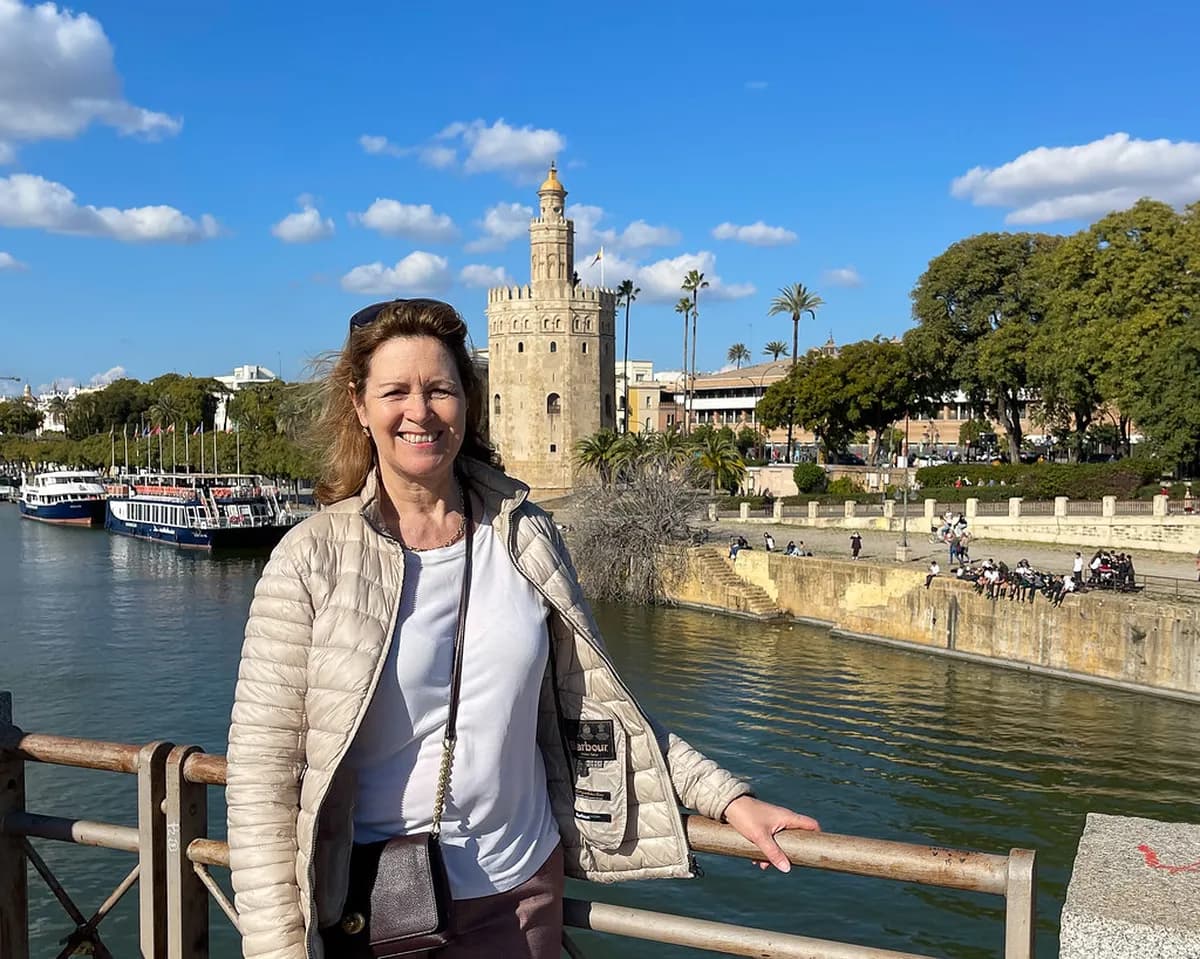
Triana, across the Guadalquivir River, is where Seville's working-class food culture is most intact. Rio Grande Sevilla anchors the waterfront with classic Mediterranean dishes and a terrace offering the best view of the Torre del Oro at sunset; budget €45–70 for the full experience. Further into the neighborhood, smaller bars like Los Coloniales serve generous half-portions at prices that have not caught up with the tourist center. The Triana neighborhood rewards anyone willing to cross the bridge.
Regina and the Setas area (Encarnación) have become the locus of Seville's modern dining scene. Restaurante Manzil (near Plaza de la Encarnación) bridges Moorish culinary heritage and contemporary technique: lamb tagine, spiced aubergine with yogurt and pomegranate, couscous with roasted vegetables — dishes that read as North African and feel entirely at home in Seville. Lalola de Javi Abascal in San Lorenzo is the destination for nose-to-tail Iberian pork; the presa ibérica and the solomillo al whisky tartare are both standouts. Open Tue–Sat; reservations essential.
Best Breakfast and Brunch Spots
Seville's standard breakfast is minimal by design: a tostada con tomate y aceite (sourdough toast rubbed with ripe tomato, drizzled with olive oil, and topped with Jamón Ibérico if you ask) and a café con leche. This costs €3–5 at any neighborhood bar and is eaten standing at the counter between 08:00 and 10:00. If you want it done well, walk into any bar in the Macarena or Triana that is full of people in work clothes. They will not be there by accident.
Filo, near the city center, is the go-to option if you want a sit-down brunch with international influence. New York-style bagels with smoked salmon, avocado toast, and excellent specialty coffee share the menu with local pastries. The terrace is good for a slow morning before a full day of sightseeing in Seville. It fills quickly on weekends — arrive by 10:00 to get a table without a wait.
For a more traditional sweet breakfast, seek out a churrería serving churros con chocolate. The chocolate in Seville is thicker and darker than the version served in Madrid. Locals dunk rather than pour, and the ritual is taken seriously. A standard portion costs €3–4 and is genuinely filling enough to delay lunch past 14:00.
Seville's Dining Rhythm and Tipping Etiquette
The single most common first-timer mistake in Seville is arriving at a restaurant at 19:00 and wondering why it is empty or closed. Lunch runs 14:00–16:00 and is the main meal of the day — multi-course, unhurried, often a set-price "menú del día" (€12–16 for three courses with wine). Dinner does not start before 21:00 for locals; 21:30 is the peak hour. Arriving at 20:00 will get you a table anywhere in the city; arriving at 21:30 on a Friday means you need a reservation or a flexible plan.
The Pan y Picos charge is standard across the city and catches many visitors off guard. When bread and crunchy picos (breadsticks) arrive unbidden at your table, they cost €0.50–2.00 per person as a cover charge. You will pay it even if you leave them untouched. It is not a scam — it is a service convention. The best approach is to eat the picos with your olives and accept the €1.50 per person as a fixed cost of dining. Many restaurants also add a small terrace supplement (€0.50–1.00) for outside seating.
Bread and breadsticks (Pan y Picos) arrive automatically at your table and incur a cover charge of €0.50–2.00 per person, even if you don't eat them. This is not optional—it's standard practice across the city. Most sit-down restaurants also add €0.50–1.00 for terrace seating.
Tipping is not built into the culture as it is in the United States. For tapas at a bar, leaving the small change or rounding up to the nearest euro is generous. In sit-down restaurants a 5–8% tip is well-received and clearly appreciated; it is never expected. Waiters in Spain earn a full salary with social security — the tip is a sincere gesture, not a wage supplement. Say "quédese con el cambio" (keep the change) when paying in cash.
Dining During Feria de Abril and Seasonal Planning
Every April or early May, Seville hosts the Feria de Abril — a week-long fair on the Real de la Feria fairground in Los Remedios. During Feria week, a significant number of the city's best restaurants close entirely or operate at reduced hours. Many chefs, waitstaff, and suppliers are at the fair themselves. If your trip overlaps with Feria 2026 (late April), book your key dinners before you arrive or accept that your fallback options will be thinner than usual. The tourist-facing restaurants around the Cathedral stay open; the good ones often do not.
Summer (July–August) brings a different constraint: the city empties as Sevillanos leave for the coast. Some locally-beloved spots close for annual holidays in August, while the remaining restaurants crank up the air conditioning and lean heavily on cold dishes. Salmorejo and Gazpacho move from starters to meals in themselves during a 42°C afternoon. Rooftop terraces and shaded patios become the premium seats — book early or arrive at 13:00 sharp before the sun makes al fresco dining uncomfortable.
The best months for restaurant-going are October–November and March–April (outside Feria). The weather is mild, locals are present in full force, seasonal menus feature autumn mushrooms and winter legumes, and the city's creative kitchens are operating at their most consistent. If you care about eating well, build your trip calendar around these windows.
Vegetarian, Vegan, and Dietary-Friendly Options
Seville's traditional kitchen is meat-heavy, but vegetarian travelers are less stranded than they might expect. Espinacas con Garbanzos, Patatas Bravas, grilled vegetables, tortilla española, and mushroom-based dishes appear on almost every traditional menu. The challenge is hidden animal fats — lard is still used in some traditional kitchens for frying — so confirming with the server matters, especially at older establishments.
Modern tapas bars like Ovejas Negras and La Casa del Tigre explicitly mark vegetarian and vegan options on their menus. La Azotea similarly highlights seasonal vegetable-forward dishes alongside its meat and seafood plates. These newer kitchens are generally more attuned to dietary requirements and less likely to add Jamón to a salad without asking. Restaurante Manzil is another strong option: the spiced eggplant, couscous, and vegetable tagine dishes are genuinely substantial main courses, not afterthoughts.
Gluten-free travelers can eat well at most seafood-focused restaurants — grilled fish, shellfish, Jamón Ibérico, and rice dishes are naturally wheat-free. Always confirm with the server because shared fryers are common in tapas bars. The phrase "soy celíaco/a, ¿tiene opciones sin gluten?" (I am celiac, do you have gluten-free options?) will get a straight answer in most mid-range and above restaurants in 2026.
Frequently Asked Questions
What is the most famous food in Seville?
Seville is most famous for Jamón Ibérico, Salmorejo, and Espinacas con Garbanzos. These dishes highlight local pork, fresh tomatoes, and Moorish spices. You will find them on almost every traditional menu across the city.
Do you need to book restaurants in Seville in advance?
For popular modern spots and Michelin-starred venues, booking 1–2 weeks in advance is essential. Traditional tapas bars often do not take reservations for bar service. Arrive early to secure a spot for standing tapas.
Is tipping expected in Seville restaurants?
Tipping is not mandatory but appreciated for good service. Leaving small change or rounding up the bill is common for tapas. In fine dining, a 5–10% tip is a generous gesture.
Eating your way through Seville in 2026 is a high-return exercise in patience and timing. Follow the local schedule, book the three or four restaurants that require it, and leave the rest to spontaneity. The city rewards walkers who duck into unmarked bars and travellers who sit at the counter rather than demanding a table. From El Rinconcillo's 350-year-old wooden bar to Abantal's precision tasting menus, the full range of Sevillian gastronomy is available to anyone willing to plan ahead and show up hungry.
If you are building a wider food itinerary, pair the restaurant guide with a morning market visit to the Mercado de Triana — the stalls there will show you exactly what is seasonal and fresh before you sit down to eat it anywhere else. Buen provecho.
Continue exploring
More guides you'll find useful