Vila Nova de Gaia Porto Travel Guide: Best Things to Do & Stay
Discover the best things to do in Vila Nova de Gaia, Porto. From historic Port wine cellars and river cruises to hidden beaches and luxury stays.
On this page
Vila Nova de Gaia Porto: The Ultimate Visitor's Guide
Vila Nova de Gaia sits directly across the Douro River from Porto's famous Ribeira district. For years most visitors treated it as a quick half-day detour, crossed the Dom Luís I Bridge, tasted some Port, and headed back. In 2026 that logic is reversed. Official Porto tourism now highlights Gaia as a standalone destination in its own right.
A wave of design hotels, the World of Wine cultural district, and 15 kilometres of Atlantic coastline have made Gaia a destination worth building an entire trip around. It is the third most populous city in Portugal, and venturing beyond the cellar strip rewards you with authentic neighborhoods that tourists rarely see.
This guide covers the wine cellars, viewpoints, beaches, river logistics, and where to sleep — everything you need to decide how long to stay and how to spend each hour. For broader context on the two-city area, the hidden gems in Porto guide maps out what else is worth your time across the river.
Port Wine Cellar Tours in Gaia
More than 30 Port wine lodges line the Cais de Gaia, but four stand out for first-time visitors. Sandeman is the most cinematic — the black-cloaked Don figure greets you at the entrance and tours run through cellars dating to 1790, with one of Europe's largest collections of vintage bottles. Expect to pay around €18 for the standard tasting experience. Graham's, up the hill with a leafy roof terrace, is the better choice if you care more about atmosphere than education — the views from the terrace justify the entry fee on their own.
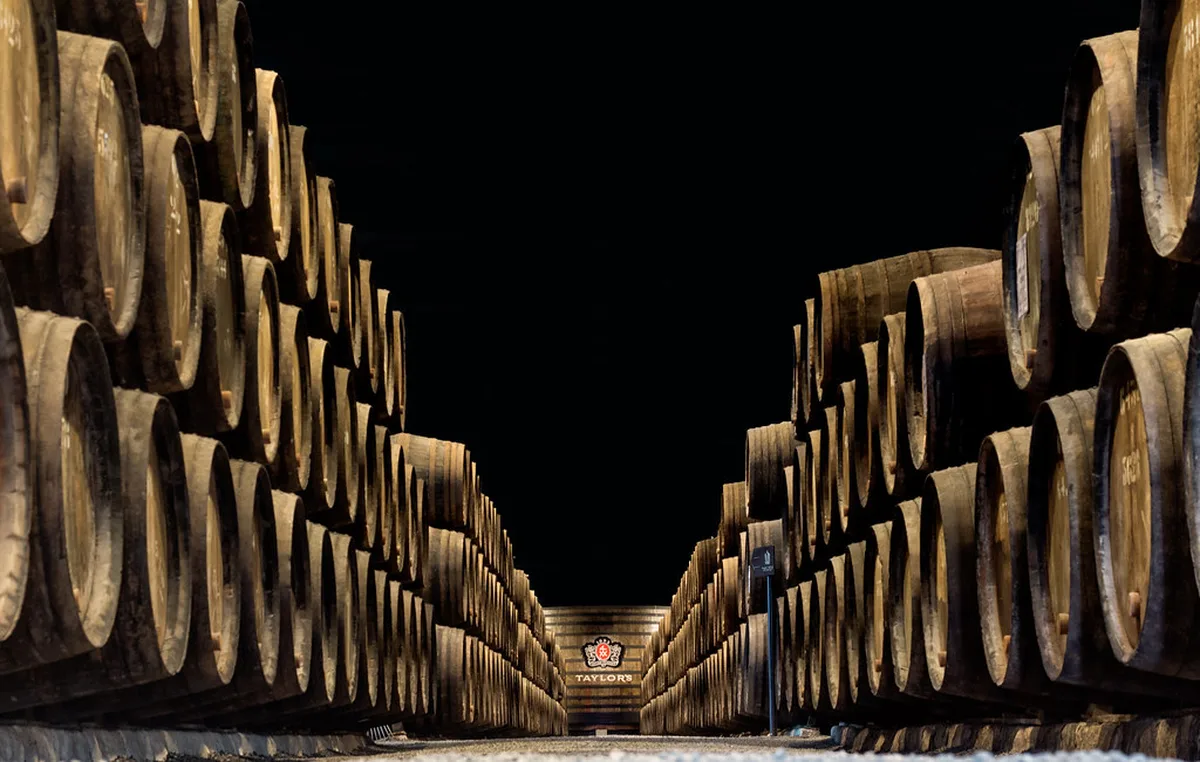
Ferreira is the one to choose for historical depth. Founded in 1751, it is the only major house that has remained entirely Portuguese. The story of Dona Antónia Adelaide Ferreira — the 19th-century businesswoman who saved the Douro wine trade during the phylloxera crisis — is told well here, and the cellar itself still feels like a working warehouse rather than a theme park.
The best-value option, and one that competitors rarely mention specifically, is Calem. Entry costs around €18 and includes a live fado performance inside the cellars before the tasting. The combination of Portugal's most melancholic music with oak-barrel aromas in a vaulted space is genuinely moving. It books out fast in summer — reserve at least 48 hours in advance. All four cellars are within a five-minute walk of each other along the riverside promenade.
Local Tip: Visit cellars on weekday mornings, particularly Tuesdays and Wednesdays, when tour groups are smallest and guides have more time for questions. Avoid Saturday afternoons between June and September entirely.
| Cellar | Entry Price | Founded | Best For | Highlights |
|---|---|---|---|---|
| Sandeman | €18 | 1790s | First-time visitors & history | Don figure entrance, Europe's largest vintage collection, cinematic experience |
| Graham's | Variable | Historic | Atmosphere & views | Leafy roof terrace, excellent vantage point over river |
| Ferreira | Variable | 1751 | Historical depth | Only major Portuguese house, Dona Antónia story, working warehouse feel |
| Calem | €18 | Historic | Cultural experience | Live fado performance in cellars, moving combination of music & oak aromas, books out fast in summer |
Viewpoints, the Cable Car, and the Dom Luís I Bridge
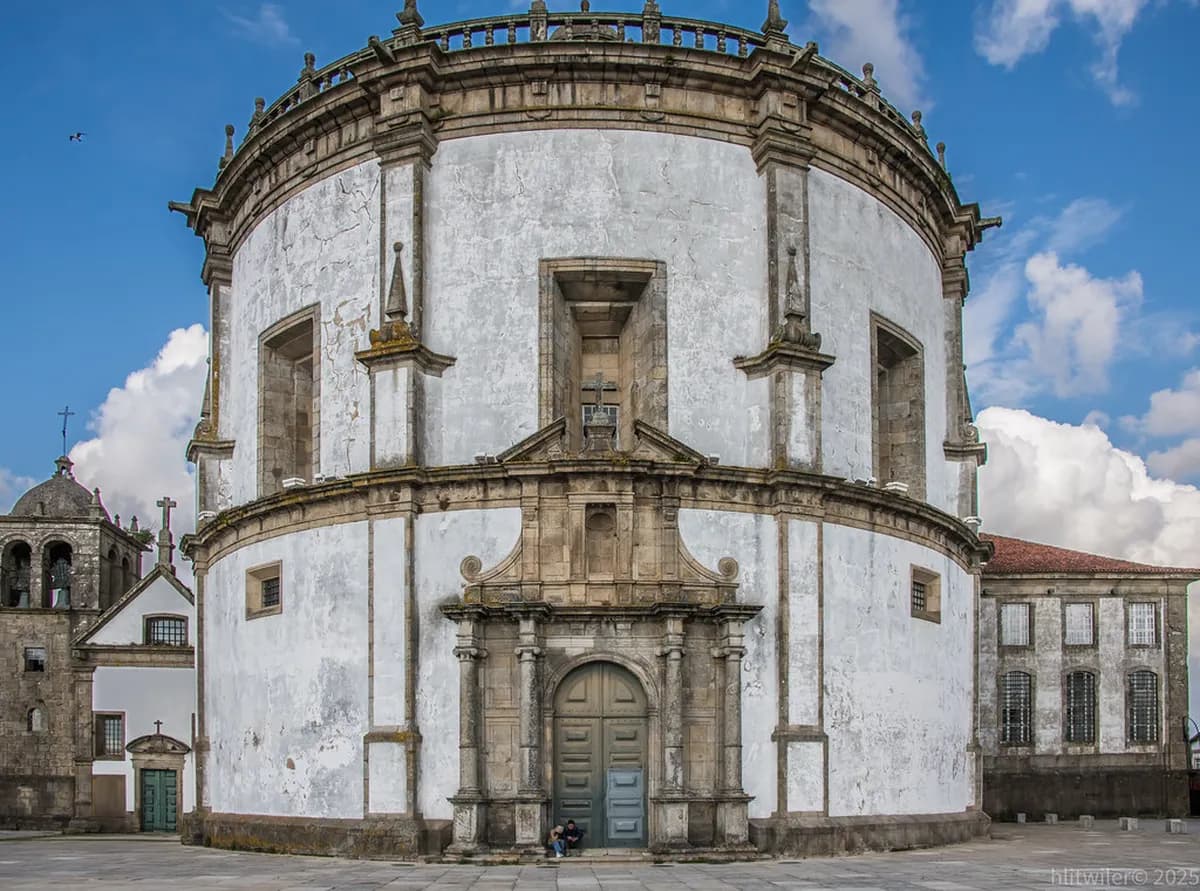
Mosteiro da Serra do Pilar sits on the hill above the upper bridge and offers the most famous viewpoint in the entire Porto metropolitan area. The circular Renaissance cloister is a UNESCO World Heritage Site in its own right, and the terrace wraps 270 degrees around the dome. Get here 30 minutes before sunset and you will watch the bridge light up while the Ribeira's terracotta rooftops turn gold below.
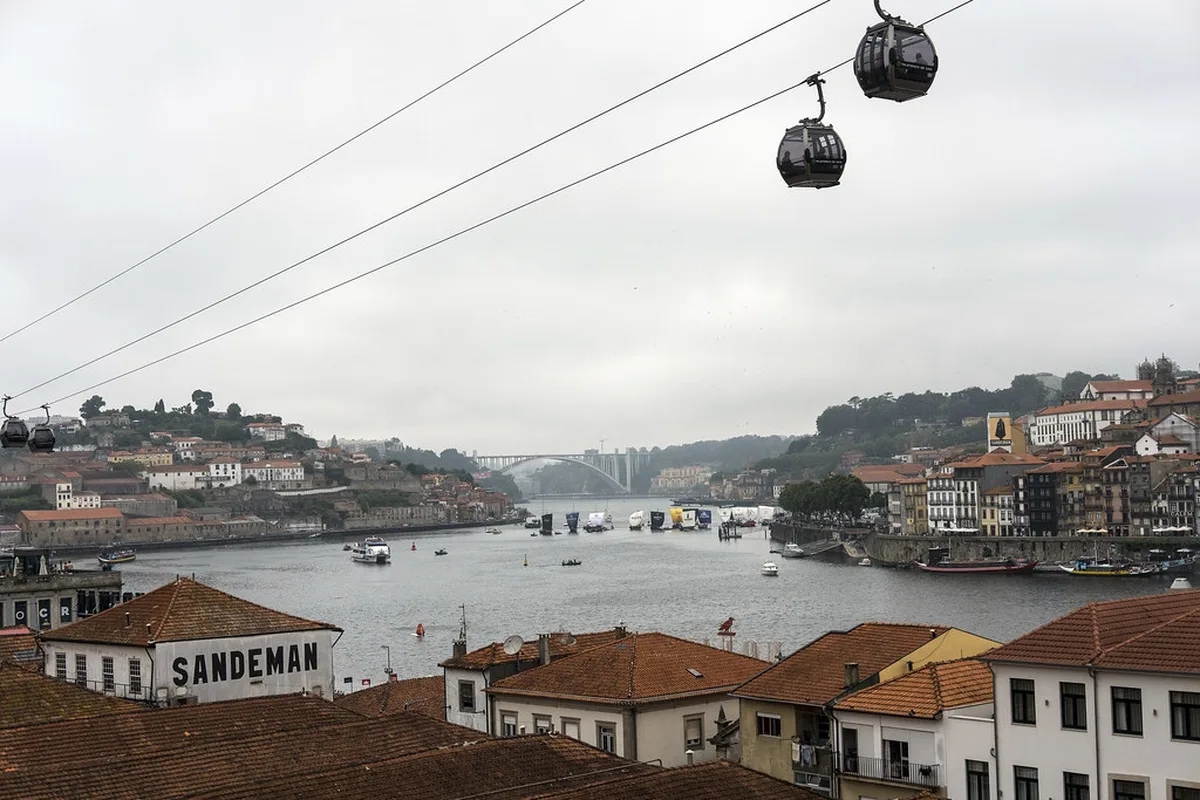
The Teleférico de Gaia cable car connects Jardim do Morro at the top to Cais de Gaia at the river level. The ride takes about five minutes and costs €6 one-way or €9 return. It saves you from the steep climb back up after a cellar visit and the views over the tiled rooftops are excellent. Take it up in the morning for the light and walk down in the afternoon if your legs allow.
Crossing the Dom Luís I Bridge on foot remains one of the best free things you can do here. The upper deck is a pedestrian walkway shared with Metro Line D trains. Walk it end to end for the most complete view of the Douro valley. In 2026, construction on the new Ferreirinha pedestrian and metro bridge — expected to complete before year's end — is visible from the upper deck, running roughly 400 metres upstream. This will eventually create a second crossing between the two cities and ease pressure on Dom Luís I significantly.
Local Tip: Jardim do Morro, the small park at the top of the cable car, is where locals come for evening drinks and spontaneous guitar sessions. Bring your own wine from any riverside shop and find a spot on the grass before the official viewpoint crowds arrive.
The Teleférico de Gaia cable car costs €6 one-way or €9 return, and the ride takes approximately five minutes. It's the most practical way back to Jardim do Morro after a cellar visit. Get to Mosteiro da Serra do Pilar 30 minutes before sunset for the best light.
The World of Wine District and Cultural Gaia
The World of Wine (WOW) opened in 2020 and transformed a derelict 19th-century port wine lodge into a seven-museum complex spread across 35,000 square metres. Not all seven museums justify the individual entry fees. The two worth prioritising are The Wine Experience (€13), which covers the science and culture of wine from vine to glass with genuinely clever interactive displays, and The Pink Palace (€13), a campy celebration of rosé wine that manages to be both ridiculous and informative. If you are pressed for time, the WOW terrace restaurant serves excellent food and is free to enter.
The Bordalo II Half Rabbit sculpture near the docks is made entirely from reclaimed industrial waste — crushed tin cans, bent pipes, worn conveyor belts — and stands several metres tall at street level. It is the most photographed piece of public art on this side of the river and worth seeking out on any walking route between the cellars and WOW. The surrounding streets also contain small galleries and artisan workshops that see almost no tourists.
The Teixeira Lopes House Museum offers a quieter hour away from the wine circuit. This sculptor's former home and garden is free on Sunday mornings and gives a sense of the intellectual life that ran alongside the Port wine trade in the 19th century. It connects naturally to the unique things to do in Porto that most itineraries overlook.
Local Tip: Buy a WOW combo ticket (€20–€25 depending on which museums you select) at the main entrance rather than paying per museum. The savings add up quickly if you visit more than one exhibit.
Douro River Cruises and the 6 Bridges Tour
The Six Bridges Cruise (Cruzeiro das 6 Pontes) takes approximately one hour and passes under all six bridges that span the Douro between Porto and Gaia. Tickets run between €15 and €20 depending on the operator and boat type. Traditional Rabelo boats — flat-bottomed wooden vessels originally designed to carry Port wine barrels down river — provide the most atmospheric experience but have open decks with minimal shade. Modern glass-sided boats are more comfortable in rain and offer better photography angles from enclosed upper decks.
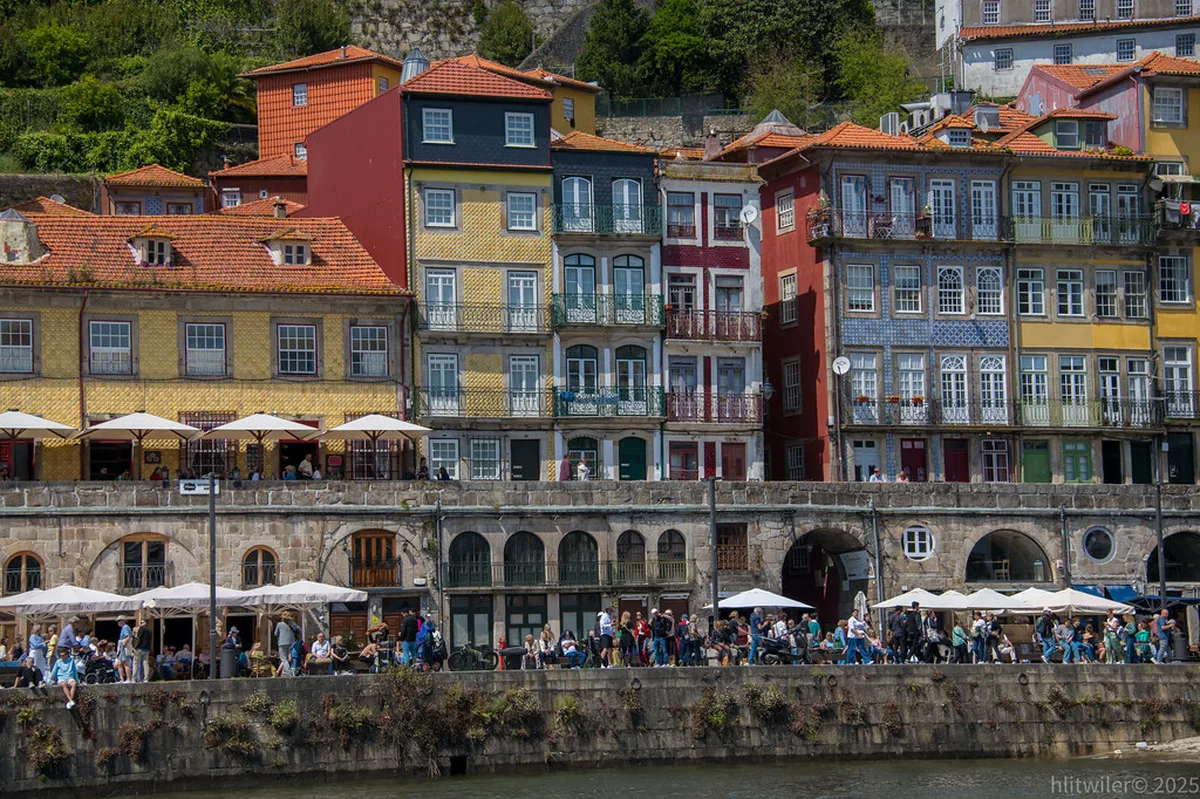
For photography, the late afternoon departure around 17:00–18:00 gives the best light on the Ribeira facades. Avoid the midday cruise; direct overhead sun flattens the coloured buildings entirely. The cruise terminates back at Cais de Gaia, making it a convenient loop that begins and ends near the cellar strip.
Several companies also run longer cruises upriver toward the Douro Valley wine country. These half-day and full-day options combine the river with winery visits and represent a more efficient way to see the Douro Valley than renting a car — particularly if your trip to Porto is five days or fewer. The best day trips from Porto guide covers the Douro Valley route in detail alongside other regional options.
Local Tip: Boat operators near the Sandeman cellar tend to offer the most competitive prices because the area is competitive. Walk 100 metres either direction from the main tourist cluster and prices often drop by €3–€4 per person.
Bike Ride Along the Douro to the Atlantic Coast
The flat cycle path from Gaia's riverside docks to the Atlantic coast is one of the best half-day rides in northern Portugal. The full route to Senhor da Pedra chapel covers roughly 12 kilometres and takes about 45 minutes at a relaxed pace. Most rental shops near the Cais de Gaia charge €12–€15 for a full day, which gives you time to stop, eat, and return without rushing.
The first stop worth making is Afurada, a working fishing village about four kilometres from the docks. The village still has communal stone laundry tanks beside the river where residents wash clothes by hand. The surrounding streets smell of charcoal grills — restaurants here grill whole fish outdoors on the pavement, and a lunch of grilled dourada with house wine costs around €12 per person. It is genuinely local in a way that the Cais de Gaia restaurants are not.
Continuing south, the path passes through the Reserva Natural Local do Estuário do Douro, a protected estuary zone where herons, egrets, and migratory waders concentrate in spring and autumn. The reserve is quiet even in summer. The Senhor da Pedra chapel appears just before Miramar beach, sitting on a flat rock with waves breaking around it at high tide. This is the natural end point for most cyclists, and several beach bars nearby are ideal for a break before riding back.
Local Tip: Rent a bike with front panniers or a rack so you can carry your jacket and water. The ride back from Senhor da Pedra is into a headwind on most afternoons — go south in the morning when the air is still, return when the wind is behind you.
Kayaking and Stand-Up Paddling the Douro
Several outfitters near Afurada rent kayaks and SUP boards for the Douro. The river looks calmer than it is. Tidal surges, particularly in the two hours either side of low tide, create strong back-currents along the southern bank. First-timers should go out only in the first two hours after high tide when the water runs slow and flat.
The heavier Rabelo tour boats that run the Six Bridges Cruise operate almost continuously between 10:00 and 18:00 in summer. Their wakes can capsize an inexperienced paddler on a SUP board. The safest window for a beginner is before 09:00, when commercial boat traffic has not yet started. By 09:30 the light on the Ribeira facades is also at its best, so early morning doubles as the best photography window from water level.
Experienced paddlers can take the river downstream from Afurada toward the estuary for a wilder section with almost no boat traffic and excellent birdwatching. Ask rental operators about current conditions before going — after rain, river levels can rise and currents become unpredictable within hours.
Local Tip: Avoid SUP boards on weekends between July and August. The riverside fills with leisure boats and jet skis after midday, and the water near the main bridge becomes genuinely hazardous for paddlers.
The Best Beaches Along Gaia's Coastline
Gaia's 15-kilometre Atlantic coastline holds five main beaches, most of them Blue Flag certified and all of them reached in under 30 minutes by local train from General Torres station in Gaia. The train costs €1.60–€2.20 for a single depending on distance and is the fastest option compared to driving or cycling.
Miramar is the most photographed beach in the region because of the 17th-century Senhor da Pedra chapel sitting on a flat granite outcrop surrounded by water. The beach itself is wide and sheltered and the surrounding neighborhood of villas and pinewood feels entirely removed from the city. The waves here are smaller than at beaches further south, making it suitable for families.
Aguda has a stronger local feel. Fishing boats still work from the beach and a small seafood restaurant directly on the sand serves the morning catch. Madalena beach, just north, is the busiest in summer but has the best beach bar infrastructure. For a quieter option, Lavadores is often overlooked by tourists and has a long boardwalk through protected dunes.
Local Tip: Atlantic water temperatures along this coast rarely exceed 18°C even in August. Most Portuguese swimmers wear wetsuits. If you plan to swim rather than just sunbathe, check the local surf forecast — conditions that look calm from the promenade can have an unexpected shore break.
Beach access is fast and affordable: local trains from General Torres station cost €1.60–€2.20 per single ticket and run roughly every 30 minutes. The Miramar chapel is best visited at the end of a 12-kilometre bike ride from the riverside (€12–€15 full-day rental), making it a natural endpoint before returning with the afternoon wind at your back.
Where to Eat in Vila Nova de Gaia
Mercado Beira-Rio on the riverside is the most practical lunch option near the cellars. This small food market has around a dozen vendors selling fresh seafood, traditional Francesinha sandwiches, and grilled fish. It gets busy between 13:00 and 14:30 in high season but the turnover is fast. The quality is consistently above what you find in the tourist restaurants immediately surrounding it.
For a proper sit-down meal, Porto Ibérico about 15 minutes uphill from the river is a local favourite. The octopus with chestnut and pistachio risotto is the dish to order. Note that this restaurant accepts cash only. For a special occasion, 1638 inside the Tivoli Kopke Porto Gaia hotel brings three-star pedigree from Asturias chef Nacho Manzano — the tasting menu here includes a wine flight from Kopke's own rare Port cellar.
At Afurada fishing village, the pavement grill restaurants are the best-value meal in the entire Gaia area. Pick the restaurant with the most local cars parked outside, order the daily fish — typically sea bass or bream — and ask for a carafe of house Vinho Verde. Lunch for two including wine runs to around €25 total.
Local Tip: Avoid the rows of tourist restaurants immediately adjacent to the Sandeman and Calem cellars. Prices are 30–40% higher than equivalent quality two streets back, and menus are adapted for a quick tourist turnover rather than a proper Portuguese meal.
Where to Stay: The Case for Basing Yourself in Gaia
Choosing Gaia over Porto as your base gives you better river views from your room, a quieter evening atmosphere, and faster access to the cellar strip and Atlantic beaches. The trade-off is that Porto's historic monuments and nightlife require a 10–15 minute walk or Metro Line D ride. For a wine-focused trip or for travelers who prefer calm evenings, Gaia wins the comparison.
The Yeatman remains the most famous hotel in the area — a 5-star property above the cellars with an infinity pool pointing directly at the Ribeira and a Michelin-starred restaurant. It anchors the luxury end. The Rebello is the design pick: a former kitchen pan factory converted into a riverside hotel with a rooftop bar that has unobstructed Dom Luís I Bridge views. Its Pot&Pan restaurant serves elevated Portuguese comfort food and the rooms have full kitchenettes.
The Tivoli Kopke Porto Gaia is the newest standout. Built into the corridors above Kopke's historic wine cellars — in use since the 1600s — it blends mid-century bedroom design with corridors where you walk above actual aging barrels. Book a room with a terrace for the full experience. For a boutique option with one of the best swimming pools on this side of the river, Origine Porto Gaia is worth considering. For a reliable luxury stay on a tighter budget, the Tivoli Kopke Porto Gaia website publishes early-booking rates that can be significantly below rack rate.
Local Tip: All of Gaia's main hotels cluster between the cable car and the western edge of the cellar strip. Ask whether your hotel includes a shuttle or offers e-bike rental — the walk from the river back up to Jardim do Morro is steep enough to be unpleasant with luggage.
Getting to Gaia and Getting Around
The easiest crossing from Porto is Metro Line D from São Bento station to Jardim do Morro, which sits directly above the Cais de Gaia. The ride takes under five minutes and uses the same Andante transport card as the rest of Porto's Metro network. A single ticket costs €1.20–€1.85 depending on the zone. The upper Dom Luís I Bridge deck is free to walk and takes about 10 minutes on foot.
Once in Gaia, the main tourist area between Cais de Gaia and WOW is walkable and flat. The cable car handles the elevation change between river level and Jardim do Morro. For the beaches, the local Comboios de Portugal train from General Torres station south along the coast is the most practical option — trains run roughly every 30 minutes and the journey to Miramar takes about 15 minutes. Taxis and Uber are cheap and reliable for late-night returns from the riverside to upper Gaia.
Local Tip: The Andante card is reloadable and works across Metro, bus, and local train in the Porto area. Buy one at the São Bento Metro kiosk before you cross the river and you avoid queuing for tickets at each transport interchange.
Frequently Asked Questions
Is Vila Nova de Gaia part of Porto?
Vila Nova de Gaia is a separate city located across the Douro River from Porto. While they are distinct municipalities, they are closely linked by several bridges and shared transport systems. Most visitors treat them as one large destination during their stay.
Which Port wine cellar is best to visit in Gaia?
The best cellar depends on your interests, but Sandeman and Graham's are top choices for history. Ferreira offers a very traditional experience in an old warehouse. Many cellars now require advance bookings, so plan your visit early to secure a spot.
How do I get from Porto to Vila Nova de Gaia?
You can walk across the Dom Luís I Bridge on either the top or bottom level. Metro Line D also connects the two cities quickly from the Sao Bento station. For a scenic route, take a small water taxi from the Ribeira docks.
Is it better to stay in Porto or Gaia?
Staying in Gaia often provides better views of Porto and a quieter atmosphere at night. Porto is more central for nightlife and historic monuments. Gaia is becoming more popular for luxury stays and easy access to the wine cellars. Check out secret viewpoints in Porto for more location ideas.
Vila Nova de Gaia is much more than just a place to drink Port wine. It offers a diverse mix of culture, nature, and luxury that rewards those who stay longer.
From the sunset at Jardim do Morro to the quiet beaches of Miramar, there is something for every traveler. The city continues to evolve while keeping its historic charm intact.
Plan your 2026 trip to include both sides of the river for the most complete experience. You will leave with a deeper appreciation for the beauty and heritage of this unique region.
Continue exploring
More guides you'll find useful