Miragaia Porto: 6 Key Highlights for Your Visit
Explore Miragaia, Porto's most colorful neighborhood. Discover 6 key highlights including the Jewish Quarter, Palácio da Bolsa, and sunset river views.
On this page
Miragaia Porto: 6 Key Highlights for Your Visit
Miragaia Porto offers a colorful escape from the busier tourist crowds found in the nearby Ribeira district. This historic neighborhood sits right on the edge of the Douro River and features narrow, winding streets. Visitors often fall in love with the bright facades and the authentic local atmosphere that remains today. Exploring this area allows you to see a different side of the city's rich maritime heritage.
The Deep History of the Miragaia District
Miragaia was once a bustling shipyard area located outside the original medieval walls of the city. Sailors lived in these multi-colored houses and worked directly on the banks of the Douro River. Today, the district retains its medieval layout while carrying its UNESCO World Heritage status with quiet pride. It remains one of the most photographed parts of Porto due to its layered, unhurried character.
The neighborhood holds deep ties to the Jewish community through the "Judiaria Nova" established in the Olival area, known historically as the Bairro de Monchique. Many families settled here in the 14th century before the Inquisition dismantled the community and changed the local landscape forever. Walking through the narrow alleys still reveals carved symbols in old stone doorways from that era. This heritage is a vital but often under-explored part of what defines Miragaia.
Frequent flooding from the Douro River forced residents to build their homes with elevated ground floors and distinctive stone arches along the riverfront. You can still see the high-water marks on some historic buildings near the water today. These architectural adaptations — houses built over a former beach and supported by 17th-century arches — make the street levels in Miragaia look unlike any other section of Porto's neighborhoods guide. The design protected ancient structures from rising tides during heavy winter rains.
Modern renovations have preserved the original spirit of the district while adding new creative energy. Local artists use the ancient walls as backdrops for small galleries and craft workshops. Visitors can feel the layers of history with every step on the uneven cobblestones. This blend of old and new makes Miragaia a favorite for slow travel in 2026.
The high-water marks still visible on historic buildings near the Douro riverfront show exactly how high winter floods would rise. These marks are silent reminders of the engineering ingenuity that kept the neighborhood standing for centuries.
Architectural Landmarks and Historic Churches
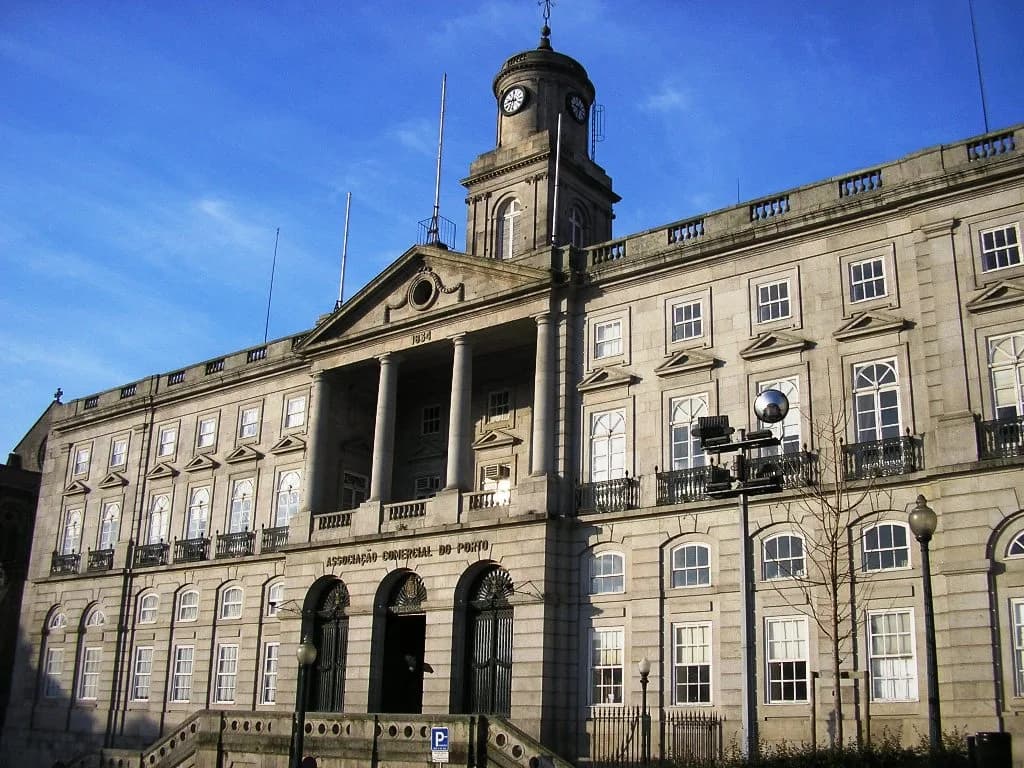
The Palácio da Bolsa stands as a testament to Porto's commercial wealth during the 19th century. Its famous Arabian Room features intricate gold leaf and stunning Moorish designs across every surface. Guided tours run daily and last about 45 minutes; entry costs around 12 EUR per person. It is widely considered one of the most beautiful interiors in all of northern Portugal, and booking in advance during summer is strongly advised.
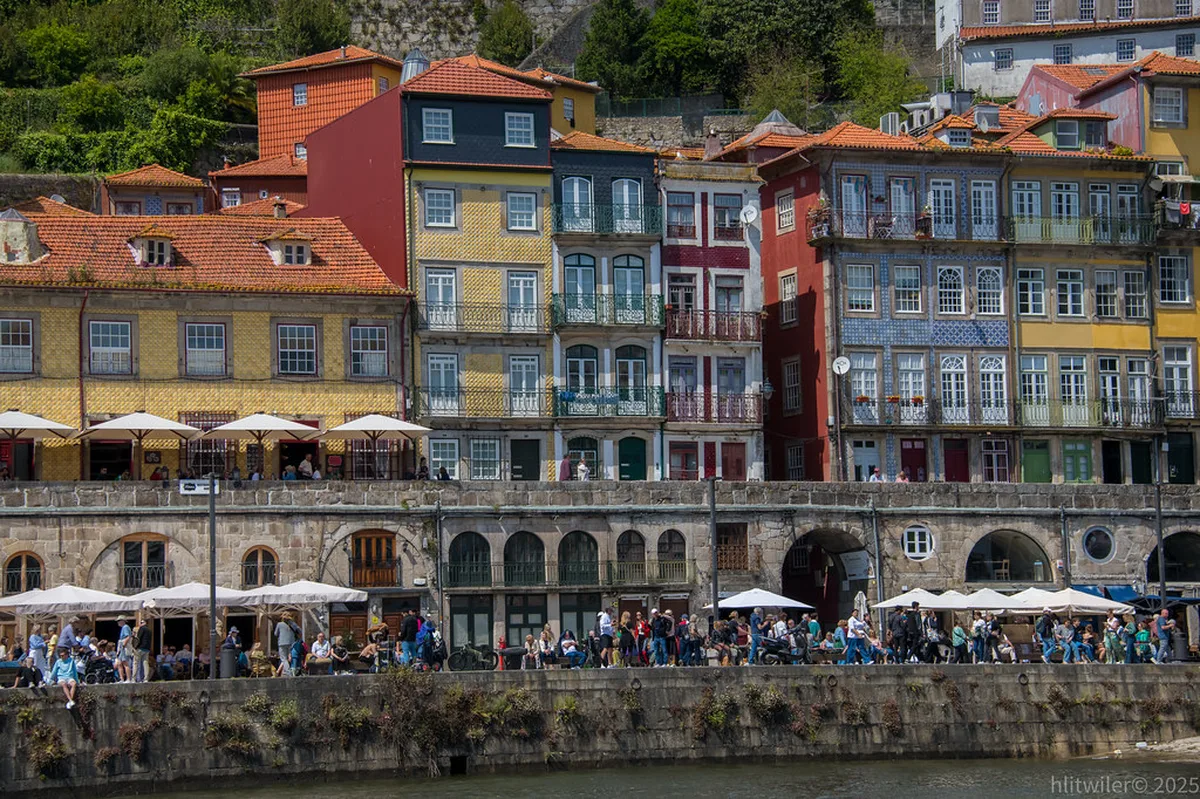
Next door, the Igreja de São Francisco showcases some of the most impressive Baroque woodwork in the country. Over 300 kilograms of gold dust cover the interior carvings of this historic Gothic church, which took centuries to complete. Visit the catacombs beneath the floor for a slightly eerie but fascinating experience. The museum attached to the church holds many religious artifacts from the city's long history; entry is around 9 EUR.
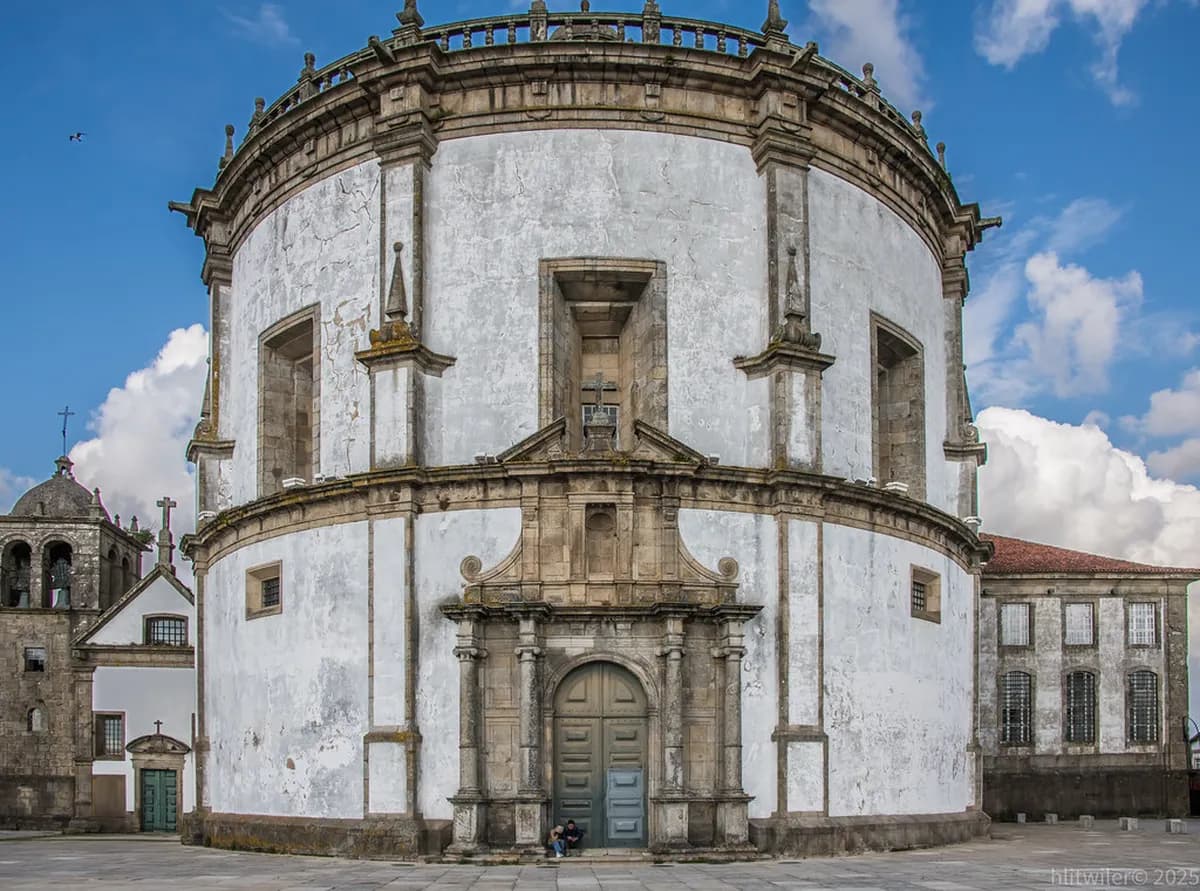
Many travelers overlook the Igreja de São Pedro de Miragaia, a smaller church tucked into the hillside streets of the district itself. It lacks the gold excess of São Francisco but rewards visitors with quiet authenticity and an interior that reflects genuine neighborhood devotion. These smaller chapels are often open for a few hours each day and rarely have a queue. They give a far more grounded sense of how residents have worshipped here for centuries.
The Sé do Porto Cathedral, perched above the district on a hill, is Porto's oldest monument. Construction began in the 12th century and the building carries nearly a thousand years of modifications in its stonework. From the cathedral terrace, the view takes in red-tiled roofs, the Dom Luís I Bridge, and the Douro shaping the horizon. The cloister and museum require a separate ticket of around 3 EUR but are worth every cent for the azulejo tile panels alone.
Immersive Museums and Cultural Sites
The World of Discoveries is an interactive museum that brings the Age of Exploration to life for all ages. You board a replica boat and sail through themed continents to learn about Portuguese navigators and their global reach. This attraction is especially popular with families and children who enjoy the sensory displays and animatronic figures. It provides a fun way to understand the maritime past that shaped this entire district.
The Soares dos Reis National Museum is one of the most underrated stops in Miragaia — and the oldest public museum in Portugal. Housed in a 19th-century palace on Rua Dom Manuel II, it holds a significant permanent collection of Portuguese paintings and sculpture, including works by António Soares dos Reis himself. Most visitors to Porto skip it entirely in favor of the more marketed sites nearby. Entry costs around 5 EUR, and the building alone — with its formal gardens and salons — is worth the detour.
For those interested in Porto's famous export, the Port Wine Museum on Rua de Monchique offers a focused look at trade history and barrel-aging traditions. Exhibits explain how wine traveled from the Douro Valley to the riverside cellars in Gaia before being shipped worldwide. It is one of the more compact and digestible unique things to do in Porto for history buffs who don't want a two-hour experience.
Just west of the district, the Museu do Carro Eléctrico (Tram Museum) houses a collection of vintage electric trams dating back to the late 19th century. If you are planning to ride Tram 1 along the river, visiting here first provides essential context for why that line exists and how the network once covered the whole city. Entry is around 8 EUR and the vehicles are in excellent condition. It is the kind of attraction that turns a tram ride from a tourist activity into something you actually understand.
The Best Riverfront Views and Sunset Spots
Miradouro da Vitória provides one of the most iconic panoramic views over Porto and the river. From this vantage point, you can see the Sé Cathedral, the terracotta rooftops, and the Gaia wine cellars across the water. It is a perfect spot for photography during the golden hour before the sun sets. Access is free and the viewpoint remains open at all times, making it easy to time your visit around the light.
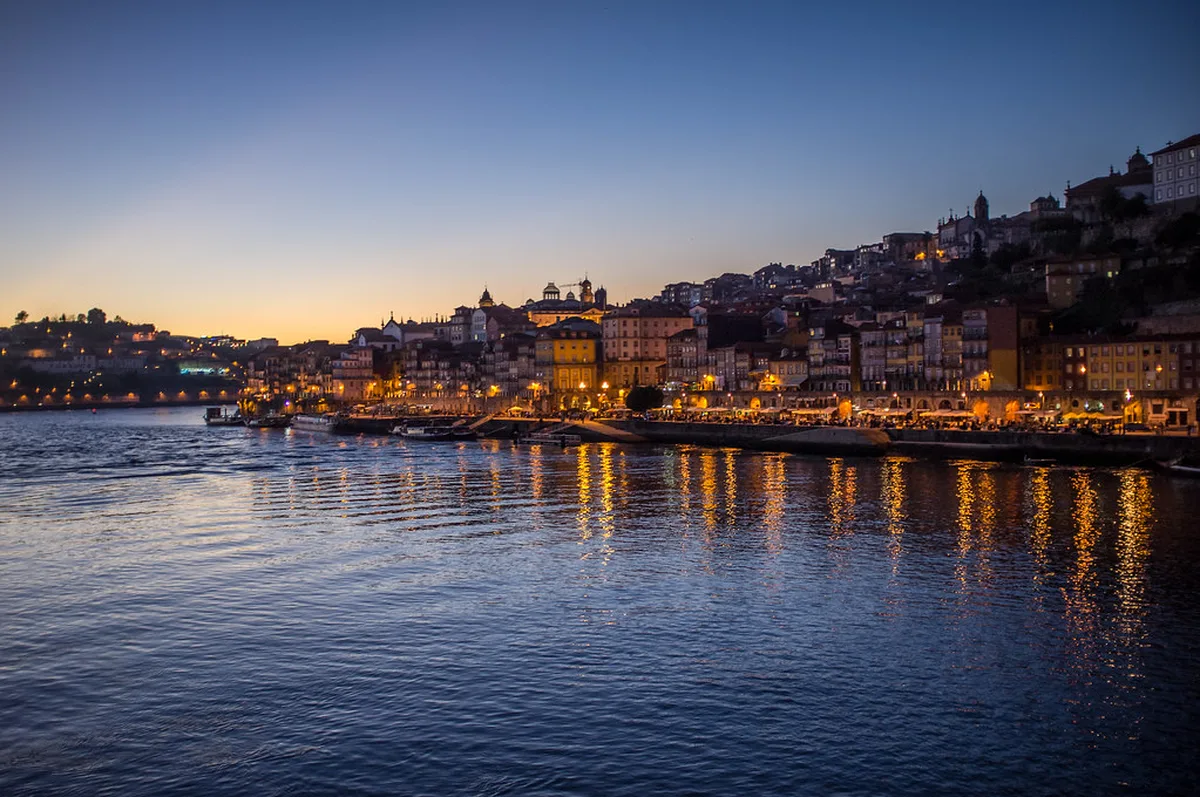
The Garden of Virtues — Jardim das Virtudes — is an elevated terraced park with a historic fountain and a different angle over the Douro toward the Alfândega area. Students and locals gather here with drinks to enjoy the view over the Arrábida Bridge. On June 23 each year, the neighborhood transforms for the Festa de São João do Porto, and the Garden of Virtues becomes one of the liveliest hubs for the festival's fireworks and street celebrations. This is arguably the single best night to be in Miragaia in 2026.
Walking along the Douro riverfront in Miragaia itself feels much more peaceful than the crowded promenade of Ribeira. You can watch the traditional Rabelo boats bobbing in the water while enjoying a cool breeze from the river. Several small benches line the path, offering a place to rest and absorb the water-level perspective. This stretch is ideal for a quiet evening after visiting the major landmarks.
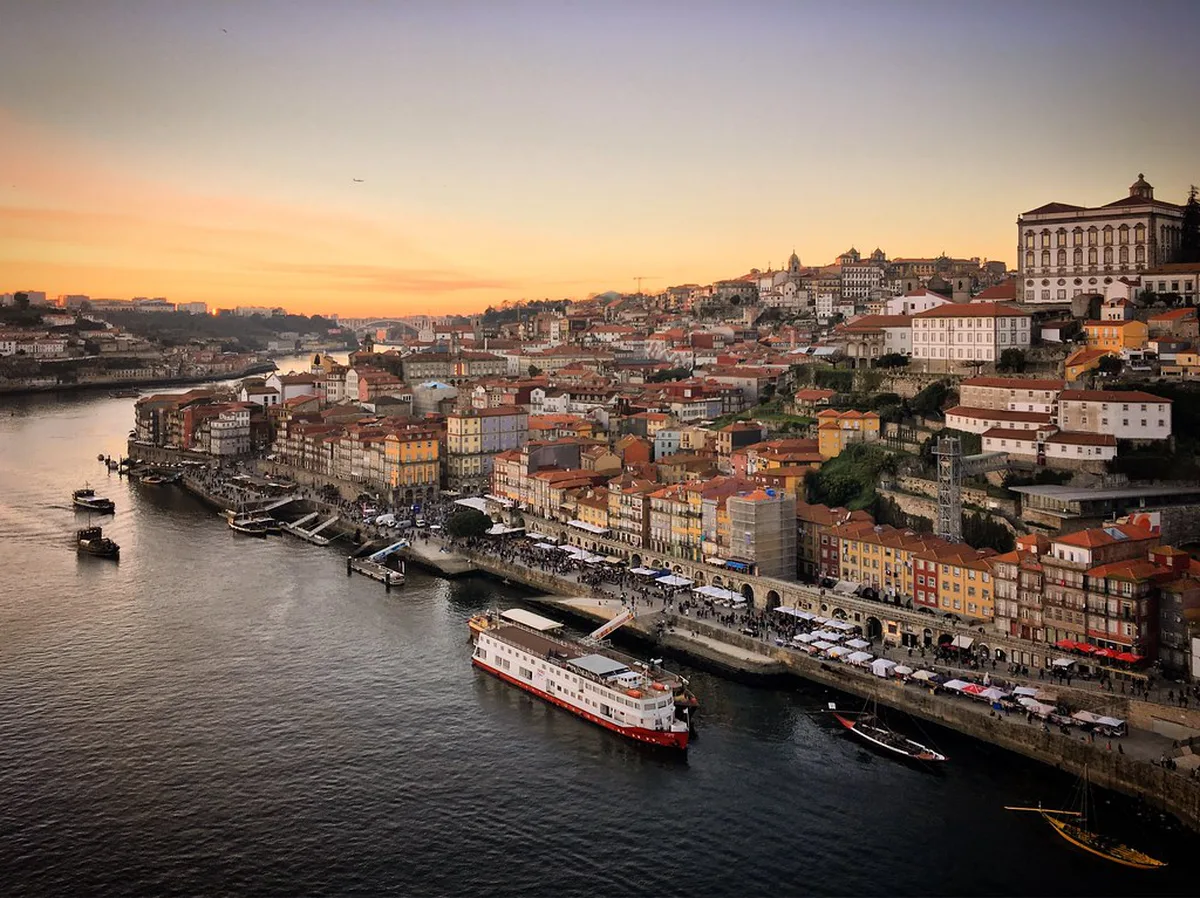
For one of Porto's least-crowded sunset perspectives, cross to Vila Nova de Gaia and look back at Miragaia from the waterside. The colorful facades of the district stack vertically up the hillside and catch the late afternoon light in a way that is impossible to see from within the neighborhood itself. The ferry crossing using an Andante transport pass is free, making this a no-cost addition to your day.
Essential Logistics: Trams, Walking, and Hills
Taking the historic Tram 1 is a classic experience along the river, but the first boarding stop at Infante is often overwhelmed with queues before 11:00. Smart travelers walk ten minutes west along the riverfront to the Alfândega stop instead. From there you board the same tram with far less stress, a better chance of a seat, and the same scenic ride all the way to the Atlantic coast at Foz. Tickets are around 5 EUR, purchased directly from the driver in cash or via a rechargeable Andante card.
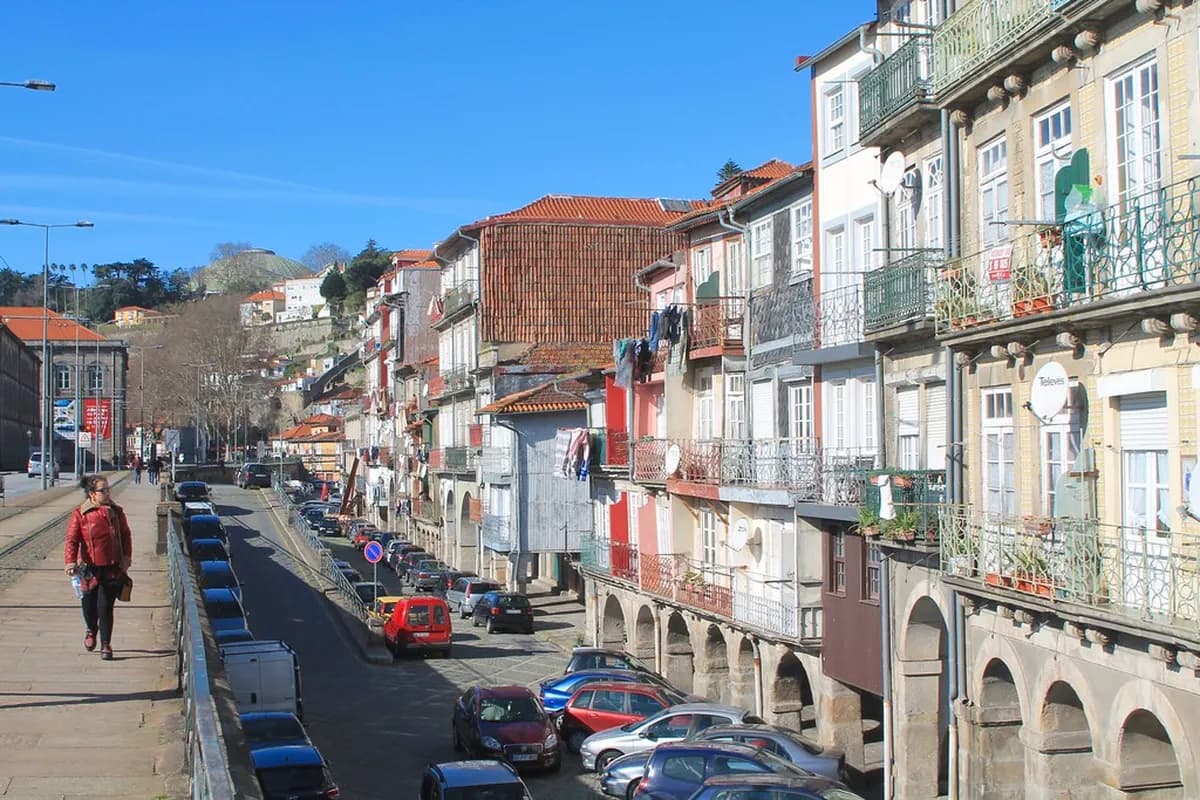
The "vertical" walking route is the most satisfying way to structure a morning in the district. Start at Miradouro da Vitória on the upper ridge, then descend the Escadas do Caminho Novo — a set of stone staircases — down through the heart of the neighborhood toward the riverfront. This path takes 20 to 30 minutes at a relaxed pace and passes through some of the most authentic residential streets in Miragaia. Going downhill saves your legs and maximizes the views.
Navigating the cobblestone streets requires sturdy, flat-soled footwear. The hills climb steeply in places, so plan your route to go downhill wherever possible and save uphill climbs for early in the day before the heat builds. For anything beyond the riverfront, consider ride-sharing apps — Bolt and Uber both operate in Porto and cost significantly less than traditional taxis. If you are looking for off the beaten path in Porto spots, many are within a few blocks of the main thoroughfares here.
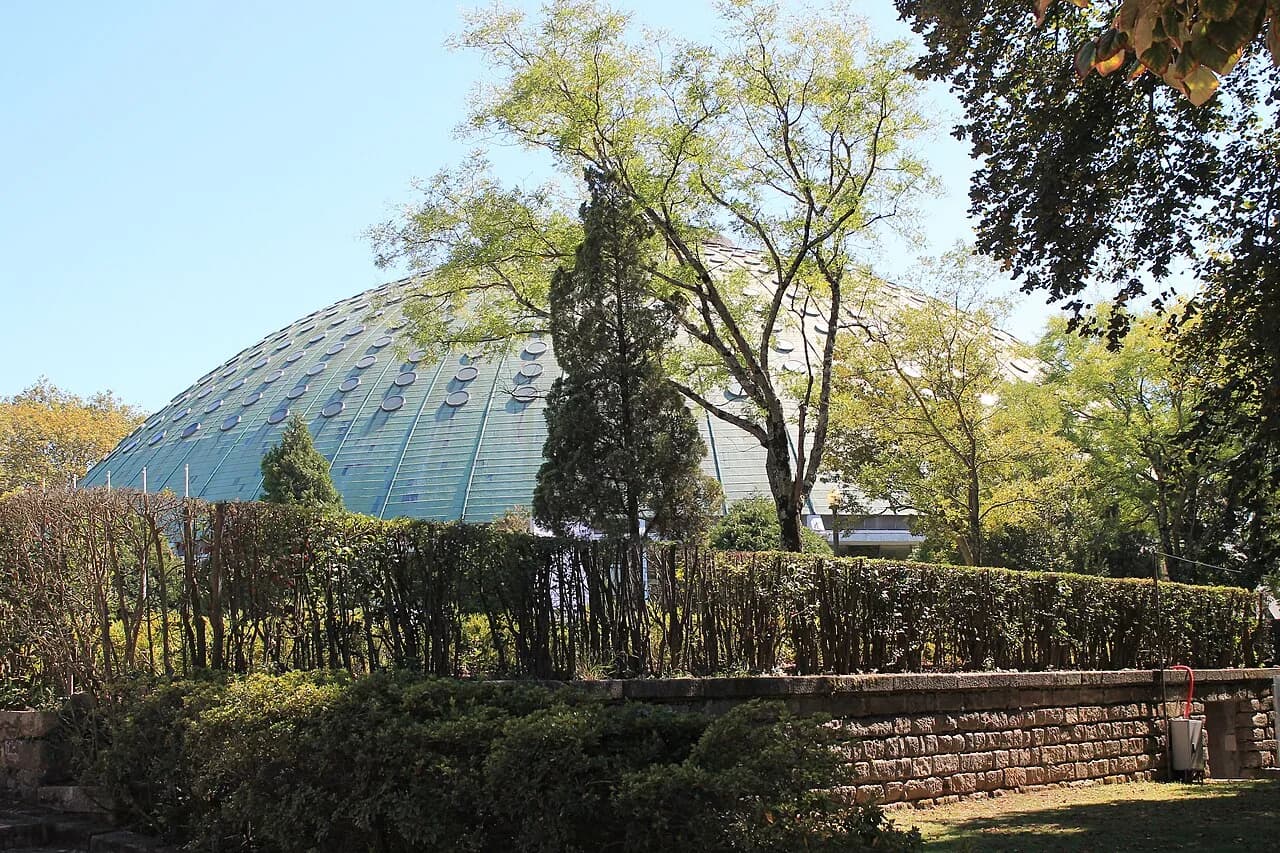
Public buses stop near the Alfândega building on the riverfront and run every 15 to 20 minutes during the day. The Crystal Palace Gardens at the top of the hill are a 15-minute walk west of the main district and worth including if your legs hold out. Most of the key sights — Palácio da Bolsa, São Francisco, the riverfront, and the Garden of Virtues — sit within a compact 800-metre radius. A focused visit covering all of them takes two to three hours on foot.
Sturdy, flat-soled footwear is essential for navigating the steep cobblestone streets. Avoid heels or slippery-soled shoes; the hills can be deceptively steep and the ancient stone surfaces are unforgiving. Your feet will thank you by the end of the day.
Miragaia vs. Ribeira: Authenticity and Atmosphere
Ribeira is Porto's most famous waterfront strip, and it often feels overwhelmed by large tour groups from mid-morning onward. Miragaia sits immediately to the west and offers a nearly identical historic riverfront setting with a fraction of the foot traffic. Prices for food and drinks run noticeably lower here — a glass of house wine at a local tasca typically costs 1.50 to 2.00 EUR versus 4.00 EUR or more at the tourist-facing bars of Ribeira Square. You can find more context in this Ribeira and Miragaia Guide.
Traditional tascas like Adega Rio Douro serve authentic Portuguese dishes without the tourist markup. You can enjoy a simple plate of sardines or a glass of local wine while listening to Fado at a volume that suggests the music is for the room, not the TripAdvisor review. These small eateries have often been run by the same families for several generations and rarely appear in mainstream travel lists.
The main practical difference is density of landmarks. Ribeira has the Dom Luís I Bridge and immediate Gaia views; Miragaia has Palácio da Bolsa, São Francisco, the Port Wine Museum, and the Soares dos Reis National Museum all within walking distance. Many visitors find that spending a morning in Ribeira and an afternoon in Miragaia gives the best balance. But for those choosing between the two as a base for exploration, Miragaia offers more to do with fewer crowds.
Visiting during the shoulder seasons of spring and autumn in 2026 will help you avoid the summer surge in both districts. If you time your visit to coincide with the São João Festival on June 23, Miragaia is arguably the better place to be — the neighborhood takes on the festival with a more local, less curated energy than the heavily photographed Ribeira square. Staying in a small guesthouse here lets you wake up to the sound of the river and the local morning market before the day-trippers arrive.
Frequently Asked Questions
Is Miragaia Porto worth visiting compared to Ribeira?
Yes, Miragaia is absolutely worth visiting for its authentic atmosphere and colorful architecture. It offers a quieter alternative to Ribeira while still providing stunning river views. You can explore historic churches and local tascas without the heavy crowds. For more food tips, check our Porto local food guide.
How much time do I need to explore Miragaia?
You should plan for at least two to three hours to explore the main sights of the neighborhood. This allows time for a visit to the Palácio da Bolsa and a stroll by the river. If you visit museums like World of Discoveries, you might need a full half-day.
What is the best way to get to Miragaia from Porto city center?
The best way to reach Miragaia is by walking along the riverfront from the city center near Ribeira. You can also take the historic Tram 1 or use local buses that stop near the Alfândega building. Taxis and ride-shares are also readily available for a quick trip.
Are there good restaurants in Miragaia that aren't tourist traps?
Miragaia is home to several excellent traditional eateries that are very popular with local residents. Look for small tascas like Adega Rio Douro away from the main riverfront for the most authentic meals. These spots offer high-quality Portuguese food at very reasonable prices.
Miragaia Porto remains one of the most charming and authentic corners of this historic city. From its deep Jewish heritage to its stunning riverfront sunsets, there is something for every traveler to enjoy. Planning your visit to include these six highlights will ensure a memorable and rich experience. Take your time to wander the narrow streets and discover the hidden stories of this vibrant district.
Continue exploring
More guides you'll find useful