Museu do Carro Eléctrico (Porto Tram Museum) Visitor Guide & Tips
Plan your visit to the Museu do Carro Eléctrico (Porto Tram Museum) with top picks, practical tips, historical context, and advice for a smoother experience.
On this page
Museu do Carro Eléctrico (Porto Tram Museum) Visitor Guide
Porto keeps its tram history alive in two ways: a handful of vintage cars that still rattle along the riverfront each day, and a dedicated museum that explains how it all started.
The Museu do Carro Eléctrico (Tram Museum) sits at Massarelos on the Douro riverfront, housed inside a former thermoelectric power station that once energised the entire network.
This 2026 visitor guide covers the collection, exact admission prices, opening hours, how to arrive by tram, and the practical details that make the difference between an average visit and a genuinely memorable one.
What is the Porto Tram Museum?
The Museu do Carro Eléctrico is Porto's dedicated tram museum, operated by STCP (Sociedade de Transportes Colectivos do Porto) — the same company that runs the city's surviving heritage tram lines today.
The building is a former thermoelectric power station constructed in 1915, the original engine room that generated electricity for the entire tram network.
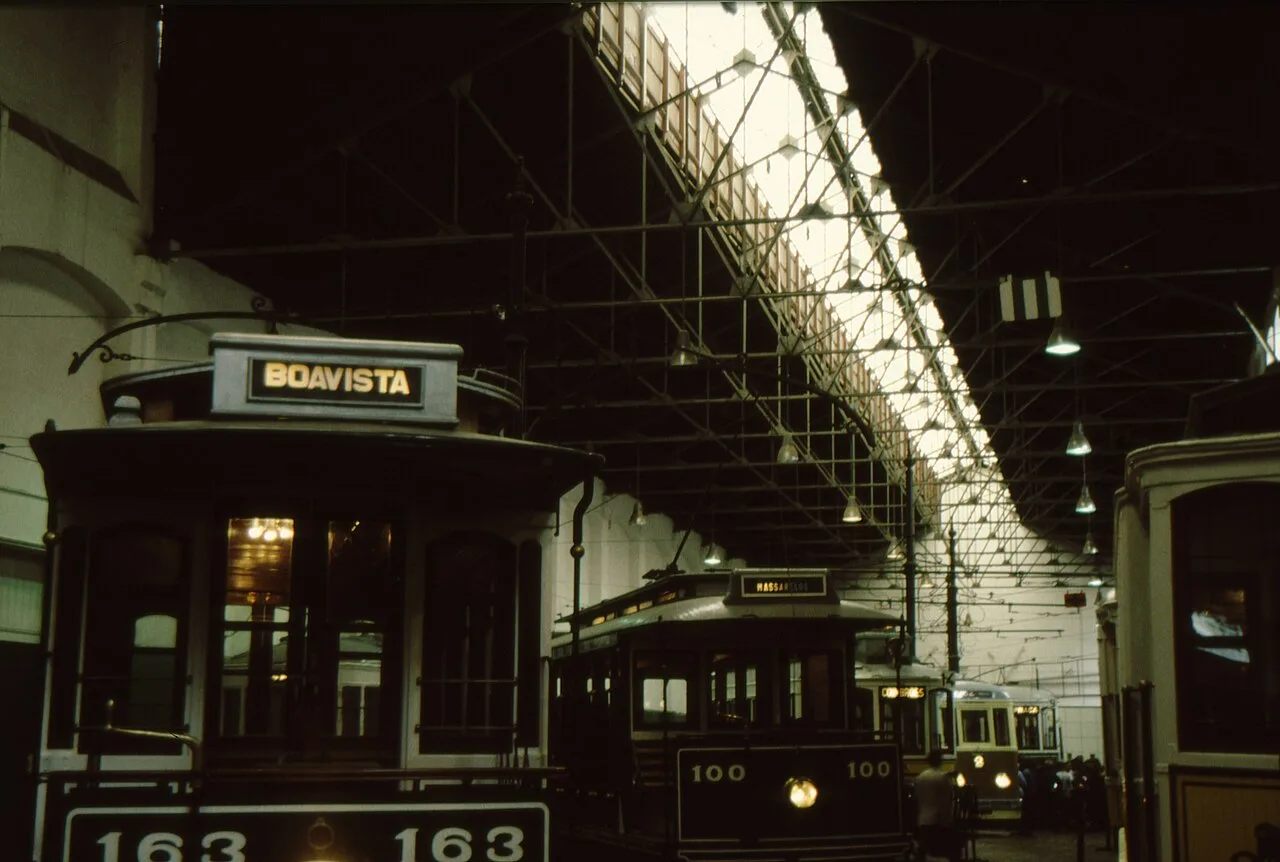
Unlike purpose-built museums, this one has kept its industrial skeleton intact: vaulted ceilings, exposed brickwork, and original machinery still in position, giving every exhibit a dramatic backdrop that no replica facility could replicate.
The permanent collection spans 16 electric cars and 5 trailers built between 1872 and the 1950s.
Among the oldest pieces is a horse-drawn trailer shipped from England in 1872 — the very vehicle that launched Porto's public transport system.
British- and Italian-built electric tramcars from the early 20th century stand alongside maintenance wagons, goods vehicles, and utility trams that rarely appear in other transport museums.
This is one of the best-preserved urban tram collections in Southern Europe, and the 1915 building is worth the admission fee independently of what is inside it.
Quick Facts for Your Visit
The museum's address is Alameda de Basílio Teles 51, 4150-127 Porto, in the Massarelos district on the Douro riverfront.
It opens Tuesday to Sunday from 10:00 to 18:00, with last admission at 17:30.
The museum is closed on Mondays, on Christmas afternoon (24 December), Christmas Day (25 December), and New Year's Day (1 January).
- Adults: €8.00
- Children and youth (ages 6–18), students, and seniors (65+): €4.00
- Children under 6: free
- Porto Card holders: €4.00
- Family package (1 adult + 1 child): €8.00
Most visitors spend 45 minutes to an hour on a general tour; transport enthusiasts and families with children typically take closer to 90 minutes.
The museum is wheelchair accessible, with ramps connecting both halls and an accessible restroom on site.
A Journey Through Porto's Tram History
Porto's tram story begins in 1872 with horse-drawn carriages on iron rails, making the city one of the earliest urban centres in the Iberian Peninsula to operate a dedicated street transit system.
Electric power arrived in 1895, and over the following decades the network expanded to serve almost the entire city, connecting working-class neighbourhoods to the commercial centre and the riverside docks.
At its peak the system carried hundreds of thousands of passengers daily.
Gradual decline set in during the 1960s and 1970s as diesel buses proved cheaper to operate across Porto's steep hillside neighbourhoods.
Most lines were decommissioned by 1997, leaving just three routes running today — preserved as heritage lines rather than everyday commuter services.
The museum tells this story chronologically through original uniforms, ticket machines, route maps, timetables, and archival photographs from the STCP collection.
Informative panels next to each vehicle explain its technical specifications, the route it served, and the circumstances of its retirement.
The combination of physical artefacts and written context turns what could be a static display of old vehicles into a layered social history of how Porto grew as a city.
The Collection: Trams, Buses, and the Machinery Hall
The main hall is where the trams live.
Sixteen electric cars and five trailers occupy the floor in roughly chronological order, from the 1872 English horse-drawn trailer to enclosed saloon trams from the 1950s.
Open-top summer cars sit alongside heavier vehicles built for Porto's wet Atlantic winters.
Many interiors are accessible: you can step aboard and examine the polished wooden bench seating, brass controls, and the conductor's ticket punch.
Maintenance wagons and goods vehicles that served the network behind the scenes round out the display — these working vehicles rarely feature in other transport collections and give a fuller picture of how the system actually operated.
The second hall is the original power station, and it is the room that surprises most visitors.
Original rectifiers, transformers, and floor-to-ceiling power control panels remain exactly as they were when the station was decommissioned.
The scale of the equipment — copper bus bars, vintage gauges, entire walls of switchgear — creates what reviewers consistently describe as a steampunk atmosphere.
Even visitors who came only for the trams tend to spend as long in the machinery hall as in the main collection.
A free audio guide is available on your phone — ask at the entrance or scan the QR code inside the door.
The guide covers the history of each vehicle and the technical workings of the power station, which is particularly useful in the machinery hall where most panel labels are in Portuguese only.
The free phone audio guide is particularly valuable in the machinery hall, where most panel labels are only in Portuguese.
Planning Your Visit: Best Times & Insider Tips
Weekday mornings are the quietest time to visit.
Weekend afternoons attract the most visitors, especially in summer when cruise passengers from Leixões arrive in Porto's city centre.
The museum's location in Massarelos, away from the old town tourist cluster, keeps it calmer than Ribeira-area attractions even on busy days — but arriving before 11:00 guarantees the most relaxed experience on any day of the week.
One practical detail that most guidebooks overlook: your museum entry ticket is also a valid transport pass for four hours after you stamp it at the entrance, covering Porto's metro, buses, and heritage trams.
This makes the museum an effective starting point for a waterfront half-day — you can ride Tram Line 1 east along the river toward Ribeira or take a bus back into the city centre at no additional cost.
At €8 for admission, the combined value of the ticket plus 4-hour unlimited transport is considerably better than buying a standalone public transport card for the afternoon.
Your museum entry ticket is valid as a 4-hour transport pass for Porto's metro, buses, and heritage trams, making it an excellent value when combined with the €8 admission fee.
Porto Card holders pay €4.00 — the same reduced rate as students and seniors.
If you are already carrying a Porto Card for its museum and transport benefits, the Tram Museum sits among the most cost-effective stops on the card.
Families should note the €8 family package covering 1 adult and 1 child, which equals the price of a single adult ticket; children under 6 enter free.
History enthusiasts will want the full 90 minutes: the machinery hall alone rewards careful attention, and the panel descriptions are detailed enough to keep a technically-curious visitor occupied.
Budget travellers and first-timers can see the essentials in under an hour.
Use the audio guide in the machinery hall regardless of how long you have — it makes the difference between staring at unlabelled equipment and actually understanding what each component did.
For a longer outing, consider pairing the museum with a walk or tram ride to Porto's waterfront and the Passeio Alegre garden, about 20 minutes west.
Porto's Historic Tram Lines: Getting to the Museum by Tram
Three heritage tram routes survive in Porto, all operated by STCP.
Two of them serve the museum directly: Line 1 and Line 18 both stop at or immediately adjacent to Alameda de Basílio Teles.
The third, Line 22, runs a city-centre loop from Batalha to Carmos and does not extend to Massarelos.
Line 1 is the first choice for most visitors.
It runs along the Douro riverfront from Infante — near the Ribeira waterfront and central Porto — out to Passeio Alegre in Foz, with trams approximately every 20 minutes between 09:30 and 18:00.
The journey from Infante to the museum takes roughly 10 minutes and offers uninterrupted river views throughout.
Line 18 follows a similar riverside corridor from the historic centre out to Foz do Douro, running at roughly one tram every 30 minutes between 10:00 and 19:00.
Both lines work; Line 1 is more frequent, making it the more reliable option if you are working to a schedule.
Single tram tickets are available on board from the conductor.
If you have already visited the museum and stamped your entry ticket, it covers tram travel for four hours, so the ride back into the centre is free.
A 24-hour STCP travel card is worth buying if you plan to use multiple trams and buses across a full day, but for a focused museum-plus-riverside outing the museum entry ticket's transport benefit is usually sufficient.
What Travelers Say: Reviews & Insights
The museum holds a 4.4 rating from more than 3,000 Google reviews — strong and consistent for a specialist museum in a mid-size city.
Three themes appear repeatedly across reviewers of different nationalities: the quality and breadth of the tram collection, the unexpected impact of the power station hall, and the fair pricing.
One visitor described it as "a lovely little experience — a real nerd spends around 90 minutes in here," noting that the €4 reduced ticket is "very fair" and even the €8 adult rate is "still worth it."
Another called the machinery hall "a total steampunk environment," singling out the original power control panels and rectifiers as the unexpected highlight of their visit — something they had not anticipated from the museum description.
Multiple reviewers specifically praised the fact that the building is still the operational tram depot, which means it has been maintained rather than converted, and the original equipment remains intact rather than being reproduced or replicated.
The free phone audio guide receives consistent mentions as the thing visitors almost skipped and were glad they used, particularly for the power station section.
Families rate the museum positively: parents note that children engage well with the large vehicles and the opportunity to board some of the older tramcars.
The main criticism across reviews is that repeat visits within a few years offer little that is new, as the permanent collection changes slowly.
For first-time visitors the clear consensus is: use the audio guide in the machinery hall, allow at least 90 minutes if industrial history interests you, and combine the visit with a ride on Line 1 along the river.
Nearby Attractions & Things To Do
The Massarelos district, where the museum sits, is quieter than the old town but worth exploring on its own terms.
The Jardins do Passeio Alegre are a short walk west along the riverfront — a relaxed green space with benches facing the Douro estuary, well-suited to a visit before or after the museum.
Foz do Douro, another 15 minutes on foot or one tram stop further, has a lighthouse, an ocean-facing promenade, and a cluster of seafood restaurants with reasonable prices.
For contemporary art, the Serralves Museum is roughly 2 kilometres inland and reachable by bus from Massarelos.
Its permanent collection of post-1960 European and Portuguese art contrasts sharply with the tram museum's industrial focus, making the two a natural pairing for a full cultural day in western Porto.
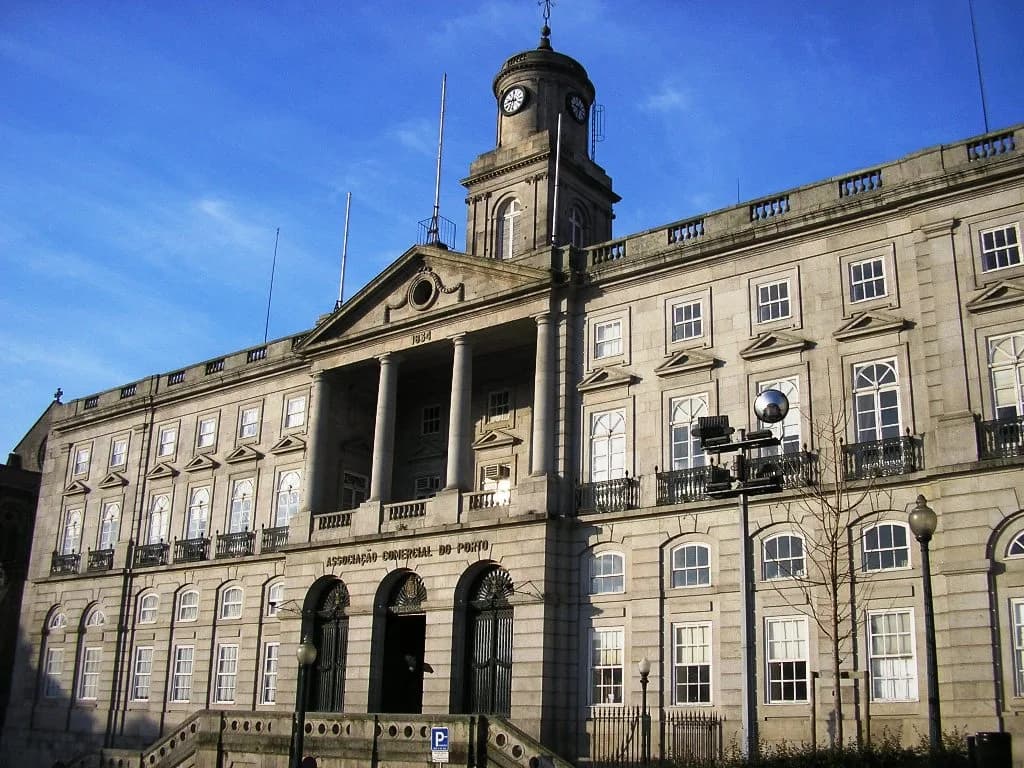
If architecture is the priority, the Palácio da Bolsa in the old town is about 10 minutes east on Tram Line 1.
The Arab Room inside the former stock exchange is one of the most ornate interiors in Portugal and well worth the short detour.
The riverside area immediately around the museum has several cafes and casual restaurants.
Expect straightforward Portuguese lunches — grilled fish, caldo verde, and the local francesinha sandwich — at prices noticeably lower than in the Ribeira tourist zone.
A visit to the Porto Wine Museum is another option nearby, tracing the history of the wine trade that shaped the city's economy and architecture.
Frequently Asked Questions
What are the opening hours and ticket prices for the Porto Tram Museum?
Opening hours for the Porto Tram Museum typically range from 10:00 AM to 6:00 PM on weekdays and 10:00 AM to 7:00 PM on weekends, but it is closed on Mondays. Adult ticket prices are usually around €8-10, with reduced rates for children and seniors. Always check the official museum website for the most current schedules and pricing before your visit.
How much time should I allocate for a visit to the Museu do Carro Eléctrico?
You should generally allocate between one to two hours for a visit to the Museu do Carro Eléctrico. This allows enough time to comfortably explore the main collection of historic trams and read the informative displays. If you are a keen history enthusiast, you might want to spend up to three hours.
Is the Porto Tram Museum suitable for children and families?
Yes, the Porto Tram Museum is very suitable for children and families. Kids often enjoy seeing the large, historic tram vehicles up close and learning about their history in an engaging way. The museum's layout is easy to navigate, making it a fun and educational outing for all ages.
Can I combine a visit to the museum with a ride on Porto's historic trams?
Absolutely, combining your museum visit with a ride on Porto's historic trams is highly recommended. Tram Line 1, which runs along the Douro River, passes directly by the museum, making it a convenient and scenic way to arrive or depart. You can purchase tickets directly from the conductor on board.
Is the Porto Tram Museum wheelchair accessible?
The Porto Tram Museum is largely wheelchair accessible, with facilities like ramps and elevators to help visitors navigate different levels. Most exhibition areas are designed to accommodate mobility aids. For specific accessibility needs, it is always best to contact the museum directly ahead of your visit.
Other Museums of Everyday Infrastructure
A working tram depot on the Douro, with cars from 1872 onward and a line you can still ride into town. London's Postal Museum does the same for the mail, including a ride on the underground Mail Rail. Amsterdam's Houseboat Museum takes the most ordinary object in the city and lets you go below deck.
The Museu do Carro Eléctrico rewards visitors who look past the trams themselves and take time with the 1915 power station at its heart.
The combination of a well-curated vehicle collection, an intact industrial machinery hall, a free audio guide, and a museum ticket that doubles as a 4-hour transport pass makes this one of the better-value attraction stops in Porto.
Arrive on Tram Line 1, use the audio guide in the machinery hall, and allow 90 minutes — then ride the tram back along the Douro into the centre for free.
For more Porto planning, see our hidden gems in Porto guide.
To verify current details, consult the Museu do Carro Eléctrico (Tram Museum) official site, Museu do Carro Eléctrico (Tram Museum) official site and Museu do Carro Eléctrico (Tram Museum) on Wikipedia.
Continue exploring
More guides you'll find useful