Hidden Gems in Dublin: A Local's 2026 Guide
Discover hidden gems in Dublin beyond the Guinness Storehouse, from quiet libraries to overlooked pubs, with neighborhood picks and 2026 timing tips.

On this page
Hidden Gems in Dublin: Beyond the Guinness Storehouse
Dublin rewards travelers who step past the queue outside the Guinness Storehouse. The city's real character often sits just a few streets away, in places locals visit on an ordinary Tuesday. This guide gathers the hidden gems in Dublin that reward patience over a rushed checklist.
We organized these picks around neighborhoods, timing, and honest trade-offs rather than a generic top ten. Our Dublin's neighbourhoods pairs well with the specific picks below. You'll find quiet libraries, working pubs, and canal walks, plus a few overrated stops worth skipping. Each entry notes the cost, the access, and the traveler it actually suits.
Key Takeaways
- Treat hop-on-hop-off buses and standard walking tours as day-one tools, not the whole trip.
- Stoneybatter, The Liberties, Portobello, and Smithfield each reward at least a half-day visit.
- Marsh's Library and Sweny's Pharmacy cost little and sit minutes from Dublin's busiest attractions.
- Howth, Dalkey, and Dún Laoghaire are each under thirty minutes away by DART for an easy day trip.
More European Hidden Gems
Find the Dublin That Still Feels Like Daily Life
A genuine hidden gem in Dublin is rarely an actual secret. Locals simply call it the place they still use, the one most tour buses miss. We judge a spot using three tests: crowd levels, price creep, and whether locals still show up. A place that fails all three has usually already been discovered.

Hop-on-hop-off buses suit a rushed first morning, not a genuine search for hidden gems. A standard city walking tour works well for orientation, then feels repetitive once you know the layout. Swap both for a themed walk, a pub session, or one slow neighborhood after your first day. That trade costs less and gets you talking with actual Dubliners instead of a tour microphone.
This guide suits travelers with two or more days in Dublin, not a six-hour layover. Short layovers should prioritize free Dublin attractions and save the deeper cuts for a return trip. Families with young kids tend to get the most from daytime picks like gardens and quiet parks. Solo travelers and repeat visitors usually enjoy the nightlife and neighborhood sections most.
Hidden Gems in Dublin's City Centre
The city centre hides several quiet corners within a short walk of Trinity College. None of them charge admission, and most take under thirty minutes to see properly. Marsh's Library is the clearest standout, so we cover it fully in our Marsh's Library guide.
Sweny's Pharmacy and the Huguenot Cemetery both sit within a ten minute walk of Merrion Square. Pair them with a longer stroll rather than treating either as a standalone destination. Neither location needs advance booking, which makes them easy to slot between bigger sights.
For a longer sit-down break, walk south toward Iveagh Gardens, one of the city's quietest green spaces. It rarely draws the crowds that fill St Stephen's Green on a warm afternoon. Bring a coffee and expect real breathing room, even during peak summer months.
Marsh's Library closes Sundays and Mondays, so plan a weekday visit. These quiet city-centre spots charge no admission and take under thirty minutes to explore.
- Marsh's Library
- Dublin's oldest public library has operated continuously since 1707 near St Patrick's Cathedral.
- Antique reading cages and dark oak shelves make it feel frozen in time.
- It closes on Sundays and Mondays, so a weekday visit works best.
- Sweny's Pharmacy
- A former pharmacy near Merrion Square now runs as a tiny volunteer bookshop.
- It gained fame through a single scene in James Joyce's novel Ulysses.
- Most visitors spend five to ten minutes here before moving on.
- Huguenot Cemetery
- This seventeenth century burial ground sits quietly right in the city centre.
- You cannot enter, but the gated view still tells a real story.
- French surnames on the stones trace a wave of religious refugees.
- Iveagh Gardens
- This walled garden stays far quieter than the busier St Stephen's Green nearby.
- Fountains, a rustic grotto, and wide lawns make it easy to linger.
- Locals treat it as a lunch spot rather than a tourist stop.
Dublin Neighborhoods Without the Polish
Stoneybatter sits north of the River Liffey and still feels like a working neighborhood first. Independent coffee shops sit beside pubs that have barely changed their decor in thirty years. Our Stoneybatter neighborhood guide maps the best stops street by street.
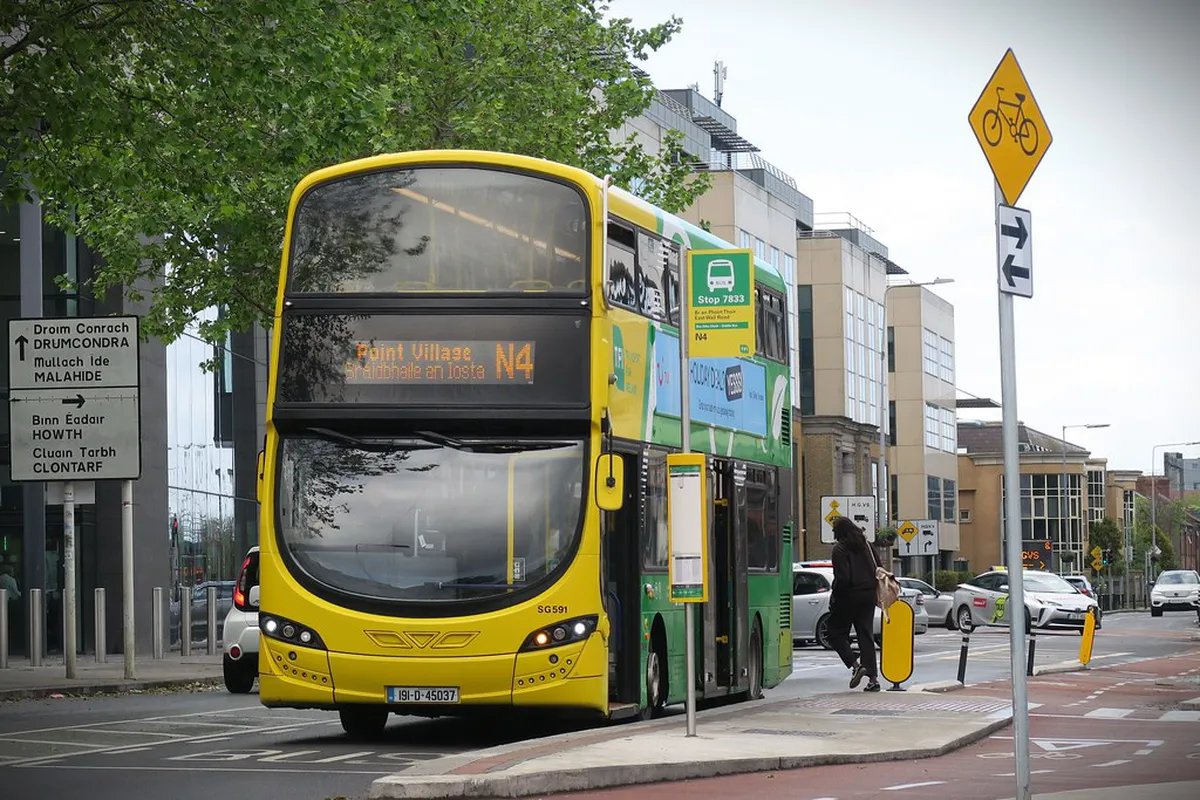
The Liberties, just west of the centre, carries centuries of brewing and tannery history. Rows of red-brick terraces sit beside new bars, so the mix feels honest rather than staged. It works well as a follow-up stop after the Guinness Storehouse, since both sit close together.
South of the Grand Canal, Portobello draws a younger crowd without losing its residential feel. Canal-side benches and a small Sunday market make it an easy half-day base. It suits couples and slower travelers more than a single packed sightseeing day.
Smithfield, on the north side, pairs a cobbled plaza with genuinely traditional music pubs. Climb the old distillery chimney tower nearby for a rooftop view, with tickets sold at the Generator Hostel reception. It sees far fewer tourists than Temple Bar, despite sitting only fifteen minutes away on foot.
- Stoneybatter
- Best for slow mornings, coffee culture, and pubs without a tourist markup.
- Sits about fifteen minutes on foot from the city centre core.
- Skip it if you only have a single free afternoon in Dublin.
- The Liberties
- Best for history lovers interested in brewing, tanning, and old trade routes.
- Walkable from the city centre in under twenty minutes at an easy pace.
- Pair it with a Guinness Storehouse visit to save on backtracking.
- Portobello
- Best for a relaxed afternoon along the Grand Canal with cafes nearby.
- A short bus ride south of St Stephen's Green and Camden Street.
- Suits couples and slower travelers more than a packed sightseeing day.
- Smithfield
- Best for traditional music and a quieter alternative to Temple Bar.
- About a fifteen minute walk north-west of the main shopping streets.
- Worth an evening visit rather than a rushed daytime pass-through.
Food and Drink: Quiet Pubs and Local Markets
Dublin's best pub sessions rarely happen in the bars lining Temple Bar's main strip. The Cobblestone in Smithfield hosts nightly trad sessions where anyone with an instrument can join in. There is no stage and no cover charge, just musicians playing for each other, not for tourists.
For a fuller list of rooms locals still drink in, see our traditional Dublin pubs guide. Most of these pubs charge a euro or two less per pint than Temple Bar prices. Arrive before 9 PM on weeknights if you want a seat close to the music.
On the food side, Dubliners tend to eat where the queue stays short and the menu changes daily. A proper Dublin habit is grabbing a breakfast roll from a corner shop, not a sit-down cafe. Skip the queue outside the famous bakeries and try a neighborhood spot instead. Markets like the one in Portobello add fresh produce and coffee stalls on weekend mornings.
Dublin at Night: Quiet Pints and Canal Walks
Dublin after dark rewards a slower pace more than a bar crawl down Camden Street. A walk along the Grand Canal after sunset stays quiet, well lit, and free. Ducks and swans settle in for the night while joggers and dog walkers pass by.
The Irish Film Institute in Temple Bar runs late showings of independent and classic films. Tickets usually cost less than a typical night out and rarely sell out midweek. It works well on a wet evening when outdoor plans fall through.
For a themed evening, the Dublin Literary Pub Crawl mixes short walks with stops in historic pubs. Actors lead the group and share stories about Joyce, Wilde, and Beckett along the way. Book a spot a day or two ahead in summer, since groups do sell out.
If you'd rather explore alone, our off-the-beaten-path Dublin guide lists more low-key evening options. Most of these picks sit within walking distance of the city centre core. None require a reservation, so plans can stay loose after dinner.
Beyond the City: Howth, Dalkey, and Dún Laoghaire
Some of Dublin's best hidden gems sit just outside the city on the DART rail line. Howth, Dalkey, and Dún Laoghaire each sit under thirty minutes from Connolly or Pearse Station. A single DART ticket costs a few euro each way, making a half-day trip simple to plan.

Howth pairs a working fishing harbour with cliff walks and views out to Ireland's Eye island. Our Dublin day trips guide covers the cliff path timing and the best seafood stops. Landing on Ireland's Eye depends on tide conditions, so check before booking a boat crossing.
Dalkey feels like a small coastal village, complete with a ruined castle and a working harbour. The coastal walk between Dalkey and Killiney offers wide sea views without much elevation gain. Dún Laoghaire adds a long Victorian pier walk plus two active sailing clubs by the water. Each town works as a half-day add-on, so pick one rather than rushing through all three.
A single DART ticket costs just a few euros each way, and Howth, Dalkey, and Dún Laoghaire each sit under thirty minutes from central stations—perfect for a half-day coastal escape.
Frequently Asked Questions
What are the best hidden gems in Dublin for a first-time visitor?
Marsh's Library, Sweny's Pharmacy, and Stoneybatter's pubs work well for a first visit. Each sits within walking distance of the city centre and costs little or nothing to enjoy. Pair one quiet corner with one neighborhood walk per day for the best balance.
How much time should you set aside to explore Dublin's hidden gems?
Plan on two to three days if you want to cover neighborhoods, quiet corners, and a day trip. A single extra day lets you add Howth or Dalkey without rushing the city centre picks. Shorter trips should focus on one or two neighborhoods instead.
Is Marsh's Library worth visiting compared to Trinity's Long Room?
Marsh's Library offers a quieter, less crowded alternative to Trinity's famous Long Room. It costs less, rarely has a queue, and still delivers centuries of history and atmosphere. Visit both if you have time, but prioritize Marsh's Library when your schedule is tight.
What should travelers avoid when chasing hidden gems in Dublin?
Avoid packing too many stops into a single day, since Dublin genuinely rewards a slower pace. Skip hop-on-hop-off buses and standard walking tours after your first morning, then walk between neighborhoods instead. For more seasonal timing guidance, see our best time to visit Dublin guide before you book anything time-sensitive.
Do Dublin's hidden gems require advance booking?
Most quiet corners and neighborhood pubs need no booking at all. A few evening experiences, like themed pub crawls or small workshops, sell out during summer weekends. Book those a few days ahead, but treat daytime wandering as fully spontaneous.
Dublin's real character shows up once you step past the main sights and slow down. The picks above cover quiet libraries, honest pubs, and neighborhoods that still function as neighborhoods. None of them require a tour group, and most cost nothing beyond a coffee or a pint.
Start with one neighborhood, add a quiet corner, and save the coastal towns for a second day. For more low-key picks beyond this list, browse our secret spots in Dublin guide. Dublin rewards travelers who wander a little rather than checking every box on a map.
Explore More Dublin Guides
Deep-dive guides to every corner of Dublin — hidden neighbourhoods, coastal escapes, where locals eat and drink, and the secret spots most visitors miss.
Neighbourhoods & Districts
- The Liberties Dublin Travel Guide
- Portobello Dublin Travel Guide
- Smithfield Dublin Travel Guide
- Dublin Neighborhoods Travel Guide
- Stoneybatter Dublin Travel Guide
Coastal Villages & Day Trips
Food & Drink
- Dublin Food Markets Travel Guide
- 10 Best Traditional Pubs in Dublin
- 13 Best Restaurants in Dublin (2026)
Secret Spots & Off-Beat
- 12 Secret Spots in Dublin You Should Know in 2026
- Off the Beaten Path Dublin
- Marsh's Library Dublin Travel Guide
- Iveagh Gardens
- 12 Unique Things to Do in Dublin in 2026
Plan Your Trip
Continue exploring
More guides you'll find useful