Best Time to Visit Dublin: Avoid the Crowds in 2026
Find the best time to visit Dublin without the crowds, with shoulder-season picks, a month-by-month table, festival dates, and packing tips for 2026.
On this page
The Best Time to Visit Dublin Without the Crowds
The best time to visit Dublin without the crowds is late April to mid-May or late September to mid-October. These shoulder-season windows bring mild weather and noticeably shorter queues at Trinity College and the Guinness Storehouse. Last updated July 2026, this guide covers every season, festival, and crowd-avoidance trick worth knowing before you book.
Dublin sits close to the Atlantic, so weather fronts roll through every few days no matter the month. July and August bring the warmest temperatures, but also the highest hotel prices and the longest attraction queues. St Patrick's weekend, March 14 to 17 in 2026, and Six Nations rugby weekends push prices higher than midsummer.
Choosing the right month solves half the crowd problem, and timing the day solves the other half. Weekday mornings before 10am consistently draw smaller crowds at Dublin's most photographed sights. The sections below break down exactly which weeks, weekdays, and hours beat the tour-bus rush.
Best Time to Visit Dublin: Season Comparison
Dublin's climate stays mild year-round, with typical highs ranging from 3 to 19°C (high 30s to mid-60s°F) by month. Rainfall spreads fairly evenly across the year, but autumn and winter bring the most overcast days. This pattern reflects typical Irish climate data rather than an exact daily forecast.

The table below breaks weather, crowds, prices, and events into specific month ranges rather than vague season labels. Each row names an actual month, since spring or fall alone hides which weeks feel busiest. Use it to cross-check your travel dates against known price and crowd patterns before booking flights.
The Rick Steves guide to visiting Ireland also points travelers toward the shoulder months for the best value. Daylight swings from about 8 hours in December to nearly 17 hours in late June. That extra daylight in summer offsets some of the higher prices for early risers and late strollers.
Weekday mornings before 10am consistently draw smaller crowds at Trinity College and the Guinness Storehouse than weekend afternoons or peak summer times.
| Month range | Weather | Crowds | Hotel prices | Key events | Best for |
|---|---|---|---|---|---|
| Jan 1 - Feb 15 | 3-8°C / high 30s-mid 40s°F, frequent rain | Low | Lowest of the year | New Year's Day dip, TradFest (Jan 22-26) | Budget culture trip, expect cold and dark |
| Feb 16 - Mar 13 | 4-10°C / high 30s-low 50s°F | Low, except rugby weekends | Spikes on Six Nations Saturdays | Six Nations rugby fixtures | Avoid rugby weekends unless you're a fan |
| Mar 14 - Mar 17 | 5-11°C / high 30s-low 50s°F | Very high | Highest of the year | St Patrick's Festival parade and fireworks | Only if you want the parade |
| Late Mar - Apr | 6-13°C / mid 40s-mid 50s°F | Moderate, rising | Below summer peak | Easter weekend, variable dates | Good early-shoulder pick |
| May 1 - Jun 15 | 8-16°C / mid 40s-low 60s°F | Moderate | 20-30% below peak | International Literature Festival Dublin | Shoulder-season sweet spot |
| Jun 16 - Aug 31 | 12-19°C / mid 50s-mid 60s°F | Peak | Highest of the year | Bloomsday (Jun 16), longest daylight | Warmest but busiest and priciest |
| Sep 1 - Oct 15 | 10-16°C / low 50s-low 60s°F | Easing | Better value than summer | Dublin Fringe Festival, Theatre Festival | Shoulder-season sweet spot |
| Oct 16 - Nov 30 | 6-12°C / mid 40s-mid 50s°F | Low | Low, good value | Bram Stoker Festival (Halloween) | Crisp air, thinner crowds |
| Dec 1 - Dec 25 | 3-8°C / high 30s-mid 40s°F | Rising | Rising for Christmas markets | Christmas markets, festive lights | Good for festive atmosphere |
| Dec 26 - Dec 31 | 3-8°C / high 30s-mid 40s°F | Low, then rising for NYE | Quiet then rising | St Stephen's Day, New Year's Eve fireworks | Quiet week, busy on Dec 31 |
The Shoulder Season Sweet Spot
Late April through mid-May and late September through mid-October form Dublin's true shoulder season. Average highs sit around 8-15°C (mid-40s to low-60s°F), mild enough for walking tours without summer's midday heat. Hotel rates in these windows typically run 20-30% below the July and August peak.
Shoulder-season hotel rates run 20-30% below the June through August peak, making late April to mid-May and late September to mid-October ideal for travelers on a budget.
Beyond the month, the day of the week changes the crowd size at any given sight. Tuesday through Thursday mornings see noticeably fewer visitors than weekend afternoons at Trinity College's Long Room. Arriving right at opening, or after 4pm, also thins out the queue at the Guinness Storehouse. A companion guide to Dublin's hidden gems lists quieter alternatives in the same neighborhoods.
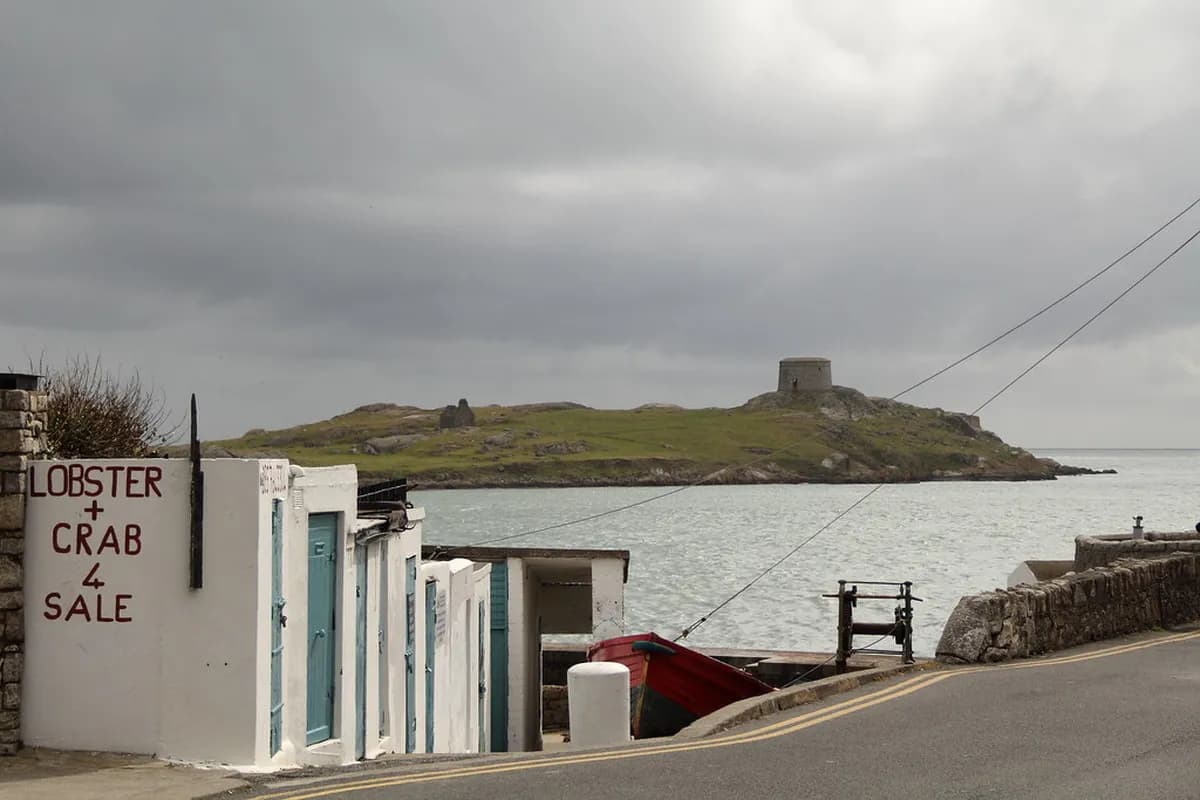
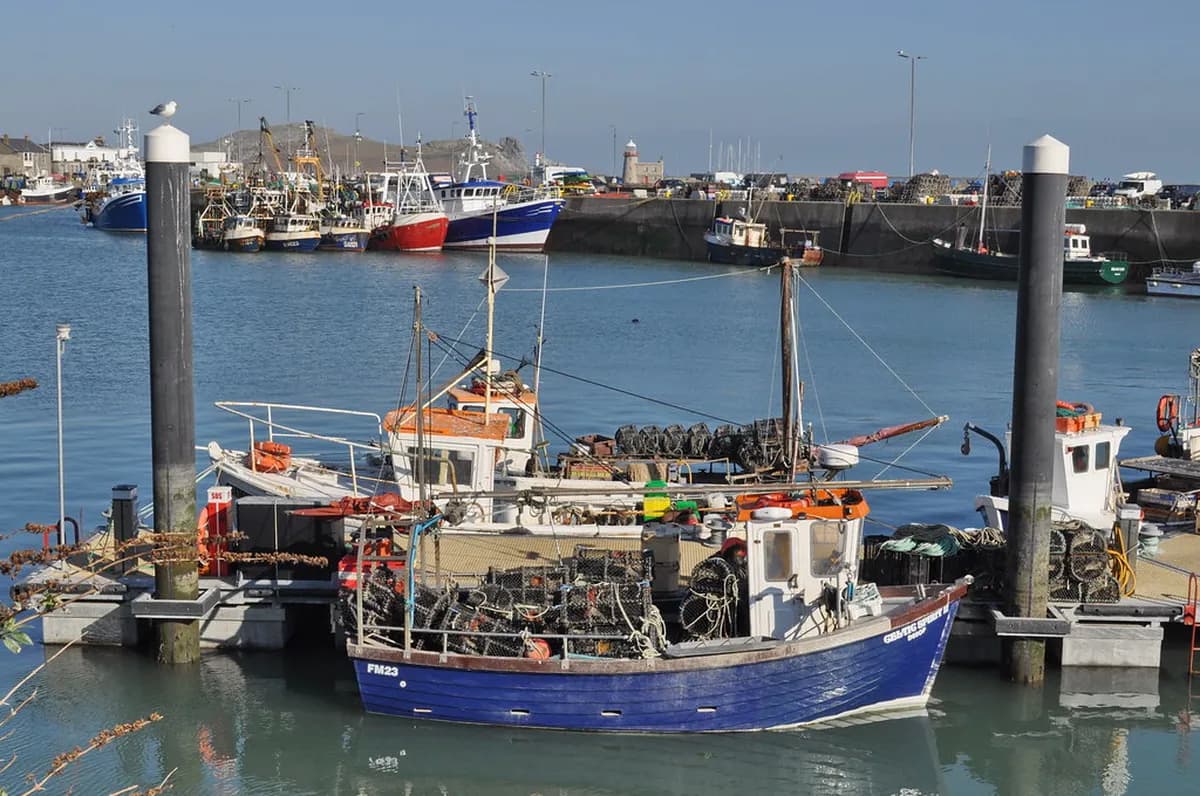
Shoulder months also suit coastal day trips, since DART trains run full schedules without summer's tourist overflow. The cliff walk in Howth feels far less crowded on an October weekday than a July weekend. These weeks also bring fewer school-holiday families, based on typical Irish school-term calendars.
When to Avoid: Peak Crowds and Price Spikes
St Patrick's Festival, running March 14 to 17 in 2026, packs Dublin's hotels and pubs to capacity. Room rates during that weekend often double compared with the rest of March. Six Nations rugby weekends in February and March also spike demand near the Aviva Stadium.
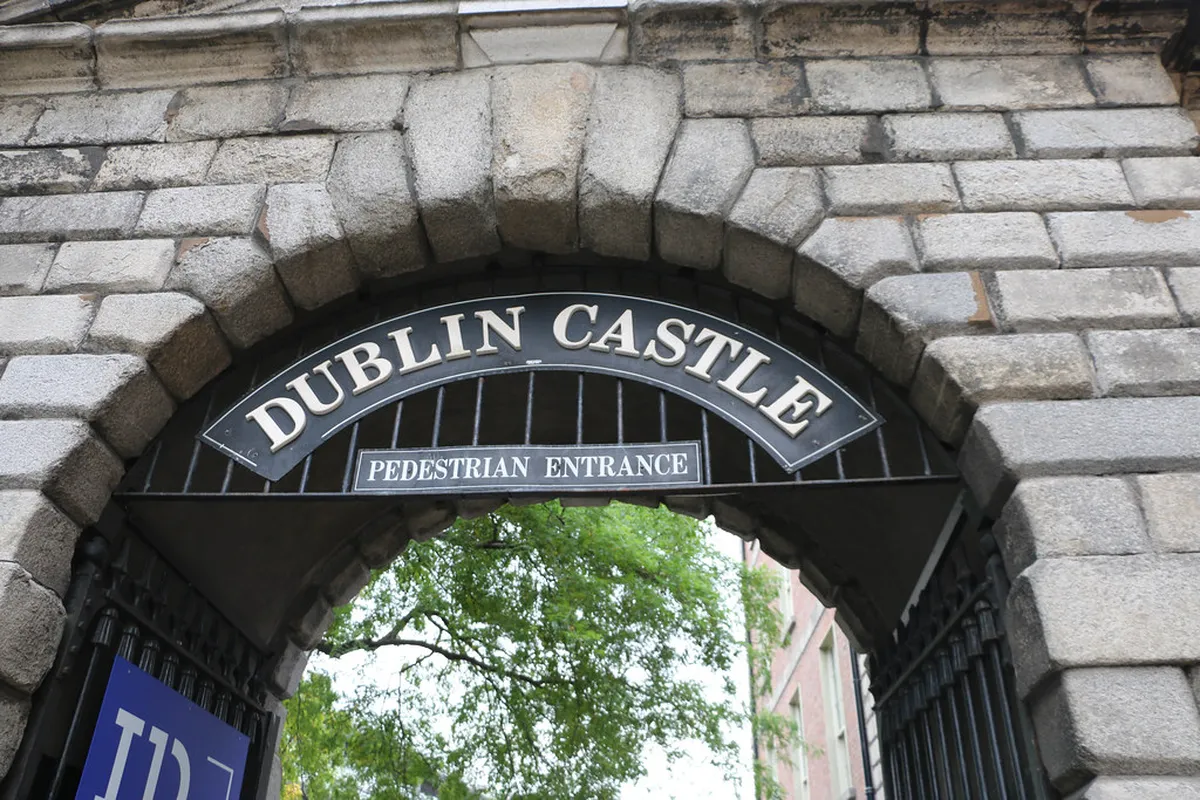
Peak summer, July and August, brings the highest hotel prices and the longest lines at major attractions. Popular pubs in Temple Bar fill up well before evening on warm weekend nights. Even the Guinness Storehouse's own seasonal guide recommends booking summer tickets weeks in advance. Travelers who need summer dates should still reserve Kilmainham Gaol tickets ahead of arrival.
Deep winter has its own trade-off: lower prices come with some reduced hours. Several open-top bus tours cut back to weekend-only schedules between January and February. Beer gardens and rooftop terraces at many Temple Bar pubs close from November through March. A guide to free Dublin attractions highlights indoor options for these quieter, damp months.
Dublin's Festival Calendar Month by Month
TradFest Dublin fills pubs and historic venues with traditional Irish music every January, usually around January 22 to 26. St Patrick's Festival follows in mid-March with a parade, fireworks, and four days of citywide events. Both festivals draw large crowds, so book accommodation for these dates well in advance.
Bloomsday on June 16 celebrates James Joyce's Ulysses with costumed readings across the city center. Fans in Edwardian dress gather outside the James Joyce Centre and along the novel's original route. Hotel rates rise slightly around Bloomsday, though nowhere near St Patrick's weekend levels.
The Dublin Fringe Festival runs each September, followed by the Dublin Theatre Festival in late September and October. According to Visit Dublin's official events guide, these autumn weeks combine mild weather with a packed cultural calendar. New Year's Eve brings fireworks over the River Liffey, plus a busy, cold crowd along the quays.
Which Season Is Right for You?
The right season depends on what matters most: budget, weather tolerance, or festival atmosphere. Families with school-age children are often locked into summer or the Christmas break. Budget-focused travelers and remote workers have far more flexibility to chase the shoulder months.
Photographers and quiet-crowd seekers tend to prefer late September, when golden light lasts into early evening. Rugby fans plan trips deliberately around Six Nations weekends, accepting higher prices for the atmosphere. First-time visitors with only two or three days often do best in May or October.
Travelers weighing extra time in the shoulder season often add a day trip while prices stay low. The day trips beyond Dublin guide lists options that pair well with an April or October stay. Booking a rental car or bus ticket a few days ahead is usually enough outside peak season.
- Choose late April to mid-May if
- You want mild weather and noticeably thinner queues at major sights.
- Choose late September to mid-October if
- You prefer crisp air, festival buzz, and lower hotel rates than summer.
- Choose June through August if
- Long daylight hours and festival energy matter more to you than crowds.
- Choose December for Christmas markets if
- You want festive lights and don't mind short, cold, rainy days.
- Skip mid-March entirely if
- Crowds and hotel prices during St Patrick's weekend feel overwhelming to you.
What to Pack for Dublin's Weather
Dublin's weather changes fast, so layering matters more than any single heavy coat. A waterproof outer layer beats a bulky umbrella, since wind often turns umbrellas inside out. Locals favor a light, packable rain shell that fits into a day bag.
Footwear matters as much as outerwear, since cobblestones and wet pavement show up in every season. Waterproof, broken-in shoes handle both the Georgian squares and the coastal cliff paths in Howth. Sandals rarely make sense here, even during the warmest July afternoons.
Sun protection still matters in summer, since UV levels rise even under Ireland's frequent cloud cover. A light scarf or hat helps in shoulder months, when mornings run cooler than afternoons. Packing this way works for any season on the calendar above, from January through December.
- Pack for spring (April to May)
- Bring a waterproof jacket, layers, and comfortable shoes for wet pavements.
- Pack for summer (June to August)
- Add a light rain shell since showers still interrupt sunny afternoons often.
- Pack for autumn (September to October)
- Choose a warm mid-layer plus a windproof coat for coastal walks.
- Pack for winter (November to February)
- Bring a heavy coat, waterproof boots, and gloves for short, damp days.
Frequently Asked Questions
What is the cheapest time to go to Dublin?
January and February bring Dublin's lowest hotel prices, aside from Six Nations rugby weekends. Late November also offers good value before Christmas markets raise demand citywide. Avoid mid-March, when St Patrick's Festival pushes rates to their highest point of the year.
What is the rainiest month in Dublin?
Based on typical Irish climate data, December and January see the most consistently overcast, damp days in Dublin. Rain tends to fall in short, frequent bursts rather than prolonged downpours. A packable rain shell handles most of these days without trouble.
How many days in Dublin is enough?
Most first-time visitors need three to four full days to cover the city center, Kilmainham Gaol, and one coastal day trip. Add an extra day in shoulder season for a relaxed pace. Queues at major sights also run shorter outside peak summer.
Is May a good time to visit Dublin?
Yes, May sits inside Dublin's shoulder season, with mild highs of 8 to 15°C (mid-40s to low-60s°F). Crowds stay noticeably lighter than in summer. Hotel rates typically run 20-30% below the June through August peak.
What should I avoid when visiting Dublin?
Avoid booking St Patrick's weekend or Six Nations rugby Saturdays unless you want the festival crowds. For a quieter alternative, the Dublin off the beaten path guide lists sights that stay calm even in peak season.
Exploring more of Europe? Browse our hidden-gems guides to London, Paris and Rome.
Late April to mid-May and late September to mid-October remain Dublin's best windows for mild weather and thin crowds. Avoid St Patrick's weekend, Six Nations Saturdays, and peak July-August dates if crowds matter to you. Book flights and key attraction tickets a few weeks ahead no matter which month you choose.
Pair your travel dates with the right time of day, and Dublin feels far less like a tour-bus stop. A quick check of the Dublin's secret spots guide rounds out a shoulder-season itinerary nicely.
Continue exploring
More guides you'll find useful