Lisbon's Hidden-Gem Attractions: 8 Museums & Sights (2026 Guide)
The best lesser-known things to do in Lisbon: 8 hidden-gem museums and sights with verified 2026 prices, free-entry Sundays, and insider tips for each visit.
On this page
Lisbon rewards curiosity. The city's most talked-about draws — Belém Tower, Jerónimos Monastery, the Alfama viewpoints — deserve their fame, but they are also consistently crowded and only scratch the surface of what one of Europe's richest cultural capitals has to offer. The eight attractions collected here take a different angle: world-class art in a garden-wrapped museum free every Sunday afternoon, a convent turned tile-art temple, a roofless Gothic ruin open to the sky, a monumental 18th-century cistern with a panoramic rooftop, and a handful of neighbourhood museums that feel as if they belong to the city's own residents.
None of these are obscure in the way "hidden gem" can imply thin content or poor upkeep. The Calouste Gulbenkian Museum ranks among the finest private art collections assembled anywhere in the world. The Museu Nacional do Azulejo is the definitive statement on Portugal's tile culture, housed in a 16th-century convent with a baroque church gilded top to bottom. The Aljube Museum occupies a genuine political prison and documents the Estado Novo dictatorship through original cells and personal testimony — a story every visitor to democratic Portugal should hear. What unites them is a quality-to-crowd ratio that big-ticket Belém sites cannot match in peak season.
Every guide linked below has been verified for 2026 — opening hours, current ticket prices, free-entry windows, and the practical logistics that don't always surface on official websites. Use this page as your starting point and click through to the individual visitor guide for the full detail on each attraction.
Top 8 attractions in Lisbon
Calouste Gulbenkian Museum
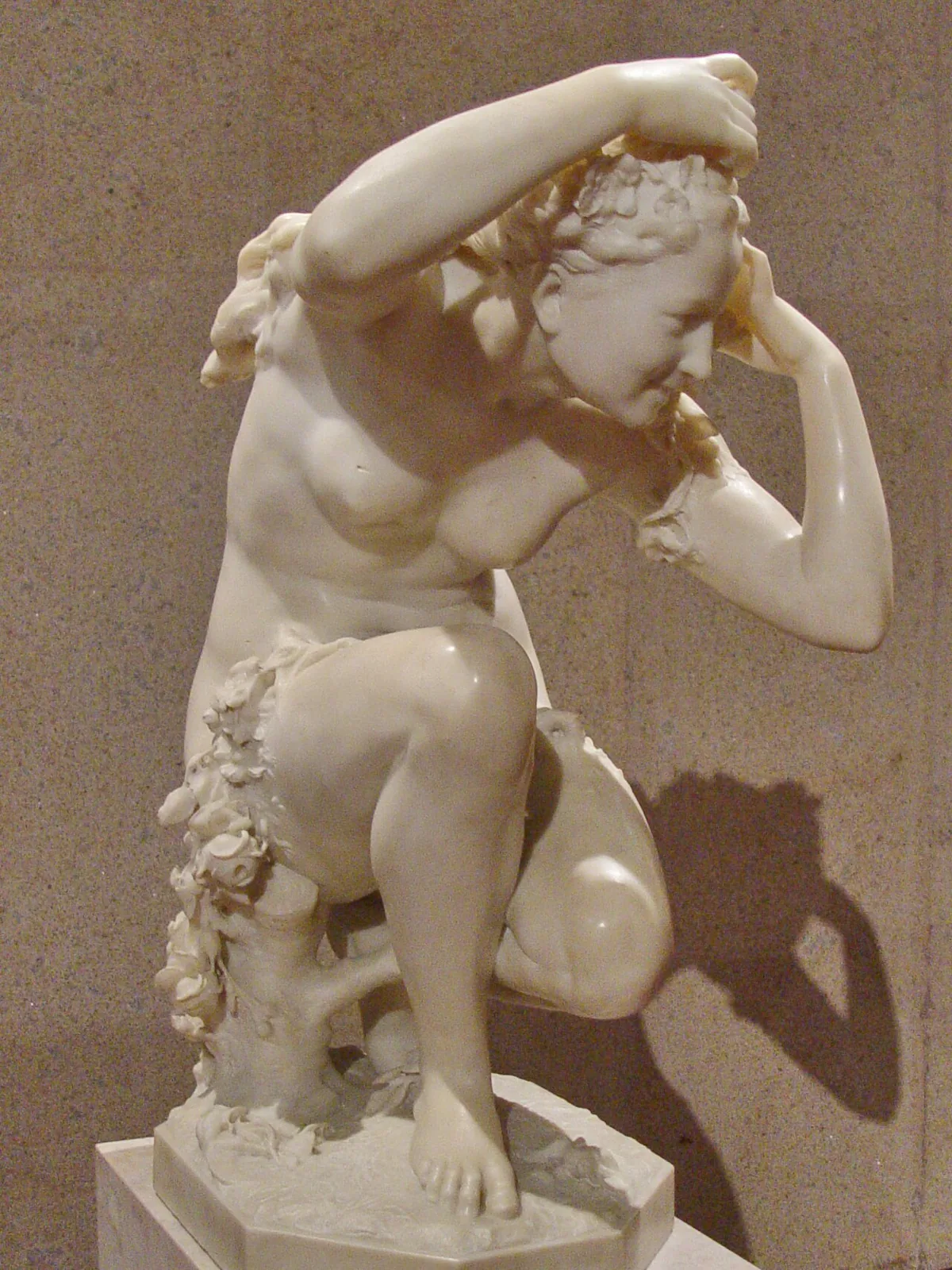
The Calouste Gulbenkian Museum in Lisbon holds one of the world's finest private art collections, spanning Ancient Egyptian, Islamic and East Asian art to European masters like Rembrandt and Monet, plus a renowned Lalique jewellery room. A combined Founder's + Modern Collection ticket is €10, free on Sundays from 14:00.
Visitor guide →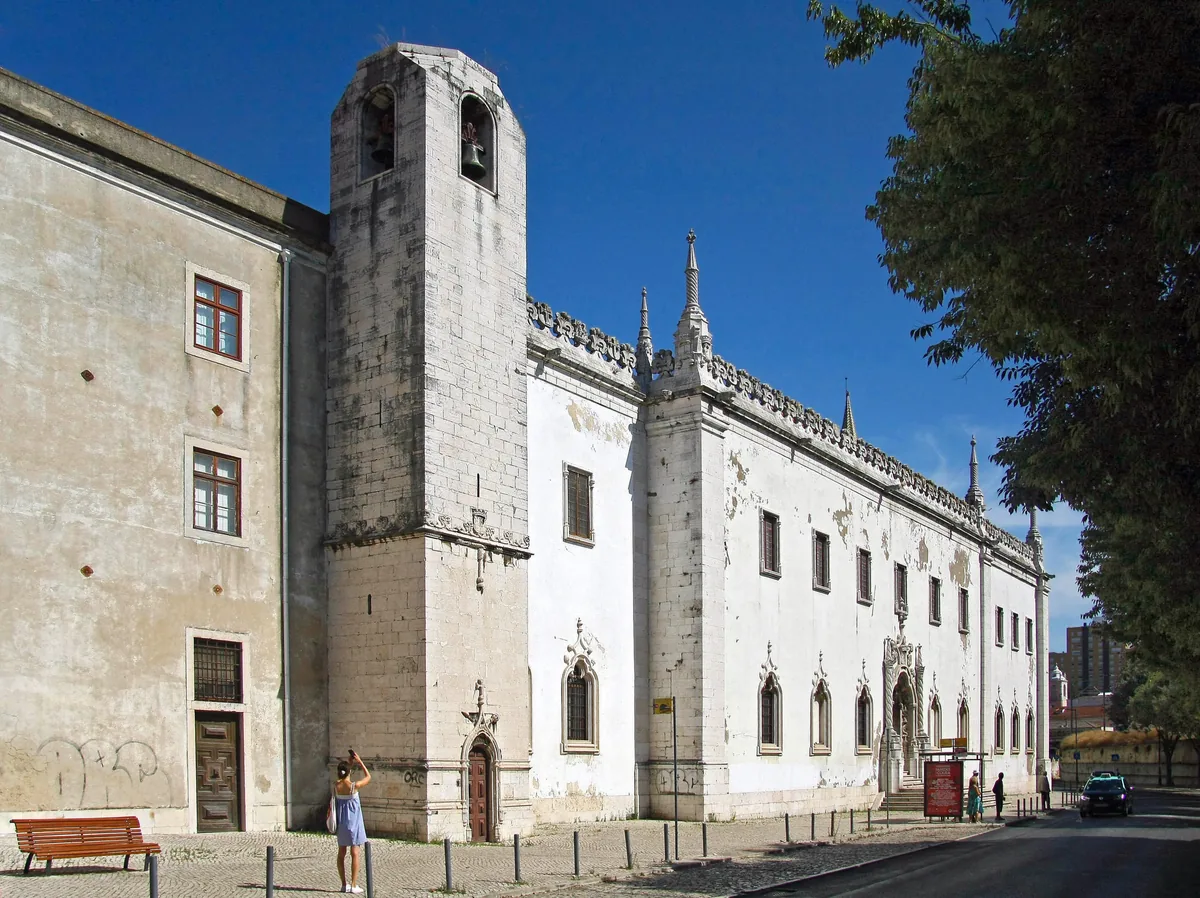
National Tile Museum
The National Tile Museum (Museu Nacional do Azulejo) in Lisbon is an art museum dedicated to Portuguese azulejo tilework, housed in the former 16th-century Madre de Deus Convent and home to the famous 23-metre Great Panorama of Lisbon tile panel.
Visitor guide →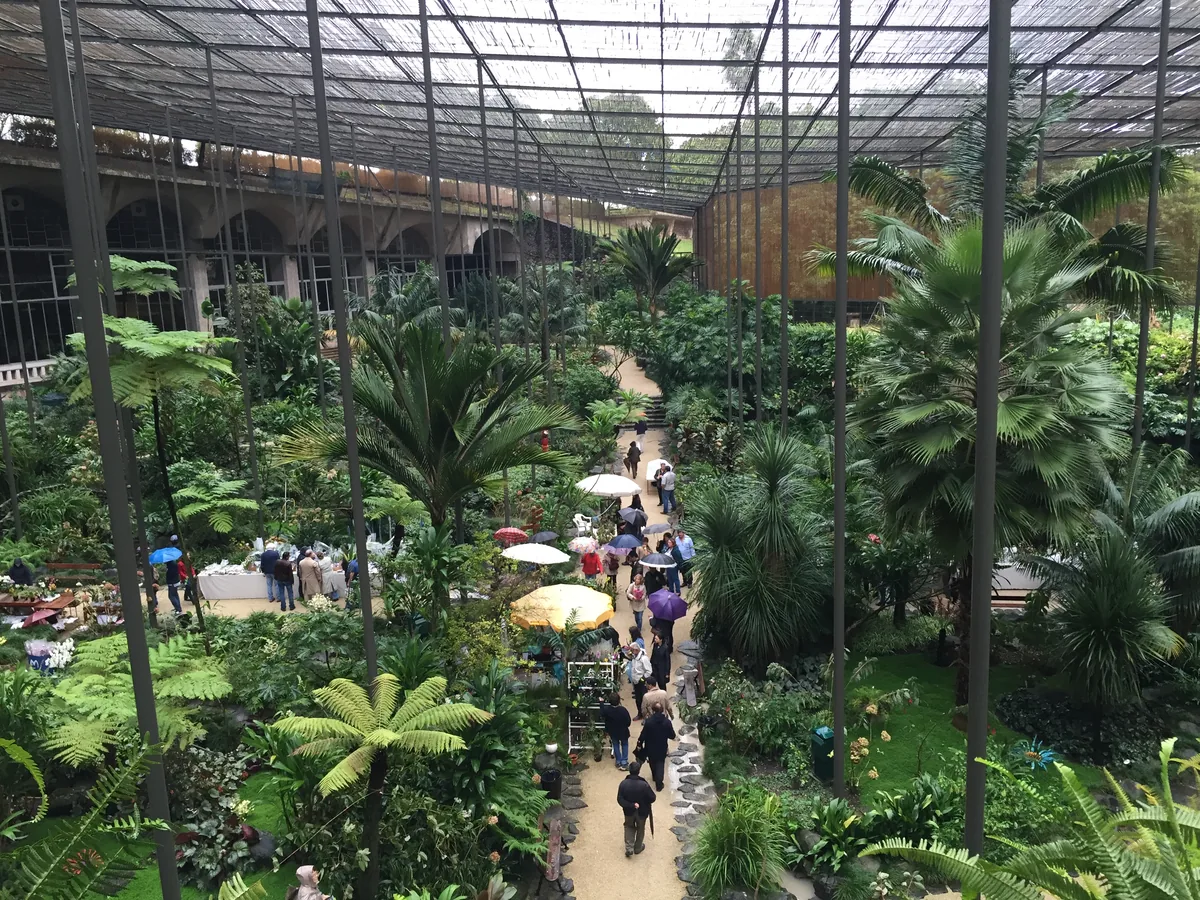
Estufa Fria
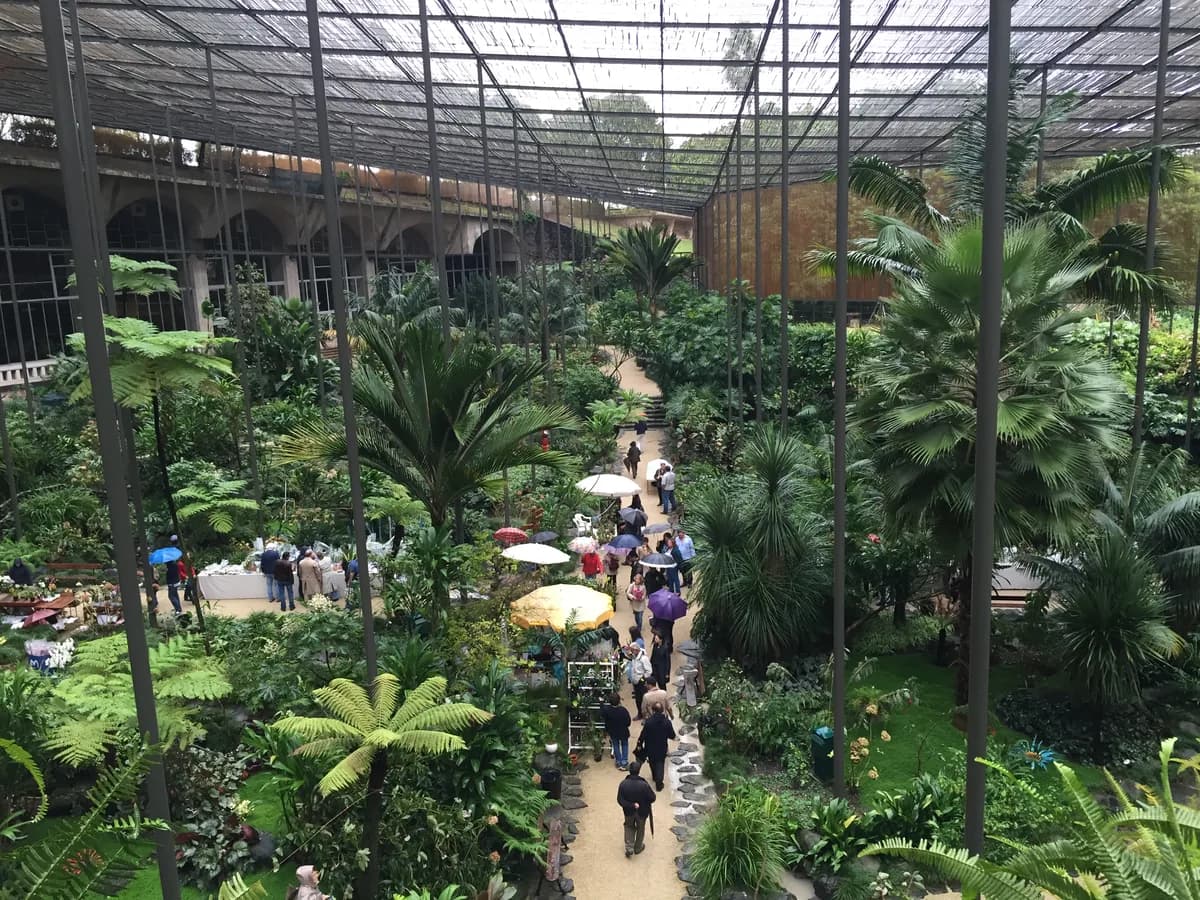
Estufa Fria is a three-part municipal greenhouse garden in Lisbon's Parque Eduardo VII, with cold, hot, and sweet greenhouse sections housing hundreds of plant species; admission is €3.10 (free on Sundays).
Visitor guide →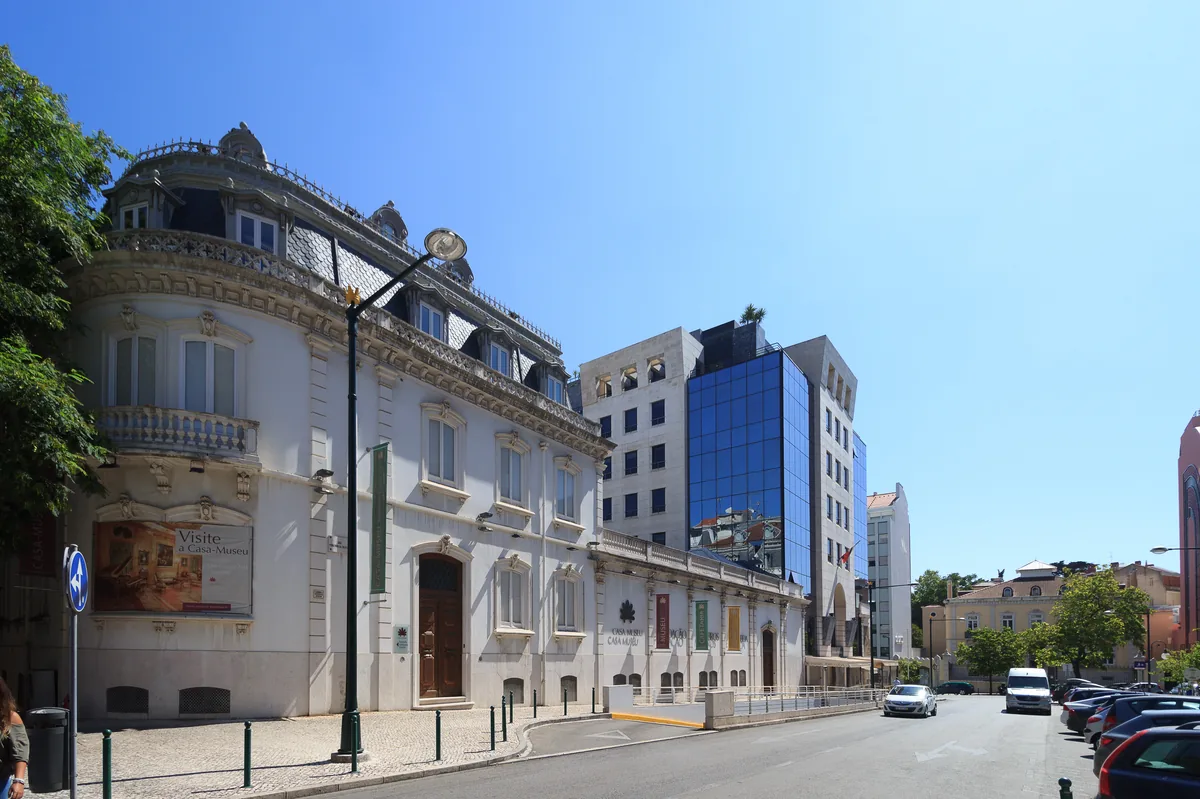
Medeiros e Almeida House Museum
The Medeiros e Almeida House Museum (Casa-Museu Medeiros e Almeida) is a decorative-arts house museum in central Lisbon set in the former mansion of collector António de Medeiros e Almeida, displaying around 2,000 works including a celebrated collection of clocks and watches, Chinese porcelain, and English and Portuguese silver.
Visitor guide →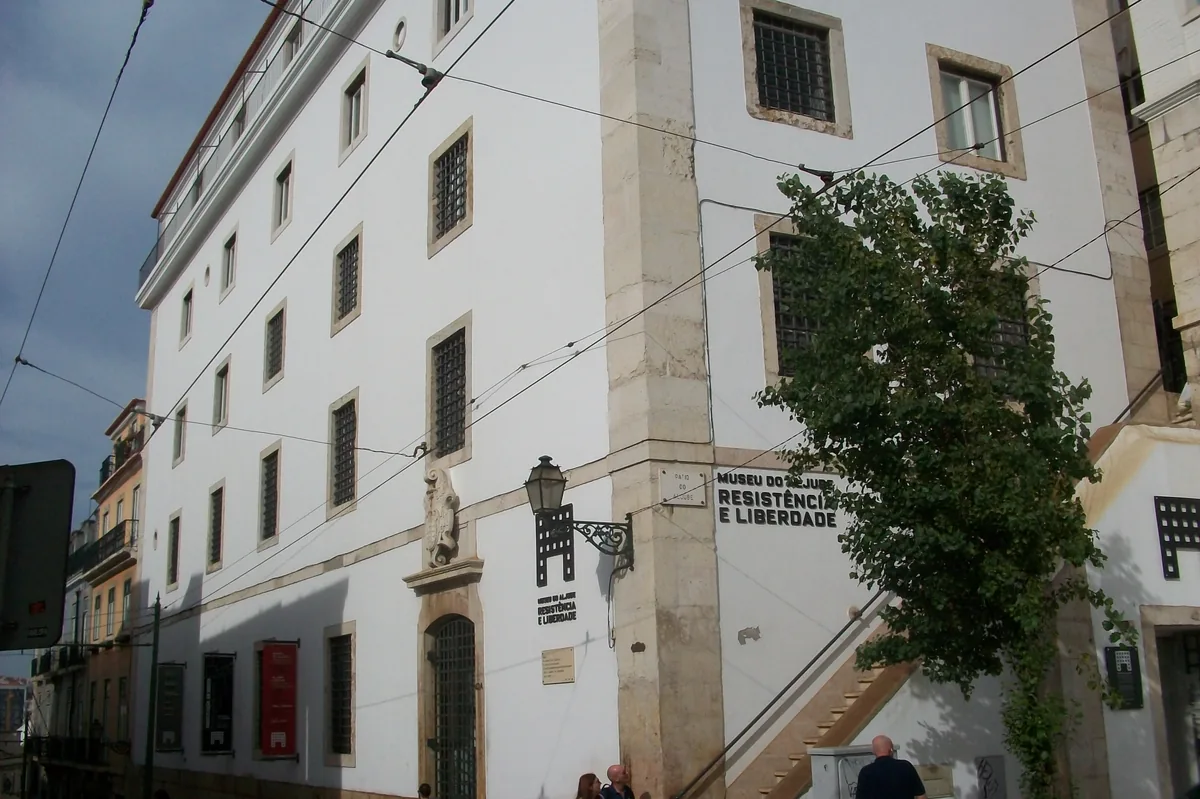
Aljube Museum – Resistance and Freedom
The Aljube Museum – Resistance and Freedom occupies a former political prison near Lisbon's Sé cathedral and documents repression and resistance under Portugal's Estado Novo dictatorship (1926–1974), culminating in the 1974 Carnation Revolution.
Visitor guide →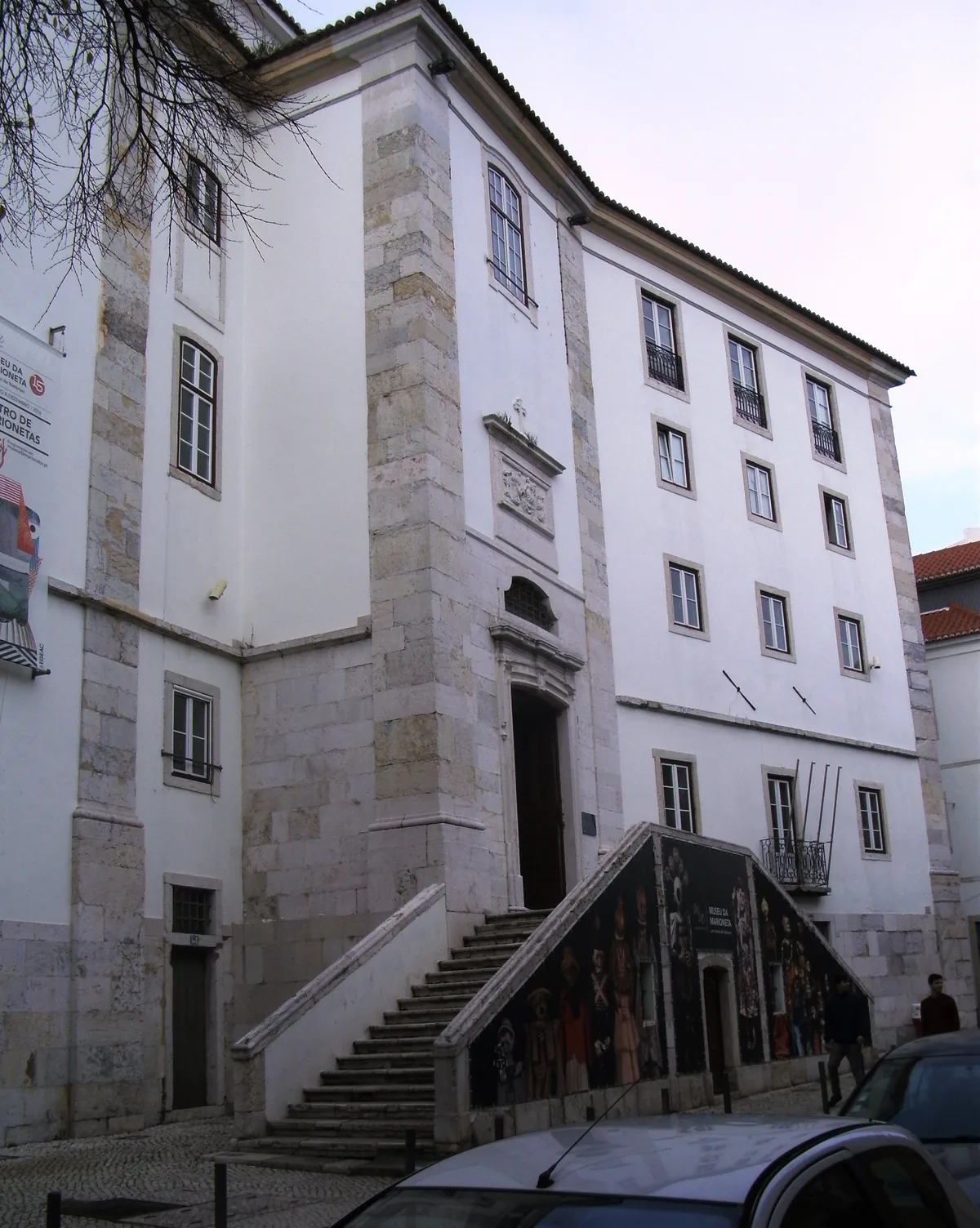
Puppet Museum
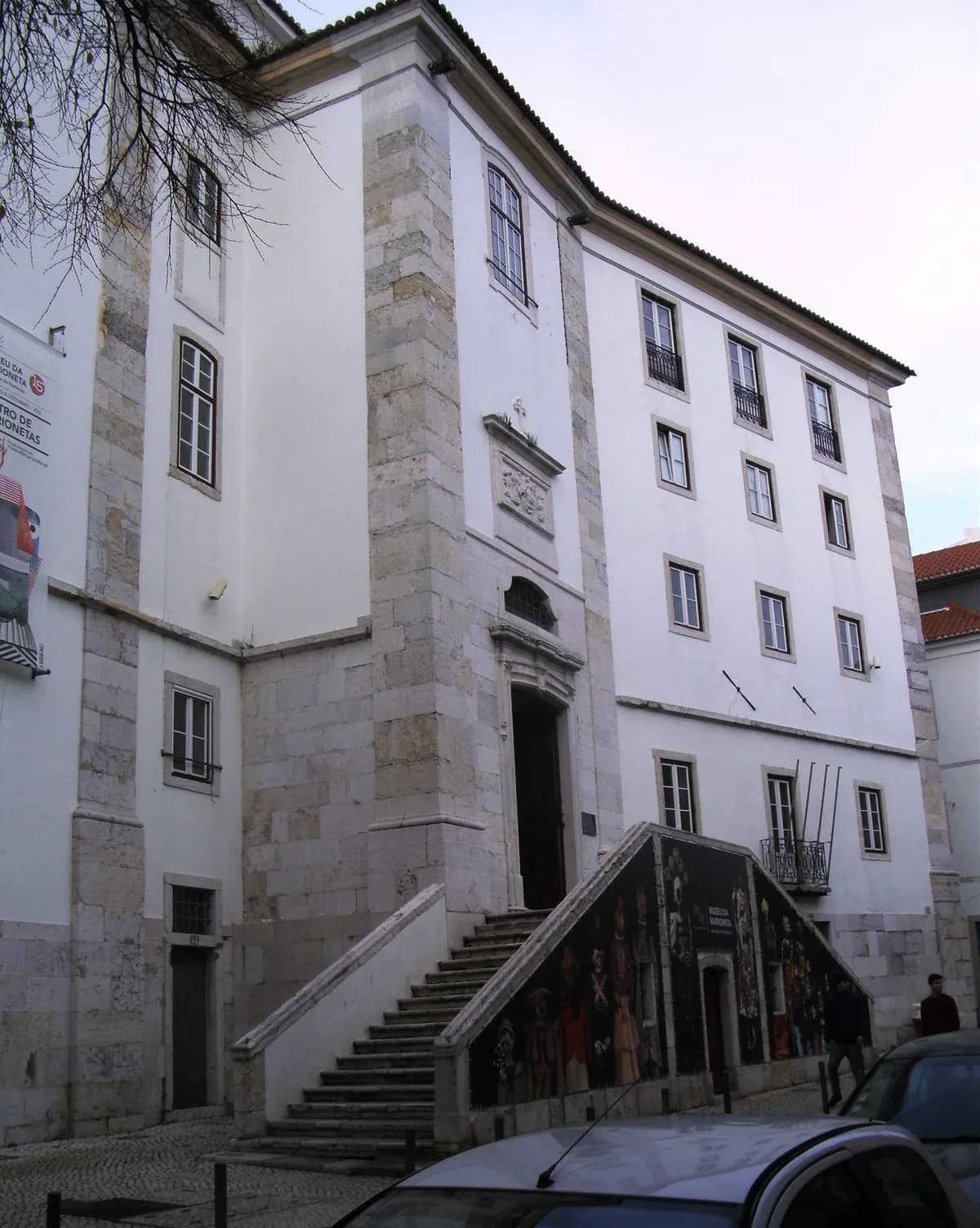
The Museu da Marioneta (Puppet Museum) is Portugal's only museum dedicated to the art and history of puppetry, set in a 17th-century convent in Lisbon's Madragoa district with Portuguese and international marionette collections.
Visitor guide →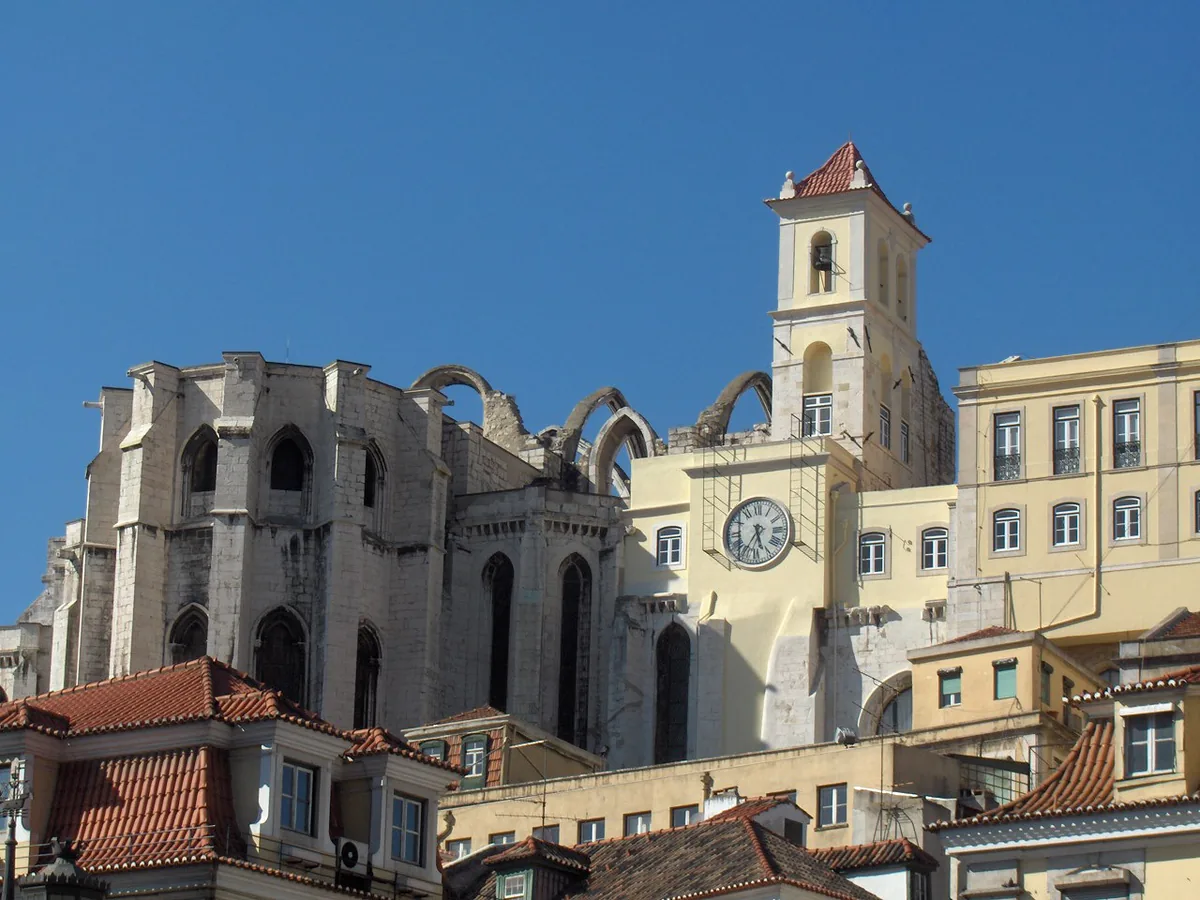
Carmo Convent and Archaeological Museum
The roofless Gothic ruins of the Carmo Convent in Lisbon's Chiado, destroyed in the 1755 earthquake and now home to the Carmo Archaeological Museum (MAC) with medieval tombs, stonework, and artefacts displayed beneath open-air arches.
Visitor guide →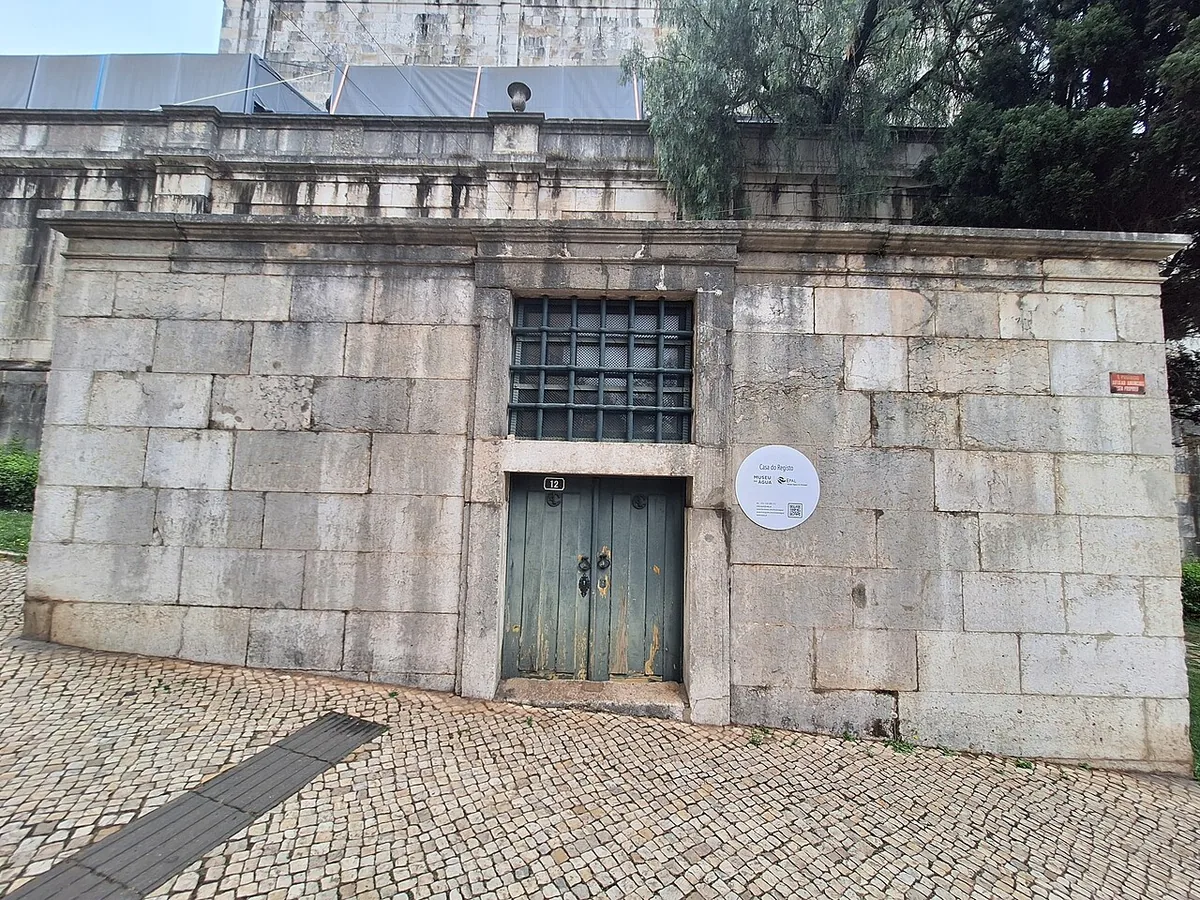
Mãe d'Água das Amoreiras Reservoir
A monumental 18th-century terminal reservoir of Lisbon's Águas Livres Aqueduct at Praça das Amoreiras, with a vast 7.5m-deep cistern beneath four columns and a panoramic rooftop terrace; now part of the Museu da Água and used for exhibitions and events.
Visitor guide →Lisbon attractions by neighbourhood
Organising these eight sights by district helps you pair them efficiently and avoid crisscrossing the city.
Avenidas Novas (north-central)
Two of Lisbon's most rewarding afternoons sit within walking distance of the Parque metro stop. The Calouste Gulbenkian Museum occupies five hectares of landscaped gardens on Avenida de Berna — allow two to three hours for the Founder's Collection plus the adjacent Centro de Arte Moderna. A ten-minute walk south, the Casa-Museu Medeiros e Almeida sits in a private mansion on Rua Rosa Araújo, its rooms arranged as the collector left them: clocks, Chinese porcelain, and English and Portuguese silver in salon after salon.
Parque Eduardo VII
Lisbon's formal hilltop park houses one of the city's most underrated escapes. Estufa Fria — the "cold greenhouse" — is a shaded bamboo-latticed structure sheltering waterfalls, fish ponds, and hundreds of subtropical plant species. Entry is just €3.10 and free every Sunday.
Chiado / Bairro Alto
The roofless Gothic ruins of the Convento do Carmo rise above Chiado on the hill opposite Bairro Alto. The 1755 earthquake stripped the nave of its roof; the surviving arches now shelter the Carmo Archaeological Museum with medieval tombs and Roman stonework displayed beneath open sky.
Alfama and the Sé
A five-minute walk uphill from the cathedral, the Aljube Museum occupies the former political prison where opponents of Portugal's Estado Novo regime were held and interrogated. Original cells, interrogation rooms, and meticulously documented personal testimony make this the most affecting museum in Lisbon at one of the lowest admission prices in the city.
Madragoa / Santos
The Museu da Marioneta is tucked into the 17th-century Convento das Bernardas on Rua da Esperança in the quiet Madragoa district. Portugal's only dedicated puppet museum — with Portuguese, Italian, Indian, and Javanese marionettes — surprises most visitors who wander in half-curious and leave two hours later.
Amoreiras
At the far end of the Águas Livres Aqueduct, the Mãe d'Água das Amoreiras is a monumental 18th-century terminal cistern at Praça das Amoreiras. The rooftop terrace offers one of Lisbon's most unusual urban panoramas; the vast interior cistern, still intact and seven metres deep, is lit for art exhibitions.
Beato / Xabregas (eastern Lisbon)
The Museu Nacional do Azulejo is the furthest east of this cluster — a 20-minute bus ride from Praça do Comércio. The former Madre de Deus Convent houses the 23-metre Great Panorama of Lisbon tile panel depicting the pre-earthquake city, a baroque church dripping with gilded woodwork, and the definitive survey of five centuries of azulejo tile art. Free on the first Sunday of each month.
Lisbon attractions by type
Art museums
The Calouste Gulbenkian Museum stands alone as the finest art museum in Portugal. The Founder's Collection spans 4,000 years — Ancient Egyptian amulets, Islamic metalwork, Japanese prints, and European paintings including Rembrandt, Rubens, and Monet — in a purpose-built 1969 modernist building of exceptional quality. The adjacent Centro de Arte Moderna covers Portuguese and international contemporary art and is included on the combined €10 ticket.
Azulejo and decorative arts
The Museu Nacional do Azulejo is the specialist institution for Portugal's signature art form, covering the full arc from Moorish geometric panels to 21st-century contemporary tiles. The Casa-Museu Medeiros e Almeida is its decorative-arts counterpart: Chinese export porcelain, French Sèvres, English and Portuguese silver, and the most important private clock collection in the Iberian Peninsula.
History and memory
The Aljube Museum documents the Estado Novo dictatorship through personal testimony, archival photographs, and objects recovered from the prison cells. The Convento do Carmo Archaeological Museum spans a far longer arc — prehistoric stone tools through Roman inscriptions to medieval tomb effigies — unified by the drama of the earthquake-ruined nave in which everything is displayed.
Gardens, monuments, and water infrastructure
Estufa Fria and the Mãe d'Água Reservoir represent Lisbon's public-engineering heritage. Estufa Fria was built in the 1930s as a working greenhouse for the city's parks service; the bamboo-lattice shade structure and waterfall paths are unlike anything else in urban Europe. The Mãe d'Água cistern, completed in 1834, was part of the Águas Livres Aqueduct that first brought clean water to Lisbon — a civic achievement as monumental as the arches visible crossing the Alcântara valley.
Free and cheap Lisbon attractions
Several of these eight attractions offer free or heavily discounted entry on specific days — worth planning around if you are watching the budget.
| Attraction | Standard price | Free / reduced day |
|---|---|---|
| Calouste Gulbenkian Museum | €10 (combined) | Every Sunday from 14:00 |
| Museu Nacional do Azulejo | €5 | First Sunday of the month |
| Estufa Fria | €3.10 | Every Sunday |
| Aljube Museum | €3 | See visitor guide for concessions |
| Museu da Marioneta | €5 | See visitor guide for family rates |
| Convento do Carmo | €5 | Lisboa Card discount |
| Mãe d'Água Reservoir | €4 | Lisboa Card included |
| Casa-Museu Medeiros e Almeida | €5 | Free every Saturday |
The Lisboa Card (24h from €31 / 48h from €49 / 72h from €59) covers or discounts most of these eight, plus provides unlimited metro, tram, bus, funicular, and CP commuter rail to Sintra and Cascais. If your itinerary includes two or more paid entries and any public transport, the 24-hour card pays for itself before lunch.
The highest-value free window is the Gulbenkian (€10 value, open from 14:00 on Sundays). Pair with a morning at Estufa Fria (also free on Sundays) and you cover two of the most expensive entries on this list at zero cost. For a deeper dive into free admission across all of Lisbon, see our complete guide to places to visit in Lisbon for free.
The Calouste Gulbenkian Museum is free every Sunday from 14:00. Estufa Fria is free every Sunday.
Suggested itineraries
One day in Lisbon (hidden gems focus)
A focused one-day circuit works best on a Sunday, when free-entry windows at both the Gulbenkian and Estufa Fria are open.
Morning (9:30–12:30): Start in Chiado at the Convento do Carmo — the roofless Gothic nave is at its most atmospheric in morning light, and mornings are quieter than weekend afternoons. Walk to the Aljube Museum near the Sé (ten minutes on foot or by tram 28E).
Lunch (13:00–14:00): Alfama or Mouraria — tascas with lunch specials under €12 are plentiful.
Afternoon (14:00–17:30): Head north by metro (Rossio → Parque, blue line) to arrive at the Gulbenkian at 14:00, when free Sunday entry opens. Spend two hours in the Founder's Collection and the modern wing, then walk ten minutes south to Estufa Fria in Parque Eduardo VII before 17:30 closing.
Three days in Lisbon (full circuit)
Day 1 — Alfama and Chiado: Aljube Museum in the morning (~1.5h), walk to the Sé and Miradouro das Portas do Sol, afternoon at Convento do Carmo, end the day with a drink in Bairro Alto.
Day 2 — Avenidas Novas and Parque Eduardo VII: Morning at the Gulbenkian Museum (allow 2.5h including the Centro de Arte Moderna), afternoon at the Casa-Museu Medeiros e Almeida (free on Saturdays), finish with Estufa Fria in Parque Eduardo VII.
Day 3 — West and east: Morning in Madragoa at the Museu da Marioneta, mid-morning at the Mãe d'Água Reservoir rooftop (Amoreiras), afternoon bus to Beato for the Museu Nacional do Azulejo (allow 1.5–2h). Pair any free afternoon with a trip to Belém on tram 15E to see the iconic landmarks that form the natural counterpart to these quieter cultural institutions.
Getting around Lisbon's attractions
Lisbon's hills make getting around a different proposition from most European capitals. The eight attractions span three metro lines, two tram routes, and several steep neighbourhoods that reward good footwear.
Metro (Metropolitano de Lisboa): The Blue Line (Linha Azul) is the fastest option for north–south movement. Use Parque station for the Gulbenkian and Estufa Fria. Change at Baixa-Chiado (Blue + Green interchange) for the Convento do Carmo (three minutes uphill or via the Santa Justa Elevator). Single tickets cost €1.61; day passes approximately €7.
Tram 28E: The historic tram runs from Martim Moniz through Alfama, past the Sé, up to Chiado, Estrela, and Prazeres. It passes closest to the Aljube Museum and Convento do Carmo. Expect queues in summer — early morning (before 9:00) and after 17:00 are quieter.
Bus routes: The Museu Nacional do Azulejo in Beato is best reached by bus 794 or 759 from Praça do Comércio (~15 min). The Museu da Marioneta in Madragoa and the Mãe d'Água in Amoreiras are walkable from Santos tram stops or downhill from Chiado.
Lisboa Card transport: The card covers all metro, tram, bus, funicular, and CP suburban trains to Sintra and Cascais. If you are using public transport three or more times a day, the transport element alone approaches the card's cost threshold — factor it in alongside attraction savings.
Most museums in Portugal, including several on this list, close on Mondays. Verify the individual guide for each attraction before planning a Monday visit.
Best time to visit Lisbon's attractions
Spring (March–May) is the consensus best season: temperatures of 16–22°C, long daylight hours, and the lowest crowds at both indoor and outdoor attractions. Estufa Fria is at its bloom-peak in April and May.
Summer (June–August) brings heat (often above 35°C in July–August) and peak tourist volumes. The indoor museums on this list — Gulbenkian, Azulejo, Aljube, Medeiros e Almeida, and Marioneta — are the ideal summer itinerary: air-conditioned, uncrowded relative to Belém, and open through the afternoon heat. Estufa Fria's shaded bamboo canopy keeps temperatures tolerable even in August.
Autumn (September–October) offers conditions close to spring — warm after mid-September, rarely crowded, and with lingering summer light. The Mãe d'Água Reservoir's rooftop terrace is particularly good in October: clear skies and soft afternoon light over the aqueduct arches.
Winter (November–February) is Lisbon's rainy season, but also the period with the fewest tourists and lowest accommodation prices. The indoor museums work perfectly on a grey afternoon; most of the eight on this list stay open year-round — check individual guides for January and public-holiday closures. Average winter temperatures sit around 12–15°C.
Avoid Mondays: Most museums in Portugal, including several on this list, close on Mondays. Verify the individual guide for each attraction before planning a Monday visit.
Frequently asked questions about Lisbon attractions
How many days do you need to see Lisbon's attractions?
Three days allows a thorough circuit of all eight attractions here, with time for meals, walking, and spontaneous exploration. Two days is workable if you prioritise — the Gulbenkian, Aljube, and Convento do Carmo on one day; Museu do Azulejo, Medeiros e Almeida, and Estufa Fria on the second. One focused day covers four or five, especially if you plan around free Sunday entry windows.
What are Lisbon's best hidden gems for culture?
The eight museums on this page consistently rate above standard tourist circuits among long-stay visitors. The ones that surprise first-timers most: the Calouste Gulbenkian Museum (genuinely rivals London's National Gallery in breadth at a fraction of the crowds), the Aljube Museum (the city's most emotionally affecting museum, inside a former political prison), and the Mãe d'Água Reservoir (one of Lisbon's least-known panoramic viewpoints, with a vast underground cistern beneath). For more off-the-beaten-track spots across the city, see our full guide to hidden gems in Lisbon.
Are Lisbon's museums free on Sundays?
Several are. The Calouste Gulbenkian Museum is free every Sunday from 14:00. Estufa Fria is free every Sunday. The Museu Nacional do Azulejo is free on the first Sunday of each month. The Casa-Museu Medeiros e Almeida is free every Saturday. Many other national museums in Portugal are also free on the first Sunday of the month — check individual visitor guides before you go, as schedules can change.
Is the Lisboa Card worth it for Lisbon's attractions?
For visitors covering two or more paid attractions and using public transport, yes. The 24-hour card (from €31) covers all metro, tram, bus, and funicular travel and gives free or discounted entry to over 50 attractions including the Mãe d'Água Reservoir and Convento do Carmo. If your itinerary includes a dedicated free-Sunday visit to the Gulbenkian and Estufa Fria, you may save more by combining a transport day pass (~€7) with individual entry for one or two paid sites — the maths depends on how many attractions you can realistically cover in 24 hours.
What is the best time to visit Lisbon's attractions?
Spring (March–May) for comfortable temperatures (16–22°C) and low crowds. Summer (June–August) for the longest days, but lean on the indoor museums during afternoon heat, and expect queues at popular outdoor sights. Autumn (September–October) is close to spring in quality. Avoid Mondays when most museums are closed.
Can you see Lisbon's main attractions in one day?
One focused day covers roughly four to five of the eight attractions here. A Sunday is the most efficient single day: free entry at the Gulbenkian from 14:00 and at Estufa Fria all day frees up budget for a third paid attraction. See the one-day itinerary above for a suggested route.
Which Lisbon museum is best for art lovers?
The Calouste Gulbenkian Museum is the clear answer — a combined ticket covers both the Founder's Collection and the Centro de Arte Moderna. It is consistently ranked among the top art museums in Europe and is significantly less crowded than comparable institutions in London or Paris. For applied and decorative art specifically, the Museu Nacional do Azulejo is the specialist institution of record.
Are Lisbon's attractions child-friendly?
Most of the eight are family-friendly in content and layout. The Museu da Marioneta is the most explicitly child-oriented — the puppet collection and theatrical display style works well for children aged five and up. Estufa Fria, with its waterfall paths and tropical plants, is another reliable family stop. Note that Lisbon's cobbled streets (calçada portuguesa) and steep hills can be challenging for pushchairs in Alfama and Chiado; the Gulbenkian and Medeiros e Almeida are both flat and fully accessible.
Plan your Lisbon trip
These eight attractions form the cultural core of a Lisbon visit, but the city's full range extends well beyond museums and indoor sights. Our related guides cover the neighbourhoods, the free options, and the off-grid experiences that long-stay visitors seek out:
- For a complete survey of Lisbon's lesser-known spots, see hidden gems in Lisbon.
- For activities and experiences beyond the standard museum circuit, see unique things to do in Lisbon.
- For a budget-first approach to the city, see our list of places to visit in Lisbon for free.
Continue exploring
More guides you'll find useful