6 Essential Tips for the Museum of Greek Folk Art Visitor Guide
Plan your visit to the Museum of Greek Folk Art in Athens — now the Museum of Modern Greek Culture (MNEP) at 10 Areos Street. Ticket prices, opening hours, and what to see in 2026.
On this page
6 Essential Tips for the Museum of Greek Folk Art Visitor Guide
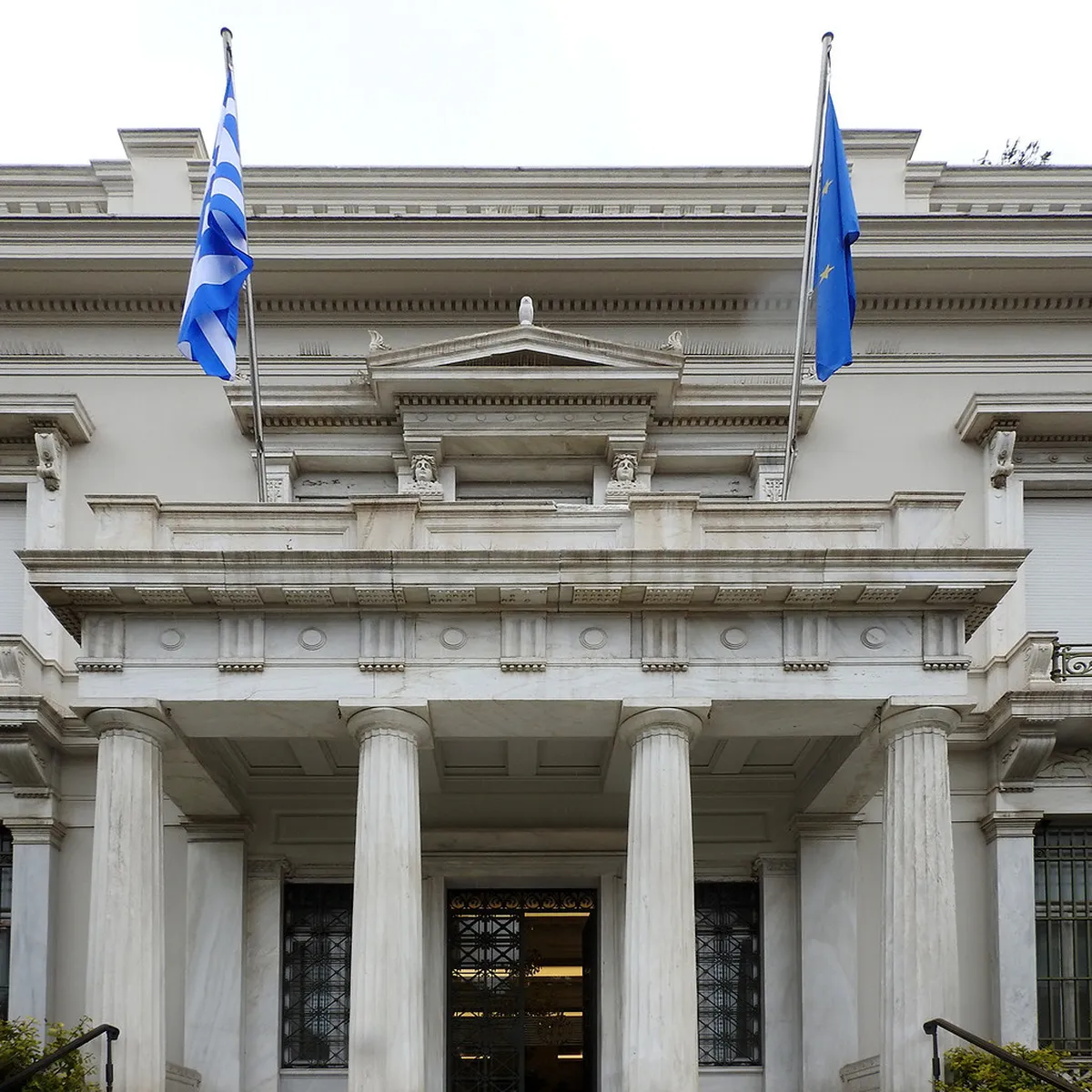
The Museum of Greek Folk Art has been reorganised and reopened under a new name: the Museum of Modern Greek Culture (MNEP), with its main permanent-exhibition building at 10 Areos Street in Monastiraki. The collection — over 25,000 objects spanning the mid-18th century to the 1970s — covers embroidery, regional costumes, Karagiozis shadow puppets, Theophilos naive paintings, silverwork, and ceramics. This guide gives you the exact hours, ticket prices, and what to see in 2026.
Many searches for this topic surface results about a center in North Carolina. This guide focuses entirely on Athens, Greece. The museum's several buildings sit in and around Plaka and Monastiraki, each housing a different strand of the collection.
History and Significance of the Museum of Greek Folk Art
The museum traces its origins to 1918, when it was founded as the Museum of Greek Handicrafts to collect and preserve the popular and folk art of the modern Greek world. Through the 20th century it grew into one of Greece's foremost collections of folk culture, gathering crafts and customs from across the mainland and islands as industrialisation erased traditions that had evolved over centuries. Documenting that material became urgent rescue work, and the resulting collection remains the heart of the institution today.
The institution operated for decades under the name Museum of Greek Folk Art, administered by the Greek Ministry of Culture. After a long restoration programme affecting its scattered historic buildings across Plaka, it was consolidated and relaunched as the Museum of Modern Greek Culture — Mouseio Neoterou Ellinikou Politismou (MNEP) — to better reflect the breadth of its holdings. The new permanent-exhibition building on Areos Street opened to visitors as the flagship venue.
Similar historical layers appear at the Byzantine and Christian Museum, which provides complementary context on the Orthodox traditions feeding into folk aesthetics. Understanding both institutions together gives a much fuller picture of how Greek identity was shaped over the centuries leading up to the modern era.
Must-See Collections: Costumes, Embroidery, and Theophilos Paintings
The costume galleries are the most visually immediate part of the permanent display. Outfits from Epirus, the Ionian Islands, and the Dodecanese illustrate how dramatically regional identity expressed itself through dress. Each garment signals the wearer's social standing, marital status, and home region through the specific combination of fabric, colour, and ornament. The density of detail rewards slow looking.
Embroidered textiles are among the collection's most technically remarkable objects. Silk and gold-thread work from the 18th and 19th centuries features floral borders, mythological scenes, and geometric repeats that took months to complete. Many pieces were made as dowry items, designed to last a lifetime and be passed between generations. The preservation is exceptional — colours remain vivid despite the age of the threads.
The Theophilos Hatzimichail room is a highlight that many visitors underestimate before they enter it. Theophilos was a self-taught painter from Lesbos who wandered mainland Greece in the early 20th century, painting scenes of Byzantine heroes, rural life, and mythology on walls, canvas, and any surface he could find. His naive style is entirely his own — bold outlines, flat perspective, an almost childlike directness — and the MNEP holds one of the finest concentrations of his work anywhere.
Gold and silverwork cases show the influence of Byzantine metalworking on later folk production. Belt buckles, earrings, and bridal crowns often combine filigree technique with religious iconography. These objects were portable wealth as much as decoration, carried across regions by itinerant craftsmen and traded at annual fairs.
Karagiozis Shadow Puppets: A Tradition You Won't Find Elsewhere
The Karagiozis collection is the museum's most distinctive holding and one that no other institution in Athens covers in comparable depth. Karagiozis is the Greek adaptation of the Ottoman shadow-puppet theatre tradition: a hunchbacked, long-armed trickster who outwits Ottoman officials and wealthy landowners through cunning and low comedy. The character became a vehicle for Greek popular political satire, especially during the 19th-century struggle for independence.
The MNEP holds a substantial number of original puppets — cut from camel hide and hand-painted — alongside painted scenery and documentation of the performance tradition. Seeing the physical objects explains immediately why this form worked: the puppets are flat silhouettes designed for backlit projection onto a white screen, and the colours glow when lit. The craftsmanship is entirely functional but produces objects of considerable beauty.
Karagiozis performances were a fixture of open-air summer evenings in Greek towns well into the mid-20th century. The collection at the MNEP preserves that tradition at a point when live performance is rare. For visitors with children, this section tends to produce an immediate reaction — the exaggerated shapes and painted expressions communicate across language barriers.
The Museum Buildings: Areos Street and the Annexes
The main building at 10 Areos Street is the focus of the permanent collection. It sits in the block bounded by Adrianou, Areos, Kladou, and Vrysakiou streets — a five-minute walk from Monastiraki metro and about ten minutes from Syntagma. The museum's holdings are spread across several restored buildings in and around Plaka and Monastiraki, each presenting a different strand of the collection in an atmospheric setting.
The Bath House of the Winds (Hammam tou Aerides) on Kyrristou Street is one of the few preserved Ottoman-era public baths in Athens and forms a second annex. The ceramics collection — assembled by V. Kyriazopoulos — occupies the Tzistarakis Mosque on Monastiraki Square. A fourth exhibition space operates at 22 Panos Street.
- Main building — 10 Areos Street, Monastiraki/Plaka: permanent collection (costumes, embroidery, Karagiozis, Theophilos, silverwork)
- Bath House of the Winds — Kyrristou Street, Plaka: rare preserved Ottoman hammam
- Tzistarakis Mosque — Monastiraki Square: Kyriazopoulos folk ceramics collection
- 22 Panos Street — Plaka: additional exhibition space
Accessibility at the historic annexes is limited by the original architecture — small staircases and narrow corridors are features of buildings designed in the 18th and 19th centuries. The Areos Street main building is better suited to visitors with mobility constraints. Staff at each venue can advise on access arrangements. Photography is generally permitted without flash; check signage in each room as policy can differ by gallery.
The historic annex buildings (Bath House of the Winds, Tzistarakis Mosque, Panos Street) feature original staircases and narrow corridors — accessibility for visitors with mobility constraints is limited. The main Areos Street building is more accessible; contact staff in advance if you need assistance.
Practical Information: Hours, Tickets, and Free Admission Days
General admission to the main Areos Street building is €15, with a reduced rate of €8 for students, seniors, and qualifying visitors. The museum is closed on Tuesdays. On other days, hours differ by day of the week: Monday, Thursday, and Friday 09:30–16:30; Wednesday, Saturday, and Sunday 08:00–20:00. Wednesday and weekend morning openings at 08:00 are useful for arriving before the main tourist traffic from Monastiraki builds up. Verify current schedules on mnep.gr before visiting.
Free-admission days in 2026 are: 6 March (Melina Mercouri Day), 18 April (International Monuments Day), 18 May (International Museum Day), 28 October (Ochi Day). Additionally, entry is free on the first and third Sunday of every month from 1 November through 31 March. If your Athens trip falls on any of these dates, visiting costs nothing and the museum is worth prioritising over paid options.
The museum offers free admission on six public holidays and the first and third Sunday of each month from November to March. Arriving Wednesday to Sunday at 08:00 opens the museum an hour before the main tourist crowds — an ideal time to enjoy the Karagiozis and Theophilos collections without queues.
The museum sits within easy walking distance of both Monastiraki metro station (Lines 1 and 3) and Syntagma (Lines 2 and 3). The Ancient Agora and the Roman Agora / Tower of the Winds are immediate neighbours. Most visitors combine the MNEP with a circuit of the Monastiraki and Plaka areas in a single morning or afternoon. Confirm ticket prices and free-day accuracy on the official site before travel, as they can change.
- Main building address: 10 Areos Street, Monastiraki/Plaka, Athens 10555
- General ticket: €15 | Reduced: €8
- Closed: Tuesday
- Mo / Th / Fr: 09:30–16:30
- We / Sa / Su: 08:00–20:00
- Free days: 6 Mar, 18 Apr, 18 May, 28 Oct; first and third Sunday Nov–Mar
- Nearest metro: Monastiraki (Lines 1 & 3) or Syntagma (Lines 2 & 3)
| Day | Hours |
|---|---|
| Monday | 09:30–16:30 |
| Tuesday | Closed |
| Wednesday | 08:00–20:00 |
| Thursday | 09:30–16:30 |
| Friday | 09:30–16:30 |
| Saturday | 08:00–20:00 |
| Sunday | 08:00–20:00 |
Exploring Plaka and Shopping for Authentic Greek Crafts
Plaka is the oldest continuously inhabited neighbourhood in Athens and the natural extension of a museum visit. After the MNEP, you can walk to Hadrian's Library in under five minutes or to the Benaki Museum in around fifteen. The streets between Monastiraki and the base of the Acropolis hold a mix of tourist souvenir shops and a smaller number of genuine craft sellers — knowing which is which saves time and money.
For embroidery and woven textiles that reflect the same traditions the museum documents, look for specialist shops along Adrianou and the quieter alleys branching off it toward the Anafiotika quarter. Handmade leather sandals have been made in Plaka workshops for decades; several craftsmen still cut and stitch to order on Areos and Pandrossou streets, with fittings typically taking 30–45 minutes. These are not cheap relative to tourist-market alternatives, but they are genuine and last.
Silver jewellery with Byzantine or folk-art motifs can be found in small jewellers near Monastiraki Square. The Monastiraki flea market — at its densest on Sunday mornings — includes stalls selling old ceramics, metalwork, and textiles that occasionally include pieces consistent with what the museum displays, though condition and provenance vary widely. The neighbourhood rewards a slow pace: the streets between 08:00 and 10:00, before tour groups arrive, are a different experience from the same streets at midday.
Disambiguation: Museum of Greek Folk Art vs. Folk Art Center, North Carolina
Searches for "museum of greek folk art" regularly surface results for the Folk Art Center at Blue Ridge Parkway Milepost 382, near Asheville, North Carolina. The two are unrelated. The North Carolina center is the headquarters of the Southern Highland Craft Guild and focuses on Appalachian mountain crafts — woodworking, basketry, and regional weaving traditions from the American Southeast. It is open year-round and worth visiting if you are travelling the Blue Ridge Parkway.
The Athens museum is dedicated to Greek popular and folk art: Byzantine-influenced metalwork, Ottoman-era ceramics, island embroidery, and the Karagiozis puppet tradition. The geographic and cultural overlap between the two institutions is zero. Always confirm city and country when booking tours or setting navigation, as GPS errors from this confusion are common. For the Athens museum, set navigation to 10 Areos Street, Monastiraki, Athens, Greece.
Frequently Asked Questions
Where is the Museum of Greek Folk Art located?
The main permanent-exhibition building of the Museum of Greek Folk Art — now the Museum of Modern Greek Culture (MNEP) — is at 10 Areos Street, in the Monastiraki/Plaka district of central Athens. It is within walking distance of the Monastiraki and Syntagma metro stations, making it very accessible for most visitors exploring central Athens.
What are the opening hours for the Museum of Folk Art & Tradition in Athens?
The museum is typically open Tuesday through Sunday from 9:00 AM to 3:00 PM. It remains closed on Mondays and major public holidays. It is always wise to check the official site for any seasonal changes or temporary closures before you visit.
What is the difference between the Athens Folk Art Museum and the Blue Ridge Folk Art Center?
The Athens museum focuses on traditional Greek crafts and heritage within a historic city mansion. The Blue Ridge Folk Art Center is located in North Carolina, USA, and showcases Appalachian mountain crafts. They are two distinct institutions in different countries. Learn more about Athens attractions here.
The Museum of Modern Greek Culture — still widely found under its former name, the Museum of Greek Folk Art — is one of the most substantive cultural stops in central Athens. The €15 general ticket covers a collection of over 25,000 objects that no other city institution duplicates, from Karagiozis shadow puppets to Theophilos paintings to 18th-century island embroidery. Free on six public holidays plus the first and third Sunday of winter months, it rewards visitors who time their trip well.
Plan for two to three hours across the Areos Street building and at least one annex. Check current hours on mnep.gr before heading out. The combination of the museum, the Monastiraki flea market, and a walk through Plaka makes for a full and genuinely Athenian half-day.
To verify current details, consult the Museum of Greek Folk Art on Wikipedia.
Continue exploring
More guides you'll find useful