Numismatic Museum of Athens Visitor Guide: 6 Essential Tips
Plan your visit to the Numismatic Museum of Athens with our guide to Schliemann's mansion, ancient coin highlights, the hidden garden cafe, and ticket tips.
On this page
Numismatic Museum of Athens Visitor Guide: 6 Essential Tips
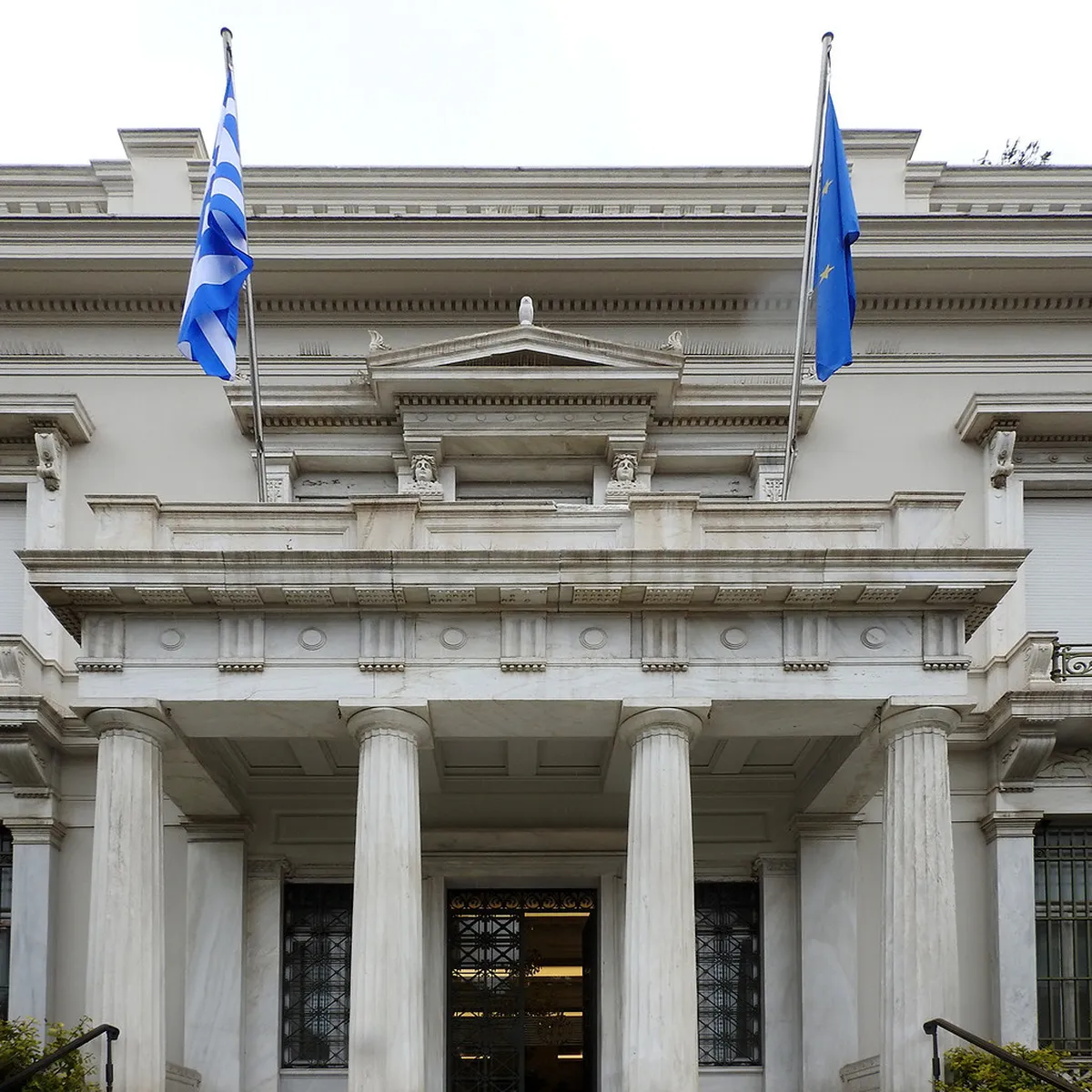
The Numismatic Museum of Athens is one of the city's most rewarding — and least crowded — cultural stops. It sits inside the Iliou Melathron, Heinrich Schliemann's lavishly frescoed neoclassical mansion on Panepistimiou Street, just a five-minute walk from Syntagma Square. The building alone is worth the entrance fee.
The collection spans over 3,000 years of monetary history, from Bronze Age weights to modern medals. More than 500,000 objects fill the display cases in chronological order, making it one of the largest coin collections in the world. Yet on a typical weekday the galleries are genuinely quiet — a rare luxury in central Athens.
This guide covers everything you need before your 2026 visit: the mansion's history, the top collection highlights, exact ticket prices and hours, the garden café, and practical navigation tips that most visitors only learn once they arrive.
Quick Facts at a Glance
Before diving into the details, here is the essential information for planning your visit in 2026.
- Address: Panepistimiou 12 (El. Venizelou Street), 10671 Athens — between Syntagma and Omonia squares
- Opening hours: Wednesday–Monday 08:30–15:30; closed every Tuesday
- Last entry: 20 minutes before closing (15:10)
- Full ticket: €10 | Reduced ticket: €5 (EU citizens over 65, Oct–May)
- Getting there: Metro line 2 (red) to Panepistimio, 3-minute walk; or line 2/3 to Syntagma, 5-minute walk
- Recommended visit time: 1.5–2 hours for the galleries; longer if you linger in the garden
- Garden café: Open to all, no museum ticket required
- Audio guide: Available in multiple languages at the ticket desk
The museum is closed on 1 January, 25 March, Orthodox Easter Sunday, 1 May, and 25–26 December. Check nummus.gr for any seasonal free-entry days before your visit.
The Architectural Legacy of Iliou Melathron
The building housing the museum is itself a national monument. Ernst Ziller, the prominent Greek-German architect, designed the mansion between 1878 and 1880 as a private residence for archaeologist Heinrich Schliemann. Schliemann named it Iliou Melathron — "Palace of Troy" in ancient Greek — a deliberate tribute to his most famous discovery.
Ziller used a Renaissance Revival framework enriched with neoclassical details. The interior features floor mosaics and wall frescoes directly inspired by the decorative schemes of Pompeii and the Homeric epics. Look up in the main reception hall: the ceiling paintings depict scenes from the Trojan War, and every cornice bears motifs drawn from ancient pottery and myth.
After Schliemann's death in 1890, the Greek State acquired the building in 1926. It briefly housed the Greek Supreme Courts before being repurposed as the permanent home of the national coin collection. The transition gave the museum a dual identity: part archive, part memorial to the man who changed archaeology forever.
The synergy between Ziller and Schliemann produced what many architects consider the finest surviving private mansion in Athens. Standing in the atrium, it is easy to forget you are in a museum rather than a 19th-century home — an effect that no other attraction in Athens quite replicates.
Top Highlights of the Numismatic Collection
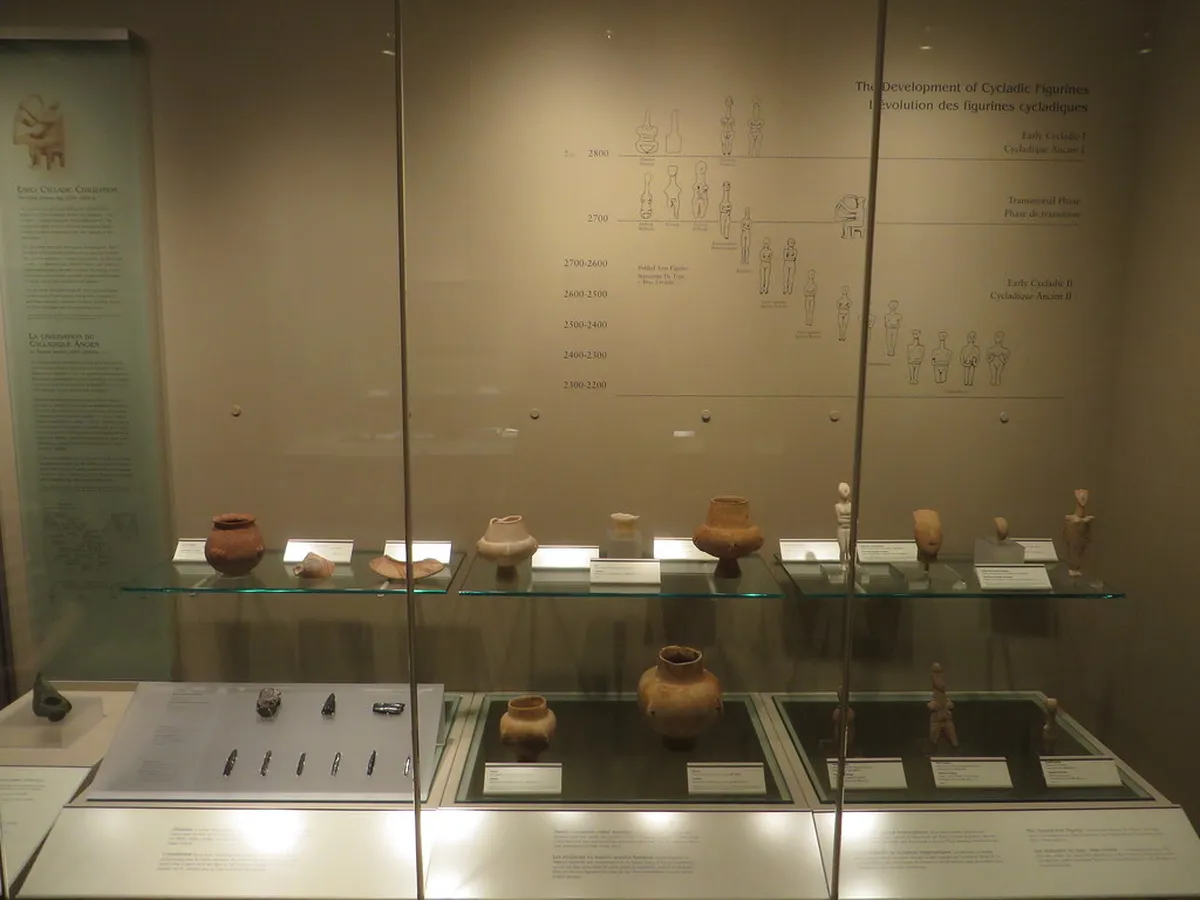
The museum holds over 500,000 objects — coins, medals, lead seals, weights, dies, and engraved gems — spanning from 1400 BC to the present day. The exhibition is arranged chronologically, so you move from Bronze Age ingots through city-state silver coins to Byzantine gold solidi and Ottoman-era coppers. Each room represents a distinct chapter in monetary history.
The richest displays cover the period from the 6th century BC to the 5th century AD. This is where you will find coins of the Athenian city-state, Macedonian kings, and the full sweep of the Roman Empire — from the Republic through the provinces. A notable highlight is the Alexander the Great coin section: his portrait appeared on currency across three continents, and the quality of the die-cutting visible under the museum's lighting is remarkable even to a non-specialist.
Schliemann's personal connection to the collection adds a narrative thread that competitors rarely emphasise. Several artifacts from his excavations at Troy and Mycenae are displayed alongside his personal belongings, turning the galleries into a partial biography of the man himself. You can trace how his obsession with Homer shaped every object in the room around you.
Modern interactive screens provide multilingual context at key cases, and an audio guide (available at the ticket desk in several languages) fills in the gaps for visitors without prior numismatic knowledge. Allow at least 90 minutes to do the collection justice without rushing.
Essential Visitor Logistics (Tickets & Hours)
The museum is open Wednesday through Monday, 08:30 to 15:30, and is closed every Tuesday — a standard closure day for many Greek state museums. Last entry is at 15:10, twenty minutes before closing. If you arrive between 08:30 and 09:30 on a weekday you will almost certainly have the galleries to yourself.
The full-price ticket is €10. A reduced rate of €5 applies to EU citizens over 65 during the winter period (1 October through 31 May). As a state museum, the Numismatic Museum may observe national free-admission days, so it is worth checking nummus.gr a day before your visit. Students and children under 18 with valid ID may also qualify for reduced entry — confirm at the desk on arrival.
The location at Panepistimiou 12 is one of the most central in Athens. Metro line 2 (red line) stops at Panepistimio, a three-minute walk away. Syntagma Square is five minutes on foot, making this an easy addition to any half-day itinerary in the historic centre. There is no dedicated car park; on-street parking nearby is metered and limited.
Last entry is at 15:10, just 20 minutes before closing — plan to arrive with enough time to enjoy the galleries without rushing.
The Hidden Garden Café and Musical Thursdays
The walled garden behind the Iliou Melathron is one of the most pleasant outdoor spaces in central Athens, and you do not need a museum ticket to use it. The Nummus Café operates independently, serving coffee, light meals, and cold drinks under the shade of mature trees surrounded by reproductions of ancient Greek statues. On a hot summer afternoon it feels genuinely restorative after walking the streets.
From late summer into autumn, the garden hosts a regular concert series known as Musical Thursdays. Local jazz, swing, and blues acts perform on a small stage set up among the statuary, drawing a mixed crowd of locals and visitors. The atmosphere is informal — there are no reserved seats, and the entry cost (if any) is minimal. Reservations for the café can be made by phone on +30 694 294 1299.
The concert schedule changes each season, so check the museum's social media or the official site closer to your visit date. Past programmes have included swing vocalists, jazz quartets, and acoustic world-music acts running from late August through October. Even without a concert, the garden is worth a 30-minute stop: the silence relative to the surrounding streets is striking for a location one block from Panepistimiou.
Expert Tips for Navigating the Museum
Photography is permitted throughout the galleries, but flash is strictly prohibited. The ban protects both the delicate wall paintings and the coin surfaces, which are vulnerable to photochemical damage. Staff members are present in most rooms and will remind you if a flash fires accidentally. A smartphone on automatic is fine; bring a small tripod adapter if you want sharper low-light shots of the display cases.
Accessibility is worth planning for in advance. The grand staircase that dominates the entrance hall is steep and ornate, but an elevator is available for visitors with mobility needs. Ask at the ticket desk before you enter — the lift access point is not immediately obvious from the main entrance. The ground-floor rooms and the garden are fully accessible without stairs.
For a broader architectural experience, you can pair the Numismatic Museum with the nearby Academy of Athens and the National Library of Greece as part of what local guides call the "Neoclassical Trilogy." All three buildings were designed in the same mid-to-late 19th-century period and stand within a 400-metre stretch of Panepistimiou. The trilogy walk takes around two hours at a relaxed pace.
If you are drawn to the decorative arts angle, the Ilias Lalaounis Jewelry Museum offers a complementary lens on Greek metalwork and craftsmanship across centuries. It is a short taxi ride south toward the Acropolis and pairs well with a morning at the Numismatic Museum.
Flash photography is strictly prohibited to protect the delicate wall frescoes and coin surfaces from photochemical damage — bring a smartphone on automatic or a small tripod adapter for low-light gallery shots.
One of Greece's Oldest State Museums
The Numismatic Museum was established in 1834, the same year as the National Archaeological Museum — making it one of the founding cultural institutions of the modern Greek state. This founding context is easy to miss inside the grandeur of the Iliou Melathron, which was built more than four decades later, but it explains the depth and completeness of the collection. The initial nucleus came from the coins of Aegina and early state acquisitions, and systematic growth continued through the 20th century to reach today's 500,000-plus objects.
The museum has occupied the Schliemann mansion since 1927. Before that, the collection moved between several temporary homes as the young Greek state searched for a permanent, purpose-worthy venue. The acquisition of the Iliou Melathron gave the collection not just a home but an identity: an archaeologist's mansion as the guardian of the objects that financed ancient civilisation. That alignment of building and collection is rare in the museum world, and it is the principal reason the Numismatic Museum rewards visitors who go in knowing the story.
Frequently Asked Questions
Is the Numismatic Museum of Athens worth visiting?
Yes, it is worth visiting for both the coin collection and the architecture. The building is a rare example of a 19th-century mansion. It offers a quieter experience compared to the crowded Acropolis. You can see more top Athens museums to compare styles.
How much are tickets for the Numismatic Museum of Athens?
Tickets usually cost around 6 Euros for adults during the peak season. Prices may drop to 3 Euros during the winter months from November to March. Always check the official website for current rates and free entry days throughout the year.
Who lived in the building that houses the Numismatic Museum?
The building was the private residence of Heinrich Schliemann, a famous German archaeologist. He lived there with his wife Sophia and their children in the late 1800s. He called the mansion Iliou Melathron, which means the Palace of Troy.
Can you visit the Numismatic Museum cafe without a museum ticket?
Yes, the garden cafe is open to the public and does not require a museum ticket. It is a great spot for a break in central Athens. Many locals visit specifically for the coffee and the quiet garden atmosphere.
Other Specialist Collections in Somebody Else's House
Six hundred thousand coins in the mansion Heinrich Schliemann built for himself, which makes the building as much of the visit as the cabinets. Madrid's Museo Cerralbo is the same arrangement with a marquis's possessions left unrearranged since 1922. London's Postal Museum proves a single narrow subject can carry a whole museum. Nearby, the Ilias Lalaounis Jewelry Museum does the same for goldsmithing.
The Numismatic Museum of Athens delivers a double reward: a world-class coin collection and the most intimate look at 19th-century Athenian domestic grandeur available to the public. The €10 entrance fee covers both, and the garden café is free to anyone who simply wants a quiet coffee a block from the noise of Panepistimiou.
Plan your 2026 visit for a Wednesday or Thursday morning to beat any afternoon heat, and stay into the evening if Musical Thursdays are running. Use this guide to arrive prepared — the museum is small enough that knowing what to look for makes the difference between a one-hour skim and a genuinely memorable afternoon.
For authoritative information, refer to the Numismatic Museum of Athens on Wikipedia.
Continue exploring
More guides you'll find useful