Museum Of Cycladic Art Visitor Guide Travel Guide
Plan museum of cycladic art visitor guide with top picks, neighborhood context, timing tips, and practical booking advice for a smoother trip.
On this page
Museum Of Cycladic Art Visitor Guide
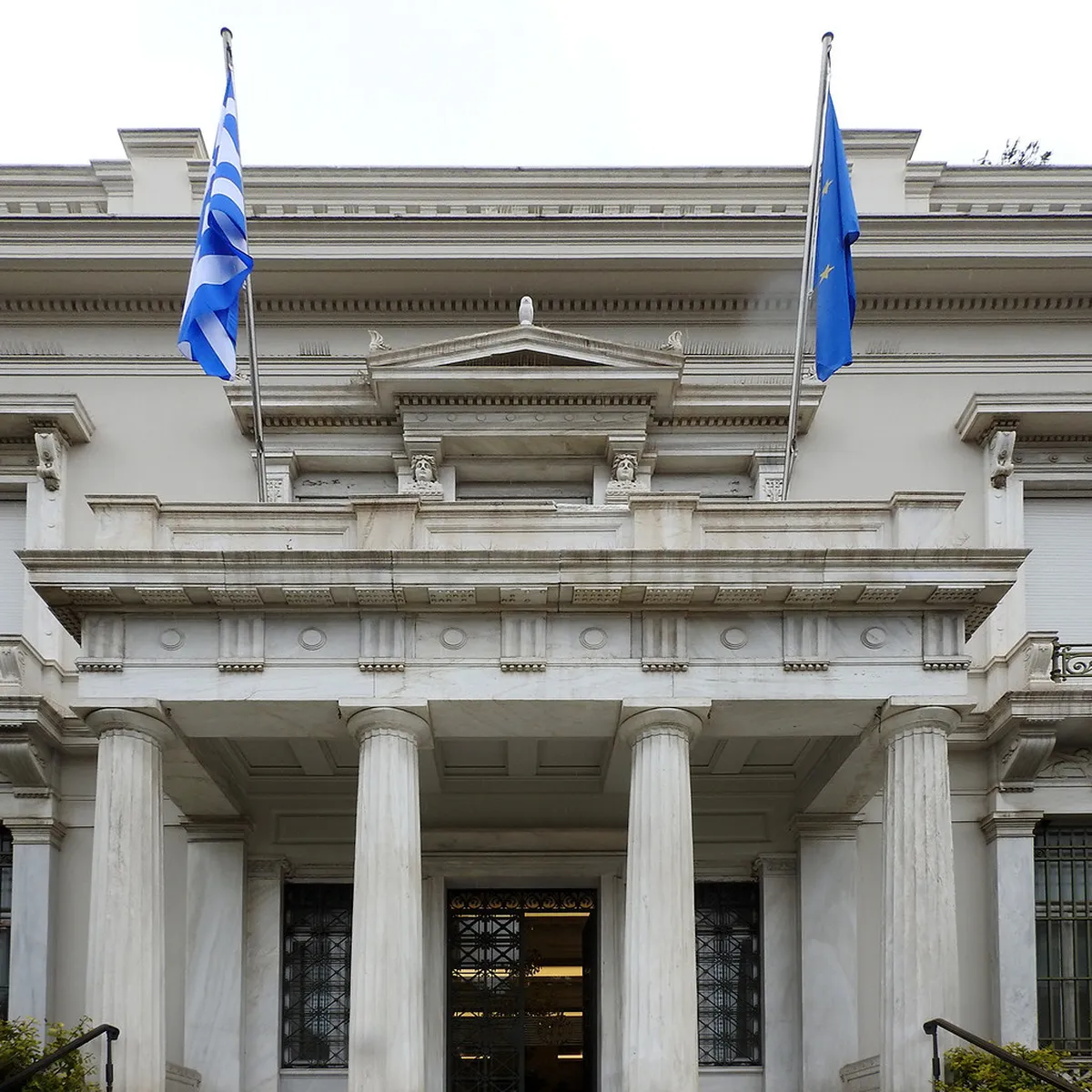
The Museum of Cycladic Art in Athens holds one of the world's finest concentrations of Aegean Bronze Age figurines alongside ancient Greek and Cypriot art. It sits at Neofytou Douka 4 in the upscale Kolonaki district, occupying a modern main building and the adjoining 19th-century Stathatos Mansion. Together they house more than 3,000 artifacts spanning roughly five millennia. This guide covers everything you need to visit confidently in 2026: what to see, how to plan your day, pricing, family tips, and what the neighborhood offers.
Must-See Museum Attractions
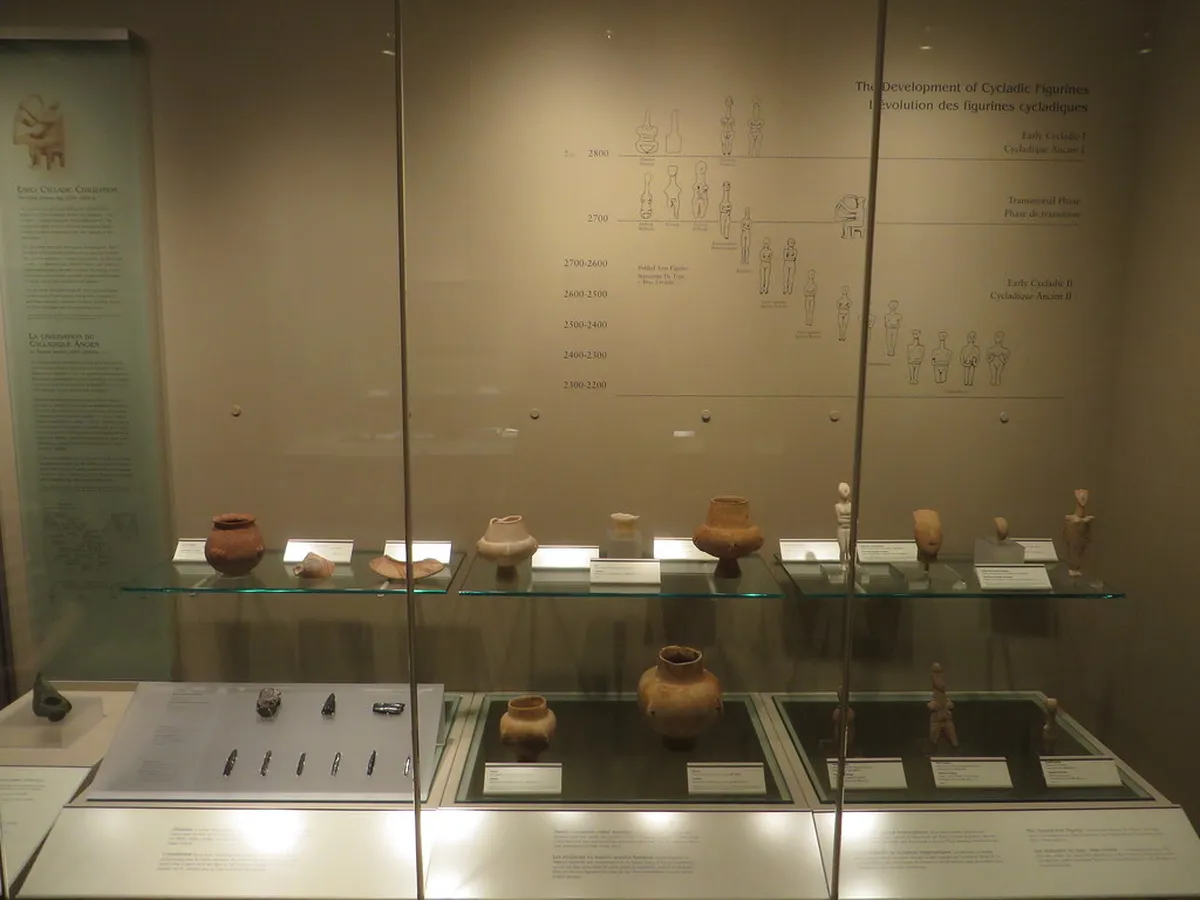
The Cycladic figurines on the first floor are the undisputed heart of the collection. These smooth, abstract marble figures — most of them female with arms folded across the torso — were carved in the Cyclades islands during the Early Bronze Age, roughly 3200–2000 BC. Their severe minimalism famously influenced Picasso, Brancusi, and Moore. Look for the large Spedos-variety "Female Figurine," which anchors the permanent display and appears in every art-history textbook covering the Aegean.
The upper floors shift into ancient Greek art, presenting pottery, bronze weapons, and jewelry spanning the Archaic through Hellenistic periods. The collection of painted kraters — large vessels used for mixing wine at symposia — is particularly strong. A separate gallery covers Cypriot antiquities, which rounds out the Aegean narrative in a way most Athens museums do not attempt.
The Stathatos Mansion wing, accessed through a glass-roofed interior corridor, is used primarily for temporary exhibitions. The neoclassical Ernst Ziller building is worth seeing regardless of what is showing. Its ballroom-scale rooms provide a sharp architectural contrast to the minimalist figurines, and many visitors find the corridor linking the two buildings one of the most photographed spots in the museum.
- First-floor Cycladic Gallery: marble figurines from 3200–2000 BC, including the signature Spedos Female Figurine.
- Ancient Greek Art floors: painted pottery, bronze tools, and jewelry from Archaic to Hellenistic periods.
- Cypriot Antiquities gallery: terracotta and bronze objects bridging Aegean and Eastern Mediterranean cultures.
- Stathatos Mansion: temporary exhibitions in a landmarked neoclassical Ziller building.
The museum is closed every Tuesday, so verify this carefully before planning your visit — many visitors are caught off guard by the Tuesday closure.
Museums, Art, and Culture in the Neighborhood
Kolonaki is the densest museum district in Athens, and the Cycladic Art museum sits at its center. The Benaki Museum is a five-minute walk along Vassilissis Sofias Avenue and covers Greek history from prehistory through the 20th century. Together the two institutions form a natural half-day pairing that many visitors describe as the best introduction to Greek cultural history available in a single afternoon.
The Byzantine and Christian Museum is a further ten-minute walk east along the same avenue. Its courtyard garden and Ottoman-era villa shell make it a genuinely different experience from either of the other two. If you are interested in the post-classical arc of Greek identity, this third stop extends the story by another 1,500 years.
Smaller commercial galleries line the side streets of Kolonaki. These show contemporary Greek painters and sculptors and are generally free to enter. Poking into two or three of them while walking between major institutions adds texture without adding cost. The Numismatic Museum Athens — housed in the former mansion of archaeologist Heinrich Schliemann — is ten minutes on foot and offers an unusual window into the monetary economy of antiquity.
Kids-Friendly Activities in Museum of Cycladic Art
The museum has invested heavily in programming for children aged 4–12. At the entrance desk, ask for a family kit: a booklet of puzzles, observation prompts, and activity sheets keyed to the permanent collection. This turns the figurine gallery into an active search-and-discover experience rather than a passive walk-past. The kit is included in the €20 family ticket (2 adults + up to 3 children under 18).
The free official app — available on iOS — includes a dedicated children's mode with audio stories and games targeting ages 3–12. Download it before arriving and charge your phone; the stories add roughly 20 minutes to a gallery pass and keep younger visitors engaged in front of exhibits that might otherwise feel abstract. The app is separate from the adult audio guide and genuinely different in tone.
Creative workshops — pottery, costume-making, and art sessions — run on weekends from October through May. In the first week of September, the museum hosts its annual Cycladic Kids Festival, a free open-day with hands-on stations across the galleries. If your visit falls outside the October–May workshop season, check the museum calendar in advance; summer programming is lighter but not absent. Book weekend workshop slots at least two weeks ahead as they fill quickly.
There is also an interactive costume corner where children can try on replica ancient Greek outfits for photos. The museum is also free for everyone under 18 at all times, so the base cost for a family visit is two adult admissions at €12 each.
Family-Friendly and Budget-Friendly Options
Entry for children under 18 is free year-round with no registration required. Free admission also applies to visitors with disabilities and one companion, unemployed Greek citizens, archaeology and art-history students, and ICOM/ICOMOS members. Reduced admission of €9 applies to students, seniors, and groups; confirm current eligibility at cycladic.gr before visiting.
The €20 family ticket covers two adults and up to three children and includes the family kit materials. For most families this is the best-value option. If you are visiting as a couple without children, standard general admission is €12 per person. A combined ticket covering both the permanent collection and any active temporary exhibition is €16 general or €10 reduced.
The museum cafe is accessible without a museum ticket, making it a practical midday stop even if your group splits up. It serves Greek salads, sandwiches, and pastries. Budget roughly €10–15 per adult for a light lunch; the cafe is not a full-service restaurant but the quality is consistently good. The gift shop sells certified replicas of the marble figurines starting around €15, with art books and children's educational materials also available.
How to Plan a Smooth Museum Day
The museum opens at 10:00 on most days — but it is closed every Tuesday. Check this carefully because the Tuesday closure catches many visitors off guard. The full schedule for 2026 is: Monday, Wednesday, Friday, and Saturday 10:00–17:00; Thursday 10:00–20:00; Sunday 11:00–17:00. Thursday is the only extended-hours day and a good choice if you want to combine the museum with evening dining in Kolonaki.
| Day | Hours |
|---|---|
| Monday | 10:00–17:00 |
| Tuesday | Closed |
| Wednesday | 10:00–17:00 |
| Thursday | 10:00–20:00 |
| Friday | 10:00–17:00 |
| Saturday | 10:00–17:00 |
| Sunday | 11:00–17:00 |
Arriving at or shortly after opening is the most reliable way to beat tour groups. Weekday mornings — particularly Wednesday and Friday — tend to be the quietest. Pre-purchasing tickets online via cycladic.gr avoids the desk queue, which can run 15–20 minutes on summer weekend mornings. Having a digital ticket also speeds up the bag check at the entrance.
Download the official museum app before you arrive. Search for "Museum of Cycladic Art Guide" on the App Store; it is free. Bring your own earbuds — the museum does not lend audio equipment. If you plan to visit the Benaki Museum on the same day, note that it also closes Tuesdays; your Monday, Wednesday, Thursday, or Friday timing works for both institutions back-to-back.
Arriving at or shortly after opening at 10:00 AM is the most reliable way to beat tour groups — weekday mornings on Wednesday and Friday tend to be the quietest periods.
The World's Most Extensive Collection of Ancient Cycladic Art
The museum was founded in 1986 by Nikolaos and Dolly Goulandris, who spent decades acquiring Cycladic objects through private channels before most institutions recognized their significance. The founding collection has grown to more than 3,000 items. No other museum — including the National Archaeological Museum in Athens — holds as large or as coherently curated a Cycladic assemblage. For specialists, the research library and publication program are as important as the public galleries.
The figurines themselves are famous for their smooth, almost featureless surfaces: flat faces with a ridge for the nose, no painted detail surviving on most examples, arms folded across a reclining torso. Scholars still debate their function — burial offerings, cult objects, or household idols are all proposed — but the ambiguity is part of their power. The museum's interpretive panels present the debate honestly rather than asserting a single answer, which makes the galleries intellectually engaging for adult visitors.
Bronze tools found in the same Cycladic excavation contexts are displayed alongside the figurines to explain how marble was worked without metal saws. These obsidian blades and emery files are easy to overlook but provide concrete evidence for the craftsmanship involved. The juxtaposition of the finished figurines and the tools used to make them is one of the more thoughtful curatorial choices in the permanent galleries.
Typical Budget for a Family of 4 (2 Adults + 2 Kids)
The family ticket is €20 and covers two adults plus up to three children under 18. If there is an active temporary exhibition you want to include, add the combined ticket instead at €16 per adult (children still free) — in that case total admission rises to €32 for two adults. Either way, the ticket cost is low relative to comparable museums in Western Europe.
For food, the museum cafe will run roughly €12 for two adults sharing snacks and drinks; a sit-down lunch nearby in Kolonaki costs €35–50 for a family of four at a mid-range taverna. Budget €10–15 for the gift shop if your children want a souvenir figurine replica. If you plan to book a weekend creative workshop, add €12 per child for that session.
A realistic all-in total for two adults and two children — including the family ticket, one workshop, cafe snacks, and small souvenirs — is around €65–70. Without the workshop, most families spend under €50 for the full visit including a snack stop.
Getting There and Navigating the Museum
The museum's main entrance is at Neofytou Douka 4, 10674 Kolonaki. The nearest metro station is Evangelismos on Line 3 (blue line), a five-minute walk. Bus lines 550 and 235 also stop on Vassilissis Sofias Avenue directly in front of the Stathatos Mansion wing. Taxis and ride-shares drop off easily on Neofytou Douka; the street is quiet and has pavement space for a comfortable pickup.
Inside, the building is organized across four floors. The Cycladic Art permanent gallery occupies the first floor. Ancient Greek Art is on the second and third floors. The Cypriot collection is on the fourth floor. A glass-roofed atrium corridor connects the main building to the Stathatos Mansion, where temporary exhibitions are mounted. The layout is linear and easy to follow without a map, though physical floor plans are available at the information desk near the entrance.
Elevators serve all floors and the connecting corridor to the Stathatos Mansion, making the museum fully accessible for wheelchair users and visitors with pushchairs. All text panels are in both Greek and English. Staff at the information desk near the main entrance can provide guidance in English and typically in French and German as well.
Recommended Visit Duration: 1.5 to 3 Hours
Most visitors spend 1.5 to 2 hours covering the permanent collection at a comfortable pace. This includes the Cycladic figurine gallery, the ancient Greek floors, and a brief look at the connecting corridor and Stathatos Mansion. If there is an active temporary exhibition, add 30–45 minutes. Families with children doing the family kit or attending a workshop should plan for the full 3 hours.
History enthusiasts who read all interpretive panels and use the full audio guide can stretch a visit to 2.5–3 hours without feeling they have overstayed. The collection is compact enough that you will not feel overwhelmed, and the audio guide prevents the "walking past without absorbing" experience common in larger institutions. The audio guide covers approximately 60 objects across the permanent galleries.
For a morning visit, arriving at 10:00 and spending 2 hours still leaves time for lunch in Kolonaki and an afternoon stop at the Benaki Museum before it closes at 18:00 on weekdays. This pairing is the most efficient cultural morning in the Kolonaki district. Factor in 30 minutes for the cafe or gift shop if you want a break mid-visit.
Eat and Drink Near the Museum
The museum's own cafe on the ground floor is the most convenient option for a mid-visit break. It serves coffee, fresh-squeezed juice, sandwiches, and Greek pastries. Entry to the cafe does not require a museum ticket, which makes it useful for companions who wait while others tour. Seating is first-come; arrive before 13:00 or after 14:30 to avoid the midday rush for tables.
Kolonaki's streets around the museum have a dense concentration of cafes and restaurants. Skoufa Street, two blocks from the main entrance, has several neighborhood tavernas with outdoor tables that work well for a post-museum lunch. Expect €12–18 per person for a main course and a drink at a sit-down spot. For a quick and cheaper option, the souvlaki shops along Patriarchou Ioakeim Street are a five-minute walk and cost €3–4 per wrap.
If you are visiting on a Thursday and plan to stay for the extended 20:00 closing, the evening dinner options in Kolonaki are genuinely excellent. Several upscale restaurants on Plutarchou and Tsakalof streets serve modern Greek cuisine at €25–40 per person. A Thursday evening visit followed by dinner in the neighborhood is one of the more pleasurable ways to spend a cultural evening in Athens.
Explore Popular Things to Do Nearby
Kolonaki is a walkable base for a full cultural day. After the museum, the Ilias Lalaounis Jewelry Museum is a short walk away and focuses on goldsmithing traditions connected directly to ancient Greek motifs — a thematic thread that runs naturally from the Cycladic collection you just saw. It is smaller and less crowded than the major institutions.
The lower slopes of Mount Lycabettus begin about ten minutes' walk north of the museum. The funicular to the summit runs year-round and reaches a plateau with a panoramic view over Athens and the Acropolis. The ascent by foot along the pine-shaded path takes 25–30 minutes and is a practical way to decompress after a gallery visit. Both routes are comfortable in normal walking shoes.
For a complete history day, the Hadrian's Library in the Monastiraki district is about 3 km away and adds the Roman-era layer to the story you started with the Cycladic Bronze Age. Many visitors find the arc from 3000 BC figurines through classical pottery through Roman civic architecture forms a surprisingly coherent single day when viewed in sequence.
Frequently Asked Questions
How Kids-Friendly is Museum of Cycladic Art?
The museum is very kid-friendly and offers interactive family kits to keep children engaged. These kits turn the exhibits into a fun scavenger hunt for younger visitors. Entry is free for anyone under 18, making it an affordable family outing. The cafe also provides child-friendly snack options.
When is the best time to visit Museum of Cycladic Art?
The best time to visit is on a weekday morning right when the museum opens at 10:00 AM. This allows you to explore the galleries before the larger tour groups arrive. Tuesdays and Wednesdays are typically the quietest days for a peaceful experience. Avoid weekends if you prefer a less crowded environment.
Is the Museum of Cycladic Art worth including on a short itinerary?
Yes, it is absolutely worth including because it houses a unique collection you won't find elsewhere. Its central location near other major sites like the Kerameikos area makes it easy to visit. The 2-3 hour duration fits perfectly into a tight schedule.
The Museum of Cycladic Art is a true highlight of any trip to Athens. Its blend of ancient history and elegant design offers something for every traveler. By following this guide, you can ensure a smooth and rewarding visit to this cultural gem. Enjoy the timeless beauty of the Cycladic figurines and the vibrant energy of the Kolonaki district.
For authoritative information, refer to the Museum of Cycladic Art official site and Museum of Cycladic Art on Wikipedia.
Browse all Athens attractions in our Athens attractions hub.
Continue exploring
More guides you'll find useful