Kerameikos Visitor Guide Travel Guide
Plan kerameikos visitor guide with top picks, neighborhood context, timing tips, and practical booking advice for a smoother trip.
On this page
Kerameikos Visitor Guide
Athens holds many secrets beyond the famous Parthenon. Kerameikos — the ancient potter's quarter and cemetery of the city — rewards visitors who make the short walk from Monastiraki along Ermou Street to reach it. The site sits at Ermou 148, a five-minute stroll from the busiest tourist corridor in Athens, yet it draws a fraction of the Acropolis crowds. This 2026 visitor guide covers what to see, how to get there, when to arrive, and what to eat nearby.
Unveiling the History of Kerameikos Cemetery
The name Kerameikos comes from the Greek word keramos, meaning pottery. Potters settled here because the Eridanos River ran through the district, providing ready clay. Over time the area outside the city walls became the main burial ground for Athens, used continuously from the 12th century BC through the Roman period — a span of over a thousand years of recorded graves.
Pericles delivered his famous funeral oration near the Dipylon Gate during the Peloponnesian War, honoring Athenian soldiers in what was then the state graveyard. That speech, recorded by Thucydides, is one of the most quoted texts in political history. The ground you walk on when entering the site through the main gate is the same ground where those ceremonies took place.
Archaeologists have uncovered thousands of artifacts during excavations spanning from the 19th century to the present. Painted vases, jewelry, terracotta figurines, and marble grave stelae have all been lifted from the soil here. The German Archaeological Institute has led excavations at the site since 1913 and continues to work there today. Every layer of soil represents a different era of Athenian life and death.
The cemetery's layout reflects the strict social hierarchy of ancient Athens. Wealthy citizens commissioned elaborate marble monuments, while simpler graves marked the resting places of slaves and foreigners. Walking the site from the Dipylon Gate toward the Street of Tombs, you move through these social layers in physical space.
Must-See Kerameikos Attractions
The Dipylon Gate is the largest ancient city gate ever excavated in Greece. It served as the main ceremonial entrance to Athens and the start of the road leading to Plato's Academy. The double-gate structure — Dipylon means "double gate" — funneled both daily traffic and religious processions through its threshold. The scale of the surviving masonry gives an immediate sense of the city's ambition.
The Sacred Gate stands immediately south of the Dipylon. Through this gate passed the Sacred Way, the road that pilgrims walked to Eleusis for the Eleusinian Mysteries. You can still see ruts worn into the stone floor by cart wheels. These impressions, made over centuries of use, are among the most tactile connections to ancient daily life anywhere in Athens.
The Street of Tombs is the most photographed section of the site. Marble monuments, carved bulls, sphinxes, and relief stelae line the path on both sides. Most of the originals are now inside the on-site museum for preservation, and high-quality casts stand in their outdoor positions. Walking the full length of the street takes about ten minutes at a slow pace, but most visitors linger much longer.
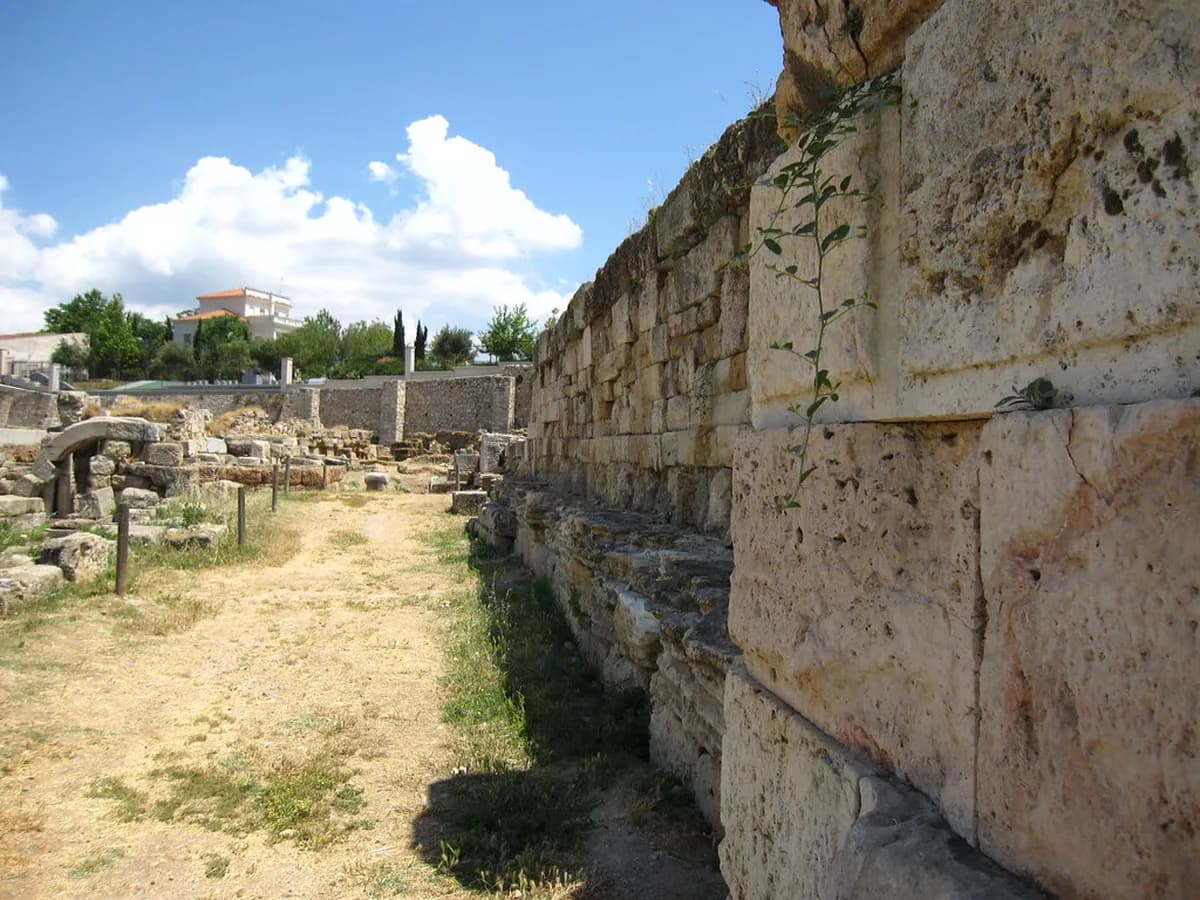
The Themistoclean Wall cuts diagonally across the site, built in haste after the Persian sack of 480 BC. Fragments of earlier grave monuments were used as fill material — a practical decision that accidentally preserved carved stone that might otherwise have been lost. Look closely at the wall's lower courses and you can see inscribed blocks and architectural fragments embedded in the fortification.
Museums, Art, and Culture in Kerameikos
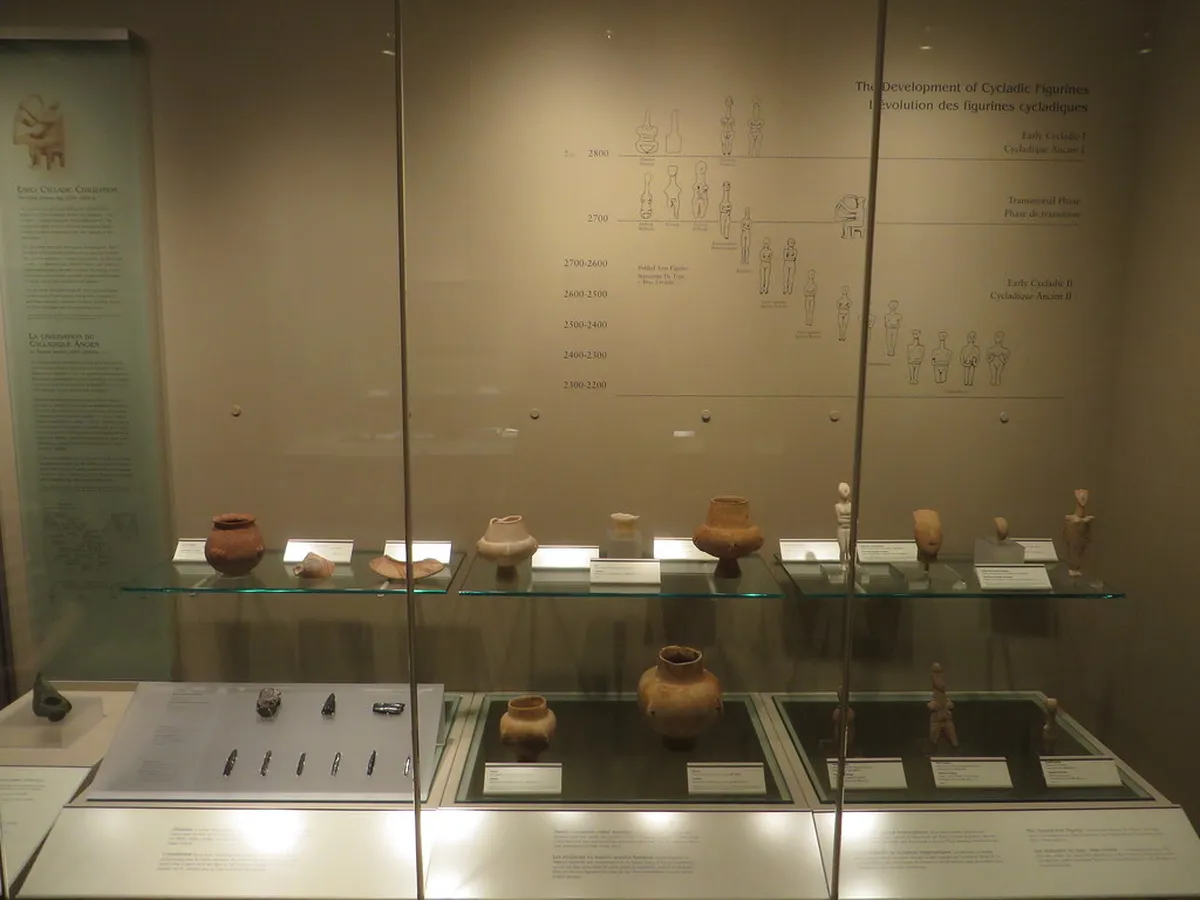
The Oberlaender Museum sits inside the archaeological site and is included in the €8 entry ticket. It houses the original sculptures and pottery excavated from the cemetery — the marble stelae, Archaic-period kouroi fragments, painted lekythoi, and bronze grave goods that cannot safely remain outdoors. Many of the statues visible on the Street of Tombs are precise casts; the museum holds the real stone. Allow at least 30 minutes inside to see the collection properly.
Beyond the archaeological site, the Kerameikos neighborhood has developed into one of Athens' most active gallery districts. The Breeder gallery operates nearby and mounts internationally recognized contemporary shows. The Municipal Art Gallery of Athens, housed in a former silk factory, holds the city's modern art collection and is free to enter. Most galleries observe reduced hours on Sunday and Monday and some require appointments, so check schedules before arriving.
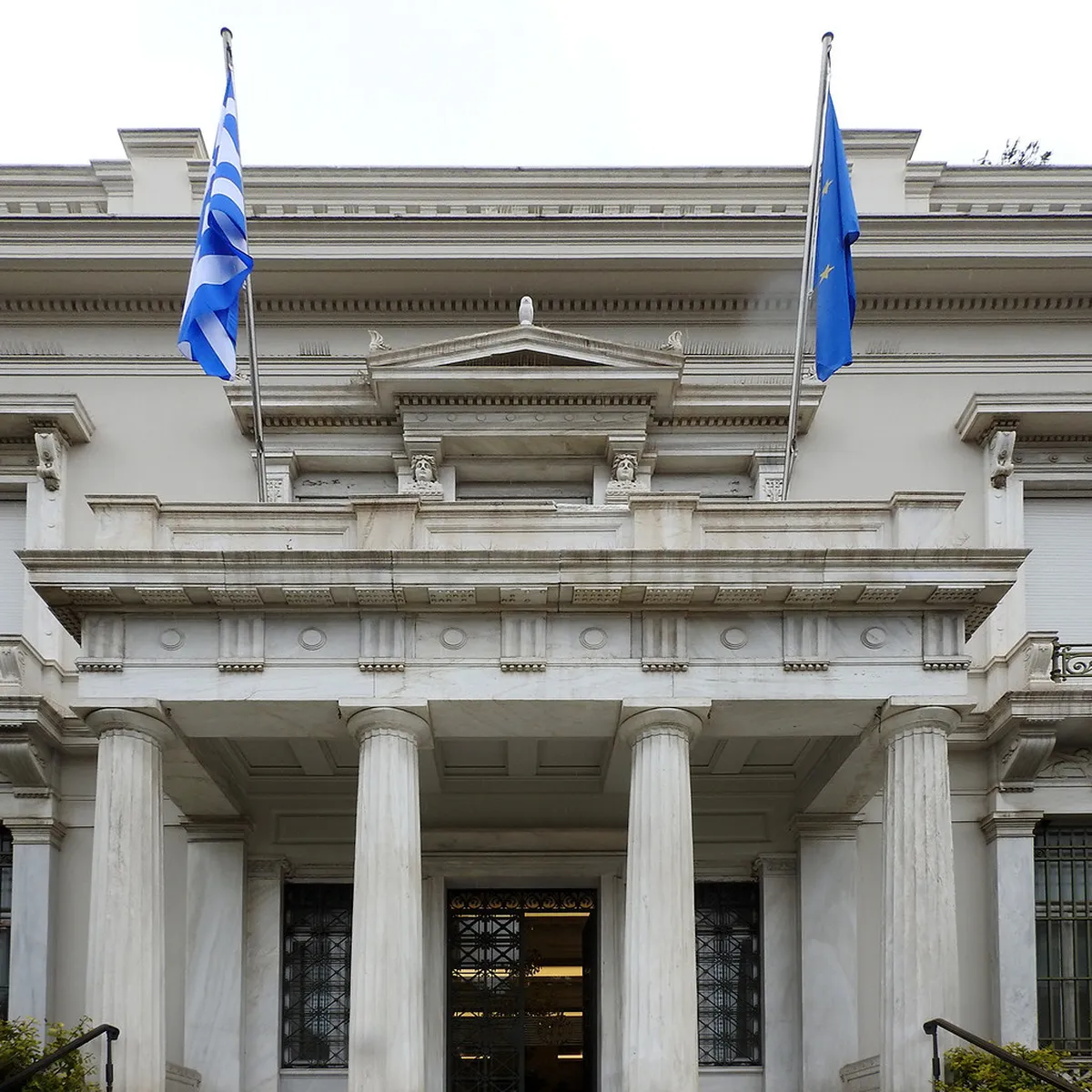
The Benaki Museum maintains a satellite location within walking distance for visitors who want to extend the cultural day. The combination of ancient cemetery, on-site archaeological museum, and contemporary gallery district is unusual in Europe — three very different timelines of visual culture accessible on foot within one neighborhood.
Street murals cover the walls of the surrounding streets. The contrast between ancient burial ground and living urban art is part of what makes the neighborhood feel distinct from the rest of the tourist circuit. Kerameikos is one of the few ancient sites in Athens where the immediate surroundings have a character of their own rather than simply serving as a backdrop.
Parks, Gardens, and Outdoor Spots in Kerameikos
The Eridanos River still flows through the archaeological site, running beneath and alongside the ancient road. This is one of the few places in central Athens where a natural watercourse remains visible. The stream supports reeds, frogs, and water plants, creating a small riparian ecosystem inside the city. In spring and early summer the banks are covered in wildflowers, and the contrast between grey marble and green vegetation makes the site feel more alive than most ancient ruins.
Large plane trees shade the main pathways, which matters on a hot Athens afternoon. The site is never as exposed as the Acropolis hill, and the denser planting along the Eridanos corridor provides reliable shade even in July and August. Benches are scattered throughout for those who want to sit and sketch, read, or simply watch tortoises move slowly through the grass — the resident chelonians are a reliable feature of the site and popular with children.
The view toward the Acropolis from the far end of the site is one of the quieter vantage points available in the city. You can see the Parthenon without having to jostle for space or pay a premium. The green setting of the cemetery, with the ancient fortifications in the foreground and the hill in the distance, is a composition that most visitors to Athens never find because they go straight to the crowded hilltop.
Family-Friendly and Budget-Friendly Options in Kerameikos
The terrain at Kerameikos is mostly flat and wide, making it manageable for strollers and wheelchair users in most areas — unlike the steep, cobbled approach to the Acropolis. Children respond well to the open space and the visible wildlife; the tortoises in particular tend to hold their attention in a way that display cases do not. The site is small enough that young children can walk the full circuit without exhaustion.
Entry is €8 for adults and €4 for a reduced ticket in 2026. EU residents under 25 enter free with valid ID. Children under 5 enter free. Visitors with disabilities and one accompanying companion also receive free entry. The Oberlaender Museum is included in the same ticket — there is no additional charge. The Museum of Greek Folk Art is nearby for those extending the cultural day on a budget.
| Category | Price |
|---|---|
| Full ticket (adults) | €8 |
| Reduced ticket | €4 |
| EU residents under 25 with ID | Free |
| Children under 5 | Free |
| Visitors with disabilities + companion | Free |
Free admission days are set annually by the Greek Ministry of Culture. These typically fall on 6 March (Melina Mercouri Day), 18 April (International Monuments Day), 18 May (International Museums Day), and the last weekend of September (European Heritage Days), among others. The official list changes each year, so verify at the site's Ministry of Culture page before planning around a free day.
Bringing water and a snack keeps the visit comfortable without extra cost. The nearest cafes are in the Gazi and Thissio neighborhoods, both a short walk from the site entrance. Local bakeries on Ermou Street toward Monastiraki offer affordable spanakopita and tiropita for those on a tight budget.
How to Plan a Smooth Kerameikos Visit
Kerameikos opens daily at 08:00. Summer hours (roughly April through October) run until 20:00, with last entry at 19:30. Winter hours (November through March) close at 15:00, with last entry at 14:30. The winter cutoff catches a significant number of visitors who arrive after a long lunch expecting a late afternoon visit and find the gates shut. If you are traveling between November and March, plan to arrive no later than 14:00 to be comfortable. Verify exact dates for the seasonal switch on the official Ministry of Culture page at odysseus.culture.gr before you go.
The site is closed on certain public holidays. New Year's Day, Easter Sunday, Christmas Day, and a handful of national commemorations typically result in full closure. Check before assuming it will be open on any Greek public holiday.
In winter, the site closes at 15:00 with last entry at 14:30. This is the single most common mistake visitors make — plan your visit for morning or early afternoon between November and March.
Getting there is straightforward. Kerameikos metro station on Line 3 (blue line) deposits you directly outside the Technopolis complex in Gazi, a five-minute walk from the site entrance. Thissio station on Line 1 (green line) is also walkable at about ten minutes. From Monastiraki, walk west along Ermou Street for roughly 700 meters — the site entrance at Ermou 148 is on the left, just past the Kerameikos metro exit.
A two-hour block covers the outdoor archaeological site and the Oberlaender Museum comfortably. Combining Kerameikos with the Ancient Agora makes a logical half-day: both sites share a similar historical period and are within ten minutes of each other on foot. The Byzantine and Christian Museum covers a later period of Greek history and works well as an afternoon addition for those building a full-day cultural itinerary.
- Address: Ermou 148, Athens 10553
- Metro: Kerameikos (Line 3) or Thissio (Line 1)
- Entry: €8 full / €4 reduced / free for EU under-25s with ID
- Summer hours: 08:00–20:00 (last entry 19:30), roughly Apr–Oct
- Winter hours: 08:00–15:00 (last entry 14:30), roughly Nov–Mar
- Time needed: 1.5–2.5 hours including museum
The Winter Last-Entry Trap and the Best Light for Photography
The 14:30 winter last entry is the single most common mistake visitors make at Kerameikos, and none of the major travel guides give it prominent placement. In winter, the site closes at 15:00 — not 17:00 or 18:00 as visitors accustomed to Acropolis hours tend to assume. Arriving at 14:45 on a January afternoon means you will be turned away. Build in a morning or early afternoon slot from November through March.
For photography, the conventional advice is to visit early for soft light. At Kerameikos, late afternoon in summer (after 17:00) actually produces better results. The low western sun catches the carved reliefs on the Street of Tombs at an oblique angle, throwing the carved details into sharp relief. Morning light comes from the east and illuminates the flat faces of the stelae without the shadow definition that reveals fine carving. Summer visitors who arrive at 17:00 will have three hours before closing and the best light of the day.
Visit the Eridanos River area in spring (April and May) when the water level is higher and the banks are green. By August the stream is reduced to a trickle, so time a spring visit if the river is important to your photography.
The Eridanos channel is best photographed in spring (April and May) when the water level is higher and the banks are green. By August the stream is reduced to a trickle. If the Eridanos is important to you — and the sight of a living river inside an ancient site is genuinely unusual — a spring visit is worth prioritizing.
Eating and Drinking in the Kerameikos Neighborhood
The neighborhood surrounding the archaeological site has changed dramatically in the past fifteen years. What was once a gritty industrial zone with Egyptian hookah bars and discount Chinese grocers has evolved into one of the more interesting dining and gallery districts in Athens, though it retains an edge that keeps tourist buses away. Gallery owner and art consultant Rebecca Camhi, who has lived in the area since 2008, describes it as "fresh and different, edgy, scruffy, and even a little seedy in parts" — the combination is precisely what draws a local crowd.
Seychelles restaurant on Platia Avdi is the most recommended local dining option near the site. It serves Greek dishes with a creative twist and an excellent selection of domestic cheeses. In summer the square fills with outdoor tables. The restaurant is busy even on weekday evenings, so booking ahead is strongly advised. Ble Papagalos, a cafe-bar on the same square, works well for a drink while waiting for a table.
Tamarind is a compact Thai restaurant in the neighborhood that makes a practical alternative after several days of feta and grilled fish. For organic groceries and fresh bread — useful if you have a kitchen — Sto Vathos Kipos on a nearby street stocks local produce and baked goods from Betty's Bread. A farmers' market runs every Tuesday within walking distance for seasonal produce.
The broader Gazi district, immediately adjacent, has a higher concentration of bars and clubs. This part of the city stays lively well past midnight and provides a strong contrast to the quiet ruins a few hundred meters away — something that surprises visitors who expect an ancient site's neighborhood to be subdued.
Kerameikos Cemetery Photos: A Visual Journey
The Bull of Dionysios near the Street of Tombs is the most recognizable sculptural landmark on the site and the image that appears most consistently in visitor photography. It stands on a tall plinth and benefits from wide-angle framing to capture both the monument and the surrounding landscape. Early morning and late afternoon light works equally well here depending on the season.
The Dipylon Gate area rewards photography from the south side looking north — you capture both the gate structure and a section of the ancient city wall in the same frame. The scale of the ancient masonry is difficult to convey without a human figure in the foreground for reference. The Sacred Gate, photographed from the bridge over the Eridanos, puts the watercourse in the foreground with the ancient stones behind it, a composition that very few other ancient sites in the world can offer.
Inside the Oberlaender Museum, photography is generally permitted without flash. The painted lekythoi — white-ground funerary oil flasks with polychrome scenes of the deceased — are among the most detailed and fragile objects in the collection. A macro lens or phone zoom is useful here. The museum lighting is dim, so a steady hand or a surface to brace against improves results.
The overall atmosphere of the site rewards slow, observational photography. The combination of ancient stone, flowing water, dense vegetation, and resident tortoises creates layered compositions that are very different from the bare hilltop ruins that dominate Athens photography guides. Give yourself time to walk the full perimeter before settling on angles rather than shooting immediately on arrival.
Frequently Asked Questions
Which kerameikos visitor guide options fit first-time visitors?
A first-time visitor should focus on the main archaeological site and the Oberlaender Museum. These areas provide the best overview of the history and the most impressive visual monuments. You can also explore the surrounding neighborhood for a taste of modern Athenian life.
How much time should you plan for kerameikos visitor guide?
You should set aside at least two to three hours for a thorough visit. This allows enough time to walk the Street of Tombs and browse the museum collections. If you plan to eat in the neighborhood, add another two hours to your schedule.
Is kerameikos visitor guide worth including on a short itinerary?
Yes, it is highly recommended even for those with only two days in Athens. The site is centrally located and offers a much more peaceful experience than the Acropolis. It provides essential context for understanding the city's ancient social and religious life.
Other Ancient Burial Grounds Left in Place
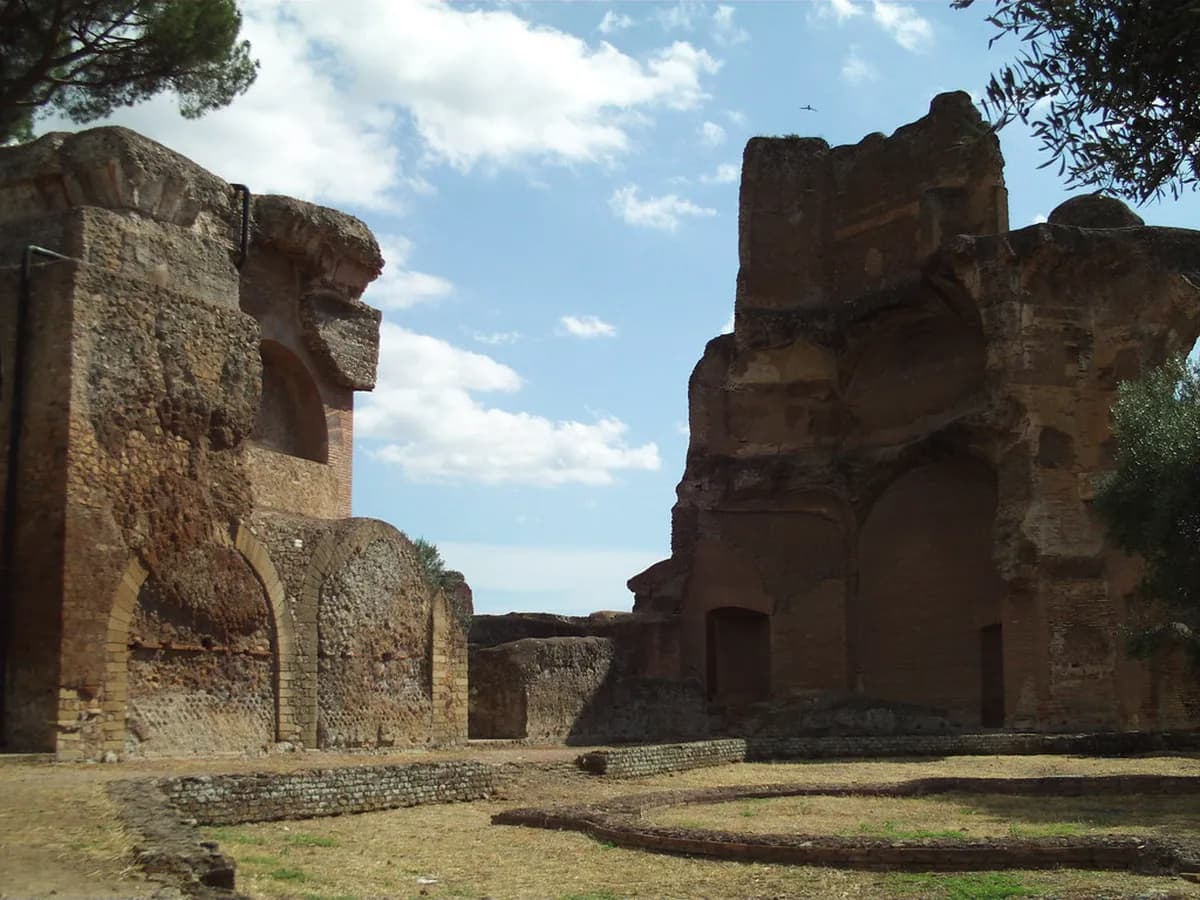
Kerameikos keeps the Sacred Way, the city gate and the grave markers in their original positions, which is why it reads as a place rather than a display. Budapest's Aquincum does the same for a whole Roman town. Milan's Cimitero Monumentale is the modern continuation of the same civic instinct to build for the dead.
Kerameikos rewards the small detour required to reach it. The combination of major archaeological monuments, a well-stocked on-site museum, a living river running through an ancient site, and a neighborhood with genuine character makes it one of the most complete visitor experiences in Athens. Check winter hours carefully, arrive by 14:00 if visiting between November and March, and allow enough time for both the ruins and the Oberlaender Museum. The site closes faster than people expect in every season.
For authoritative information, refer to the Kerameikos official site and Kerameikos on Wikipedia.
Continue exploring
More guides you'll find useful