Byzantine And Christian Museum Visitor Guide Travel Guide
Plan byzantine and christian museum visitor guide with top picks, neighborhood context, timing tips, and practical booking advice for a smoother trip.
On this page
Byzantine And Christian Museum Visitor Guide
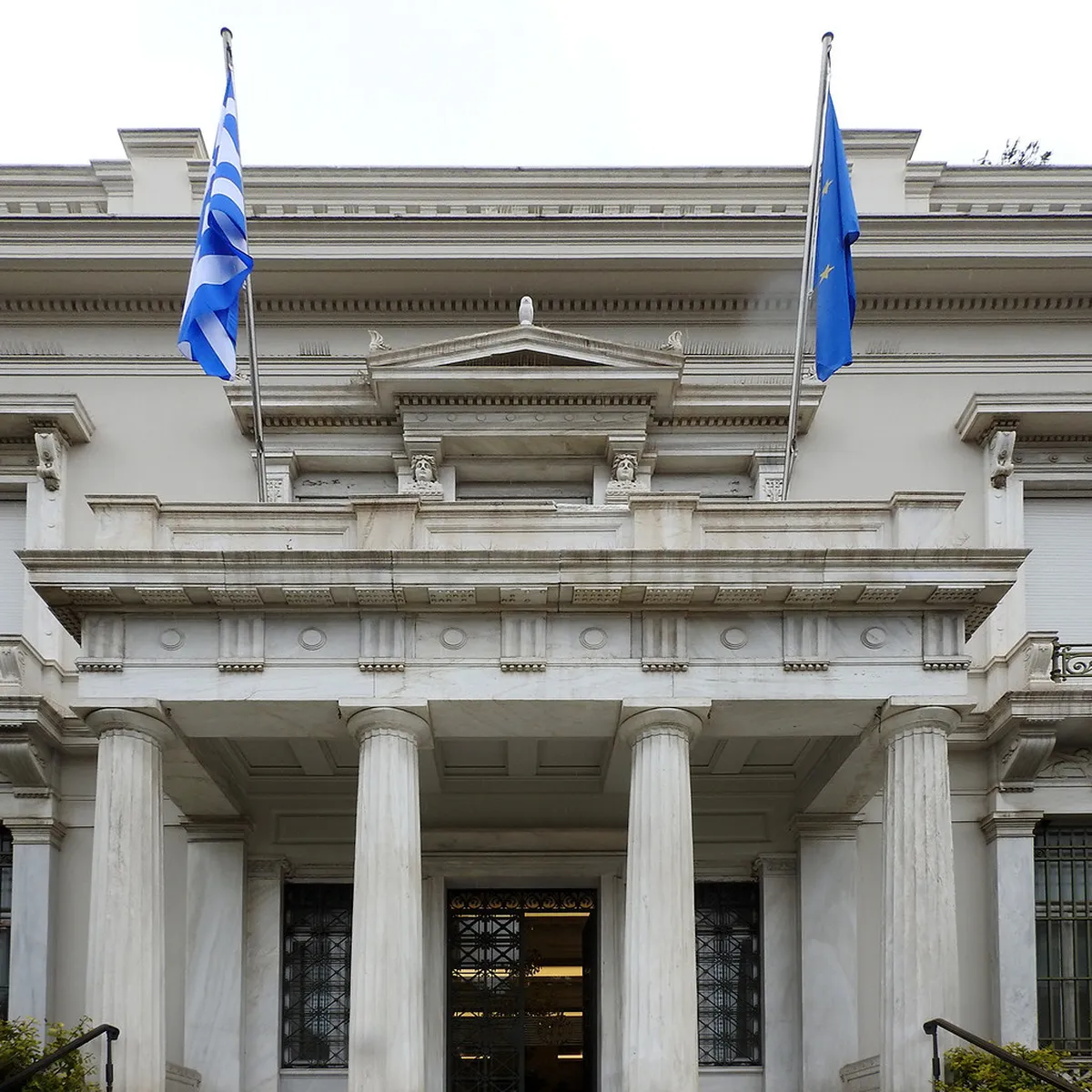
The Byzantine and Christian Museum in Athens stands among the world's foremost institutions dedicated to Byzantine and post-Byzantine art. Housed in the elegant 1848 Villa Ilissia at Vasilissis Sofias 22, the museum holds over 25,000 exhibits spanning the 3rd century AD through the modern era.
Its collection ranges from gold-threaded ecclesiastical vestments and carved ivory to luminous icons, floor mosaics, and illuminated manuscripts — all displayed across both the original neoclassical villa and a purpose-built underground wing. The setting is unusually calm for central Athens, making the museum a genuine refuge as well as a cultural landmark.
This visitor guide covers the permanent collection, the Loverdos annex, the research library, practical ticket information, accessibility in full detail, and what to pair with a visit in the surrounding Kolonaki neighbourhood.
The Byzantine and Christian Museum and Its Collection
The museum was officially established in 1914 and moved to its permanent home at Villa Ilissia in 1930. The mansion was originally built for Sophie de Marbois-Lebrun, Duchess of Plaisance, and its Florentine-Renaissance design gives the site a character unlike any other museum in the city. A large underground expansion added modern climate-controlled galleries that are seamlessly integrated with the historic building above.
The permanent exhibition is arranged chronologically. You move from the earliest Christian community art of the 3rd and 4th centuries — floor mosaics recovered from Athenian basilicas, Coptic textiles, and early liturgical vessels — through the full arc of the Byzantine Empire, and on into the post-Byzantine period up to the 19th century. The section devoted to icons is exceptional: dozens of painted wood panels allow you to trace the evolution of Byzantine painting conventions across roughly 1,500 years.
Mosaics and frescoes occupy their own gallery, several salvaged from demolished churches and reinstalled at near-original scale. The ecclesiastical silverware and embroidered vestments collection is one of the most comprehensive in existence. An entire room is given over to sculptures and architectural fragments — capitals, reliefs, and carved screens — that document the built environment of Byzantine Greece.
The underground level recreates the interior atmosphere of a Byzantine church, with low lighting and stone walls that help contextualise the portable objects displayed around them. Many visitors find this the most immersive part of the tour. Allow at least 1.5 to 2 hours for the permanent galleries; add 30 to 45 minutes if a temporary exhibition is running.
The Loverdos Museum
The Loverdos Museum is a satellite branch of the Byzantine and Christian Museum, located at 6 Mavromichali Street — a short walk northeast of the main site. It holds the personal collection of Alexandros Loverdos, a Greek politician who donated his holdings to the state, and it focuses primarily on post-Byzantine icons and wood carvings from the 15th to the 19th centuries.
Entry to the Loverdos Museum is free. Opening hours mirror the main site: Wednesday through Monday 08:30–15:30, closed Tuesday. The same public holiday closure dates apply — it shuts on 1 January, 25 March, 1 May, Easter Sunday, and 25–26 December (with reduced hours on Good Friday, 12:00–17:00).
For visitors who have already covered the main museum and want to spend more time with post-Byzantine devotional painting without paying another admission fee, the Loverdos annex is worth the short detour. The collection is smaller and the atmosphere more intimate. Researchers focusing on this specific period often find it more useful than the corresponding rooms in the main building.
Museum Library
The museum maintains a specialist research library open to scholars, students, and serious enthusiasts. Its holdings cover Byzantine history, Orthodox theology, art history, and archaeology, with a strong focus on primary-source facsimiles and academic monographs in Greek and several European languages. Thousands of rare manuscripts and reference volumes are held here.
Library hours differ from the galleries: Monday through Friday 09:30–15:30. The library is closed on Saturdays, Sundays, and public holidays. Access is typically available on request; contact the museum in advance at info.bma@culture.gr if you need to consult specific holdings.
Casual visitors rarely use the library, but it is a genuine resource if you are researching Byzantine iconography, church architecture, or medieval Greek history before or after your trip. The reading room is quiet and well-maintained.
Tickets and Visit Information
The standard admission fee in 2026 is €8. A reduced ticket at €4 is available for Greek and EU citizens aged 65 and over (applicable from 1 October to 31 May), and for accompanying parents or teachers on official school visits. EU residents under 25 enter free on presentation of a passport or national ID confirming age and country. Children under 18 from non-EU countries also enter free with a passport. People with disabilities enter free, as does one companion accompanying a blind visitor or a visitor with a mobility disability.
Free admission for all visitors applies on these specific dates: 6 March (Melina Mercouri Remembrance Day), 18 April (International Monuments Day), 18 May (International Museum Day), the last weekend of September (European Heritage Day), 28 October (National Holiday), the first Sunday of every month, and every third Sunday from 1 November to 31 March.
The museum is open Wednesday through Monday from 08:30 to 15:30. It is closed on Tuesdays. Public holiday closures: 1 January, 25 March, 1 May, Easter Sunday, 25 December, and 26 December. On Good Friday the museum opens on reduced hours from 12:00 to 17:00. Note that visitors are required to leave the galleries 20 minutes before closing time — in practice, aim to finish your tour by 15:10. A separate ticket may apply to temporary exhibitions.
Photography with a hand-held camera and no flash is permitted throughout the galleries. Tripods, video cameras, and flash photography require advance written permission — contact info.bma@culture.gr or call +30 213 213 9572 to arrange this. Large bags must be stored in the free lockers at the entrance. You can find current pricing and schedules on the official Byzantinemuseum.gr website.
Free admission applies on the first Sunday of every month and every third Sunday from November through March, plus several national heritage days. Plan your visit accordingly to save the €8 admission.
| Ticket Type | Price | Eligibility |
|---|---|---|
| Standard admission | €8 | All visitors |
| Reduced ticket | €4 | Greek and EU citizens aged 65+, Oct–May; school group parents/teachers |
| Free admission | Free | EU residents under 25; non-EU children under 18; people with disabilities; companion of blind or mobility-disabled visitor |
Wheelchair Access at the Byzantine and Christian Museum
The museum is broadly accessible for wheelchair users, but the route requires navigating four separate elevators to descend through the different underground gallery levels. All exhibition floors can be reached this way, and a single elevator brings you back up to the entrance level when you are done. Level access is available at the main entrance on Vasilissis Sofias; there is a short 5-metre stretch of smooth cobblestones in the courtyard before you reach the building. The entrance door is push/pull.
One important limitation: the restrooms are only accessible via a flight of stairs and cannot be reached by wheelchair. Plan accordingly before entering the galleries. There is one reserved disabled parking space on-site. Drop-off by car or taxi is possible directly outside the main entrance on Vasilissis Sofias. The nearest metro stop is Evangelismos on Line 3, a short walk away. Several bus lines also stop nearby at Rigillis, Evangelismos, Ethniko Idryma Ereunon, and Loukiano stops.
A tactile route is available for blind visitors. The museum's Educational Programmes Office can assist groups with specific accessibility needs; contact them at +30 213 213 9507 or edu.bma@culture.gr, Monday through Friday 09:00–15:00. Audioguides are available and do not require climbing any stairs. No advance notice is needed for accessible parking or the accessible entrance.
The restrooms are only accessible via a flight of stairs and cannot be reached by wheelchair. Plan your visit accordingly, especially if mobility or bathroom access is a concern.
The Villa Ilissia Gardens and Outdoor Areas
The museum grounds are one of its underrated pleasures. The central courtyard of the Villa Ilissia is surrounded by the original 19th-century facade, and the surrounding gardens are planted with Mediterranean species that give the site a peaceful, almost monastic atmosphere. Outdoor sculptures and architectural fragments are placed throughout the grounds, so the visit begins before you even reach the ticket desk.
The garden is a genuine escape from the traffic on Vasilissis Sofias Avenue. In summer, temperatures in the shaded areas of the grounds are noticeably cooler than the street outside. The courtyard is used occasionally for evening cultural events — check the museum's programme if you are visiting in the warmer months.
Eat and Drink
The Ilissia Cafe sits within the museum gardens and is open during museum hours. It serves coffee, light snacks, and traditional Greek pastries at prices that are reasonable for a museum setting. The outdoor seating area faces the Villa Ilissia facade, making it one of the more pleasant spots for a break along this stretch of the avenue.
The cafe is used by both museum visitors and by locals from the surrounding Kolonaki and Ilissia neighbourhoods. It is a sensible choice for a mid-visit break if you are spending the whole day at the site, particularly in spring and autumn when the garden is at its best.
Nearby and in or Around Athens
The Benaki Museum is a few minutes' walk west along Vasilissis Sofias, making it the most natural pairing with a visit here. Together, the two museums cover Greek culture from antiquity through to the 20th century and fill a full day comfortably. The Museum of Cycladic Art is also within easy walking distance, a block north on Neophytou Douka Street.
The National Garden borders the area to the south, with shaded paths, a small pond, and a botanical garden that offer a calm interlude between museum visits. Syntagma Square is one metro stop away on Line 3, convenient for reaching central Athens dining and the historic centre. For those interested in ancient Athens, the city's major archaeological sites are accessible in under 30 minutes by metro or on foot.
If you are travelling from the port of Piraeus on a cruise stop, the museum is about 45 minutes by metro (change at Monastiraki). It is a manageable half-day excursion for cruise passengers with a focused interest in Byzantine art. The Numismatic Museum Athens is another nearby option for those who want to continue along the Vasilissis Sofias museum corridor.
Guided and Educational Visits
The museum offers free educational programmes in Greek for school groups, adults, and people with disabilities or special educational needs. To book a programme for a group, contact the Educational Programmes Office at +30 213 213 9507 or edu.bma@culture.gr during weekday hours (09:00–15:00). Group visits in general are best arranged in advance by contacting Ms. Maria Nanou at +30 213 213 9513.
Under Greek law, only licensed professional tour guides registered with the Hellenic Ministry of Culture and Tourism may conduct paid tours inside the museum. Audioguides are available for independent visitors who want structured commentary without hiring a guide. These are a practical option for a solo visit and do not require stair access, so they work well for wheelchair users too.
The Association of the Friends of the Byzantine and Christian Museum, founded in 2000, supports public awareness of Byzantine art and funds research activities. Contact them at friends.bma@culture.gr if you are interested in supporting the museum's work.
Other Places to Follow Sacred Art Across Europe
The icons here are shown as objects of technique and trade rather than devotion alone, which is rarer than it sounds. Milan's San Maurizio al Monastero Maggiore keeps a complete sixteenth-century fresco cycle in the room it was painted for. Naples's Certosa di San Martino shows what an enclosed order did with unlimited Baroque money.
The Byzantine and Christian Museum is one of the most substantive museum visits Athens offers — quieter than the Acropolis complex, but with a collection that is genuinely world-class in its field. The Villa Ilissia setting, the free Loverdos annex nearby, and the breadth of the permanent galleries make it worth more than a passing visit.
Check the free admission dates before you go, arrive before 15:10 to allow a full tour before the galleries close, and if accessibility matters to you, note the restroom limitation and plan accordingly. Use the official Byzantinemuseum.gr site to confirm current hours and any temporary exhibitions running in 2026.
For authoritative information, refer to the Byzantine and Christian Museum on Wikipedia.
Browse all Athens attractions in our Athens attractions hub.
Continue exploring
More guides you'll find useful