Cedofeita Porto: Ultimate Guide, City's Artistic Heart, Galleries
Discover Cedofeita, Porto's artistic hub. Our guide covers Miguel Bombarda galleries, Crystal Palace Gardens, top hotels, and the best craft beer spots.
On this page
Cedofeita Porto: The Ultimate Guide to the City's Artistic Heart
Cedofeita Porto is widely known as the creative soul of the city. This vibrant neighborhood offers a perfect mix of traditional charm and modern artistic flair. Travelers often visit to escape the heavy crowds of the historic center. It is one of the most diverse Porto neighborhoods for culture lovers.
The streets here are lined with independent galleries and cozy cafes. You will find local artisans working alongside trendy new businesses. The area remains authentic while embracing a cool, bohemian atmosphere. Planning a visit here allows you to see a different side of Portuguese life.
Must-See Cedofeita Attractions
The Soares dos Reis National Museum is a major highlight in this Cedofeita neighborhood. It is the oldest public museum in Portugal and houses incredible fine art. Expect to see beautiful sculptures and 19th-century paintings during your visit. The museum building itself is a stunning example of neoclassical architecture. Entry costs around €5 in 2026, and it is closed on Mondays.
Walking down the Rua de Cedofeita is a mandatory experience for any visitor. This long pedestrian street stretches nearly 900 metres and its role as a commercial artery dates back to the 6th century. You can find everything from old-fashioned hardware stores to modern clothing boutiques. The stone mosaic paving underfoot makes even the walk itself feel historic.
The Igreja de Cedofeita is another essential stop for history enthusiasts. It is considered one of the oldest churches in the entire city, built in a Romanesque style that is unusual in Porto. The simple stone facade provides a quiet contrast to more ornate cathedrals elsewhere. Small gardens around the church offer a peaceful retreat from the busy surrounding streets.
The Hospital Santo António stands nearby as a massive historic landmark. This 18th-century building features a grand Neoclassical facade that dominates the local landscape. While it functions as a working hospital, the exterior architecture is worth a pause. The surrounding plazas offer a great spot to sit and watch local life unfold.
Museums, Art, and Culture in Cedofeita
The Miguel Bombarda art district is the true heart of the local scene. This area contains the highest density of contemporary art galleries in Porto. Walking from one gallery to another is easy because they are tightly clustered. Most spaces are free to enter and showcase emerging Portuguese and international artists.
A unique event called the Simultaneous Openings — Inaugurações Simultâneas in Portuguese — happens every two months on a Saturday. All the galleries on Miguel Bombarda open their new exhibitions on the same day and the street transforms into an open-air party with music, food stalls, and crowds of locals. If you can time your 2026 visit to one of these Saturdays (they typically fall in February, April, June, August, October, and December), the atmosphere is unlike anything else in the city. Check the galleries' social media pages in the weeks before you arrive to confirm the next date.
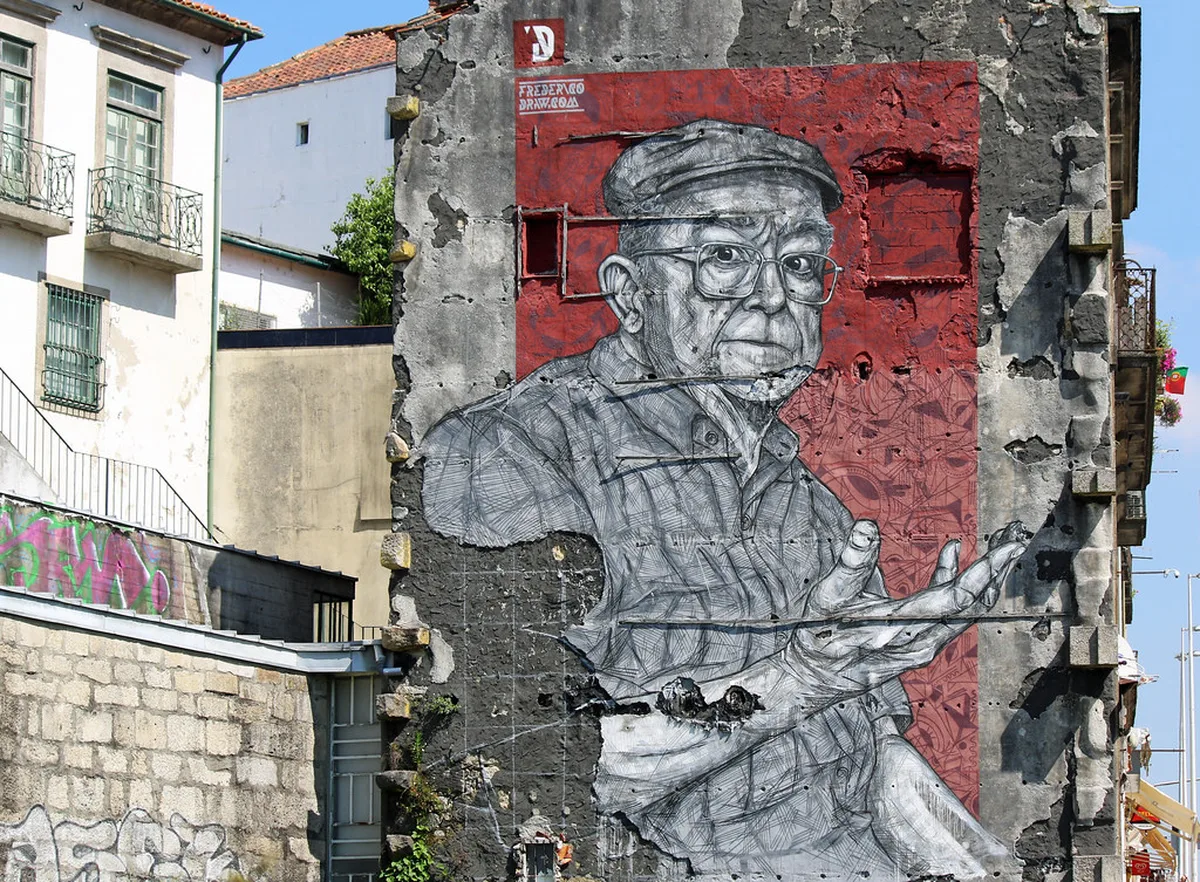
Art is not just found inside buildings in this creative neighborhood. You will notice murals and creative installations on many street corners. Many local shops also function as small exhibition spaces for residents. This constant presence of art makes Cedofeita Porto feel like an open-air museum.
Culture here also includes traditional crafts and music workshops. You might hear the sound of guitars echoing from small studios. Many locals take pride in preserving traditional Portuguese creative techniques. Visitors can often join short workshops to learn about local pottery or tile painting.
Rua Miguel Bombarda hosts the Simultaneous Openings (Inaugurações Simultâneas) every two months on Saturdays in February, April, June, August, October, and December. All galleries open new exhibitions on the same day, transforming the street into an open-air celebration with music, food stalls, and crowds of locals. Check gallery social media pages to confirm the exact date before your visit.
Miguel Bombarda and Rua do Rosário: Two Streets, One Loop
Most visitors arrive on Miguel Bombarda and never turn the corner onto Rua do Rosário, two blocks north. That is a mistake. The two streets serve different shopping moods and work best as a single 30-minute circuit rather than separate destinations. Bombarda is gallery-first — the format is large white-walled spaces, and you come here specifically on Saturdays or during Inaugurações. Rosário is browse-first — concept stores with curated Portuguese homeware, independent clothing labels, and small co-working hubs that spill customers onto the pavement on a Sunday morning.
The Centro Comercial Bombarda, a covered creative market between the two streets, connects them neatly. It houses independent vendors selling vintage clothing, handmade jewelry, and locally printed posters. The vibe inside is relaxed and unhurried, with a small cafe to pause between laps. Walk north on Bombarda, cut through the market, browse south along Rosário, and you have covered the full creative core of the neighborhood without retracing a single step.
Neither street gets particularly crowded outside of Inaugurações Saturdays, which is part of the appeal. Prices in the concept stores on Rosário are higher than average — expect €40–80 for a Portuguese-designed piece of clothing — but the items are genuinely exclusive and make far more meaningful souvenirs than anything sold in the tourist center. You can find hidden gems in Porto retail that simply do not exist in any chain or mall.
Walk both Rua Miguel Bombarda and Rua do Rosário as a single 30-minute loop rather than separately. The Centro Comercial Bombarda covered market between the two streets connects them neatly — go north on Bombarda, cut through the market, browse south along Rosário, and you've covered the full creative core without retracing any steps. This circuit works best on weekends when concept stores are busiest.
Parks, Gardens, and Outdoor Spots in Cedofeita
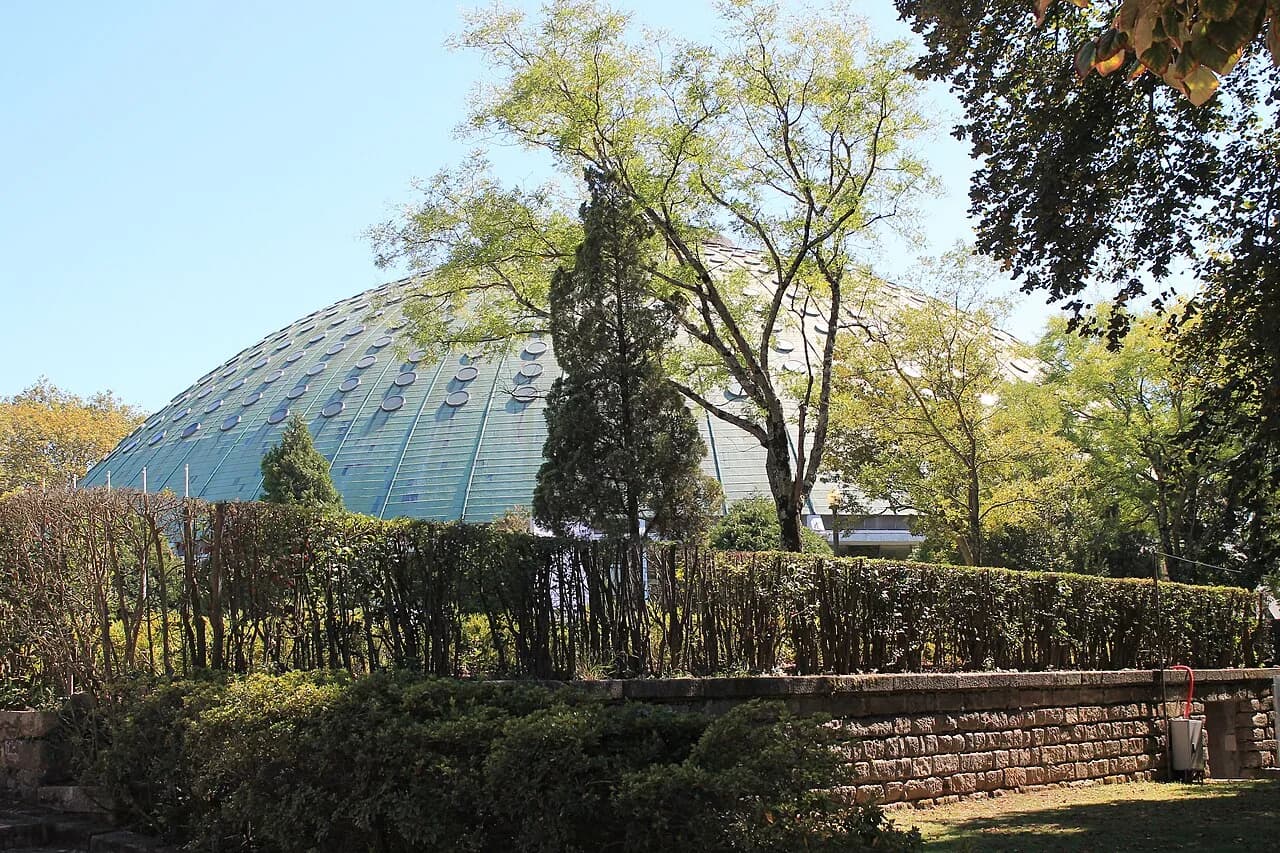
The Crystal Palace Gardens are the most famous green space in the area and one of the best secret viewpoints in Porto for river panoramas. From the western terraces, you look left toward the Dom Luís Bridge and Gaia, and right toward the Arrábida Bridge as the Douro widens toward the ocean. The gardens are free to enter and stay open until sunset every day. Come in the final hour before closing on a clear evening — the sunset from the Parque da Quinta da Macieirinha terrace, framed by cedars and palm trees, is genuinely one of the best in the city and is not listed on any standard viewpoint map.
Inside the park, you can visit the Romantic Museum of Quinta da Macieirinha. This 19th-century villa shows how wealthy Portuense families lived in the Romantic era. The surrounding terraces provide a perfect spot for a quiet afternoon picnic. Many locals come here to read or paint during the sunny weekends. You will likely encounter the peacocks that roam freely through the manicured lawns.
The Jardim de Teofilo Braga is a smaller but equally charming square located right in the middle of a residential part of Cedofeita. Tall trees provide shade for the benches scattered around the park. It is a great place to rest after a long morning of walking, and far quieter than anything near the Ribeira waterfront.
For a more active outdoor experience, head toward the riverfront paths. Massarelos provides a scenic connection between Cedofeita and the Douro. Walking downhill toward the water takes about fifteen minutes from the center of the neighborhood. The Tramway Museum sits right at the bottom of the hill near tram line 1, and coming in on the tram earns you a reduced entry fare.
Where to Stay in Cedofeita
Cedofeita is often described as the Goldilocks zone for accommodation in Porto. It sits close enough to walk to nightlife in the historic center in under fifteen minutes, yet the residential streets are quiet enough for a full night of sleep. You also get significantly more space per euro compared to cramped downtown hotels. This combination makes it particularly popular with couples and creative travelers who want atmosphere without the noise.
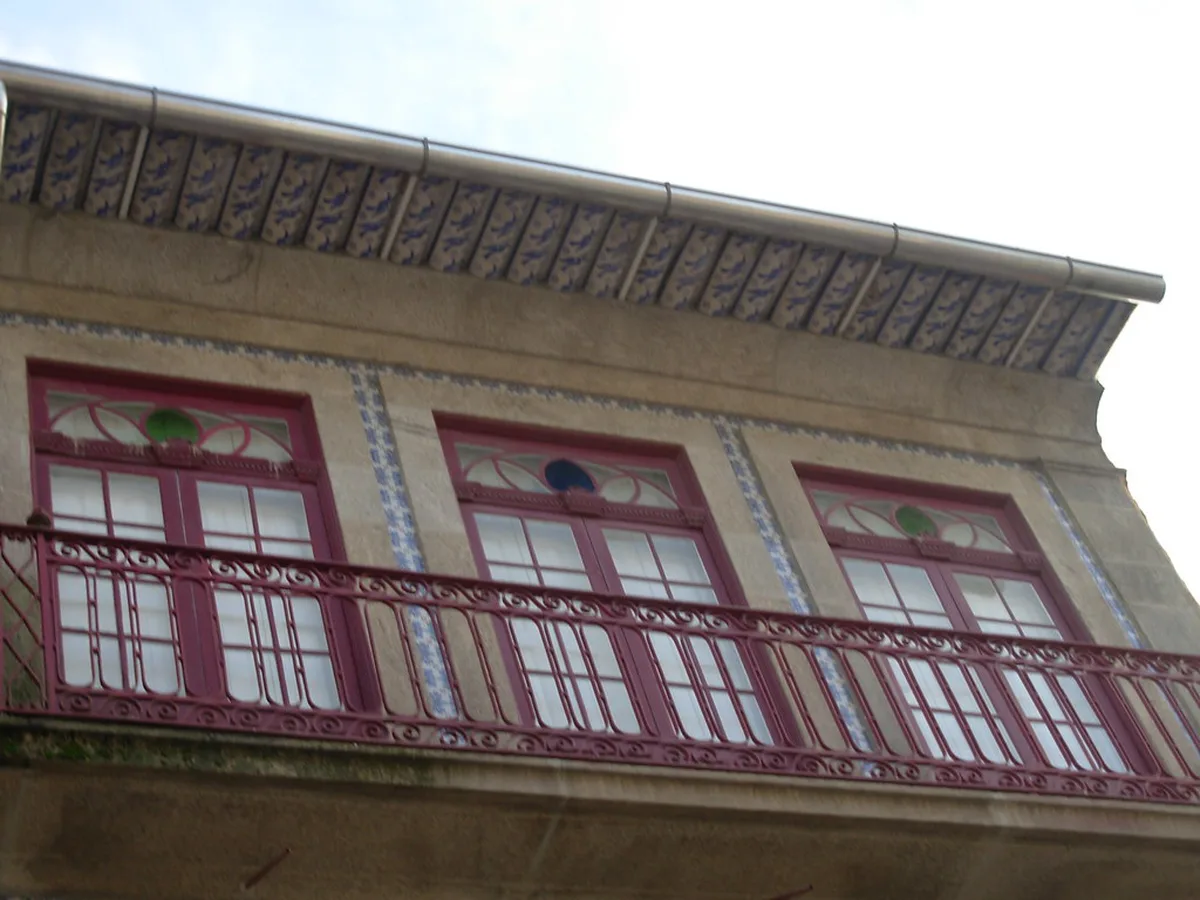
At the boutique end, Canto de Luz is the standout. It occupies an old building with skylights engineered to flood rooms with natural light, and several suites come with kitchenettes and Netflix. The breakfast is exceptional and the hotel runs a WhatsApp concierge that responds quickly to restaurant and booking requests. Casa Antiga is another well-regarded option, with vintage-furnished rooms overlooking a communal garden — some face a quiet street lined with art galleries and concept stores. Hotel Cristal Porto suits travelers who love traditional azulejo tile details; the four-star property has a backyard garden and a well-stocked gluten-free breakfast spread.
Budget travelers are well served by So Cool Hostel Porto, which has a large living room, a garden, and striking high ceilings — though note that dormitory beds lack curtains. MyStay Porto Centro is a good mid-range option if you plan to spend late evenings out, as it sits right next to the nightlife district on a relatively quiet side street. Soho Porto offers fully equipped apartment studios tucked inside a renovated old building, with a shared garden and picnic area, and is directly next to the Centro Comercial Bombarda.
For families or groups needing more space, the serviced apartments on and around Rua Álvares Cabral are a practical choice. Several properties in this pocket offer two-bedroom setups with full kitchens, dishwashers, and garden access, sleeping four to six people at rates that undercut equivalent hotel rooms in Ribeira by a considerable margin. The Lapa metro station is a five-minute walk from most of them, giving a direct connection to the airport.
Family-Friendly and Budget-Friendly Options in Cedofeita
Families will appreciate the many pedestrian zones found throughout the district. Children can run safely in the large plazas near the Soares dos Reis museum. Many cafes offer outdoor seating where parents can relax while kids play nearby. The Crystal Palace Gardens are especially good for families — peacocks wander freely through the grounds and there are wooden play structures and grassy picnic areas throughout.
Budget travelers can stretch their money further in Cedofeita than in most other parts of Porto. Traditional tascas on the side streets serve a prato do dia (daily lunch special) for €7–10, including a drink. The public markets and mercearia grocery stores sell excellent regional cheeses, bread, and cured meats at prices well below any tourist-facing restaurant. Buying a picnic and eating in the Crystal Palace Gardens is a genuinely enjoyable way to spend a lunch for very little money.
Public events in Cedofeita are often free for everyone. The Miguel Bombarda Inaugurações Simultâneas parties are free to attend. Look for outdoor concerts and movie screenings in public squares during summer. Exploring the art galleries is a great way to spend hours without spending anything — most spaces on both Bombarda and Rosário have no entry charge.
How to Plan a Smooth Cedofeita Attractions Day
Start your morning early to beat the crowds at the main museums. The best time to visit Porto attractions is usually right at opening — Soares dos Reis opens at 10:00 on most days. Most galleries on Miguel Bombarda open around 11:00 or noon. Planning your route from north to south makes the walk mostly downhill toward the river.
A practical full-day route: begin at Soares dos Reis Museum, walk south down Rua de Cedofeita, turn onto Rua Miguel Bombarda for gallery-hopping, cut through Centro Comercial Bombarda to Rua do Rosário, then head west through the residential streets to the Crystal Palace Gardens for the afternoon. From the gardens, walk downhill to Massarelos and the Douro riverfront. Take tram line 1 back east or catch a rideshare when your feet give out.
Wear comfortable shoes because many streets still feature traditional cobblestones. Some parts of the neighborhood have steep inclines that can be tiring. Carry a reusable water bottle to stay hydrated, especially in summer when temperatures regularly hit 30°C. The Lapa metro station is the closest stop for the northern part of the district. Monday is a common closure day for museums and some galleries, so plan museum visits for Tuesday through Sunday.
Independent Shops and Food Scene in Cedofeita
Food in Cedofeita Porto is a mix of old-school flavors and new trends. You can visit a traditional bakery for a morning pastel de nata and follow it up at a modern brunch spot serving specialty coffee and avocado toast. The diversity of the food scene reflects the changing face of the neighborhood — traditional and new businesses genuinely coexist here rather than one displacing the other.
Craft beer has found a permanent home in this part of Porto. Catraio, on Rua de Cedofeita, was the first dedicated craft beer bar in the city. They carry a large selection of Portuguese and international brews on tap and in bottles. It is a popular gathering point for locals and expats on warm evenings and gets lively after 20:00 on weekends.
Traditional grocery stores — mercearias — still sell fresh produce and local cheeses in several spots around the neighborhood. These shops have often been owned by the same families for generations. Buying snacks here helps support the local economy directly and the quality of regional products is reliably higher than in supermarkets. Look for Serra da Estrela cheese and presunto from Chaves if you want to assemble a proper Portuguese picnic for the Crystal Palace Gardens.
Shopping here is a delight for those who dislike big mall brands. Concept stores often feature products made exclusively by Portuguese designers, from ceramics to linen clothing. These items make for much more meaningful souvenirs than generic postcards from the tourist center. The Travessa de Cedofeita, recently repaved with traditional limestone and basalt mosaic, is pleasant to walk in the evening when the tapas bars along it come alive.
Exploring Porto's Arts Scene from Cedofeita
The local art scene extends far beyond the traditional gallery walls. Street art enthusiasts should look for the large mural by Hazul near the metro. Many buildings feature colorful azulejo tiles that are works of art themselves. The Igreja do Carmo nearby has one of the most famous tiled walls in the city.
Creative co-working hubs have started appearing in old renovated warehouses throughout the district. These spaces host digital nomads and local designers from all over the world. You can often find pop-up markets selling handmade jewelry and clothes on weekend afternoons. Supporting these local creators is a great way to give back to the community rather than spending money at chain stores.
The neighborhood also hosts several independent bookstores and record shops. These stores often hold small readings or acoustic music sessions on weekday evenings. The staff are usually very knowledgeable about the local cultural scene. Ask them for recommendations on the best underground events happening that week.
Pair this with our Porto hidden gems guide to round out your trip across the city.
Frequently Asked Questions
Is Cedofeita Porto a safe neighborhood for tourists?
Cedofeita is very safe for tourists and locals alike. It is a residential and artistic area with a friendly community feel. Like any city, stay aware of your surroundings at night. You can find more safety tips in our secret spots in Porto guide.
How far is Cedofeita from the Porto city center?
Cedofeita is located just west of the city center. It takes about 10 to 15 minutes to walk to the main Aliados plaza. The neighborhood is perfectly situated for exploring both the historic core and the western gardens.
What is the best street for shopping in Cedofeita?
Rua de Cedofeita is the primary shopping street in the district. It features a mix of traditional shops and modern boutiques. For art specifically, Miguel Bombarda is the best place to browse unique items and galleries.
Cedofeita Porto remains a vital part of the city's modern identity. It offers a unique blend of historical depth and contemporary creativity. Whether you love art, gardens, or craft beer, this neighborhood has something special. Make sure to include a full day in your itinerary to explore its many layers.
The area continues to grow as a hub for artists and independent thinkers. Visiting helps you understand the real, living culture of Porto today. Take your time to wander the side streets and discover your own favorite spots. You will likely find yourself wanting to return to this charming district again.
Continue exploring
More guides you'll find useful