Cihangir Istanbul Guide: The Bohemian Heart of Beyoğlu
Cihangir Istanbul guide: where to drink tea, hunt antiques in Çukurcuma, eat Turkish breakfast, and decide if this cat-filled Beyoğlu hill fits your 2026 trip.
On this page
Cihangir Istanbul Guide: Inside Istanbul's Bohemian Hillside Neighborhood
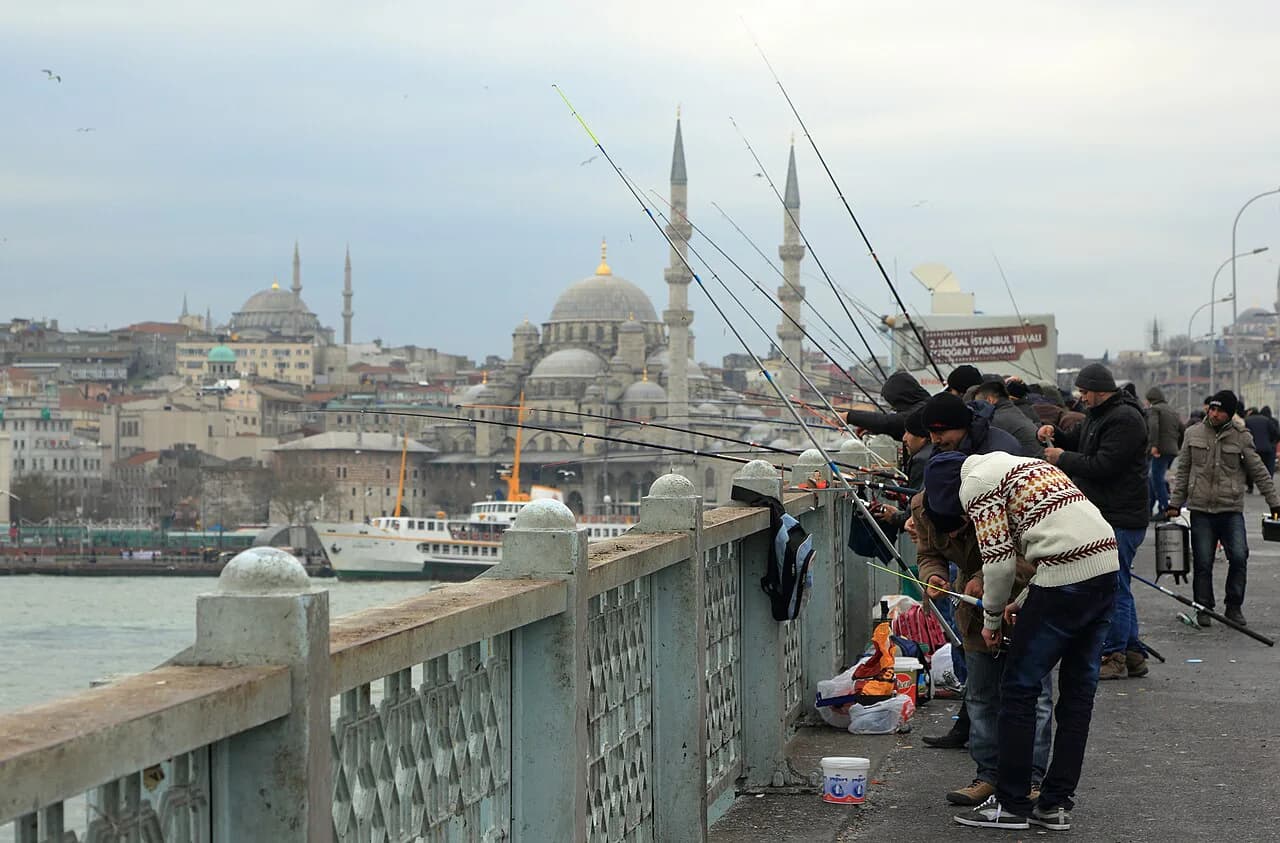
Last updated July 2026. This cihangir istanbul guide is built for slow travelers, digital nomads, and Turkish-breakfast pilgrims who want a Beyoğlu base that feels like a real neighborhood rather than a tourist strip. Steep cobblestone lanes wind from Taksim Square down toward the Bosphorus, past resident cats dozing in cafe windows and the tea garden at Firuzağa Mosque, where locals linger over glass after glass of çay. Expect antique hunting in neighboring Çukurcuma, some of the city's best Turkish breakfast tables, and an intellectual, artist-favored atmosphere that has made Cihangir a magnet for Orhan Pamuk fans and long-stay expats alike.
Cihangir Istanbul Guide: Location, Landmarks, and Getting There
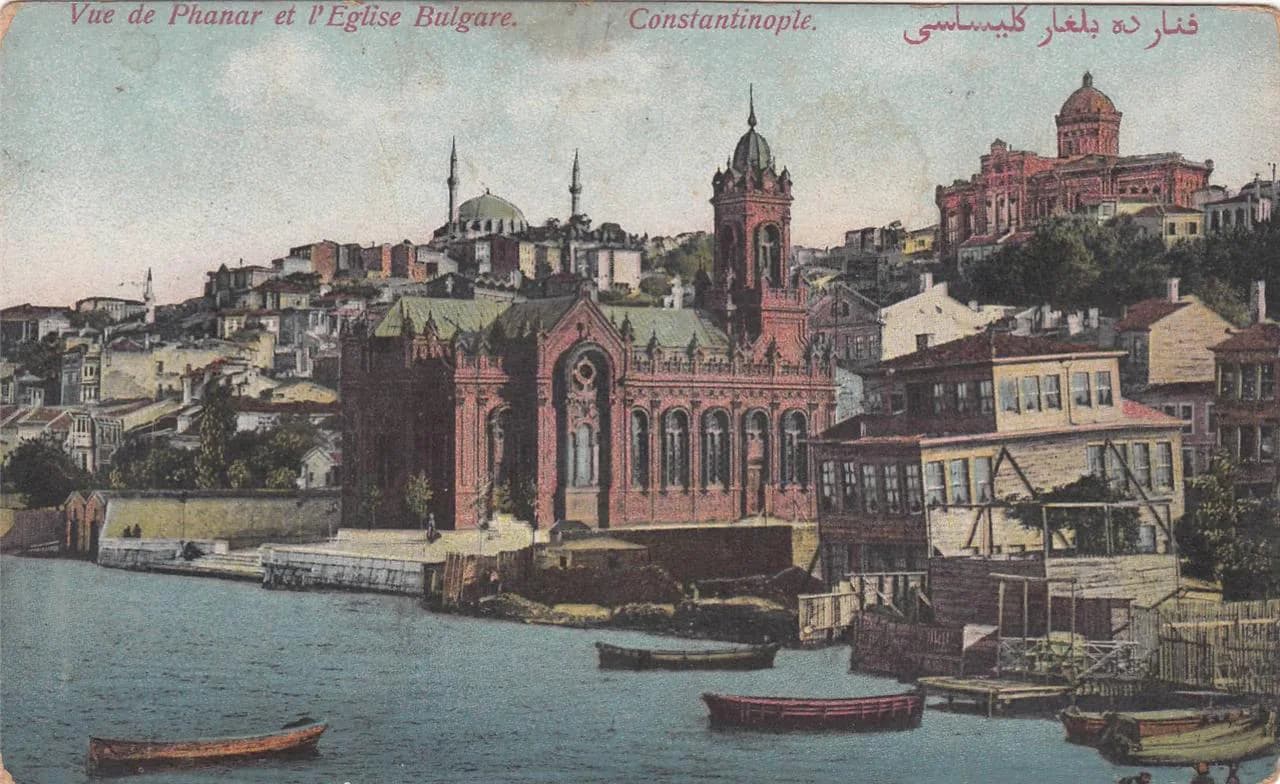
Cihangir sits in the Beyoğlu district, bounded by Taksim, Gümüşsuyu, Çukurcuma, and Kabataş as the hill rolls down toward the Bosphorus. The easiest orientation point is Firuzağa Mosque (Firuzağa Camii), a small green-domed mosque at the crossroads where Cihangir effectively begins — reached by walking straight down Sıraselviler Street from Taksim Square, a downhill walk of about five minutes. That same five minutes turns into a noticeably steeper effort on the way back up, so budget more time and energy for the return trip than for the way down. An alternative route uses the F1 funicular from Kabataş up to Taksim, which leaves a steep walk back down into Cihangir afterward — a trade-off worth knowing before arriving with a suitcase in hand. The T1 tram also serves Kabataş and Tophane, making it simple to connect Cihangir to the wider old-city sightseeing route. For a broader sense of how this pocket fits into the city, our Istanbul Neighborhoods Guide: Where to Stay & Explore in 2026 maps Cihangir against the rest of Beyoğlu, and travelers chasing quieter corners can branch out to the off-the-beaten-path corners of Istanbul from here.
- Low-impact route: walk downhill from Taksim Square down Sıraselviler Street to Firuzağa Mosque, about a 5-minute walk.
- High-effort route: ride the F1 funicular from Kabataş up to Taksim, then walk back down into Cihangir.
- Tram access: the T1 tram calls at Kabataş and Tophane, connecting Cihangir toward Sultanahmet and the old city.
Top Things to Do in Cihangir and Çukurcuma
Cihangir's best afternoon is unhurried: start with tea at Firuzağa Kahvesi, the old-school Turkish teahouse anchoring the crossroads where the neighborhood begins, still drawing a mixed crowd of locals, actors, expats, and tourists who linger under the trees rather than rush their glass of çay. From there, wander the narrow streets to admire the colorful cumba (bay-window) apartments and the occasional glimpse of the Bosphorus between buildings — a genuinely rewarding stretch for street photography, and it costs nothing beyond the walk. Cihangir is also famous for its street cats, the same resident population that starred in the documentary Kedi, lounging in cafe windows, doorsteps, and sunny patches of pavement throughout the neighborhood. About five minutes on foot brings you into Çukurcuma, Cihangir's antique-shop-filled neighbor and home to the Museum of Innocence, Orhan Pamuk's house-museum built around his novel of the same name; the dedicated Çukurcuma antiques guide covers the shops and galleries in more depth. On a hot afternoon, join the line at Yaşar Usta'nın Sorbe ve Dondurmacısı, a modest-looking but locally famous ice cream shop worth seeking out. For more ideas beyond the obvious highlights, browse Istanbul's hidden gems, the roster of 9 Unique Things to Do in Istanbul: Hidden Gems & Local Secrets (2026), and a running list of Istanbul's secret spots for days when you want to wander off-script.
- Firuzağa Kahvesi — old-school tea garden at the neighborhood's crossroads.
- Çukurcuma antique shops — about a 5-minute walk from central Cihangir.
- Museum of Innocence — Orhan Pamuk's house-museum in Çukurcuma.
- Yaşar Usta'nın Sorbe ve Dondurmacısı — a local favorite for ice cream.
- Resident street cats — Cihangir's cat population, famous from the documentary Kedi.
The Cihangir Food Scene: From Breakfast to Late Night
Breakfast is the main event in Cihangir, and Turkish breakfast here means a slow, shared spread rather than a quick coffee-and-pastry stop. Van Kahvaltı Evi specializes in Eastern Turkish-style breakfast — a wide table of cheeses, honey, kaymak, and eggs meant to be shared over an hour or more — while Kahvealtı offers a similar all-day breakfast format nearby; expect mid-range pricing at both rather than budget café rates. For dinner, Demeti serves meze with a view, Çukurcuma 49 blends pizza with local, Turkish-leaning flavors, and 5. Kat is a long-running Cihangir institution for a sit-down meal, while Barış Büfe covers quicker, cheaper bites for a fast lunch between errands. Coffee culture splits cleanly into two lanes: traditional tea houses like Firuzağa Kahvesi on one side, and third-wave specialty spots — Cafe 21, Susam, Kronotrop, Swedish Coffee Point, Tea or Coffee, and Norm — on the other, several of which double as informal daytime workspaces for laptop-toting nomads and often carry a solid vegan-friendly menu alongside the usual pastries. For a citywide view of where else to eat, cross-reference this with the Istanbul Local Food Guide: What to Eat and Where Locals Actually Go and the list of 15 Best Local Restaurants in Istanbul: Where Locals Actually Eat in 2026.
Cihangir's acclaimed food scene doubles as remote-work infrastructure. Third-wave cafés like Cafe 21, Susam, and Kronotrop function as day workspaces for digital nomads, combining dining quality with laptop-friendly environments to create a genuine long-stay base.
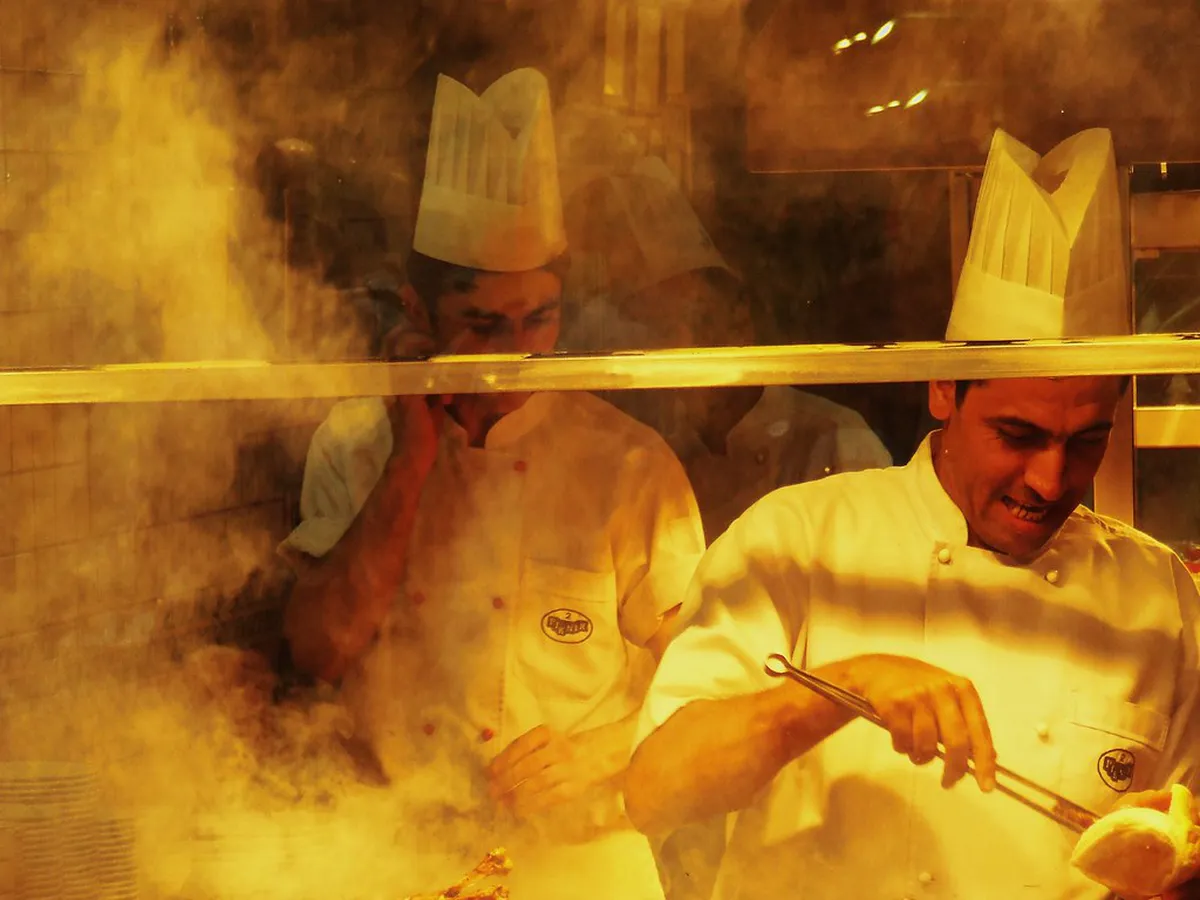
- Turkish breakfast: Van Kahvaltı Evi (Eastern Turkish-style spread) and Kahvealtı — mid-range pricing.
- Dinner and meze: Demeti, Çukurcuma 49, and 5. Kat.
- Quick bites: Barış Büfe.
- Third-wave coffee: Cafe 21, Susam, Kronotrop, Swedish Coffee Point, Tea or Coffee, Norm.
Cihangir Nightlife: Wine and Conversation, Not Clubbing
Nightlife in Cihangir leans toward wine and conversation rather than dancefloors — a noticeably calmer scene than the nightlife strip in nearby Karaköy or the bigger clubs elsewhere in Beyoğlu. Geyik Bar is the neighborhood's reliable pick for cocktails and a social crowd, Kaktüs draws a similarly relaxed after-dark crowd, and MiniMuzikhol is the one address in the neighborhood for those specifically hunting underground electronic music. Cafe 21 does double duty as a café by day and one of the hardest tables to grab at night, popular with locals, regulars, and the occasional recognizable face. Expect a peaceful, low-key evening rather than a wild one — if a louder night out is the goal, a different neighborhood is a better fit.
- Geyik Bar — cocktails and a social, conversational crowd.
- Kaktüs — a relaxed after-dark spot.
- MiniMuzikhol — underground electronic music.
- Cafe 21 — café by day, packed bar-restaurant by night.
Living in Cihangir: Safety, Vibe, and the Shoe-Shine Scam
Cihangir's reputation as one of the safer, more residential corners of central Istanbul is well earned, but it still sits close enough to less predictable pockets — Tarlabaşı among them — that it pays to stick to main, well-lit streets once the sun goes down, the same commonsense rule that applies across central Beyoğlu. One specific scam worth knowing before arrival: a shoe-shine tout drops his brush just ahead of you as if by accident; when you point it out or hand it back, he insists on shining your shoes as a thank-you, then demands payment once it's done. It's a well-documented routine that occasionally surfaces around the Taksim-Cihangir border — decline politely and keep walking if it happens. Day to day, Cihangir's appeal is intellectual and residential rather than purely scenic: its proximity to the Italian High School, its long-standing pull for writers and artists (Orhan Pamuk among the neighborhood's noted connections), and its cluster of laptop-friendly cafés have made it a genuine base for digital nomads and long-stay expats, not just a stop on a sightseeing loop.
Cihangir vs Karaköy vs Galata: Which Neighborhood Fits Your Trip?
Cihangir isn't the only atmospheric option on this stretch of the Bosphorus — Karaköy and Galata sit just downhill and make natural comparisons for where to spend an afternoon or book a room. The comparison below reflects our editorial assessment of relative price level and noise rather than published data, so treat it as a directional guide. For a closer look at the downhill option, see the Karaköy neighborhood guide.
| Neighborhood | Vibe | Price Level | Noise at Night | Connectivity |
|---|---|---|---|---|
| Cihangir | Bohemian, residential, artistic | $$ | Moderate — bars and conversation, not clubbing | 5-minute downhill walk to Taksim; T1 tram nearby at Tophane/Kabataş |
| Karaköy | Industrial-chic, gallery- and waterfront-driven | $$ | Livelier nightlife strip near the docks | T1 tram stop plus ferry connections |
| Galata | Historic, tourist-heavy around the Tower | $$-$$$ | Busy by day, quieter after dark | Walkable to both Karaköy and Cihangir |
Should You Stay in Cihangir? Pros and Cons
Cihangir makes a strong case as a base if walkability, food, and a residential feel matter more to the trip than being steps from the major monuments: İstiklal Avenue and Taksim Square are an easy downhill walk away, the neighborhood is comparatively safe, and the food scene — from Turkish breakfast to third-wave coffee — is genuinely one of the best in the city. The trade-offs are physical and practical rather than experiential: the hill is steep enough to matter for strollers, wheelchairs, or anyone with limited mobility, the bar-and-café streets can get noisy on weekend nights, and rents and hotel rates here tend to run higher than in some other Beyoğlu pockets. If quieter timing matters, pair the trip with the guide to the Best Time to Visit Istanbul Without Crowds (2026 Season Guide), and budget-conscious travelers can offset a pricier Cihangir stay by working through the Free Things to Do in Istanbul (2026 Guide): No-Cost Mosques, Neighborhoods & Views list for no-cost afternoons nearby.
The steep topography that defines Cihangir's charm—downhill from Taksim, uphill on return—significantly affects accessibility. Strollers, wheelchairs, and those with limited mobility face notable challenges navigating the neighborhood's cobblestone lanes.
- Pros: walkable to İstiklal Avenue, comparatively safe, strong food scene, authentic residential feel.
- Cons: very hilly (hard on strollers or limited mobility), can be noisy at night, higher rents and hotel rates than some neighboring pockets.
Pairing Cihangir With the Rest of Istanbul
Cihangir's walkable position makes it an efficient home base for exploring further afield without changing hotels. Spend a morning in the colorful Balat neighborhood, or take the ferry to Kadıköy on the Asian side for a different pace entirely. History-minded travelers can add the Şerefiye Cistern to a rainy-day plan, while sunset chasers head up to Pierre Loti Hill in Eyüp for tea overlooking the Golden Horn. Those with an extra day or two should browse the 6 Best Day Trips from Istanbul: Local Guide to Easy Escapes, and for a slower Bosphorus afternoon, the quiet Kuzguncuk village is a short trip from central Cihangir.
Further reading: Istanbul on Wikivoyage · Istanbul on Wikipedia
Frequently Asked Questions
Is Cihangir expensive?
Cihangir runs mid-range to higher by Istanbul standards — breakfast and dinner tables like Van Kahvaltı Evi, Demeti, and Çukurcuma 49 sit above budget café pricing, and hotel or short-term rental rates in the neighborhood tend to be higher than in less central pockets of Beyoğlu. It's not a budget-district choice, but the walkability and food scene are a large part of what you're paying for.
How far is Cihangir from the Blue Mosque and Sultanahmet?
Cihangir isn't within walking distance of Sultanahmet's Blue Mosque, but it connects via the T1 tram, which calls at nearby Tophane and Kabataş and runs through to the old city. Combined with the short downhill walk from Taksim to reach Cihangir itself, it's a straightforward, mostly tram-based trip in either direction.
Is Cihangir better than Galata or Karaköy to stay in?
It depends on what the trip needs: Cihangir suits travelers who want a residential, walkable, food-focused base with an easy downhill route to Taksim and İstiklal Avenue, while Karaköy leans more industrial-chic and gallery-driven with a livelier nightlife strip near the water, and Galata trades some quiet for proximity to the Tower and its tourist foot traffic. None is objectively better — they suit different travel styles.
Is Cihangir safe to walk around at night?
Yes, in general — Cihangir is one of the more residential and comparatively safe neighborhoods in central Istanbul, but it's still worth sticking to main, well-lit streets after dark given its proximity to less predictable pockets like Tarlabaşı. Also watch for the shoe-shine brush scam near the Taksim-Cihangir border, where a dropped brush is used to pressure a payment for an unrequested shine.
What's the easiest way to get from Taksim Square to Cihangir?
Walk straight down Sıraselviler Street from Taksim Square — it's about a five-minute downhill walk to Firuzağa Mosque, the landmark that marks the start of Cihangir. The same route in reverse is a steeper, slower climb, so budget extra time for the walk back up.
Continue exploring
More guides you'll find useful