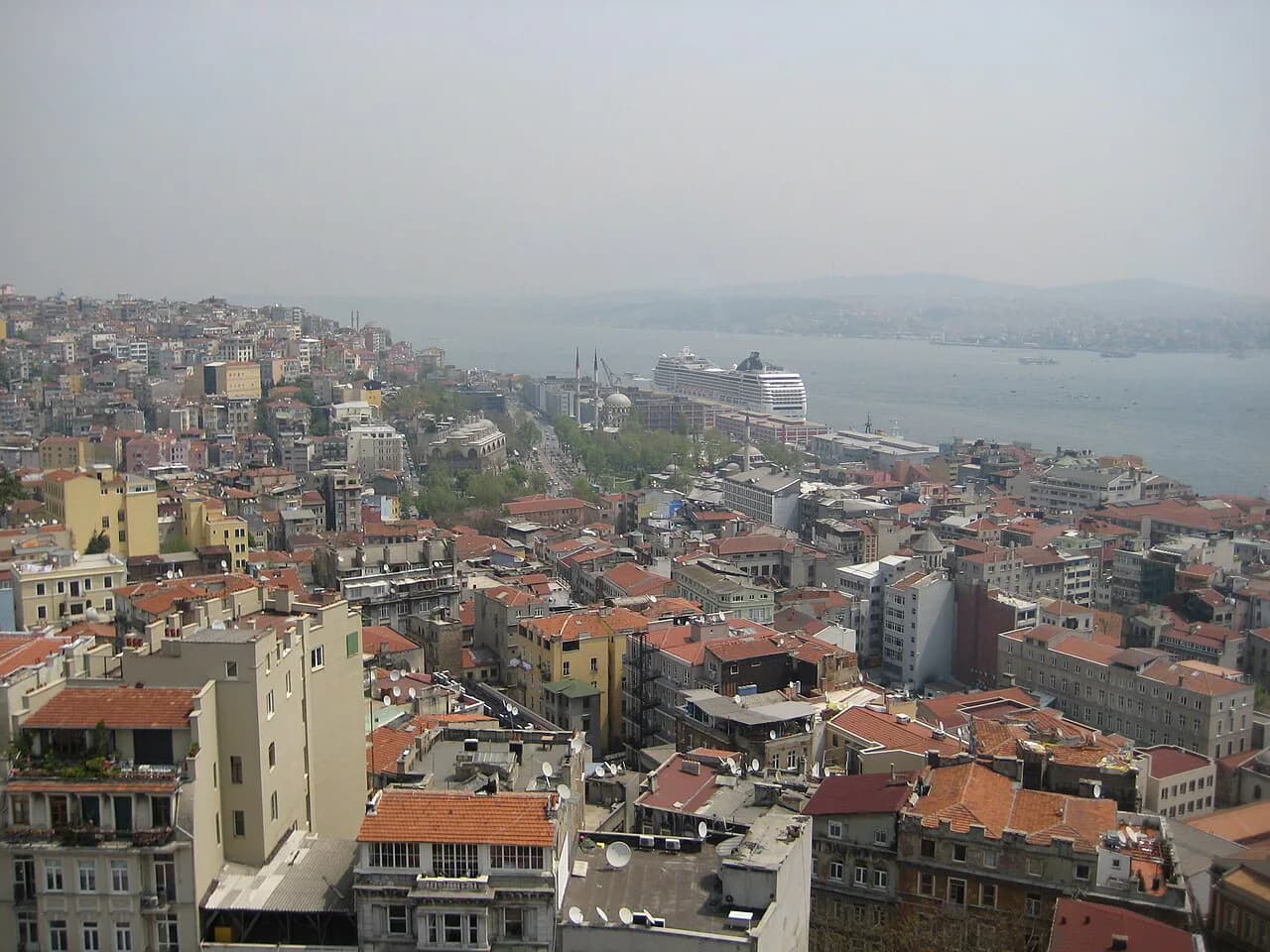
Secret Spots in Istanbul: A 2026 Guide to the City's Hidden Corners
Skip the queues with secret spots in Istanbul, from the Şerefiye Cistern to Kuzguncuk's village lanes — 2026 transit tips, timing, and crowd notes.
On this page
Secret Spots in Istanbul: Where Locals Go Beyond the Crowds
Last updated July 2026, the search for secret spots in Istanbul rewards travelers who step past Sultanahmet's ticket lines into corners where locals still outnumber tour groups. In a metropolis spread across two continents and roughly a dozen historic districts, secret rarely means undiscovered — it usually means a cistern with room to breathe, a village-like waterfront where fishermen still mend nets, or a hilltop tea garden lit by the call to prayer instead of camera flashes. This guide maps those quieter corners by vibe, transit time, and cost, so a single afternoon can be spent on two or three picks rather than a rushed attempt at all of them.
Quick Picks: The Best Secret Spots in Istanbul for a Half-Day
For travelers working with a single free afternoon, three picks cover the range this guide unpacks: a hushed underground cistern near Beyazıt Square, a wooden-house village on the Asian shore, and a hilltop tea garden over the Golden Horn. Sorting by mood helps narrow the list further — antique hunting points toward Çukurcuma, panoramic views point toward Pierre Loti Hill or Yıldız Park, and local-foodie territory points toward Kadıköy or Balat. Pair any one pick with a walk through Istanbul's distinct districts and the day already looks different from the standard Hagia Sophia-to-Blue Mosque loop.

- Şerefiye Cistern — a Byzantine water tank near Beyazıt Square with a fraction of the queue at the Basilica Cistern; budget about an hour. Vibe: quiet history.
- Kuzguncuk — a wooden-house village on the Asian side reached by ferry and a short bus or walk; budget 2-3 hours including the crossing. Vibe: village peace.
- Pierre Loti Hill in Eyüp — a Golden Horn viewpoint reached by cable car or on foot; budget about 2 hours. Vibe: panoramic sunset.
Hidden Architectural and Historical Marvels
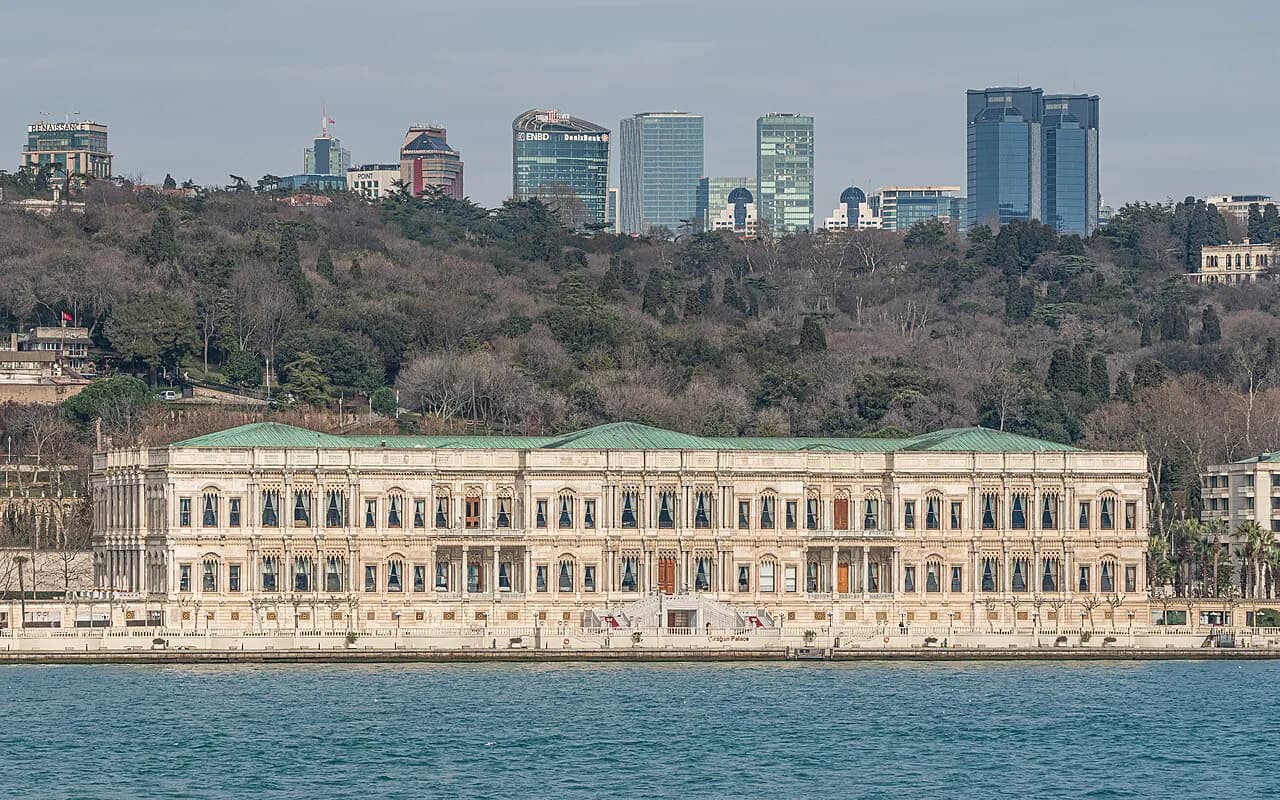
Istanbul's most-photographed monuments sit a short distance from quieter alternatives that see a fraction of the foot traffic. The Şerefiye Cistern, also known as the Cistern of Theodosius, sits a short walk from Beyazıt Square and the Grand Bazaar, and its restored vaults now host a multimedia light-and-sound installation that the far more famous Basilica Cistern doesn't attempt, with none of the queue that typically builds outside the Basilica Cistern's entrance. Book collectors have their own hideout at Aslıhan Pasajı, a multi-floor arcade tucked off İstiklal Caddesi: from Taksim Square, follow İstiklal Caddesi and turn onto Hamalbaşı Caddesi to find the entrance, where stalls stack used books, old magazines, comics, and even cassette tapes across several floors. Shops there generally keep to a 10:00-19:30 rhythm, though Sunday hours can run shorter, so a weekday visit is the safer bet. For a shaded contrast to underground vaults and bookshop aisles, Yıldız Park — the walled woodland running between Yıldız Palace and Çırağan Palace in Beşiktaş — offers pine-shaded paths and Bosphorus glimpses with no queue at all. In Beşiktaş, the Naval Museum sits practically next door to Dolmabahçe Palace, yet the palace's crowds rarely spill over to see it, making it a natural add-on before or after a Dolmabahçe visit.
Neighborhoods With Local Soul
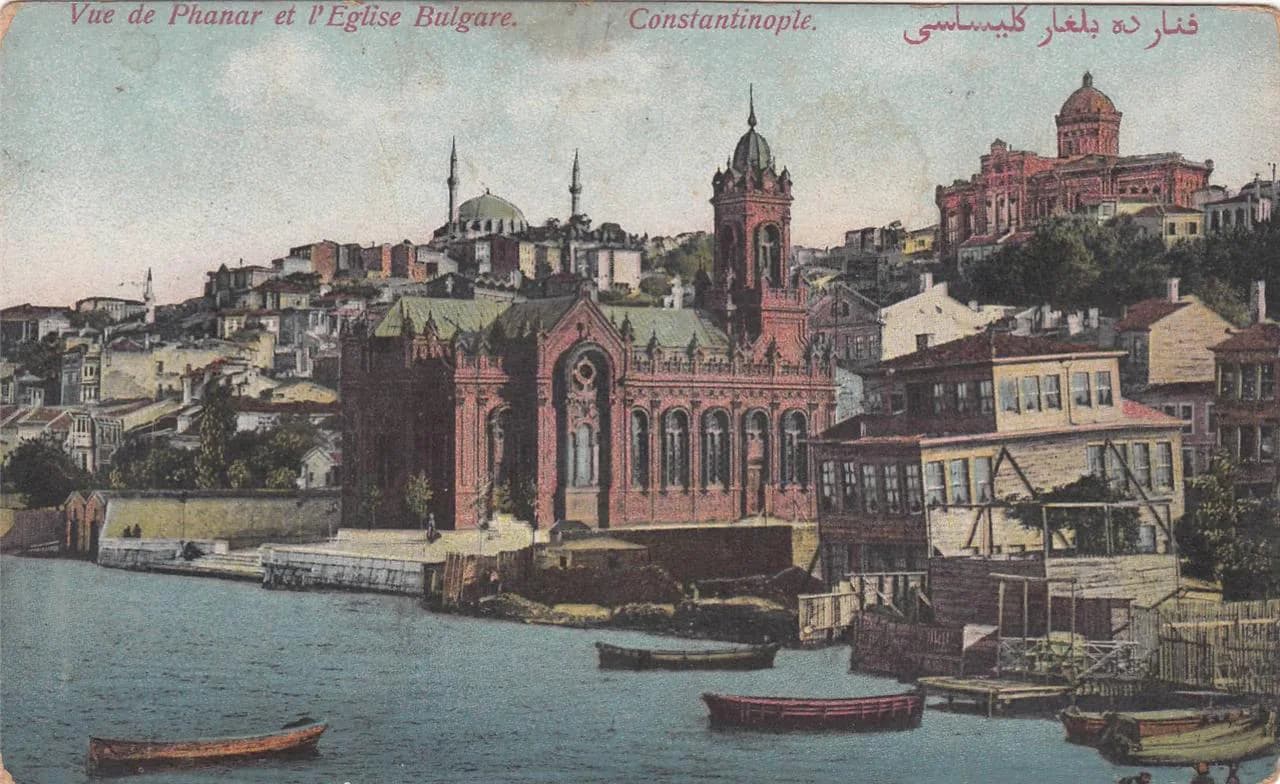
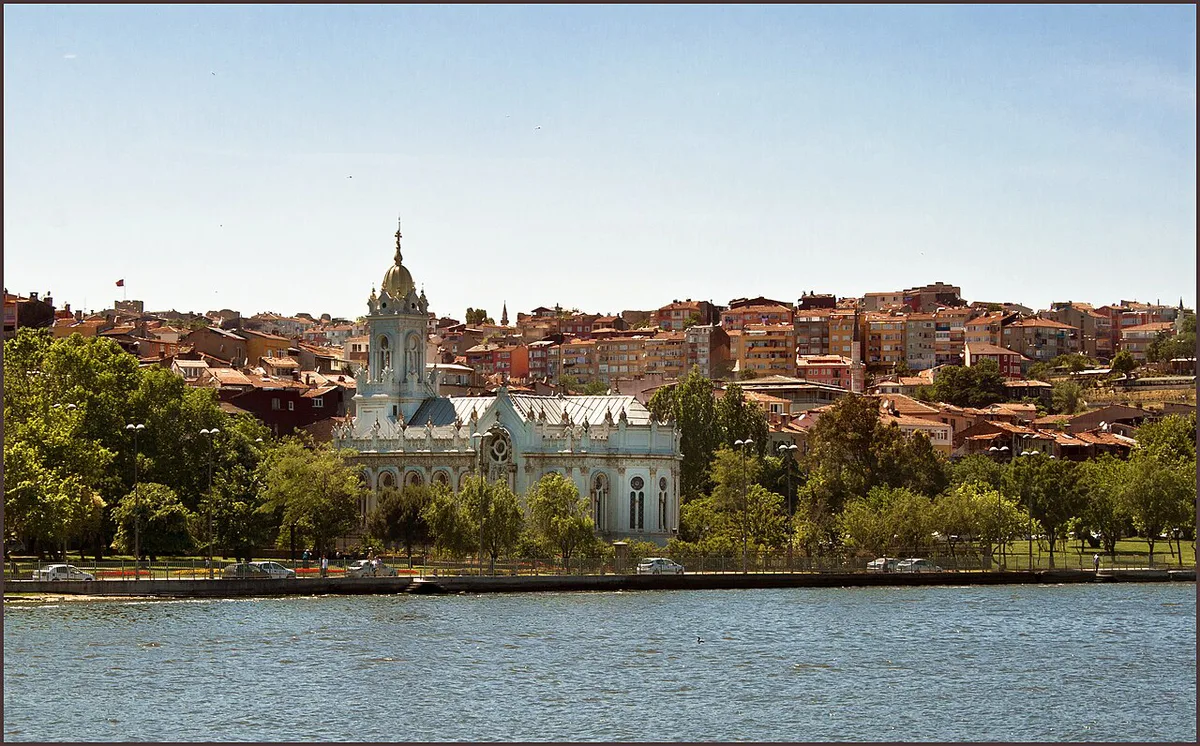
Beyond the Sultanahmet peninsula, several districts still run on local rhythm rather than tour-group timetables. Kuzguncuk neighborhood is the closest thing Istanbul has to a village within city limits — a cluster of wooden Ottoman-era houses and a community garden on the Asian shore, reached by a ferry from Beşiktaş to Üsküdar followed by a short bus ride or walk. The trade-off is honest: expect something like a 40-minute commute from Sultanahmet, so treat it as a half-day plan rather than a quick detour. Across the Golden Horn, Balat and Fener reward slow walking past the Phanar Greek Orthodox College's red-brick silhouette and the cast-iron St. Stephen Church, a rare prefabricated iron structure among the neighborhood's colorful houses. For antique hunting, the Çukurcuma antiques district is a walkable pocket of Beyoğlu, reachable on foot from Karaköy or İstiklal Caddesi in about 2 hours of unhurried browsing, where curiosity shops spill onto the street and the Museum of Innocence anchors the neighborhood's reputation without needing a deep dive into the novel behind it. Just downhill, the Karaköy backstreets hide street art and small galleries a block or two off the main café strip, while the Cihangir neighborhood and Kadıköy district round out the local-vibe shortlist on the European and Asian sides respectively. For a fuller district-by-district breakdown, the Istanbul Neighborhoods Guide: Where to Stay & Explore in 2026 maps how these areas connect.
Combining European and Asian neighborhoods in one afternoon means sacrificing daylight to transit; instead, dedicate separate half-days to European clusters (Beyoğlu's Çukurcuma, Karaköy, Cihangir) and Asian options (Kuzguncuk, Kadıköy, Üsküdar).
Secret Views and Sunset Spots Away From the Crowds
Pierre Loti Hill in Eyüp is the view locals point visitors toward once the big observation-deck skyscrapers feel too commercial: a cable car, or a gentle, non-technical walk for those who would rather skip the line, climbs to a hilltop café overlooking the Golden Horn, with the Eyüp Sultan Mosque lit up below at dusk and a sprawling historic cemetery adding an atmospheric detour along the way. Because Eyüp is also a pilgrimage site, the cable car can get busy in peak season, which is the main argument for walking up instead. The T5 tramway runs to Eyüpsultan, putting the hill at about 2 hours of round-trip sightseeing from the city center. A different kind of secret view comes from simply staying on the public ferry, operated by Şehir Hatları, past its usual Bosphorus-cruise turnaround point and riding the long route out to Anadolu Kavağı; most visitors book only a short loop cruise and never see the villages further up the strait. Pair this with the ideas in the best day trips from Istanbul guide for a full-day version of the same route.
Niche Cultural Experiences Beyond the Checklist
Some of Istanbul's least touristy experiences are cultural rather than architectural. Matchday atmosphere around Beşiktaş's Çarşı fan district, Fenerbahçe's home turf in the Kadıköy neighborhood, and Galatasaray's following all run on a passion that shows up in supporters' bars and fan cafés even without a ticket in hand. A derby, if the calendar lines up, is worth arranging tickets for, but any home match delivers the singing and chanting that make Istanbul's stadiums distinctive. Away from hotel breakfast buffets, a proper Turkish breakfast spread of simit, cheeses, olives, tomatoes, and glass after glass of tea is easiest to find in neighborhood spots rather than tourist-zone cafés; the Istanbul Local Food Guide: What to Eat and Where Locals Actually Go and the local restaurants in Istanbul roundup both point toward where locals actually eat. Less obviously touristic, but genuinely part of why many visitors land in the city: Istanbul has built a reputation for high-quality, comparatively affordable LASIK and other elective eye procedures, and a share of travelers now pair a short medical appointment with the same kind of neighborhood exploring covered in this guide.
Planning Around Secret Spots in Istanbul: Decision Matrix and Mistakes to Avoid
Not every secret spot suits every schedule, so weigh crowd level, access, and cost before picking a route. In our editorial assessment, based on the transit and timing details above, here is how the main picks compare:
Bookshops and antique shops throughout Beyoğlu keep limited weekday hours and shorter or closed Sundays; plan weekday mornings and check ahead to avoid finding doors closed mid-route.
| Spot | Best For | Transit Tip | Time Needed | Crowd Level (editorial estimate) |
|---|---|---|---|---|
| Şerefiye Cistern | History / cool-down break | Short walk from Beyazıt Square or the Grand Bazaar | About 1 hour | Low |
| Aslıhan Pasajı | Bookworms | Walkable from Taksim Square via İstiklal Caddesi | About 1 hour | Low |
| Kuzguncuk | Photography / peace | Ferry from Beşiktaş to Üsküdar, then bus or short walk | 2-3 hours | Low |
| Çukurcuma | Antiques / walking | Walkable from Karaköy or İstiklal Caddesi | About 2 hours | Low-Medium |
| Pierre Loti Hill (Eyüp) | Panoramic views | T5 tramway to Eyüpsultan, then cable car or walk | About 2 hours | Medium in pilgrimage season |
Mistakes to Avoid When Visiting Istanbul’s Secret Spots
The easiest way to spoil a hidden-gems day in Istanbul is to plan by map distance instead of transit reality. Çukurcuma, Karaköy backstreets, Aslıhan Pasajı, and Cihangir work well together on foot around Beyoğlu; Kuzguncuk, Kadıköy, and Üsküdar belong to a different half-day on the Asian side. Trying to combine both clusters in one afternoon usually means spending the best light on ferries, buses, or bridge traffic.
Also check local rhythms before you go. Around Eyüp Sultan Mosque, Fener, and smaller neighborhood mosques, Friday prayers and major religious dates can make streets busier and cafés fuller. Book passages and antique shops in Beyoğlu often keep shorter Sunday hours, while museums can have weekly closure days. For sunset at Pierre Loti Hill, arrive early enough to walk up if the cable car queue is long, then use the T5 tram rather than relying on a taxi back into traffic.
For the wider city context, see our complete Istanbul tourism attractions guide.
Frequently Asked Questions
What are the best secret spots in Istanbul for a first-time visit?
For a first visit, prioritize the Şerefiye Cistern near Beyazıt Square, Kuzguncuk on the Asian shore, and Pierre Loti Hill in Eyüp — together they cover quiet history, village-style neighborhood life, and a panoramic view, and each fits into a half-day slot without overlapping transit routes.
How much time should I plan for exploring secret spots in Istanbul?
Budget roughly an hour for compact stops like the Şerefiye Cistern or Aslıhan Pasajı, and 2 to 3 hours for anything requiring a Bosphorus crossing, such as Kuzguncuk or Pierre Loti Hill, since ferry and cable car connections add to the on-site time.
Is Kuzguncuk hard to reach from Sultanahmet?
Kuzguncuk is straightforward but not quick: the route runs by ferry from Beşiktaş to Üsküdar followed by a short bus ride or walk, and the overall trip works out to something like a 40-minute commute from Sultanahmet, so it suits a half-day plan rather than a quick add-on.
Do you need an Istanbulkart to reach these secret spots?
Yes — an Istanbulkart covers the ferries, trams, and buses used to reach nearly every spot in this guide, from the T5 tramway toward Eyüpsultan to the Beşiktaş-Üsküdar ferry, and is far more convenient than buying single tokens at each transfer.
When is the best time to visit Istanbul's secret spots to avoid crowds?
Weekday mornings tend to be quietest at compact indoor stops like the Şerefiye Cistern and Aslıhan Pasajı, while hilltop and ferry-based picks like Pierre Loti Hill are calmer outside peak pilgrimage season; the guide to visiting Istanbul without crowds breaks down seasonal timing in more detail.
Continue exploring
More guides you'll find useful